Alex Weddell is an Associate Professor in the Smart Electronic Materials and Systems Research Group within the School of Electronics and Computer Science at the University of Southampton. His research focuses on wireless sensing, energy harvesting systems, and intelligent monitoring of machine health. He teaches undergraduate and postgraduate modules on Embedded Networked Systems and IoT Networks. His research integrates energy-aware computing with practical applications in aerospace and wearable technology. Projects include EU Clean Sky 2 and Horizon 2020 initiatives developing self-powered systems for jet engines and smart cities. Dr. Weddell has received recognition for educational outreach, including development of A-level teaching kits that won the 2019 Vice-Chancellor's Award. He currently serves as Faculty Director of the Graduate School for Engineering and Physical Sciences.
Harry Bermudez is an Associate Professor in the Department of Polymer Science and Engineering at the University of Massachusetts Amherst. He leads the Bermudez Research Group focusing on biological polymers and self-assembly mechanisms. Education: B.S. in Chemical Engineering from UMass Amherst (1998), Ph.D. in Chemical Engineering from University of Pennsylvania (2003). Research interests: Stabilization of enzymes using deep eutectic solvents; Supramolecular DNA polymerization for protein synthesis; Biological polymer interfaces; Protein-polymer interactions in ionic environments. Awards: Recipient of the NSF CAREER Award and Armstrong Fund for Science Award. Research supported by NSF grants including #1800442. Leads the Bermudez Research Group investigating biomolecular materials. Collaborates with Matysiak Lab on enzyme dynamics.
Dr. Christopher Broderick is a Staff Researcher (Senior Researcher) at Tyndall National Institute and a Lecturer at University College Cork's School of Physics. He earned his B.Sc. (2010) and Ph.D. (2015) in Physics from UCC, followed by postdoctoral research at University of Bristol (2015-2016) and Tyndall (2017-2021). As a National University of Ireland Postdoctoral Fellow (2018-2020) and Marie Skłodowska-Curie Global Fellow (2021-2024), he conducted cutting-edge research on semiconductor alloys. His research focuses on theoretical and computational analysis of semiconductor materials , particularly novel group-IV alloys (GeSn, SiGeSn, GeC) and highly mismatched bismide/nitride systems , using multi-scale simulation techniques combining first-principles calculations with empirical models . Key applications include infrared photonics , next-generation photovoltaics , and quantum device engineering . Analysis of his 15 most recent publications reveals strong emphasis on band structure engineering , optoelectronic device modeling , and multi-scale material simulation . Research themes include direct-gap group-IV semiconductors for silicon photonics, highly mismatched alloys for infrared applications, and quantum well/heterostructure design for photonic devices. Scientific recognition includes: 2022 Outstanding Reviewer (Journal of Physics D) 2019-2022 NUSOD Conference Top-Ten Papers 2019 Lindau Nobel Laureate Meeting participation He teaches advanced physics courses including: PY3105 Introduction to Condensed Matter Physics PY4103 Advanced Electromagnetism PY4115 Research Project supervision
Long Han is an Associate Research Scientist in Pharmacology at Yale School of Medicine. His research focuses on structural biology and molecular mechanisms of proteins involved in cellular processes such as enzyme function, membrane protein assembly, and motor protein coordination. Key areas include cytochrome structures, outer membrane protein biogenesis, and cryo-EM analysis of protein complexes. His work contributes to understanding bacterial respiratory systems, dynein motor mechanisms, and membrane protein dynamics. Notable research includes the cryo-EM structure of the CcmABCD heme release complex, outer-arm dynein array coordination, and the BAM complex’s role in outer membrane protein insertion. Collaborations with experts like Jack Zhang and Joe Howard highlight interdisciplinary approaches. No formal advisees or awards are listed, and his primary affiliation is within the Pharmacology department at Yale School of Medicine.
José M. Valpuesta is a Full Professor and Head of Department at the Centro Nacional de Biotecnología (CNB-CSIC) since 2013. He has held leadership roles including Director (2007-2013) and Vicedirector (2006-2007) of CNB-CSIC. His academic career spans over three decades, starting with his PhD from Universidad del País Vasco (1985) and postdoctoral research at the Laboratory of Molecular Biology in Cambridge (1986-1989). Research focuses on structural biology, molecular chaperones, protein folding, and electron microscopy. Notable achievements include groundbreaking studies on CCT (TRiC) chaperonin complexes and influenza virion structures. His work bridges microscopy techniques with molecular mechanisms, particularly in cellular protein homeostasis and cytoskeleton dynamics. Key awards include the FEI Award (2004) and Bruker Award (2002). He has secured international grants from EU, HFSP, and NIH, and serves as Chief Editor for the Encyclopedia of Life Sciences (ELS) Structural Biology section. Professional memberships include leadership roles in the Spanish Microscopy Society and evaluation roles for global funding agencies. Valpuesta’s lab at CNB-CSIC investigates macromolecular complexes using advanced imaging and biophysical methods. His interdisciplinary approach addresses fundamental questions in cellular biology with implications for diseases linked to protein misfolding and cellular stress responses.
Dheeraj Roy is an Assistant Professor in the Department of Physiology and Biophysics at the Jacobs School of Medicine & Biomedical Sciences, University at Buffalo. His research focuses on understanding the molecular, cellular, and circuit mechanisms underlying higher-order cognitive processes, particularly how diseases like Parkinson's and Alzheimer's alter these mechanisms. He employs cutting-edge techniques such as single-cell RNA sequencing, optogenetics, and neural activity imaging in mouse models. Education : PhD in Neuroscience (2017) and BS/MS in Biomedical Engineering (2010) from Drexel University/MIT. Collaborations : Emphasizes interdisciplinary work combining experimental and computational approaches. Research Interests center on thalamic function in health and disease, with a focus on memory consolidation, sensory integration, and motor-behavioral disorders. His lab uses in vivo systems neuroscience methods and human organoids to bridge basic and translational research. Scientific Awards include the NIH R00 (2024), K99 (2021), and Warren Alpert Distinguished Scholar Award (2021). He has also received recognition as a TEDxCambridge speaker (2017) and INK Fellow (2016). Publications highlight advancements in memory engram mapping, thalamic circuit manipulation, and disease-specific neural interventions, reflecting a trajectory from basic neuroscience to translational applications. Laboratory welcomes diverse trainees and prioritizes a team-first approach, offering a supportive environment for skill development and conceptual learning.
Dr. Bohong Zhang is an Assistant Research Professor in the Department of Electrical and Computer Engineering at Missouri University of Science and Technology. His research focuses on developing advanced optical and microwave sensors for harsh environments, biomedical applications, and intelligent infrastructure systems. He holds a Ph.D. in Electrical Engineering from Missouri S&T. Education: PhD in Electrical Engineering (Missouri S&T) Key Research Areas: Fiber Optic Sensors, Optical Spectroscopy, Ultrafast Laser Processing, Material Characterization His work integrates cutting-edge techniques like femtosecond laser fabrication and machine learning to create robust sensors for industrial processes (steel manufacturing, cement hydration), biomedical diagnostics, and environmental monitoring. Recent projects include real-time mold flux analysis in steel production and pathogen detection using Raman spectroscopy-based systems. Awards: 2022: 2nd Place IEEE St. Louis Student Presentations 2022: 3rd Place Missouri S&T Three Minutes Poster Competition 2021: CEC Dean’s Graduate Educator Award Research Highlights: Pioneering distributed fiber optic sensor networks for industrial monitoring, developing miniaturized wearable biosensors, and advancing SERS-based chemical detection systems. Current projects emphasize sensor durability in extreme conditions and AI-driven data interpretation.
Dina Robaa is a researcher in the Department of Medicinal Chemistry at the Institute of Pharmacy, Faculty of Natural Sciences I - Biosciences, Martin Luther University Halle-Wittenberg. Her research focuses on structure-based design and optimization of epigenetic modulators and PROTACs, with a strong emphasis on targeting histone deacetylases and methyllysine reader proteins. Her research interests span Medicinal Chemistry , Epigenetics , Structure-Based Drug Design , PROTACs , Antiparasitic Agents , and Molecular Modeling . She has contributed significantly to the development of inhibitors for HDAC6, HDAC8 (including parasitic forms), LSD1, and Spindlin1, as well as NMDA receptor antagonists and bromodomain inhibitors. The trend in her publications shows a deep engagement in designing small molecules for epigenetic targets, particularly in cancer and parasitic diseases. Her work combines computational methods like virtual screening and molecular dynamics with synthetic chemistry and biological evaluation. She frequently explores scaffold modifications, bioisosteric replacements, and structure-activity relationships to optimize drug candidates. She has collaborated extensively with researchers such as W. Sippl, M. Jung, T. Wagner, and others across Germany and internationally, indicating active participation in research networks. While no formal advising or grant information is listed, her role as a co-author on numerous studies suggests mentorship and team leadership. Her research group is involved in diverse projects including epigenetic drug discovery, antiparasitic agent development, and neuropharmacology, reflecting a multidisciplinary approach to medicinal chemistry.
Brett VanVeller is an Associate Professor in the Department of Chemistry at Iowa State University (ISU). His research focuses on synthetic chemistry and biomolecular engineering, particularly the development of novel methods for creating complex molecular structures with applications in medicine and materials science. He holds a B.Sc. from McMaster University (2006), a Ph.D. from MIT (2011), and completed postdoctoral training at the University of Wisconsin–Madison. Key research interests include peptide chemistry, amidine functionalization, polymer synthesis, and the design of bioisosteres for drug discovery. His work bridges organic chemistry with macromolecular science, enabling precise molecular-level manipulation of biomolecules. Notable awards include the NSF CAREER Award (2019), Cottrell Scholar Award (2018), and multiple teaching honors. His lab has produced over 60 publications since 2021, covering topics like thioimidate chemistry, hydrogen-bonding dynamics, and mechanochemical functionalization. The VanVeller Group also emphasizes interdisciplinary training, with students and postdocs engaging in organic chemistry, biochemistry, and materials science. Lab members have contributed to patents on amidine synthesis and boronic acid protection strategies. Collaborations span institutions like Ames Lab and the University of Arizona, reflecting his commitment to advancing chemical methodologies with real-world applications.
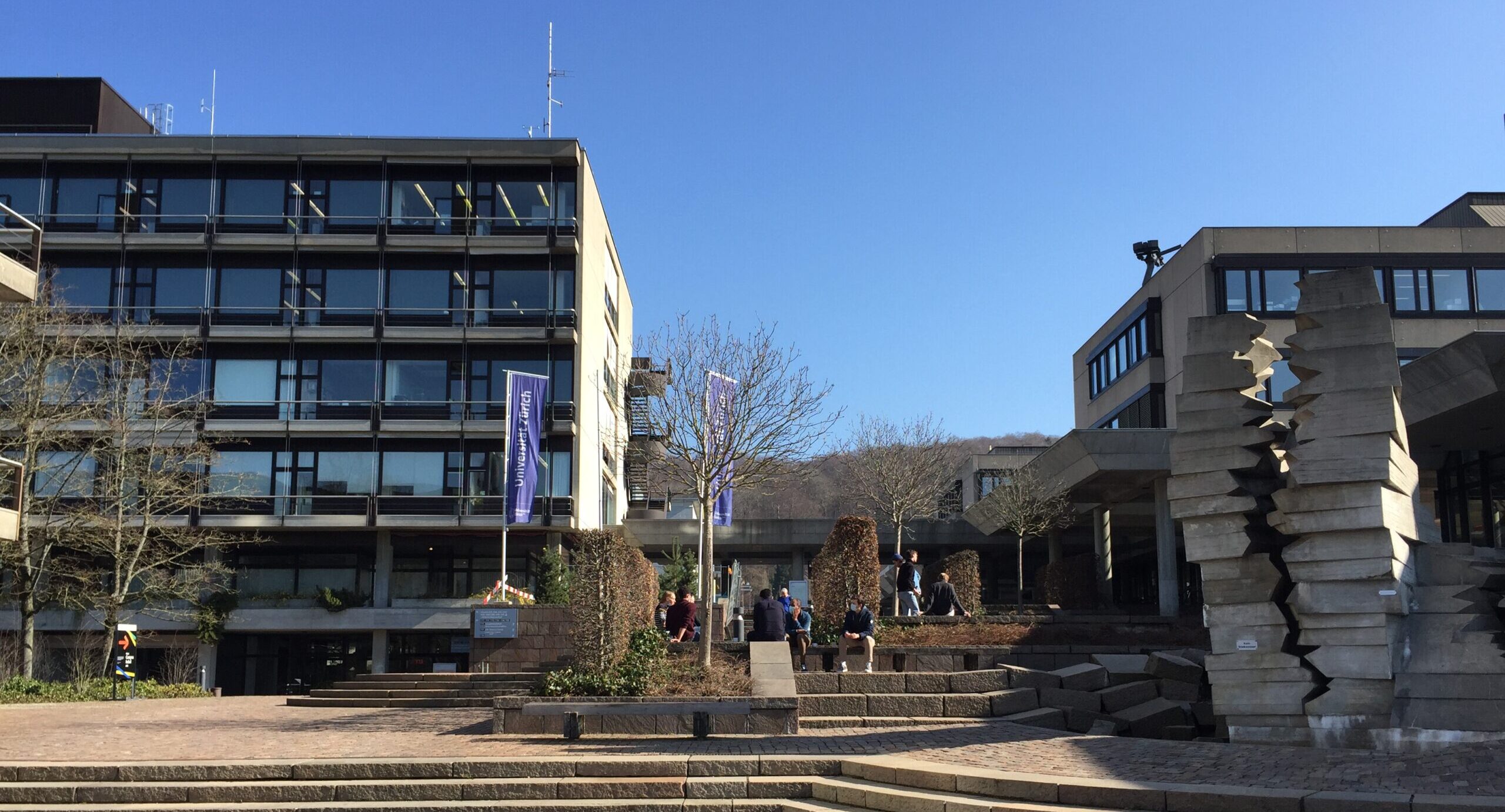
Dr. Simona Huwiler leads research at the University of Zurich's Department of Plant and Microbial Biology, focusing on predatory bacteria like Bdellovibrio bacteriovorus . Her work explores their mechanisms of killing pathogens, leveraging systems biology and synthetic approaches. Key projects include deciphering predatory proteomes, evolution of prey resistance, and engineering bacterial tools for antimicrobial applications. Funded by SNSF Ambizione, Novartis, and others, her lab collaborates widely. She advises master's and PhD students, publishes in top journals, and develops genetic toolboxes for B. bacteriovorus . Awards include the Novartis Young Investigator Grant and FAN Talent Fund. Education: Not explicitly stated, but research experience spans microbial systems and enzymology. Grants: SNSF Ambizione, Vontobel Foundation, UZH Innovation Grant. Research interests span microbial ecology, antimicrobial discovery, and biotechnological applications. Projects analyze predator-prey dynamics, protein secretion, and metabolic pathways. Her lab's tools enable genetic manipulation of B. bacteriovorus , advancing sustainable alternatives to antibiotics. Labs/Teams: Huwiler Lab at UZH, collaborating with Kümmerli Lab and others.
Katie Henzler-Wildman is a Professor and the Jean V. Thomas Professor in Biochemistry at the University of Wisconsin–Madison, Department of Biochemistry, where she leads an active research group investigating the structure and dynamics of integral membrane proteins. Her lab is located in the HF DeLuca Biochemistry Laboratories and is closely affiliated with the National Magnetic Resonance Facility at Madison (NMRFAM), leveraging advanced NMR techniques in its research. Education: B.A., Cornell University Ph.D., University of Michigan, Ann Arbor Her research focuses on understanding the dynamic mechanisms of membrane proteins, particularly secondary active transporters like EmrE and ion channels such as NaK. Using NMR spectroscopy integrated with biochemical and functional assays, her work explores how conformational changes, proton coupling, substrate recognition, and lipid environments govern protein function. A major emphasis is placed on multidrug resistance mechanisms and the molecular basis of ion selectivity and gating. The recent publication trends reflect a strong focus on protein dynamics, transport mechanisms, and structural characterization of membrane-embedded systems. Her work spans fundamental biophysics to biomedical relevance, especially in antibiotic resistance and viral protein function, including collaborative studies on SARS-CoV-2 proteins. The keywords across her recent work highlight expertise in NMR, conformational exchange, allosteric communication, and energetics of transport. Scientific Awards and Honors: Jean V. Thomas Professor in Biochemistry Dr. Henzler-Wildman mentors a robust team of graduate students and postdoctoral researchers, with many alumni now in academic and industrial research positions. Her lab has been instrumental in developing NMR methodologies for challenging eukaryotic membrane proteins. She teaches advanced courses such as Biochemistry 719, 729-012 (Biochemical Applications of NMR), 721, and 924 (Membrane Protein Structure and Function), contributing significantly to graduate training. The lab maintains active collaborations and utilizes cutting-edge facilities, including NMRFAM, to advance understanding of membrane protein function.
Dr. Yahia I.S. Sayed is a distinguished academic and researcher with extensive experience in materials science and education. His primary affiliations include Ain Shams University (College of Education), King Khalid University, Ajman University, and the National Research Centre. He has been actively contributing to research and teaching since 2006, with a broad institutional footprint across Egypt, Saudi Arabia, and the UAE. His research focuses on the structural and optical properties of advanced materials, particularly in the context of photocatalysis, electronic applications, and energy materials. Key areas include doped borate glasses, MAX phase compounds, multiferroic ceramics, and nano-composite battery materials. His work bridges fundamental materials characterization with practical applications in energy and photonics. The recent publications reveal a strong trend in optical and electronic material characterization, with emphasis on doping effects, phase transformations, and nonlinear optical behavior. His studies frequently employ spectroscopic, thermal, and electrochemical techniques to evaluate material performance. Much of his work is collaborative, supported by national and institutional funding bodies. Dr. Yahia has received sponsorship from prestigious organizations such as the National Research Foundation and the National Science Foundation, as well as multiple Saudi deanships of scientific research, highlighting the impact and recognition of his work. He has supervised or collaborated with numerous researchers, evidenced by a 99.7% co-authorship rate, though specific student names are not listed. His research is supported by grants from King Khalid University, King Saud University, and other national science foundations, enabling extensive experimental and analytical work. While specific labs or research teams are not named, his repeated collaborations with institutions in Saudi Arabia and Egypt suggest active participation in regional materials research networks and interdisciplinary teams focused on functional materials development.
Adam Lesner is a Professor at the University of Gdańsk, Faculty of Chemistry, Department of Environmental Technology, where he heads the Laboratory of Biochemical Analytics and Nanodiagnostics. His research integrates biochemical diagnostics with nanotechnology to develop innovative disease detection methods. His primary research focuses on protease activity as biomarkers for cancer (bladder, prostate, intestinal, lung, liver), diabetes complications, and inflammatory bowel disease. He designs fluorescent and electrochemical substrates for proteases like ADAMs, kallikreins, and cathepsins, and develops nanodiagnostic tools using quantum dots and modified electrodes. His work also explores antimicrobial peptides (particularly LL-37 analogs) and cell-penetrating peptidomimetics for targeted drug delivery in cancer therapy. Analysis of his 2023-2025 publications reveals dominant trends in urine-based cancer diagnostics using protease activity, gut microbiota-protease interactions in IBD, and viral protease targeting. His group pioneers DAPEG polymer-based transfection systems and electrochemical LPS detection methods, with strong translational focus on diagnostic kit development. Professor Lesner leads the Laboratory of Biochemical Analytics and Nanodiagnostics, driving research in: Protease-targeted diagnostic markers Nanomaterial-enhanced biosensors Peptide-based therapeutic delivery systems Gut microbiome-disease interaction analysis
Daria Krefft serves as an Adjunct Professor within the Department of Molecular Biotechnology at the Faculty of Chemistry, University of Gdańsk, where she maintains active research in the Laboratory of Chemistry of Biological Macromolecules. Her institutional role involves advancing molecular biotechnology through experimental research and academic contributions, with contact details indicating ongoing university affiliation including email daria.krefft@ug.edu.pl and phone +48 58 523 52 41. Dr. Krefft's research program centers on molecular biotechnology with specialized expertise in protein engineering, enzyme characterization, and genetic systems development. She investigates thermophilic bacteriophages, heat-sensitive proteases from fungi like Onygena corvina, and restriction-modification enzyme systems. Her work extends to designing fusion proteins for therapeutic delivery, developing biomicroparticles and biopolymers as drug carriers, and analyzing protein-nanoparticle interactions. This research bridges fundamental molecular mechanisms with practical applications in antimicrobial therapy, vaccine development, and industrial biotechnology processes. Analysis of her 15 most recent publications reveals consistent innovation in biotechnological tools, particularly in DNA amplification technologies, vector systems for controlled protein expression, and engineered binding domains. Key trends include the application of thermophilic enzymes for industrial processes, the development of phage-based antimicrobials, and solutions for expression system challenges such as T7-lac promoter derepression. Her work demonstrates a strong translational focus, converting molecular insights into platforms for therapeutic delivery and diagnostic tools. Scientific Awards: No scientific awards were documented in the available information Academic advising and research funding details remain unspecified in the source materials. No graduate students are listed in her institutional profile, and no grant information appears in the provided publications or university data. This absence likely reflects incomplete public documentation rather than inactivity, as her continuous publication record suggests active research programs requiring student collaboration and funding support. Dr. Krefft's primary research environment is the Laboratory of Chemistry of Biological Macromolecules at the University of Gdańsk, which functions as an interdisciplinary hub integrating biochemistry, molecular biology, and materials science. The laboratory focuses on characterizing and engineering biological macromolecules for applications ranging from antimicrobial development to therapeutic delivery systems, supporting the department's mission to address biomedical and industrial challenges through cutting-edge biotechnology.
Dr. Apostolos Argyris is an Associate Professor at the Department of Physics, University of the Balearic Islands (UIB), and a member of the Institute for Cross-Disciplinary Physics and Complex Systems (IFISC), a joint UIB-CSIC institute. He holds the Spanish I3 certification with three research merits (sexenios), four teaching merits (quinquenios), and seven trienios of academic experience. His academic background includes: B.Sc. in Physics from Aristotle University of Thessaloniki (1999) M.Sc. in Physics (Microelectronics & Optoelectronics) from University of Crete (2001) Ph.D. in Informatics & Telecommunications from National and Kapodistrian University of Athens (2006) His research focuses on complex photonic systems and nonlinear dynamics, with specific interests in coupled laser networks, chaotic oscillators, neuromorphic information processing, unconventional optical communications, photonic computing, optical chaos applications, and physical random number generation. His work combines theoretical models with experimental photonics to develop next-generation computing and communication technologies. Publication analysis reveals a dominant focus on photonic neuromorphic computing, optical reservoir systems, high-speed fiber communications, and interdisciplinary physics frameworks. Recent works demonstrate increasing emphasis on hardware implementations of machine learning concepts using photonic substrates and silicon devices. Awards and recognitions include: TR35 Young Innovators Award 2006 from MIT Technology Review ERICSSON Award of Excellence in Telecommunications (2006) He leads research projects including: INFOLANET (National Project 2023-2026): Information processing with coupled laser networks POST-DIGITAL Plus (EU Commission 2025-2029): Post-digital computing training network As principal investigator of the consolidated research group 'Fotónica Compleja y Sistemas Neuroinspirados' (FoCo-SiNeu), he directs laboratory activities in neuromorphic photonics and complex systems. He currently supervises doctoral candidates in the Physics PhD program and teaches undergraduate/graduate courses including Medical Physics, Complex Photonics, and General Physics Laboratory.