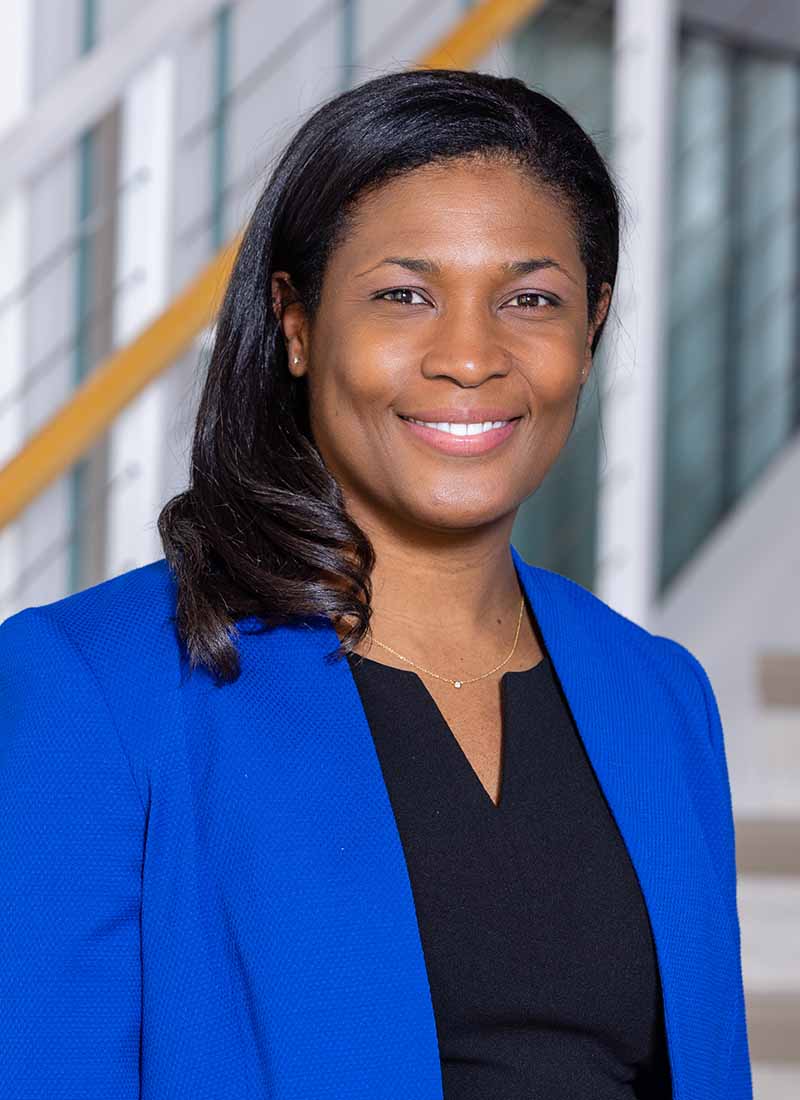
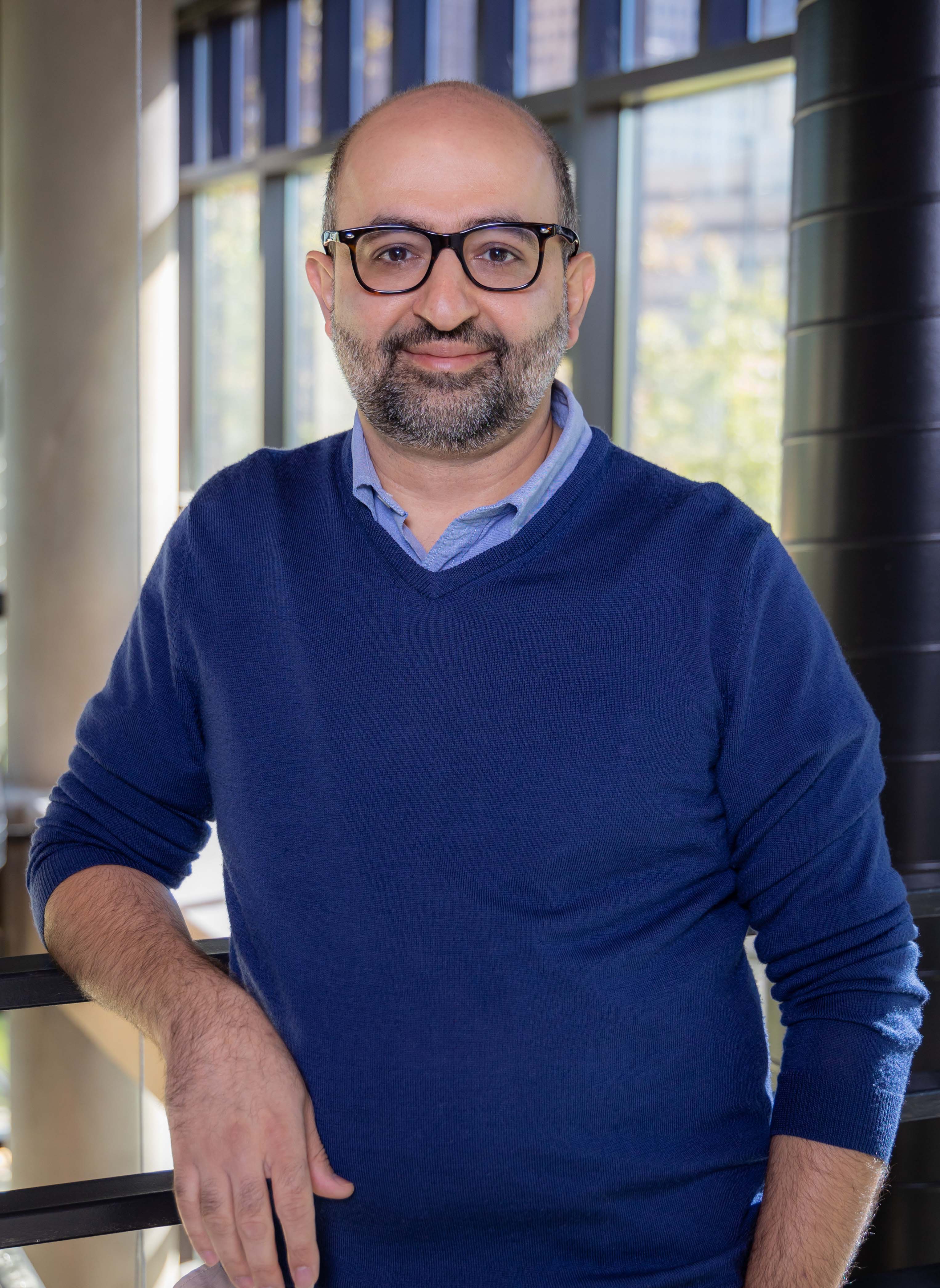
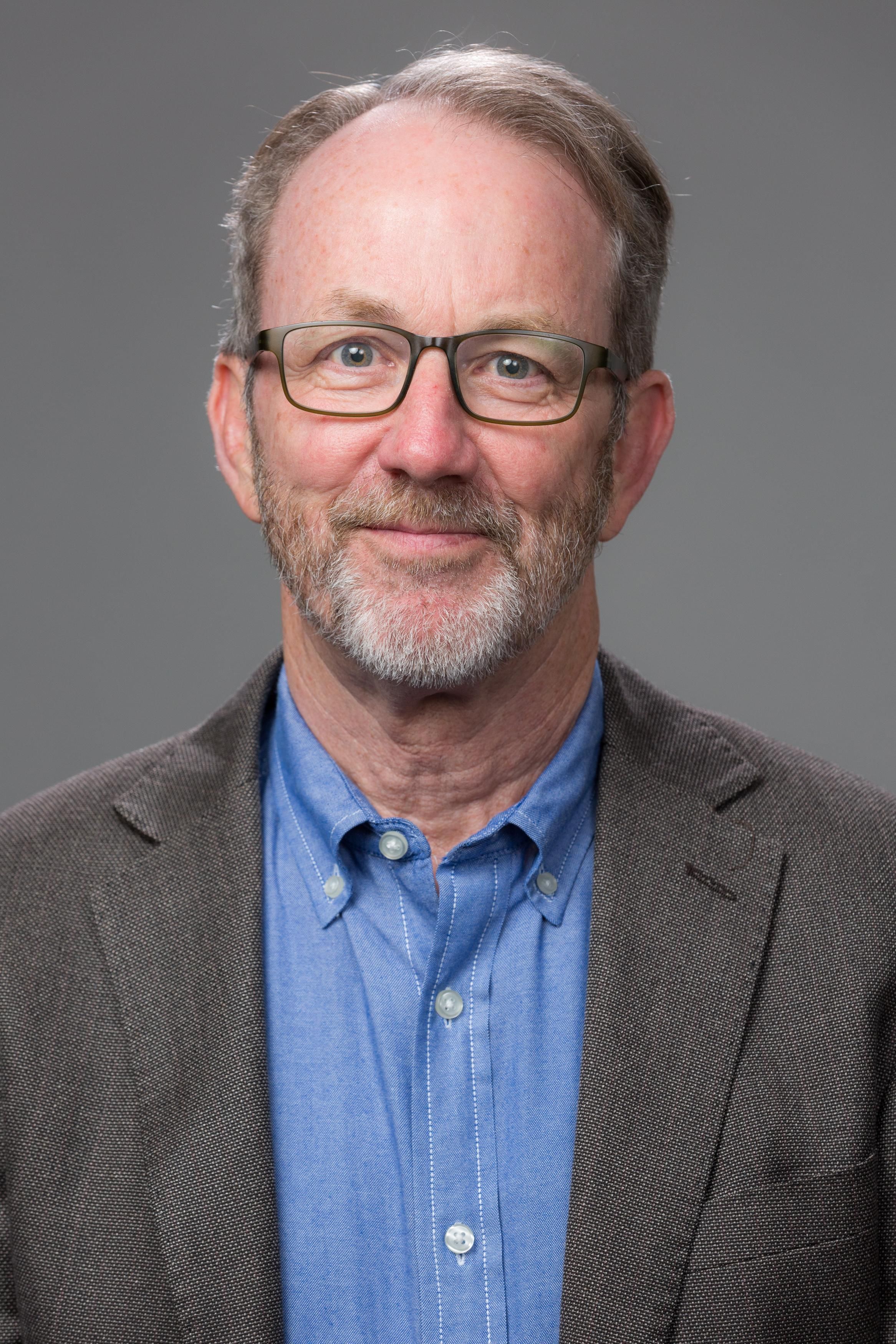
Jonathan H. Cantor is a Policy Researcher and Professor of Policy Analysis at the RAND School of Public Policy . His research focuses on health policies related to substance use disorder , mental health , and health behaviors , integrating frameworks from health economics , policy analysis , and public health . He leads the Mental Health and Addiction Treatment Tracking Repository , a national longitudinal database for substance use and mental health treatment facilities. His work examines treatment availability for older adults (funded by the National Institute on Aging) and telehealth services in mental health (funded by the National Institute of Mental Health). Recent NIMH grants aim to quantify mental health crisis services supply and its impact on population health. His recent publications (e.g., JAMA , Health Affairs ) address topics like opioid treatment accessibility , telehealth disparities , and food insecurity in higher education . His research spans health equity , preventive healthcare , and modeling/simulation approaches.
Ashli Owen-Smith is a behavioral scientist affiliated with the School of Public Health at Georgia State University , where her research focuses on mental health disparities, suicide prevention, and integrative/complementary approaches for complex mental-physical health conditions. She works with underserved populations including refugees/immigrants, incarcerated individuals, and LGBTQ+ communities through community-based participatory research and mixed-methods frameworks. Her current projects are funded by CDC , DBHDD , and DPH . Education: Ph.D. in Behavioral Sciences (Emory, 2009), S.M. in Public Health (Harvard, 2005), B.A. in Psychology (Smith College, 2001) Her research spans mental health , trauma , suicide prevention , and mindfulness-based interventions . Recent work examines telehealth adaptations for chronic pain and mental health, vaccine hesitancy in refugee communities, and social determinants of suicide . She leads studies on gender-affirming care and health disparities in LGBTQ+ populations. Key article trends include epidemiological analysis of suicide risk factors, COVID-19 impacts on mental health, ICD-10 coding for autism, and complementary medicine in trauma recovery. Subfields span telehealth , health equity , mental-physical comorbidity , and community engagement . Students she has mentored include C.A. Scarlett , T. Griner , and M.M. Sesay . Her work integrates public health policy , clinical research , and health systems analysis .
Björn Pasternak is a Research Professor leading the Pharmacoepidemiology group at the Department of Medicine, Solna, Karolinska Institutet. His team specializes in large-scale registry studies focused on adverse drug effects, with research programs in pediatric pharmacoepidemiology, safety of diabetes medications, and rapid assessment of drug safety concerns. The group leverages high-quality epidemiological methods to inform evidence-based clinical decisions. Pasternak's research interests span pharmacoepidemiology, drug safety, diabetes outcomes, cardiovascular risk, and perinatal health. His work utilizes nationwide registries to evaluate real-world drug effects, socioeconomic disparities in treatment, and long-term outcomes of chronic therapies. Key focuses include GLP-1 receptor agonists, SGLT2 inhibitors, antibiotic use in pregnancy, and opioid safety. Recent publications demonstrate strong emphasis on Scandinavian cohort studies of diabetes medications (GLP-1 agonists, SGLT2 inhibitors) and their associations with thyroid cancer, liver events, intestinal obstruction, and cardiovascular/renal outcomes. Other trends include perinatal pharmacovigilance (antibiotics, acid-suppressive drugs) and neurodegenerative risks in athletes.
Tamar Rodney is an Assistant Professor at the Johns Hopkins University School of Nursing , specializing in psychiatric mental health. She serves as the DNP Advanced Practice Psych Mental Health Track Coordinator and is affiliated with the Center for Community Programs, Innovation, and Scholarship (COMPASS) and the Center for Infectious Disease and Nursing Innovation . Dr. Rodney’s research focuses on PTSD and traumatic brain injury (TBI) in military personnel and veterans. Her work explores biomarkers , inflammatory responses , and meaning theory to improve diagnosis and treatment planning for mental health conditions. She also investigates telehealth , dementia care , and social isolation in vulnerable populations. Recent publications highlight her expertise in PTSD prevalence among nurses, telehealth applications , biomarker analysis , and community-based interventions for cognitive impairments. Her work bridges neurobiology and psychiatric nursing to inform military health policy . 2022 Coeur de Catherine – St. Catherine University 2021 AMERSA Marianne Marcus Award Multiple scholarships/fellowships (2010–2022) Dr. Rodney’s clinical practice, research, and advocacy address substance use disorders , resilience , and global health challenges. She actively contributes to policy development and education in psychiatric nursing.
Farnoush Banaei-Kashani is an Associate Professor (Tenured) in the Department of Computer Science and Engineering at the University of Colorado Denver. She also holds an Adjunct Associate Professor position in the Department of Mathematical and Statistical Sciences. As the founder and director of the Big Data Management and Mining Lab (BDLab), she leads multiple GAANN Fellowship Programs, including BDSE (Big Data Science and Engineering), DDC (Data-Driven Cybersecurity), and II (Infrastructure Informatics). She directs the 'Data Science in Biomedicine' MS Track and focuses on data-driven decision systems (DDSs), integrating machine learning and big data analytics into healthcare, energy, transportation, and environmental applications. Education: Details not explicitly provided in the text. Her research spans data management cycles for DDSs, addressing challenges like big data volume, velocity, and variety. Key projects include iWatch (crime surveillance), POCM (mobility monitoring), and GeoSIM (urban texture documentation). She teaches courses such as Machine Learning Systems, Big Data Science, and Data Mining. Publications highlight advancements in sea ice classification, federated learning, proteomic networks, and privacy-preserving AI. Her work is funded by NSF, NIH, DOT, and industry partners like Google and IBM. She has advised numerous students and contributes to academic leadership as editor, conference chair (ACM SIGSPATIAL 2018/2019), and program committee member for venues like SIGMOD and KDD.
Univ-Prof. Dr. med. Malek Bajbouj serves as Director of the Institute for Affective Neuroscience and Emotion Modulation at Charité – University Medicine Berlin's Campus Benjamin Franklin (CBF), operating within the Department of Neurology, Neurosurgery and Psychiatry (CC 15). His position integrates clinical leadership with translational neuroscience research focused on severe mental illnesses. Dr. Bajbouj's research program centers on affective neuroscience and emotion dysregulation mechanisms in psychiatric disorders, particularly schizophrenia spectrum conditions and depression. He pioneers multimodal intervention approaches combining neuromodulation (tDCS), oxytocin augmentation, mindfulness therapies, and digital health tools. His work emphasizes translational biomarker development using neuroimaging, machine learning, and physiological stress parameter analysis to personalize treatment for treatment-resistant populations. Analysis of his 2023-2025 publications reveals three dominant research trajectories: (1) novel treatment combinations for negative symptoms in schizophrenia (oxytocin + mindfulness, yoga therapy); (2) real-world implementation of neuromodulation (at-home tDCS protocols, technical efficacy monitoring); and (3) global mental health responses to crises (pandemic impacts on vulnerable groups, culturally adapted refugee interventions). His methodology consistently employs rigorous randomized controlled trials with embedded biomarker studies. As director of his eponymous institute, Dr. Bajbouj leads a multidisciplinary team conducting neuroimaging studies, clinical trials, and international collaborations focused on emotion modulation pathways. The institute coordinates research across CC 15's clinical infrastructure at CBF Building V, with particular emphasis on bridging laboratory neuroscience with clinical psychiatry through the DepressionDC and OXYMIND trial frameworks.
Dr. Ariel Lang is a Professor In Residence in the Department of Psychiatry at the University of California San Diego (UCSD) and holds an Adjunct Professor position in the Department of Family Medicine and Public Health. She serves as Co-Director of the Experimental Psychopathology Track in the SDSU/UCSD Joint Doctoral Program in Clinical Psychology, and directs the VA San Diego Healthcare System (VASDHS) Center of Excellence for Stress and Mental Health (CESAMH). She co-leads the VASDHS Advanced Fellowship in Women's Health and specializes in evidence-based psychotherapeutic approaches for anxiety and trauma-related disorders in military populations. Education: Bachelor of Arts (BA), Psychology, Stanford University (1991) Master of Arts (MA), Clinical Psychology, UCLA (1994) Doctor of Philosophy (PhD), Clinical Psychology, UCLA (1998) Master of Public Health (MPH), Public Health (Biometry), SDSU (2007) Research Interests: Dr. Lang's work centers on assessing and treating PTSD, anxiety disorders, and trauma-related conditions with a focus on complementary and integrative approaches. Her studies frequently intersect with military/veteran populations, women's health, and public health issues such as systemic racism and environmental exposures. She has pioneered interventions like Compassion Meditation , Adaptive Disclosure , and Mantram Repetition Program , often using randomized controlled trials (RCTs) to evaluate efficacy. Her research also addresses co-occurring disorders (e.g., PTSD and substance use), pregnancy/postpartum mental health, and intergenerational trauma effects. Publications Trends: Her recent articles emphasize trauma-focused treatments, integrative health modalities, and veteran-specific healthcare challenges. Over 50% of her recent work involves clinical trial methodologies, particularly RCTs evaluating novel interventions. She consistently explores interdisciplinary topics like the intersection of mindfulness and clinical psychology, and the impact of systemic stressors on mental health outcomes. Awards: In 2022, she was honored as the UCSD Dept of Psychiatry Faculty Champion of Diversity . Grants/Advising: She is Principal Investigator on NIH grants exploring compassion meditation and yoga interventions for veterans, and has led projects funded by the VA and DoD. Her role in the 2023 VA/DoD PTSD Clinical Practice Guideline underscores her influence in shaping national healthcare policies. Labs/Teams: Her work is anchored in the VASDHS CESAMH, a multidisciplinary research center focused on stress-related mental health conditions. She collaborates extensively with researchers in public health, neurology, and military medicine, evidenced by frequent co-authorships in these domains.
Lisa L. Wynn is Professor in the School of Social Sciences (Discipline of Anthropology) at Macquarie University in Sydney, Australia. She serves as Associate Editor of American Ethnologist (2022-2027) and previously held leadership positions including President of the Australian Anthropological Society (2020) and membership on the AAS Executive Committee (2018-2021). Wynn earned her PhD in 2003 from Princeton University's Anthropology Department, followed by postdoctoral positions at Princeton's Office of Population Research and Center for Health and Wellbeing. Her research program centers on gender, reproductive health technologies, sexuality, and religion, with continuous fieldwork in Egypt since 1998. More recently, she has expanded her work to examine ethics review bureaucracies, lay understandings of infectious disease, and young adult vaping behaviors in Australia. Her methodological approach combines deep ethnographic engagement with critical analysis of how power structures intersect with medical technologies and bodily experiences, particularly among marginalized communities. Analysis of her recent publications reveals an evolving trajectory that maintains her foundational interest in Middle Eastern contexts while increasingly addressing digital spaces (as seen in studies of online fatwas) and contemporary health crises (including pandemic responses and vaping culture), with consistent attention to bodily autonomy and reproductive justice. Her significant scholarly contributions have been recognized through multiple prestigious awards: Vice Chancellor's Teaching Excellence Award from Macquarie University (2009) Australian Award for Teaching Excellence (2012) OLT National Teaching Fellowship (2012-2014) Leeds Honor Prize from the Society for Urban, National, and Transnational/Global Anthropology (2008) Wynn actively mentors graduate researchers specializing in gender, sexuality, medicine and technology, with particular emphasis on sexual and reproductive health. Her research program has received substantial funding from the Social Science Research Council, Australian Research Council, Office of Learning and Teaching, and Hort Innovation. Notably, she co-led a major international project to develop multilingual sexual and reproductive health resources that have reached millions of users across 208 countries. She also created a free online ethics training program for humanities and social sciences researchers at Macquarie University. Through collaborations with Cambridge Reproductive Health Consultants and other partners, Wynn has successfully translated academic research into accessible public resources, including evidence-based information on medication abortion available in six languages (English, Spanish, French, Arabic, Turkish, and Farsi).
Rick Hoyle is a Professor of Psychology and Neuroscience at Duke University, where he serves as Associate Chair of the Department of Psychology and Neuroscience. He is also a Faculty Network Member of the Duke Institute for Brain Sciences. His academic career spans decades, with significant contributions to understanding self-regulation and adolescent development. Dr. Hoyle earned his B.A. from Appalachian State University (1983), followed by an M.A. (1986) and Ph.D. (1988) from the University of North Carolina, Chapel Hill. He progressed from Assistant to Associate to Full Professor at the University of Kentucky from 1989 to 2003 before joining Duke University. His research focuses on how adolescents and emerging adults manage goal pursuit through self-regulation, taking a broad view that accounts for personality, environment, cognition, emotion, and social influences. He employs longitudinal methods with repeated assessments, sometimes spanning years with data collection multiple times per year, or intensive studies with assessments several times daily. His lab develops innovative measurement tools including self-report measures of self-control and grit, as well as unobtrusive approaches using mobile phones and wearable devices to track goal pursuit in natural settings. His recent publications reveal a strong focus on self-regulation in digital contexts, adolescent substance use, socioeconomic influences on development, and innovative measurement approaches. His work increasingly integrates technology (social media analysis, wearable devices) with traditional psychological research methods to understand real-world behavior. Fellow, Association for Psychological Science (2013) Dr. Hoyle has secured numerous research grants totaling millions of dollars, including the current Real-Time and Randomized Tests of Social Media and Mental Health Links in Early Adolescence (2024-2029), NCCU Duke - Substance Use Research & Education (2024-2029), and Mid-Life Health Inequalities in the Rural South: Risk and Resilience (2023-2028). His grant portfolio demonstrates sustained funding for research on adolescent development, substance use, self-regulation, and health disparities. He teaches advanced courses including Applied Structural Equation Modeling and Psychology and Neuroscience Grant Writing, mentoring the next generation of researchers in quantitative methods and research design. His work through the Center for the Study of Adolescent Risk and Resilience (2008-2025) has established a significant research infrastructure for longitudinal studies of adolescent development. Current projects examine social media effects on mental health, substance use patterns, and the impact of environmental factors on adolescent well-being using innovative digital tracking methods.
Professor Catherine Allerton is a faculty member in the Department of Anthropology at the London School of Economics and Political Science (LSE). She specializes in the materialities and mobilities of everyday life, with a focus on place, kinship, childhood, migration, and temporalities in island Southeast Asia. Her fieldwork spans a two-placed village in Flores, Indonesia, and Kota Kinabalu, Sabah, East Malaysia. Her research emphasizes interdisciplinary ethnographic methods, particularly involving child participants to challenge adult-centric approaches. She launched the 'Childhood in the Migrant City' exhibition using child-taken photographs from her ESRC-sponsored research. Current projects include exploring discordant temporalities between migration systems and childhood development, as well as completing a book manuscript on moral economies of belonging. Key research interests include the social and political dimensions of landscapes, the anthropology of children, and the impacts of legal status on marginalized youth. She teaches an LSE course on 'Children and Youth in Contemporary Ethnography' and actively supervises PhD students focusing on childhood, migration, citizenship, and Southeast Asian studies. Her work addresses exclusionary practices tied to race, religion, and legal frameworks in Malaysia and Indonesia. Languages spoken include Bahasa Manggarai, English, Indonesian, and Malay. No part-time status is mentioned, indicating full-time faculty commitment.
Brian A. Primack is a Professor of Public Health with tenure at Oregon State University's College of Public Health and Human Sciences, serving as its dean since 2022. Previously, he was Dean of Education and Health Professions at the University of Arkansas and Dean of the Honors College at the University of Pittsburgh. His research focuses on social media's impact on mental health, including depression, anxiety, and loneliness. He has authored over 300 publications, including his book You Are What You Click , and secured over $10 million in federal research funding. Dr. Primack's research highlights both risks and opportunities of digital media. He emphasizes optimizing social media use through strategies like curating connections and mitigating negativity. His work intersects education, medicine, and public health, addressing disparities in health outcomes, such as those exacerbated during the pandemic. Notable awards include membership in the American Society of Clinical Investigation (2019) and the Next Big Idea Book Award shortlist (2021). His leadership philosophy prioritizes unlocking potential, fostering community trust, and advancing equitable health solutions. He oversees a college with nearly 2,400 students and $18 million in annual research funding, emphasizing community engagement and innovative scholarship.
Eileen Klein is an Associate Professor of Social Work and Convener of the BSW Program at Ramapo College of New Jersey's School of Social Science and Human Services. Her work focuses on LGBTQ mental health treatment , community support systems , and policy reform for marginalized populations. Klein has presented extensively at international conferences on topics like cultural competency in social work education and LGBTQ health disparities . Ph.D., M.S., and M.S.W. from New York University and SUNY Buffalo Key research areas: LGBTQ Mental Health, Community Health Disparities, Forensic Social Work Published 15+ works (2013-2021) on topics ranging from polypharmacy to support programs for LGBTQ clients Active in professional development: Delivered presentations at conferences across the U.S. and Italy on topics including integrated treatment and supervision of student interns
David D. Vachon is an Associate Professor in the Department of Psychology at McGill University. His research focuses on individual differences in deviance across the lifespan, emphasizing the role of personality in externalizing disorders and the absence of internal controls like empathy and constraint. He explores clinical psychology, social/personality dynamics, and developmental science. Research Interests: His work spans Personality etiology of psychopathy, antisocial personality disorder, and narcissism Deviant behaviors (substance use, aggression, crime) as natural outcomes without internal controls Developmental psychopathology and its intersection with race/criminal status Publications: His articles analyze empathy-aggression relationships, psychopathy prevalence, and DSM-5 critiques, reflecting themes of behavioral prediction and forensic psychology. Advising & Grants: No formal advisees or grant details listed. His work is supported by collaborative research networks in clinical and developmental psychology.
Valerie Thomas is the Anderson Interface Chair of Natural Systems at Georgia Tech, holding joint appointments in the H. Milton Stewart School of Industrial and Systems Engineering and the School of Public Policy. Her research focuses on energy systems, sustainability, industrial ecology, and science and technology policy. She earned a B.A. in Physics from Swarthmore College and a Ph.D. in Theoretical Physics from Cornell University, followed by postdoctoral research at Carnegie Mellon and Princeton Universities. Her work addresses low-carbon transportation, environmental impacts of food systems, and energy development in Africa. Key research areas include life cycle assessment, climate policy, and technology assessment. Thomas has contributed to over 80 technical publications and serves on advisory boards for the U.S. EPA and USDA/DOE. Education: Ph.D. in Physics, Cornell University; B.A. in Physics, Swarthmore College Awards: AAAS and APS Fellowships, Georgia Tech’s 1934 Outstanding Interdisciplinary Award Her teaching spans energy policy, lifecycle analysis, and engineering economics. She leads interdisciplinary teams at the Climate and Energy Policy Laboratory and the Technology Policy and Assessment Center, advancing sustainable systems engineering and policy solutions.
Dr Rachel O’Neill is an Assistant Professor in the Department of Media and Communications at the London School of Economics and Political Science (LSE). Her research focuses on gender and sexuality, media and cultural studies, and qualitative methods. She holds a PhD in Gender and Cultural Studies from King’s College London and previously served as a Research Fellow in Sociology at the University of Warwick. Academic Role: Assistant Professor, LSE Department of Media and Communications Research Expertise: Gender studies, media ethnography, feminist theory, wellness industry critique, and financial feminism Her work examines intersections of gender, capitalism, and cultural practices. Key publications include Seduction: Men, Masculinity and Mediated Intimacy (2018) and articles on wellness influencers, financial feminism, and masculinity studies. Her research often critiques patriarchal structures and neoliberal logics in contemporary society.