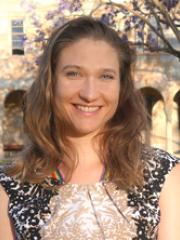
Dr. Louise Alexander is an Associate Professor in Mental Health Nursing at Deakin University's School of Nursing & Midwifery (Faculty of Health). She holds prior academic roles including Senior Lecturer (ACU, 2018–2023) and Lecturer positions (ACU and Holmesglen Institute). Her research focuses on mental health nursing workforce sustainability, stigma reduction, simulation-based education, and curriculum development. Key interests include nurse resilience, pandemic impacts on healthcare workers, and improving student attitudes towards mental illness. Education: PhD from Deakin University; GCHE qualification Certifications: University of Melbourne's Emerging Leaders & Management Program (2021–2022) Teaching: Leads courses in forensic mental health, therapeutic communication, and health promotion Research Highlights: Recent work examines pandemic trauma among nurses, alcohol consumption trends post-COVID, and leadership's role in workforce retention. Her studies emphasize qualitative methods and integrative reviews to address systemic challenges in mental health nursing education and practice. Awards/Grants: No explicit awards listed; research supported by institutional collaborations. Active in developing transition-to-practice programs and evaluating simulation-based training efficacy. Labs/Teams: Collaborates with interdisciplinary teams on mental health workforce resilience and stigma reduction initiatives. Engages in national and international nursing education networks.
Professor Nicholas Buckley is a leading academic in Clinical Pharmacology at the University of Sydney and holds a Visiting Professor position at the University of Peradeniya, Sri Lanka. He serves as Research Director for the South Asian Clinical Toxicology Research Collaboration (SACTRC) and is a Consultant Clinical Pharmacologist & Toxicologist at the NSW Poisons Information Centre and Royal Prince Alfred Hospital. His work focuses on improving clinical toxicology practices, poison control policies, and understanding mechanisms of drug toxicity. Co-founder of SACTRC for agrochemical poisoning and snakebite research Chair of Australian Therapeutic Guidelines - Toxicology writing group Editorial roles in Clinical Toxicology, Drug Safety, and Australian Prescriber Research Interests include toxicovigilance, epidemiology of poisoning, acute kidney injury in poisoning/snakebite, pesticide safety interventions, antidote development, and pharmacoepidemiology of psychotropic drugs. His work combines clinical trials, population surveillance, and translational research. Scientific Contributions span 440+ peer-reviewed articles and 22 book chapters, with continuous funding since 2002. He has supervised over 20 higher degree students and leads international collaborations in low-and-middle-income countries through NIHR RIGHT4. Key Affiliations : Member of Charles Perkins Centre, Australian Medicines Handbook Editorial Advisory Board, and NIHR RIGHT4 programme.
Laura Robinson is a Senior Lecturer at the School of Psychology , University of Wollongong. She holds a Doctor of Philosophy in Psychology and extensive teaching experience in behavioral sciences, statistics, and applied psychology. Education : PhD in Psychology (2017), Postgraduate Diploma in Psychology (2010), Bachelor of Psychology (2009), and Bachelor of Aviation (2004) Her research focuses on vulnerable populations, particularly women and youth, with expertise in substance use disorders, eating disorders, mental health comorbidity, and health equity. She has published extensively on residential treatment outcomes, continuing care interventions, and stigma reduction in mental healthcare. Recent publications highlight longitudinal analyses of psychological distress, weight stigma, and integrated approaches to substance use and physical health. She supervises PhD students on topics like veterans' mental health, methamphetamine use, and suicide prevention. Laura has received funding from internal and external sources, including grants for stimulant use interventions and health literacy studies. She serves on committees like the Australasian Professional Society for Alcohol and Drugs and contributes to peer-reviewed journals as a reviewer.
Scarlett Smout is a Postdoctoral Research Associate at the Matilda Centre, part of the Faculty of Medicine and Health at the University of Sydney. Her email is scarlett.smout@sydney.edu.au . Her research focuses on adolescent mental health, lifestyle behaviors, and the development of school-based interventions to address risk factors such as diet, physical activity, and substance use. She has contributed to studies on pandemic mental health impacts, the Health4Life eHealth intervention, and the role of parental monitoring in dietary habits. Her work also explores social determinants of loneliness during crises and the mental health trajectories of young adults during the pandemic. Key research areas include adolescent mental health outcomes, behavioral interventions, and the intersection of lifestyle factors with psychopathology. She has collaborated on large-scale trials and systematic reviews, including an umbrella review of global mental health during the pandemic and analyses of longitudinal data in gender-diverse populations. Her findings have informed policy recommendations for youth mental health recovery plans and public health strategies. Smout has secured grants including the 'Mentally Healthy Future Project' (2023) and a BHP Foundation grant for pandemic mental health response research (2020). Her contributions address both academic and policy domains, emphasizing evidence-based approaches to safeguard mental health in diverse populations. Labs/Teams: The Matilda Centre, where her work aligns with broader initiatives in mental health research and public health interventions.
Dr. Bethany White is a Clinical Senior Lecturer at the Central Clinical School, University of Sydney. Her expertise lies in public health research, particularly in drug and alcohol use, hepatitis C epidemiology, and health services evaluation. She has led numerous clinical and community-based studies focusing on marginalized populations, including people who inject drugs and imprisoned women. Her work integrates harm reduction policies, healthcare access improvements, and substance use disorder treatments in custodial and community settings. Research Focus: Dr. White's research emphasizes epidemiological methods to address health inequalities, with a focus on opioid use disorders, hepatitis C prevention, and women's substance use. She has pioneered studies on depot buprenorphine treatment efficacy in prisons and developed models of care for substance-using mothers. Her work bridges clinical practice and policy, aiming to improve healthcare accessibility in high-risk groups. Key Themes: Health inequalities, harm reduction, custodial healthcare Recent Projects: Costing models for depot buprenorphine, contraception integration in opioid treatment centers Grants & Collaborations: Principal investigator on a 2025 NHMRC-funded grant exploring clinical evidence translation for substance use disorder outcomes. Collaborates with institutions like Edith Collins Centre and NSW Health. Labs/Teams: Affiliated with the Edith Collins Centre, focusing on addiction medicine and health service innovation.
Associate Professor Jenni Ilomaki holds a position at Monash University's Centre for Medicine Use and Safety. With expertise in clinical pharmacy, epidemiology, and public health, she leads a research group analyzing administrative claims data. Her work spans collaborations with governmental and non-governmental organizations globally, yielding over 150 peer-reviewed publications and $4 million in grants. She previously served as Chair of ASCEPT's Pharmacoepidemiology Special Interest Group and currently serves as Science Lead for the Monash Addiction Research Centre and Executive Editor of the British Journal of Clinical Pharmacology. Education includes a Bachelor of Science (Pharmacy) from the University of Kuopio (1999) and Master of Science (Pharmacy) from the University of Kuopio (2004). She completed a PhD in alcohol epidemiology at the University of Eastern Finland (2011) and a postdoc at the University of South Australia (2011-2014). Notable recognitions include Young Epidemiologist of the Year (2011) and the Ronald D. Mann Best Paper Award (2021). Key research focuses on quality use of medicines, medicine safety, large population studies, and innovative epidemiological methods. Major projects include developing clinical decision support tools for cardiovascular prevention, analyzing preventable hospitalizations in aged care, and investigating psychotropic medication trends in youth. Her work contributes to UN Sustainable Development Goals related to health equity and non-communicable disease reduction. Recent publications emphasize drug repurposing (e.g., SGLT2 inhibitors), opioid prescribing patterns, hip fracture outcomes, and dementia detection algorithms. She chairs multinational studies on stroke and myocardial infarction cost burdens, demonstrating interdisciplinary impact across pharmacology, epidemiology, and health economics.
Prof. Ping Yu is a Professor at the University of Wollongong's School of Computing and Information Technology, where she has held leadership roles such as Director of the Centre for Digital Transformation (2013–2020). Her work focuses on digital health, health informatics, and data-driven solutions for aged care, with collaborations involving the World Health Organization (WHO), NSW Health, and over 11 aged care providers. She has pioneered projects like the WHO’s eSTEPS platform and AI-driven analytics to optimize healthcare resources. Her research integrates socio-technical perspectives to address challenges in technology adoption and healthcare system improvements. Her research interests span data engineering, data quality, ontology development, and generative AI applications in healthcare. Key areas include extracting insights from unstructured health records, improving clinical decision-making, and enhancing patient outcomes through mHealth and telemedicine innovations. She also explores the impact of green spaces on healthy aging and disparities in healthcare access across regions. Prof. Yu has secured over $4.5 million in research funding, including significant grants from the Australian Research Council. She has mentored 29 postgraduate students to completion, emphasizing interdisciplinary research and practical implementation. Her awards include the prestigious 2022 Telstra Brilliant Women in Digital Health Award and the 2008 Don Walker Award for contributions to health informatics. Her advising and grants narrative highlights her role as a mentor and her success in securing competitive funding. Her work bridges academia and industry, with projects like improving pressure injury risk management in aged care using EHRs and analyzing agitation in dementia through AI. She contributes to education policy, including co-designing academic leadership programs and enhancing clinical informatics curricula in the AI era. Prof. Yu leads multi-disciplinary teams at UOW and collaborates with global institutions, focusing on labs and initiatives like the Appendicectomy Surgical Pathway Ontology (ASPO) and the 6A framework for hypertension management via mHealth. Her research emphasizes real-world impact, from reducing hospital readmissions to optimizing surgical workflows and improving public health communication strategies during crises.
Dr. Jue (Grace) Xie is a Lecturer in the Department of Human Centred Computing at Monash University's Faculty of Information Technology. She is also a Senior Software Engineer and Research Fellow at Action Lab, with over 15 years of experience in applied research spanning software architectures, web systems, consumer health informatics, and conversational AI. Grace holds a PhD from Monash Faculty of Information Technology (2012) and has contributed to diverse interdisciplinary projects, including collaborations with Microsoft Research Asia and Monash research centers. Her teaching roles include Chief Examiner for units like FIT5183 Mobile and Distributed Computing Systems and Lecturer for Programming for Distributed Systems and Service-Oriented Computing . Research Interests Applied Conversational AI Human-Computer Interaction (HCI) Web Systems & Social Networks Knowledge Engineering Recent publications focus on AI-driven healthcare interventions, mental health support via chatbots, and stakeholder-inclusive design in aged care. Her work aligns with UN Sustainable Development Goals 3 (Good Health) and 9 (Innovation). Awards include the Future Women Leaders Conference 2019 . She is a Fellow of the Computer Society (IEEE) and the Association for Information Systems .
Dr. Alison Beck is a Postdoctoral Research Fellow and Clinical Psychologist at the School of Psychology, University of Wollongong , where she works on improving psychosocial interventions for addictive behaviors and mental health conditions. Email: alison_beck@uow.edu.au Certifications: Fellow of the College of Clinical Psychologists (Australian Psychological Society), Registered Psychologist (Clinical Practice) Research Focus: Her work emphasizes: Addiction recovery programs (SMART Recovery) Mental health interventions for substance users Family and peer support systems Implementation science in behavioral health Rural health disparities Digital mental health platforms Key Publications: Recent work covers gender differences in opioid treatment, virtual support groups, methamphetamine addiction interventions, and long-term cancer patient outcomes. Scientific Involvement: She serves on the MRFF Alcohol and Other Drugs Grant Assessment Committee and the AH&MRC Ethics Committee. Supervision: Currently supervises PhD projects on: Social identity changes in residential treatment Family experiences in addiction care Women's opioid treatment journeys
Antonio Verdejo-Garcia is a Professor (Research) in the School of Psychological Sciences and the Turner Institute for Brain and Mental Health at Monash University. He holds an NHMRC Leadership Fellowship and serves as Co-Chair of the Neuroscience Interest Group at the International Society of Addiction Medicine. He has an Adjunct Honorary Appointment at Turning Point (Eastern Health). His academic journey includes a PhD from the University of Granada (2006) and postdoctoral training at Johns Hopkins University, University of Cambridge, and Institut Hospital del Mar d'Investigacions Mediques. Before joining Monash in 2012, he held roles as Lecturer, Senior Lecturer, and Associate Professor at the University of Granada. Research interests center on cognitive and neural mechanisms of executive control, decision-making, and their implications for addiction, compulsive eating, and obesity. He has authored over 290 peer-reviewed articles, edited a book on Cognition & Addiction, and secured continuous national/international research funding. His work has garnered over 17,000 citations. He serves on editorial boards for journals like Addiction , PLoS One , and Current Addiction Reports . Key projects include the AAT-APP Trial for alcohol use disorder, decoding drivers of food choices for obesity management, and neurocircuitry studies in addiction. Recent articles (2023–2025) focus on impulsivity, telehealth interventions for eating disorders, and neuropharmacological comparisons between MDMA and methamphetamine users. Scientific achievements include NHMRC Leadership Fellowship and contributions to clinical translation of cognitive rehabilitation. He advises on grants and mentors students in addiction neuroscience. Current projects involve psilocybin treatment for anorexia nervosa and cortical control of feeding circuits.
Professor Harvey Whiteford is Director of Policy and Epidemiology at the Queensland Centre for Mental Health Research (QCMHR) and holds a primary appointment as Professor of Population Mental Health at the School of Public Health, The University of Queensland. He also serves as an Affiliate Professor in the Global Health Department at the Institute of Health Metrics and Evaluation, University of Washington. His research focuses on psychiatric epidemiology, burden of disease measurement, mental health policy, and service reform. MBBS, The University of Queensland MPH, Queensland University of Technology PhD, Australian National University Fellow, Royal Australian & New Zealand College of Psychiatrists Harvey Whiteford's research spans global mental health, with a focus on service coverage for disorders like depression and anxiety, crisis support models, and disparities in mental health access for Aboriginal and Torres Strait Islander populations. He contributes to policy through national frameworks and international collaborations like the Global Burden of Disease Study. Scientific awards and honors include his role in shaping Australia's Mental Health Strategy and leadership in the World Bank's mental health initiatives. He has advised governments and organizations such as the World Health Organisation and the Commonwealth government.
Dr. Zoe Walter is a Senior Lecturer at the School of Psychology, The University of Queensland, with affiliations to multiple research centers including the National Centre for Youth Substance Use Research, Social Identity and Groups Network (SIGN), and the Centre for Health Outcomes, Innovation and Clinical Education (CHOICE). PhD in Psychology (UQ, 2017) Bachelor (Honours) of Psychological Science (UQ, 2011) Her research focuses on substance use disorders, trauma-informed care, social identity theory, and mental health interventions for university students and homeless populations. She has developed innovative programs like Sharper Minds for student mental health and trauma-informed models for residential treatment facilities. Recent work analyzes polysubstance use patterns, pandemic impacts on student mental health, and social network interventions to reduce alcohol consumption. She explores how social identification enhances therapeutic outcomes and informs public health strategies. UQ Knowledge Exchange & Translation Fund (2023) Australian Rotary Health Research Fund (2019-2021) Commonwealth Department of Social Services (2017-2018) Dr. Walter supervises PhD candidates in topics including loneliness in rural cancer survivors, PIED use determinants, and psychosocial recovery after brain injury. She contributes to open data policy critiques and mental health demonstration projects.
Professor Mike Le Pelley is a cognitive psychologist working in the School of Psychology at the University of New South Wales (UNSW). His research program spans multiple domains of cognitive science, focusing on the intersection of mind, brain and behavior. Professor Le Pelley's work aims to characterize the mental processes underlying human cognition and how these processes influence ongoing behavior in both healthy individuals and those with psychiatric conditions. His primary research focus is the relationship between attention and learning. Specifically, he investigates how attention changes as a result of learning about relationships between events. For example, as described in his profile, when driving, individuals prioritize the road ahead while trying to ignore distractions like squabbling children in the back seat. Professor Le Pelley's research examines the mechanisms that govern such attentional prioritization. While the core of his research focuses on fundamental processes in healthy cognition, he also studies how dysfunction in these processes contributes to conditions such as addiction and schizophrenia. His work has significant implications for understanding cognitive processes in both healthy individuals and those with psychiatric conditions. Professor Le Pelley has published extensively on topics including attentional capture by reward-related stimuli, associative learning, and the neural mechanisms underlying cognitive processes. His research frequently employs eye-tracking and neurophysiological methods to examine cognitive processes. His recent publications (2023-2025) demonstrate a clear research trajectory examining how reward systems influence attentional mechanisms. A significant portion of his work investigates how outcome variance, rather than just reward value, modulates attentional priority. His research on inner speech has provided important neurophysiological evidence regarding motor preparation and how this process is disrupted in schizophrenia. Professor Le Pelley's work consistently bridges basic cognitive mechanisms with clinical applications, particularly in understanding addiction and schizophrenia. Professor Le Pelley has made substantial contributions to theoretical frameworks in cognitive psychology, particularly in the areas of associative learning and attention. His 2010 book 'Attention and Associative Learning: From Brain to Behaviour' (co-edited with Chris Mitchell) is a significant contribution to the field. His collaborative work extends across multiple institutions and disciplines, reflecting the interdisciplinary nature of his research.
Zsolt Demetrovics is a Matthew Flinders Professor in Mental Health and Wellbeing at Flinders University, serving as Director of the Flinders Institute for Mental Health and Wellbeing (FIMHWell) and Interim Dean (Research) in the College of Education, Psychology and Social Work. Previously, he held leadership roles at ELTE Eötvös Loránd University, including Dean of the Faculty of Education and Psychology and Director of the Institute of Psychology. He founded the Centre of Excellence in Responsible Gaming at the University of Gibraltar (2021–2024). His research focuses on behavioral addictions, including substance use, internet/gaming addiction, compulsive sexual behavior, and work addiction. He holds a PhD in Personality and Health Psychology, a Doctor of Science (DSc), and postgraduate qualifications as a clinical psychologist specializing in addiction and health psychology. Zsolt is Editor-in-Chief of the Journal of Behavioral Addictions and President of the International Society for the Study of Behavioral Addictions (ISSBA). His accolades include membership in the Academia Europaea, Hungarian Academy of Sciences, and multiple awards for research impact and academic excellence. Education: MAs in Psychology and Cultural Anthropology; PhD in Personality and Health Psychology; DSc. Awards: Szent-Györgyi Albert Award (2021), Nyírő Gyula Award (2024, 2010), Bolyai Plaque (2016). Roles: WHO expert panel member, European Union Drug Agency Scientific Committee, and advisory roles in global addiction research consortia. His work bridges clinical practice and public health, emphasizing evidence-based policies and interdisciplinary collaboration to address behavioral addiction challenges globally.
Brin Grenyer OAM is Senior Professor of Psychology at the University of Wollongong and Director of the Project Air Strategy for Personality Disorders, in partnership with NSW Health. He is an internationally recognised leader in the science and treatment of personality disorders and serves as President-Elect of the International Society for the Study of Personality Disorders (ISSPD) with a term spanning President-Elect (2022-23), President (2024-25), and Past President (2026-2027). Professor Grenyer maintains active clinical practice through the Northfields Psychology Clinic and consults widely on patient care issues across NSW, Australia, and internationally. Professor Grenyer's research program focuses on the psychotherapy treatment of chronic and complex psychological problems, with particular emphasis on personality disorders (especially Borderline Personality Disorder), self-harm, suicidal ideation, chronic depression, aggression and violence, early attachment relationships, and substance dependence. His methodological approach integrates quantitative clinical measures, biomedical assessments, psychotherapy process research, qualitative lived experience narratives, and longitudinal studies to develop comprehensive understanding of complex mental health conditions. Analysis of Professor Grenyer's recent publications reveals a sophisticated evolution in his research focus, with increasing attention to dimensional assessment frameworks like ICD-11, gender differences in personality pathology, digital interventions (particularly the Air Therapy program), telehealth delivery of psychotherapy, and implementation science approaches to integrate evidence-based treatments into healthcare systems. His work demonstrates a consistent commitment to bridging research evidence with clinical practice while incorporating lived experience perspectives. Professor Grenyer's scientific contributions have been recognized through significant awards: Medal of the Order of Australia (OAM) for service to psychology (2021) College of Clinical Psychologists Ian M Campbell Memorial Prize (2020) World top 1% (top 0.21%) of experts in Borderline Personality Disorder (2011-2021) Professor Grenyer has supervised numerous doctoral and master's students across a wide spectrum of topics related to personality disorders, self-harm, and psychotherapy processes. His research program has secured over 50 grants totaling more than $18 million in funding from diverse sources including NHMRC, university strategic funds, and health organizations. Major projects include the Air Therapy initiative, Project Air Strategy for Personality Disorders, and studies on lived experience perspectives in mental health services. Professor Grenyer directs the Project Air Strategy for Personality Disorders and maintains clinical involvement through the Northfields Psychology Clinic. His work uniquely integrates academic research, clinical practice, professional leadership (including his role as Foundation Chair of the Psychology Board of Australia from 2009-2018), and healthcare system implementation to advance the field of personality disorders treatment.