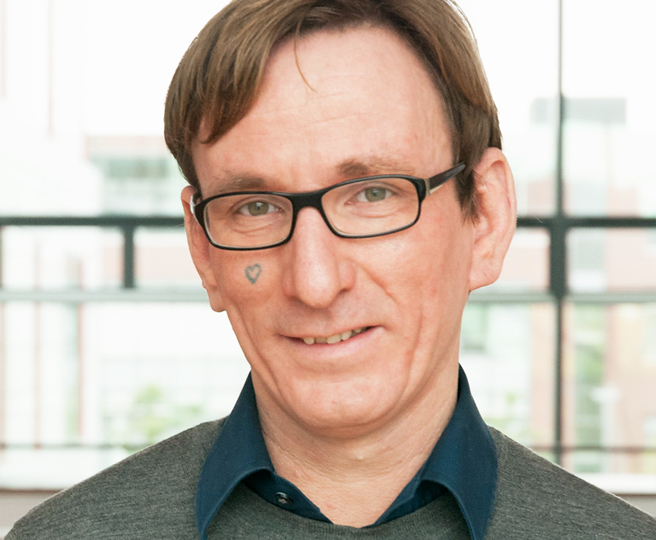
Dr Diana Salazar is a Doctoral Supervisor and Director of Programmes at the Royal College of Music (RCM), affiliated with the Research Faculty and Academic staff. Her roles involve overseeing doctoral research and programme development, with a focus on contemporary challenges in music education and conservatoire practices. She contributes to critical discourse on technology integration, globalisation of music training, and future institutional directions. Research Interests : Salazar’s work explores technology’s role in music education, transformative pedagogical approaches in one-to-one teaching, and global perspectives in conservatoire education. Her recent publications address digital-age musician training, studio pedagogy evolution, and the future of music institutions. Advising & Grants : Supervises doctoral student Nino Russell (supported by Frank Bridge Studentship and Kit & John Gander Award). Her research engages with funded projects on global music education and institutional innovation. Labs/Teams : Active within RCM’s Research team, collaborating on interdisciplinary projects that bridge technology, pedagogy, and global music practice.
Michael Peel is an Associate Professor and Director of Content in Liberal Arts at Regent's University London, where he lectures across undergraduate, postgraduate, and foundation programs. He is also a Senior Fellow with the Higher Education Academy and serves as an External Examiner for both Xi'an Jiaotong/Liverpool University and the University of Wolverhampton. Current Position: Associate Professor, Director (Content) Liberal Arts Institution: Regent's University London Professional Affiliations: Senior Fellow HEA, Certified Da Vinci Resolve Trainer, CAA Remote Pilots License holder External Roles: External Examiner for multiple universities Peel's research focuses on creative practice in film production, with particular emphasis on cinematography, post-production, media management, and the application of new technologies including drone cinematography. His scholarly work includes an article review of Michael Polanyi's 'The Tacit Dimension' published in the 2018 issue of Philological Studies and Research. His creative output demonstrates a strong commitment to both theoretical understanding and practical application in filmmaking. His filmography shows consistent engagement with festival circuits, with works screened at international venues including Miami International SciFi, Cardiff International, Chicago International Genre, and Cannes Short Film Corner. Peel's creative research approach bridges academic theory with professional practice, creating a unique synergy between his scholarly and artistic pursuits. Best Documentary Feature Film - Documentary Screen Awards 2020 Best Editing in a Documentary - Documentary Screen Awards 2020 Nominated for Best Cinematography Award - Southampton International Film Festival 2018 Finalist - New York International Film Awards 2020 As an educator, Peel has developed expertise across film production, cinematography, multi-camera TV studio production, postproduction, color grading, and location-based filming. His professional background includes work with BBC News, BBC Manchester, BBC South, and marketing campaigns for the RSPH. He co-founded BottleRocket Film, a London-based production company that produces dramas, corporate content, and documentaries, demonstrating his commitment to maintaining active professional practice alongside academic work. Peel maintains several professional certifications including Apple-certified FCPX Trainer and Tiffen-certified Steadicam Operator, reflecting his dedication to staying current with industry technologies and practices. His dual role as practitioner and academic creates a valuable bridge between industry and education in the field of film and media production.
Antonio Bukhar Ssebuuma is a Lecturer in Cultural Dance Forms at the Northern School of Contemporary Dance (NSCD) since 2021, specializing in Afrocentric contemporary dance practices. He teaches across all higher education levels and leads the CertHE Dance programme, integrating hip-hop, dancehall, breaking, afro-fusion, house, and traditional Ugandan dances into academia. MA in Dance Teaching and Facilitating (NSCD, 2023) Pina Bausch Fellowship (University of Auckland, 2017) Caroline Plummer Community Dance Fellowship (University of Otago, 2019) His research focuses on intercultural relations, decolonisation of dance curricula, community arts, and holistic dance pedagogy. He bridges street-based dance with academic frameworks, advocating for inclusive and socially transformative practices. His 2018 article on intercultural diversity in dance studios highlights his commitment to decolonising pedagogy. He has presented at conferences in the UK, Europe, Africa, and published internationally. Recipient of Pina Bausch Fellowship (2017) Caroline Plummer Community Dance Fellow (2019) Antonio mentors CertHE students, emphasizes safeguarding and pastoral care, and collaborates with institutions like Makerere University and Codarts Dance Center. His work extends to community projects addressing social inclusion and neurodiversity.
Nandana Weliweriya is a Lecturer in the Department of Physics & Astronomy at the University of Georgia, specializing in physics education research and technological innovation. His work focuses on enhancing student problem-solving through representations, eye-tracking studies, and virtual reality applications. Dr. Weliweriya leads the development of an astronomical VR platform featuring modules like Virtual Night Sky and Eclipses, designed to transform STEM education. His research examines how students connect representations in physics problem-solving, particularly using VR environments to visualize abstract concepts. Publications reveal consistent themes: immersive technology integration (VR/AR), STEM pedagogy innovation during COVID-19, and representational fluency in physics. Recent works emphasize astronomy education enhancements through 3D experiences and digital exam corrections.
Liesbeth Bik and Jos Van der Pol are lecturers in the Art, Culture, and Technology Program at the Massachusetts Institute of Technology (MIT), housed within the School of Architecture + Planning. Their collaborative artistic practice prioritizes public space, dialogue, and social collaboration as sites of knowledge production. They also serve as advisors at the Jan van Eyck Academy and co-run The School of Missing Studies , a temporary Master’s program at the Sandberg Institute in Amsterdam. Their work interrogates how public spaces ‘take place,’ focusing on accessibility, dissensus, and contested negotiations in urban environments. Research interests center on the political dimensions of public space, art’s role in fostering collective learning, and the interplay between collaboration and conflict. Their practice since 1995 emphasizes site-specific interventions and institutional critique. They are based in Rotterdam and maintain an interdisciplinary approach bridging art, architecture, and social practice. Though no specific grants or awarded prizes are listed, their affiliations with MIT, the Jan van Eyck Academy, and the Sandberg Institute reflect sustained institutional engagement. Advising focuses on curating experimental educational frameworks, as seen in The School of Missing Studies . Their collaborative ethos extends to lab-like environments that prioritize collective knowledge production over traditional studio practices.
Nicholas Ray is an Honorary Visiting Professor in Architectural Theory at the University of Liverpool and Reader Emeritus at the University of Cambridge. A Fellow of Jesus College, Cambridge, he holds a degree from Trinity College, Cambridge, and a Diploma from University College London. His career spans architectural practice, including founding Nicholas Ray Associates, and academic roles since 1974, culminating in his Reader position at Cambridge. His research explores architectural ethics, theory, and history, with notable works like Cambridge Architecture: A Concise Guide and Alvar Aalto . Recent publications include Philosophy of Architecture (with Christian Illies) and Thinking Through Twentieth-Century Architecture . Key projects include the Quayside Development in Cambridge and additions to the Chemistry Department. His architectural philosophy emphasizes ethical dilemmas, spatial justice, and memorial design, reflected in works addressing post-conflict spaces and intergenerational solidarity. Teaching focused on studio-based learning, and his practice integrated theoretical rigor with practical innovation. Current research engages urban commons, inclusive eco-tourism, and ambiguous architectural forms for improvisational futures.
Jon Michael Wargo serves as Associate Professor at the Marsal Family School of Education, University of Michigan, following prior faculty appointments at Boston College and Wayne State University. His research critically examines the intersection of media, technology, and youth literacy development through frameworks of community inquiry and social justice. His educational background includes a Ph.D. in curriculum, instruction, and teacher education from Michigan State University and a B.A. in English and Gender Studies from Indiana University - Bloomington. Prior to academia, he worked as a public school teacher and early childhood educator. Wargo's scholarship centers on critical literacy, learning sciences, and LGBTQ+ education, with particular focus on how young people navigate identity through digital media and participatory design. His work spans diverse settings including STEM-arts conservatories, K-12 classrooms, and community studios, emphasizing heterogeneity in human sensemaking and intersectional justice. Analysis of his 15 most recent publications reveals consistent exploration of sonic literacies, queer youth narratives, and digital media's role in social change. His research demonstrates methodological innovation through connective ethnography and multimodal analysis, with growing emphasis on policy implications for LGBTQ-inclusive education and early childhood writing development. His scientific recognition includes: Early Career Achievement Awards from Literacy Research Association and National Council for Teachers of English NAEd/Spencer Postdoctoral Fellowship (2020) AERA Division K Exemplary Research Award (2025) Multiple distinguished article awards from NCTE, CCCC, and AERA's Queer Studies SIG Wargo directs significant research initiatives funded by the National Academy of Education, Spencer Foundation, and European Union, including the Marygrove Community partnership project '(Un)Learning at the Intersections' and the '(In)Human Histories' policy study on LGBTQ-inclusive social studies. His grant portfolio reflects deep community engagement and commitment to translating research into classroom practice through participatory design frameworks. His collaborative projects with Detroit's Marygrove Community and interdisciplinary teams of educators, youth, and community stakeholders exemplify his commitment to designing learning environments that foster belonging and sociopolitical understanding through storytelling and sensemaking.
Rod Fiford is a Lecturer in the School of Aerospace, Mechanical and Mechatronic Engineering at The University of Sydney. He holds a PhD, BE(Hons), and a Grad Cert in Higher Education (with merit). His research focuses on engineering education, particularly in design pedagogy, safety systems, creativity in mechanical design, and humanitarian engineering. He has also contributed to biomechanical studies on spinal cord injury mechanisms in animal models. Education: PhD in Engineering BE(Hons) in Mechanical Engineering Graduate Certificate in Higher Education (with merit) Research Interests: Fiford’s work emphasizes innovative teaching methods, including studio-based learning, human-centered design, and the integration of technology (e.g., VR/AR) in engineering education. He explores student engagement, diversity, and creativity in mechanical design, alongside historical and philosophical dimensions of engineering. His earlier biomedical research addressed spinal cord injury mechanics. Article Trends: Recent publications highlight trends in engineering education, such as remote learning strategies, peer assessment in design, and frameworks for humanitarian engineering competencies. Earlier work focused on biomechanical studies of spinal cord injury using animal models. Teaching & Advising: He teaches units like ENGG1000 (History & Philosophy of Engineering), AMME2450 (Design & Production), and ENGG5103 (Safety Systems & Risk Analysis). No formal advisees are listed. Labs/Teams: No specific laboratory or team affiliations are mentioned in the provided texts.
Dr. Sanne Mestrom is a Senior Lecturer in Visual Arts at the Sydney College of the Arts (University of Sydney) and a Discovery Early Career Researcher Award (DECRA) Fellow. Her research explores the intersection of public art, play, and urban design, advocating for art as a tool to create inclusive and interactive spaces. Mestrom’s practice-led work investigates how sculpture and the body can redefine 'play' in public environments, challenging conventional notions of 'place' and urban logic. Education: PhD, Fine Art, RMIT University Masters in Public Art, RMIT University Bachelor of Arts (Honours), Fine Art, RMIT University Research Interests: Her work spans contemporary visual art, institutional critique, public art evaluation, psychology of play, and urban planning. She co-founded interdisciplinary initiatives like the WEDNESDAY Studios Research Lab and I-CLAP (Interactive Creative Learning through Adventure Play). Grants & Awards: 2022: ARC DECRA Fellow (ART/PLAY/RISK project) 2018: Australia Council Grant (New Work) 2017: Woollarah Small Sculpture Prize 2014: Monash University Museum of Art Sculpture Commission 2008: Siemens Post Graduate Fine Art Scholarship Advising & Labs: Supervises PhD/Master’s students in art and urban studies. Leads the ART/PLAY/RISK project, examining child-friendly cities through public art. Member of Sydney Centre for Healthy Societies and CREATE Centre (University of Sydney). Labs/Teams: WEDNESDAY Studios Research Lab (collaboration with architect Anna Ciliberto and curator Melissa Loughnan), I-CLAP (with Blue Mountains City Council).
Philip Black is a Senior Lecturer in Urban Design at the University of Manchester, serving as Director of the Manchester Urban Design LAB (MUD-Lab) and Programme Director for the MSc Urban Design and International Planning. He holds roles in the School of Environment, Education and Development (SEED), specifically within the Planning and Environmental Management department. His research focuses on design control, urban design processes, mobility, and urban quality evaluation, with a strong emphasis on real-world impact through applied projects. Black’s career bridges academia and practice, including prior work at architectural firm HBD Architects Ltd. He leads funded projects such as 'Urban Design and Cycling in Manchester' and collaborates internationally through initiatives like the Arab Academy-funded 'Urban Design Process and Methods'. His educational background includes a PhD from Queen’s University Belfast (2012) on design controller perceptions, complemented by professional certifications in academic practice and research management. MUD-Lab, established in 2020, serves as a global platform for urban design innovation, offering cutting-edge research, training, and industry engagement. Black’s work aligns with UN Sustainable Development Goals, particularly in education and sustainable cities. His publications explore topics like design governance, landscape integration, and culturally sensitive urban development, reflecting a commitment to advancing both theoretical and practical dimensions of urban design.
Reto Wettach is a Professor at the University of Applied Sciences Potsdam, teaching Physical Interaction Design. His research focuses on tangible interfaces, mobile interaction, and service design methodologies emphasizing co-creation. He founded Fritzing, an open-source platform empowering designers and artists in electronics prototyping. Current research includes the BMBF-funded "Experience the Energy" project exploring tangible interfaces for energy consumption awareness. Wettach's work bridges academic research and industry application through his role as Design Director at Interaction Design Studios Berlin. Professional experience includes positions at Sony Tokyo, Ideo San Francisco, and the Interaction Design Institute Ivrea. He holds degrees in Industrial Design (UdK Berlin) and Mechanical Engineering (TU Berlin), with early training as a stonemason.
Leslie Becker is a Professor in the Graphic Design Program at California College of the Arts (CCA). Her work focuses on design ethics, exploring how graphic images shape societal values. She holds a BFA from The Cooper Union, an MFA and PhD in Architecture (Theory & Methods) from UC Berkeley. A former CCA design director, she is an AIGA Fellow and has lectured globally at institutions like Harvard, Tsinghua University, and Saint Louis University. Her publications include contributions to PRINT , Graphis New Talent Design Annual , and Routledge's Design and Ethics . Becker advocates for ethical design practices through pro bono work with nonprofits and cross-cultural pedagogy initiatives. Education: BFA in Graphic Design, The Cooper Union MFA in Design, UC Berkeley PhD in Architecture (Theory & Methods), UC Berkeley Research emphasizes design's sociocultural impact, particularly in visual communication and ethical frameworks. She has pioneered discussions on design responsibility through international conferences and academic collaborations. Her 2010 lectures in Beijing and 2012 Melbourne conference presentations underscore her commitment to global design discourse. Current work includes advancing ethical curricula and participatory innovation methodologies. Awards & Recognition: AIGA Fellow (2010s) Teaching and advising focus on integrating ethics into design education. She has mentored students through CCA's Graphic Design program and contributed to professional development initiatives. Her pro bono projects highlight community engagement, aligning with CCA's mission to foster socially conscious art and design.
Dr. Katheryn Wright is a Professor of Interdisciplinary Studies and Digital Humanities at Champlain College, and Director of Study Abroad. She holds a PhD and MA in Humanities from Florida State University (specializing in Media Studies and Cultural Geography) and a BA from Stetson University in English Literature and Studio Art. Her research focuses on posthuman critical theory, media studies, and feminist maker pedagogies. She serves as the Roger H. Perry Endowed Chair for Innovation. Education: PhD and MA in Humanities (Florida State University), BA in English Literature and Studio Art (Stetson University). Research interests include interdisciplinary curriculum design, place-based learning, and digital humanities. She has published work such as The New Heroines: Female Embodiment and Technology in 21st-Century Popular Culture .
Dr. Ian Lambert serves as the Dean of Graduate Studies & Research and a Professor at the College for Creative Studies (CCS) in Detroit. He chairs the MA/MFA programs in Design for Sustainability, Interdisciplinary Design Studies, and User Experience Design. His academic journey includes a PhD from the University of Edinburgh, an MA from Central Saint Martins College of Art and Design, and a BA from Birmingham Polytechnic. Dr. Lambert’s research focuses on climate action, material practice, and making-as-thinking. He leads projects like the d.Tree Studio, exploring urban lumber and climate justice, and collaborates with organizations such as the Charles H. Wright Museum of African American History and the Detroit River Coalition. His award-winning work with ocean plastic in Scotland has been widely recognized, including the 2023 ISSIP Service Design Award and the 2018 Elsevier Innovation Prize. He is actively involved in Detroit’s sustainability initiatives, serving on the City of Detroit Waste Diversion Advisory Committee. His professional career spans over 30 years as a designer, maker, and academic, with exhibitions and collaborations across the UK, China, and the US. Key roles include co-chairing the Design for Adaptation: Cumulus Detroit 2022 conference and curating exhibitions like the d.Tree Studio at the Charles H. Wright Museum.
Kurt Bieg serves as a Part-time Lecturer at The New School, currently teaching Thesis Studio 2 (course code PGTE 5301) during the Spring 2025 semester. His office is situated at L - 2 West 13th Street, a location associated with the university's design programs in New York City. As an educator, he specializes in guiding graduate students through advanced design thesis projects within studio-based learning environments. Mr. Bieg's professional expertise centers on Product Design and Design Studio methodologies, with significant emphasis on developing student research capabilities through thesis supervision. His instructional approach supports innovation in design thinking and portfolio development, reflecting contemporary practices in design education. No scientific awards or honors were documented in the available faculty profile. Regarding academic mentorship, while his Thesis Studio course indicates direct supervision of graduate candidates, no specific student names or research grant activities were disclosed in the institutional records.