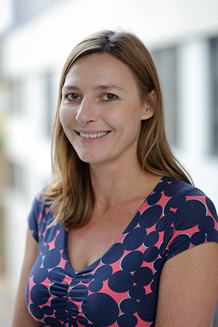
Aman Ahluwalia-Cameron (she/her) is an Assistant Professor at the School of Social Work, University of Windsor , where she focuses on equity, structural stigma, and mental health. Her interdisciplinary research bridges social work, nursing, and psychology , emphasizing marginalized women’s access to care and systemic barriers. Educational Background: PhD Candidate in Social Work (University of Windsor) MSW with Gerontology specialization (University of Toronto) BA (University of Windsor) Her research employs qualitative methods and evidence-based practice to address structural stigma, borderline personality disorder, and urban revitalization narratives. Recent peer-reviewed work includes analyses of pandemic-era data collection, scoping review protocols, and ecological perspectives on mental health. Key Publications & Collaborations: Examined healthcare access for marginalized populations (2021, BMJ Open) Explored feminist research methodologies during global crises (2021, Affilia) Systematic review on BPD etiology (2019, Social Work in Mental Health) Evaluated paramedic curriculum for behavioral emergencies (2018) Studied emotion regulation in athletes (2018) Professional Affiliations: Ontario College of Social Workers and Social Service Workers Collaborator in cross-disciplinary teams (social work, nursing, psychology)
Associate Professor Claire Jones is affiliated with the University of Adelaide , where she holds a position in the Discipline of Biomedical Engineering under the School of Electrical and Mechanical Engineering . Her work bridges Mechanical Engineering and Clinical Biomechanics , focusing on spinal and neurotrauma research. Academic Role: Associate Professor, Postgraduate Coordinator Research Focus: Biomechanics of musculoskeletal and nervous systems, spinal injury mechanisms, orthopaedic implants Laboratory: Leads a shared facility with advanced biomechanical testing equipment (Instron machines, motion capture, medical imaging) Collaborations: Partners with institutions across Australia, Canada, Switzerland, and France Her research explores spinal injury prevention , neurotrauma , and the development of pre-clinical models for biomechanical studies. She specializes in medical imaging integration and biomechanical assessment for spinal injury diagnostics and treatment strategies. Recent publications emphasize spinal fluid dynamics, neck injury mechanisms, and animal models for traumatic brain/spinal cord injury. Key trends include impact biomechanics , spinal implant testing , and gender-specific physiological analysis . Dr. Jones supervises Masters and PhD students in Mechanical & Biomedical Engineering and Medical Sciences, with projects spanning spine simulation , orthopaedic device testing , and neurotrauma modeling .
Professor Ben White is Professor of End-of-Life Law and Regulation and an Australian Research Council Future Fellow (Professorial level, 2020-2024) at Queensland University of Technology's Faculty of Business and Law. He co-leads the End-of-Life Research Program within the Australian Centre for Health Law Research and has established himself as a leading expert in health law with a specialized focus on end-of-life decision-making. Professor White earned his DPhil from the University of Oxford as a Rhodes Scholar and his Bachelor of Laws with first class Honours and a University Medal from Queensland University of Technology. His professional background includes service as the full-time Commissioner of the Queensland Law Reform Commission (2005-2007) and part-time Commissioner (2007-2010), where he led the Guardianship Review. Prior to academia, he worked as an Associate at the Supreme Court of Queensland and at Legal Aid Queensland. Professor White's research spans health law, medical ethics, and socio-legal studies with particular emphasis on voluntary assisted dying, withholding and withdrawing life-sustaining treatment, medical futility, advance care planning, and palliative care. His interdisciplinary work appears in law, medicine, bioethics, psychology, and social science journals. He has published over 250 works including the Research Handbook on Voluntary Assisted Dying Law, Regulation and Practice (2025) and Health Law in Australia (4th ed, 2024). His research has directly influenced law reform across Australia, particularly in Queensland. Analysis of Professor White's recent publications reveals a strong emphasis on the practical implementation of voluntary assisted dying laws, examining regulatory frameworks, healthcare provider perspectives, community knowledge, and international comparisons with Belgium and Canada. His work consistently addresses the balance between patient autonomy and appropriate safeguards, equitable access, workforce sustainability, and the practical realities of end-of-life decision-making in diverse clinical settings. Rhodes Scholarship to University of Oxford Australian Research Council Future Fellow (Professorial level, 2020-2024) University Medal in Law from Queensland University of Technology Professor White has supervised 18 PhD students to completion across diverse topics in health and medical law. He has secured over $65 million in research funding, including his current ARC Future Fellowship project 'Optimal Regulation of Voluntary Assisted Dying' and multiple projects examining end-of-life decision-making. His funded training programs include legislatively-mandated training for health professionals in voluntary assisted dying across multiple Australian states and the national 'End of Life Law for Clinicians' program. As co-leader of the End-of-Life Research Program at the Australian Centre for Health Law Research, Professor White has developed significant resources including the 'End of Life Law in Australia' website, which provides accessible legal information to patients, families, and healthcare professionals. His current external appointments include service as a sessional member of the Queensland Civil and Administrative Tribunal (since 2022).
Dr. Victoria Allgar holds a joint appointment as a Reader in Medical Statistics between Hull York Medical School and the Department of Health Sciences at the University of York. She serves as Head of the Centre for Health and Population Sciences (CHaPS), HYMS Athena SWAN Champion (Chair), Deputy Chair of the HYMS Department Research Committee, and holds multiple other leadership positions across both institutions including membership on the HYMS Management Board, Ethics Committee, and Exceptional Circumstances Committee. Dr. Allgar earned her BSc(Hons) in Statistics from the University of Newcastle upon Tyne, followed by a PhD from the same institution. She maintains professional recognition as a Chartered Statistician with the Royal Statistical Society and a Chartered Scientist with the Science Council, reflecting her expertise in statistical methodology and research design. Her research focuses on medical statistics and study design, bringing together experts from various specializations to identify and answer key research questions through the design and conduct of new studies. Dr. Allgar provides statistical and project oversight for these studies, with particular expertise in clinical trials methodology. Her research spans multiple domains including autism spectrum disorders, palliative care, child mental health, epidemiology, and health services research, demonstrating her ability to bridge statistical methodology with clinical applications across diverse medical specialties. Dr. Allgar's extensive publication record (approximately 150 research outputs) reveals a strong commitment to methodological rigor and interdisciplinary collaboration. Her recent work shows particular strength in autism research, clinical trial design, and palliative care studies, often addressing health inequalities and service delivery improvements. She frequently serves as statistical lead on complex interdisciplinary projects, applying sophisticated analytical approaches to challenging clinical questions. Chartered Statistician, Royal Statistical Society Chartered Scientist, The Science Council Member of Charitable Trust Scientific Panel, The Chartered Society of Physiotherapy Member of Treatment Sub-committee, Versus Arthritis UK Member of MS Society's Grant Review Panel Dr. Allgar actively mentors the next generation of researchers as a PhD Supervisor and MSc Dissertation Supervisor. She serves as both an Internal PhD Examiner (Health Sciences) and External PhD Examiner. Her teaching responsibilities include delivering HYMS MBBS statistical plenary lectures and serving as a personal mentor to three cohorts of MBBS students. She also contributes significantly to the scholarly community as Statistical Editor for Health & Social Care in the Community and Associate Editor for Trials, while reviewing for numerous high-impact journals including Palliative Care, BMJ Open, Lancet, and Trials. Additionally, she reviews for major UK funding bodies including HTA, NAEDI, NICE, and MRC. As Statistical Editor for Health & Social Care in the Community and Associate Editor for Trials, Dr. Allgar plays a pivotal role in advancing methodological standards in medical research publication. Her leadership in the Centre for Health and Population Sciences reflects her commitment to fostering interdisciplinary research collaborations that address pressing health challenges through rigorous statistical methodology and innovative study design.
Seana Duggan is a Senior Lecturer in Nursing at the School of Nursing and Paramedic Science, Ulster University, based at the Derry~Londonderry campus. She is affiliated with the Institute of Nursing and Health Research. Her work focuses on nursing education, clinical leadership, curriculum design, and gerontology, with a particular interest in disaster preparedness for older adults. Her research explores topics such as leadership development in pre-registration nursing students, person-centred curriculum planning, and the role of technology in clinical education. She has contributed to studies addressing gender equity in nursing (e.g., breaking stigma around men in nursing) and improving mentorship models for student support. Dr. Duggan’s publications consistently highlight themes of improving nursing education quality, enhancing student-practice experiences, and addressing gaps in older adult care during disasters. She has no listed awards but maintains active involvement in academic clinical tutoring and curriculum innovation.
Debbie Goode is a Senior Lecturer in Nursing at Ulster University, with roles in both the School of Nursing and Paramedic Science and the Faculty of Life & Health Sciences. She holds a PhD from Ulster University (2019) focusing on older people’s mental health needs in emergency care settings, alongside an MSc in Nursing from Queen’s University Belfast and certifications in ICU and nurse education. Her research focuses on geriatric mental health in emergency/prehospital care, critical care nursing, digital learning tools, and person-centred end-of-life care. Education Background: PhD: 'A study of attendance trends and care experiences of older people with mental health needs in Emergency Medical Service settings' (Ulster University, 2019) MSc Nursing (Queen’s University Belfast) Postgraduate Specialist Certificate in ICU (Ulster University) PGDip Nurse Education (Ulster University) Research Interests: Older adults with mental health needs in emergency/critical care settings Digital interventions for dementia care (e.g., reminiscence apps) Social media as an educational tool in healthcare End-of-life curriculum design in nursing education Person-centred care practices Awards: Highly Commended, Mobile App of the Year (2021) Ulster Institute of Nursing Research Fellowship (2009) Multiple scholarships (Marcia Mackie & Marthan McMenamin, 2016) Professional Roles: External examiner at University of Manchester and Swansea Member of NIPEC’s Advanced Nursing Practice Project steering group Athena Swan Chair for Nursing at Ulster University CHERP Fellow & Senior Fellow of the Higher Education Academy
Ted Brown is an Associate Professor and Undergraduate Course Coordinator in the Department of Occupational Therapy at Monash University's Faculty of Medicine, Nursing and Health Sciences. He has over 30 years of clinical and academic experience, including roles at Kingston Psychiatric Hospital, Children's Hospital of Eastern Ontario, and La Trobe University. His research focuses on pediatric occupational therapy, evidence-based practice, and the application of the Rasch Measurement Model. Ted has contributed to 538 publications and 14 research projects, including studies on sensory processing, motor skills, and interprofessional collaboration. Education: Bachelor of Science in Occupational Therapy (Honours), Queen's University (1986) Master of Public Administration (Health Care Policy), Queen's University (1989) Master of Science in Rehabilitation, Queen's University (1991) PhD in Occupational Therapy, University of Queensland (2003) Graduate Certificate in Health Professional Education, Monash University (2006) Research Interests: Paediatric occupational therapy and family-centered care School-based intervention and assessment methodologies Rasch analysis of clinical scales Evidence-based education for health professionals Sensory processing and play in neurotypical children Awards: Inaugural Fellow of the Occupational Therapy Australia Research Academy (2017) FAOTA designation from the American Occupational Therapy Association (2019) Recipient of multiple research grants including Allied Health Research Committee Awards (2003, 2007) Advising & Grants: Supervised over 20 PhD, masters, and honours theses on topics like paramedic education, sensory processing, and falls prevention Principal Investigator on projects funded by Monash University, Carers Australia, and Hong Kong Polytechnic University Recipient of Academy Better Teaching grants (2018) and international research collaborations Labs & Teams: Active in Monash's occupational therapy education programs and collaborates with institutions like Deakin University (Honorary Professor) and Hong Kong Polytechnic University on curriculum development initiatives.
Dr. Prue Laidlaw serves as Sub-Dean of Learning and Teaching for the Faculty of Science and Health and Senior Lecturer in Environmental Management at Charles Sturt University's School of Agricultural, Environmental and Veterinary Sciences. With a PhD and Bachelor of Environmental Science (Honours) from CSU, she specializes in preparing reflective professionals for complex environmental science careers through interdisciplinary approaches. Her educational expertise focuses on critical student transition phases, particularly first-year university adaptation. Research interests span: Formative assessment practices in higher education Online examination systems during crises Quality frameworks for work-integrated learning Interdisciplinary curriculum development Student retention strategies in regional universities Recent scholarly output demonstrates strong emphasis on sustainable assessment redesign, early student support systems, and crisis-responsive educational frameworks. Her publications reveal growing integration of digital technologies and AI considerations in contemporary higher education. Award highlights include: Charles Sturt Vice Chancellor's Award for Excellence (2020) Associate Fellow of HERDSA (2020) Faculty of Science Best Researcher Slide (2018) Laidlaw actively contributes to academic governance as Deputy Chair of Academic Senate and leads university-wide initiatives for casual academic staff development. Her external engagements include Associate Editor roles for educational journals and membership in the Open Access Publishing Association, reflecting commitment to advancing scholarly communication and educational innovation.
Natasha Taylor is a Curriculum Lead Associate Professor at the School of Nursing, Midwifery and Health. She leads the OfS-funded CAVE project (2022-2025), focusing on immersive virtual environments for healthcare education. Her work bridges simulation, artificial intelligence, and extended reality to enhance clinical training. Education: Doctorate in Education, University of East Anglia (2012) MSc Occupational Psychology, Coventry University (2018) MSc Educational Psychology, University of Cambridge (2013) MA Learning Innovation, Queensland University of Technology (2008) Paramedic Degree, University of Hertfordshire (2006) Research Focus: Taylor’s research emphasizes virtual patient systems, extended reality (XR) in healthcare education, and interprofessional collaboration. Her projects explore how technologies like haptics and AI can improve clinical training outcomes. Recent work includes co-creating XR resources and evaluating simulated placements for healthcare students. Awards: Burdett VSP (2022) IndoVSP (2022) Top 10 oral presentation at ASPiH 2018 Advising & Grants: Accepts PhD students in simulation research. Active in grants like the £1M+ CAVE project. Supervises projects on AI-driven virtual patients and XR applications. Labs/Teams: Leads the CAVE initiative’s virtual environment development. Collaborates with interdisciplinary teams in medical education, including paramedic and occupational therapy specialists.
Paula Gardiner is an Honorary Lecturer in the Nursing Division at Queen Margaret University (QMU). She holds dual qualifications in Neurological Physiotherapy (since 1993) and Cognitive Behavioural Therapy (CBT), with a Master’s in Long-Term Conditions (2009) and a research Master’s in CBT (2017). Her expertise spans Functional Neurological Disorders (FND), Dissociative Seizures, and CBT applications in neurological care. She has extensive clinical experience, including roles as a Research Clinician for a national RCT on dissociative seizures and as part of a specialist FND team. Paula also tutors the South of Scotland CBT Programme and maintains a private CBT practice. Her educational contributions include teaching medical students and registrars, alongside developing neurological care programs in Lanarkshire. She has published widely on FND management, occupational therapy, and MS-related interventions. Education and Qualifications: Physiotherapy qualification (1993), MSc in Long-Term Conditions (2009), MSc in CBT (2017). Research Interests: Focused on improving clinical care for FND and dissociative disorders through CBT integration, occupational therapy innovations, and multidisciplinary collaboration. Her work emphasizes patient-centered approaches to long-term neurological conditions, including fatigue and mobility challenges in MS. Publications Trends: Her articles address clinical guidelines for FND, therapeutic interventions for MS symptoms (e.g., spasticity, sleep), and CBT applications in neurological settings. She collaborates with leading researchers in neurology and psychology, contributing to both clinical practice and academic discourse. Advising and Grants: Led a national RCT on dissociative seizures, with published outcomes. Active in program development for neurological teams and CBT training accessibility for non-core professions via KSA assessments. Labs/Teams: Collaborates with the South of Scotland CBT Programme and a specialist FND team integrating physiotherapy and psychology expertise.
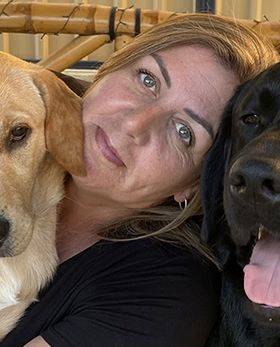
Dr. Lisa Holmes serves as the Associate Dean (Teaching and Learning) in the School of Medical and Health Sciences at Edith Cowan University, where she leads the development, implementation, and quality assurance of all teaching and learning activities across the school. She is also an active researcher whose work focuses on education, training, mental health and wellbeing, with particular emphasis on student preparation for the workplace. Her educational background includes: Doctor of Philosophy from Edith Cowan University (2018) Bachelor of Arts in Education and Training from United Kingdom (2006) Dr. Holmes' research interests center on creating supportive educational environments that prioritize both academic excellence and personal wellbeing. She has published extensively on mental health challenges in emergency service professions, particularly focusing on paramedics and first responders. Her innovative approach to wellbeing includes introducing wellness dogs (Watson & Edi) to campus, which has become a notable feature of her work environment and research focus. Analysis of her recent publications reveals a consistent focus on mental health challenges within emergency response professions, with particular attention to paramedics, firefighters, and 9/11 responders. Her work bridges education theory with practical mental health interventions, often examining how training programs can better prepare professionals for the psychological demands of their work. The introduction of wellness dogs represents a creative intervention that has generated specific research interest in animal-assisted interventions for stress reduction in academic and professional settings. Her recognition includes: Suicide Prevention Australia annual LiFE Award in the Emerging/Early Career Researcher category (Finalist) Dr. Holmes actively supervises research students at both Master's and Doctoral levels, with current projects focusing on paramedic education, disaster response, and LGBTIQA+ experiences in emergency services. She has secured significant research funding, including a $224,446 grant from the Department of Health WA for pandemic preparedness education, and multiple grants from Lifeline WA totaling over $170,000 for crisis supporter evaluation projects. Her work demonstrates a strong commitment to translating research into practical interventions that improve mental health outcomes in high-stress professions. Her innovative wellness dog program featuring Watson and Edi has created a unique campus environment that supports community building while serving as a living research project on the impact of animal-assisted interventions on emotional wellbeing and sense of belonging among students and staff.
Alecka Miles is a Lecturer in the School of Medical and Health Sciences at Edith Cowan University (ECU). She specializes in paramedicine education, emergency health, and simulation-based learning. Her research focuses on enhancing clinical decision-making, improving paramedic training through innovative methods like virtual reality (VR) and gamification, and understanding public health behaviors during emergencies. Miles holds a Master of Emergency Health from Monash University (2019), a Bachelor of Health Science from Victoria University (2007), and a Certificate IV in Training and Assessment (2008). Her research explores topics such as out-of-hospital childbirth experiences, paramedic fatigue, and the role of technology in healthcare education. Notable projects include evaluating VR triage training and investigating public perceptions of emergency service utilization. She has contributed to national and international studies, including the Australasian Paramedicine Workforce Survey (2023–2024). Miles has secured grants totaling over $400,000 for projects like pandemic preparedness education and VR-based paramedic training. Miles collaborates with institutions like the Australasian College of Paramedicine and the Department of Health WA. Her work emphasizes bridging gaps between theoretical learning and real-world clinical scenarios through immersive simulations. She currently co-supervises a master’s project on paramedic fatigue and has mentored students in pandemic response leadership.
Prof. Marian Oslislo is a Professor of Fine Arts at the Academy of Fine Arts in Katowice , teaching in the Multimedia Studio within the Faculty of Design. He holds dual roles as an educator and artist, focusing on new media, kinetic typography, and interdisciplinary multimedia projects. Born in 1955, he graduated from the Faculty of Graphic Art at his current institution and has been affiliated with the academy since 1983. Education: Graduate - Faculty of Graphic Art, Academy of Fine Arts in Kraków (Katowice branch) Research Interests: Dynamic visual systems integrating music and multimedia Ergonomics of medical equipment in ambulances Wayfinding systems in complex architectural spaces Preservation of regional visual culture (Upper Silesia) Typography for Central European languages His creative practice spans experimental film, digital publishing standards, and cultural heritage documentation. Awards Highlights: Bronze Medal at ED-Awards 2014 for Symphony Orchestra signage system Special Award at Festival Animator 2018 for NEBULA National recognition for The Insects Project typography study Advancing Design Education: Developed curricula blending traditional and digital design methods Pioneered student collaborations with Bogucice Porcelain and Beijing University of Technology Directed studio projects showcased internationally (Mainz, Beijing, Genoa) Labs & Teams: M-Studio graphic design collective since 1991 Multimedia Activities Studio - UNESCO City of Music initiatives Visual Research & Interaction Department collaborations
Dr Luke Perraton is a Senior Lecturer in Physiotherapy at Monash University, where he leads the musculoskeletal curriculum stream. His research focuses on neuromuscular control mechanisms in musculoskeletal conditions, with expertise in 3D motion analysis and dynamometry. He co-founded the Monash Musculoskeletal Research Unit (MMRU), a multidisciplinary group addressing musculoskeletal interventions. Perraton holds titles as a Musculoskeletal and Sports Physiotherapist from the Australian Physiotherapy Association. Teaching roles include Unit Coordinator for Physiotherapy 2 (PTY1022) since 2017 and Chief Examiner for Physiotherapy 1 (PTY1011) from 2023. His work aligns with UN Sustainable Development Goals, particularly in health and well-being. He is an award-winning educator, receiving the 2022 Individual Teaching Excellence Award for his podcasts (Physio Foundations and MMRU), which integrate with Monash’s curriculum and support student learning. Research Interests: Neuromuscular control in knee injuries/tendinopathy, biomechanical interventions, and clinical education. Podcasts: Host of Physio Foundations and co-host of MMRU podcast, emphasizing clinical fundamentals and research pathways. Collaborations: NHMRC grants, interdisciplinary projects on shoulder pain and rotator cuff tendinopathy. Recent articles explore wearable tech in tendinopathy management, neuromuscular deficits in chronic low back pain, and ACL reconstruction outcomes. Awards include NHMRC scholarships and peer review accolades. Community engagement includes keynote speaking at the American Academy of Sports Physical Therapy and workshops on dynamometry.
Dr. Michael J. Kiemeney is an Associate Professor in the Department of Emergency Medicine at Loma Linda University School of Medicine . His academic career spans over a decade, with a focus on medical education, residency training, and technical skills development in emergency care. Research Interests : Dr. Kiemeney’s work addresses critical areas in emergency medicine education, including residency match dynamics, away rotation accessibility, and innovative training methods. He has explored the role of emotional intelligence in residency interviews, validated trauma triage protocols, and developed low-cost simulation tools for procedures like cricothyrotomy and chest tube placement. His research also emphasizes interdisciplinary collaboration, particularly with pharmacy residents in ACLS teams, and diversity initiatives in emergency medicine. Recent Publications highlight trends in emergency medicine residency applications, technical skill retention among paramedics, and pandemic-driven innovations in medical education. Dr. Kiemeney frequently presents at national conferences such as the Council of Residency Directors (CORD) and the Society for Academic Emergency Medicine (SAEM), with a focus on remediation strategies and diversity in medical training. Service & Leadership : He chairs the CORD EM Application Process Improvement Committee and contributes to DEI initiatives at LLU and professional societies. His roles include membership in graduate medical education committees and community engagement via the Huerta de Valle Community Garden. Grants : Notable projects include a CalMed Force Prop 56 grant (2020–2023) to enhance emergency medicine residency programs and collaborative research on pharmacist-specific ACLS training.