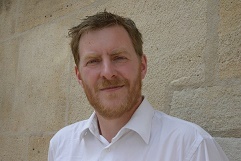
Professor Bernhard Schmidt-Hertha is a leading academic at Ludwig Maximilian University of Munich, holding the Chair in Adult Education within the Faculty of Psychology and Education. His extensive expertise spans lifelong learning, digitalization in education, and continuing education research, with a particular focus on older adults and intergenerational learning. Research Focus: Continuing education research University studies and educational transitions Education in the second half of life Informal learning processes Digitalization in educational systems His current research projects include investigating dropout in adult literacy programs (DrAG), integrating AI into vocational training (KIB³), and developing digital skills for refugees and immigrants (DigIT). These initiatives highlight his commitment to addressing contemporary educational challenges through innovative research and practical applications. Publications and Contributions: Professor Schmidt-Hertha has authored numerous influential monographs and scholarly articles. His recent work explores digital pedagogies, adult learning in digital contexts, and the socio-ecological perspectives of educational transitions. His publications appear in top-tier journals, reflecting his significant impact on the field. Consultation and Contact: He holds regular consultation hours on Tuesdays from 10:00-11:00 a.m. by appointment via email: b.schmidt@edu.lmu.de .
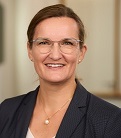
Prof. Dr. Susanne Kuger is a Professor for Empirical Social and Educational Research in Childhood and Adolescence at the Faculty of Psychology and Education, Ludwig-Maximilians-Universität München (LMU). She serves as Research Director and Acting Head of Department at the Center for Continuous Monitoring and Methods , German Youth Institute (DJI). Her work focuses on educational processes in life-course-specific learning environments, survey methodology in cross-national comparative studies, and pandemic-related educational adaptations. Key academic roles: LMU Professor (2022–present), DJI Research Director (2023–present) Research areas: Educational contexts, early childhood development, international comparative studies Current projects: "Growing Up in Germany: Everyday Worlds" (AID:A), "Corona-KiTa Study", "EarlyMath" Research Highlights : Her 15+ recent publications (2016–2023) address pandemic impacts on childcare quality, instructional practices, home learning environments, and methodological innovations in educational surveys. Collaborative projects span Germany-wide studies on daycare infection patterns, mathematical development, and policy frameworks for educational equity. Leadership : She leads the NEPS research group "Educational Processes in Life-Course-Specific Learning Environments" and chairs multiple methodological advisory boards. Her methodological expertise includes anchoring vignettes, thin slices technique, and longitudinal data analysis.
Simon Kitto is a Professor in the Department of Innovation in Medical Education at the University of Ottawa, where he also serves as Director of Research in the Office of Continuing Medical Education. He holds cross-appointments as Assistant Professor in the Department of Surgery at the University of Toronto and as Lecturer in the Department of Surgery at Monash University since 2003. Research Focus: Interprofessional education and collaboration in healthcare Continuing professional development (CPD) and its impact on patient safety Implementation science in medical education Sociocultural and structural influences on clinical practice and education Knowledge translation and quality improvement in healthcare His research has been widely disseminated through 93 peer-reviewed articles, book chapters, and reports. He is also an Associate Editor of the Journal of Interprofessional Care and the Journal of Continuing Education in the Health Professions . His work has gained international recognition, with invited presentations and collaborations across Europe, North America, and Australasia. Editorial and Advisory Roles: Associate Editor, Journal of Interprofessional Care Associate Editor, Journal of Continuing Education in the Health Professions Editor-in-Chief transition noted in 2017 for JCEHP Supervision and Mentorship: He currently supervises graduate students including Rima ElChamaa and has contributed to training and mentoring in the fields of medical education and health professions research.
Professor Jon Wardle serves as Foundation Director of the National Centre for Naturopathic Medicine and holds the Maurice Blackmore Chair of Naturopathic Medicine at Southern Cross University. He maintains significant international influence through visiting positions at Boston University, University of Washington, and University of Oxford, while serving on the World Health Organization and National Health and Medical Research Council committees. His leadership spans public health policy, integrative medicine systems, and traditional knowledge protection. His educational foundation includes a Bachelor of Health Science (ACNM), Postgraduate Certificate in Health Economics, Master of Health and Medical Law (University of Melbourne), Master of Public Health (University of Queensland), and PhD (University of Queensland). These qualifications underpin his interdisciplinary approach to health systems research. Wardle's research centers on integrating traditional medicine into contemporary healthcare frameworks, with emphasis on regulatory systems, cultural safety, and health equity. His work critically examines therapeutic pluralism in global contexts, particularly regarding Indigenous knowledge protection, migrant health disparities, and pandemic response equity. He develops evidence-based frameworks like the Contemporary Implementation of Traditional knowledge and Evidence (CITE) to bridge traditional practices with modern health systems. Analysis of his 15 most recent publications reveals dominant themes: traditional medicine governance (35% of works), pandemic impacts on vulnerable populations (20%), complementary medicine regulation (15%), and women's health integration (10%). His methodological approach combines qualitative analysis with systematic reviews, focusing on policy implementation gaps across Australian, African, and global contexts. A notable trend is the increasing emphasis on decolonizing health research and stakeholder-driven policy development. As Editor-in-Chief of Advances in Integrative Medicine and editorial board member for seven other journals, Wardle shapes scholarly discourse in the field. His leadership extends to convening the Public Health Association of Australia's complementary medicine special interest group and chairing World Federation of Public Health Associations initiatives. Wardle actively supervises higher degree research students through Southern Cross University's Graduate School, focusing on integrative medicine policy and traditional knowledge systems. His NHMRC Natural Therapies Working Committee role directly influences Australian health funding priorities, while WHO collaborations drive global standard-setting for traditional medicine integration. The National Centre for Naturopathic Medicine operates as his primary research hub, facilitating collaborations with 14-country networks studying naturopathic practice patterns. Current projects include Sub-Saharan Africa traditional medicine governance frameworks and Australian military complementary medicine utilization studies, positioning the Centre at the forefront of evidence-based integrative health policy development.
Chantal Levesque-Bristol serves as the Executive Director of the Center for Instructional Excellence and Professor in the Department of Educational Psychology & Research Methodology at Purdue University. Her work focuses on student-centered pedagogy, course transformation, and self-determination theory in higher education. Role: Executive Director, Center for Instructional Excellence Affiliation: Purdue University, College of Education Research Interests: Levesque-Bristol's research examines motivational dynamics through Self-Determination Theory (SDT) , particularly in: Autonomy-supportive learning environments Faculty development for educational reform International student academic adjustment STEM education outcomes Publication Trends: Her recent work emphasizes: Application of SDT across disciplines (STEM, nursing, teacher education) Structural factors influencing student achievement Scalable course transformation models Intersection of motivation with cultural responsiveness Leadership: As director of Purdue's IMPACT Program , she drives institutional change through faculty-driven course redesign initiatives.
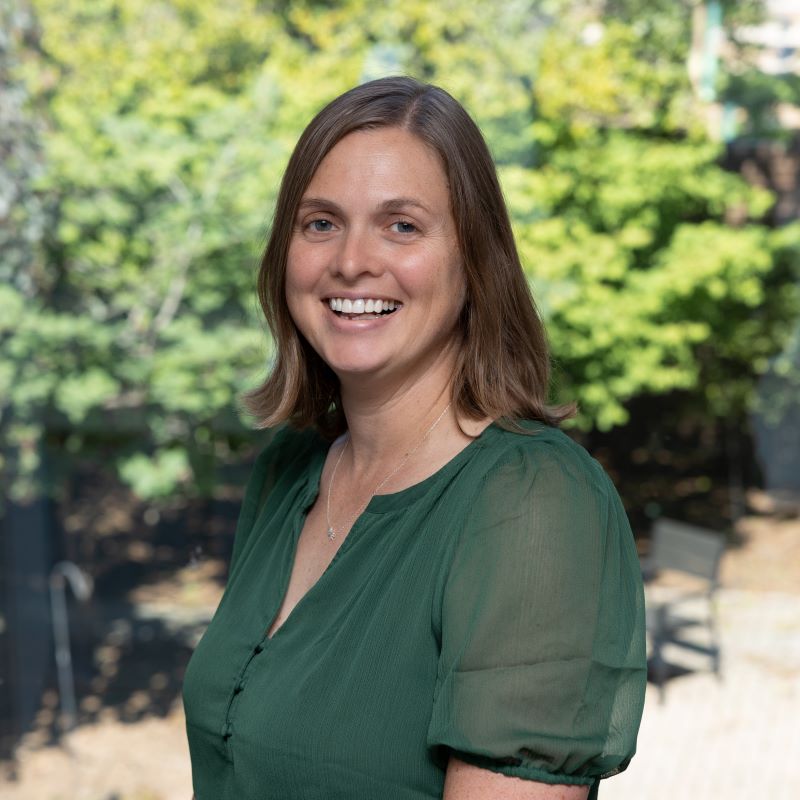
Stella Resko is a Professor jointly appointed in the School of Social Work and the Merrill Palmer Skillman Institute for Child and Family Development at Wayne State University. She serves as Director of the social work doctoral program and the graduate certificate in alcohol and drug use studies (CADUS), with research focused on preventing substance use and violence through drug overdose prevention, treatment, and recovery initiatives. Dr. Resko's educational background includes: Post-Doctoral Fellow, University of Michigan Addiction Research Center Ph.D. in Social Work, Ohio State University M.S.W., Ohio State University B.S.S.W., Ohio State University Her research expertise spans substance use treatment and prevention, interpersonal violence, and public perceptions of cannabis and opioids, with emphasis on families affected by substance misuse and cannabis legalization impacts. Methodologically, she specializes in community-based research, advanced quantitative methods (latent variable and multilevel models), and survey design targeting adolescents, emerging adults, women, and families. Analysis of her recent publications reveals dominant themes in the opioid crisis, cannabis policy, and collegiate recovery programs, with consistent examination of stigma, public attitudes, and barriers to treatment across diverse populations including bereaved families and peer recovery specialists. Dr. Resko has received the following scientific recognition: Fellow of the Society for Social Work & Research As Director of the Social Work PhD program and CADUS certificate, she mentors doctoral students while serving as Co-Principal Investigator for Michigan's State Opioid Response grants evaluation, focusing on community-based interventions and policy implementation in substance use treatment. Her work is conducted through the Merrill Palmer Skillman Institute for Child and Family Development, involving collaboration with community treatment programs like Maryhaven and interdisciplinary research teams developing brief interventions for substance use prevention.
Professor Keiko Honda is a distinguished faculty member at Waseda University's Faculty of Education and Integrated Arts and Sciences, School of Education. With a Doctorate in Education from Teachers College, Columbia University, she has established herself as a leading expert in educational psychology, particularly focusing on developmental disorders, anger management, crisis intervention, and school counseling. Her educational background includes: Graduate School, Division of Psychology, Counseling Psychology at Teachers College, Columbia University (1994) Faculty of Liberal Arts, Social Study at International Christian University Professor Honda's research focuses on understanding and addressing the challenges faced by children with developmental disorders, particularly in emotional regulation and social interaction. Her work has led to the development of specialized intervention programs including anger management techniques for children with borderline intelligence and social skills training for children with special needs. She has pioneered approaches that combine clinical psychology with educational practices to create effective support systems in school environments. Her research has identified key developmental stages in children's needs and self-control, resulting in categorized intervention strategies. Her work has been particularly influential in developing practical tools for educators and counselors working with children who have difficulties in social interaction and emotional regulation, including VRICS (Violence Risk Check Sheet) and specialized anger management programs implemented in schools and correctional facilities. Professor Honda is actively involved in professional organizations including: Japan Psychological Association Japan School Psychologist Association Japanese Association of Criminal Psychology Japanese Association of Correction Education Japanese Association of Educational Psychology Japanese Association of Learning Disorder She supervises graduate students across multiple departments including the Graduate School of Education and the Graduate School of Letters, Arts and Sciences, teaching diverse courses related to school psychology, educational psychology, and brain-based learning in inclusive classrooms. Her current research projects focus on developing comprehensive systems for inclusive education and prosocial problem-solving strategies for children with developmental disabilities.
Jairo N. Fuertes is a Professor in the Department of Psychology at the Gordon F. Derner School of Psychology, Adelphi University. He also holds a Clinical Assistant Professor position in Psychiatry and Medicine at the Zucker School of Medicine at Hofstra/Northwell. With extensive academic and clinical experience, he has held tenured professorships at both Fordham University and Adelphi University, and has been deeply involved in accreditation and training leadership in counseling psychology programs. Education: Postgraduate Certificate, Training to Teach in Medicine, Harvard Medical School PhD in Counseling Psychology, University of Maryland Internship in Clinical Psychology, Manhattan VA Medical Center MA in Counseling and Personnel Services, University of Maryland Diploma, Specialty Board Certification in Clinical and Counseling Psychology, American Board of Professional Psychology Dr. Fuertes' research focuses on the psychotherapeutic relationship, particularly the working alliance in both psychotherapy and medical care. He has pioneered work on the physician-patient working alliance, examining how trust, agreement, and empathy influence treatment adherence and satisfaction. His work in multicultural psychotherapy explores the impact of race, ethnicity, sexual orientation, and universal-diverse orientation on therapy outcomes. He has also made significant contributions to understanding the real relationship in therapy, transference, and countertransference dynamics. His recent publications reflect a strong emphasis on health psychology, particularly in chronic illness populations such as those with kidney disease and rheumatological conditions. The articles demonstrate a consistent focus on relational dynamics, patient well-being, and culturally informed care, often employing both quantitative and qualitative methodologies. Scientific Awards and Recognitions: Magis Professor Endowment, Fordham University Board Certified in Clinical Psychology (ABPP) Board Certified in Counseling Psychology (ABPP) James H. Post Prize (awarded to advised student) Dr. Fuertes has advised numerous doctoral and master's students, many of whose theses focus on working alliance, multicultural competence, and health psychology. He has served on editorial boards of top journals such as Psychotherapy , Psychotherapy Research , and Cultural Diversity and Ethnic Minority Psychology , and is currently Senior Associate Editor of Behavioral Medicine . His clinical work includes over 20 years as a Staff Psychologist and Clinical Supervisor at the Baruch College Counseling Center, and he maintains a private practice in Garden City, NY. He has established and led a summer multicultural psychotherapy course in Orvieto, Italy, 17 times, and has delivered numerous invited presentations in Rome. His academic genealogy traces back to Wilhelm Wundt, underscoring his deep roots in the history of psychology.
Atle Ødegård is a Professor at Molde University College, Faculty of Health Sciences and Social Care. He is actively engaged in research and academic leadership with a strong focus on interprofessional collaboration and social innovation in health and welfare services. Position: Professor Institution: Molde University College Faculty: Faculty of Health Sciences and Social Care Email: atle.odegard@himolde.no Office: B333, Molde His research interests center on interprofessional collaboration, service design, social innovation, and the integration of health and social care services. He explores how professionals from different disciplines can work together effectively, particularly in contexts involving vulnerable populations such as individuals with developmental disabilities, those in the criminal justice system, and elderly care residents. His work also emphasizes co-creation and user participation in public service development. The recent publications of Atle Ødegård reflect a consistent focus on interprofessional education and collaboration across health, social care, and criminal justice. His work spans qualitative studies, systematic reviews, and conceptual frameworks, often contributing to policy and practice. He frequently collaborates with researchers like Anna Elisabeth Willumsen, Bjørn Kjetil Larsen, and Ingrid Krohn Aasgård, and has co-edited key books in his field. Atle Ødegård has not received any explicitly mentioned scientific awards in the provided text. He is involved in advising and research leadership, contributing to training programs and editorial work. He has co-edited multiple books and special issues, and his work often bridges academic research with public policy through opinion pieces and blog contributions. There is no explicit mention of external grants, but his extensive publication record suggests active research funding. He is part of research groups focused on interprofessional collaboration in practice and education and contributes to initiatives such as the Regional Knowledge Center for Rehabilitation (RHAB) and the FOGTPS blog, promoting knowledge development and co-creation in practice settings.
Ulrikke Rindal is an Associate Professor at the Institute for Teacher Education and School Research, Faculty of Educational Sciences, University of Oslo. Her work focuses on English didactics, particularly oral communication, language identity, and perceptions of language learning in the Norwegian context. She conducts qualitative research using interviews and video observation to understand how English is used and perceived among students in and outside schools. PhD in English Didactics, University of Oslo (2013) Master in Applied Linguistics, University of York (2006) Bachelor in English Literature, University of Oslo (2004) Her research interests include sociolinguistics, language attitudes, English teaching practices, and sociolinguistic variation in Norway. She explores how media, identity, and classroom dynamics influence language use and learning. Her instructional roles include courses on English phonetics, language attitudes, and didactic research methods. The 15 most recent publications reflect a consistent focus on English in Norway, classroom language use, pronunciation, and teacher education. These works appear in journals such as The Modern Language Journal , TESOL Quarterly , and Journal of Sociolinguistics , as well as in edited volumes on English didactics and teacher education. They emphasize qualitative analysis, identity construction, and pedagogical implications. Ulrikke Rindal has supervised multiple PhD and Master’s students, contributing significantly to the next generation of educational researchers. She is involved in key research projects such as Linking Instruction and Student Experiences (LISE) and STAGE (STArtAlder and extramural ENGLISH), which examine language learning in and beyond school settings. Research Group: Studies of Instruction across Subjects and Competences (SISCO) Projects: LISE, STAGE
Dr. David Slomp serves as Associate Dean of Graduate Studies and Research and Professor in the Faculty of Education at the University of Lethbridge. Previously holding positions at the University of Ottawa and University of Alberta, he specializes in writing assessment and literacy education across educational levels. His leadership includes co-directing the MEd General program in Curriculum and Assessment and serving as Co-Editor-in-Chief of Assessing Writing . His educational background features a Master's degree in Teaching English as a Second Language and a PhD in Secondary Education focused on writing assessment. Key research interests include principled assessment design, ethics and validity in writing evaluation, and writing development across the lifespan. His work critically examines justice, fairness, and equity in literacy assessment practices. Recent publications (2019-2025) demonstrate consistent focus on workplace communication assessment, digital literacy frameworks, and dismantling anti-Black assessment practices. Key trends include sociocognitive construct development, equity-centered design, and big data implications for formative assessment. His scholarship bridges theoretical rigor with practical classroom applications. Dr. Slomp's scientific contributions have been recognized through prestigious awards: Graduate Student Teaching Award, University of Alberta Writing Program Certificate of Excellence, Conference on College Composition and Communication President's Achievement Award, University of Alberta Issak Walton Killam Memorial Scholarship Board of Governor's Teaching Chair, University of Lethbridge As Associate Dean and MEd program co-director, he mentors graduate students and shapes curriculum development. His editorial leadership at Assessing Writing significantly influences global assessment scholarship. Current projects address workplace English communication frameworks and equity-centered design principles through major collaborative research initiatives. Dr. Slomp actively contributes to scholarly communities through editorial work and professional organizations, advancing writing assessment theory and practice globally while addressing contemporary challenges in digital literacy and assessment justice.
Alan Hindle is a Senior Lecturer at the University of Wolverhampton's School of Pharmacy & Life Sciences, with expertise in Clinical Pharmacy Practice . He has extensive experience in practice-based education and case-based learning approaches, focusing on cardiology and liver disease within pharmacy therapeutics. BSc in Pharmacy (1990) Postgraduate Diploma from Keele University (2003) PG Cert in Learning and Teaching in Higher Education PG Cert in Professional Learning in Education His research centers on enquiry-based learning and case-based learning in pharmacy education, practice-based education , assessment systems (including electronic portfolios), and medicines management for patient safety. He has pioneered non-modular, theme-based curricula and team-based learning (TBL) in MPharm programs. Alan's publications highlight themes in pediatric pharmacotherapy , interprofessional prescribing , clinical teaching , educational technology , and pharmacy education reform . He is a Fellow of the Higher Education Academy and earned a Postgraduate Diploma with Distinction from Keele University. He has held leadership roles in course accreditation , served on the University Quality Panel , and contributed to regulatory body engagements as a member of the GPhC MPharm accreditation team (2007-2016). His work bridges pharmacy education and clinical practice through innovations in teaching and assessment.
Gaurav Nanda serves as an Assistant Professor in the School of Engineering Technology at Purdue University, where he leads research at the intersection of artificial intelligence and human-centered systems. His work develops intelligent decision support frameworks applicable across critical domains including occupational safety, smart manufacturing infrastructure, healthcare analytics, and educational technology. Education Background Ph.D. in Industrial Engineering, Purdue University Dual Degree: B.Tech. and M.Tech. in Agricultural and Food Engineering (Major) with Electrical Engineering Minor, Indian Institute of Technology Kharagpur His research program integrates applied machine learning and natural language processing to solve complex problems in safety analytics (injury surveillance systems), Industry 4.0 (IoT-enabled manufacturing), healthcare (breast cancer prediction models), and STEM education (MOOC feedback analysis). Current projects emphasize human-AI collaboration, with growing focus on ethical AI implementation and social justice integration in engineering contexts. The INDESS Research Group he directs develops systems that balance algorithmic precision with human factors considerations. Recent publications (2023-2025) demonstrate accelerating adoption of large language models and vision-language systems across application domains, particularly in safety analytics and educational technology. Key trends include human-in-the-loop validation frameworks, explainable AI interfaces, and multimodal data integration (eye-tracking, text, sensor data). His work increasingly addresses fairness considerations in AI deployment, especially regarding diversity in engineering education and workplace safety systems. Dr. Nanda actively mentors the next generation of engineers through the INDESS Research Group , advising Ph.D. candidates Madhumathi Ponnusamy and Shuning Yin, while previously supervising Master's graduates including Srushti Vichare and Meet Suthar. His research receives support through Purdue-affiliated institutes including ICON (Control/Optimization Networks), RDE (Digital Enterprise), and FWL (Future Work/Learning). He maintains active service roles as Editorial Board Member for the International Journal of Industrial Ergonomics and as reviewer for leading publications including IEEE Transactions on Learning Technologies and Safety Science. The research group maintains strong industry connections through the Purdue School of Engineering Technology, with projects spanning manufacturing automation, healthcare informatics, and educational technology platforms. Current initiatives focus on real-time anomaly detection systems, ethical AI frameworks for safety-critical applications, and inclusive curriculum development for engineering education.
Dr. Wesley O'Brien is a Senior Lecturer in Physical Education and Coaching Science at University College Cork (UCC), serving as Programme Director for the B.Ed. in Physical Education, Sports Studies and Arts Degree within the School of Education. With over fourteen years of teaching experience, he has lectured at institutions including The University of Bolton, Dublin City University and Munster Technological University before joining UCC in 2014. His educational background includes: PhD in youth physical activity promotion from Dublin City University (2013) Bachelor of Education in Sports Studies and Physical Education (First Class Honors) from UCC (2010) Dr. O'Brien's research focuses on physical literacy, physical education, wellbeing, motor competence, and physical activity among children, adolescents and adults. His work explores evidence-based approaches for youth physical activity promotion through physical education environments, whole school physical literacy initiatives, motor competence development, intervention implementation, measurement techniques, sedentary behavior, and wellbeing promotion across educational settings. His research has been presented at numerous international conferences and published in leading journals including Sports Medicine, Physical Education and Sport Pedagogy, and the British Journal of Sports Medicine. His recent publications demonstrate a strong focus on physical literacy assessment and intervention, with particular attention to the FLAME (Fundamental and Functional Literacy for Activity and Movement Efficiency) program, Y-PATH interventions, and the measurement of motor competence. His work spans multiple contexts including school settings, community sports programs, and cross-border collaborations across Ireland. Much of his research employs mixed-methods approaches to understand both the quantitative and qualitative aspects of physical activity promotion. Dr. O'Brien has received numerous scientific awards including the FIEP Europe Thulin Award (2021), the Ellen Griffin Scholar at UNC Greensboro (2017), and multiple College Scholar awards from UCC. His 2024 awards include recognition as a Deakin University Catalyst Visiting Scholar and Auckland University of Technology Catalyst Visiting Scholar. As a Principal Investigator, Dr. O'Brien leads several significant research projects including Project FLAME, Gaelic for Girls, Gaelic4Mothers&Others, and State of Mind Ireland. He has secured substantial research funding from diverse sources including ERASMUS, the Irish Research Council, and various institutional funds. His research portfolio demonstrates strong collaboration across institutions including Dublin City University and the Irish Heart Foundation on the Y-PATH PE4Me programme. Outside his academic work, Dr. O'Brien is actively involved in UCC GAA club, having served as conditioning and skills coach for various teams. Notably, he coached the UCC senior hurling team to win the Fitzgibbon Cup All-Ireland Championship in 2019 and the Cork Minor hurling team to win the All-Ireland Championship in 2021. He has also coached the Cork Senior Camogie team to multiple All-Ireland Senior Camogie Championships.
Ayman Mohamed is an Assistant Professor of Arabic in the Department of Linguistics, Languages, and Cultures at Michigan State University. He teaches all levels of Arabic language courses including Egyptian dialect classes, and has made significant contributions to curricular development through hybrid and online classes as well as pedagogical innovation by publishing open-source textbooks for elementary Arabic. Dr. Mohamed's research focuses on second language acquisition with particular emphasis on: Task-based language learning Incidental vocabulary acquisition Eye tracking techniques in second language reading Open Educational Resources for Arabic language instruction Multidialectal approaches to Arabic language teaching His work bridges theoretical linguistics with practical classroom applications, particularly in the context of less commonly taught languages. Dr. Mohamed's publications demonstrate a consistent research trajectory examining vocabulary acquisition in Arabic as a second language, with increasing focus on technology-enhanced learning and open educational resources. His recent work has expanded into multidialectal approaches to Arabic language teaching and translanguaging practices in online Arabic classrooms. His notable awards include: MSU IT Excellence in Teaching Award (2023) LCTL AND INDIGENOUS LANGUAGES PARTNERSHIP Grant (2023-2024) International Education Week: OER Leadership Award (2021) OER Library Award (2020-2021) Adams Academy Fellowship (2022-2023) Inclusive Pedagogy Fellow (2022-2023) Dr. Mohamed has received significant grant funding for his work on open educational resources for Arabic language teaching, particularly through the LCTL AND INDIGENOUS LANGUAGES PARTNERSHIP Grant, which supports the development of an open textbook in Advanced Arabic focusing on multidialectal competence (EMBRACE project). His work has been instrumental in advancing open education and inclusive pedagogy in less commonly taught languages at MSU and beyond. He has developed multiple open-source textbooks for elementary Arabic (Elementary Arabic I and II) that are used at MSU for ARB 101 and ARB 102 classes, demonstrating his commitment to creating accessible learning resources for students.