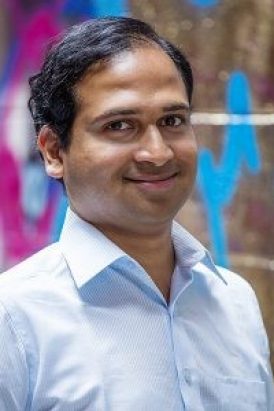
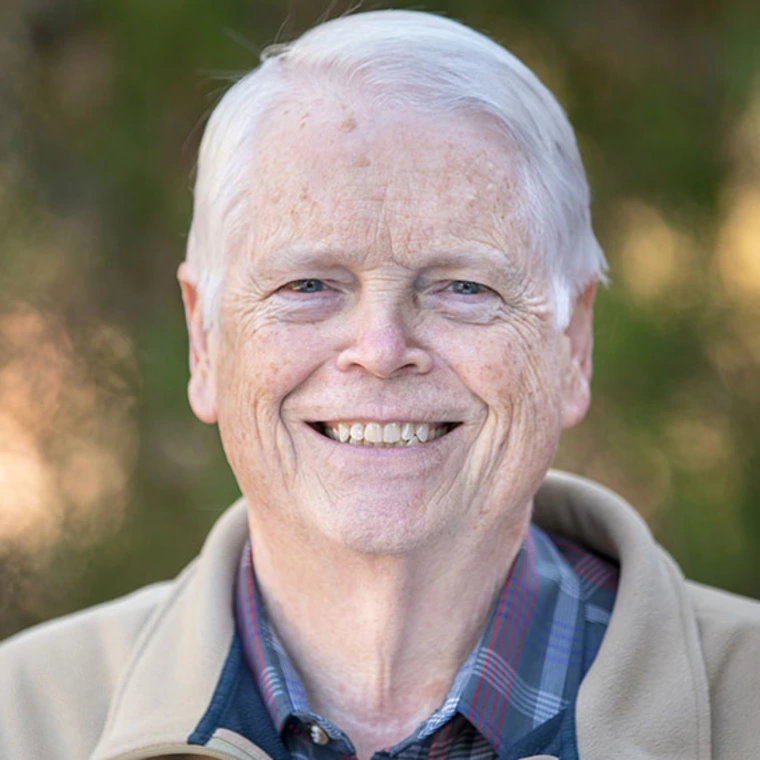
Kwangsung Oh is an Assistant Professor in the Department of Computer Science at the University of Nebraska at Omaha's College of Information Science & Technology. His research focuses on GPU-based image reconstruction, cloud computing optimization, and deep learning for software evolution. Contact: kwangsungoh@unomaha.edu . Research Areas GPU Acceleration for Biomedical Imaging Geo-distributed Data Analytics Serverless Computing Optimization Machine Learning in Software Engineering Recent publications demonstrate expertise in structured illumination microscopy algorithms, cloud storage policy frameworks, and deep learning-driven code inspection tools. His work bridges computational biology applications with distributed systems infrastructure.
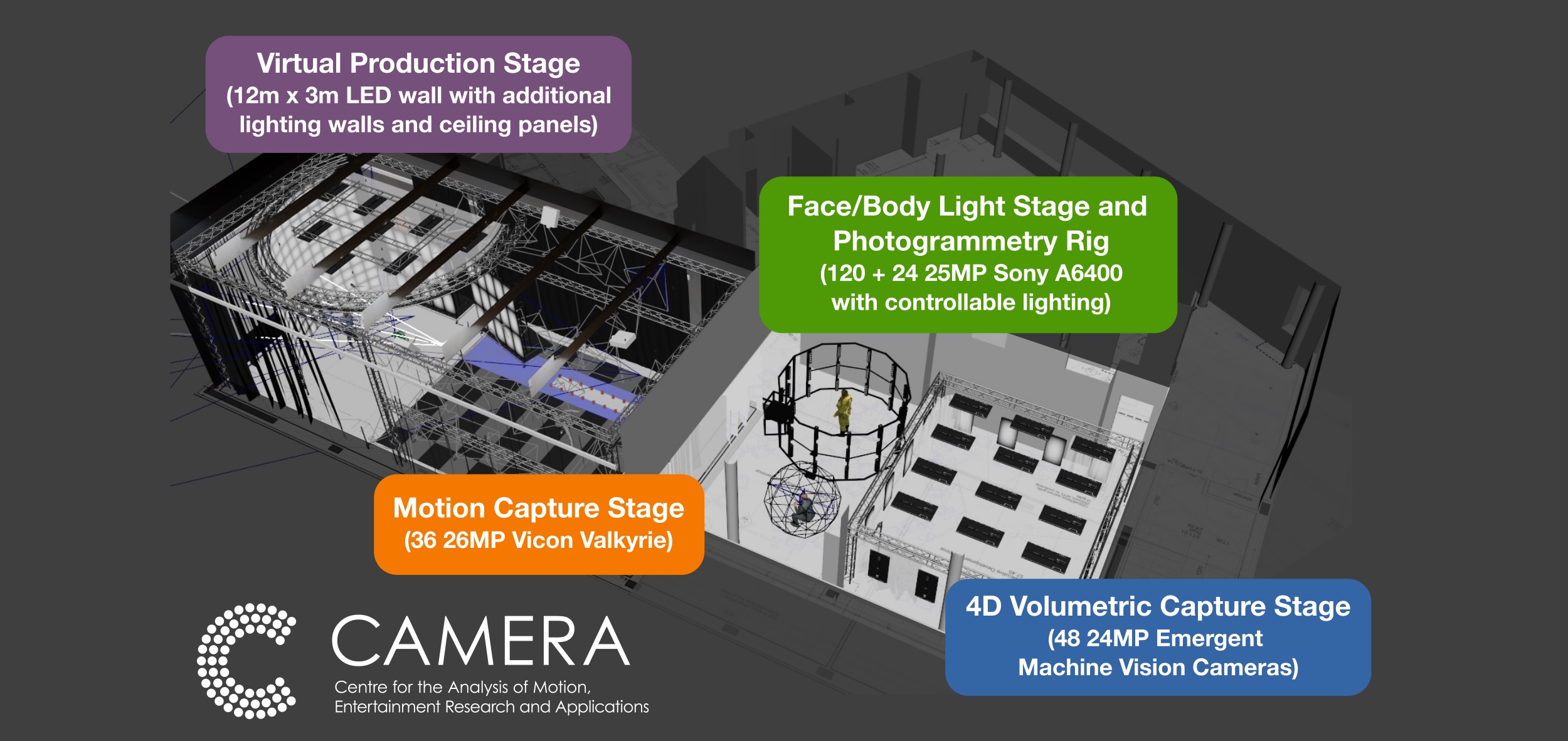
Neill Campbell is a Professor of Visual Computing and Machine Learning in the Department of Computer Science at the University of Bath . He is the Director of the Centre for the Analysis of Motion, Entertainment Research and Applications (CAMERA) and co-director of the Centre for Mathematics and Algorithms for Data (MAD) . He holds an external position as Honorary Associate Professor at University College London and is a Royal Society Industry Fellow. His research spans visual computing, machine learning, and their applications in graphics, vision, and healthcare. His educational background includes a Master of Engineering and a Doctor of Philosophy in Engineering from the University of Cambridge, with his PhD focusing on Automatic 3D Model Acquisition from Uncalibrated Images. Neill Campbell’s research interests lie at the intersection of shape modeling , machine learning , and computer vision . He develops probabilistic and deep learning models to understand and generate visual content, with applications in digital humans, virtual production, biomechanics, and medical imaging. His work emphasizes uncertainty quantification, generative modeling, and alignment learning using Gaussian processes and Bayesian nonparametrics. He leads interdisciplinary projects that bridge computer science and mathematical sciences. The recent publications reflect a strong trend in probabilistic modeling , geometric deep learning , and medical applications . Topics include Gaussian process-based shape modeling, anomaly detection in safety-critical systems, and sparse approximations for geometric representations. His work increasingly integrates theoretical machine learning with real-world applications in health, engineering, and creative industries. Royal Society Industry Fellow Neill Campbell actively supervises PhD students across multiple Centres for Doctoral Training (ART-AI, SAMBa, CDE) and leads significant research grants such as MyWorld (UKRI Strength in Places Fund) and REMODEL (EPSRC). His group collaborates with industry leaders like Rolls-Royce, NVIDIA, Adobe, and DNEG, and he supports student internships and industrial placements. He is also involved in spin-out activities, including contributions to Forceteck Ltd. He leads the Visual Computing Group and is deeply embedded in research centers including CAMERA , MAD , and MyWorld . His team includes postdoctoral researchers and PhD students working on 3D reconstruction, biomechanics, inverse problems, and generative models, fostering a collaborative and interdisciplinary research environment.
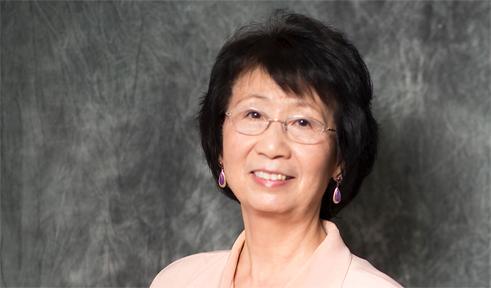
Professor Paula Hyde is a Professor of Organisation Studies at the Birmingham Business School, University of Birmingham , with a visiting position at Macquarie University, Australia . She is a Fellow of the Academy of Social Sciences and a leading scholar in health and social care organisation studies. PhD, University of Manchester (2003) MBA, University of Manchester (1997) BSc (Hons), University of Salford (1994) State Registered Occupational Therapist, Dorset House, Oxford (1985) Her research lies at the intersection of organisation studies, sociology of work, human resource management, and critical research methods . She specializes in the organisation and delivery of health and social care, particularly for older people. Her work employs participatory, ethnographic, and interdisciplinary methodologies. She has advanced methodological innovation in organisational ethnography and qualitative research in public services. Her recent publications span top journals such as Organization Studies, Human Relations, Gender, Work and Organization , and Journal of Social Policy . These works explore organisational boundary work, professionalisation, values-based HRM, lean management in the NHS, and the colonisation of the aged body . Her research shows a consistent focus on power, equity, and the lived experience of care workers and recipients. Fellow of the Academy of Social Sciences Shortlisted for AACSB's Innovations that Inspire (2017) Paula has secured over £6.5 million in research funding from bodies like the Department of Health and NIHR. She is a co-investigator on the Policy Research Unit for Older People and Frailty (2019–2023). She has supervised numerous PhD students and developed early-career researchers through funded projects. She has held leadership roles including Director of the Health Services Research Centre at the University of Manchester. She has co-founded research networks such as the Society for the Study of Organizing for Healthcare (SHOC) and serves as series editor for the Palgrave Macmillan monograph series on Organisational Behaviour in Healthcare . Her public engagement has influenced policy discussions, with citations in Financial Times, The Guardian , and Private Eye .
Dr. Amanda Claudia Wager is a faculty member at Vancouver Island University (VIU), affiliated with the Faculty of Education and the Department of Teacher Education. She has previously held research and teaching roles at Lesley University (Cambridge, MA) and the University of British Columbia (Vancouver, BC). Her work is deeply rooted in community-engaged, arts-based, and culturally responsive scholarship, with a focus on equity, inclusion, and social justice in education. Her research interests span Culturally Responsive Pedagogy , Indigenous Language Revitalization , Youth-Led Public Art , Restorative Justice in Higher Education , and Family and Community Engagement in bilingual education. She frequently employs participatory methodologies such as research-based theatre, digital storytelling, and critical ethnography. Her recent projects reflect a strong commitment to interdisciplinary, socially transformative research. These include youth-led Hul'qumi'num language reclamation through digital art, community-based literacy with street-involved youth, and national EDI symposia that foster institutional change. Funded by SSHRC, the U.S. Department of Education, and various foundations, her work consistently centers marginalized voices and promotes capacity building. Dr. Wager has received scholarly recognition through fellowships such as the Russell Fellowship and Junior Faculty Fellowship at Lesley University. Her grants and collaborations demonstrate sustained leadership in research innovation and mentorship. Research-Based Theatre and Ethnodrama Youth Language Revitalization Initiatives Equity, Diversity, and Inclusion (EDI) Strategy Development Arts-Integrated Literacy Programs Restorative Justice in Academic Institutions Community-Engaged Teacher Education She has mentored graduate students and collaborated with Indigenous communities, educators, and youth across Canada and the U.S. Her work bridges academia and community action, emphasizing ethical research practices and transformative knowledge mobilization.
Amy Brookes is an Associate Professor at the University of Reading, serving as School Director of Diversity and Inclusion. She co-leads the BSc Architecture stage 1 design studio and teaches visualization and communication within the architecture program. With a background as a RIBA Chartered Architect and former associate director at BPR Architects, Brookes brings substantial professional experience to her academic role, having delivered £36m worth of educational projects including a £18m Science and Technology building for Middlesex University. Education: PhD in Architecture by Published Works, University of Westminster, 2023 PGDip in Professional Practice in Architecture (RIBA/ARB part 3), University of Westminster PGDip Architecture (RIBA/ARB part 2), University of Westminster BSc Architectural Studies (RIBA/ARB part 1), Cardiff University Brookes' research centers on the intersection of architecture and science fiction, exploring how narrative and utopian thinking can inform architectural practice. Her work examines narrative communication in architectural design, the utopian imaginary in architecture, and widening participation in architectural education. She investigates how science fiction literature and film represent architectural concepts, particularly focusing on megastructures, collective spaces, and feminist approaches to urban design. Her research demonstrates architecture as a social art that should embody and support progressive social development through consultation, participation, and narrative communication. Analysis of Brookes' recent publications reveals a consistent focus on the relationship between science fiction and architectural thinking, with particular emphasis on feminist and queer perspectives. Her work increasingly examines threshold conditions, edge-lands, and the politics of collective space, demonstrating how speculative fiction can provide critical frameworks for reimagining urban environments. The interdisciplinary nature of her research connects architecture with literary studies, gender studies, and urban theory, creating innovative approaches to both design practice and architectural education. Scientific Awards and Recognition: Nominated for Teaching Excellence Award at Newcastle University As School Director of Diversity and Inclusion, Brookes leads initiatives to broaden participation in architecture education. She co-founded Involve Architecture Collective, which has partnered with major institutions including Tate Britain, RIBA, Open City, the V&A Museum, and the Horniman Museum to create small-scale installations and workshops that engage diverse audiences with architectural thinking. Her teaching philosophy emphasizes social engagement in design and explores narrative's role in architecture, directly informed by her research into science fiction. Brookes is an active member of several scholarly communities including the Imaginaries of the Future Network, London Science Fiction Research Community, the British Science Fiction Association, and the Utopian Studies Society. Through Involve Architecture Collective, she maintains a practice-based research approach that bridges academic inquiry with public engagement, creating opportunities for community participation in architectural discourse and design processes.
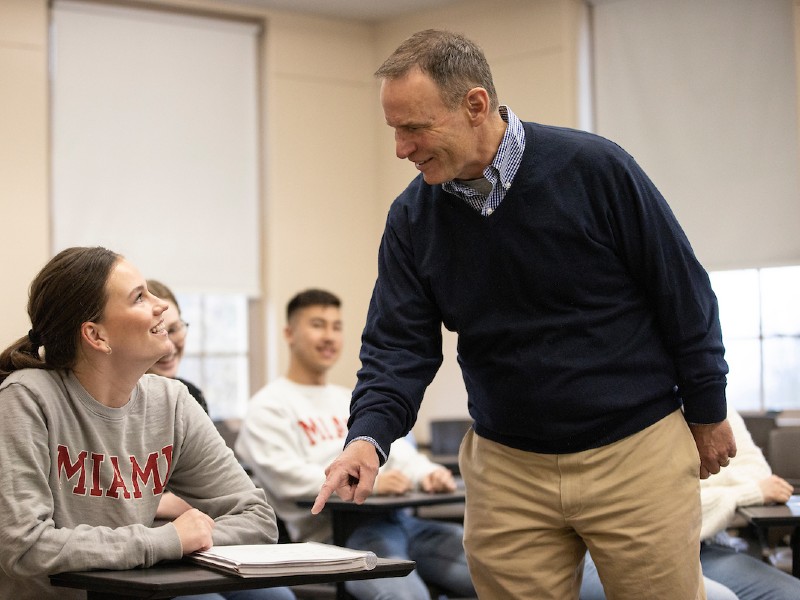
Patrick Haney is a Professor in the Department of Political Science at Miami University, where he has served since 1992. He is also the Director of the Center for Public Management and Regional Affairs and the Lead Departmental Advisor for Diplomacy and Global Politics. His work bridges academic research and practical policy, focusing on American foreign and national security policy, with particular attention to domestic influences such as ethnic interest groups, Congress, and presidential decision-making. Ph.D. in Political Science, Indiana University B.A. in Political Science, The Ohio State University Patrick Haney's research centers on the domestic sources of U.S. foreign policy, including ethnic lobbying, congressional roles, crisis management, and homeland security. He employs both theoretical and empirical approaches to understand how policy is shaped by institutions, actors, and societal pressures. His work often intersects with pedagogical innovation, especially in active learning and the use of film in teaching foreign policy. The 15 most recent articles reflect a sustained focus on domestic actors in foreign policy, U.S.-Cuba relations, homeland security, and political pedagogy. They span disciplines including political science, public policy, and international relations, with recurring themes of intermestic politics, interest group influence, and executive-legislative dynamics. His scientific recognition includes: Miami University Distinguished Scholar (2007–2008) William Holmes McGuffey Award He has served on the editorial board of Foreign Policy Analysis and held leadership roles in the International Studies Association, including Past President of the Active Learning in International Affairs section and officer in the Foreign Policy Analysis section. He has also led grant-funded projects, such as the Ohio Commission on Local Government Collaboration and Reform (Co-PI, 2009), focusing on inter-jurisdictional collaboration in homeland security. He has mentored numerous students through senior theses, independent studies, and summer research programs. As Director of the Center for Public Management and Regional Affairs, he leads initiatives on inter-local homeland security and develops training modules for local government officials, fostering collaboration between academic research and public service.
Dr Thomas Rist is a Senior Lecturer in the School of Language, Literature, Music and Visual Culture at the University of Aberdeen. He holds a BA and PhD, with academic training at The Shakespeare Institute, University of Birmingham. He has previously taught at Peterhouse, Cambridge, and the University of Tampere in Finland, before joining Aberdeen. His current role involves teaching and research in early modern English literature, with a focus on Shakespeare and Renaissance drama. His research centers on the interplay between literature, religion, and politics in the early modern period, particularly how themes of memory, commemoration, grief, and the cult of the dead are dramatized. He is deeply engaged in memory studies, hauntology, and the literary representation of the Virgin Mary and devotional practices. His work spans poetry, drama, and critical theory, with recent publications exploring Catholicism in literature and cognitive phenomena like confirmation bias within the humanities. His recent publications reveal a sustained scholarly trajectory in post-Reformation literary culture, devotional expression, and the emotional and theological dimensions of drama. He frequently publishes on Shakespearean catharsis, revenge tragedy, and the memorial arts, often drawing interdisciplinary connections between theology, philosophy, and literary form. His editorial work, such as on The Spanish Tragedy: A Critical Reader , demonstrates his leadership in the field. Dr Rist has authored and edited several books, including Revenge Tragedy and the Drama of Commemoration in Reforming England (2008) and The Arts of Remembrance in Early Modern England (2013, 2016). His articles appear in journals such as Shakespeare Survey , Early Modern Literary Studies , and Cahiers Elisabethains . He is currently active in publishing, with a 2025 monograph on Catholicism in literature. He welcomes research students interested in related areas. While no specific awards are listed, his consistent scholarly output and editorial roles indicate recognition in his field. He is not part-time, not retired, and remains an active faculty member.
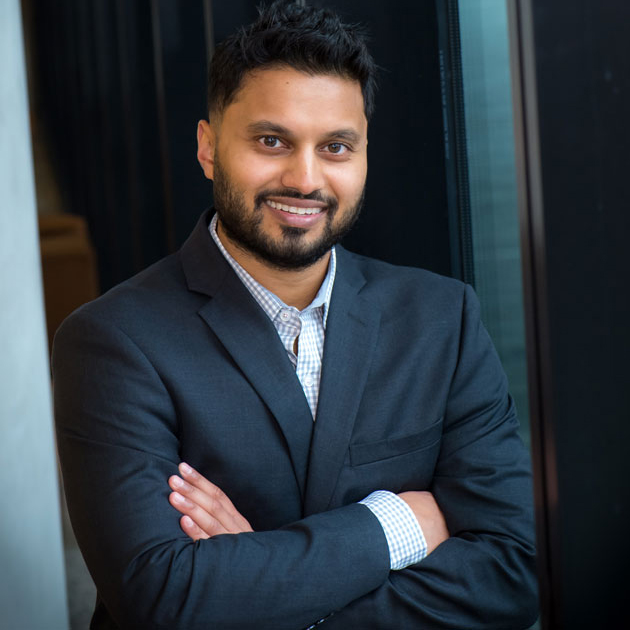
VG Vinod Vydiswaran is an Assistant Professor in the Department of Learning Health Sciences at the University of Michigan Medical School. He holds a PhD from the University of Illinois at Urbana-Champaign and an MTech from the Indian Institute of Technology Bombay. His research focuses on medical and health informatics, particularly analyzing medical information in clinical notes and online portals. Key areas include information trustworthiness, text mining, natural language processing, and machine learning applications in healthcare. Education: PhD, Computer Science, University of Illinois at Urbana-Champaign (2007-2012) MTech, Indian Institute of Technology Bombay (2002-2004) Bachelor of Engineering, Computer Engineering, Vishwakarma Institute of Technology, Pune (1998-2002) Research Interests: His work spans information trustworthiness, medical NLP, health informatics, and machine learning. Current emphasis is on analyzing medical information exchange between clinicians and patients via electronic health records and online platforms. Recent trends in publications include health vocabulary mining from community forums, trust propagation frameworks, and scenario-based news analysis. Awards: Best Paper Award at COMAD 2005 Second Prize in KDD Cup 2003 (Task 2) Outstanding Teaching Assistant Award (2011) CS Graduate Ambassador (2010-2011) Grants & Advising: Active in interdisciplinary collaborations involving health data mining. Taught SI 671 (Data Mining) in 2015. Served on program committees for AAAI, CIKM, AMIA, and others. Labs & Teams: Part of the Foreseer group at the School of Information, focusing on health informatics applications. Collaborates with Medical School faculty and industry partners like Microsoft Research and Palo Alto Research Center.
Liang Tao is a Professor of Linguistics and the Chinese Coordinator at the College of Arts and Sciences, Ohio University. He is affiliated with the Department of Linguistics and contributes significantly to the fields of Chinese linguistics, discourse analysis, and psycholinguistics. Education: Ph.D. in Linguistics, University of Colorado, Boulder, 1993 Cognitive Science Certificate, Institute of Cognitive Science, University of Colorado, Boulder, 1993 Liang Tao’s research focuses on interactional linguistics and discourse analysis of Mandarin Chinese, with an emphasis on usage-based models of language and grammaticalization. His work explores second language learning, particularly the cognitive mechanisms of memory and their pedagogical implications. He investigates the grammar of Chinese and English, psycholinguistic processing, and the interplay between language, culture, and cognition. His recent publications highlight self-repair in conversation, tone perception, and metalinguistic awareness in language learners. The 15 most recent articles reflect a strong trend in discourse processing, particularly in Mandarin Chinese conversation, with subfields including self-repair, tone perception, usage-based change, and bilingual processing. Keywords span psycholinguistics, cognitive science, and language acquisition, indicating an interdisciplinary approach grounded in empirical and theoretical linguistics. Scientific Awards: Fellow, Psychonomic Society Liang Tao has been involved in research grants, including serving as Principal Investigator on the Ohio University 1804 Grant for improving pronunciation in Chinese learners using speech recognition strategies. He has collaborated extensively with researchers such as Chao-Yang Lee, Alice F. Healy, and Zinny Bond on projects related to speech perception and cognitive processing. Though a grant proposal to the US Department of Education was denied, his ongoing research activity is evident through regular presentations at national and international conferences. While no specific lab or research team is named, his frequent collaborations and focus on experimental psycholinguistics suggest an active research group or network, particularly in speech processing and second language acquisition at Ohio University.
Dr. Michael Naraine is an Associate Professor in Sport Management at Brock University. He previously taught at Deakin Business School in Melbourne, Australia, and currently serves as Vice-Chair of the Canada Snowboard board of directors. His research focuses on digital sport management, including social media strategies, esports, and sports gambling, with an emphasis on fan engagement and organizational transformation. He holds affiliations with the North American Society for Sport Management, American Marketing Association, and other global sport organizations. His research interests span sport marketing innovations, digital transformation in non-profits, and DEI initiatives. Notable awards include the 2024 Lough Award for DEI contributions and 2022 Emerging Scholar recognition. His publications include leading textbooks like *The Routledge Handbook of Digital Sport Management* (2023) and *Sport Management: Principles and Application* (2022, 6th ed.). His recent articles analyze social media perceptions in sport governance, toxicity in women’s sports discourse, and analogous forecasting for innovation adoption. Teaching focuses on sport marketing, sponsorship, and entrepreneurship. He advises professional and amateur sport organizations in Canada and Australia, contributing to strategic digital and governance frameworks.
Richard S. Cohen is Associate Professor of South Asian Religious Literatures at the University of California San Diego , where he has been affiliated with the Department of Literature since completing his PhD in Buddhist Studies at the University of Michigan in 1995. His academic journey began with BA and MA in Religious Studies from Wesleyan University. His research focuses on: Buddhist Scriptural Analysis : Particularly examining authority articulations in 5th-century CE texts like The Splendid Vision in which One Observes Living Beings and Reveals Buddha Fields through the Empowerment of All Tathagatas Wisdom Theory : Developing frameworks for analyzing wisdom-claims through Buddhist concepts like the Four Immeasurables to create non-theological political wisdom models Religious Authority Critique : Challenging traditional power structures in South Asian religious contexts His publications reveal trends in: Buddhist textual evolution across South Asia Artistic-religious interplay at sites like Ajanta Dynastic religious community formation Modern reinterpretations of ancient religious concepts Scientific Recognition: Hellman Fellowship : UCSD's prestigious early-career award While currently without formal student advisors listed, his work bridges religious studies with critical theory, influencing both academic and public understandings of Buddhist modernity and institutionalization processes.
Francesca Governa is a Full Professor in the Interuniversity Department of Territorial Sciences, Planning and Policies (DIST) at the Polytechnic University of Turin , where she plays a central role in urban research and doctoral education. She is a member of the Future Urban Legacy Lab and actively contributes to academic governance through her role in the Commission for the Promotion of Library, Archive and Museum Heritage. Her research interests span critical urban theory , urban geography , global infrastructure , and socio-technical urbanization . She investigates the political, social, and spatial dynamics of contemporary urban transformations, with a particular focus on logistics, digital nomadism, and knowledge production in the Global South. Her work is grounded in critical geography and emphasizes equity, inclusion, and civil engagement. The recent publications of Prof. Governa reflect a strong engagement with themes such as the geopolitics of urban knowledge, the critical analysis of global infrastructure (e.g., the Belt and Road Initiative), housing struggles, and the role of visual media in urban research. Her work appears in leading journals and books, often in collaboration with international scholars. Scientific awards and recognitions: Transport and Culture Award (2002) by Trasporti e Cultura magazine, Italy. Advising and grants: She is a dedicated mentor, supervising PhD students like Caterina Ciarleglio and Emanuele Sciuva. She has led major research projects funded by national (PRIN) and EU (H2020) programs, including NEXT-CITIES and SURGE , as well as commercial research initiatives. Her leadership as Scientific Director underscores her significant contributions to funded research. Labs and teams: She is a key member of the Future Urban Legacy Lab , an interdepartmental center fostering interdisciplinary research on urban futures. Her collaborative work is evident in her editorial roles for New Geographies and URBAN TRACES , and her participation in the AGeI Steering Committee.
Justus Kebschull is an Assistant Professor in the Department of Biomedical Engineering at Johns Hopkins University School of Medicine. His research bridges neuroscience, genomics, and molecular engineering to understand brain structure, evolution, and function across vertebrates. He is affiliated with the Biomedical Engineering Program and the Neuroscience Training Program, mentoring graduate students and leading a dynamic research lab. Research Interests: Dr. Kebschull's work focuses on neural circuits , connectomics , and molecular neuroscience , with a strong emphasis on evolutionary perspectives. He develops and applies cutting-edge technologies such as MAPseq, BRICseq, in situ sequencing, single-cell RNA-seq, and viral tracing to map brain connectivity and gene expression at single-cell resolution. His lab investigates how brain regions and cell types evolve, how circuits adapt to new functions, and how these principles are disrupted in neurodevelopmental disorders and addiction. Publication Trends: His recent publications highlight a strong focus on comparative connectomics , cerebellar evolution , and high-throughput neuroanatomical methods . His work integrates connectivity data with transcriptomic and functional activity profiles, enabling a systems-level understanding of brain organization. Key themes include circuit duplication in brain evolution, scalability of neural mapping, and cross-species analysis from mice to sharks. Scientific Recognition: While no specific awards are listed, his publication record in top-tier journals such as Science , Nature , Cell , and Neuron reflects significant scientific impact and recognition in the neuroscience community. Advising and Research Support: Dr. Kebschull actively mentors graduate students and postdoctoral researchers. His lab is expanding and currently recruiting PhD students, postdocs, and technicians. His research is supported by competitive funding, enabling the development of novel tools for brain mapping and disease modeling. Research Environment: The Kebschull Lab is a highly interdisciplinary team situated at the intersection of neuroscience, synthetic biology, virology, and computational biology. The lab fosters innovation in molecular tool development and applies these to fundamental questions in brain evolution and disease. Ongoing projects include high-throughput comparative connectomics, developmental mechanisms of circuit formation, and the impact of drugs and disorders on neural architecture.
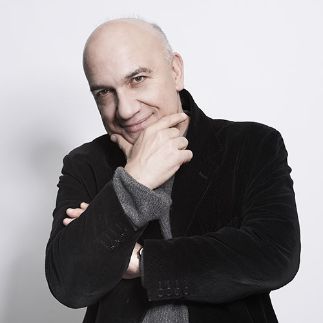
Massimo Donà is a Full Professor of Theoretical Philosophy at the Faculty of Philosophy, Vita-Salute San Raffaele University in Milan. He holds the PHIL-01/A disciplinary sector and teaches courses such as Metaphysics and Ontology of Contemporary Arts at both undergraduate and graduate levels. He has been a central figure in Italian philosophical discourse, particularly in aesthetics and ontology. Full Professor, Faculty of Philosophy, Vita-Salute San Raffaele University, Milan Former Tenured Professor of Aesthetics, Academy of Fine Arts, Venice Co-founder of the journal Paradosso Editor of Andrea Emo's posthumous works Scientific Director of the Diaporein Research Center Donà's research focuses on theoretical philosophy, with deep engagement in ontology, aesthetics, and the philosophy of music. His work explores the metaphysical dimensions of art, literature, and perception. He has published extensively on figures such as Emanuele Severino, Lucio Battisti, Hegel, and Italo Calvino, often bridging philosophical rigor with cultural commentary. His recent publications (2017–2025) reveal a consistent thematic focus on the intersection of art and metaphysics. Keywords across his works include ontology, aesthetics, phenomenology, and cultural interpretation. Subfields such as the philosophy of photography, music, literature, and the limits of thought demonstrate a broad yet coherent intellectual trajectory centered on the nature of being and artistic revelation. His scientific recognition includes the Premio Capalbio (2014), awarded by an international committee chaired by G. Marramao. This honor reflects his impact on contemporary philosophical and cultural debate. Donà has advised numerous PhD students in the Philosophy Doctoral Program at San Raffaele University from 2015 to 2024. He has also been active in public engagement, organizing philosophical events in schools and communities, and leading the scientific outreach platform Diaporein. He has not received mention of specific research grants in the provided text. He is the scientific director of the Centro di Ricerca di Metafisica e di Filosofia delle arti DIAPOREIN , which promotes interdisciplinary research on metaphysics and the philosophy of art. The center manages a dedicated website and organizes public events, lectures, and publications.
Frederick P Kiefer is a Professor in the Department of English at the University of Arizona, affiliated with the College of Humanities. He specializes in Shakespeare, Renaissance drama, and the performance aspects of early modern literature. His office is located in Modern Languages 467, and he can be reached at fkiefer@arizona.edu. His research interests lie at the intersection of text and performance, particularly in how visual, material, and symbolic elements function on the Renaissance stage. He has made significant contributions to understanding personified characters, the use of written texts in plays, and the philosophical underpinnings of Elizabethan tragedy. The body of his recent publications reveals a sustained engagement with the material culture of the early modern stage, the interplay between print and performance, and gender and identity in historical contexts. His works span from studies of Fortune in tragedy to visual theatre in Shakespeare and the representation of gender across periods. While no formal awards are listed in the provided text, his publications with prestigious academic presses such as Cambridge University Press and the University of Delaware Press reflect recognition in the field of literary scholarship. He has advised students in English and Renaissance studies, though specific names are not mentioned. His scholarly work suggests involvement in editorial and collaborative academic projects, particularly in interdisciplinary medieval and Renaissance studies. He has contributed to the Arizona Center for Medieval and Renaissance Studies, indicating institutional research engagement.