Eric P. Xing is a Professor at the Language Technologies Institute of Carnegie Mellon University , and currently serves as President of the Mohamed bin Zayed University of Artificial Intelligence . His work bridges machine learning methodology with computational biology and large-scale AI systems . Research Focus: Developing machine learning theory for high-dimensional, dynamic data Building foundation models for biology (AIDO, scLong, ProteinAligner) Designing scalable AI architectures (Pollux, LLM360, PAN) Advancing interpretable and controllable NLP systems Scientific Leadership: Founded the SAILING Lab at CMU Co-chaired ICML 2014 and ICML 2019 Recipient of the Jay Lepreau Best Paper Award (OSDI 2021) Education & Mentorship: Advises PhD students across machine learning and computational biology Alumni include faculty at ETH Zurich, University of Chicago, and UC San Diego
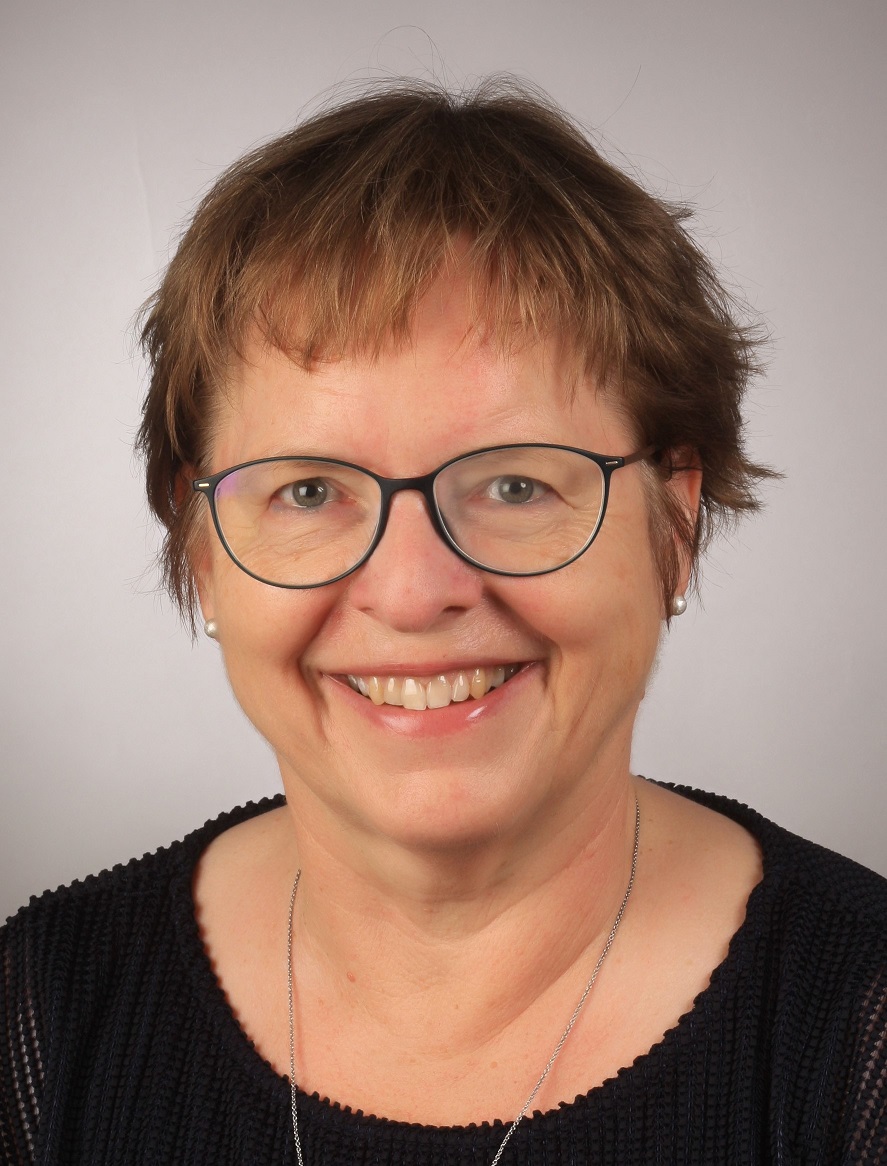
Prof. Dr. Gabriele Sommer is Professor of African Linguistics I (Niger-Congo languages) at the University of Bayreuth, where she has been teaching since 2008. She is affiliated with the Faculty of Languages & Literatures, specifically within the African Linguistics I department. Her academic career spans over three decades, with significant contributions to the study of African languages, particularly in Southern Africa. Dr. Sommer's research focuses on Sociolinguistics, Historical Linguistics, and Language Contact, with particular emphasis on Bantu languages, Khoesan languages, and the complex interactions between these language families. Her work examines address forms, speech acts, language shift, and language endangerment in multilingual African contexts. She has conducted extensive fieldwork in Botswana, Namibia, and South Africa. Her recent publications explore variations in Shiyeyi language, shifting access rituals among Tanzanian Ngoni, Bantu-Khoesan language contacts, and comparative studies of address systems in Bantu languages. Her research demonstrates a consistent focus on the interplay between linguistic structures, cultural practices, and historical developments in African linguistic communities. Prof. Sommer has held significant administrative roles including Dean of Studies of the Faculty of Languages & Literature (2015-2018) and Chairwoman of Fachverband Afrikanistik (2012-2016). She currently coordinates a DAAD exchange program with the University of Fort Hare in South Africa and an online language course project on Xhosa. Her academic journey began with a Magister degree in African Linguistics, English, and Phonetics from the University of Cologne in 1988. She earned her PhD in 1993 from the University of Bayreuth with a sociolinguistic study on language shift in north-western Botswana, and completed her habilitation in 2003 on Historical Language Contacts between Afroasiatic and Nilosaharan Languages.
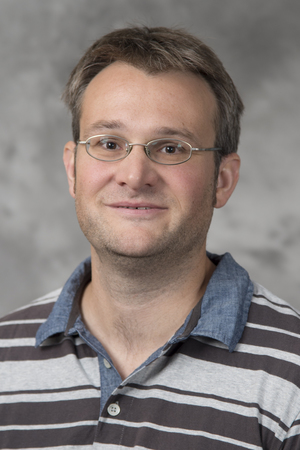
Michael Nothnagel is a Professor at the University of Cologne, where he leads the Department of Statistical Genetics and Bioinformatics within the Cologne Center for Genomics (CCG). His work spans statistical genetics, genetic epidemiology, and forensic genetics, focusing on methodological development and large-scale genomic data analysis. His research interests encompass theoretical and applied statistical genetics, with emphasis on human genetic diversity, disease etiology, and forensic applications. Key areas include Y-chromosomal phylogeography, genome-wide association studies for complex diseases, development of statistical methods for variant interpretation, and forensic marker optimization. His group leverages next-generation sequencing data and specialized forensic markers to address questions in population history, disease mechanisms, and identification systems. Recent publications reveal a strong focus on computational approaches to genetic analysis, including spatial frequency interpolation for haplogroup mapping, polygenic risk score applications for behavioral traits, and advanced methods for variant classification. His work demonstrates consistent integration of statistical theory with practical applications in medical and forensic genetics, often through international collaborations like the VISAGE Consortium. Nothnagel maintains active involvement in the Cologne Center for Genomics, contributing to seminars and collaborative projects including the upcoming 34th International Genetic Epidemiology Society meeting. His research group operates at the intersection of computational biology and medicine, with particular strengths in handling complex genomic datasets and developing novel analytical frameworks for genetic epidemiology.
Peter Ramsden serves as an Adjunct Professor in the Department of Anthropology at McMaster University, specializing in North American archaeology with emphasis on Iroquoian and Huron-Wendat cultures of Ontario. His academic career spans five decades from 1967 to 2016, reflecting sustained engagement with Indigenous history and material culture analysis. His research interests focus on Iroquoian identity negotiation , ceramic analysis , and Ontario prehistory , particularly examining how St. Lawrence Iroquoians integrated into Huron-Wendat communities and the cultural transformations during European contact periods. Key methodologies include stylistic analysis of artifacts and settlement pattern studies across Ontario's Kawartha Lakes region and Arctic sites. Ramsden's publication trends reveal consistent contributions to Canadian Journal of Archaeology and Ontario Archaeology , with recent works analyzing identity politics in Huron villages (2009) and Iroquoian stylistic resistance (2016). His scholarship bridges archaeological evidence with anthropological theory to reconstruct precontact social dynamics. Ramsden maintains active scholarly engagement through book reviews and theoretical commentaries, though no formal awards or fellowships are documented in available records. His academic mentorship shows no publicly listed students, while grant activity appears limited based on McMaster's VIVO database records. Current research directions likely extend his longstanding focus on Huron-Wendat cultural continuity and ceramic typology refinement.
Ajay B. Limaye is an Assistant Professor in the Department of Environmental Sciences at the University of Virginia. His research spans terrestrial and planetary landscapes, focusing on fluvial geomorphology, quantitative stratigraphy, and planetary surface processes. He employs remote sensing, geospatial analysis, numerical modeling, and laboratory experiments to study river dynamics, sedimentary deposits, and climate records on Earth, Mars, and Titan. His work integrates NSF and NASA-funded projects, including the development of a Landscape Evolution Laboratory with a 7m×3m experimental basin for controlled landscape modeling. His research explores feedbacks between landslides and ecology in central Virginia, Martian deltaic deposits, and submarine channel systems. He teaches courses in geomorphology, planetary geology, and fundamental geosciences. NSF CAREER Award (2023) : "GLOW: Sequencing rivers with machine learning and bioinformatics" Keck Institute Fellowship (2010) : High-resolution stratigraphy of Mars polar deposits Recent publications analyze braided river dynamics (e.g., Brahmaputra-Jamuna River), meander bend geometry, landslide-vegetation interactions, and planetary hydrology. His experimental work on autogenic fluvial terraces and turbidity maximum zones in estuaries demonstrates interdisciplinary methodological rigor.
Marco Ruggeri, Ph.D. , is a Researcher in the Ophthalmology department at the University of Miami Miller School of Medicine , affiliated with the Bascom Palmer Eye Institute . His work focuses on advanced imaging techniques and biomechanical properties of ocular tissues. University: University of Miami School: Miller School of Medicine Department: Bascom Palmer Eye Institute - Ophthalmology Research Interests Marco Ruggeri's research spans several critical areas in ophthalmology and biomedical optics. He specializes in Optical Coherence Tomography (OCT) for dynamic imaging of ocular structures, including the ciliary muscle and crystalline lens . His work investigates refractive index variations in aging lenses, the viscoelastic properties of ocular tissues , and design optimization of intraocular lenses . Additionally, he explores handheld imaging systems for retinal diagnostics and biomechanical changes during accommodation and disaccommodation. Ruggeri's interdisciplinary approach bridges optical engineering , clinical ophthalmology , and biophysics to advance understanding of eye function and disease. Publications & Collaborative Work Ruggeri has authored peer-reviewed studies on OCT validation for lens shape estimation, age-related refractive index shifts, and peripheral defocus in intraocular lens design. His collaborative efforts include developing portable imaging devices and analyzing biomechanical responses to ocular treatments.
Andreas Jung is an Associate Professor of Physics and Astronomy at Purdue University, affiliated with the CMS experiment at CERN. His research focuses on understanding the electroweak scale stabilization via precision measurements of top quark interactions, Higgs boson studies, and detector R&D. He also explores quantum algorithms for high-energy physics and supply chain optimization. Jung earned his Ph.D. from the University of Heidelberg (2009) and a diploma from the University of Dortmund (2004). Education: Ph.D. in Physics, University of Heidelberg, 2009 (Dissertation: D* Meson Cross Section Measurement) Diploma in Physics, University of Dortmund, 2004 (Commissioning of H1 Fast Track Trigger) Research Interests: High Energy Physics, Particle Physics, Detector Development, Quantum Computing Applications, Material Science for Detectors, and Collider Experiments. His work includes analyzing top quark spin correlations, quantum annealing for vertex reconstruction, and carbon fiber composites for CMS upgrades. Awards: Senior Distinguished Researcher fellowship at Fermilab LHC Physics Center (2019) 3-year PhD scholarship from German Research Society (2004–2007) Teaching & Leadership: Teaches courses on particle physics and data science. Serves as Convener of CMS TOP Physics Analysis Group and leads detector mechanics R&D. Engages in quantum computing collaborations with DoD and industry partners. Labs/Teams: Jung Research Group at Purdue, CMS Collaboration, and Purdue Quantum Science & Engineering Institute (PQSEI). Active in detector development for the High-Luminosity LHC upgrade, including carbon fiber support structures and silicon pixel detectors.
Thorsten W. Becker is a Professor of Earth and Planetary Sciences at the Jackson School of Geosciences, University of Texas at Austin, holding the Shell Companies Foundation Distinguished Chair in Geophysics. He is also a Senior Research Scientist at the Institute for Geophysics and a Faculty Associate at the Institute for Computational Engineering and Sciences. His research focuses on the co-evolution of planetary interiors and surface systems, integrating geodynamic modeling, seismology, and field data to study processes like plate tectonics, mantle convection, and seismic anisotropy. Becker earned a Diplom in Physics from Goethe University (Frankfurt) and a Ph.D. in Geophysics from Harvard University. He has held academic positions at the University of Southern California and Scripps Institution of Oceanography. His honors include the Augustus Love Medal (EGU), Evgueni Burov Medal (IUGG), and Fellow of the American Geophysical Union. His teaching interests span Tectonic Geodynamics, Natural Hazards, and Numerical Modeling. He chairs the US National Academies’ Standing Committee on Solid Earth Geophysics and has led major initiatives like the NSF-funded Megathrust Modeling Framework. His work bridges computational geoscience, tectonics, and geodynamic theory, with over 160 peer-reviewed publications. Recent research emphasizes mantle flow dynamics, slab interactions, and AI-driven seismic analysis. Key contributions include models of subduction termination, slab-induced cratonic thinning, and the role of mechanical anisotropy in tectonic processes.
Professor Harriet D Allen is a leading academic in Physical Geography at the University of Cambridge, affiliated with the Department of Geography and Girton College. She holds dual roles as Professor of Physical Geography and Fellow/Tutor at Girton College since 2002. Her research focuses on Mediterranean ecosystems, biogeography, and environmental change with particular emphasis on remote sensing applications for landscape ecology and vegetation dynamics. Education: MA (Cambridge/Girton College), MSc (University of Calgary, Canada), PhD (Cambridge, focusing on Quaternary studies in Greece). She has held academic positions since 1986, including Senior Lecturer roles at Homerton College and current roles in Cambridge's Geography Department. Research Interests: Modeling Mediterranean shrubland ecosystems using LiDAR and multisensor data Vegetation response to Holocene and contemporary environmental changes Restoration of Mediterranean mosaic landscapes Ecological impacts of land use changes in Portugal and Greece Palaeoecological reconstruction using sedimentary records Advising & Grants: Supervised 3 PhD students (Amy McGuire, William Fletcher, William Simonson) focusing on Quaternary environments, forest structure, and landscape history. Active in curriculum development as Director of Undergraduate Teaching (2014–2022). Labs/Teams: Member of Climate & Environmental Dynamics and Biogeography & Biogeomorphology research groups. Collaborates with Plant Sciences Department on lidar applications. Leads fieldwork in Portugal, Switzerland, and Greece.
S. Garnett Russell is an Associate Professor of International and Comparative Education at Teachers College, Columbia University, directing the International and Comparative Education Program and the George Clement Bond Center for African Education. Their research focuses on education's role in post-conflict societies, refugee education, human rights, and citizenship formation, often using mixed-methods approaches. Russell holds a PhD from Stanford University and has significant expertise in global education policy and transitional justice. Key research areas include post-genocide Rwanda, South Africa, Colombia, and urban refugee populations. Current projects examine transitional justice education in Colombia, civic identity among immigrant/refugee youth in the U.S., and refugee education policy. Russell has authored/co-authored over 30 peer-reviewed articles, policy briefs, and book chapters, with recent work analyzing language policies, textbook discourses, and human rights education implementation. Awards and recognitions are not explicitly listed, but their work has been supported by grants from Dubai Cares/INEE and the Spencer Foundation. Russell advises students in comparative and international education, focusing on fieldwork methodologies and policy analysis. Their teaching emphasizes global educational inequities and the sociopolitical dimensions of schooling.
Diptarka Chakraborty is an Assistant Professor in the Department of Computer Science at the School of Computing, National University of Singapore (NUS). He obtained his PhD from the Indian Institute of Technology Kanpur in 2016 and held postdoctoral positions at Charles University, Prague, and the Weizmann Institute of Science, Israel. His educational background includes: PhD in Computer Science and Engineering, Indian Institute of Technology Kanpur, 2016 Dr. Chakraborty's research lies at the intersection of Theoretical Computer Science and Algorithms , specializing in sublinear algorithms , approximation algorithms , graph algorithms , and data structures for massive datasets. His work addresses computational hardness in edit distance, rank aggregation, and fault-tolerant graph structures, with recent emphasis on algorithmic fairness and streaming applications. Analysis of his 2020-2025 publications reveals dominant trends in fairness-constrained algorithms (e.g., fair rank aggregation) and scalable techniques for massive data (e.g., clustering permutations in streaming models), alongside foundational contributions to equivalence testing, model counting, and reachability under failures. His scientific contributions have been recognized with: Faculty Teaching Excellence Award 2024 Google South & Southeast Asia Research Award 2022 Best Paper Award at FOCS 2018 IBM Research India Outstanding Ph.D. Student Award 2015-16 Dr. Chakraborty actively mentors two PhD students and multiple research fellows while leading three major research projects: massive data handling under edit metrics, fair rank aggregation, and fault-tolerant graph structures. His Google Research Award supports investigations into computational challenges of fairness. He maintains an active research group with international collaborations and regular seminar participation across institutions including IITs, TIFR, and UC campuses.
Mitchell L. Neilsen is a Professor in the Department of Computer Science at Kansas State University's College of Engineering, where he also serves as the graduate program director. He holds the Warren and Gisela Kennedy - Carl and Mary Ice Keystone Research Scholar position and maintains an active research program with multiple ongoing projects. His educational background includes a Ph.D. in Computer Science (1992), M.S. in Computer Science (1989), and M.S. in Mathematics (1987), all from Kansas State University, plus a B.S. in Mathematics Education from the University of Nebraska-Kearney (1982). After beginning his career as an assistant professor at Oklahoma State University, he returned to K-State in 1996. Research Interests: Cyber-Physical Systems: Design, Analysis, Verification of systems integrating computing, networking, and physical processes Distributed Systems: Algorithms, design, and analysis of distributed computing systems Scientific Computing: Computational Fluid Dynamics, Finite Element Analysis, High Performance Computing, and Simulation Application Areas: Agriculture technology, Dam safety analysis, Mobile applications, Natural resources management, and Real-time Embedded Systems His research program shows clear evolution toward agricultural technology applications, particularly high-throughput phenotyping, while maintaining strong foundations in cyber-physical systems and scientific computing. Recent publications indicate increasing integration of machine learning and computer vision techniques into traditional research areas. Research Funding: National Science Foundation U.S. Department of Agriculture Sandia National Laboratories Department of Homeland Security Private industry partners Dr. Neilsen has mentored numerous graduate students through their M.S. and Ph.D. programs, with recent advisees focusing on applications in agricultural technology, dam safety, and embedded systems. His advising approach emphasizes practical applications of theoretical computer science concepts. Current Teaching (Fall 2024): CIS 450 - Computer Architecture and Operations CIS 625 - Concurrent Software Systems CIS 720 - Advanced Operating Systems
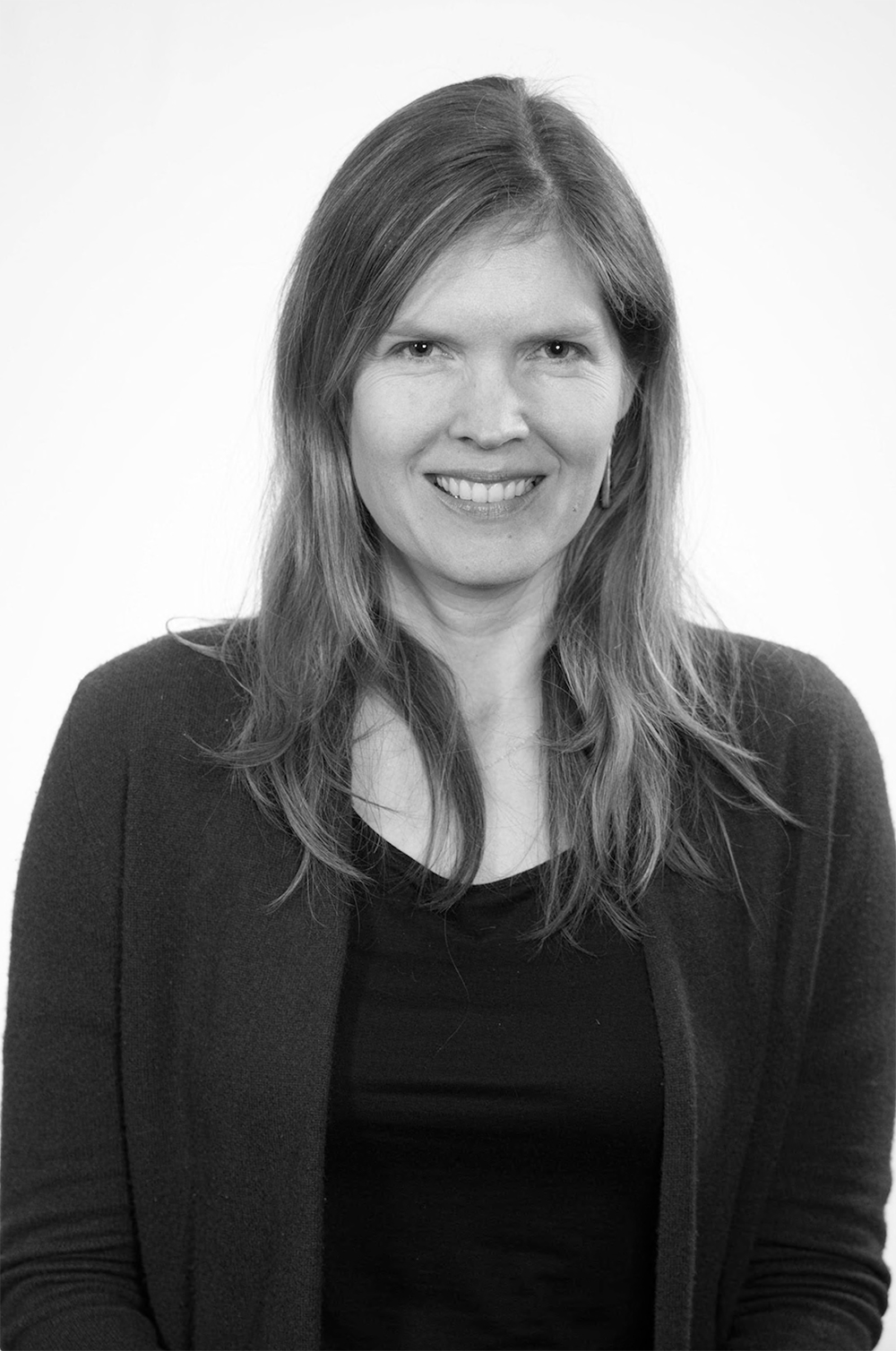
Flordeliz T. Bugarin is an Associate Professor in the Department of African Studies at Howard University's College of Arts & Sciences. Her interdisciplinary work bridges historical archaeology, cultural anthropology, and applied anthropology.
Barbara Kaltenbacher is a Professor at the Institute of Mathematics, University of Klagenfurt. She serves as Deputy Head of the Institute and is actively involved in academic governance through roles in curricular commissions for Information Technology and Mathematics. Her research focuses on nonlinear acoustics , inverse problems , and partial differential equations , particularly in modeling wave propagation and parameter identification. Her work spans theoretical and applied domains, including Acoustic nonlinearity parameter tomography Fractional regularization techniques Optimization of imaging and ultrasound models Well-posedness of nonlinear PDEs Her recent publications address advanced mathematical challenges in nonlinear acoustics and inverse problems, with applications in medical imaging and materials science. She contributes to academic leadership through committee memberships and maintains active research collaborations across disciplines.
Dr. Michelle Gallant serves as Professor at the University of Manitoba's Faculty of Law (Robson Hall), where she has taught continuously since 1999 and attained full professorship in 2014. She concurrently holds an Adjunct Professor appointment in the university's Peace and Conflict Studies Program since 2005 and is an Associate member of St. Paul's College. Her significant administrative roles include Manitoba Law Reform Commissioner (2012-2018), Deputy Commissioner of the Residential Tenancies Commission (2008-2011), and former Associate Dean (Research and Graduate Studies) and Director of the Legal Research Institute (2004-2010). Her academic credentials feature a Doctor of Philosophy from King's College London (2000), preceded by a Master of Laws from the University of British Columbia (1996) and Bachelor of Laws from the University of New Brunswick (1990). Prior to doctoral studies, she practiced as Legal Counsel for the Federal Department of Justice in Halifax. Dr. Gallant's research centers on the governance of tainted finance, with primary expertise in Money Laundering, Terrorist Finance, and Taxation intersecting with Philanthropy and the Law. Her work critically examines civil forfeiture mechanisms, anti-money laundering regulations, and the tension between financial crime control and human rights protection. She employs empirical methodologies to evaluate regulatory effectiveness across Canadian and international contexts, with particular attention to banking sector vulnerabilities and cross-jurisdictional enforcement challenges. Analysis of her publication record reveals evolving scholarly focus from theoretical frameworks toward empirical studies of civil forfeiture and international regulatory cooperation. Recent work increasingly addresses the impact of financial secrecy jurisdictions on crime control efforts and explores innovative approaches to balancing security imperatives with fundamental rights protections in financial regulation. She maintains active scholarly engagement through presentations at premier international forums including the Cambridge International Symposium on Economic Crime and Global Conference on Transparency Research, where she contributes expertise on civil forfeiture patterns, terrorist finance regulation, and philanthropy law applications.