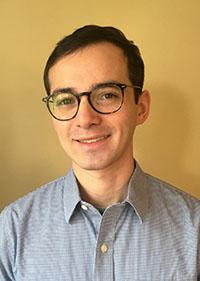
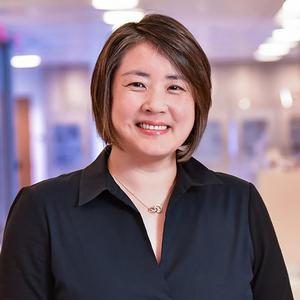
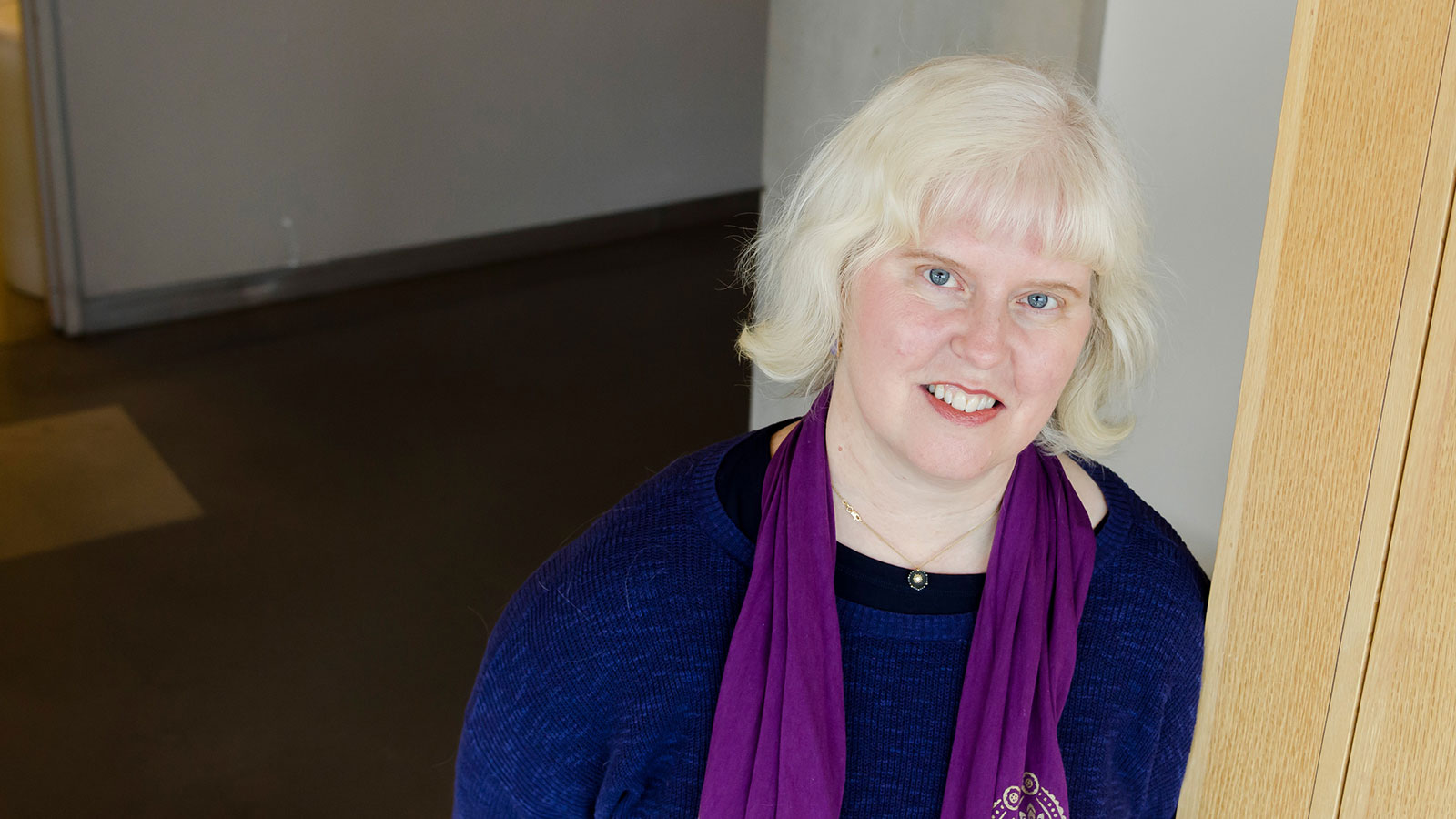
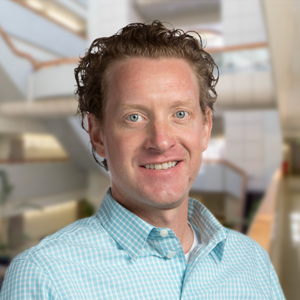
Ryan Galt is a Professor in the Department of Community & Regional Development at the University of California, Davis. His research focuses on the governance of agrifood systems, political ecology, and the intersection of agriculture, environment, and society across scales. He holds a Ph.D. (2006) and M.S. (2001) in Geography from the University of Wisconsin, Madison, and a B.A. (1999) in Geography from UC Berkeley. Key research themes include: (1) pesticide use and regulation in global food systems, (2) community-based food systems like CSA models, (3) wildfire resilience in agricultural landscapes, and (4) agroecological transitions in the Corn Belt. He emphasizes participatory methodologies and critical pedagogy in sustainability education. Recent work explores pandemic impacts on direct-market farmers, pesticide trade inequities, and institutional pathways for agricultural diversification. His publications span 30 years of addressing systemic challenges in food systems through interdisciplinary approaches.
Chris Spencer is a Wellcome Trust Career Development Fellow at the Nuffield Department of Medicine, University of Oxford. His research focuses on statistical genetics, with emphasis on African population genetics, malaria susceptibility (via the MalariaGEN consortium), and stratified medicine applications in hepatitis C (STOP-HCV consortium). He develops methodologies to analyze genetic determinants of host-parasite interactions and their role in disease prevention and treatment. His work explores infectious disease impacts on human immune physiology through natural selection, aiming to translate genetic insights into clinical strategies. Recent studies include structural variation in malaria resistance genes and polymorphisms linked to pneumococcal bacteremia in Kenyan children. His computational tools, such as FINEMAP, advance variable selection in genome-wide association studies. Publications span malaria genetics, viral resistance, and population admixture, reflecting a multidisciplinary approach to genomic medicine. Collaborations with global consortia highlight his commitment to addressing global health challenges through genetics.
Samuel Fishman serves as Assistant Professor of Sociology at Baylor University, joining the department in 2023 after completing a postdoctoral associate position at Duke University and two years of non-academic work in social science consulting and federal service. His academic credentials include: Ph.D. in Sociology from the University of North Carolina at Chapel Hill (2019) M.A. in Sociology from the University of North Carolina at Chapel Hill (2015) B.A. in Sociology and History from Hope College (2013) Dr. Fishman's research program investigates economic stratification and population health through quantitative methods, with particular focus on intergenerational determinants of educational outcomes, racial/ethnic inequities in infant health, and the education-adult health nexus. His current work examines socioeconomic dimensions of the opioid crisis, employing large-scale demographic datasets to uncover structural drivers of health disparities across the life course. His publication record reveals consistent thematic focus across top-tier journals including American Journal of Sociology and Social Science Research , with recurring emphasis on educational inequality, mortality patterns, and health disparities. Methodologically, his work demonstrates sophisticated application of quantitative techniques to complex social phenomena. Scientific recognition: No awards or fellowships are documented in available sources. Regarding academic mentorship and funding, the provided materials contain no information about doctoral advisees, grant awards, or research team composition. Similarly, no laboratory facilities or collaborative research centers are mentioned in connection with his work.
Mengyan Li is an Associate Professor in the Department of Chemistry and Environmental Science at New Jersey Institute of Technology (NJIT). Her research focuses on environmental biotechnology, bioremediation of emerging contaminants, microbial ecology, and water treatment technologies. She holds grants from the National Science Foundation (NSF) and U.S. Geological Survey (USGS), including projects addressing 1,4-Dioxane biodegradation, biochar-enabled filtration systems, and antibiotic resistance mitigation. Li has authored over 60 peer-reviewed articles and is actively involved in media outreach, discussing topics like microplastics and antibiotic resistance. Her research employs cutting-edge techniques such as machine learning for enzyme evolution and genomic analysis of microbial communities. Key projects include: CAREER: Tackling Solvent-Stabilizer Co-contamination (NSF, 2019–2026) INFEWS: US-China Biochar Filtration for Sustainable Rice Agriculture (NSF, 2019–2025) Li’s work bridges environmental chemistry and engineering, with a focus on practical solutions for water contamination challenges. She collaborates internationally and has developed innovative methods for detecting and remediating pollutants like PFAS and fluorotelomer carboxylic acids.
Janie Chuang is a Professor of Law at American University's Washington College of Law, specializing in international law, human trafficking, and labor migration. Her scholarship has been published in leading journals including the American Journal of International Law and University of Pennsylvania Law Review, and cited by major media outlets such as the New York Times and Washington Post. She serves as an adviser to international bodies including the United Nations and International Labor Organization. Her academic credentials include: B.A., Yale University, 1995 J.D., Harvard Law School, 1998 Professor Chuang's research critically examines global migration governance, with particular focus on human trafficking prevention mechanisms, labor migration frameworks, and gender-based exploitation. Her work explores the intersection of international human rights law, employment discrimination, and commercial arbitration within migration contexts, challenging conventional approaches to modern slavery through rigorous analysis of legal definitions and governance structures. Analysis of her 15 most recent publications (2017-2024) reveals consistent thematic focus on non-state actors in migration governance, limitations of trafficking definitions, and pandemic impacts on migration policy. Her scholarship demonstrates evolving emphasis on 'self-exploitation' in debt bondage, gender dimensions of trafficking, and institutional roles of the IOM and UN Global Compact on Migration. Her scientific recognition includes: Open Society Foundations Fellow (2011-2012) Professor Chuang's advisory work spans multiple international organizations and policy networks: United Nations adviser on human trafficking issues International Labor Organization consultant Organization on Security and Cooperation in Europe adviser Freedom Network USA member Modern-Day Slavery and Trafficking Working Group member at Yale University's Gilder Lehrman Center She actively participates in collaborative initiatives including Yale University's Modern-Day Slavery and Trafficking Working Group and the Freedom Network USA coalition, focusing on policy development and survivor support in anti-trafficking efforts.
Tania A. Baker is the E. C. Whitehead Professor of Biology at MIT's Department of Biology and an Investigator at the Howard Hughes Medical Institute. Her research focuses on AAA+ unfoldases and Clp/Hsp100 family proteases, exploring their roles in protein degradation and cellular stress responses. She holds a PhD from Stanford University (1988) and a BS in Biochemistry from the University of Wisconsin-Madison (1983). Her research employs biochemistry, structural biology, genetics, and single-molecule biophysics. Notable achievements include elucidating ClpXP protease mechanisms and FtsH proteolysis pathways. Awards include HHMI Investigator (1994), National Academy of Sciences membership (2007), and American Academy of Arts and Sciences fellowship (2005). Her lab, led by assistant Tori Yetman, studies protein quality control systems. Recent publications focus on protease assembly dynamics and substrate recognition mechanisms, with key contributions to understanding proteolytic regulation in cellular stress responses.
Professor Luke Lairson leads the Lairson Laboratory at The Scripps Research Institute (TSRI), focusing on chemical biology to study cell fate mechanisms in disease. His work spans small molecule discovery targeting cancer stem cells, tumor microenvironment modulation, and myelination enhancement using primary human and rodent cell models. Education: PhD in Chemistry (2007, University of British Columbia), BS in Biochemistry (2002, University of Guelph). Professional roles include Assistant Professor at TSRI (2010–present), Principal Investigator at the Genomics Institute of the Novartis Research Foundation (2010–2011), and Director of High Throughput Discovery at California Institute for Biomedical Research (2016–2017). Research Interests: Chemical approaches to cancer immunotherapy, drug discovery for neurodegenerative diseases, and modulation of immune checkpoint proteins. Key projects include STING agonist development, HSP90 inhibitors, and metabolite-driven oligodendrocyte maturation. Publications: Over 50 peer-reviewed articles, including high-impact work in PNAS , Nature Chemical Biology , and Cancer Research . Recent focus areas include microbiota-derived STING activators and JAK-inhibitor immunotherapy combinations. Awards: Canadian Society for Chemistry Boehringer Ingelheim Thesis Award (2010), Royal Society Short Visit Award (2007), and multiple scholarships for organic chemistry innovation. Lab Activities: Integrates high-content screening, medicinal chemistry, and proteomics to identify mechanism-based therapies. Current initiatives include repurposing drugs for remyelination and developing non-nucleotide STING agonists for systemic cancer immunotherapy.
Kara Anne Bernstein is the George W. Raiziss Professor in the Department of Biochemistry and Biophysics at the Perelman School of Medicine, University of Pennsylvania. She is actively engaged in research and teaching, with affiliations in the Pharmacology, Cell and Molecular Biology, and Biochemistry and Molecular Biophysics graduate groups. Education: B.A. in Biology, Bryn Mawr College, 2000 M.Phil. in Genetics, Yale University, 2004 Ph.D. in Genetics, Yale University, 2006 (Advisor: Susan Baserga) Postdoctoral Fellow, Columbia University, 2006–2011 (Advisor: Rodney Rothstein) Her research focuses on the molecular mechanisms of DNA double-strand break repair, particularly the role of RAD51 paralogs in maintaining genomic stability and preventing breast and ovarian cancers. Using both budding yeast and mammalian models, her lab investigates how mutations in DNA repair genes contribute to tumorigenesis and how environmental exposures compound cancer risk. She leads a dynamic research team and is deeply involved in training the next generation of scientists. Her recent publications highlight work on variant classification in RAD51C, structural insights into the BCDX2 complex, and the role of RECQL4 in DNA repair. These studies span structural biology, cancer genomics, and molecular diagnostics, reflecting a multidisciplinary approach to understanding cancer development. Her work has significant implications for cancer risk assessment and targeted therapies. Scientific Awards: PA Breast Cancer Coalition Research Award Kara Bernstein has advised numerous PhD students, postdoctoral fellows, and technicians, many of whom have gone on to successful careers in academia, industry, and clinical research. Her lab has received competitive funding supporting research on triple-negative breast cancer and DNA repair mechanisms. She continues to publish in high-impact journals and is a sought-after speaker, recently delivering the Marc J. Mass Memorial Lecture at UNC Chapel Hill. The Bernstein Lab maintains a strong presence in both experimental and translational research, with ongoing projects focused on reclassifying variants of unknown significance, investigating gene-environment interactions in cancer, and targeting alternative DNA repair pathways in homologous recombination-deficient cancers.
Aaron Shugar is a Professor and current Bader Chair in Art Conservation at Queen’s University. With a background in archaeometallurgy and conservation science, he specializes in non-destructive analysis techniques for cultural heritage, including X-ray fluorescence (XRF), Raman spectroscopy, and hyperspectral imaging. His work bridges art history, material degradation, and technological innovation. Honours H.B.A. in Anthropology and Law & Society from York University M.S. in Archaeological Materials from the University of Sheffield Ph.D. in Archaeometallurgy from University College London His research focuses on historic artist’s pigments , ancient metallurgy , and technical history of artifacts , with particular interest in degradation pathways and manufacturing processes. Recent publications highlight trends in AI integration with XRF analysis and preservation of modern materials in art conservation. Bader Chair in Art Conservation Mellon Foundation Professor in Conservation Science Aaron co-directed the Archaeometallurgy Laboratory at Lehigh University, served as a guest scientist at NIST, and remains a research associate at the Smithsonian Institution. He actively contributes to TEFAF’s Scientific Vetting Committee and acts as a forensic materials expert for the Court of Arbitration for Art.
Professor Enda Cummins is a faculty member at University College Dublin (UCD), serving as Professor and Deputy Head of the School of Biosystems and Food Engineering. He also holds roles as Head of Teaching and Learning and Visiting Professor at KU Leuven, Belgium. His research focuses on risk assessment, predictive modeling, food safety, and environmental contamination, with an emphasis on chemicals (e.g., acrylamide, nanoparticles) and pathogens (E. coli, Salmonella). He leads a multidisciplinary team and coordinates the EU-funded H2020 ITN project PROTECT, addressing climate change impacts on food safety. Education: BAgrSc, MEngSc, PhD from UCD. Teaching emphasizes problem-based learning and integrates research innovations. He developed the EU-funded Erasmus+ Predictive Modelling and Risk Assessment program and coordinates the MEngSc in Food Engineering. Grants include projects on antimicrobial resistance, nanoparticle toxicity, and urease inhibitor efficacy. Over 100 peer-reviewed publications and 123 conference papers highlight his work on risk assessment, food safety, and environmental modeling.
Robert Falconer serves as Professor of Medicinal Chemistry and Director of the Institute of Cancer Therapeutics (ICT) at the University of Bradford. A registered pharmacist with the General Pharmaceutical Council, he leads a multidisciplinary research team focused on tumor glycocalyx targeting and protease-activated anticancer prodrugs. His academic journey spans from pharmacy training at The School of Pharmacy, University of London to establishing the medicinal chemistry program at ICT in 2005. Pharmacy Degree: The School of Pharmacy, University of London (now UCL School of Pharmacy) PhD in Medicinal Chemistry: London (2000) Professional Registration: General Pharmaceutical Council Professor Falconer's research centers on tumor glycocalyx modulation through polysialyltransferase inhibition and protease-activated drug delivery systems. His work spans osteosarcoma, neuroblastoma, breast, and prostate cancers with emphasis on developing targeted therapies that minimize systemic toxicity. The Falconer group employs computational design, solid-phase synthesis, and advanced biological evaluation techniques to develop novel anticancer agents. His publication portfolio demonstrates consistent focus on tumor-specific activation mechanisms (2023-2025), glycocalyx-targeted metastasis inhibition (2019-2021), and prodrug development (2010-2014). Recent work emphasizes theranostic applications and DNA repair targeting for pediatric cancers. Fellow of the Royal Society of Chemistry Former Honorary Treasurer, RSC Central Yorkshire Local Section Trust (2012-2018) Registered Pharmacist with General Pharmaceutical Council As principal investigator, Falconer has secured substantial funding from Breast Cancer Now, Bone Cancer Research Trust, Worldwide Cancer Research, and Neuroblastoma UK. He leads the £2m ICT Doctoral Training Centre and co-founded spin-out company Incanthera plc, which is advancing the MMP-targeted prodrug ICT2588 to clinical trials. His mentorship includes three PhD students and multiple postdoctoral researchers developing next-generation cancer therapeutics. The Falconer group operates within the ICT's state-of-the-art facilities, collaborating with Stanford University, University of Sheffield, and Ellipses Pharma. Current projects address unmet needs in pediatric oncology while developing platform technologies applicable across multiple cancer types.
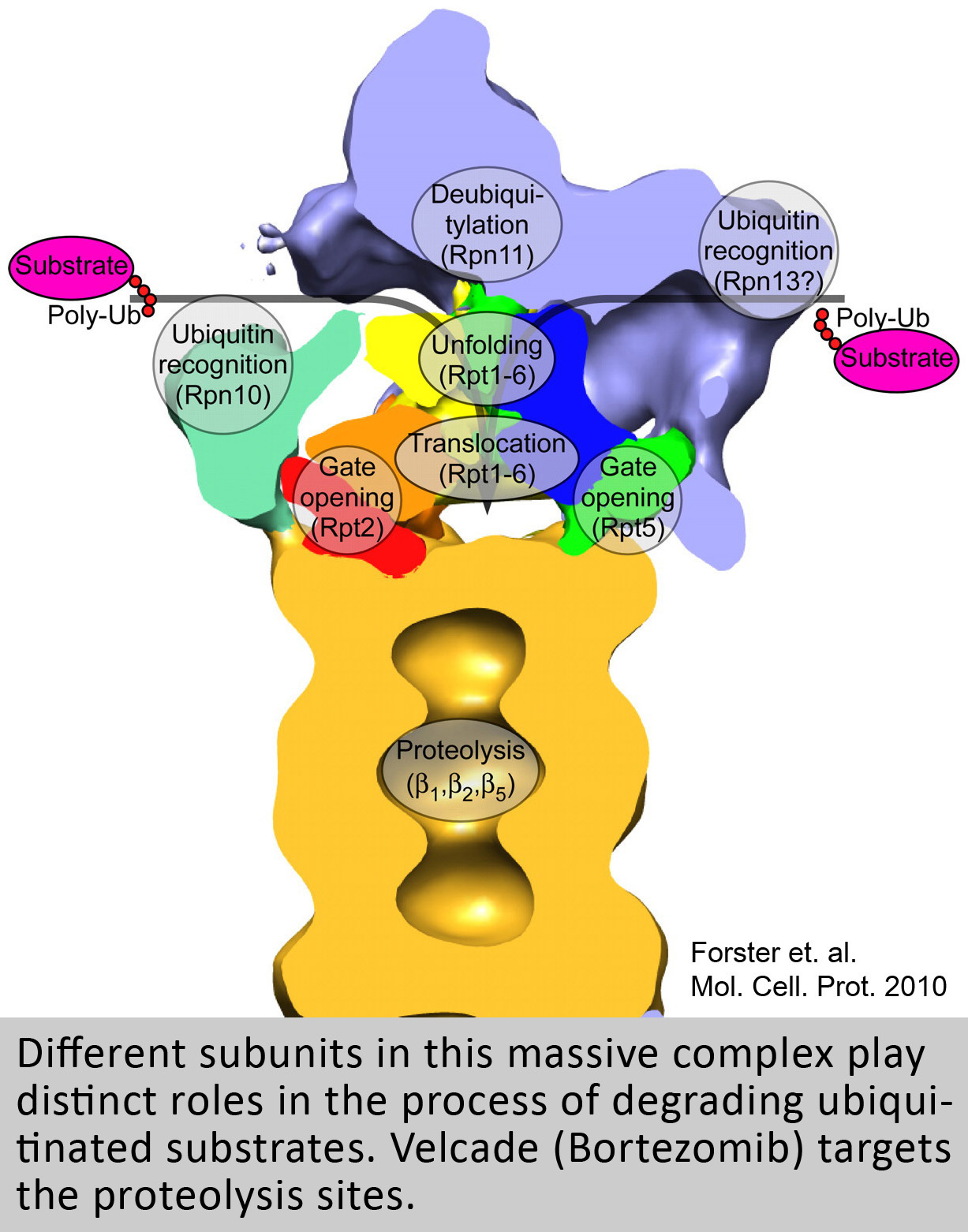
David M. Smith is a Professor at the West Virginia University School of Medicine , holding dual appointments in the Biochemistry and Molecular Medicine and Neuroscience departments. He is also a member of the WVU Cancer Institute and affiliated with the Rockefeller Neuroscience Institute . PhD from the University of South Florida School of Medicine Postdoctoral training at Harvard Medical School Research Focus : Molecular mechanisms of proteasome function, including substrate recognition, unfolding, and degradation. His work bridges fundamental enzymology with translational applications in cancer therapy and neurodegenerative diseases like Alzheimer's and Parkinson's. Key Article Trends : Recent publications emphasize proteasome activation mechanisms , neurodegenerative disease models , and structural insights into ATPase function . Grants : NIH R01 GM107129 (Mechanisms regulating proteasomal degradation), NIH R01 AG064188 (Proteasome function in Alzheimer's), and collaborations on projects like Protein-unfolding chaperones for blindness treatment . Lab Personnel : Includes graduate students Thomas Bradley, David Salcedo-Tacuma, Giovanni Howells, and Md Qamrul Islam, along with research technicians and undergraduates. Training emphasizes biochemical, biophysical, and computational techniques.
Karl Hemming is a Senior Lecturer in Organic Chemistry at the University of Huddersfield , affiliated with the School of Applied Sciences and the Department of Physical and Life Sciences . He is a member of the Chemical Synthesis and Design Centre , with associate memberships in the Pharmacology and Therapeutics Centre and Microbial Therapeutics and Infection Control Centre . PhD supervision available External Examiner at University of Greenwich (2021–) Royal Society of Chemistry accreditation roles Research Focus: Synthesis of heterocyclic compounds (cyclopropenones, pyrrolobenzodiazepines, isoflavones) for pharmaceutical applications, emphasizing anti-inflammatory and neuroprotective properties. His work bridges organic synthesis, medicinal chemistry, and drug delivery systems. Publication Trends: 1992–2021 output spans Cycloaddition Reactions , Nitrogen Heterocycles , and Anti-inflammatory Agents , with recent emphasis on hybrid molecules combining isoflavones with benzodiazepines or sultams. Methodologies include 1,3-cycloadditions, aza-Wittig reactions, and multicomponent synthesis. External Roles: Actively involved in academic validation (Royal Society of Chemistry), peer-review for Organic Letters and Journal of Organic Chemistry , and local chemistry community leadership (Chair of Royal Society of Chemistry Huddersfield Local Section Committee).
Clara Neupert-Wentz serves as an Associate Professor in the Department of Political Science at Aarhus University, Denmark. Her academic profile emphasizes interdisciplinary research at the intersection of political institutions and societal conflict dynamics, with primary focus areas spanning peace and conflict studies, informal governance structures, and gender norm systems. Her research critically examines traditional political systems—particularly in African contexts—analyzing how informal institutions mediate communal violence, self-determination demands, and constitutional recognition of indigenous rights. Key investigations include the destabilizing effects of polygynous practices on demographic balances, the collision of customary and state legal frameworks, and the adaptive strategies of traditional authorities amid modern governance challenges. Methodologically, her work combines comparative case studies with theoretical frameworks from institutional political science. Publication trends reveal sustained engagement with traditional authority structures across historical (Holy Roman Empire) and contemporary African settings, consistently probing how normative systems influence conflict resolution pathways. Her 2019 study on polygyny-driven intergroup violence exemplifies this focus on micro-level demographic triggers of communal strife. Professional activities include collaborative research with institutions like the University of Konstanz (evidenced by co-authorship with Holzinger) and methodological contributions to political science through journal publications in top-tier outlets including Journal of Conflict Resolution and American Journal of Political Science.
Didier Raboisson is a Full Professor in Ruminant Population Medicine and Animal Health Economics at the National Veterinary School of Toulouse (ENVT), France. Holding a DVM, MSc, PhD, and Diplomate status in the European College of Bovine Health Management (ECBHM), his career spans from clinical practice (2004-2006) to academic leadership at ENVT since 2006, progressing from contractual assistant to full professor in 2019. His educational credentials include a Doctor in Veterinary Medicine (2003), ruminant clinical internship (2005), MSc in Agricultural Socio-economics (2007), PhD in Institutional Economics (2011), and HDR accreditation (2017). His research pioneered the DairyHealthSimulator® (DHS®), a stochastic dynamic bioeconomic model optimizing dairy herd management under constraints like antimicrobial use. Key contributions address veterinary workforce shortages, disease cost analytics, and veterinary business models through innovative frameworks like the DODforD herd health approach. Raboisson's publication portfolio exceeds 75 international peer-reviewed papers, with recent work focusing on antimicrobial reduction strategies, lameness economics, and dairy cooperative development. His research demonstrates consistent interdisciplinary integration of veterinary science, economics, and stochastic modeling, particularly evident in the shift from descriptive disease cost analysis to utility-optimized decision frameworks. Scientific recognition includes: ECBHM Diplomate status (2011) HDR accreditation (2017) DHS® and App Qost® patents Academic editor roles at PlosOne and Frontiers in Veterinary Sciences As supervisor of 8 PhD students and 6 post-doctorates, Raboisson leads the VetEconomics research group while directing France's continuous training program in bovine population medicine. His grant portfolio exceeds €1.4 million from INRAE, Ministry for Agricultural Sovereignty, ANR, and EU programs. International collaborations span Cornell, Liverpool, and Indian institutions through CEFIPRA and Prezode initiatives, with policy impact evidenced by DGAL working group contributions on veterinary shortages and biosecurity.