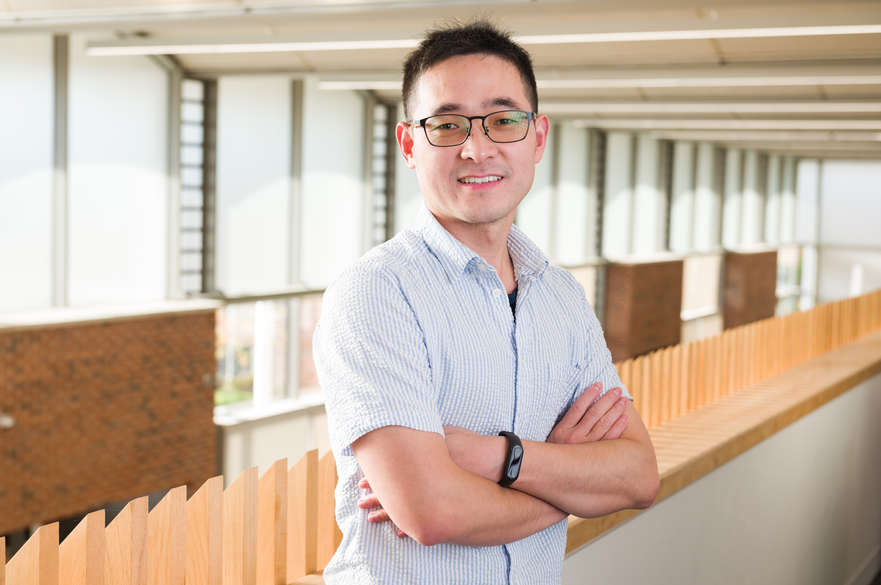
Lei Xu is an Associate Professor at the Department of Engineering, School of Science & Technology, Nottingham Trent University. He leads research in the Advanced Optics and Photonics Group (www.aoplab.com) and serves as Associate Editor for Nonlinear Optics in Frontiers in Photonics . PhD in Optics (2014), Nankai University, China Postdoctoral experience at Australian National University, University of New South Wales His research spans multiple areas of nanophotonics and meta-devices, including: Energy harvesting via resonant meta-optical systems (solar cell enhancement, infrared imaging) Flat optical devices using metasurfaces for advanced nanotechnology Bio-photonics applications in diagnostics and wearable sensors Tunable meta-devices for precision light manipulation Recent publications focus on high-Q resonators, quasi-BIC states, and nonlinear frequency generation in dielectric platforms. He contributes to editorial boards of journals like ACS Nano and Nano Letters .
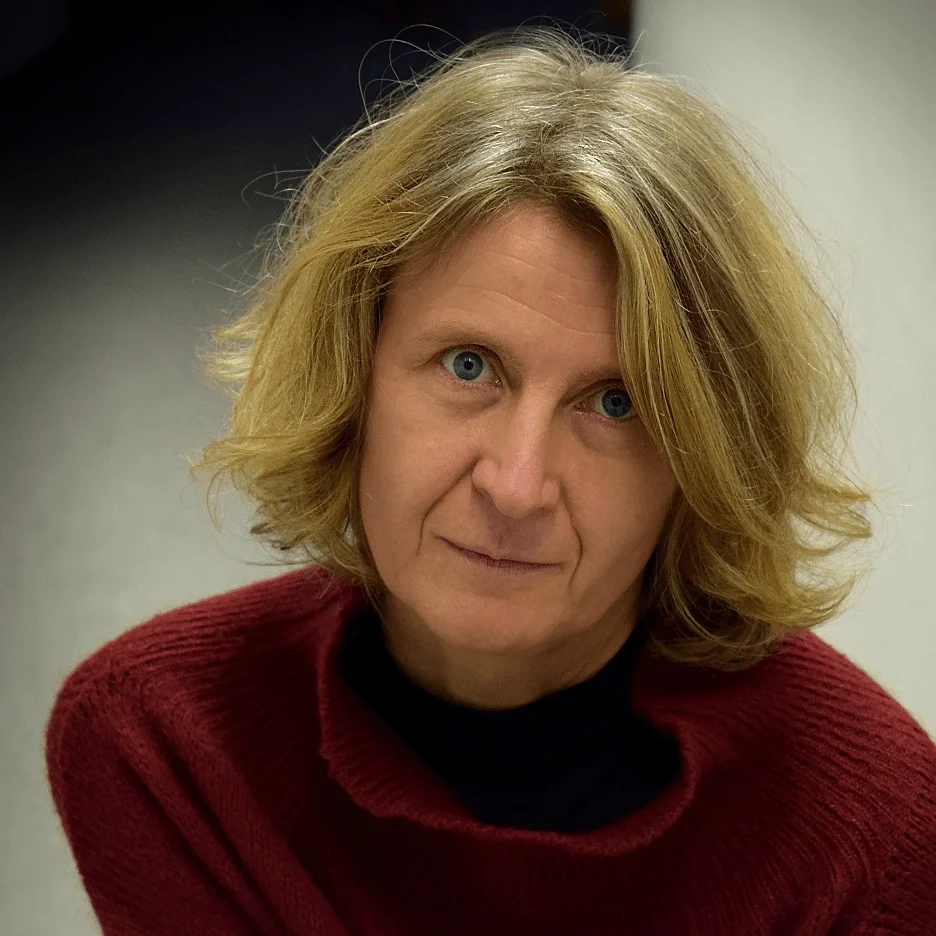
Anna Fontcuberta i Morral is a Full Professor and President at École Polytechnique Fédérale de Lausanne (EPFL), holding appointments in the Laboratory of Semiconductor Materials (LMSC) within the School of Engineering, as well as in the EDMX teaching unit. She maintains active research leadership while serving in administrative roles at the highest level of the institution. Her educational background includes: PhD in Materials Science, École Polytechnique (1998-2001) Diplôme d'Etudes Approfondis in Materials Science at Université Paris XI (1997-1998) BA in Physics at Universitat de Barcelona (1993-1997) Postdoctoral Scholar at California Institute of Technology under Professor Harry A. Atwater (2001-2002) Professor Fontcuberta i Morral's research program focuses on semiconductor nanostructures, particularly nanowires, with applications spanning fundamental physics to technological implementations. Her work bridges materials science, quantum physics, and device engineering, with significant contributions to understanding growth mechanisms, structural properties, and electronic characteristics of various semiconductor systems. She has pioneered research on nanowire-based solar cells that can potentially exceed traditional efficiency limits, as well as quantum phenomena in nanowire heterostructures. Analysis of her recent publications reveals a strategic expansion of research scope from fundamental nanowire properties to practical applications in photovoltaics, quantum computing, and optoelectronics. Her 2024-2025 publications demonstrate growing interest in germanium nanowires for quantum processors, zinc phosphide for sustainable photovoltaics, and 2D materials like WSe2, while maintaining strong contributions to the core understanding of III-V semiconductor nanostructures. Scientific recognition includes: Marie Curie Excellence Grant (2005-2010) Research counselor at the Swiss National Science Foundation since 2016 Section Editor and founder of a publications section Professor Fontcuberta i Morral has supervised over 40 PhD students who have gone on to successful careers in academia (including tenure-track positions at TU Delft, ETH Zurich, and University of Basel) and industry (including positions at IBM, Sensirion, and startup companies). Her research has been consistently funded by major agencies including the Swiss National Science Foundation and European programs. She leads the Laboratory of Semiconductor Materials, which focuses on the synthesis, characterization, and application of semiconductor nanostructures for next-generation electronic, photonic, and energy conversion devices.
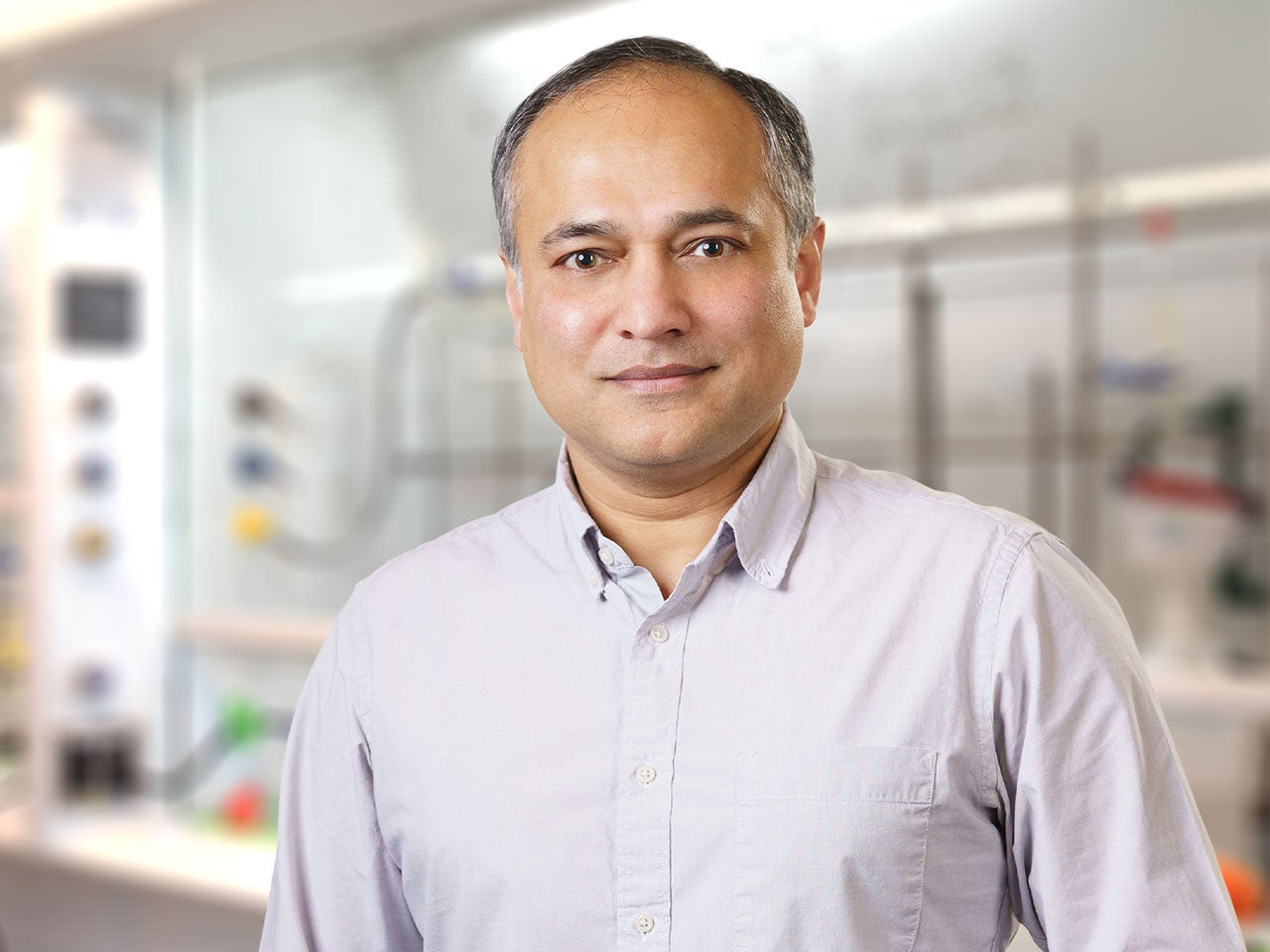
Hedvig Harmati is a university professor and research leader at the Moholy-Nagy University of Art and Design (MOME), where she has held pivotal roles since 2005. She served as Department Head of the Textile Department (2005-2019), led the MOME Doctoral School (2019-2024), and acted as a supervisor for both the Fashion and Textile Design MA and the Doctoral School. Her work bridges textile design and structural design , emphasizing technological integration and architectural parallels. Education: DLA degree (2009), Habilitation (2018) Leadership: Department Head (2005-2019), Doctoral School Leader (2019-2024) Key Projects: Clean Architecture (2016), Human Washer (2016), Plait Positions (2012) Her research focuses on textile design innovation, structural design principles, and the intersection of industrial technology with artistic expression. She has pioneered projects like the Clean Architecture collection (2016), which demonstrated architectural influences in textile design, and the Dark Light international research project (2015-2017). Harmati’s work has been recognized with prestigious awards including: Ferenczy Noémi Award (2017) Hungarian Design Awards (2002, 2016) Main Prize of the Hungarian Academy of Arts (2012) Design 21 Award (UNESCO, 1997) Szombathely Textile Biennale Prize (1998) She has received multiple Creative Grants from Hungary’s National Cultural Fund (2008, 2016-2017) and the Moholy-Nagy László Design Grant (2001, 2004). As a supervisor in the MOME Doctoral School (2019-2024), she mentored future generations while leading the international research project Future Traditions (2022-2026).
Lefteris Danos is a Lecturer in the Department of Chemistry at Lancaster University, affiliated with Energy Lancaster. His research focuses on photovoltaics and solar energy conversion, with emphasis on light-harvesting and photon management structures for enhanced performance. He investigates ultra-thin film organic architectures to improve light absorption and solar energy utilisation, employing time-resolved spectroscopy to study photophysical processes and silicon surface chemistry to engineer interfaces for enhanced device performance. Dr. Danos's primary research interests include Light-Harvesting , where he develops frameworks for efficient solar energy collection with focus on photosensitisation of silicon solar cells; Silicon Surface Chemistry , which explores direct covalent attachment of alkyl layers and chromophores onto silicon surfaces; and Luminescent Solar Concentrators , focusing on spectral management and light trapping in solar cells. His work aims to enhance solar cell performance while reducing material requirements and costs. Analysis of his recent publications reveals a consistent focus on improving solar energy conversion efficiency through molecular engineering of light-harvesting structures. His research spans fundamental photophysics of energy transfer processes to practical applications in photovoltaic technologies, with particular emphasis on silicon-based systems and spectral management techniques. The trajectory shows increasing sophistication in molecular design for photon management, with recent work addressing challenges in photosensitised silicon solar cells. Dr. Danos welcomes PhD students interested in developing light-harvesting structures, photonic luminescent solar concentrators, photophysics of energy materials, and silicon photosensitisation. His research has been supported by funding bodies including the Physical Sciences Research Council (EPSRC) through the Supergen Programme PV21, as acknowledged in his publications. He is affiliated with Energy Lancaster, a cross-disciplinary research center focused on sustainable energy solutions. His laboratory work involves time-resolved fluorescence spectroscopy, fluorescence lifetime imaging microscopy, and development of spectral management techniques to tailor the solar spectrum for integration with existing photovoltaic technologies. This research aims to enhance solar electricity performance while reducing costs, contributing to sustainable and affordable energy solutions.
Robert McLeod is the Richard & Joy Dorf Endowed Professor in the Department of Photonics & Quantum Engineering at the University of Colorado. His research focuses on advanced materials and technologies for photonics, holography, and additive manufacturing. Key areas include the design of holographic photopolymers, volumetric 3D printing, and high-performance optical materials. He has pioneered innovations in thiol-ene chemistry for dynamic polymer networks and developed methodologies for precision manufacturing techniques like parallax manufacturing and latent image volumetric additive manufacturing. His work bridges materials science, optics, and engineering, with applications in biomedical devices, environmental sensors, and next-generation optical systems. Education details are not explicitly provided in the text. Current research emphasizes optimizing material properties for 3D printing, enhancing holographic storage, and creating bio-inspired materials for medical applications. McLeod’s contributions span over 50 peer-reviewed articles since 2018, with a strong focus on interdisciplinary approaches to manufacturing and photonics. His lab develops cutting-edge solutions for challenges in refractive index control, occlusion management in additive manufacturing, and high-precision optical component fabrication. Notable advancements include the suppression of parasitic reflections using elastomeric films, the integration of self-healing electronics for plant monitoring, and the synthesis of biodegradable resins for 3D-printed biomaterials. McLeod collaborates on projects such as photosensitive materials development and the creation of gradient-index lenses via digital light processing. His work is supported by strategic initiatives aligning with the University of Colorado’s focus on quantum engineering and advanced manufacturing technologies.
Dr. Daniel Malz is an Assistant Professor at the Department of Mathematical Sciences, University of Copenhagen. His research focuses on quantum many-body systems, quantum optics, and quantum computing, with affiliations to research groups QA, QMATH, and QfL. His work bridges theoretical physics and mathematical modeling, addressing topics like superradiance, entanglement dynamics, and quantum state preparation. Key research interests include quantum information theory, non-Markovian dynamics, and the development of efficient quantum simulation techniques. His recent publications explore advanced topics such as photonic cluster states, tensor network simulations, and cross-platform quantum network verification. Much of his work addresses foundational questions in quantum mechanics while maintaining practical relevance for quantum technologies. His contributions span both theoretical derivations and numerical methods, with a focus on bridging classical and quantum many-body dynamics.
Ullas Pedmale is an Associate Professor at Cold Spring Harbor Laboratory (CSHL), leading the Pedmale Lab. His research focuses on understanding how environmental cues, such as light and temperature, modulate plant growth and development. This work has significant implications for agriculture and climate resilience. Pedmale earned his Ph.D. in Biological Sciences from the University of Missouri (2008) and completed postdoctoral training at the Salk Institute under Joanne Chory. He is also an Adjunct Faculty Member at Stony Brook University. His research interests include plant-environment interactions, light signaling pathways, and the molecular mechanisms underlying plant adaptation. Key projects involve studying shade avoidance responses, DNA damage repair in plants, and the role of histone modifications in flowering time regulation. Pedmale’s lab utilizes advanced technologies like state-of-the-art growth chambers to simulate climate change effects on plants. Notable achievements include the NIH Outstanding Investigator Award (2017) and recognition for groundbreaking work on plant photoreceptors. His recent publications highlight discoveries in RNA methylation, ubiquitin regulation, and epigenetic mechanisms controlling plant growth. Pedmale has mentored numerous graduate students and postdoctoral researchers, fostering a collaborative environment focused on advancing plant science. Lab activities emphasize interdisciplinary approaches, combining genetics, molecular biology, and computational tools. Current projects explore how plants integrate light and temperature signals to optimize resource allocation, with potential applications in crop improvement. The lab’s innovations, such as rapid protein expression in tobacco for pandemic response, demonstrate versatility in addressing global challenges.
Lauren M. Cramer is an Assistant Professor in the Cinema Studies Institute at the University of Toronto, affiliated with Innis College. Her work focuses on the aesthetics of Blackness, hip-hop visual culture, and spatial practices, with a particular emphasis on digital visual culture. She is a founding member of the liquid blackness research collective and co-editor of the liquid blackness: journal of aesthetics and black studies (Duke University Press). Her current book project explores hip-hop visual culture and Black spatial practices. Dr. Cramer’s research has been published in Journal of Cinema and Media Studies , Black Camera , and Los Angeles Review of Books , among others. She has co-edited special journal issues including “Close-Up: Contemporary Black Horror” (2023) and “ Modes of Black Liquidity: Music Video as Black Art” (2020). Her writing critically examines topics such as racial representation in cinema, anti-Black violence, and the intersections of art and Black studies. Awards include the 2020 Connaught New Researcher Award. She holds a PhD from Georgia State University, an MA from Emory University, and a BA from Villanova University. Her interdisciplinary approach bridges film studies, cultural theory, and visual arts, with a focus on Black creative practices and their socio-political dimensions.
Jesse Palsetia is a Professor in the Department of History at the University of Guelph, where he has held a permanent faculty position since 2002 after serving as a Visiting Assistant Professor at both the University of Guelph and University of Toronto at Mississauga (2001-2002). His academic career includes significant research affiliations with the Centre for South Asian Studies at the University of Toronto (1997-2002). Palsetia earned his doctoral training at the University of Toronto, completing his Ph.D. in 1996 after obtaining an M.A. (1989) and B.A. (1987) from the same institution. Ph.D., University of Toronto, 1996 M.A., University of Toronto, 1989 B.A., University of Toronto, 1987 His research centers on South Asian history with emphases on British imperialism in India, the urban development of colonial Bombay (Mumbai), and the socio-religious dynamics of the Parsi (Zoroastrian) community. Palsetia examines how religious identity, merchant patronage, and public culture intersected during the colonial period, particularly through studies of charity systems, responses to Christian missionary activities, and the construction of urban modernity. His work reveals the complex negotiations between indigenous communities and imperial structures through meticulous archival analysis. Analysis of his publication trajectory shows consistent scholarly engagement with Bombay's urban transformation and Parsi community identity across three decades. Recent works explore technological modernization (gas lighting), transnational travel, and material culture, while earlier research established foundational understandings of Parsi political strategies and religious adaptation. This body of work demonstrates a methodological commitment to examining colonial encounters through localized community experiences rather than imperial frameworks alone. Palsetia's scholarly recognition includes prestigious appointments such as: Professional Fellow, Royal Asiatic Society (2024) He supervises graduate research in South Asian history and British Empire studies, focusing on community identity formation and colonial urbanism. While specific grant details aren't provided in available materials, his sustained publication record and recent fellowship indicate ongoing research support. Palsetia conducts his scholarship within the Department of History framework at Guelph, contributing to Canada's South Asian studies community through archival research and theoretical contributions to postcolonial urban history.
Canek Fuentes-Hernandez is Associate Professor of Electrical and Computer Engineering at Northeastern University, leading the electronic Surfaces and Organic Interfaces Laboratory (eSOIL). His research pioneers flexible optoelectronics using earth-abundant materials. Research develops skin-like photodetectors, self-powered sensing surfaces, and recyclable solar cells. Innovations include elastomeric organic photodiodes with mechanical compliance matching human skin and computational photodetectors for activity recognition. Publications demonstrate breakthroughs in low-noise detection, with Science papers on large-area photodiodes capable of detecting faint light. Recent work explores depth-sensing surfaces and contact engineering for next-generation organic photovoltaics. Teaching includes courses on organic electronics and capstone design. Recognized through PEAK Experiences Awards for undergraduate researchers mentored in his laboratory.
Glib Baryshnikov is an Associate Professor and Docent at Linköping University, affiliated with the Department of Science and Technology (ITN). His research focuses on organic electronics, materials chemistry, and optoelectronic materials, particularly in thermally activated delayed fluorescence (TADF) systems and photonic applications. He is part of the Laboratory of Organic Electronics (LOE) and has contributed to advancements in OLED and QLED materials, nanoparticle-based theranostics, and chiral TADF molecules for biomedical imaging. Recent work includes developing host materials for TADF emitters, dual-emission carbon dots, and defect-passivating hole-transporting materials for perovskite QLEDs. His team expanded the Norrköping campus chemistry lab in 2024, doubling its size to 500 m². Collaborations span international research groups, evidenced by co-authorships on 2025 publications in RSC Advances , Advanced Materials , and Journal of Physical Chemistry C . Key research themes include molecular design for light-emitting materials, energy transfer mechanisms in organic semiconductors, and applications in biomedical sensing and renewable energy systems.
Matthew Cole is a Senior Lecturer in the Department of Electronic & Electrical Engineering at the University of Bath. His research focuses on nanomaterials, particularly 1D and 2D materials synthesized via CVD, flexible electronics, and electron emission technologies. He leads projects in areas like 2D nanomaterials integration and graphene-enhanced materials through initiatives such as G2lass (Graphene Enhanced GlaFlake). Cole holds a Doctor of Engineering from the University of Cambridge and a Master of Engineering from the University of Oxford. Education: PhD in Nanoelectronics (Cambridge, 2011), MEng in Electronic Engineering (Oxford, 2008) His research interests span nanomaterial growth, biosensors, and novel electronics architectures. Key projects include developing advanced X-ray sources using nano field-emitting cathodes and optimizing terahertz radiation systems. Cole has contributed to over 80 peer-reviewed publications and serves as a grant reviewer for organizations like the Engineering and Physical Sciences Research Council (EPSRC). He leads multiple funded projects, including EPSRC Doctoral Training Partnerships and industry collaborations. His work aligns with UN Sustainable Development Goals related to innovation and infrastructure. Cole is also an external PhD examiner at Imperial College London and the Commonwealth Scholarship Council. Labs/Teams: Centre for Nanoscience and Nanotechnology, Electronics Materials, Circuits & Systems Research Unit (EMaCS), and the Centre for Integrated Materials, Processes & Structures (IMPS).
Soraya Caixeiro is a Research Fellow in the Department of Physics at the University of Bath, affiliated with the Centre for Photonics and Photonic Materials, NanoBioPhotonics, and multiple interdisciplinary research centres. Her work focuses on developing micro- and nanolasers for biosensing and biomedical applications, leveraging photonics, nanofabrication, and chemistry. She is actively involved in advancing laser-based technologies for real-time cellular and molecular monitoring, with a particular emphasis on early disease diagnosis and in vivo measurements. Education: She earned a Doctor of Philosophy in Physics from King’s College London (2014–2018), specializing in random lasing action from biocompatible materials. Her research integrates interdisciplinary expertise, including collaborations with institutions in Ireland, Germany, and the University of Bath’s Department of Life Sciences. Research Interests: Caixeiro’s multidisciplinary research combines photonics with nanofabrication to create compact laser sensors for biological applications. Key areas include enhancing laser specificity, optimizing geometric designs for sensitivity, and developing coatings for targeted biomolecular interactions. Her innovations aim to overcome limitations of traditional biosensing methods, such as low signal intensity and poor tissue penetration. Publications: Her recent work includes breakthroughs in DNA sensing using whispering gallery mode microlasers, hyperspectral confocal imaging for high-throughput analysis, and optical manipulation techniques for cellular delivery. These contributions highlight advancements in both fundamental photonics and translational biomedical applications. Outreach & Engagement: She actively participates in public lectures, school outreach programs, and interdisciplinary conferences (e.g., Photon 2024). Her commitment to diversity drives efforts to attract students from varied backgrounds to photonics research. Labs & Facilities: She utilizes state-of-the-art facilities at Bath, including the Nanofabrication Lab and Photonics and Nanoscience Labs, to pioneer functional biointegrated sensors for tissue and single-cell applications.
Maxim S. Pchenitchnikov is Professor of Physics at the University of Groningen's Faculty of Science and Engineering, leading the Optical Condensed Matter Physics group within the Department of Physics. He joined the university in 1996 after completing his PhD at Moscow State University, transitioning from the Chemistry Department to Physics in 2006. His research focuses on ultrafast phenomena in organic materials at nanoscopic scales and femtosecond timeframes, with particular emphasis on exciton dynamics, molecular motors, and photon echo techniques. Pchenitchnikov's work bridges physics, chemistry, and materials science to develop advanced spectroscopic methods for studying energy transfer processes in complex molecular systems. His laboratory specializes in designing experiments that capture molecular dynamics occurring in quadrillionths of a second. Analysis of his 15 most recent publications reveals a strong trend toward biomimetic light-harvesting systems, molecular nanotube assembly, and dual-function molecular motors. His research increasingly integrates cryogenic imaging, linear dichroism microscopy, and advanced photon echo techniques to study non-equilibrium states in artificial photosynthetic systems. Recent work demonstrates significant progress in tracking molecular motors through photoluminescence while maintaining rotary function. Guinness Book of World Records certificate for shortest flashes of light (4.5 femtosecond) Pchenitchnikov has secured substantial research funding including a 3.8 MEuro European Innovative Training Network grant (SEPOMO) in 2016 with 8 academic and 3 industrial partners, and an NWO grant in 2020 for studying self-assembly pathways of artificial light harvesting complexes. His research contributes to UN Sustainable Development Goals through advancements in renewable energy materials and sustainable technologies. His laboratory maintains extensive national and international collaborations through memberships in the Optical Society of America, American Chemical Society, and Materials Research Society.
Dr. Priya Vashishta is a Professor with joint appointments in Computer Science, Materials Science, and Physics at the University of Southern California. His research integrates computational methods across multiple scales to address fundamental challenges in materials science and nanotechnology. Research focuses on multiscale simulation frameworks combining quantum molecular dynamics, machine learning interatomic potentials, and high-performance computing. Key areas include: energy storage materials, 2D materials characterization, catalytic processes, and AI-driven materials discovery. Publication trends reveal consistent development of computational methodologies: machine learning potentials for materials simulation, neural network quantum dynamics, GPU-accelerated computing, and multiscale modeling techniques. Recent work emphasizes practical applications in energy storage, nanoscale electronics, and advanced manufacturing. Research group activities include development of open-source simulation packages (PND, Allegro) and leadership in the MAGICS computational materials center. Contributions span fundamental theoretical frameworks to applied materials engineering.