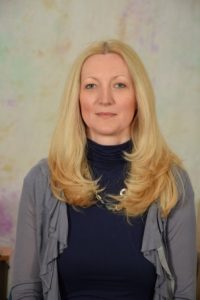
Maya Kylén is a Senior Lecturer and Associate Professor in Health Sciences at the Kristianstad University Faculty of Health Sciences , with affiliations at Lund University (Applied Gerontology group/CASE center) and Dalarna University (Environment, Technology and Participation group). Her research explores environmental determinants of health in aging populations, focusing on housing policy, home care systems, and stroke rehabilitation. She leads the InHome project and contributes to international initiatives like AGE-HERE and ARC . Key research themes include: Intersections of housing markets and health outcomes Person-centered rehabilitation models Policy-driven environmental adaptations Gerontological urban planning Home care for complex conditions Her publication portfolio spans 2014-2025 with recent emphasis on stroke recovery environments, housing autonomy, and care pathway optimization. Collaborations span Netherlands, Israel, and Sweden with multidisciplinary teams in health, technology, and social policy domains.
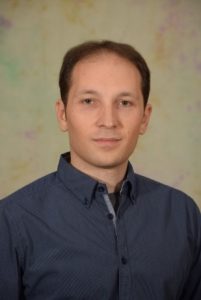
Dr. Jelena Dragišić Maksimović is a Research Fellow at the Department of Living Systems Sciences, Institute for Multidisciplinary Research, University of Belgrade. Her work focuses on enzymatic and non-enzymatic antioxidant components in plants under various stress conditions, with a specialization in apoplast research and metabolite analysis in berry fruits. Doctor of Biological Sciences (2010), University of Belgrade MSc in Environmental Management (2006), University of Belgrade BSc in Biology (2003), University of Belgrade Her research interests include: Antioxidant metabolism in plants Stress response mechanisms Metabolomics of berry fruits Role of apoplast in redox regulation Application of spectroscopy and electrophoresis Hydroponic cultivation systems Recent publications highlight her expertise in silicon-based stress mitigation, lignin synthesis, and functional food characterization. She has received international recognition, including the Roland Schlich Grant and annual awards from her institute. Editorial Board Member: Flora journal Reviewer: Multiple SCI-indexed journals Active in scientific committees of international conferences (DFBS, EGU) Key member of COST Action INTEGRAPE for grapevine omics integration
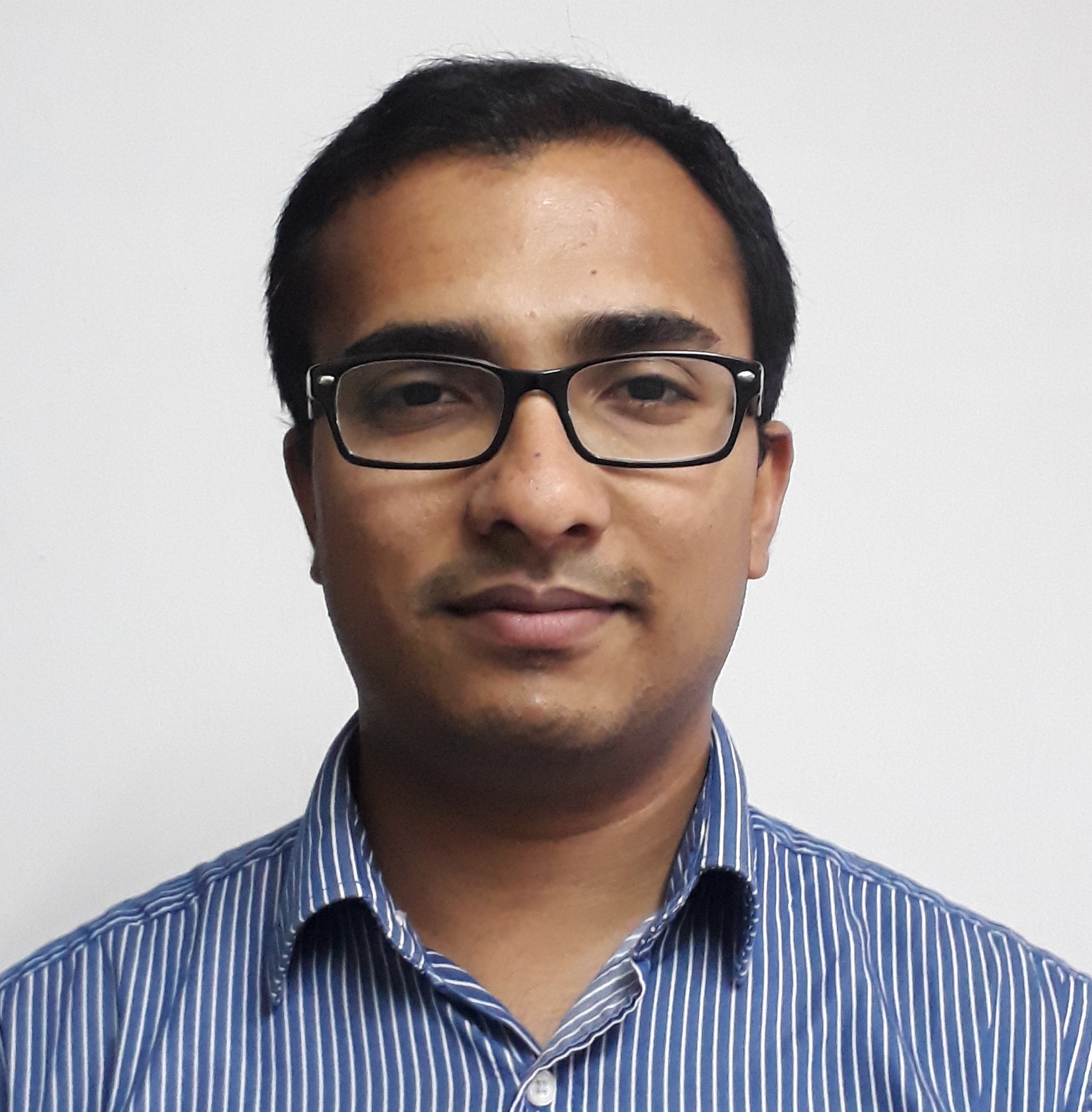
Miloš Prokopijević is a Senior Research Associate at the Department of Living Systems Sciences, Institute for Multidisciplinary Research, University of Belgrade, where he has progressed from Research Trainee (2011) to his current senior role since 2024. His academic foundation includes a Doctor of Biochemical Sciences (2017) and Bachelor's degree in Biochemistry (2008), both from the Faculty of Chemistry, University of Belgrade. Prokopijević's research centers on Enzymology and Enzyme Immobilization , with deep expertise in Materials Science applications for plant biopolymers. His work pioneers chemical modification techniques for biopolymers like pectins and alginates, developing sustainable hydrogel systems for enzyme encapsulation with industrial biotechnology applications. Analysis of his 2012-2025 publication record reveals consistent innovation in enzyme immobilization methodologies, particularly using plant-derived carriers. His recent work expands into food safety diagnostics (2025 honey quality study) and environmental stress responses in plants, demonstrating interdisciplinary integration of biochemical engineering and materials science. His research is supported by significant grants: Current : "Microstructure and mechanical characteristics of concrete with recycled materials" (2019-2021), Serbia-Croatia bilateral project. Completed : Project OI173017 "Investigations of structure-function relationships in plant cell wall and modification of wall structure by enzymatic engineering" (2011-2020), funded by Serbia's Ministry of Education, Science and Technological Development. Prokopijević actively contributes to the Biochemical Society of Serbia, Serbian Chemical Society, and Serbian Society for Plant Physiology, and participates in the Institute's Center for Green Technologies, reflecting his commitment to sustainable scientific advancement.
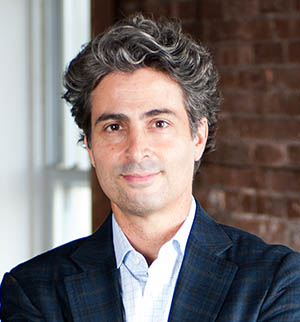
Dr. Wrik Mallik is a Lecturer in Aerospace Engineering at the School of Engineering, University of Glasgow, joining in September 2022. His research focuses on computational modeling of fluid dynamics, fluid-structure interaction, and acoustics for sustainable applications in aeronautics, wind engineering, and marine sectors. Education: BTech in Civil Engineering from Jadavpur University, PhD in Aerospace Engineering from Virginia Tech, Postdoctoral Fellow at University of British Columbia Collaborations: Marine Directorate Scotland, National Manufacturing Institute of Scotland, University of Strathclyde, University of Salford, University of British Columbia, Indian Institute of Technology Delhi Key research areas include: Aeroacoustic modeling of bio-inspired fliers Transonic aeroelasticity of transport vehicles Energy harvesting from urban aerodynamics Underwater noise in offshore wind farms Data-driven additive manufacturing Recent publications (2025-2017) span fluid-structure interaction, shape optimization, and sustainable energy systems. Grants include EPSRC ILN+ funding and international partnership awards.
Dr Lucinda Bell is a Postdoctoral Research Fellow at Flinders University's Caring Futures Institute (Better Lives Theme) within the College of Nursing and Health Sciences. A nationally recognized public health nutrition researcher, she specializes in enhancing children's health and nutrition from early life through rigorous dietary assessment, nutrition epidemiology, and evidence synthesis. Her research focuses on: Prevention of childhood obesity through community and childcare interventions Development of dietary assessment tools for young children Evidence-based approaches to child nutrition and weight management Oral health-nutrition connections in early development Her work directly informs national guidelines and policy through initiatives like the NHMRC EPOCH-Translate Centre. Dr Bell leads significant projects including the COMS-EPOCH initiative developing standardized obesity prevention outcome measures and the dietary component of the NHMRC-funded SMILE birth cohort study. Her publication record shows consistent high-impact output across public health nutrition, with 61 research outputs including 45 articles and 8 review papers. Award highlights include: Flinders University Vice-Chancellor’s Early Career Researcher Award (2016) CoNHS Vice President’s Award for Research (2017) Dietitians Association of Australia Award of Merit (2018) Numerous student research prizes during doctoral studies As an active supervisor, she has guided 1 PhD student to completion, currently supervises another PhD candidate, and has mentored 9 Honours students. Her professional engagement includes editorial board membership for Nutrition and Dietetics, leadership in the National Nutrition Network for Early Childhood Education, and contributions to the Royal Commission on Early Childhood Education.
Dominick Pilla is an Associate Professor with tenure at the City College of New York's Spitzer School of Architecture, where he has been teaching since 2010. Previously, he served as an Adjunct Associate Professor at CCNY (2004-2010) and as a Lecturer at Rensselaer Polytechnic Institute (2017-2021). He is also the Principal of DRPILLA, PC, an engineering firm specializing in structural, site/civil, geotechnical, and architectural engineering services. Education: M.S., Civil Engineering, New Jersey Institute of Technology, 1991 B.S., Civil Engineering with a Minor in Architecture and Planning, Rensselaer Polytechnic Institute, 1990 Dominick Pilla's research and professional interests span structural engineering, building design, and construction. His expertise includes structural analysis, building retrofitting, sustainable design, and the adaptive reuse of historic structures. He has particular focus on innovative solutions for urban environments, including sliver buildings, rooftop developments, and affordable housing projects. His work bridges theoretical engineering principles with practical construction applications. Pilla's publications demonstrate consistent focus on practical structural engineering solutions for urban environments. His research shows progression from fundamental structural analysis (as evidenced by his 2016 textbook) to specialized applications in building expansion, retrofitting, and sustainable design. Many of his works address New York City-specific challenges, reflecting his deep engagement with urban construction constraints and opportunities. Professional Memberships and Accreditations: American Institute of Steel Construction American Concrete Institute American Society of Civil Engineers LEED Accredited Professional National Council of Examiners for Engineering and Surveying National Council of Structural Engineers Association New York Society of Architects New York Building Congress Structural Engineering Council Board Structural Engineering Institute As an educator and practitioner, Pilla bridges academic theory with real-world engineering practice. His firm, DRPILLA, PC, has completed numerous projects ranging from single-family residences to large-scale affordable housing developments. His research project on 'Effects of Wind' conducted with the New York City Mayor's Office of Recovery and Resiliency demonstrates his engagement with critical urban infrastructure challenges. His work often addresses the intersection of structural integrity, sustainable design, and urban constraints. Through DRPILLA, PC, Pilla leads a multidisciplinary team providing integrated engineering solutions across all project phases. The firm specializes in innovative structural systems for challenging urban sites, including waterfront properties, constrained lots, and historic building renovations. Their portfolio demonstrates expertise in creating efficient structural solutions that accommodate both architectural vision and practical construction requirements.
Jean Le Feuvre is a lecturer and researcher (equivalent to Assistant Professor) in the Image, Data, Signal (IDS) department at Télécom Paris , an active member of the MPEG standardization body since 2000, and the creator of the open-source multimedia platform GPAC . He belongs to the Multimedia (MM) research team within the Information Processing and Communication Laboratory (LTCI). Research Interests: His work spans multimedia systems architecture, focusing on authoring, coding, transmission, composition, and rendering of interactive, animated contents that mix audio, video, text, images, and dynamic metadata. Key areas include: MPEG-DASH adaptive streaming and low-latency delivery ISO Base Media File Format (ISOBMFF) design and extensions HEVC/VVC-based tiled and layered media Media encryption and selective protection (Common Encryption, CENC) Hybrid broadcast–broadband services Open-source multimedia toolchains (GPAC ecosystem) Standards & Publications Trend: Over the past two decades Le Feuvre has continuously contributed to, and edited, core MPEG standards such as ISOBMFF, DASH, Common Encryption, and scene description languages. His recent 2024-2025 patents and papers emphasize low-latency streaming, efficient encapsulation of partitioned (tiled) media, robust indexing/repair mechanisms, and improved random access—demonstrating a clear trajectory toward real-time, adaptive, and secure next-generation media delivery. Scientific Awards & Honors: While no specific named awards are listed, his long-standing role as MPEG standard editor and his continuous leadership of the widely adopted GPAC open-source platform constitute significant recognition within the multimedia research community. Teaching & Supervision: He teaches Master-level courses on Multimedia Networking (M2R AV Transport & Content Security) and mentors multidisciplinary first-year student projects (PACT, PAF, ARTEFACT). He also serves as scientific contact for internships and provides corporate training on Digital TV, Mobile TV, Video over IP, and 3D TV through Télécom Paris. Laboratory & Teams: Le Feuvre is embedded in the LTCI laboratory and leads development within the GPAC open-source community, coordinating contributions to reference software, conformance tools, and end-to-end streaming solutions.
Maximilian Amm serves as a Researcher at the Chair of Product Development and Lightweight Design, Technical University of Munich (TUM), under Prof. Markus Zimmermann's leadership. He actively contributes to the Robot Systems research group and delivers instruction as an assistant lecturer for core courses including Cost Management in Product Development and Think.Make.Start., demonstrating integration of academic research with pedagogical practice. His research program centers on Robotics, Systems Engineering, Lightweight Structures, and Product Development, with specific focus on computational methodologies for affordable robotic systems and model-based approaches to dynamic behavior in robot-like systems. This work bridges theoretical frameworks with industrial applicability through rigorous engineering design principles. Analysis of his 2023 publications reveals a strategic emphasis on democratizing robotics through cost-effective lightweight solutions while advancing systems engineering practices for time-dependent behaviors. His research trajectory indicates strong alignment with industry needs for adaptable, efficient robot design processes. Regarding academic mentorship, Amm currently has no listed graduate advisees. Project involvement includes key initiatives like KREATIVE, BUENA, and TuWAs within the Robot Systems group, which develops cutting-edge methodologies for robotic system design and implementation.
Marijeta Kralj is a Scientific Advisor (Research Professor) at the Ruđer Bošković Institute's Division of Molecular Medicine and Laboratory of Experimental Therapy. She leads multidisciplinary research in tumor biology, gene therapy, and drug discovery, focusing on mechanisms like cell cycle regulation and DNA damage responses. Her work bridges biochemistry, molecular biology, and medicinal chemistry. Education: Ph.D. in Natural Sciences, University of Zagreb (2001) M.Sc. in Molecular and Cellular Biology, University of Zagreb (1994) B.Sc. in Molecular Biology, University of Zagreb (1990) Her research explores tumor therapy, gene delivery systems, and bioactive compound design. She investigates DNA/RNA-targeting agents, crown ethers for multidrug resistance reversal, and photodynamic anticancer strategies. Recent work emphasizes computational drug design and metabolomics in oncology. Kralj's publications span anticancer agent development, nucleic acid interactions, and nanomedicine. Trends include hybrid molecule synthesis (e.g., harmine-coumarin conjugates), photoresponsive compounds, and targeting cancer stem cells. Her studies often integrate QSAR modeling, NMR metabolomics, and fluorescence imaging. Awards: Croatian Society of Natural Sciences Award for M.Sc. Thesis (1994) She secured grants as PI for projects like 'MultiCaST' (Croatian Science Foundation) and co-led the EU FP7 'InnoMol' initiative. She advises postgraduate courses at the University of Zagreb and co-directs doctoral programs in Functional Genomics and Cancer Biology. Her lab focuses on experimental therapy, collaborating internationally on drug delivery systems and ABC transporter modulation.
Esra USLU is an Assistant Professor at Karabük University, Safranbolu Vocational School , Department of Architecture and Urban Planning. She holds a PhD in Architecture (2018-2019) and a Master’s in Architecture (2014-2017) from Karabük University, and a BA in Interior Architecture and Environmental Design from Bilkent University (2007-2013). Her work focuses on historical architectural restoration , urban furniture design , and design methodology in historical contexts .
Dr. Marius Buliga is a Professor of Mathematics and Director of Applied Mathematics at the University of Pittsburgh's Division of Physical and Computational Sciences. He contributes to both academic research and educational innovation, focusing on graph theory and mathematical software integration in undergraduate teaching. Ph.D. in Mathematics (2002) M.S. in Information Science (2002) M.S. in Computer Science (1995) B.S. in Computer Science (1994) His research spans graph theory , computational modeling for educational tools (Mathematica/Java applets), and interdisciplinary work in biomedical informatics and systems medicine . Recent publications analyze inflammatory responses in trauma/sepsis, postural control in Parkinson's disease , and combinatorial graph designs , demonstrating a multidisciplinary approach combining mathematics with clinical and computational applications. Dr. Buliga teaches undergraduate mathematics courses including Calculus, Linear Algebra, and Numerical Analysis. His work integrates algorithmic development with biomedical modeling , reflecting collaborations across disciplines.
Mario Medina is a Professor in Multidisciplinary Engineering at Texas A&M University and serves as Director of Architectural Engineering. His work focuses on thermal performance and energy efficiency in building systems. He has extensive research on phase change materials (PCMs) for thermal management in building envelopes. Research Interests His research spans Phase Change Materials (PCM) integration in building systems Thermal performance optimization of building envelopes Passive cooling and energy conservation strategies Heat transfer modeling and experimental validation Research Trends Recent publications emphasize PCM applications in diverse building types, climate-specific performance analysis, and numerical/experimental validation of thermal models. Key themes include energy load reduction, thermal regulation, and material characterization. Contact Email: mmedina@tamu.edu
Dr. Xiaoming Zheng is a Senior Lecturer in Medical Physics at Charles Sturt University's School of Dentistry and Medical Sciences, based at the Wagga Wagga campus. With extensive clinical experience as a former medical physicist at Prince of Wales Hospital Sydney, he has been teaching medical radiation science courses at CSU since 1998 across undergraduate and postgraduate levels. His educational background includes a BSci, MSci, and PhD in Solid State Physics from the University of Newcastle, followed by postdoctoral research in Applied Mathematics at the University of Wollongong. Previous academic appointments include Associate Lecturer in Theoretical Chemistry at the University of Sydney and Assistant Lecturer in Physics at Zhejiang University China. Research Focus: Medical imaging physics, radiation dose optimization, image quality, computer-assisted diagnosis, and neuroimaging Key Discoveries: Governing equations for clinical X-ray CT imaging enabling dose reduction, body size-dependent CT number correction factors His recent publications (2022-2025) demonstrate strong focus on CT imaging optimization, mammography techniques, and Alzheimer's disease detection using MRI, with significant contributions to radiation dose reduction protocols and image quality standards. These works span medical physics, radiology, and neuroimaging disciplines with emphasis on practical clinical applications. Scientific Recognition: Jean I Widge Distinguished Author Award (2019) Research Prize from AART, USA for X-ray CT dose reduction patent Research Prize from CIOFMP, China for CT beam hardening correction patent As a registered principal PhD supervisor, Dr. Zheng has received multiple research grants and maintains active collaborations through professional societies including the Australian College of Physical Scientists and Engineers in Medicine. His work bridges clinical practice with academic research, particularly in developing personalized imaging protocols and rural healthcare applications.
Duane K. Yamashiro serves as Assistant Professor in the Department of Surgery, Division of Plastic & Reconstructive Surgery at the University of Utah and Medical Director of the Cleft and Craniofacial Program at Primary Children’s Hospital in Salt Lake City. His clinical work focuses on comprehensive craniofacial care for pediatric patients with cleft conditions and other congenital anomalies. His educational journey includes: Bachelor of Arts in Biology from Loma Linda University Doctor of Dental Surgery from University of the Pacific School of Dentistry Pediatric Dentistry Residency at Primary Children’s Medical Center Master of Science and Orthodontic Residency at Loma Linda University School of Dentistry Dr. Yamashiro specializes in craniofacial orthodontics and surgical-orthodontic management of cleft lip/palate patients. His expertise spans alveolar bone grafting, presurgical orthopedics, and innovative techniques like custom maxillary splints and reverse palatal expanders. He emphasizes multidisciplinary collaboration across surgical, dental, and medical specialties to optimize functional and aesthetic outcomes throughout patients' developmental stages. Analysis of his 2018-2024 publications reveals concentrated research on improving alveolar cleft repair outcomes through biomaterial comparisons (demineralized bone matrix, BMP, freeze-dried chips), novel approaches to complex cleft types (Tessier 3), and complication prevention strategies. His work consistently bridges clinical innovation with practical applications in pediatric craniofacial reconstruction. As faculty for the Utah Regional Education in Neurodevelopmental Leadership (URLEND) program and Medical Director of the Pediatric Dental Residency, he shapes future specialists through structured training. His craniofacial team at Primary Children’s Hospital integrates surgeons, dentists, orthodontists, and allied health professionals to deliver coordinated lifelong care from infancy through adolescence.
Aaron Quinlan is a Professor and Chair of Human Genetics at the University of Utah's School of Medicine. His research integrates genetics, genomics, computer science, and machine learning to address critical problems in genome biology and the genetic basis of diseases. He focuses on genome variation analysis, chromosome evolution, and mining genetic variation for insights into human disease. B.S., College of William and Mary Ph.D., Boston College Quinlan's work emphasizes practical approaches to understanding genome mutation mechanisms, rare disease genetics, and computational genomics. His lab develops tools like STRchive and Vcfexpress for tandem repeat analysis and variant filtering, contributing to diagnostic advancements in genomic medicine. Recent research trends highlight his expertise in: De novo mutation rate estimation Tandem repeat expansion disorders Male infertility genetics Genome-wide variant discovery Structural variant detection Computational genomics tools Quinlan leads the Utah Center for Genetic Discovery and participates in the Undiagnosed Diseases Network. His collaborative projects span neonatal genomic diagnostics, equity in rare disease research, and multidisciplinary approaches to complex genetic disorders.