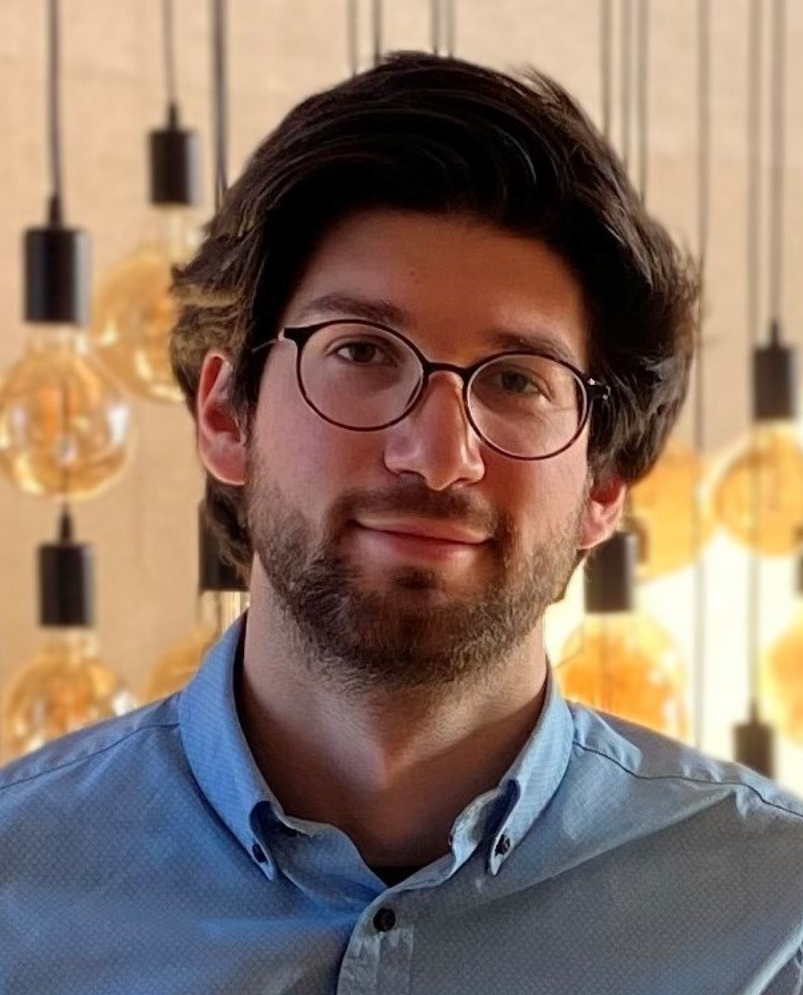
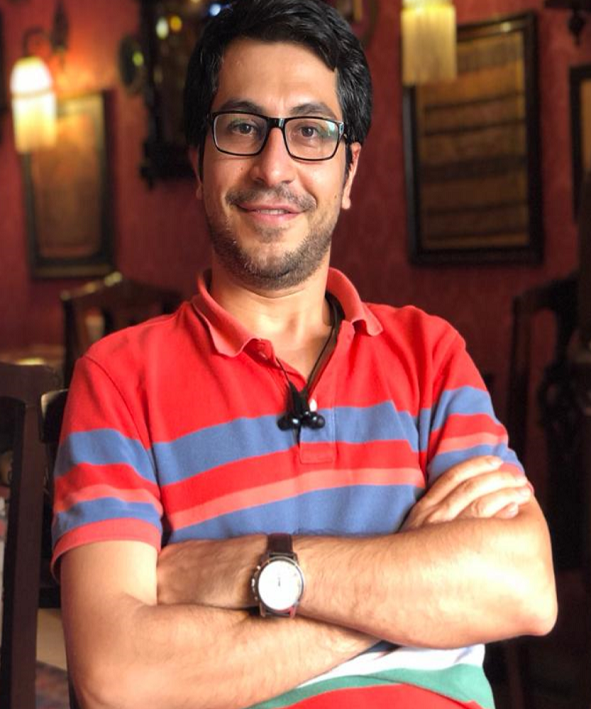
Sinan Savaşkan is a researcher at Middle East Technical University (METU) in Ankara, Turkey. His academic role is primarily focused on research and teaching assistance within mechanical engineering domains. He can be contacted at savaskan@metu.edu.tr . Education: B.Sc. in Mechanical Engineering, METU (2020) M.Sc. in Mechanical Engineering, METU (2023) Research Interests: Sinan specializes in Machine Tool Dynamics , Chatter Stability , and High Speed Machining . His work also explores Structural Dynamics and Rotor Dynamics , which are critical in optimizing machining processes and mechanical systems. Supervision: His thesis supervisor is Dr. Orkun Özşahin , an academic with titles ranging from Assistant Professor to Lecturer in mechanical engineering.
Işıl Polat Pekmezci is an Associate Professor in the Department of Architecture at Istanbul Technical University, where she has been serving since 2014. Her academic journey began with a Bachelor's degree in Architecture from Çukurova University (1995-2000), followed by a Master's degree in Restoration from Istanbul Technical University (2002-2004), and culminating in a Doctorate in Restoration from the same institution (2004-2012). She served as a Research Assistant in the Architecture Department at Istanbul Technical University from 2000 to 2014 before advancing to her current position. Dr. Polat Pekmezci's research focuses on architectural conservation, historic structure restoration, building materials analysis, and cultural heritage preservation. Her work spans multiple areas including: Conservation and restoration of historic structures Material characterization of historic building elements Structural assessment of cultural heritage sites Development of testing methods for historic materials Urban conservation strategies Her research has contributed significantly to the understanding of historic construction techniques, particularly in Ottoman and Roman architecture. She has conducted extensive studies on lime mortars, timber structures, and stone conservation, developing methodologies for assessing and preserving historic buildings. Her work on 3D documentation techniques for structural evaluation represents an innovative approach to heritage conservation. Dr. Polat Pekmezci has received recognition for her expertise in the field, serving as a member of ICOMOS Türkiye from 2019 to 2021. Her research aligns with several UN Sustainable Development Goals related to sustainable cities and communities. She has supervised numerous research projects focused on cultural heritage conservation, including: "Optimization of Mechanical Cleaning Methods for Stone Surfaces in Cultural Heritage" (2022-2024) "Research on Ready-Mix Mortar Production and Application for Historic Building Restoration" (2021-2023) "Investigation of Architectural and Structural Features of ITU Taşkışla Building" (2021-2022) "Documentation of Wall Construction Techniques and Characterization of Mortars and Plasters in Water Structures at Ayatekla (Meryemlik) Archaeological Site" (2021-2022) "Conservation Problems of Byzantine Defensive Structures in Balıkesir Region, Characterization of Materials Used, and Proposals for Conservation" (2021-2023) Her work has established her as a leading expert in the conservation of historic structures in Turkey, with particular expertise in Istanbul's architectural heritage.
Ehsan Sarayloo is a Researcher affiliated with Koç University, holding a PhD in Chemical and Biological Engineering. His academic journey includes a BSc in Chemical Engineering from the Iranian University of Science and Technology and an MSc in Biotechnology from Sharif University of Technology. His research focuses on interdisciplinary areas at the intersection of biotechnology, chemical engineering, and virology. Key interests include protein engineering for antiviral applications, metabolic engineering of microalgae for biofuel production, and cellular responses to pharmacological agents. Recent work explores SARS-CoV-2 inhibition mechanisms using ACE2-based protein scaffolds and metabolic adaptations in microorganisms under stress conditions. Publications highlight advancements in antiviral strategies, microalgal lipid metabolism, and biofuel production processes. His studies integrate transcriptomic analyses, in vitro/in vivo testing, and systems biology approaches to address complex biological challenges. No scientific awards or grants are explicitly mentioned in the provided materials. Advising records for students remain unspecified. His affiliations emphasize active participation in academic research without stated administrative roles.
Turgay Bayraktar is a Professor of Mathematics at Sabancı University's Faculty of Engineering and Natural Sciences. His research focuses on complex analysis, probability theory, and algebraic geometry, with particular emphasis on random holomorphic sections, pluripotential theory, and geometric probability. His work explores topics such as zero distribution of random polynomials, asymptotic analysis of holomorphic sections, and the interplay between stochastic processes and algebraic structures. Notable areas include applications of pluripotential theory to convex bodies and the study of amoebas in random algebraic geometry. Bayraktar's publications reflect a deep engagement with both theoretical and applied mathematical problems, often bridging classical analysis with modern probabilistic methods. His contributions span multiple subfields, including complex dynamics, geometric probability, and the statistical properties of algebraic varieties.
Atakan Altınkaynak is an Associate Professor in the Department of Mechanical Engineering at Istanbul Technical University (ITU), affiliated with the College of Engineering. His research focuses on additive manufacturing, finite element analysis, polymer processing, and vibration analysis. Key areas include Fused Deposition Modeling (FDM), fluid-structure interaction, and origami-inspired mechanical systems. Research Interests: Additive Manufacturing (3D Printing Technologies) Finite Element Analysis and Numerical Methods Mechanical Vibration and Dynamic Systems Polymers Extrusion and Material Processing Fluid-Structure Interaction Modeling Awards: Doctoral Finishing Fellowship (2010) İTÜ Bitirme Tasarım Projesi Birincilik Ödülü (2016) Lew Erwin Memorial Scholarship (2007) Advising/Grants: Supervised 23 research works and led 8 projects including: "FDM Yazıcılarda Çoklu Şerit Basımının Sayısal Analizi" (2023-2024) "Polimer-Metal Temas Yüzeylerinde Sürtünme Kaynaklı Gürültünün Sayısal Modellenmesi" (2018-2019) "Filament Beslemeli 3 Boyutlu Yazıcıların Performans Karakteristiğinin Belirlenmesi" (2017-2019) His work bridges computational modeling with experimental validation in advanced manufacturing and mechanical systems.
Serpil Kurt Habiboğlu serves as an Assistant Professor in the Department of Mechanical Engineering at Istanbul Technical University, Turkey, with her research anchored in experimental and computational mechanics. Her work bridges theoretical modeling with practical engineering solutions across composite materials, structural dynamics, and sustainable transportation systems. Her research portfolio prominently features Composite Materials development for brake linings using waste tire rubber and fly ash, alongside advanced Structural Dynamics investigations of cracked systems under moving loads. She integrates Finite Element Analysis with experimental validation to address mechanical property optimization and tribological challenges, particularly in automotive applications where sustainability drives innovation in material reuse and energy efficiency. Publication analysis reveals consistent focus on sustainable engineering solutions, with recent work emphasizing recycled material integration in brake systems and computational modeling of structural failures. Her 2025 Polymer Composites paper exemplifies this trajectory, building on earlier crane structure analyses to address contemporary environmental concerns in transportation. No scientific awards or honors were documented in the available information. Dr. Kurt Habiboğlu has supervised 13 students and secured leadership of three major research projects: Zincir Deformasyonunda Korozyonun Darbe Dayanımına Etkisinin Deneysel Olarak Araştırılması (2024-2026) examining corrosion effects in chain systems; Transport Tekniğinde Kullanılan Kompozit Fren Balatalarının Geliştirilmesi ve Bulanık Mantık Metodu ile Optimizasyonu (2022-2024) developing fuzzy logic-optimized brake linings; and Bir JIB Krenin Sonlu Elemanlar Analizi ile Devreye Alma Testlerindeki Deneysel Analizi ve Karşılaştırılması (2011-2021) validating crane structural integrity through FEM-experimental correlation.
Ali Demir is a Professor in the Department of Textile Engineering at Istanbul Technical University. His research spans multiple interdisciplinary areas at the intersection of textile technology, materials science, and energy applications. With an h-index of 16 and 927 citations according to Scopus, he has established himself as a significant contributor to his field. Position: Professor Institution: Istanbul Technical University Department: Department of Textile Engineering Location: İTÜ Ayazağa Kampüsü, 34000 Istanbul, Turkey Contact: Phone 902122450360, ademir@itu.edu.tr Professor Demir's research interests focus on advanced textile technologies with applications in energy, filtration, and smart materials. His work prominently features nanofiber engineering, photovoltaic textiles, composite materials, and air-jet texturing techniques. He has developed expertise in creating multifunctional textiles that integrate energy harvesting capabilities, flame retardancy properties, and enhanced mechanical performance. His recent publications reveal a strong trend toward sustainable and functional textile applications. The research portfolio shows increasing focus on energy-related textile applications, particularly photovoltaic textiles and energy storage materials. There's a clear progression from fundamental textile engineering toward more applied, interdisciplinary research that bridges textiles with renewable energy, environmental sustainability, and advanced materials science. His work on carbon nanofibers for battery applications represents a significant expansion into energy storage systems. Best poster award (2016) Professor Demir has supervised 26 research projects throughout his career, with an active portfolio of 24 projects including significant EU-funded research. His current projects span from 2022 to 2027, demonstrating sustained research productivity and funding success. Notable current projects include humidity capture in greenhouses using metal-organic frameworks (2024-2027), electrochemical energy storage systems with flexible fiber structures (2023-2024), and development of natural fiber reinforced composites with flame retardant fillers (2022). His research demonstrates strong industry connections through Technology Transfer Office (TTO) projects alongside fundamental scientific research. His research network shows significant international collaboration, particularly in the areas of photovoltaics, nanofiber engineering, and composite materials. The fingerprint analysis indicates strong connections with six similar research profiles working in related fields, suggesting an active collaborative network spanning multiple institutions and countries.
İpek Yalçın Eniş is an Associate Professor at Istanbul Technical University in the Department of Textile Engineering. Her research spans biomaterials, sustainable textile technologies, and polymer science. Composite Material Design Vascular Graft Development Microfiber Pollution Mitigation Textile Waste Recycling Recent publications highlight her work on electrospun vascular grafts, biodegradation analysis of polymer scaffolds, and eco-friendly acoustic panels derived from textile waste. These studies emphasize mechanical property optimization, morphological characterization, and environmental sustainability. Her projects address critical challenges in microfiber release reduction, sustainable composite development, and biomedical textile innovation. She received the Publication Award in 2023 for her contributions.
Dr. İsmail Kandemir serves as a Lecturer at Istanbul Technical University within the Department of Maritime Transportation and Management Engineering. His academic work bridges maritime safety engineering and educational methodology, with emphasis on practical training solutions for offshore environments. Research focuses on Offshore Safety Engineering and Instructional Design , specifically developing competency assessment frameworks for Basic Offshore Safety Induction and Emergency Training (BOSIET) and model selection approaches using fuzzy axiomatic design. Key areas include emergency training protocols, safety induction procedures, and data-driven training methodologies addressing critical industry gaps in competency evaluation. Recent publications (2023-2024) demonstrate a trend toward integrated assessment systems in safety training and computational model selection for maritime education. These contributions advance non-binary evaluation frameworks and structured methodologies for training program development. Current research activities include: Project: An Approach Towards Acceptance of Augmented and Virtual Reality Technologies in Digitalization of Maritime Education (2025) Role: Principal Investigator Duration: February 7, 2025 - August 7, 2025 As a lecturer, Dr. Kandemir likely mentors student research in maritime safety and transportation, though specific advisees are not documented in available sources.
İsmail Çiçek is an Assistant Professor in the Department of Marine Engineering at Istanbul Technical University, actively contributing to maritime safety, structural dynamics, and risk assessment research. His work spans naval architecture, collision avoidance systems, and marine propulsion efficiency. His research focuses on Marine Engineering and Naval Architecture , with specialization in structural dynamics of flexible marine structures, vibration absorbers, and pendulum systems. Key areas include ship collision risk modeling, man-overboard emergency response protocols, and marine propeller performance optimization under varying engine loads. His publication trends reveal strong emphasis on Maritime safety systems using advanced statistical methods (Fault Tree, Bayesian networks) Autonomous navigation algorithms compliant with COLREGs Marine propulsion efficiency and structural dynamics Scientific recognition includes: Best Paper Award (2019) Outstanding Performance Award (2009) Superior Client Service Award (2010) The 2011 Safe Award for Team Achievement (2022) He has supervised 8 research projects including the Gemi Makine Diaresi Simülatörü (Engine Room Simulator) and Gemi Dizel Motoru Verim Ölçme Sistemi (Marine Diesel Engine Efficiency Measurement System), with significant industry collaboration through ISTKA and SRP-funded initiatives. Current projects focus on globalizing maritime logistics capabilities and advanced collision risk assessment frameworks.
Beril Tanç Kaya is a Lecturer at the Department of Geological Engineering, Istanbul Technical University, affiliated with the Faculty of Mining and Geochemistry. She holds a PhD in Nanoscience and Nanoengineering from Istanbul Technical University (2021) and a Master's in Chemistry (2015–2018) from the same institution. Her research focuses on nanotechnology, polymer science, and materials science, with emphasis on mineralogical analysis and recycling technologies. She has contributed to studies on chrysoprase characterization, rare earth element recycling, and cryogel-based materials. Education: PhD (Nano-Science and Nano-Engineering), MSc (Chemistry), BSc (Chemical Engineering) Affiliations: ITU Mining-Geochemistry Research Laboratory, Department of Geological Engineering Her work bridges nanotechnology and geology, addressing sustainable resource utilization and advanced material design. Recent articles explore mineralogical properties of Turkish gemstones, rare earth element recovery from secondary sources, and novel polymer-based nanocomposites.
Prof. Dr. Abdullah Fişne is a Professor at the Department of Mining Engineering at Istanbul Technical University (ITU). He holds a PhD in Mining Engineering from ITU and has been affiliated with the university since 2001 as a Research Assistant, advancing to Assistant Professor in 2010, then Associate Professor in 2015, and his current Professor rank. His expertise spans mining methods, mine safety, and ventilation engineering. He has led over 25 projects focusing on mine ventilation optimization, coal seam gas content analysis, and AI-driven mining systems. Notable awards include the 2008 Mining Doctorate Award and the 2002 Best Master’s Thesis Award. Education: PhD (2008), MSc (2002), BSc (1999) in Mining Engineering from ITU Research Interests: Prof. Fişne specializes in coal seam gas dynamics, mine fire safety, and underground ventilation systems. His work emphasizes practical solutions for spontaneous combustion prevention and gas content prediction using machine learning. Recent studies include asphaltite vein analysis and methane adsorption in the Soma Basin. Publications: His 32+ articles span gas content determination methods, ventilation system optimization, and coal outburst risk assessment. Recent trends focus on data-driven approaches and AI applications in mining safety. Grants/Projects: Lead investigator for projects like Çukuralan Gold Mine Ventilation System Optimization (2023–2024) and AI-Based Mining Operation Systems (2021). Awards: Recognized for contributions to mining safety and academic excellence. Labs/Teams: Active in ITU’s Mining Engineering Lab, collaborating on ventilation and gas management technologies.
Prof. Dr. Ataç Başçetin is a Professor in the Department of Mining Engineering at Istanbul Technical University (ITU) since 2022. He previously held senior roles at Istanbul University, including Head of Department (2014–2022) and Professor (2009–2022). His expertise spans Mining Economics, Mine Design, and Occupational Safety. He earned his Ph.D. in Mining Engineering from Istanbul University (1995–1999) and has a Master's from ITU (1993–1995). Research Focus: Mine system analysis, cemented paste backfill, surface paste disposal, and environmental impacts of mining. Key Achievements: Recipient of multiple international publication awards (2001–2005), and led projects on coal fire simulation and injection foam engineering. He is a member of the Society for Mining, Metallurgy and Exploration (SME), and the Istanbul University Environment and Earth Sciences Research Center (ÇEYBAM). His recent work emphasizes sustainable mining practices and environmental engineering solutions.
Emre Avunduk is an Assistant Professor at the Department of Mining Engineering, Faculty of Mines, Istanbul Technical University (ITU). He holds a PhD in Mining Engineering from ITU (2011–2018) and has academic and professional experience spanning over a decade in excavation mechanics, rock mechanics, and soil conditioning. His research focuses on optimizing tunneling and mining technologies, particularly involving TBM performance analysis, soil conditioning, and cutting tool efficiency. Education: PhD in Mining Engineering, Istanbul Technical University (2011–2018) MSc in Mining Engineering, Istanbul Technical University (2009–2011) BSc in Mining Engineering, Istanbul University (2004–2008) Educational Exchange: Politecnico di Torino (2009–2010) Research Interests: Prof. Avunduk's work emphasizes empirical and experimental studies on tunnel boring machine (TBM) performance, soil conditioning optimization, and rock cutting mechanics. His contributions include developing predictive models for TBM efficiency, analyzing clogging effects in EPB TBMs, and investigating the impact of rock/textural properties on cutting tool performance. His research aligns with UN Sustainable Development Goals, particularly in infrastructure development and sustainable engineering practices. Publications: His 29 research outputs span journals like Tunnelling and Underground Space Technology and Geotechnical and Geological Engineering , focusing on topics such as double scroll cutting patterns, vane shear testing, and empirical modeling. Key themes include optimizing excavation parameters and improving TBM reliability in challenging geological conditions. Grants & Projects: "Investigation of the Effect of Textural Properties of Natural Stones on Cuttability and Brittleness" (TUBITAK, 2012–2015) "Prediction and Optimization of Excavation Performance of Pressure Tunnel Boring Machines" (Ongoing) Labs/Teams: Engaged in ITU's Mining Engineering Department labs, focusing on full-scale cutting experiments and geotechnical testing. Collaborates with international institutions on rock mechanics and tunneling projects.
Assoc. Prof. Müge Ensari Özay is an Associate Professor at the Faculty of Social Policies, Üsküdar University, specializing in Occupational Health and Safety. She holds a PhD in Chemistry from Boğaziçi University (2005), with prior degrees in Environmental Sciences and Chemistry. Her roles include Director of ARGEYEP, Board Member of FİHADEK, and Deputy Head of the Health Sciences Institute. She teaches courses such as Ergonomics, Occupational Health Safety I, and Fire Safety Systems at undergraduate and graduate levels. Her research focuses on occupational safety in high-risk industries, AI-driven safety systems, and disaster management. Notable projects include the Kahramanmaraş Earthquake dust analysis and IoT-based substance use monitoring. She has supervised over 15 theses on topics like nuclear safety AI, construction ergonomics, and fire safety in hospitals. Prof. Özay’s work spans 34 publications in peer-reviewed journals, covering risk assessment, chemical safety, and pandemic management. She actively participates in national/international conferences and chairs symposiums on occupational safety innovations. Her contributions emphasize integrating technology and policy to enhance workplace safety and environmental sustainability.