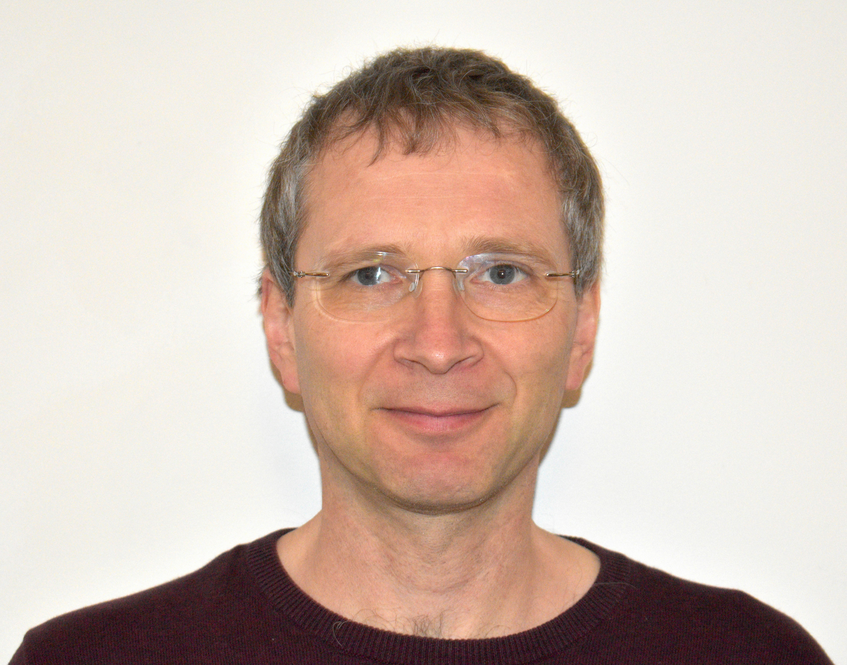
Martin Reisiglمشاهده پروفایل
دانشیار
Martin Reisigl serves as Associate Professor in the Department of Linguistics at the University of Vienna's Faculty of Philology and Cultural Studies. His academic profile shows active engagement in teaching courses including Introduction to Pragmatics, Text Linguistics and Discourse Analysis, Introduction to Sociolinguistics, and Introduction to Language Policy for both the 2025 winter and summer semesters. His research spans multiple interdisciplinary domains with a strong focus on critical approaches to language and society. Reisigl's research interests form a rich tapestry of linguistic inquiry centered on Applied Linguistics with particular emphasis on Critical Discourse Analysis . His work explores the intersections of language with power structures, examining sociolinguistic phenomena, discourse practices, and pragmatic functions across various contexts. He investigates how language operates in political communication, medical settings, environmental discourse, and gender relations. His theoretical framework draws extensively from semiotics, particularly Peirce's sign theory, and integrates perspectives from political linguistics, ecolinguistics, and argumentation theory. A significant portion of his recent work focuses on climate change discourse, analyzing how narratives, storytelling, and linguistic framing shape public understanding of the climate crisis. His scholarship consistently addresses issues of discrimination, examining manifestations of racism, nationalism, populism, and gender-based discrimination through linguistic analysis. Analysis of Reisigl's recent publications reveals a strong trajectory toward examining contemporary sociopolitical issues through linguistic lenses. His work demonstrates increasing focus on climate discourse, where he critically examines narrative frameworks and their implications for public understanding of environmental crises. Simultaneously, he maintains rigorous engagement with right-wing populism, analyzing ambivalent discursive strategies particularly regarding gender relations. His scholarship shows integration of computational approaches to discourse analysis, as seen in his work on AI applications for detecting hate speech. The publications consistently employ the Discourse-Historical Approach, reflecting his methodological commitment to understanding language in its social and historical contexts. Reisigl actively contributes to academic discourse through numerous invited lectures at international institutions, addressing topics ranging from climate communication to critical discourse analysis methodology. His work bridges theoretical linguistic inquiry with practical applications for social understanding and intervention, maintaining a consistent critical perspective on language-power relationships across diverse contexts.