- Microbiology
- Virology
- Immunology
- +۵ مورد دیگر
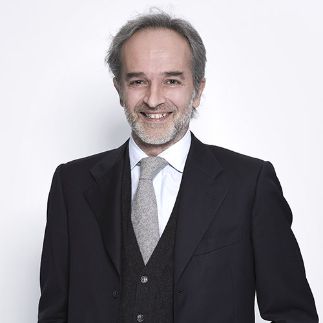
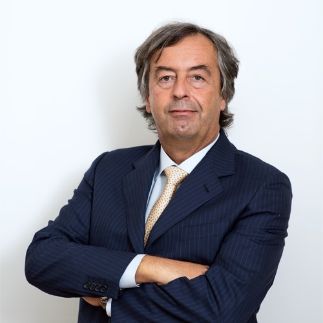
Roberto Burioni serves as Full Professor of Microbiology and Virology at Vita-Salute San Raffaele University's Faculty of Medicine and Surgery in Milan, a position he has held since 2004 after joining as Associate Professor. Previously, he was Senior Researcher at Rome's Catholic University Gemelli Polyclinic (1995-1999) and Chair of Virology at University of Ancona's Faculty of Science (2000-2004). His academic credentials include: Classical studies high school diploma from Urbino's "Raffaello" Liceo (1981) Medical degree from Catholic University of Sacred Heart, Rome (1987) PhD in Microbiological and Virological Sciences, University of Genoa Burioni's research centers on pathogen immune responses, with specialization in developing recombinant human monoclonal antibody therapeutics and molecular diagnostic tools for infectious diseases. His work bridges fundamental virology, clinical immunology, and antimicrobial resistance, particularly addressing emerging viral threats and diagnostic innovation in microbiology. Analysis of his 2021-2024 publications reveals dominant themes in SARS-CoV-2 variant evolution, antimicrobial resistance surveillance (especially Neisseria gonorrhoeae), and structural immunology for universal vaccine design. His work demonstrates consistent focus on clinical translation, from herpes virus reactivation modeling to optimizing doxycycline protocols for sexually transmitted infections. As former Director of Microbiology and Virology Specialization School (2010-2017) and current President of Dental Hygiene Degree Course, Burioni mentors next-generation clinicians while leading research initiatives. His laboratory maintains active international collaborations and patent portfolios in immunological drug development. His immunological research laboratory drives three core initiatives: pathogen immune response characterization, recombinant monoclonal antibody drug development, and molecular diagnostic tools for early infectious disease detection, with ongoing projects in viral evolution and antimicrobial resistance mechanisms.