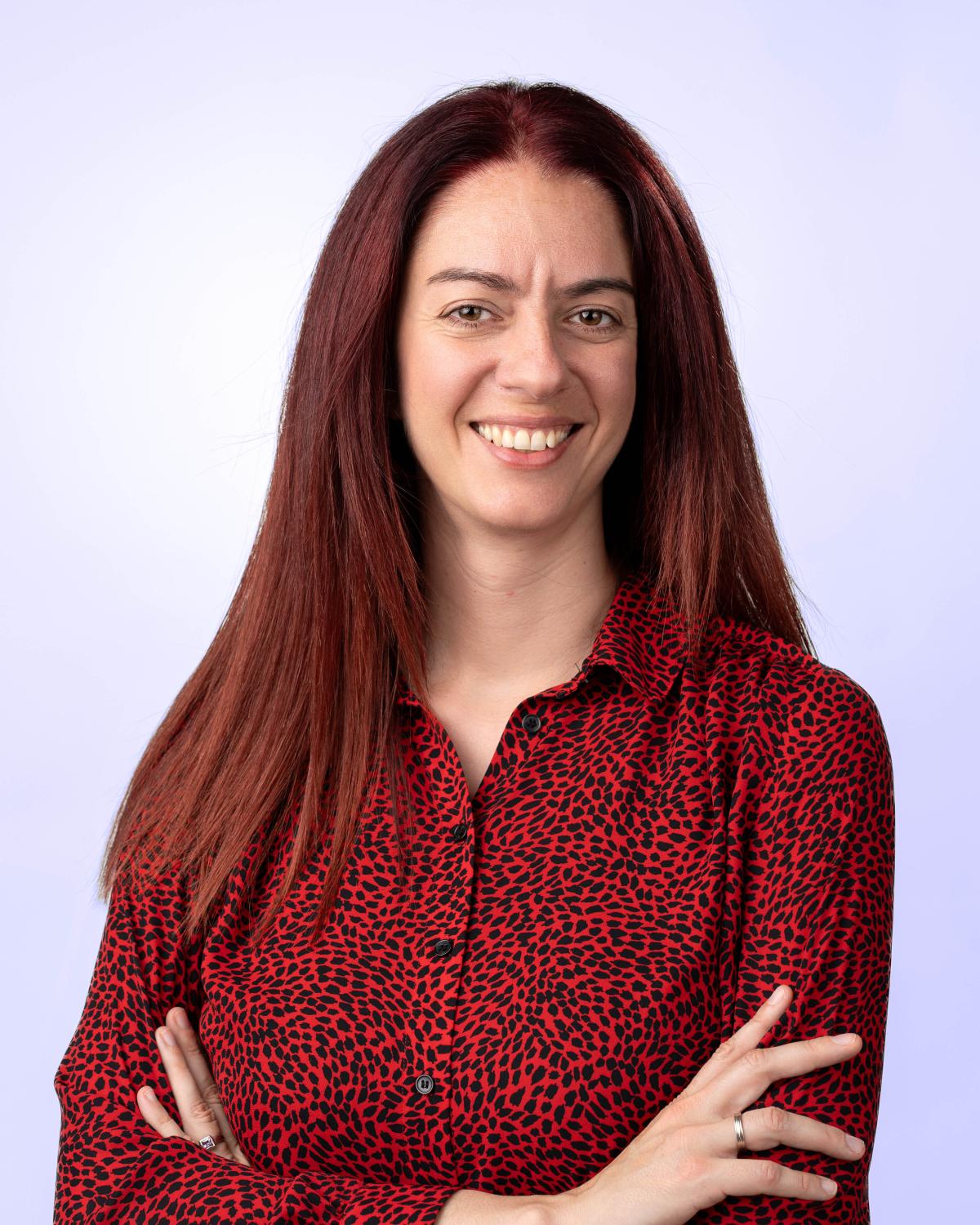
Prof. Eleni Chatzi is a Full Professor and Chair of Structural Mechanics at ETH Zurich's Department of Civil, Environmental and Geomatic Engineering. She holds a PhD from Columbia University (2010) and has held roles from Assistant to Full Professor at ETH since 2010. Her research focuses on intelligent structural monitoring and data-driven asset management, emphasizing nonlinear dynamics and sensor integration. Affiliations : Institute of Structural Engineering, European Academy of Wind Energy (EAWE President), Swiss Community for Computational Methods (SWICCOMAS Chair) Research interests include Structural Health Monitoring (SHM), system identification, and advanced simulation tools. She pioneered work on data-driven diagnostics and self-aware infrastructure, supported by grants like the ERC Starting Grant (2015). Awards include the 2020 Walter L. Huber Prize and 2024 SHM Person of the Year Award. Her work spans wind energy infrastructure, metamaterials for vibration control, and AI-driven structural analytics. Over 600 publications and 200k+ citations highlight her impact. She teaches computational science and structural dynamics in ETH's programs and collaborates globally on sustainable infrastructure projects.
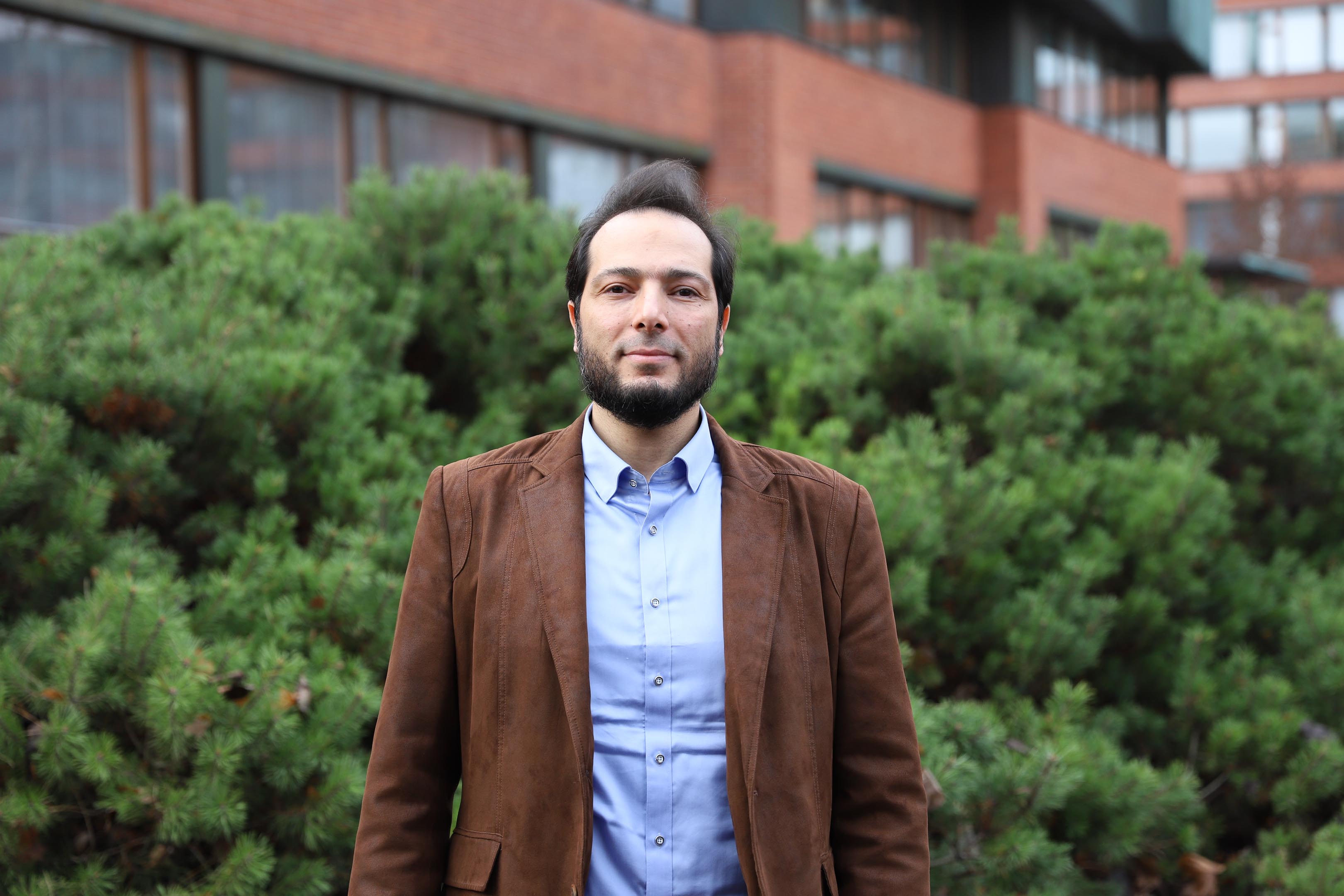
Mohamed Noureldin is an Assistant Professor at the Department of Civil Engineering, Aalto University , Finland, with prior academic roles at Sungkyunkwan University, South Korea (2015–2022). His expertise lies in integrating Artificial Intelligence (AI) with Structural Health Monitoring (SHM) , Structural Digital Twin , Predictive Maintenance , and Seismic Retrofitting . Research Focus : AI-powered sustainable structural design, smart retrofitting, predictive maintenance, structural material innovation, and next-generation performance-based seismic/wind design. Industrial Experience : 20+ years in offshore/onshore structural engineering (Hyundai Heavy Industries, Samsung Engineering, Arab-Swiss Engineering Company, Zuhair Fayez Partnership). Teaching : Courses in structural analysis, seismic design, dynamics, and reinforced concrete at Aalto and Sungkyunkwan Universities. Laboratory : Leads the Structural Design AI Lab (SDAI), focusing on AI-driven resilient infrastructure. Contact : mohamed.noureldin@aalto.fi , +358504544861. His publications explore cutting-edge applications of AI, ML, and DL in seismic retrofitting, structural durability, soil stabilization, and hybrid damping systems. Collaborative work emphasizes life-cycle cost assessment and augmented reality for predictive maintenance.
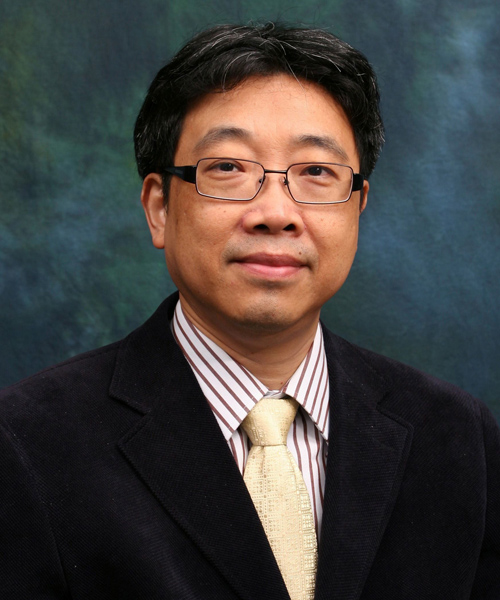
Cao Jiannong is currently a Chair Professor and Director of the University Research Facility in Big Data Analytics at Hong Kong Polytechnic University . He has held academic roles including Assistant Professor at City University of Hong Kong and University Lecturer at the University of Adelaide and James Cook University. His research spans Cloud and Edge Computing , Parallel and Distributed Systems , Big Data Analytics , and Wireless Sensing . Ph.D. in Computer Science, Washington State University (1990) MSc in Computer Science, Washington State University (1986) BSc in Computer Science, Nanjing University, China (1982) His work focuses on solving theoretical and practical challenges in distributed computing , mobile cloud systems , and wireless sensor networks . Recent projects include coupled network embedding models for heterogeneous networks and SDN architectures for vehicular communication. His research also pioneers WiFi-based non-invasive health monitoring and fault-tolerant sensor deployment for structural health applications. Dr. Cao's publications highlight advancements in network embedding , edge computing , and WSN optimization . Key papers address multi-user computation partitioning , energy-efficient SHM systems , and consensus protocols for mobile networks. These works have been cited over 15,000 times, with an h-index of 60. Ministry of Education (China) Natural Science Award (2018) Distinguished Member, ACM (2017) Fellow, IEEE (2014) Best Paper Awards at IEEE DSAA, SMARTCOMP, and WCNC Dr. Cao has advised multiple PhD students, including Linchuan Xu and Weigang Wu , whose research on WSN-based SHM and coupled network embedding has practical impact. His leadership includes directing Hong Kong Polytechnic University's Big Data Research Facility and serving on technical committees for IEEE INFOCOM and ACM/IEEE conferences.
Jiannong Cao is a Chair Professor and Director of the University Research Facility in Big Data Analytics at the Department of Computing, Hong Kong Polytechnic University. He has held various academic roles since 1990, including Assistant Professor at City University of Hong Kong and Lecturer at Australian universities. PhD in Computer Science, Washington State University (1990) MSc in Computer Science, Washington State University (1986) BSc in Computer Science, Nanjing University (1982) His research focuses on cloud and edge computing , parallel and distributed computing , and mobile computing , with significant contributions to wireless sensor networks (WSN) for structural health monitoring (SHM) and software-defined networking (SDN) for vehicular communications. Recent work includes WiFi-based non-invasive health monitoring systems and multi-user computation partitioning in mobile cloud environments. Dr. Cao’s publications demonstrate trends in WSN optimization , SDN architectures , and cognitive modeling for network embedding , with applications in smart healthcare , transportation systems , and industrial IoT . Ministry of Education Natural Science Award (2018) ACM Distinguished Member (2017) IEEE Fellow (2014) Best Paper Awards at IEEE DSAA, SMARTCOMP, WCNC He has mentored numerous researchers, including Linchuan Xu , Xuefeng Liu , and Weigang Wu , who have authored key publications in top venues like ACM WSDM and IEEE INFOCOM . His professional roles include chairing IEEE committees and serving on grant panels for the Hong Kong Research Grant Council.
Mustafa Gül is a Professor in the Department of Civil and Environmental Engineering at the University of Alberta’s Faculty of Engineering. He also serves as Director of Internationalization at the Faculty of Engineering’s Deans Office. His research focuses on smart, sustainable, and resilient cities, with an emphasis on infrastructure monitoring and energy-efficient systems. Education: PhD in Civil Engineering (University of Central Florida, 2009), MSc in Electrical Engineering (University of Central Florida, 2011), MSc in Civil Engineering (Boğaziçi University, 2004), BSc in Civil Engineering (Boğaziçi University, 2002). Dr. Gül’s research spans two primary domains: Crowdsensing-based Monitoring of Built and Natural Environments (CoMBiNE) using AI, signal processing, and data analytics for infrastructure health; and Energy-Efficient Smart Cities through solar PV integration, IoT applications, and net-zero energy homes. His work bridges structural engineering, machine learning, and sustainable urban development. Recent publications highlight advancements in smartphone-based damage detection, UAV-assisted disaster assessment, and AI-driven energy systems. His team’s work on crowdsensing bridges, solar PV optimization, and smartphone analytics has been widely recognized in journals like Structural Control and Health Monitoring and Energy and AI . Notably, his 2017 paper earned the Best Paper Award at ISARC. Students supervised include Azim, R. , Keskin, M. , and Do, N. T. , among others. Scientific Awards: Best Paper Award, 34th International Symposium on Automation and Robotics in Construction (ISARC 2017) Dr. Gül’s projects often involve interdisciplinary collaboration, leveraging sensor networks, computer vision, and optimization algorithms to address urban resilience and energy sustainability. His leadership extends to course CIV E 779 and ongoing research initiatives in Alberta, Canada.
James Alexandre Goulet is a Professor in the Department of Civil, Geological and Mining Engineering at Polytechnique Montréal. His research focuses on Machine Learning Methods for Civil Engineering applications such as structural health monitoring (SHM) and infrastructure maintenance planning. He leads the Canari project for online change point detection in SHM and contributes to open-source libraries like cuTAGI for Bayesian neural networks. Affiliations : Chair in Machine Learning for Infrastructure Monitoring at Polytechnique Montréal, IVADO Institute member, and GRS (Structural Engineering Research Group) member Expertise : Building engineering, structural safety, applied probability, learning theories Recent research trends include Bayesian state-space models, LSTM neural network integration for infrastructure forecasting, and uncertainty quantification in SHM systems. His work emphasizes probabilistic methods and analytical inference over black-box approaches. Teaching includes courses on structural reliability and probabilistic data analysis for civil engineers. He supervises graduate students in topics ranging from damage detection algorithms to stochastic deterioration modeling of infrastructures.
Dr. Farshid Rahmani is a Lecturer at the School of Property, Construction and Project Management (PCPM), RMIT University, Australia. His research and teaching focus on Construction Procurement , Relational Contracting , and Agile Project Management . He supervises Masters and PhD students in areas including Early Contractor Involvement (ECI) Alliances Public-Private Partnerships (PPP) Collaborative Delivery Systems . His recent publications explore agile frameworks for building adaptation, sustainable materials like recycled concrete, and team dynamics in large infrastructure projects. Key themes include modular construction , project lifecycle management , and innovative material usage . He actively applies Grounded Theory and Abductive Reasoning in construction management research.
Gaetano Miraglia is a Fixed-term Assistant Professor in the Department of Structural, Building and Geotechnical Engineering (DISEG) at Politecnico di Torino, where he conducts research in structural health monitoring, seismic analysis, and computational modeling. He is a member of the Interdepartmental Center R3C – Responsible Risk Resilience Centre, contributing to interdisciplinary efforts in risk mitigation and infrastructure resilience. His work spans both theoretical and applied domains, with strong emphasis on heritage preservation and sustainable urban development. His research interests include Bayesian calibration of nonlinear models, hybrid simulation, peridynamics, masonry structures, and the integration of satellite interferometric (InSAR) data with in-situ measurements for structural monitoring. He applies advanced computational and machine learning techniques to improve the accuracy and reliability of structural assessments, particularly in historical and monumental buildings. His work supports UN Sustainable Development Goals 9, 11, and 13. His recent publications demonstrate a consistent focus on data fusion, digital twinning, domain adaptation, and real-time damage detection. He frequently collaborates with researchers such as Rosario Ceravolo and Erica Lenticchia, publishing in high-impact journals like Computer-Aided Civil and Infrastructure Engineering , Structures , and Scientific Reports , as well as at major conferences including EWSHM, SAHC, and EVACES. His research is applied in projects such as the monitoring of the Vicoforte Sanctuary and the development of the CAMELOT and HY-LEARN toolboxes. Research Projects: MONITORAGGIO VICOFORTE (2024–2026) – Member of Research Group CAMELOT – PoC Transition (2023–2024) – Member of Research Group HY-LEARN – Model Calibration via Hybrid Simulation and ML (2022–2024) – Scientific Manager (PNRR Mission 4) He teaches in various programs, including as a course collaborator in PhD, Master’s, and Bachelor’s level courses such as Earthquake Engineering , Structural Consolidation , and Seismic Risk of Cultural Heritage . He is also an inventor on national and international patents and software related to the CAMELOT toolbox, highlighting the translational impact of his research. He has no listed scientific awards or formal advisees in the provided text.
Dr. Andy Nguyen is a Senior Lecturer in the School of Engineering at the University of Southern Queensland. He holds a PhD from Queensland University of Technology (QUT), an MEng from the National University of Civil Engineering (NUCE), and a BEng from NUCE. His research focuses on structural health monitoring, integrating machine learning and deep learning techniques to assess infrastructure integrity. Key areas include damage detection in bridges, pavements, and buildings, as well as sustainable construction materials like bamboo. Nguyen leads projects such as the 'Next Generation Living Laboratory for Engineering Education and Engagement,' emphasizing real-world applications of technology in civil infrastructure. His work spans crack detection algorithms, finite element model updating, and vibration-based structural analysis. He collaborates on AI-driven solutions for autonomous vehicle object detection and smart maintenance planning. Nguyen’s contributions include over 50 peer-reviewed publications and active supervision of postgraduate research in composite materials and transport infrastructure. His research outputs highlight advancements in computational mechanics, sensor technologies, and data-driven methods for infrastructure resilience. Nguyen’s expertise bridges civil engineering challenges with cutting-edge machine learning, advancing both theoretical and applied solutions for sustainable and safe structures.
Dr Donya Hajializadeh is an Associate Professor of Structural Engineering at the University of Surrey's School of Sustainability, Civil and Environmental Engineering. She holds multiple professional qualifications including Chartered Engineer (CEng) and European Engineer (EUR ING), and is a Fellow of the Higher Education Academy (FHEA). Her roles include Director of Employability (since 2020), Deputy Coordinator of the Surrey/ICE Scholarship (since 2019), and IStructE Liaison Officer (since 2021). She is also affiliated with the Surrey Institute for People-Centred Artificial Intelligence (PAI). Her education includes a BEng (Hons), MEng, and PhD in relevant fields. Research focuses on structural health monitoring (SHM), machine learning applications in asset management, and deep learning for damage identification. Key areas include railway bridge dynamics, vibration analysis, and resilience assessment under seismic and environmental hazards. Current PhD students include Chia Sadik (Transport Infrastructure Failure Assessment) and Michael Millgate (Dynamic Characterisation of Tall RC Buildings). Teaching responsibilities include ENG1073 Fluid Mechanics and ENGM054 Earthquake Engineering. Research aligns with sustainable development goals, emphasizing infrastructure sustainability and carbon reduction strategies. Notable projects include rail bridge innovation recognized by the Chief Scientific Adviser Award and presentations on damage identification techniques to government officials. She contributes actively to interdisciplinary initiatives, integrating AI with civil engineering for smarter infrastructure solutions.
Jacques Rivière is an Assistant Professor at Pennsylvania State University , focusing on interdisciplinary research at the intersection of acoustics , geophysics , ultrasonics , and machine learning . His work combines experimental and computational approaches to address fundamental and applied problems in these areas. Research Interests Acoustics: nonlinear acoustics, acoustic emission, vibrations Geophysics: rock physics, earthquake physics, friction, granular physics Ultrasonics: nondestructive evaluation (NDE), structural health monitoring (SHM), material characterization and damage assessment, medical ultrasound Machine Learning: applications to ultrasonic/seismic data analysis, physics-informed models Advising and Collaboration Prof. Rivière is actively seeking a PhD student to join his research group and encourages motivated undergraduate/graduate students to apply by submitting CVs and expressions of interest.
Dr. Young-Jin Cha is a tenured full Professor in the Department of Civil Engineering at the University of Manitoba, affiliated with the Price Faculty of Engineering. He holds a PhD from Texas A&M University and has postdoctoral experience at MIT. His research focuses on deep learning-based structural health monitoring (SHM), autonomous UAVs for infrastructure inspection, and smart transportation systems, with over 100 peer-reviewed publications and $1.2M in grants. He is a Fellow of ASCE and has received notable awards including the 2021 Merit Award and 2022 International Association of Advanced Materials Scientist Award. His work has been cited over 9,200 times globally. Research interests include automated SHM with UAVs, nonlinear system identification, unsupervised deep learning for damage detection, and sustainable infrastructure design. He serves as an editor for journals like Structural Control & Health Monitoring and Engineering Reports . His lab, the Laboratory for Infrastructure Science and Technology (LIST), develops advanced technologies for infrastructure resilience. Key achievements include pioneering deep learning-based SHM with UAVs, top-cited papers in civil engineering journals, and leadership in organizing international conferences. He actively seeks graduate students for research in AI-driven infrastructure solutions.
Fu-Kuo Chang is a Professor in the Department of Aeronautics and Astronautics at Stanford University, with a secondary affiliation in the Bio-X program. His research focuses on multifunctional materials, intelligent structures, and structural health monitoring (SHM), emphasizing applications in aerospace, robotics, and medical devices. He has pioneered work on embedded sensors, self-diagnostic systems, and energy storage composites. Academic Appointments: Professor (Stanford), Editor-in-Chief of International Journal of Structural Health Monitoring (since 2012), and Chair of the International Workshop on Structural Health Monitoring (since 1997). Honors: Multiple lifetime achievement awards in SHM, AIAA and ASME Fellowships, and the NSF Presidential Young Investigator Award (1988). Research interests include bio-inspired sensory materials, autonomous systems (e.g., 'fly-by-feel' vehicles), and multidisciplinary integration of structural mechanics, electrical engineering, and materials science. His recent work addresses challenges in smart skins for robotics, thermoplastic composites, and predictive modeling of material degradation. Publications span structural health monitoring, advanced composites, and robotics, reflecting expertise in both theoretical and applied domains. His lab, the Structures and Composites (SACL) laboratory, drives innovation in smart materials and system integration. Advising: Supervises doctoral and master’s students in aeronautics and materials science. Grants/Contributions: Active in industry and government collaborations, including roles on the US Army Research Laboratories Advisory Board and leadership in SHM industry initiatives.
Professor Gareth Pierce is a leading academic at the University of Strathclyde, serving as Co-Director of the Centre for Ultrasonic Engineering and Academic Director of the UK Research Centre in Non-Destructive Evaluation (RCNDE). He specializes in robotics, autonomous systems, and non-destructive evaluation (NDT&E), with a focus on structural health monitoring (SHM) and advanced manufacturing. His work integrates robotics, AI, and ultrasonics to address challenges in aerospace, energy, and healthcare sectors. He holds a Spirit Aerosystems/Royal Academy of Engineering Research Chair and leads the £50M SEARCH (Sensor Enabled Automation, Robotics & Control Hub), which spans manufacturing and asset management applications. Education: BSc (Hons) in Pure and Applied Physics from the University of Manchester (1989), PhD in Fibre-Optic Interferometers for Laser-Generated Ultrasound from UMIST (1993). Additional qualifications include City & Guilds certifications in electrical installations and a PGDip in Psychological Wellbeing. Research Priorities Autonomous robotic inspection for manufacturing and asset management Integration of AI/machine learning with NDT&E systems In-process inspection for additive manufacturing and welding Ultrasonic and guided wave technologies for defect detection Key Achievements 2023 Anne Birt Award for NDT innovation Leadership roles in SRPe Robotics & UK HVM Catapult initiatives Over 270 research outputs, 86 projects, and a £50M research portfolio Teaching Course organiser for EE312 (Instrumentation & Microcontrollers) and contributes to advanced systems engineering education. Supervises student projects across engineering disciplines. Labs & Collaborations SEARCH Hub operates from Royal College R2.41 (manufacturing applications) and Technology Innovation Centre TIC 7.14 (asset management). Collaborates with global industry partners like Spirit Aerosystems and Högskolan Väst (Sweden).
Dr. Andy Nguyen is a Senior Lecturer in Structural Engineering at the University of Southern Queensland, within the School of Engineering. He is an active researcher and educator, specializing in the Structural Health Monitoring (SHM) of critical civil infrastructure such as bridges, buildings, and transport tunnels. Bachelor of Engineering (BEng), NUCE, 1999 Master of Engineering (MEng), NUCE, 2003 Doctor of Philosophy (PhD), Queensland University of Technology (QUT), 2014 Dr. Nguyen's research is at the forefront of integrating advanced technologies into civil engineering. His primary focus is on developing and deploying sophisticated SHM systems that utilize sensors, data analytics, and machine learning to provide real-time insights into the structural integrity of ageing infrastructure. His work aims to enable proactive maintenance, extend the lifespan of structures, and enhance public safety. He has successfully implemented monitoring systems on major bridges and high-rise buildings in Queensland and New South Wales, with systems capable of even detecting distant earthquake events. His research interests span Structural Health Monitoring, Machine Learning for Engineering, Damage Detection, Finite Element Model Updating, Sustainable Building Materials like bamboo, and the application of AI for automated condition assessment of transport infrastructure. The analysis of his recent publications reveals a strong and consistent research trajectory centered on the application of data-driven and AI methods to solve practical problems in civil infrastructure. His work frequently combines signal processing techniques (like Stockwell Transform) with deep learning models for tasks such as crack detection in concrete and pavement. He also conducts significant research on model updating for complex structures like cable-stayed and arch bridges, using vibration data and optimization algorithms. The integration of machine learning for overload classification and the development of cost-effective, automated monitoring systems are key trends in his recent output. Advanced Queensland Fellow (2024-2027) Dr. Nguyen is actively involved in research supervision and collaboration. He is currently supervising several postgraduate students on projects related to AI-powered condition assessment, bamboo as a sustainable building material, and railway track design. He receives research funding from the Queensland Government through his Advanced Queensland Fellowship. His research has direct practical applications, as evidenced by his public engagement, such as writing for The Conversation on safeguarding ageing bridges, and his work with the Australian Network of Structural Health Monitoring. Dr. Nguyen's work embodies the development of a next-generation 'Living' Laboratory for engineering education, where research, teaching, and real-world infrastructure monitoring are integrated. His current projects involve creating smart, automated fault detection systems and advancing 'digital twin'-based monitoring platforms for infrastructure.