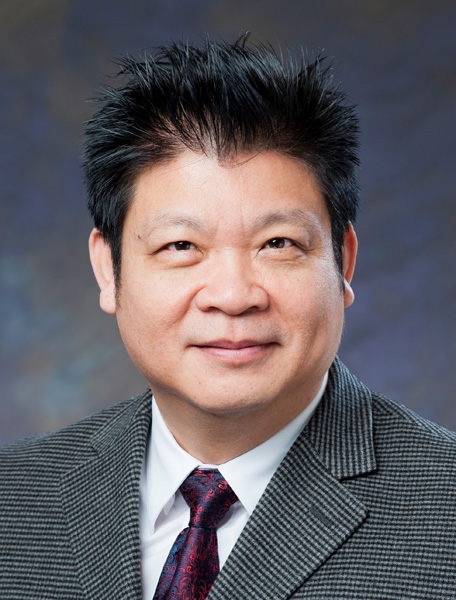
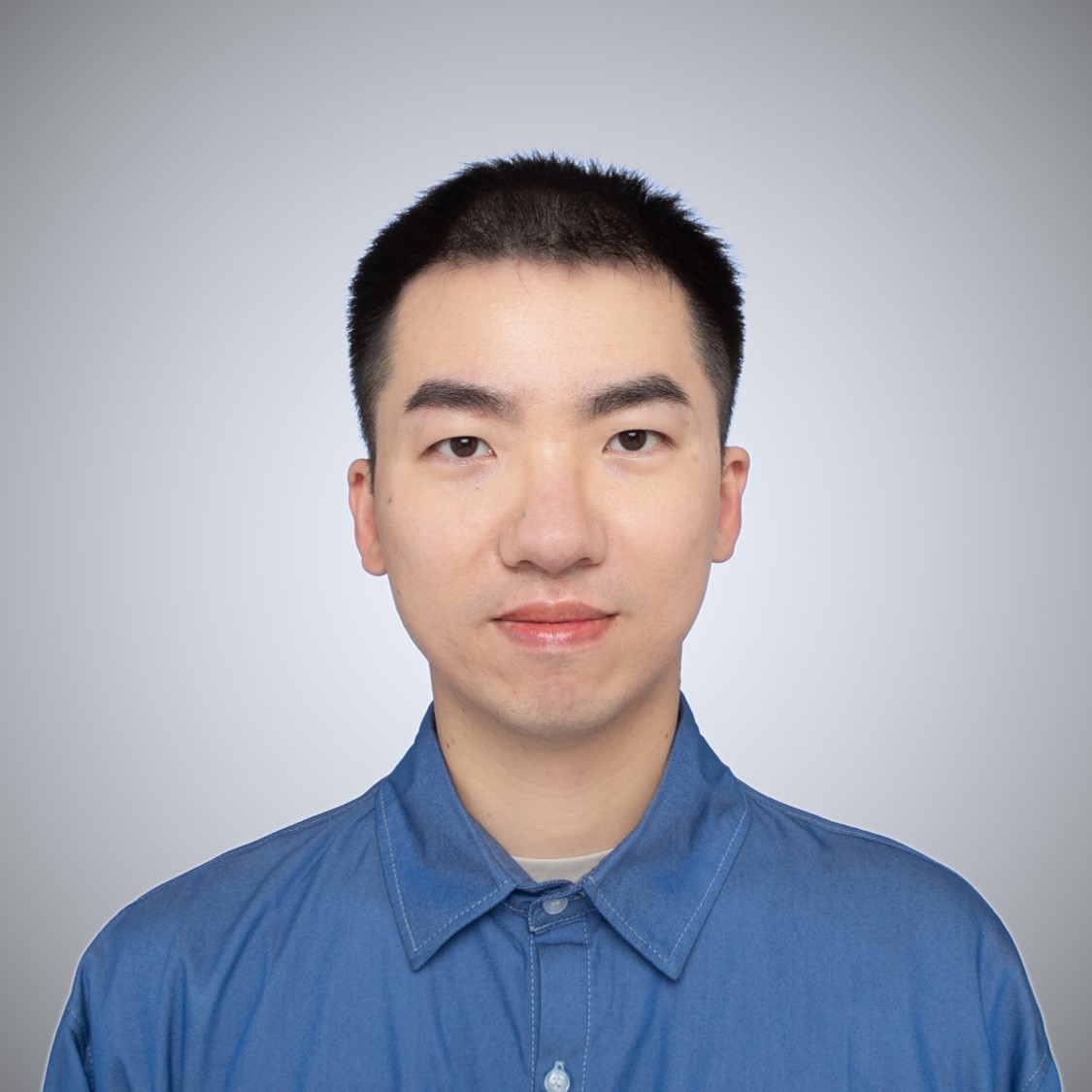
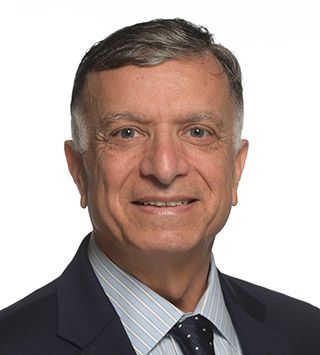
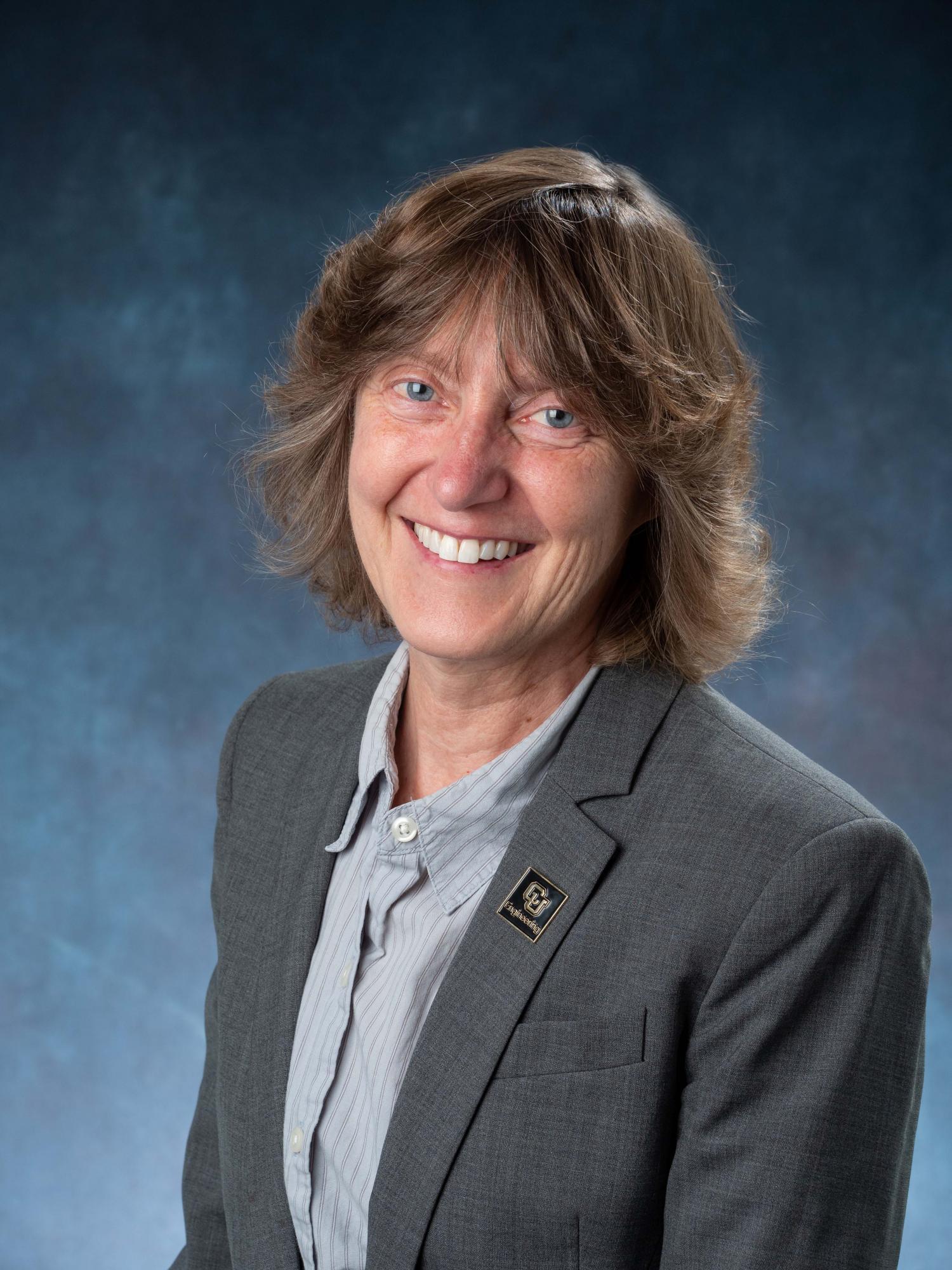
Prof. Liew Kim Meow is a Chair Professor of Civil Engineering at City University of Hong Kong (CityU) since 2005. He previously served as Head of the Department of Architecture and Civil Engineering (2011–2017) and held tenured professorial positions at Nanyang Technological University (NTU), Singapore. He earned BS from Michigan Tech (1985), MEng (1988), and PhD (1991) from the National University of Singapore. His research focuses on composite materials, multiscale modeling, structural optimization, and computational mechanics. Notable contributions include pioneering work on carbon nanotube-reinforced composites and advanced numerical methods. He has published over 800 papers with 38,000+ citations (H-index 97). Education: BS, Michigan Technological University (1985) MEng, National University of Singapore (1988) PhD, National University of Singapore (1991) His awards include Clarivate Analytics' Highly Cited Researcher (2018–2019), Xiangjiang Scholar (2017), and multiple fellowships from professional institutions. He serves as Editor-in-Chief of International Review of Civil Engineering and holds editorial roles in over a dozen journals. He founded key research centers like the Nanyang Center for Supercomputing and Visualization (NTU) and led initiatives in computational mechanics. His work influences global research in composite materials and structural analysis.
Yue Li is the Leonard Case Jr. Professor in the Department of Civil and Environmental Engineering at Case Western Reserve University. He specializes in resilient and sustainable infrastructure systems, focusing on structural reliability, probabilistic design, and climate change adaptation. His research addresses risk assessment for infrastructure under extreme events, including earthquakes, hurricanes, and climate impacts. Education: PhD in Civil Engineering, Georgia Institute of Technology, 2005 Research Interests: Dr. Li’s work integrates advanced statistical methods and data-driven approaches to enhance infrastructure resilience. Key areas include: Probabilistic modeling of structural systems Risk-informed decision-making for multi-hazard mitigation Climate change impacts on material durability and performance Asset management and lifecycle cost analysis Notable Contributions: His recent publications emphasize data-driven resilience metrics for water systems and seismic risk assessment for bridges. He has pioneered frameworks for evaluating infrastructure vulnerability under climate change, including corrosion effects and extreme weather adaptation. Awards: ABSE Outstanding Paper Award (2023) Case School of Engineering Teaching Award (2020) Nomination for John S. Diekhoff Award (2019) Leadership Roles: Dr. Li serves as Section Editor for the ASCE Journal of Structural Engineering and chairs multiple technical committees on safety and reliability. He leads initiatives to standardize multi-hazard design practices and resilience evaluation methodologies.
Prof. ZHUANG Yizhou is an Assistant Professor in the Department of Geography at Hong Kong Baptist University. His research focuses on weather and climate extremes, climate change attribution, and land-atmosphere coupling. With a Ph.D. in Meteorology from Peking University and extensive postdoctoral experience at UCLA, he brings significant expertise in atmospheric sciences to his academic role. Dr. Zhuang's educational background includes: 2019-2024: Postdoctoral Scholar, University of California, Los Angeles (UCLA), USA 2017: Visiting Graduate Researcher, University of California, Los Angeles (UCLA), USA 2015-2017: Visiting Research Scholar, University of Texas at Austin, USA 2013-2019: Ph.D., Meteorology, Peking University, China 2009-2013: B.S., Atmospheric Sciences (Remote Sensing Focus), Nanjing University of Information Science and Technology, China Dr. Zhuang's research spans multiple critical areas in climate science. His work on weather and climate extremes examines phenomena like wildfires, droughts, and floods. In climate change attribution , he investigates the human influence on extreme weather events, with several publications in PNAS demonstrating how anthropogenic warming has altered drought mechanisms and fire risks. His research on land-atmosphere coupling explores the complex feedback mechanisms between Earth's surface and the atmosphere. Additionally, he applies machine learning techniques and remote sensing technologies to analyze cloud formations and precipitation patterns. Analysis of Dr. Zhuang's recent publications reveals a consistent focus on drought mechanisms and fire weather risk in western North America. His work frequently employs advanced statistical methods like self-organizing maps and canonical correlation analysis to understand complex climate phenomena. A notable trend is his investigation of how anthropogenic climate change is fundamentally altering the nature of droughts, shifting from precipitation-deficit dominated to temperature-driven events, with significant implications for water resource management. Dr. Zhuang has received several prestigious awards for his research contributions: JIFRESSE Outstanding Leadership/Service Award, UCLA, 2023 Richard P. and Linda S. Turco Exceptional Research Publication Award, UCLA, 2023 China Scholarship Council (CSC) Joint Ph.D. Scholarship, 2015-2017 As an academic mentor, Dr. Zhuang supervises graduate students, with evidence of at least one student (G. Wang) whose work has been published under his supervision. He serves as a reviewer for numerous high-impact journals including Proceedings of the National Academy of Sciences (PNAS), Earth's Future, and Geophysical Research Letters. Additionally, he has mentored students in the UCLA Joint Institute for Regional Earth System Science and Engineering (JIFRESSE) Summer Internship Program, with his mentee Annie Rosen winning the 2024 Best JSIP Presentation Award. Dr. Zhuang maintains an active research group, as indicated by his personal website www.zhuangyz.org. His team focuses on climate extremes, attribution studies, and land-atmosphere interactions, with ongoing projects examining drought mechanisms, fire weather risks, and precipitation variability across different regions of the United States, particularly the western states and Great Plains.
Jay P. Gore is the Vincent P. Reilly Professor in Combustion Engineering at Purdue University's School of Mechanical Engineering, with courtesy appointments in Aeronautics & Astronautics and Chemical Engineering. He holds positions at the West Lafayette campus and leads the Gore Research Group, focusing on combustion, radiation heat transfer, and sustainable energy systems. Education: B.E. from University of Poona (1978), M.S. and Ph.D. from Penn State (1982, 1986), and a Postdoctoral Certificate from University of Michigan (1987). His research spans combustion fundamentals, CO2 recycling via char gasification, laser diagnostics, and propulsion systems. He pioneered the Summer Undergraduate Research Fellowship (SURF) program at Purdue. Research interests include turbulent reacting flows, biomedical heat transfer, and global energy policy. Key subfields are combustion diagnostics, flame structure analysis, and hydrogen storage. His work integrates experimental and computational methods, with applications in aerospace, energy, and environmental sectors. Awards: Purdue Innovator Hall of Fame (2014) Fellowships: AIAA (2009), ASME (2006) Reilly Chair Professor (2000) Presidential Young Investigator Award (1991) Grants & Collaborations: Supported by DoE, NASA, and industry partnerships. Leads interdisciplinary projects on CO2 utilization and renewable energy systems. Labs/Teams: Gore Research Group specializes in combustion diagnostics, laser-based measurements, and sustainable energy solutions. Collaborations include international conferences and policy initiatives.
David Lozinski is an Associate Professor in the Department of Mathematics and Statistics at McMaster University, Faculty of Science. His research spans combustion science, fluid dynamics, and financial mathematics. He has published extensively on topics like smoldering combustion, flame stability, and quantitative risk modeling. Teaching responsibilities include courses on risk management, actuarial mathematics, financial markets, and applied statistics. Research interests combine theoretical and applied mathematics with practical applications in combustion engineering and financial systems. Key contributions include studies on reverse smoldering mechanisms (1995), vapor diffusion flames (1995), and modern financial risk models (2024). Teaching spans undergraduate and graduate programs, covering mathematical finance, probability, and statistical inference. No scientific awards are listed in the profile. Active in curriculum development for financial mathematics programs, instructing courses like MFM 714 (Risk Management) since 2025 and STATS 3G03 (Actuarial Mathematics I) since 2024.
Anne Simone Dederichs is an Associate Professor in the Department of Civil and Mechanical Engineering at the Technical University of Denmark (DTU), specializing in Structures and Safety. She is actively engaged in research and teaching in fire safety engineering, combustion dynamics, and evacuation modeling. Her work spans academic, industrial, and policy-relevant domains, with strong collaborations across Scandinavia. Doctoral Degree, Dept. of Fire Safety Engineering, Lund University (1998–2004) Master of Science, Niels Bohr Institute, University of Copenhagen (1991–1997) Bachelor of Science, Niels Bohr Institute and Department of Mathematical Sciences, University of Copenhagen (1991–1996, 1991–1995) Her research focuses on fire safety engineering , evacuation dynamics , universal design in safety systems , and sustainable construction materials . She has led seminars and EU meetings on computational fluid dynamics in combustion and turbulent combustion, and she teaches in fire chemistry, fire dynamics, and risk management. Her work contributes to UN Sustainable Development Goals related to sustainable cities and inclusive design. Recent publications show a trend toward integrating digital tools like Building Information Modeling (BIM) into fire safety, analyzing evacuation inclusivity (e.g., on ships), and evaluating fire risks of new sustainable materials. Her research bridges experimental analysis, modeling, and real-world application in buildings and industrial settings. She has held external positions as a Senior Research Scientist at RISE (Research Institutes of Sweden) and as a Researcher at Lund University. She has supervised PhD projects on composite material aging and fire safety compliance through BIM. Anne is actively involved in project leadership and collaboration, particularly in Nordic research networks. She has organized post-graduate courses and authored teaching materials in fire safety and chemical kinetics.
Dr. Ajay V. Singh is an Associate Professor in the Department of Aerospace Engineering at the Indian Institute of Technology Kanpur, India. He leads the Combustion and Propulsion Laboratory and has established himself as a leading researcher in combustion science and propulsion technology in India. His work on detonation physics has positioned IIT Kanpur at the forefront of this field with the unveiling of "India's First Detonation Tube Research Facility". Dr. Singh's educational background includes: PhD in Mechanical Engineering from University of Maryland, College Park (2015) M.Tech in Aerospace Engineering from Indian Institute of Technology Kanpur (2008) B.Tech in Mechanical Engineering from U.P. Technical University, Lucknow (2006) His research spans fundamental and applied aspects of combustion science with particular focus on high-speed propulsion systems, detonation cycle engines, gas turbine combustion, soot formation and oxidation, flame-synthesized functional nanoparticles, and fire dynamics. His innovative work bridges theoretical understanding with practical applications in aerospace propulsion, energy systems, and fire safety engineering. The media has widely covered his research, with features in India Today, Times of India, Hindustan Times, and Republic Bharat. Dr. Singh's publication record shows a clear trend toward increasingly sophisticated detonation research and fire dynamics studies, with recent work focusing on turbulent wind-driven flames, detonation inhibition mechanisms, and alternative fuel combustion. His articles consistently address challenges in high-speed propulsion and fire safety, demonstrating both theoretical depth and practical relevance. His scientific contributions have been recognized with numerous prestigious awards including the Distinguished Paper Award from the Combustion Institute (the only faculty member in India to receive this honor), a nomination for the Silver Combustion Medal, multiple Best Paper Awards, and the Exemplary Performance in Teaching Award. As an educator and mentor, Dr. Singh has guided numerous PhD and Master's students through their research. His Combustion and Propulsion Laboratory is supported by multiple research grants from agencies including ISRO, ARDB, SERB, and ANRF. He has developed specialized courses including "Explosion and Detonation Physics," which is the first of its kind at IIT Kanpur. Dr. Singh's laboratory serves as a hub for cutting-edge research in combustion science, featuring India's first Detonation Tube Research Facility and advanced experimental setups for studying flame dynamics, soot formation, and detonation physics. His international collaborations include institutions such as Stanford University, University of Maryland, Peking University, and Beijing Institute of Technology.
Robert J. Wagner is an Assistant Professor in the Mechanical Engineering Department at Binghamton University. He holds a BS from Union College (2013), a PhD in Materials Science and Engineering from the University of Colorado Boulder (2022), and completed a postdoctoral fellowship at Cornell University. His research focuses on the mechanics of hierarchically structured soft materials, drawing inspiration from biological systems to develop autonomously adaptive materials. Key interests include functional morphogenesis, self-healing, and mechanoresponsive strengthening in polymers, gels, and biological tissues. He has developed mesoscale computational models to bridge microscale phenomena with macroscale material behavior. Education: BS in Mechanical Engineering, Union College (2013) PhD in Materials Science and Engineering, University of Colorado Boulder (2022) Research Interests: Wagner investigates dynamic and active materials, leveraging insights from living systems to design mechanically adaptive metamaterials. His work combines experimentation, computational mechanics, and constitutive theory to study emergent properties in systems like fire ant rafts and polymer networks. He explores mechanisms such as dynamic bonds, active constituents, and structured architectures to enable adaptive behaviors. Teaching & Outreach: Wagner emphasizes STEM education and community engagement through activities like teaching viscoelasticity to elementary students, volunteering at correctional facilities, and organizing workshops on functional fitness and materials science. Labs & Collaborations: His research integrates computational modeling with experimental validation, collaborating with groups like the Vernerey Soft Matter Mechanics Lab and the Silberstein Mechanics for Materials Design Lab. Current efforts aim to predictively design materials with self-healing and stress-responsive traits.
Dr. Fatemeh Azhari is a Lecturer in Structural Engineering at the Faculty of Engineering, Monash University, specializing in multi-scale computational tools for advanced materials and structures. She holds a Ph.D. from Monash University (2018), an M.Sc. and B.Sc. from Isfahan University of Technology (2012, 2010). Her research focuses on composite materials, additive manufacturing, and structural mechanics, with applications in sustainable construction and defense projects. Education: Ph.D. Structural Engineering, Monash University (2018) M.Sc. Structural Engineering, Isfahan University of Technology (2012) B.Sc. Civil Engineering, Isfahan University of Technology (2010) Research Interests: Multi-scale modeling, finite element analysis, composite materials (CFRP/GFRP), titanium alloys, fire dynamics, and structural stability. She leads projects funded by DST Group and collaborates with institutions like UNSW and the University of Melbourne. Research Trends: Her work emphasizes integrating computational models with experimental data to predict material behavior under extreme conditions, with recent studies focusing on pseudo-ductile composites, fire dynamics, and additive manufacturing. Awards: 2023 Advancing Women’s Success Grant 2023 ECA Seed Program Best Research Paper Award (2018, 2021) Supervision & Grants: Supervises multiple PhD candidates and co-leads projects on titanium alloys and dental implant mechanics. Active in teaching structural mechanics and materials courses at Monash. Teams/Labs: Collaborates on ICME projects and leads multi-institutional teams focusing on advanced materials and structural systems.
Jamshid Mohammadi is the Interim Provost and Professor of Civil and Architectural Engineering at Illinois Institute of Technology (IIT), within the Armour College of Engineering. He holds a Ph.D. in Civil Engineering (Structural Engineering) from the University of Illinois at Urbana-Champaign. His research focuses on structural integrity, seismic damage analysis, bridge performance, and risk assessment in transportation systems. Research Projects: He leads studies on bridge fatigue, seismic vulnerability, structural health monitoring, and disaster resilience. Notable projects include investigating horizontally curved bridges, seismic damage to skewed bridges, and probabilistic models for fatigue failure in metals. His work often involves collaborations with institutions like NASA and the Illinois Department of Transportation. Publications & Books: Mohammadi has authored over 150 peer-reviewed articles and two influential books: Systems Engineering, with Economics, Probability and Statistics and NDT Methods Applied to Fatigue Reliability Assessment of Structures . His work bridges theoretical models with practical engineering solutions. Expertise: His expertise spans system reliability, highway bridge analysis, and probabilistic methodologies for infrastructure assessment. He advises on temporary structure design, post-disaster risk mitigation, and lifecycle cost optimization. Grants & Recognition: His projects are funded by federal and state agencies. While no specific awards are listed, his extensive publications and leadership roles highlight his impact in civil engineering education and practice.
Professor Mikko Malaska is a faculty member at the Department of Civil Engineering, Tampere University of Technology, leading the Structural Fire Research Group. He holds a D.Sc. (Tech.) and has held professorial roles at both the University of Oulu (2009–2015) and Tampere University of Technology since 2015. His research focuses on structural engineering, fire safety of composite materials, and steel-concrete systems. Malaska has extensive industry experience as a Chartered Engineer in the UK and has contributed to reviving structural engineering education at the University of Oulu. Educations: Graduated from Helsinki University of Technology (1996), earned a PhD in Civil Engineering (2001), and conducted postdoctoral research at TNO Building and Construction Research Centre (Netherlands). Research interests include fire performance of structural components, composite materials, and fire engineering standards. His work emphasizes experimental and computational analysis of materials under fire conditions, such as steel-timber hybrids and cross-laminated timber. Recent studies explore sprinkler system integration and charring rates in timber panels. Advising and grants: Supervised 58 theses at the University of Oulu and remains active in academic leadership, including serving as Dean of Education at the Faculty of Technology (2014). His research group actively collaborates on international projects, addressing fire safety in construction materials. Labs/Teams: Head of the Structural Fire Research Group, focusing on experimental and computational studies of fire-resistant materials and structural systems.
Professor Evangelos Boulougouris is Head of the Department of Naval Architecture, Ocean and Marine Engineering at the University of Strathclyde, where he also serves as Chair of the Maritime Safety Research Centre. He is a chartered professional engineer with over 28 years of internationally recognized research in maritime safety, design for safety, and holistic ship design. His work spans damage stability, autonomous vessels, alternative fuels, and ship survivability, with strong impact on international regulations through roles in IMO, ITTC, SNAME, and RINA. Research Interests: His primary research focuses on safety of marine operations, including damage and intact stability in waves, collision avoidance, ship evacuation, crashworthiness, and the integration of alternative fuels like ammonia and hydrogen. He leads cutting-edge work in multi-objective ship design optimization, risk modeling, and decarbonization strategies for advanced marine vehicles. The recent 15 publications highlight a strong trend toward digitalization and sustainability in shipping, combining machine learning for propeller optimization, CFD simulations for catamaran performance, real-time decision support in emergencies, and hybrid propulsion systems for zero-emission vessels. His work increasingly emphasizes climate resilience, port risk under extreme weather, and energy management in CTVs, aligning with global SDGs. Scientific Awards: 2020 Denny Medal SNAME ABS Captain Joseph H. Linnard Prize (2023) Safety 2020 Best Paper Award (2022) Honorable Mention for Vice Admiral E. L. Cochrane Award (2022) EU CHAMPIONS of Transport Research (HOLISHIP, TRA 2014) Greek Technical Innovation Award, Lloyd’s List (2009) 1st Prize, International SAFER SHIP Competition (1999) Advising and Grants: He actively supervises PhD students and has led numerous EU and UK-funded projects such as SEASTARS, SAFARI, EcoShipYard, and Digital Shipwright. As Principal Investigator and Co-I, he secures substantial research funding, coordinates knowledge exchange (KE) initiatives, and leads training programs across Europe. Labs and Teams: He leads the Maritime Safety Research Centre at Strathclyde, fostering interdisciplinary collaboration on ship safety, stability, and sustainable design. His team works closely with industry partners RCG and DNV, and engages in international networks through STAB, ITTC, and IMO committees.
Dr Moe Mojtahedi is a Senior Lecturer at the School of Built Environment, University of New South Wales (UNSW). He earned his PhD in 2014 from the School of Civil Engineering at the University of Sydney. As a certified Project Management Professional (PMP) and Professional Engineer (PEng) accredited by Engineers Australia, Dr Mojtahedi bridges academic research with practical application in construction management and disaster risk reduction. PhD (University of Sydney, 2014) MEngSc (University of New South Wales) B.E. (Industrial), Professional Engineer (Australia) His research focuses on the intersection of construction management , urban resilience , and disaster risk reduction , particularly examining: Climate change adaptation in infrastructure Post-disaster recovery frameworks Lean construction methodologies Decision support systems for risk management Evacuation planning optimization Resilient hospital infrastructure Recent publications analyze trends in disaster science using computational modeling, prefabricated construction for industrial buildings, and AI/ML applications in aged care facility evacuation. His 2025 ChemistryOpen article explores sustainable reaction media for chemoselective processes, demonstrating interdisciplinary reach. Scientific recognition includes: Research Excellence Awards (Engineers Australia, 2012 & 2013) Best Conference Paper (ICES, Salford, 2017) Elsevier Outstanding Contribution Award (International Journal of Project Management, 2017) Learning and Teaching Excellence (UNSW, 2017) As a supervisor, he guides 7 PhD candidates and has mentored 4 graduates, including Mahmoud Ershadi (project management office effectiveness) and Kamyar Kabirifar (construction waste management). He contributes to policy discussions on aligning National Construction Code with UN Sendai Framework and advocates for disaster science integration in built environment practices. His media contributions examine hospital flood risks and climate change adaptation in Australia.
Lee E. Frelich serves as an Adjunct Professor and Director of the Center for Forest Ecology at the University of Minnesota, where his work bridges academic research and applied forest management. His leadership in the Center drives interdisciplinary studies on ecosystem resilience and disturbance dynamics. His academic foundation includes a Ph.D. in Forest Ecology from the University of Wisconsin-Madison (1986), establishing decades of expertise in forest systems. Frelich's research examines boreal and temperate forests through the lens of climate change, invasive species, and disturbance interactions. He pioneered investigations into earthworm invasions as ecosystem engineers, demonstrating cascading effects on soil biota and plant communities. His work on fire-wind-deer disturbance synergies reveals complex legacies in forest regeneration, while recent studies quantify climate-driven shifts in species composition and carbon cycles. This integrative approach combines field experiments with large-scale modeling to address anthropogenic impacts on forest sustainability. Analysis of his 15 most recent publications (2024-2025) shows persistent focus on disturbance interactions (fire, wind, drought) and invasion ecology, with growing emphasis on socio-ecological linkages like outdoor recreation impacts. Methodologically, he increasingly employs structural equation modeling to unravel multi-driver systems, while maintaining strong empirical field components across North American and African ecosystems. His scientific recognition includes: Listing among the top 1% of all scientists globally in Ecology and Environment by Web of Science Frelich's applied work manifests through consulting contracts with the U.S. Army, Air Force, National Forest Service, and National Park Service, where he translates research into management strategies for fire-prone landscapes and invasive species control. Though specific grant histories aren't detailed, his 210+ publications with 332 international coauthors indicate sustained funding across collaborative projects. His media presence (570+ features including The New York Times and Washington Post ) amplifies policy relevance. As Director of the Center for Forest Ecology, he oversees research initiatives examining disturbance legacies and climate adaptation, fostering partnerships between university scientists and land management agencies to develop evidence-based conservation frameworks for North American forests.
Dr. Hope Michelsen is an Associate Professor in the Department of Mechanical Engineering at the University of Colorado Boulder, specializing in Thermo Fluid Sciences and Air Quality. Her research focuses on carbonaceous particle formation mechanisms, combustion diagnostics, and their environmental impacts. She leads efforts in developing laser/X-ray-based diagnostic tools for studying soot evolution in flames and atmospheric systems. Research Interests include soot inception/growth, black carbon climate effects, and particle synthesis control. She has pioneered studies on resonance-stabilized radicals' role in soot formation and developed novel sampling techniques like jet-entrainment methods. Her work bridges fundamental combustion science with practical applications in air quality and climate mitigation. Awards: Fellow, American Physical Society Fellow, The Optical Society Alameda County Women’s Hall of Fame Inductee Lab facilities include advanced diagnostics at ECME 1B68/ECNW 180. Research collaborations involve multi-scale modeling of emissions and atmospheric transport. Current projects address wildfire soot dynamics and Arctic methane monitoring through inverse modeling techniques.