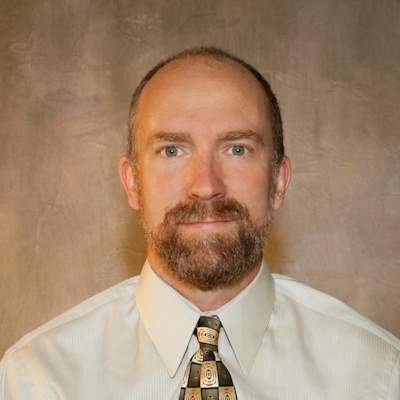
Dr. Valeria Milam is an Associate Professor and MSE Faculty Fellow at Georgia Tech's School of Materials Science and Engineering, holding affiliations with AAAS and ACS. Her research integrates biomolecular solids, nanostructures, polymers, and colloidal assembly with focus areas in health, energy, and environment. She directs research on aptamers and oligonucleotide-mediated colloidal systems for diagnostic and therapeutic applications. Milam earned her B.S. from the University of Florida and M.S./Ph.D. from University of Illinois Urbana-Champaign, with postdoctoral work at University of Pennsylvania. Current projects explore DNA-directed material assembly, nanoparticle engineering, and functional oligonucleotides. She mentors graduate students including Steven Ochoa and Jiemin Fu.
Dr. Edmondo Minisci is a Senior Lecturer in Mechanical and Aerospace Engineering at the University of Strathclyde, part of the Faculty of Engineering. He leads the Intelligent Computational Engineering Laboratory (ICE-Lab) within the Aerospace Centre of Excellence. With over 25 years of experience, his expertise spans model-based analysis and design optimization of complex mechanical/aerospace systems, including aeronautical vehicles, wind turbines, and sustainable energy systems. He actively supervises PhD students in areas like multi-fidelity methods, intelligent control, and sustainable agriculture engineering. Dr. Minisci has received prestigious awards, including the NATO STO “Panel Excellence” Award (2024) and the Sir Arthur C Clarke Award (2015). His research focuses on multidisciplinary design optimization under uncertainties, machine learning applications, and aerospace technologies for sustainable development. Key projects include optimizing high-lift devices, wind turbine performance, and precision agriculture systems. He has contributed to numerous conferences, including organizing the International Conference on Bioinspired Optimisation Methods and serving as an examiner for PhD theses. His work bridges computational intelligence with practical engineering challenges, emphasizing resilience and innovation in aerospace and energy sectors. Research Interests: Multi-Objective Optimization, Nature-Inspired Algorithms, Uncertainty Treatment, Machine Learning, Intelligent Control. Recent Projects: Symbolic Computation for Differential Equation Systems, EPSRC-funded Uncertainty Quantification in Aeroelastic Systems, and Advanced Natural Language Models for Satellite Communications.
Cintia Organo Quintana is an Associate Professor in the Department of Biology at the University of Southern Denmark (SDU), affiliated with the SDU Climate Cluster. Her research focuses on benthic marine invertebrates and ecosystem responses to environmental stressors such as pollution, climate change, and habitat restoration. She investigates processes like bioturbation, biodiversity-ecosystem functioning relationships, and nutrient cycling in coastal systems. Key projects includelarge-scale sand-capping restoration in Danish fjords, climate mitigation via blue carbon ecosystems, and coastal rewilding strategies. She leads the SCC Elite Centre for aquatic nature-based solutions and collaborates on EU-funded initiatives like ClimateBlue and Blue4All. Recent publications emphasize sand capping’s biogeochemical impacts, citizen perceptions of climate vs. biodiversity priorities, and greenhouse gas dynamics in coastal environments. She actively engages in public communication through media contributions addressing coastal management and climate adaptation challenges.
Robert Puckett serves as Associate Professor and Extension Entomologist in the Department of Entomology at Texas A&M University's College of Agriculture & Life Sciences. His research program focuses on urban entomology, invasive species ecology, and biological control methods. Puckett specializes in the biology and management of social insects including fire ants and termites, with applied research benefiting agricultural and urban environments. Research interests include: Behavioral ecology of invasive ant species Biocontrol strategies for urban pests Integrated pest management systems Landscape-scale invasion dynamics Socio-economic impacts of pest species Puckett's interdisciplinary publications span entomology, epidemiology, and petroleum engineering, demonstrating diverse methodological approaches. Recent works primarily examine HIV transmission modeling and geological formations, indicating broad scientific collaboration. As Extension entomologist, Puckett develops outreach programs translating research into practical pest management solutions for Texas communities.
Jake Mowrer is an Extension Associate Professor specializing in Soil Nutrient and Water Resource Management at Texas A&M University's Department of Soil and Crop Sciences. His research investigates soil fertility, water-use efficiency, and greenhouse gas mitigation in agricultural systems, with emphasis on biochar, cover crops, and sustainable tillage practices. His recent publications (2023-2025) demonstrate a strong focus on soil health optimization, climate-smart agriculture, and resource efficiency. Key themes include: greenhouse gas emission dynamics under various soil amendments, phosphorus management in irrigated systems, water conservation techniques, and remediation strategies for contaminated soils. Field studies and controlled incubations form the primary methodological approaches. Student Advisees: Hazal Camci Arik Annalee Epps Divya Ghanghas Leila Joharzadeh Michael Kuitu Parker Murphree Madhurya Poondla Reshma Ramachandran Galen Roberts He leads extension initiatives including the Soil Survey and Land Resource Workshop and hosts the educational podcast 'Song of the Soil'. No scientific awards are mentioned.
Professor David P Connolly is a leading academic in Civil Engineering at the University of Leeds, serving as the Programme Leader for the 'Railway Engineering with Project Management' MSc. He holds a PhD and first-class honours in Civil Engineering from the University of Edinburgh, and is a chartered professional engineer with prestigious fellowships from the Institution of Civil Engineers (CEng FICE), Permanent Way Institution (FPWI), and Higher Education Academy (FHEA). His research focuses on transportation systems , climate resilience , artificial intelligence , computer vision , and geotechnical engineering . Notable projects include Hyperloop aerodynamics modeling, railway track dynamics under extreme conditions, and sustainable infrastructure design. He has secured significant industry and governmental grants, supervising numerous PhD and postdoctoral researchers. Key contributions include the development of InSAR and satellite monitoring for infrastructure health, energy harvesting systems for railways, and climate change mitigation strategies for built environments. His work bridges theoretical modeling (e.g., FEM/DEM simulations) with practical applications like geotextile analysis and railway transition zone optimization. Professor Connolly actively mentors international scholars, advising on CSC/ Commonwealth Scholarship applications and co-authoring Marie Skłodowska-Curie fellowship proposals. His research themes emphasize net zero and sustainability , with innovations in recycled materials for construction and smart sensing technologies.
Dr. Ehsan Noroozinejad Farsangi is a Senior Researcher in the Smart Structures Research Group at the Department of Civil Engineering, Faculty of Applied Science, The University of British Columbia (UBC), Canada. He also has an affiliation with Western Sydney University. He serves as the Chief Editor of the International Journal of Earthquake and Impact Engineering and as an Associate Editor for ASCE Natural Hazards Review , IET Journal of Engineering , and Frontiers in Built Environment: Earthquake Engineering . His research expertise spans earthquake engineering, structural health monitoring, base isolation, seismic retrofitting, and resilience-based design. He employs advanced techniques such as finite element modeling and multidisciplinary design optimization to enhance the safety and performance of civil infrastructure. The recent publications highlight a strong focus on structural resilience under extreme events including earthquakes, floods, and storms, as well as innovative construction technologies like 3D-printed concrete and GFRP-confined columns. His work integrates sustainability, safety, and advanced materials in civil engineering solutions. Editorial Roles: Chief Editor – International Journal of Earthquake and Impact Engineering Associate Editor – ASCE Natural Hazards Review Associate Editor – IET Journal of Engineering Associate Editor – Frontiers in Built Environment: Earthquake Engineering Dr. Noroozinejad Farsangi actively collaborates with a broad network of co-authors and contributes to advancing knowledge in structural and geotechnical engineering through editorial leadership and high-impact research. No information is available regarding student advising or research grants. The Smart Structures Research Group at UBC is central to his current work, focusing on smart materials, passive and semi-active control systems, and performance evaluation of civil structures.
Anne Kær Gejl is an Associate Professor at the Department of Sports Science and Clinical Biomechanics, University of Southern Denmark, where she conducts research in the Research Unit of Exercise Epidemiology. Her work bridges public health, exercise science, and educational psychology, with a strong focus on physical activity's role in cognitive and mental health development among children and adolescents. Her research interests center on physical activity , cognitive function (especially inhibitory control and executive function), brain-derived neurotrophic factor (BDNF) , and child development . She investigates how structured physical activity and screen-free interventions can enhance pre-reading, spelling, and mental health outcomes in young populations. Her work often employs randomized controlled trials , systematic reviews , and population-based studies , reflecting a rigorous methodological approach. Recent publications highlight trends in embodied learning , digital screen use , and feasibility of behavioral interventions . Her research consistently emphasizes the integration of physical activity into educational settings to support both academic and psychological well-being. Scientific Awards: None listed in the provided text. Anne Kær Gejl actively mentors students, including PhD candidates such as Anne Sofie Bøgh Malling and Lars Damsgaard. She has been involved in significant research grants related to physical activity interventions and educational outcomes, though specific grant names are not detailed. Her collaborative network includes researchers from public health, sports science, and education disciplines. She is part of the Research Unit of Exercise Epidemiology, contributing to team-based studies on youth health, physical activity monitoring, and cognitive development. Her lab engages in both experimental and observational research, often in school and community settings.
Dr. Srinath Mahesh is a postdoctoral researcher at the DiTTlab within the Department of Transport and Planning at Delft University of Technology’s Faculty of Civil Engineering and Geosciences. Previously, he held a postdoctoral position at Trinity College Dublin’s Department of Civil, Structural, and Environmental Engineering. His research focuses on modeling the environmental impact of transportation systems, particularly quantifying vehicle emissions via real-world measurements (e.g., PEMS, remote sensing) and integrating emission models into traffic simulations. Current work involves the TULIPS project, advancing airport sustainability and aviation decarbonization. Education: PhD in Civil Engineering from Indian Institute of Technology Madras (IIT-M) M.Tech and B.Tech in Civil Engineering with a Transportation specialization Research Interests: Quantifying emissions from motorcycles, cars, buses, and trucks Integrating emission models into traffic simulation frameworks Sustainable airport landside transport systems Decarbonization strategies for aviation and urban freight Key Projects: TULIPS: Enhancing airport sustainability through decarbonization REDMAP: Roadside emissions analysis in Dublin Advising & Grants: While no student advisees are listed, his research contributions inform policy and sustainable infrastructure development. His work has been supported through institutional collaborations and project grants. Labs & Affiliations: Active in DiTTlab and affiliated with TU Delft’s Transport & Planning department, contributing to interdisciplinary research on sustainable mobility solutions.
Lawrence Cahalin is a Professor in the Department of Physical Therapy at the University of Miami School of Medicine, where he has been actively contributing since August 2011. His work is centered in the fields of cardiopulmonary rehabilitation, exercise physiology, and physical therapy interventions for chronic diseases such as COPD and heart failure. His research interests include inspiratory muscle training, exercise adherence in aging populations, neuroplasticity, and the functional performance of patients undergoing cardiac and pulmonary rehabilitation. He has led and collaborated on numerous clinical studies exploring home-based interventions, structural environmental impacts on physical activity, and post-COVID-19 exercise intolerance. The recent publications reflect a strong trend toward interdisciplinary, evidence-based research in chronic disease management, with a focus on practical, scalable interventions. His work bridges clinical physical therapy with behavioral science, neurology, and public health, emphasizing patient-centered outcomes and real-world applicability. While no scientific awards are explicitly listed, his consistent publication record in high-impact journals indicates recognition and influence in his fields. His collaborative nature is evident in multi-institutional studies involving researchers across cardiology, pulmonology, geriatrics, and neuroscience. Dr. Cahalin has contributed to both clinical trials and systematic reviews, suggesting involvement in advising students and securing research grants, although specific names and funding sources are not mentioned. His work on protocols like the MOVE-Cog study highlights future directions in integrating physical activity with cognitive health in aging adults. Though no formal lab or team is described, his extensive co-authorship network suggests leadership in collaborative research initiatives focused on rehabilitation science and chronic disease management.
Dr. Bronson P. Bullock is a Professor at the University of Georgia's Warnell School of Forestry and Natural Resources and Director of the Plantation Management Research Cooperative (PMRC). He previously held positions at North Carolina State University. His research focuses on forest biometrics, silviculture, and quantitative timber management, with expertise in growth and yield modeling, spatial tree relationships, and Bayesian statistical methods. Education: PhD (2002), MS Biometrics (1998), MS Statistics (2000), and BS (1996) from Virginia Tech and Rutgers. His work bridges biometrics and practical forest management, emphasizing precision forestry and carbon dynamics. Research Interests: Volume equations, statistical sampling, silvicultural impacts, spatial matrix correlations, genetic homogeneity effects, diameter distributions, and carbon stock dynamics. He has published extensively in Forest Science , Forest Ecology and Management , and others. Labs/Centers: Harley Langdale Jr. Center for Forest Business and PMRC. Notable collaborations include studies on hurricane impacts and carbon sequestration in southern pine plantations.
Dr. Anne Oxbrough is the Head of the Biology Department and an Associate Professor in Ecology. She specializes in biodiversity, ecosystem functioning, and sustainable forestry. Her research focuses on the impacts of forest and agricultural management on biodiversity resilience in the Anthropocene. She holds a PhD from University College Cork (2006) and has been a Marie Curie Fellow at the University of Alberta. She is a Fellow of the Royal Entomological Society and the Higher Education Academy. Positions: Programme Leader for MSc Conservation Management and MRes Science Coordinator. Awards: Marie Curie Fellowship, Royal Entomological Society Fellowship, Higher Education Academy Fellowship. Key Collaborations: With global partners across North America, Europe, and South America on forest ecosystems and biodiversity. Teaching: Leads courses on ecology, conservation, and sustainable management across undergraduate to PhD levels. Research Interests: Exploring biodiversity-ecosystem function links in managed ecosystems, arthropod ecology, and policy-relevant biodiversity conservation strategies. Current projects include forest structural management for pest control and mire restoration. Publications highlight forest management impacts on biodiversity and ecosystem services, with recent work on eucalypt plantations, antibiotic resistance in soils, and global forest decomposition processes. Editorial Roles: Member of Forest Ecology and Management editorial board. Grants: Reviewed for NERC, EU Horizon 2020, and others. External Roles: External examiner at multiple UK universities.
Keith Krause is a Professor of International Relations and Political Science at the Geneva Graduate Institute, serving as Director of its Centre on Conflict, Development and Peacebuilding (CCDP) since 1994. He founded the Small Arms Survey in 2000 and led it until 2016. His research focuses on contemporary armed violence, peacebuilding, security sector reform, and multilateral security cooperation. Krause holds a D.Phil. in International Relations from Balliol College, Oxford, as a Rhodes Scholar. He leads Swiss National Science Foundation-funded projects on security sector reform and peacebuilding in evolving global orders, and examines transnational small arms circulation in Latin America. His thematic expertise spans armed conflicts, arms control, critical security studies, and NATO alliances. Krause has authored over a dozen books and numerous articles, including Arms and the State and Global Burden of Armed Violence . He serves on editorial boards for journals like Contemporary Security Policy and Cooperation and Conflict . Recent work addresses hybrid violence in post-conflict settings, data politics in war mortality, and normative transformations in global peacebuilding. His projects bridge academic research with policy impact, emphasizing practical solutions to armed violence and institutional reform. Notably, Krause co-edited the Small Arms Survey annual reports, analyzing global trends in weapons proliferation and violence reduction strategies. His grants include analyses of competitive norm socialisation among China, Russia, and other global actors, alongside studies of peacebuilding partnerships in Burundi and beyond.
Urszula Kosikowska is an Associate Professor and Chair of the Department of Pharmaceutical Microbiology at the Faculty of Pharmacy, Medical University of Lublin. She holds a PharmD and DSc, and has been active in research since earning her doctoral degree in 1999. Her research spans pharmacology, pharmacy, and medicinal chemistry, with a focus on developing new antibacterial agents. Key areas include drug synthesis , particularly of triazole derivatives , microbial drug resistance , biofilm formation , and antibacterial drug design . Her work integrates organic chemistry with microbiological testing in both human and veterinary contexts. The 15 most recent publications reflect a consistent trajectory in designing and evaluating novel antimicrobial compounds, especially triazole-based molecules. These studies span synthetic chemistry , molecular mechanisms , in vitro and in vivo efficacy , and toxicity profiling , indicating a comprehensive drug development pipeline. Keywords across articles include pharmacology, microbiology, and medicinal chemistry, with subfields ranging from biofilm inhibition to structure-activity relationships. Scientific achievements include: 248 publications 17 patents 1 documented achievement (specific title not provided) Supervision of 4 promoted theses (PhD advisees) She actively advises doctoral students and leads research in antibacterial drug discovery. While specific grant details are not mentioned, her extensive output and patents suggest sustained funding. She contributes to research infrastructure and participates in multi-center collaborations. Her work has implications for both human and veterinary medicine, particularly in combating resistant infections. She leads a research team focused on pharmaceutical microbiology and antimicrobial development, likely involving graduate students and researchers in synthetic and biological evaluation of compounds.
Crystal Hepp is an Associate Professor in the School of Informatics, Computing, and Cyber Systems at Northern Arizona University. Her interdisciplinary research bridges computational biology, public health, and infectious disease genomics, with a strong emphasis on genomic surveillance and wastewater-based epidemiology. She actively collaborates with public health agencies in Arizona and contributes to statewide pathogen monitoring efforts. Research Interests: Dr. Hepp's work spans infectious disease epidemiology, genomic surveillance, zoonotic pathogens (including Onchocerca lupi and rabies virus), whole genome sequencing, and computational modeling. Her research integrates molecular data with public health frameworks to track and respond to emerging pathogens. She has published extensively on wastewater-based monitoring of SARS-CoV-2, genomic epidemiology of bacterial infections like Group A Streptococcus and MRSA, and the evolution of parasitic nematodes. The recent publications reveal a consistent focus on applying genomic tools to real-world public health challenges, particularly in rural and underserved settings. Her work often involves multidisciplinary teams and addresses both human and wildlife health, aligning with the One Health approach. Themes include pathogen detection, transmission dynamics, and the development of surveillance methodologies. Scientific Contributions: Developed frameworks for integrating wastewater data into public health decision-making. Advanced genomic surveillance of infectious agents in healthcare and community settings. Contributed to understanding the phylogeography of tick-borne pathogens and their endosymbionts. Published in high-impact journals including Frontiers in Public Health , Journal of Infectious Diseases , and PLoS ONE . Dr. Hepp has co-authored numerous datasets related to tick and nematode genomics, indicating strong data science and bioinformatics expertise. While specific advising roles or grants are not mentioned in the text, her collaborative publication record suggests active engagement in research teams and projects focused on emerging infectious diseases and genomic public health.