Dr. Hillel Adesnik is a Professor in the Department of Neuroscience at the University of California, Berkeley, and a leading researcher in the neural basis of sensory perception. His lab focuses on cortical microcircuits, optogenetics, and neural coding, with emphasis on visual processing and memory formation. Key Research Areas: Cortical Microcircuits Optogenetic Tools Gamma Band Rhythms Neural Coding Mechanisms Dr. Adesnik has pioneered high-speed optical methods like 3D-MAP and 3D-SHOT to manipulate neural activity. His work spans cortical dynamics, synaptic plasticity, and cortical layer interactions, with applications in understanding learning algorithms and sensory inference. Selected Trends from Publications: Recent preprints and papers highlight advancements in cortical VIP neuron function, channelrhodopsin structures, and inter-areal computations. His team utilizes two-photon holography, cryo-EM, and computational modeling to decode perception-related neural codes. Scientific Awards: NIH Director's New Innovator Award (2013) Dr. Adesnik's lab collaborates with institutions like NIH and develops tools for awake animal studies. Funding includes grants from the Beckman Young Investigator Program and NIH.
Dr. John Males is a Clinical Senior Lecturer at the University of Sydney and Director of Ophthalmology Training at Sydney Eye Hospital. His clinical and research expertise focuses on corneal surgery, cataract surgery, and laser vision correction. He pioneered Descemet's Stripping Automated Endothelial Keratoplasty (DSAEK) in Australia and is conducting clinical trials on Collagen Cross-Linking for keratoconus. His research spans corneal transplantation techniques, refractive error management, and ocular surface regeneration. Dr. Males holds roles as a consultant at major hospitals and serves as an examiner for the Royal Australian & New Zealand College of Ophthalmologists. Research interests include corneal biomechanics, surgical innovation for keratoconus, and outcomes analysis of cross-linking therapies. He leads studies on corneal densitometry, dry eye correlations, and long-term efficacy of surgical interventions. His work bridges clinical practice with translational research in regenerative medicine and ocular surface engineering. Publications span over 20 years, emphasizing corneal transplantation advancements, keratoconus management, and surgical complication resolution. His contributions to global consensus guidelines for endothelial keratoplasty highlight leadership in standardizing surgical practices.
Hang Lu is an Associate Professor in the Department of Communication and Media at the University of Michigan's College of Literature, Science, and the Arts. He specializes in science, health, environmental, and risk communication (ComSHER), with a focus on media psychology. His research explores audience responses to media messages about sensitive topics and strategies to enhance message effectiveness. Lu holds a Ph.D. in Communication from Cornell University (2018), along with advanced degrees from Cornell, Marquette University, and Central South University in China. He directs the Media and Risk (MaR) Lab and previously served as a postdoctoral fellow at the Annenberg Public Policy Center. His research spans four main areas: 1) emotion dynamics in media responses, 2) predictors of information behaviors, 3) media effects on stigmatization, and 4) AI applications in sensitive domains. He has published in journals like Journal of Communication , Risk Analysis , and Public Understanding of Science , earning multiple top paper awards. As Vice Chair of the Environmental Communication Division at the International Communication Association, Lu contributes to interdisciplinary dialogue. His work addresses critical societal issues such as climate change communication, vaccination hesitancy, and emerging technology ethics.
Denise Head is Professor of Psychological & Brain Sciences and Associate Chair at Washington University in St. Louis, with an additional appointment as Associate Professor in Radiology. Her research integrates cognitive neuroscience and neuroimaging to study cognitive aging and Alzheimer's disease. PhD, University of Memphis MS, University of Memphis BS, University of New Orleans Her research focuses on age-related cognitive changes and their neural underpinnings. Key areas include spatial navigation deficits in aging, the role of lifestyle factors (exercise, sleep, stress) in brain aging, and interventions to support cognitive function in older adults. She uses virtual reality, mobile eye-tracking, and neuroimaging techniques such as fMRI and DTI. The recent publications highlight a consistent trajectory in cognitive neuroscience and aging research, with emphasis on neuroimaging biomarkers, structural brain changes, and cognitive performance in normal and pathological aging. Her work bridges psychology, neurology, and radiology, contributing to early detection and understanding of Alzheimer's disease. Scientific Awards: No awards listed in the provided text. Dr. Head advises graduate students and leads a research lab focused on cognitive aging, though specific student names are not listed. Her lab investigates mediators of brain aging and develops methods to support spatial navigation in older adults. While specific grants are not mentioned, her ongoing research and recent publications suggest active external funding. She leads a research team in the Department of Psychological & Brain Sciences, utilizing advanced neuroimaging and behavioral methods to study aging and dementia. The lab integrates real-world and virtual experimental designs to understand spatial cognition and brain health in older populations.
Duncan Astle is the Gnodde Goldman Sachs Professor of Neuroinformatics at the Department of Psychiatry, University of Cambridge. He serves as a Programme Leader at the Medical Research Council's Cognition and Brain Sciences Unit (MRC CBU) and is a Fellow of Robinson College. Astle heads the 4D Lab (Development, Dynamics, Disorders, Data Science), which provides a research home for approximately 15 Early Career Researchers working at the intersection of developmental cognitive neuroscience and advanced data science methodologies. Astle's research focuses on understanding childhood development through innovative analytical approaches. His work employs transdiagnostic methods to study children with attention, learning, and memory difficulties, moving beyond traditional diagnostic categories. He investigates how neural systems develop in childhood, how they relate to developmental disorders, and how they respond to intervention. His research integrates network science, machine learning, and generative modeling to capture the complexity of neurodevelopmental diversity, examining how cognitive skills, literacy, numeracy, and mental health interrelate over developmental time. His publication record reveals a strong focus on brain connectivity and organization across development. Recent work explores structural and functional neurodevelopmental trajectories, brain wiring economics, and the impact of environmental factors on neural development. Astle's research frequently employs advanced data science techniques to identify sub-populations of children with different cognitive or brain profiles, regardless of diagnosis, and to map non-linear relationships between brain organization and cognitive difficulties. His work has increasingly focused on transdiagnostic approaches to understanding developmental disorders and the application of computational models to developmental neuroscience. Astle actively supervises PhD students and has built a substantial research group that contributes to major projects including the Centre for Attention Learning and Memory (CALM) and Resilience in Education and Development (RED). His work has been supported by prestigious funding bodies including the Royal Society, the British Academy, the Medical Research Council, and the Economic and Social Research Council, as well as multiple charitable foundations. The 4D Lab, under Astle's leadership, utilizes state-of-the-art facilities at the University of Cambridge, including on-site magnetic resonance imaging and magnetoencephalography scanners. The lab contributes to building specialist cohorts such as CALM (800 children with cognitive difficulties plus 200 comparison children) and RED, which study children's development, resilience, and educational outcomes. Astle's team explores how growing up in adverse environments affects children's brains, behavior, and mental health, with the aim of identifying early markers of risk and resilience.
Jessica Rosenholm is a Professor at the Faculty of Science and Engineering, Department of Pharmacy at Åbo Akademi University. Her research focuses on drug delivery systems, nanomedicine, and biomaterials engineering. She holds a D.Sc.(Tech.) and has authored over 200 publications. Key research areas include mesoporous silica nanoparticles, 3D bioprinting, and antimicrobial resistance solutions. Her work contributes to UN Sustainable Development Goals, particularly in advancing health technologies. Notable achievements include the Akzo Nobel Nordic Research Prize 2009 and the Knight, First Class, of the Order of the White Rose of Finland (2022). She leads projects like the MADNESS Centre of Excellence, exploring materials-driven solutions against antimicrobial resistance. Education: Doctor of Science (Technology) Research Interests: Nanoformulations, biomedical imaging, microfluidics, and tissue engineering. Recent articles highlight innovations in programmable nanocomposites for hearing loss treatment, microfluidic assembly of nanostructures, and 3D printing of drug delivery systems. Awards: ÅAU Chancellor’s Prize (2013), Forskarpriset ur Harry Elvings legat (2009) Grants: Projects funded by EU, Finnish Research Council, and Sigrid Jusélius Foundation. Labs/Teams: BioNanoMaterials group explores cutting-edge technologies like nanomedical agents and microfluidics. Current projects include the NAP4DIVE initiative for blood-brain barrier drug delivery.
Henry Liang, Ph.D., is a Professor in the Department of Cell Physiology and Molecular Biophysics at Texas Tech University Health Sciences Center (TTUHSC), with adjunct appointments in Chemical Engineering and Chemistry at Texas Tech University. His lab focuses on bridging biology with synthetic systems through membrane biophysics and bioengineering. Research Interests: Dr. Liang's work spans membrane protein reconstitution, nanodisc technology, antimicrobial nanoparticles, blood-brain barrier targeting, and immunotherapy platforms. Key areas include: Design of synthetic proteomembranes for protein function studies Development of environmentally responsive nanoantibiotics Nanoparticle-based theranostic systems for cancer Light-driven energy transduction in biohybrid materials Publication Trends: His 15 most recent articles (2011-2023) demonstrate consistent focus on nanotechnology solutions for biomedical challenges, with evolving emphasis on antimicrobial nanostructures (35%), membrane protein platforms (30%), cancer nanomedicine (20%), and sustainable nanomaterials (15%). Methodological strengths include polymer synthesis, X-ray scattering, and biomimetic system design. Training: The Liang Lab actively recruits graduate students and postdoctoral researchers for projects in membrane biophysics and bioengineering. Current research infrastructure includes capabilities for synchrotron small-angle X-ray scattering, molecular dynamics simulations, and nanomaterial characterization.
Yize Zhao is an Associate Professor in the Department of Biostatistics at Yale School of Public Health and an Associate Professor in the Department of Biomedical Informatics & Data Science at Yale University. She holds affiliations with multiple Yale research centers including the Yale Center for Analytical Sciences, Yale Alzheimer's Disease Research Center, Yale Wu Tsai Institute, Yale Center for Brain and Mind Health, and Yale Computational Biology and Bioinformatics. Dr. Zhao's research focuses on developing statistical and AI methods to analyze large-scale complex biomedical data including medical imaging, genomics, and electronic health records. Her methodological expertise spans Bayesian statistics, feature selection, predictive modeling, data integration, missing data analysis, and network analysis. Her research interests span multiple biomedical domains with a strong focus on mental health, psychiatry, neurodegenerative diseases, and aging. Her recent work includes brain-to-behavior modeling, multi-layer biomedical networks, imaging genetics and genomics, and the integration of multi-modal biomedical data with real-world data. Dr. Zhao's work has resulted in numerous high-impact publications, with recent research focusing on Alzheimer's disease, brain network analysis, and advanced statistical methods for neuroimaging. Her publications show a strong trend toward integrating multi-modal data sources and developing sophisticated statistical approaches to address complex biomedical questions. Thelma and Marvin Zelen Emerging Women Leaders in Data Science Award from the Institute of Mathematical Statistics (IMS) COPSS Emerging Leader Award from the Committee of Presidents of Statistical Societies (COPSS) YSPH Investigator Research Award Yale Alzheimer's Disease Research Center Research Scholar Award Elected member of the International Statistical Institute Dr. Zhao serves as an Associate Editor for Biometrics and is a standing member of the NIH Biodata Management and Analysis (BDMA) study section. Her research is supported by multiple NIH grants, highlighting the significance and impact of her work in biostatistics and biomedical data science.
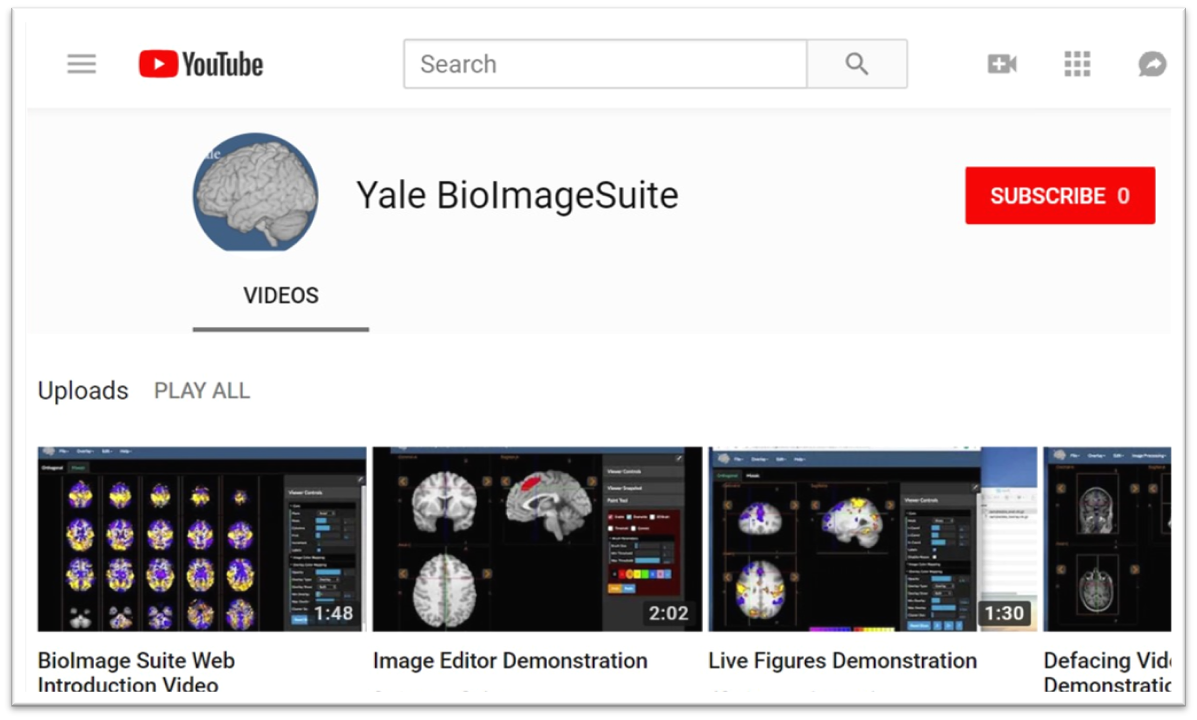
Xenophon Papademetris is a Professor of Biomedical Informatics & Data Science and Radiology & Biomedical Imaging at Yale School of Medicine. He serves as Associate Director of Biomedical Imaging Data Sciences at Yale Biomedical Imaging Institute and directs the Medical Software and Medical Artificial Intelligence Certificate Program. PhD in Electrical and Information Sciences from Yale University (2000) BA from Cambridge University (1994) Postdoctoral Fellowship at Yale University (2002) His research focuses on medical image analysis, machine learning, and biomedical software development. He has developed tools like BioImage Suite Web and contributed to standards committees at the Association for the Advancement of Medical Instrumentation (AAMI). His work spans modalities including MRI, CT, PET, and optical imaging. Recent publications emphasize neuroimaging analysis, explainable AI in healthcare, and multimodal data integration across species. He leads NIH-funded research under the BRAIN Initiative (R24 MH114805) and has authored a textbook on Medical Software published by Cambridge University Press. IEEE Senior Member Yale Brown-Coxe Postdoctoral Fellowship Harding Bliss Prize for Excellence in Engineering He directs the BioImage Suite Project, creating web-based image analysis tools using JavaScript and WebAssembly. His teaching includes both academic courses and a Coursera program on Medical Software with over 14,000 enrollments.
F. Levent Degertekin is a Regents' Entrepreneur and the George W. Woodruff Chair in Mechanical Systems and Professor at the George W. Woodruff School of Mechanical Engineering at Georgia Institute of Technology. His office is located in Love Building, room 311B, and his contact email is levent.degertekin@me.gatech.edu. Dr. Degertekin's academic journey includes a Ph.D. in Electrical Engineering from Stanford University (1997), an M.S. in Electrical Engineering from Bilkent University, Turkey (1991), and a B.S. in Electrical Engineering from Middle East Technical University, Turkey (1989). Dr. Degertekin's research focuses on micromachined ultrasonic devices and systems for medical applications, particularly in intravascular ultrasound imaging, therapeutic ultrasound, and acousto-optical sensors for MRI. His work spans from fundamental research on novel transduction methods to complete catheter-based imaging systems close to commercialization. He has made significant contributions to capacitive micromachined ultrasonic transducers (CMUTs), developing diffraction grating based optomechanical sensing methods now commercialized by Silicon Audio, novel atomic force microscopy imaging probes, and micromachined ultrasonic ejector structures for cell transfection commercialized by OpenCell Technologies. His research integrates acoustics, optics, and their combinations for various medical applications, utilizing conventional microfabrication (MEMS) and integrated circuit technologies. The Degertekin lab exposes students to applied physics, electrical, mechanical and biomedical engineering, biology, and biomimetic systems, providing them with thorough theoretical and experimental education in acoustics and optics while learning interdisciplinary research. Dr. Degertekin's work has received significant media attention, including coverage in IEEE Spectrum, Wired Magazine, The New York Times, and Fox Business News, highlighting innovations such as handheld ultrasound probes, MRI safety sensors, and minimally invasive cardiac imaging technologies. IEEE Fellow for 'Contributions to micromachined ultrasonic and optomechanical transducers and systems,' 2022 IEEE UFFC Society Inaugural Carl Hellmuth Hertz Ultrasonic Achievement Award, 2014 George W. Woodruff School Outstanding Achievement in Commercialization and Entrepreneurship Award, 2024 National Science Foundation CAREER Award, 2004-2009 Whitaker Foundation Biomedical Engineering Research Grant Award, 2001 66 US and 6 International Patents Dr. Degertekin has mentored numerous students who have gone on to make significant contributions in the field. Several of his students have received IEEE Ultrasonics Symposium Best Student Paper Awards, including Jeff McLean (2003), Sheng-Yu Peng (2006), Rasim O. Guldiken (2005 and 2007), and Toby Xu (2014). His research has been supported by various grants including the NSF CAREER Award and Whitaker Foundation grant. His work has led to multiple commercial ventures including Silicon Audio and OpenCell Technologies. The Degertekin Group at Georgia Tech focuses on transducers and systems for medical imaging and sensing, with current projects including capacitive parametric transducers, acousto-optic sensors for MRI, novel transducer methods for focused ultrasound in the brain, microsystems for intravascular and intracardiac ultrasound imaging, and CMUT-on-CMOS systems for IVUS imaging.
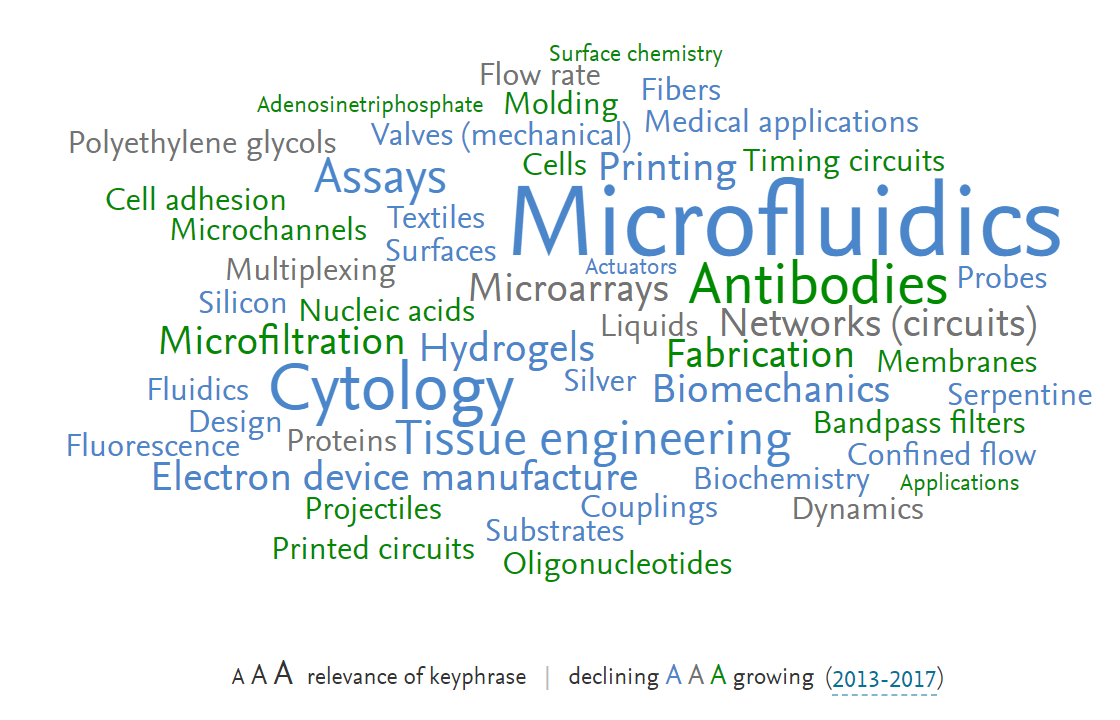
David Juncker is a Professor and Department Chair of the Department of Biomedical Engineering at McGill University. He serves as a Principal Investigator at the McGill University & Genome Quebec Innovation Centre and holds associate memberships in the Department of Neurology and Neurosurgery, Department of Electrical and Computer Engineering, Division of Experimental Medicine, Department of Surgery, and Goodman Cancer Research Centre. His research focuses on micro- and nano-bioengineering technologies for bioanalysis, precision medicine, and organs-on-chips. Key areas include microfluidics, lab-on-a-chip devices, biomedical sensors, medical diagnostics, biomaterials, tissue engineering, and cancer biomarker discovery. His lab develops scalable antibody microarrays, self-powered diagnostic platforms, microfluidic probes for brain tissue perfusion, and nanogradients for neuronal navigation, with applications in cancer diagnostics, global health, and neuroscience. Recent publications (2023-2025) reveal strong emphasis on extracellular vesicle analysis, single-cell proteomics, 3D-printed microfluidic/organ-on-a-chip systems, and capillary-driven circuits. Key trends include low-cost point-of-care diagnostics, advanced circulating tumor cell isolation methods, and biomimetic synthetic vesicles for drug delivery, demonstrating translational potential in early disease detection. Dr. Juncker leads a highly interdisciplinary team comprising undergraduate and graduate students, post-doctoral fellows, and staff from diverse scientific, engineering, and cultural backgrounds. His lab actively recruits Canadian/permanent resident graduate students for projects on single extracellular vesicle and protein detection in cancer and infectious diseases, leveraging microfluidics and wearables for biomarker discovery. The Juncker Lab operates from the McGill University & Genome Quebec Innovation Centre (740 Dr. Penfield Avenue, Room 6206). It maintains a collaborative, multicultural environment focused on developing transformative micro- and nano-bioengineering technologies with significant potential impact on human health diagnostics and treatment.
Maizie Zhou is an Assistant Professor in Biomedical Engineering and Computer Science at Vanderbilt University’s School of Engineering. She holds dual PhDs in Computer Science (Stanford University) and Neuroscience (Wake Forest School of Medicine), with additional degrees from Wake Forest University and Huazhong University of Science and Technology. Her research focuses on computational genomics, bioinformatics, and machine learning applied to problems in cancer genomics, single-cell and spatial transcriptomics, and computational neuroscience. She leads the Zhou Lab, which develops algorithms for structural variant detection, neural circuit analysis, and integrative omics approaches. Recent work includes tools like VolcanoSV and stDyer, and she has received grants from NIH, Vanderbilt Brain Institute, and industry partnerships. Key achievements include VUSE Best Paper Awards, Global Engagement Travel Grants, and mentoring students in prestigious programs like the Provost’s Pathbreaking Discovery Award. Her lab also explores the neural underpinnings of cognitive maturation in primates, combining computational and experimental neuroscience. Education: PhDs in Computer Science (Stanford) and Neuroscience (Wake Forest), MS (Computer Science, Wake Forest), BS (Biotechnology, Huazhong). Research interests span computational genomics (e.g., structural variant detection, haplotype phasing), spatial transcriptomics (clustering, integration), and computational neuroscience (neural circuit dynamics, prefrontal cortex plasticity). Her lab’s tools address challenges in precision medicine, cancer genomics, and understanding adolescent brain development. Recent projects include NIH-funded work on spatial transcriptomics and collaborations with Dr. Meltzer’s lab on cancer genomics. Publications highlight advancements in bioinformatics tools and neural mechanisms, with trends toward multi-omics integration and algorithmic innovation in genomics. Awards include the Global Engagement Travel Grant and CCSB Accelerator Fund. Students under her mentorship have excelled in qualifying exams and travel grants, reflecting her impactful training program.
Chandan J Vaidya is a Professor in the Department of Psychology at Georgetown University, directing the Developmental Cognitive Neuroscience Laboratory (DCNL). His research focuses on cognitive neuroscience mechanisms underlying adaptive behaviors, particularly implicit learning, executive control, and their dysfunction in ADHD, ASD, and other developmental disorders. Using multidisciplinary methods including fMRI, behavioral testing, and genetic analysis, he investigates how dopamine systems, brain connectivity, and environmental factors influence cognitive processes. Primary appointment: Professor, College of Arts and Sciences - Department of Psychology Education: Ph.D. from Syracuse University Research interests include neurodevelopmental disorders, neuroimaging of cognitive control, and translational neuroscience. Recent work examines striatal connectivity changes in ADHD due to stimulant use, executive dysfunction subtypes in autism, and brain correlates of reward processing in obesity. Key findings highlight hyperconnectivity in ASD, dopamine genotype influences on executive function, and age-related changes in default mode networks. Ongoing studies explore transdiagnostic models of psychopathology and precision medicine approaches in neurodevelopmental disorders. Lab activities focus on translational research bridging basic neuroscience with clinical applications. Collaborations involve pediatric neurology, psychiatry, and computational modeling.
Professor Athina E Markaki serves as Professor of Materials & Biomedical Engineering in the Department of Engineering at the University of Cambridge, leading research in advanced biomaterials and tissue engineering solutions for regenerative medicine with emphasis on vascularization and tubular scaffold development for human conduit replacement. Her academic credentials include a Diploma in Metallurgical Engineering (8.6/10) from the National Technical University of Athens and a PhD in Materials Science from the University of Cambridge. Markaki's research program centers on vascularisation techniques for clinically relevant tissue dimensions and tubular scaffolds to replace diseased or damaged human conduits, integrating biomaterials science with regenerative medicine principles. Key applications span liver tissue engineering, neural crest-derived stem cell differentiation, and vascular graft development, with strong translational focus on orthopaedic and cardiovascular medical devices. Analysis of her recent publications reveals dominant trends in biomimetic scaffold design, particularly collagen-based tubular structures and hydrogel systems for vascularized tissue constructs. Her work demonstrates interdisciplinary convergence of AI-driven retinal assessment, glioblastoma modeling, and self-healing cementitious materials, with consistent emphasis on clinically applicable regenerative solutions for liver, bone, and neural tissues. Her distinguished scientific contributions are recognized by major awards: Rosetrees Trust 2017 Interdisciplinary Award European Research Council (ERC) Starting Grant (2010) Advanced EPSRC Fellowship (2005) De Montfort Award at SET for Britain National Event (2004) Young Scientist Prize 2003 (5th Euromech Solid Mechanics Conference) Multiple academic excellence awards from Greek foundations Markaki directs a well-funded research program including ERC and EPSRC grants, mentoring graduate students in tissue engineering while teaching core engineering curricula covering plastic deformation, fracture mechanics, and medical materials design. Her group maintains strong industry and clinical partnerships to advance regenerative technologies. Her laboratory, accessible via http://www-memti.eng.cam.ac.uk/, specializes in vascularized tissue constructs and tubular scaffolds using laser-based manufacturing, biomimetic design, and hydrogel engineering to address critical challenges in tissue replacement and disease modeling.
Adam de la Zerda is an Associate Professor at Stanford University's Department of Structural Biology (School of Medicine) and Electrical Engineering (by courtesy). He develops advanced optical molecular imaging technologies combining nanoparticle contrast agents and adaptive OCT systems for cancer and ophthalmic disease research. Technion-Israel Institute of Technology (BSc, 2005) Stanford University (PhD, 2011) UC Berkeley (Postdoctoral Fellowship) Research Themes : Virtual biopsy using machine learning-enhanced OCT Gold nanorod-based molecular contrast agents Speckle noise reduction for cellular resolution Needle beam optical coherence tomography angiography His 15 most recent publications demonstrate technical innovations in: Metasurface optics for extended depth-of-field Spectral deconvolution of multiple contrast agents Speckle modulation for improved diagnostic clarity Noninvasive lymphatic system mapping Scientific Honors : Pew-Stewart Scholar for Cancer Research AFOSR Young Investigator NIH Early Independence Award Forbes 30 Under 30 (x2) Chan Zuckerberg BioHub Investigator His lab team has developed clinical prototypes including OcuBell Inc. 's ophthalmic imaging systems and Visby Medical 's diagnostic platforms. Current research spans from in vivo glycoprotein imaging to de novo biosensor development for real-time disease monitoring in awake animal models.