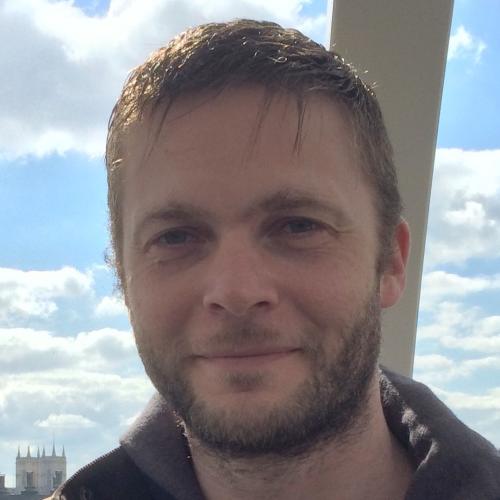
David Williams is the Florence Sprague Norman and Laura Smart Norman Professor of Public Health at the Harvard T.H. Chan School of Public Health, with additional appointments in African and African American Studies and Sociology at Harvard's Faculty of Arts and Sciences. His work focuses on understanding how social determinants like racism, discrimination, and socioeconomic status shape health disparities across populations. He leads research on global health equity, mental health outcomes, and the biological impacts of stress. Williams has been recognized with the William B. Graham Prize for Health Services Research (2023). Education: Not explicitly stated in the provided text. His research emphasizes the interplay between structural racism, health inequities, and policy interventions. Key areas include discrimination's effects on chronic diseases (e.g., diabetes, cardiovascular health), mental health disparities, and the long-term consequences of early-life adversity. Collaborations span global initiatives, such as the World Mental Health Surveys and the South African National Health and Nutrition Examination Survey. Recent publications explore topics like racial disparities in cognitive function, the role of discrimination in sleep disorders, and the psychological impact of systemic policies. He actively mentors students like Katie Crum (drug safety), Maitreyi Mazumdar (neural tube defects), and Kenny Mendoza (processed foods). Awards: William B. Graham Prize for Health Services Research (2023). Williams advocates for multi-level interventions to address health inequities, emphasizing upstream solutions to systemic racism. He contributes to policy discussions on Medicaid funding, infection prevention during pandemics, and restorative justice for marginalized communities.
Catherine K. Kuo is an Associate Professor and Associate Chair of Research in the Fischell Department of Bioengineering at the University of Maryland. She holds the Fischell Fellow title and leads the Kuo Lab, focused on tendon regeneration, mechanobiology, and fetal intervention strategies. Her research bridges embryology and clinical applications, addressing adult tendon injuries and musculoskeletal birth defects. Education: B.S.E. in Materials Science (University of Michigan), Ph.D. in Biomaterials (University of Michigan), and a postdoc at NIH’s NIAMS. Professional roles include President-Elect of TERMIS-AM, Editor-in-Chief of the Journal of Tissue Engineering and Regenerative Medicine , and multiple editorial board memberships. Research interests emphasize mechanobiology of embryonic tendons, bioengineering tools for in utero interventions, and biomaterials for regenerative medicine. Her lab develops therapies inspired by embryonic tendon development, including lysyl oxidase treatments and chick embryo models. Key achievements include over 150 awards, including the TERMIS-AM Education Award (2024), AIMBE induction (2019), and NSF CAREER Award (2013). Her work is funded by NIH, NSF, and industry partnerships. She advises students in bioengineering and biomedical engineering, with a focus on translational research. The Kuo Lab collaborates with the Robert E. Fischell Institute for Biomedical Devices and maintains active partnerships in material science and clinical translation.
Hidayet Shal is a Researcher at Karadeniz Technical University , Faculty of Medicine, Department of Obstetrics and Gynecology (2016–Present). Specializes in fetal anomalies, reproductive health, and maternal-fetal interactions. Education: PhD in Anatomy, Karadeniz Technical University (2014–2016) MD, Van Yuzuncu Yil University Faculty of Medicine (2006–2011) MD, Istanbul University Çapa Faculty of Medicine (2011–2012) Research Focus: Gestational diabetes, fetal structural abnormalities, cesarean complications, and reproductive endocrinology. His work explores links between maternal health and neonatal outcomes, with recent studies on COVID-19 effects on menstruation and MUC3 protein as a hypertension biomarker . Article Trends: Over 15 publications (2017–2023) examine fetal Doppler changes, bone density in cesarean deliveries, and rare gynecological complications. Keywords span Obstetrics , Fetal Medicine , and Reproductive Surgery .
Lisa L Satterwhite serves as an Associate Research Professor in the Department of Civil & Environmental Engineering at Duke University's Pratt School of Engineering, and is a Faculty Network Member of the Duke Institute for Brain Sciences. Her work bridges environmental engineering with neuroepidemiology through community-engaged research. Her research focuses on molecular epidemiology of environmental exposures , particularly pesticide exposure links to Parkinson's disease , cyanobacterial harmful algal blooms and ALS , and climate change resilient rural communities . She pioneered field studies with migrant farmworkers in eastern North Carolina, establishing direct genetic links between pesticide metabolites and neurodegenerative disease markers. Her current work integrates remote sensing, deep learning, and epigenetic analysis to monitor environmental toxins. Recent publications reveal a clear trajectory from cellular biophysics (2010-2014 sickle cell and cardiomyocyte imaging) toward environmental health epidemiology (2022-2025 epigenetic studies of pollution exposure). Her team develops field-deployable monitoring systems for cyanobacterial blooms while analyzing PM2.5 pollution sources in rural communities. Her active grants include: Community-led Validation of Remote Sensing for Cyanobacteria Blooms (2025-2026) Mapping Epigenetic Memory of Exposure (MEMENTO, 2019-2024) Protecting Neurodevelopment in Latino Migrant Children (2017-2019) Satterwhite teaches ENVIRON 393/394 and CEE 493/690 independent research courses, mentoring students in environmental health projects. Her work originated from investigating tetra-amelia birth defects among migrant farmworkers, driving her mission to end environmentally-caused chronic diseases through science-informed policy change.
Jennifer J. Vannest is a cognitive neuroscientist at the University of Cincinnati, specializing in functional MRI (fMRI) studies of language, memory, and neurodevelopmental disorders. Her research focuses on brain connectivity, epilepsy, and developmental conditions like speech sound disorders and Down syndrome. Education : PhD from Ohio State University, postdoctoral training at University of Michigan and University of Rochester Affiliation : University of Cincinnati (via email domain) Research Interests : Cognitive Neuroscience of Language and Memory Epilepsy and Neurodevelopmental Disorders fMRI and Brain Connectivity Analysis Article Trends : Her recent publications examine language outcomes in preterm children, white matter organization in epilepsy, neural changes post-stroke, and neuroimaging in opioid-exposed infants. Topics include neurodevelopmental impacts, rehabilitation strategies, and cognitive deficits in chronic conditions. Collaborations : She works with experts in neurology, speech pathology, and pediatric neuroimaging across institutions like University of Michigan, Ohio State University, and Cincinnati Children's Hospital.
Sarit Smolikove is a Professor in the Department of Biology at the University of Iowa, College of Liberal Arts and Sciences. Her research focuses on DNA damage repair in the Caenorhabditis elegans germline, particularly during meiosis. She investigates how germ cells maintain genetic integrity through genetic and cell biology techniques involving high-resolution microscopy. Research Highlights: Her work emphasizes DNA-RNA hybrids' role in DNA damage and repair, meiotic chromosome segregation, synaptonemal complex assembly, and crossover formation. She utilizes C. elegans for its genetic tractability and spatial-temporal organization of germline nuclei. Key Contributions: Professor Smolikove's lab has advanced understanding of continuous double-strand break induction, ATM/ATR kinase roles in repair pathway choice, and the regulation of meiotic recombination by protein complexes like MRN. Her research has implications for human health, particularly in birth defects and miscarriages related to chromosomal missegregation. Scientific Awards: Iowa Center for Research by Undergraduates (ICRU) Distinguished Mentor Award (2011) Lab Training & Outreach: She mentors numerous graduate, undergraduate, and high school students, including programs like the Summer Experience in Genetics in collaboration with Iowa City BASP. Her lab alumni include prominent researchers in genetics, biotechnology, and biomedical fields.
Edward M. Marcotte is a Professor in the Department of Molecular Biosciences at the University of Texas at Austin, holding the prestigious Mr. and Mrs. Corbin J. Robertson, Sr. Regents Chair in Molecular Biology. He is also affiliated with the Oden Institute and multiple Interdisciplinary Life Sciences Graduate Programs at UT Austin. His laboratory conducts cutting-edge research at the intersection of proteomics, bioinformatics, and systems biology. Dr. Marcotte received his B.S. as a National Merit Scholar from the University of Texas at Austin in 1990, followed by a Ph.D. with National Science Foundation predoctoral fellowship support in 1995 from the same institution. He completed his postdoctoral training as a Hollaender Distinguished Fellow at UCLA in 2000. His primary research focuses on the regulation and organization of the human proteome, particularly examining protein dynamics, intracellular abundances, physical assembly into complexes, and intracellular localizations. Marcotte employs large-scale approaches to study thousands of proteins simultaneously, utilizing evolutionary comparisons to identify critical conserved elements. His work has significant implications for understanding human genetic diseases, as proteins in the same physical complex or pathway often contribute to similar traits or diseases. The lab has successfully identified new genes related to angiogenesis, deafness, and congenital birth defects. Analysis of Marcotte's recent publications reveals a strong emphasis on protein complex architecture, particularly in cilia and plant systems, with increasing focus on single-molecule protein sequencing technologies. His work bridges fundamental molecular biology with clinical applications, especially in understanding ciliopathies and developing new diagnostic approaches. The research spans evolutionary biology, structural biology, and translational medicine. NIH Director's Pioneer Award (2012-2017) Fellow of the American Academy of Microbiology (2016) Fellow of the Royal Society of Chemistry (2012) Fellow of the American Association for the Advancement of Science (2011) Edith and Peter O'Donnell Award in Science (2008) David and Lucile Packard Fellowship in Science and Engineering (2002-2007) Camille and Henry Dreyfus New Faculty Award (2001) Invention of the Year Award, University of Texas at Austin (2019) Dr. Marcotte has authored over 250 journal publications and holds more than 29 issued or pending patents. He co-founded Erisyon, Inc., a company specializing in single molecule protein sequencing technology. His research program receives substantial funding from NIH and other sources, supporting multiple postdoctoral fellows, graduate students, and research staff. Marcotte actively collaborates with clinicians to translate basic research findings into potential diagnostic and therapeutic approaches for human diseases. The Marcotte Lab maintains strong collaborative relationships across multiple disciplines, including computational biology, structural biology, and clinical medicine. The lab has developed numerous innovative technologies for proteome-scale analysis and continues to pioneer new approaches in protein sequencing and complex mapping. Current work focuses on advancing single-molecule protein sequencing and applying these technologies to understand disease mechanisms.
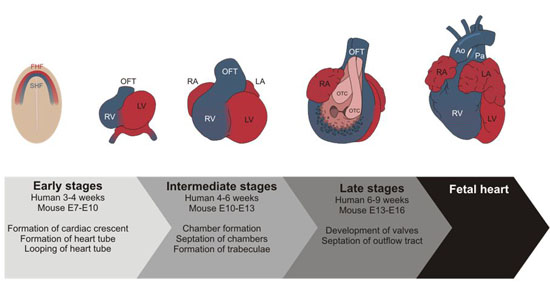
Lars Allan Larsen is a Professor in the Department of Cellular and Molecular Medicine at the University of Copenhagen's Faculty of Health and Medical Sciences. His research focuses on the genetic and functional aspects of human embryonic development, with particular emphasis on cardiac development and congenital heart disease (CHD). He leads research investigating the molecular mechanisms underlying birth defects and collaborates extensively with clinical departments and research groups across Copenhagen. His primary research interests include molecular genetics, genomics, heart development, congenital heart disease, cardiomyogenesis, stem cells, and primary cilium biology. Lars explores how cellular signaling networks like Hedgehog, WNT, and TGF-beta pathways coordinate heart development, with special attention to how disruptions in these pathways lead to congenital malformations. His work spans from basic molecular mechanisms to potential clinical applications for early diagnosis and prevention of CHD. Analysis of his recent publications (2023-2024) reveals a strong focus on genetic variants associated with congenital heart disease, cilia-related disorders, and developmental pathways. His research increasingly integrates genomic strategies with functional assays in cell models and zebrafish to understand disease mechanisms. A notable trend is the exploration of primary cilium function in embryonic development across multiple organ systems. Member of Research Council, Danish Heart Association (2014-2019) Lars Allan Larsen maintains active collaborations with Prof. Vibeke Hjortdal and Prof. Henning Bundgaard at Copenhagen University Hospital for congenital heart disease research, with the Cilia Group at the Department of Biology for primary cilium studies, and with Dr. Karen Grønskov for eye development and disease research. His laboratory investigates genetic factors in families with multiple CHD cases using genomic sequencing and functional validation approaches. Current projects include studying the role of primary cilia in cardiac development and investigating genetic causes of structural heart defects across diverse populations.
Judy A. Estroff is a leading researcher at Boston Children's Hospital specializing in fetal imaging and prenatal diagnosis of congenital abnormalities. Her work bridges radiology, genetics, and neonatology to improve clinical outcomes through advanced ultrasound and MRI techniques. Her educational background includes: Undergraduate: University of Michigan (1973) Medical School: University of California, San Francisco (1981) Internship: Pediatrics at University of California Medical Center, San Francisco (1982) Residency: Diagnostic Radiology at Mount Zion Hospital & Medical Center, San Francisco (1985) Fellowship: Pediatric Radiology at Boston Children's Hospital (1987) Dr. Estroff's research focuses on correlating prenatal imaging findings with postnatal outcomes for fetal abnormalities. She investigates critical questions about which ultrasound features require amniocentesis or intervention versus those associated with normal development. Her work spans fetal brain development, congenital heart defects, craniofacial anomalies, and renal abnormalities, employing advanced techniques including 3 Tesla MRI and machine learning for movement analysis. She has developed predictive models for conditions like Robin sequence and ventriculomegaly, significantly impacting prenatal counseling protocols. Analysis of her 2023-2025 publications reveals three dominant trends: (1) refinement of fetal MRI safety parameters at 3 Tesla for clinical adoption, (2) identification of neuroimaging biomarkers linking structural anomalies to neurodevelopmental outcomes, and (3) development of machine learning tools for quantitative fetal movement assessment. Her work increasingly integrates genetic diagnostics with imaging findings, particularly for conditions like heterotaxy syndrome and cleft palate variants. No scientific awards were mentioned in the source material. While student advising details weren't provided, her extensive publication record across radiology, genetics, and neonatology journals suggests significant mentorship activity. The absence of grant information in the source material prevents commentary on funding sources, though her 38-year publication history indicates sustained research support. Her work directly informs clinical protocols at Boston Children's Hospital for prenatal diagnosis and intervention planning.
Minkui Luo is a Professor in the Department of Pharmacology at Weill Cornell Medicine's Graduate School of Medical Sciences and a member of the Chemical Biology Program at Memorial Sloan Kettering Cancer Center. His laboratory develops cutting-edge chemical tools to study epigenetic regulation and designs inhibitors for cancer therapies, with research spanning chemical biology, biochemistry, and molecular biology. Education: BS, Fudan University PhD, Princeton University Dr. Luo's research focuses on the interface of chemistry and biology, particularly in epigenetics. His laboratory develops novel chemical tools to study protein methyltransferases and their roles in epigenetic regulation, with emphasis on understanding how dysregulation of these processes contributes to diseases like cancer. Current research programs target epigenetic writers (PMTs), readers (Rme/Kme effectors), and erasers (demethylases), with particular focus on noncanonical histone methylation, protein homeostasis, and transcription plasticity in the context of metastatic cancer, cell differentiation, and neural diseases. The lab employs integrated approaches combining chemical synthesis, biochemical assays, and biological validation to bridge technology gaps in epigenetic research. Analysis of Dr. Luo's recent publications reveals a strong focus on epigenetic regulation in cancer through protein methylation processes. His work combines chemical biology, structural biology, and biochemistry to develop tools for studying epigenetic mechanisms and to design targeted inhibitors. Key themes include understanding conformational dynamics of protein methyltransferases (particularly SETD8), developing chemical probes for specific epigenetic targets like CARM1, and exploring therapeutic potential of targeting epigenetic processes in cancer. His research demonstrates a consistent trajectory toward developing precision chemical tools to dissect complex epigenetic networks. Scientific Awards: Maximizing Investigators' Research Award (R35), NIGMS/NIH (2019) Eli Lilly Award in Biological Chemistry, American Chemical Society (2015) Clinical & Translational Science Center Novel Award, Weill Cornell Medical College (2014) Basil O'Connor Starter Scholar, March of Dimes Birth Defects Foundation (2011) Director's New Innovator Award, National Institutes of Health (2010) Alfred W. Bressler Scholar (2010) The V Scholar Award, V Foundation for Cancer Research (2009) Dr. Luo leads an active research laboratory with multiple graduate students, postdoctoral fellows, and research technicians. His lab is supported by significant grant funding including the Maximizing Investigators' Research Award from NIGMS/NIH. The laboratory maintains extensive collaborations with structural biologists, computational biologists, cancer biologists, and physicians to develop integrated approaches for studying epigenetic biology and developing cancer therapies. The Luo Lab actively recruits graduate students through the Tri-Institutional PhD Program in Chemical Biology and accepts postdoctoral candidates with backgrounds in biochemistry, organic synthesis, or molecular biology. The Luo Laboratory operates within the Chemical Biology Program and Center for Experimental Therapeutics at Memorial Sloan Kettering Cancer Center. The lab maintains strong affiliations with the Tri-Institutional PhD Program in Chemical Biology and the Gerstner Sloan Kettering Graduate School of Biomedical Sciences, providing comprehensive training opportunities for students across these programs. The research environment emphasizes collaboration between researchers with expertise in chemistry, biochemistry, and biology to develop unprecedented chemical reagents for biological discovery, elucidate disease-causing mechanisms with molecular details, and explore novel treatments against cancer.
Bryan C. Bjork, Ph.D. is an Associate Professor of Biochemistry and Molecular Genetics at Midwestern University with cross-appointments in the Chicago College of Optometry, College of Graduate Studies, College of Health Sciences-Downers Grove, and College of Dental Medicine-Illinois. He has been at Midwestern University since 2011, earning tenure in 2017 and promotion to Associate Professor in 2018. Dr. Bjork's educational background includes: Ph.D. in Biochemistry from the University of Iowa (2001) B.A. from Augustana College (IL) (1994) Postdoctoral Fellowship in Genetics at Brigham & Women's Hospital/Harvard Medical School (2001-2011) His research program focuses on the etiology of human and mouse craniofacial birth defects, with particular emphasis on developmental and molecular characterization of cleft palate in mouse mutants for transcription factors Prdm16 and Mecom. Dr. Bjork utilizes advanced techniques including mouse mutagenesis, uCT scanning for morphometric analysis of craniofacial structures, and CRISPR-Cas9 technology. His work bridges basic science with clinical applications, investigating how genetic mutations lead to congenital anomalies in craniofacial and ear development. He collaborates with researchers in Anatomy to study inner and middle ear defects and cranial bone variations. Dr. Bjork's publication record demonstrates a consistent focus on developmental genetics and craniofacial biology, with recent work examining PRDM16's role in cochlear development and neural progenitor progression. His earlier publications also include significant contributions to interprofessional education, developing innovative approaches to improve collaboration between future healthcare professionals. Dr. Bjork actively mentors students across multiple programs including the Master of Arts in Biomedical Sciences (M.A.) and Master of Biomedical Sciences (M.B.S.) programs. His research is supported by Midwestern University intramural funding, specifically the grant "Prdm16 and Prdm3 Functions in Mouse Embryonic Craniofacial Cartilage and Bone Development Impact Normal Mandible and Palate Development." He teaches a wide range of biochemistry and genetics courses across Midwestern University's health science programs, including for Physician Assistant, Biomedical Sciences, Precision Medicine, Pharmacy, Osteopathic Medicine, and Dental Medicine students. His teaching philosophy emphasizes critical thinking and interprofessional collaboration.
Professor Gordon Smith is Head of the Department of Obstetrics and Gynaecology at the University of Cambridge, School of Clinical Medicine. His research focuses on maternal-fetal medicine, reproductive health, and perinatal epidemiology. Professor of Obstetrics and Gynaecology, University of Cambridge (2001-present) Head of Department of Obstetrics and Gynaecology (2004-present) Honorary Consultant in Maternal-Fetal Medicine, Addenbrooke’s NHS Trust (2001-present) Research Themes : Control of myometrial contractility, fetal maturation at birth, statistical modeling for adverse pregnancy outcomes. His work integrates epidemiological analysis, molecular biology, and clinical intervention studies to address stillbirths, preterm birth, and placental dysfunction. Scientific Contributions : He pioneered population-based studies on stillbirth risk factors and cesarean section outcomes. His research on placental biomarkers (sFLT1, PlGF) and metabolomic predictors has informed international clinical guidelines. He leads interdisciplinary initiatives through Cambridge Reproduction, focusing on fetal growth restriction and maternal cardiovascular risks. Fellow of the Academy of Medical Sciences (2010) Wellcome Advanced Clinical Training Fellowship (1996-1999) Wellcome Clinical Training Fellowship (1992-1993) Education : PhD, University of Glasgow (2001); DSc, University of Glasgow (2012); MB ChB, University of Glasgow (1990). His academic foundation includes physiology training and sub-specialization in maternal-fetal medicine.
Amy H. Herring is Sara and Charles Ayres Distinguished Professor of Statistical Science at Duke University, with joint appointments in Global Health and Biostatistics. Her research develops Bayesian methods for complex data structures including environmental mixtures, longitudinal data, and correlated outcomes, with applications in maternal/child health. Research focuses on: Health effects of environmental contaminant mixtures Statistical learning for high-dimensional data Reproductive and perinatal epidemiology Causal inference methods Current NIH-funded projects examine air pollution impacts on pulmonary inflammation, flame retardant effects on thyroid function, and early-life chemical exposures. Recent methodological work addresses power analysis for mixture studies and bias adjustment in birth defects research. Major honors: University of Cambridge Armitage Lecturer (2023) Janet L. Norwood Award (2019) Lagakos Distinguished Alumni Award (2018) As Dean of Natural Sciences, oversees interdisciplinary research initiatives bridging statistics, environmental science, and public health.
Dr. Thierry Savin is a University Associate Professor in Bioengineering at the University of Cambridge Department of Engineering and a Fellow at Jesus College. His research focuses on the Dynamics of Living Matter , integrating experimental and theoretical approaches in biophysics and soft matter physics. Education BS in Physics, Université Paris Diderot MS in Biophysics, École Normale Supérieure and Institut Pasteur PhD in Chemical Engineering, Massachusetts Institute of Technology Research Interests span the mechanics of cancer growth and invasion , birth defects in embryonic development , and disease-altered blood flow dynamics . His group combines microfluidics , rheometry , and computational modeling to study physical forces in biological systems. Scientific Awards EPSRC Research Grant (2018) Isaac Newton Trust Early Career Award (2015) Students include Zuheir Zaidon (Single cell friction), Aude Mulard (Tissue growth modeling), and Caroline Giuglaris (Phase field simulations). Collaborators include Prof. L. Mahadevan (Harvard) and Dr. Hans Christian Öttinger (ETH Zürich). Teaching responsibilities include courses in Cambridge Engineering Mathematical Biology and Biomaterials.
Dr Mustafa Hussein Ajlan Al-jarshawi is an Honorary Research Fellow at the Peninsula Medical School (University of Plymouth) . His academic career integrates clinical practice and medical education research, with affiliations including the University of Baghdad, University of Leicester, and Queen Mary University of London. MBChB (1st class honours, University of Baghdad, 2020) PLAB, General Medical Council, UK (2021) MSc Clinical Education (distinction, University of Leicester, 2022) NIHR-funded MSc Clinical Research (University of Plymouth, 2023) His research focuses on Medical Education (curriculum design, simulation, digital tools) and Cardiovascular Diseases (hypertension, diabetes, cardiovascular structure). Recent publications highlight innovations in medical teaching, clinical ethics, and cardiovascular risk factors. Scientific awards include the TEL Special Group Communication Prize (2023) and Shine Awards 'rising star' recognition (2023) . He has served as an OSCE Examiner for multiple UK medical programs and holds memberships at the Royal Colleges of Physicians (UK) and General Medical Council (UK) .