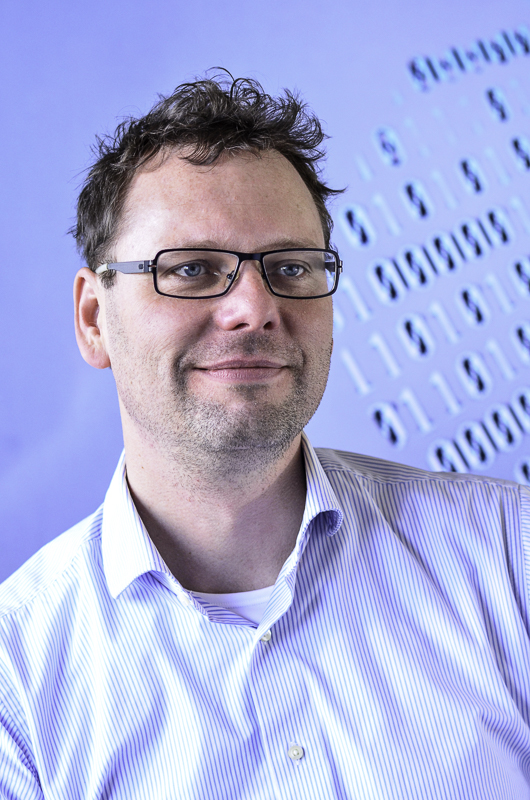
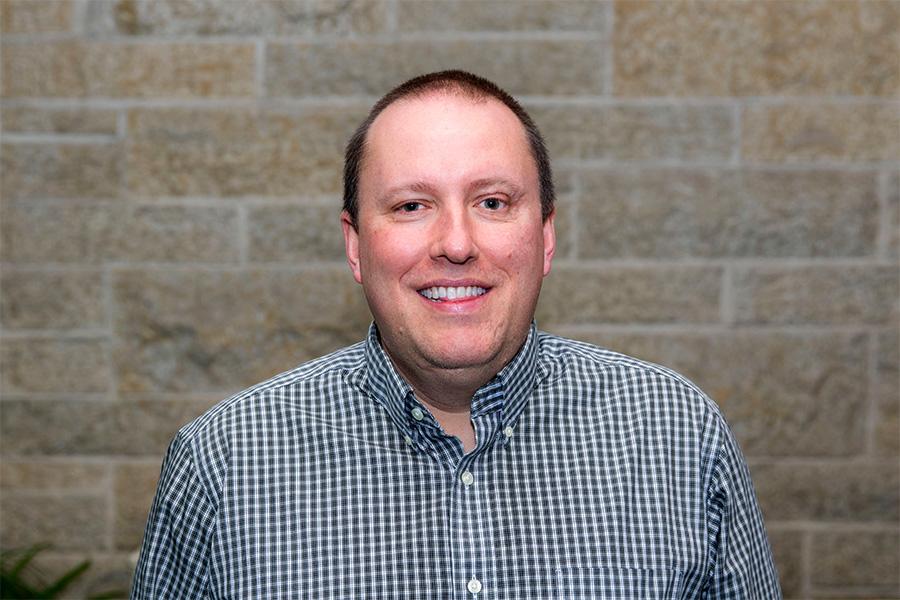
Dr. Christian Panse is the Unit Head of Computational Mass Spectrometry at the Functional Genomics Center Zurich , ETH Zurich. His work spans bioinformatics, data processing, and visualization in proteomics, with a focus on method development and software engineering. Research Interests: Christian Panse specializes in proteomics and computational mass spectrometry , developing tools like prolfqua and rawrr for quantitative proteomics analysis. His research addresses standardization in proteomics core facilities and cross-resource data comparison. Recent work includes harmonizing quality controls across proteomics laboratories Creating user-friendly R packages for differential expression analysis Advancing fragmentation techniques for post-translational modification studies Publications Trends: His articles emphasize proteomics data reliability , software tools , and method validation in mass spectrometry. Collaborations with institutions like the Core for Life alliance highlight his role in community-driven standardization efforts.
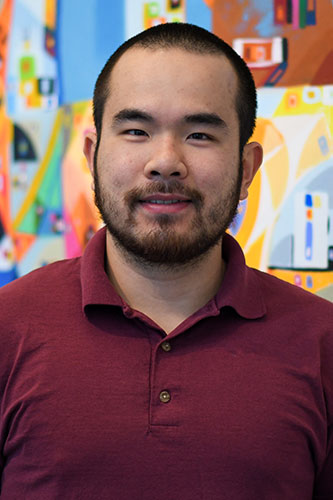
Chao Sun is an Associate Professor affiliated with multiple departments at Aarhus University , including the Department of Molecular Biology and Genetics, DANDRITE, the Interdisciplinary Nanoscience Center (INANO-MBG), and the Department of Biomedicine. His research integrates neurobiology , molecular cell biology , and nanotechnology , focusing on proteostasis, synaptic regulation, and advanced imaging techniques. PhD in Chemistry from Cornell University (2013-2018) Research interests include: Cellular neurobiology Proteostasis and protein turnover Super-resolution microscopy applications Proteomics of neuronal compartments Synaptic biology and plasticity Article trends reveal expertise in: Proteasome dynamics in synapses Multi-omics approaches to subcellular protein synthesis Single-molecule imaging in synaptic contexts Quantitative analysis of neuronal protein turnover Collaborations include leading researchers like Poul Nissen and Erin Schuman, with publications in high-impact journals such as Science and Current Opinion in Neurobiology . His work bridges molecular neuroscience with cutting-edge nanoscale imaging technologies.
Dr. Daniel Tward is an Assistant Professor at the University of California, Los Angeles (UCLA), holding joint appointments in the Department of Neurology and the Department of Computational Medicine. He earned his Ph.D. in Biomedical Engineering from Johns Hopkins University and completed postdoctoral training at the Kavli Neuroscience Discovery Institute. His research integrates neuroimaging, machine learning, and differential geometry to analyze brain structure changes in neurodegenerative diseases like Alzheimer's, with a focus on bridging molecular pathology and clinical imaging. Research Interests: Dr. Tward's work addresses challenges in neuroimaging data complexity, developing computational tools to map brain anatomy across scales (from centimeters to microns). Key areas include neurodegeneration in the medial temporal lobe, multi-modal image registration, and spatial transcriptomics. His lab emphasizes high-dimensional statistics and geometry-driven analysis to improve diagnostic accuracy and clinical trial design. Grants & Projects: Secured NIH funding for: A 3D multimodal human brain atlas integrating MRI and histology. CloudReg—a distributed framework for massive neuroimage registration. Contributions to the BRAIN Initiative Cell Census Network (BICCN) for mouse/rat brain atlases. Students & Training: Mentors undergraduate researchers via the BIG Summer program, with projects on neural networks, spatial transcriptomics, and MRI analysis. No PhD/Master's advisees listed.

Mirela Alistar is an Assistant Professor at the ATLAS Institute and the Department of Computer Science at the University of Colorado Boulder. She leads the Living Matter Lab , focusing on cyber-physical systems based on biochips to revolutionize healthcare diagnostics. Her interdisciplinary work bridges computer science, engineering, biotechnology, and bioart. Education : PhD in Embedded Systems Engineering (2010-2014, Technical University of Denmark), Postdoc in Human-Computer Interaction (2015-2018, Hasso Plattner Institute). Her research advances digital microfluidics and fault-tolerant biochips , enabling at-home diagnostic tools like OpenDrop . She also explores bioart through installations such as Semina Aeternitatis and Perfume Distillation Machine . She co-founded >top , a Berlin-based art & science project space, and advises startups digi.bio and bold.health . Her UIST'16 Honorable Mention Award highlights her innovative contributions. The Living Matter Lab under her leadership investigates interactive biodesign , combining technical precision with creative exploration of living systems.
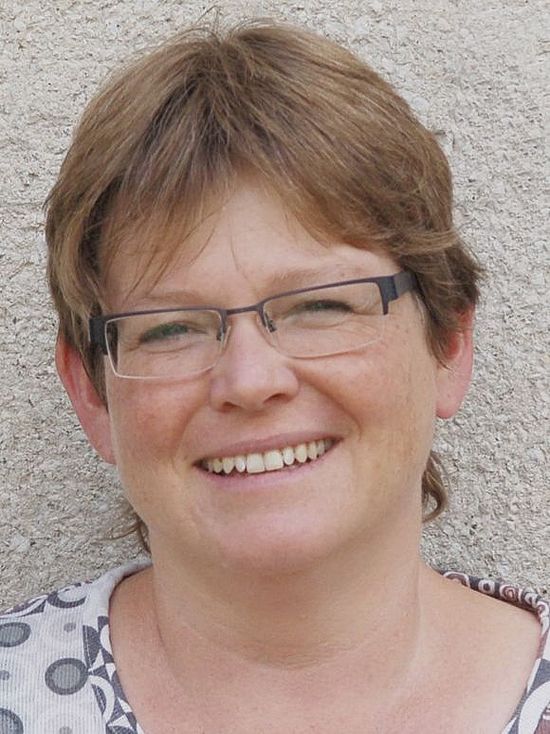
Karin Dorman is a Professor in the Roy J. Carver Department of Biochemistry, Biophysics and Molecular Biology at Iowa State University, where she conducts interdisciplinary research at the intersection of computational methods and biological systems. Her work bridges bioinformatics algorithm development with investigations into immune signaling pathways and stem cell biology. Her educational background includes: PhD in 2001 from the University of California, Los Angeles B.S. in 1994 from Indiana University, Bloomington Dr. Dorman's research focuses on bioinformatics, computational biology, and molecular genetics, with significant contributions to genomic analysis methods and immunological mechanisms. She develops computational tools like MULTICLUST for population genetics and CAPG for polyploid genotyping, while investigating NOD1-dependent NF-kB signaling in hematopoietic stem cell specification. Her work on antimicrobial resistance prediction models bridges veterinary and human health through One Health frameworks. Analysis of her 2022-2025 publications reveals dual methodological and biological emphases: (1) innovative bioinformatics tools for genotyping, epigenomics, and microbiome analysis; (2) mechanistic insights into inflammatory signaling dynamics in stem cell development. This integration of computational and experimental approaches characterizes her interdisciplinary research program. No scientific awards are documented in the provided information. While specific advisees aren't listed in available materials, Dr. Dorman contributes to graduate education through Iowa State's Bioinformatics and Computational Biology Program. Her collaborative work with researchers like Ambuj Kumar and Robert Jernigan demonstrates active engagement in interdisciplinary teams focused on protein interactions and genomic analysis.
Ana Lucic is an Assistant Professor in Artificial Intelligence at the University of Amsterdam , with a joint appointment between the Institute for Logic, Language and Computation and the Informatics Institute . Her research focuses on interpretable machine learning applications for scientific discovery and societal impact. Formerly at Microsoft Research AI for Science and Partnership on AI PhD in Explainable Machine Learning from University of Amsterdam (2022) BSc/MSc in Mathematics from McMaster University Research Highlights: Develops mechanistic interpretability methods for deep learning architectures. Created Aurora , a foundation model for Earth system forecasting outperforming traditional operational models in air quality prediction and tropical cyclone tracking. Pioneers Clifford-Steerable CNNs for geophysical data analysis. Actively hiring PhD students for AI transparency research . Collaborative Networks: Contributions to ELLIS Summer School and ICML workshops . Collaborates with Microsoft Research AI for Science team on climate-related ML projects. Involved in organizing TerraBytes workshop at ICML 2025. Recent Advancements: Key role in publishing Aurora model in Nature (2025), demonstrating superior performance in Earth system forecasting. Supervises Ege Erdogan , new PhD student focused on mechanistic interpretability. Actively contributes to open-source AI development through GitHub repositories and technical discussions.
Dr. Niloofar Alaei Kakhki is a researcher at the State Museum of Natural History Stuttgart , specializing in bioinformatics and data analysis within biodiversity monitoring. Her research focuses on evolutionary biology, particularly speciation and phenotypic diversification, using birds as model organisms. Key projects: Bunting Zone (species boundaries in birds), Convergent evolution in songbirds , and Invasive species success Her work investigates the interplay of hybridization, gene flow, and evolutionary forces in species diversification. Publications highlight phylogenomic analyses of open-habitat birds, plumage color evolution, and biogeographic patterns. Recent research trends include: Phylogenetic relationships in avian species complexes Genomic mechanisms of convergent evolution Role of climate niche modeling in speciation history Comparative studies of mitochondrial DNA divergence
Monika Maurhofer is a Professor at the Department of Environmental Systems Science, ETH Zurich , specializing in multitrophic interactions within the rhizosphere. Her research bridges plant pathology, microbial ecology, and biological control of plant diseases and insect pests. 1988: Dipl. sc. nat., ETH Zurich 1993: Dr. sc. nat., ETH Zurich Research focuses on biocontrol pseudomonads and their molecular interactions with plants, fungi, and insects. Key projects include: Understanding Pseudomonas protegens mechanisms in rhizosphere colonization Comparative genomics of entomopathogenic bacteria Developing disease-suppressive compost diagnostics Investigating microbial consortia for pest control 2024-2025 publications highlight her work on entomopathogenic pseudomonads and nematode-bacteria symbiosis , with applications in sustainable agriculture. She received the Golden Owl Award for teaching excellence in 2014 and 2017. Current collaborations include Syngenta Crop Protection and interdisciplinary teams at University of Zurich and University of Basel.
Dr. Mustafa Demir serves as an Associate Research Scientist at Arizona State University's Biodesign Center for Applied Structural Discovery and Faculty Associate in the Ira A. Fulton Schools of Engineering. His interdisciplinary work integrates cognitive science and engineering to optimize human-AI collaborative systems across healthcare, transportation, and defense domains through human-centered design principles. Education: Ph.D. in Simulation, Modeling, and Applied Cognitive Science, Arizona State University (2017) Dr. Demir's research centers on human-machine teaming dynamics, employing advanced statistical and nonlinear dynamical systems modeling. His expertise includes quantum cognitive approaches to decision-making, team cognition analysis, and machine learning applications for real-time physiological monitoring. Current projects focus on AI-powered stress management tools, curiosity-driven STEM education systems, and human-autonomy coordination in driving and command environments using eye-tracking and biometric sensing. Analysis of his 2023-2025 publications reveals methodological innovation in dynamical systems analysis (DSA Toolbox) and quantum probability modeling applied to trust calibration in autonomous vehicles, educational technology, and digital health interventions. His work consistently bridges theoretical modeling with real-world implementation in complex sociotechnical systems. Dr. Demir mentors students in cognitive engineering and applied data science while leading multi-institutional research initiatives funded by NSF, AFRL, and DARPA. His grant portfolio supports experimental work across simulated and operational environments including remotely piloted aircraft systems and urban search-and-rescue scenarios. He contributes to the Biodesign Center for Applied Structural Discovery and HLA-Inception research group, developing computational models of team interaction and adaptive AI systems for healthcare and education applications.
Bonnie Berger is a Professor of Applied Mathematics at the Massachusetts Institute of Technology (MIT), with a joint appointment in Computer Science in the Department of Electrical Engineering and Computer Science (EECS). She leads the Computation and Biology group and is part of the Theory of Computation group at MIT's CSAIL. Her research focuses on computational biology, algorithms, and their applications to molecular biology. She has pioneered work in computational molecular biology, influencing the field through her mentorship of students and collaborations. Her academic roles include Vice President of the International Society for Computational Biology (ISCB), Head of the RECOMB steering committee, and membership on the NIGMS Advisory Council. Berger has received numerous awards, including membership in the American Academy of Arts and Sciences, the NIH Margaret Pittman Award, and an Honorary Doctorate from EPFL. Her current projects include developing algorithms for metagenomic binning, context-aware functional genomics, and secure federated genomic analysis using frameworks like Sequre and SCA. She also leads research on protein structure prediction, privacy-preserving data analysis, and single-cell transcriptomics integration with tools like Scanorama and CryoDRGN. Berger’s research bridges computational methods with biological insights, addressing challenges in health care, disease genetics, and data privacy. Her labs and collaborative efforts emphasize interdisciplinary approaches to solving complex biological questions through advanced computational techniques.
Dr. Stefan Bidula is a Lecturer in Pharmacology at the University of East Anglia's School of Chemistry, Pharmacy and Pharmacology, and a member of the Pathogen Biology Group. His research focuses on antifungal immunity, drug discovery targeting fungal pathogens, and understanding mechanisms of host-microbe interactions. He holds a BSc (Hons) in Genetics and Molecular Biology and a PhD in Biomedical Sciences from the University of East Anglia. Education: BSc (Hons) Genetics and Molecular Biology, University of East Anglia (2008–2011) PhD in Biomedical Sciences, University of East Anglia (2011–2015) Research Interests: Dr. Bidula investigates novel drug targets to combat antifungal resistance, the role of purinergic receptors in immune responses, and the structural biology of nucleic acids (e.g., G-quadruplexes) in pathogenesis. His work integrates biophysics, chemical biology, and bioinformatics to explore mechanisms of fungal detection and inflammation-driven diseases. Grants & Projects: Targeting G-quadruplexes to modulate secondary metabolite production in Aspergillus spp. (2023–2026) Spectroscopic and synthetic facilities for supramolecular and macromolecular systems (2025–2026) Discovery of novel secondary metabolites from marine organisms (2023–2025) Labs & Collaborations: Collaborates on projects involving microbial genomics, cardiovascular biology, and immunology. Part of the Pathogen Biology Group and engaged in interdisciplinary research across pharmacology, microbiology, and structural biology.
Kyongbum Lee is the Karol Family Professor and Dean of Engineering at Tufts University School of Engineering, where he also serves as Professor in the Department of Chemical and Biological Engineering. His research integrates metabolic engineering, tissue engineering, and systems biology to study cellular metabolism and develop technologies for biomedical applications. Dr. Lee directs a laboratory focused on host-microbe interactions, cell-based bioprocesses, and metabolic regulation in diseases like obesity. Education Ph.D., Massachusetts Institute of Technology, 2002 B.S., Stanford University, 1995 Research Focus Dr. Lee's group employs systems approaches combining experimental and computational methods to investigate how metabolites regulate cellular communication. Current projects examine gut microbiome interactions, metabolic flux in engineered tissues, and development of therapeutic strategies targeting metabolic disorders. The lab specializes in bioreactor systems, metabolomic profiling, and mechanistic studies of metabolite signaling pathways. Publication Trends Recent publications emphasize gut microbiota metabolism, microbial metabolite therapeutics, and engineered tissue models. Work consistently demonstrates translational focus—from computational prediction of metabolic pathways (e.g., flavonoid biotransformation algorithms) to preclinical validation of microbial metabolites in disease models (e.g., steatosis reduction via indole derivatives). Recurring themes include nuclear receptor modulation, HDAC/IFN-γ pathway regulation, and high-throughput screening platforms. Awards Karol Family Professorship (endowed position recognizing scholarly excellence) Research Operations The laboratory actively recruits postdoctoral researchers and graduate students through Tufts' Chemical and Biological Engineering program. Current projects are supported by specialized infrastructure for metabolomics, bioreactor systems, and 3D tissue culture. The team emphasizes interdisciplinary collaboration, particularly at the interface of engineering, microbiology, and translational medicine.
Dr. Jennifer Gerke is a Researcher at the Institute of Organic Chemistry within the Faculty of Natural Sciences at Leibniz University Hannover. Her work focuses on microbial secondary metabolism, fungal development, and synthetic biology. She leads research in the Synthetic Biology Group and contributes to interdisciplinary projects in organic chemistry and molecular biology. Her research explores mechanisms of fungal adaptation, including secondary metabolite regulation, transcription factor networks, and plant-microbe interactions. Recent studies highlight novel biosynthetic pathways, pathogen virulence mechanisms, and applications in biotechnology such as fragrance production in yeast. Key contributions include discoveries in tropolone biosynthesis, velvet domain protein functions, and the role of Hülle cells in fungal survival. Her work bridges fundamental research with applied biotechnology, addressing topics from antibiotic discovery to metabolic engineering.
Sean McKenna is a Professor and Associate Dean (Programs) in the Department of Chemistry at the University of Manitoba, Faculty of Science. His research focuses on RNA-protein interactions in biological systems, combining biochemistry, structural biology, and molecular biology. He leads the McKenna Lab, investigating non-coding RNA roles in cancer and immune responses to viral infections. Key projects include studying BC200 long non-coding RNA in tumors and the regulation of 2'-5'-oligoadenylate synthetases in viral defense. His work is supported by grants from NSERC and CIHR. McKenna has supervised over 50 students and postdocs, many now in academic and industry roles. He co-launched White Otter Biotech, advancing environmental DNA/RNA monitoring. His lab recently renovated, now housing collaborations with the Ripstein group. Education: PhD (Biochemistry, University of Alberta), Postdoc (Stanford University), BSc (Queen's University). Awards include NSERC Discovery Grants, CIHR funding, and early-career accolades. Research spans RNA dynamics, cancer biology, and viral immunology. Research Highlights: Non-coding RNA BC200’s role in tumor proliferation 2'-5'-OAS enzymes in antiviral immunity SRP9/SRP14 regulation of Alu RNA Recent Publications: Over 70 articles, including work on Alu RNA mechanisms (RNA Biology, 2024) and BC200 processing (RNA Journal, 2024). Awards: NSERC (2024), CIHR (2020), Jamieson Scholarship (2021). Lab & Collaborations: McKenna-Ripstein lab merger (2024), White Otter Biotech (DNA/RNA biodiversity tech).
Dr. Hy Truong Son is an Assistant Professor in the Department of Computer Science at the University of Alabama at Birmingham (UAB), affiliated with the College of Arts and Sciences. He holds a Ph.D. in Computer Science from the University of Chicago and has prior experience as a Lecturer and Postdoctoral Fellow at the Halicioglu Data Science Institute, UC San Diego. His research focuses on AI-driven solutions for science and engineering, particularly deep learning applications in drug discovery, repurposing, and biomedical problem-solving through his HySonLab group. Dr. Son’s educational background includes a Ph.D. from the University of Chicago, emphasizing foundational training in computer science. His postdoctoral work at UC San Diego further solidified his expertise in data science and interdisciplinary AI applications. Research interests span AI for drug discovery, generative AI, multimodal learning, and healthcare technologies. His lab’s work integrates AI with molecular biology, medical imaging, and wearable sensor data to address challenges in precision medicine and environmental science. Notable projects include DrugPipe for drug repurposing and SilVar-Med for explainable medical imaging analysis. His recent publications highlight advancements in generative models, speech synthesis, protein design, and scalable graph neural networks. These works reflect a focus on bridging AI with real-world biomedical and engineering applications. While no awards are explicitly listed, his prolific publication record and active lab indicate significant contributions to the field. He advises students and engineers in his team, fostering collaborative research environments. Ongoing projects include wearable device datasets for mental health and multimodal biomedical knowledge graph development. Dr. Son’s HySonLab group emphasizes translational research, aiming to deploy AI solutions in clinical and scientific settings. Current efforts include optimizing molecular interactions via large language models and enhancing drug discovery pipelines through interdisciplinary computational methods.