Francis Berthias is an academic staff member in the Department of Biochemistry and Molecular Biology at the University of Southern Denmark , specializing in Biomedical Mass Spectrometry and Systems Biology . His research focuses on advanced mass spectrometry techniques and structural analysis of biomolecules. Research Interests: Mass Spectrometry, Ion Mobility Spectrometry, Proteomics, Structural Biology, Biochemistry, and Analytical Chemistry. His recent publications (2022–2025) emphasize ion mobility separations , proteoform sequencing , and enzyme specificity . Collaborations span Denmark, Germany, and international institutions, with a focus on N-methylhistidine modifications , therapeutic antibodies , and peptide epimer analysis . Keywords: Biochemistry, Mass Spectrometry, Proteomics, Structural Biology, Analytical Chemistry, Molecular Biology.
Professor Peter Højrup is affiliated with the Department of Biochemistry and Molecular Biology at the University of Southern Denmark, focusing on protein structure and function through advanced biochemical techniques such as mass spectrometry and chemical cross-linking. His research spans biomedical mass spectrometry, systems biology, and proteomics, with a particular emphasis on endoplasmic reticulum proteins like calreticulin and calnexin. Education: PhD in Molecular Biology (1986, Odense University), MSc in Molecular Biology (major) and Chemistry (minor) (1982, University of Aarhus) His research interests include: Developing methods for determining protein 3D structures and interactions via chemical cross-linking and mass spectrometry. Fast glycosylation analysis of immunoglobulins and cancer markers. De novo proteomics of fish mucus proteins. The articles highlight trends in mass spectrometry applications, structural biology, and glycosylation studies, with recent work on SARS-CoV-2 epitope mapping, therapeutic antibody characterization, and host cell protein quantitation. Supervision includes training postdocs, PhD, MSc, and BSc students, though specific student names are not provided.
Dr. Mario Wriedt is an Associate Professor of Chemistry and Biochemistry at the University of Texas at Dallas (UTD), where he holds the Francis S. and Maurine G. Johnson Chair. His research focuses on designing and characterizing metal-organic frameworks (MOFs) and porous organic polymers (POPs) for applications in energy, health, and environmental challenges. Education: Bachelor's, Master's, and Doctoral degrees in Chemistry from Christian-Albrecht University of Kiel (Germany); postdoctoral work at Texas A&M University Research Interests include: Structure-property relationships of porous materials via X-ray diffraction Tailoring MOFs/POPs for water harvesting from low-humidity environments Carbon dioxide capture and sequestration Pollutant removal from water Viral genome detection Drug delivery systems Collaborations & Funding : Research supported by the Department of Defense, National Science Foundation, Estée Lauder Companies (advanced skincare), and Corning Inc. (smart-glass materials). He organizes national crystallography workshops and mentors graduate/undergraduate students using cutting-edge instrumentation like the Bruker Venture X-ray diffractometer. Awards : Kodak CAMP Distinguished Professor
Timo Laaksonen is a Professor of Pharmaceutical Nanotechnology at the Faculty of Pharmacy, University of Helsinki , Finland. His research spans biomaterials, photo-activated systems, and controlled drug release mechanisms, with a focus on nanocellulose applications and photon upconversion technologies. Doctor of Science (Technology), Helsinki University of Technology (2007) Master of Science (Technology), Helsinki University of Technology (2002) Docent, University of Helsinki (2010) Research interests include: Utilizing nanofibrillar cellulose for sustained drug delivery Developing light-responsive hydrogels via triplet energy transfer Advancing photon upconversion for low-power drug release Modeling drug release kinetics from nanomaterials His recent publications highlight trends in DNA origami nanocarriers , liposomal photorelease , and 3D-printable hydrogels , blending nanophotonics and biomaterials engineering . Awards include the Young Researcher's Award 2012 and Gust. Komppa Prize 2008 for his doctoral thesis. He supervises doctoral research and leads projects like Bioblocks (Foundation for Pharmaceutical Sciences) and TARDIS (Academy of Finland).
Professor Christopher Howe is a Professor of Plant and Microbial Biochemistry at the Department of Biochemistry, University of Cambridge . He has been a Fellow of the College since 1983 and currently serves as its President . He directs studies in Preclinical Medicine , teaching Biochemistry to first-year medical students. Research Interests : Photosynthesis biochemistry and evolution Biotechnological applications of photosynthetic organisms (e.g., algae for electricity production) Plasmodium's photosynthetic ancestry and remnant chloroplast Evolutionary analysis of non-biological systems like manuscripts Coral bleaching and dinoflagellate-coral symbiosis Article Trends : Focus on cyanobacteria, dinoflagellates, and Plasmodium Biophotovoltaic systems and sustainable energy Phylogenetic methods in biological and cultural evolution Scientific Awards : Fellow of the American Academy of Microbiology (2017) Advising and Collaborations : Supervises graduate students in the Howe Group Collaborates with academic and commercial partners (Anaero Technology, LEITAT, Spireat) Labs & Teams : Leads the Howe Group at the Department of Biochemistry Co-leads the BEST Project for biophotovoltaic systems Works with 3D organotypic cultures and biophotoelectrochemistry
Julian Sale is a Professor at the University of Cambridge, leading the Vertebrate Mutagenesis Group at the MRC Laboratory of Molecular Biology (MRC-LMB). His research focuses on DNA replication mechanisms and mutagenesis, particularly how cells resolve replication stress caused by DNA damage or secondary structures like G-quadruplexes. Using vertebrate somatic cell genetics combined with biochemical and advanced imaging techniques, his lab investigates translesion synthesis (TLS), histone recycling during replication, and the molecular choreography at stalled replication forks. Key findings include TLS's dual role in mutagenesis and genome stability, as well as mechanisms for resolving non-B DNA structures during replication. The lab's recent publications highlight advancements in understanding replication origin efficiency, mutational landscapes, and structural DNA impediments. Collaborative studies with colleagues such as Murat, Guilbaud, and Lerner demonstrate interdisciplinary approaches integrating biophysics, genomics, and molecular biology.
Rachel Schendel is an Assistant Professor in the Department of Animal and Food Sciences at the University of Kentucky's Martin-Gatton College of Agriculture, Food and Environment. Her research program focuses on the structural analysis of plant cell wall carbohydrates and their relationship to fermentation behavior, with applications in food ingredient development and agricultural waste utilization. Dr. Schendel's research interests include: Structural analysis of plant cell wall carbohydrates Relationship between carbohydrate structure and fermentation/digestion behavior Development of novel sources of prebiotics as food ingredients Utilization of agricultural and food processing waste products Her recent publications demonstrate a growing focus on hempseed polysaccharides, bourbon production byproducts, and mare milk composition, reflecting an expanding research portfolio that bridges traditional food chemistry with emerging agricultural applications. Her work combines advanced analytical techniques including NMR, LC-MS, and HPAEC-PAD for comprehensive structural characterization. Dr. Schendel has received recognition through two American Association of Cereal Chemists International fellowships: Endowment Fund Fellowship recipient (2013-2014) Elvira A. Tarleton Fellowship recipient (2012-2013) She serves on the Bioactives Committee of the American Association of Cereal Chemists International and is a member of the Institute of Food Technologists. Her mentoring experience includes advising eight diploma students and five bachelor thesis students during her time at Karlsruhe Institute of Technology, in addition to teaching laboratory classes in GC-MS analysis.
Professor Thomas Huber is a distinguished academic at the Australian National University's Research School of Chemistry, where he was appointed Professor in 2013 after serving as an ARC Future Fellow (2010-2014). His career spans appointments at ETH-Zurich, ANU Supercomputer Facility, University of Queensland (Mathematics and Molecular Bioscience departments), and the Research School of Chemistry. Education: Diploma of Chemistry, Technical University Munich PhD, ETH-Zurich Huber's research focuses on structural bioinformatics and computational structural biology , developing innovative tools to determine 3D structures of biological macromolecules using sparse experimental data. His work targets understanding molecular interactions fundamental to life processes and pharmaceutical intervention. Key research areas include NMR spectroscopy, protein structure determination, genetically encoded non-canonical amino acids, and paramagnetic probes for distance measurements. Analysis of his recent publications (2022-2025) reveals dominant trends in protein engineering through genetic code expansion, fluorogenic labeling techniques, and advanced NMR methodologies for probing protein dynamics and ligand binding. His work bridges computational modeling with experimental structural biology, emphasizing cost-efficient solutions for macromolecular structure determination. Scientific Awards: ARC Future Fellow (2010-2014) Huber actively supervises research students and leads multiple collaborative projects including "Protein Structure and Dynamics by Electron/Nuclear Paramagnetic Resonance" and "Non-Canonical Amino Acids for Protein Analysis." His research is supported by significant grants from the Australian Research Council, focusing on protein characterization, drug discovery platforms, and advanced spectroscopy instrumentation. He leads the Huber Group within the Research School of Chemistry, collaborating extensively with researchers like Gottfried Otting and Christian Nitsche on protein analysis and therapeutic development.
Klemens Fellner is a Professor of Mathematics/Computational Sciences and Group Leader of the Applied Analysis Group at the Institute of Mathematics and Scientific Computing, University of Graz. His research focuses on the analysis of partial differential equations and mathematical modeling across physics, chemistry, and biology. Research Interests: Prof. Fellner's work spans theoretical analysis of nonlinear PDEs (reaction-diffusion, kinetic, and non-local equations) using entropy/duality methods, with applications to: Biological systems (lipolysis, protein localization, stem-cell division) Physical processes (organic photovoltaics, semiconductor modeling) Collective behavior (swarming micro-organisms, aggregation dynamics) Interdisciplinary Mathematics-Arts collaborations Publication Trends: His recent articles (2018-2021) demonstrate strong focus on: Global existence and regularity for reaction-diffusion systems Convergence to equilibrium via entropy methods Drift-diffusion models in semiconductor physics Mathematical biology applications (prion dynamics, lipolysis) Novel approaches for non-local aggregation and hysteresis phenomena Research Leadership: Currently leads the Applied Analysis Group with members including postdocs and PhD students. Key projects: Doctoral School IGDK (International Graduate School) SFB Lipid Hydrolysis (Special Research Program) Mathematics and Arts collaborations Colibri research platform Supervises PhD candidate Reymart Lagunero studying generalized reaction-diffusion systems.
Yan Zhang is an Associate Professor in the Department of Biological Chemistry at the University of Michigan Medical School, where they lead pioneering research on CRISPR gene editing systems. Their laboratory focuses on developing and refining CRISPR-based genome editing tools, with particular emphasis on Type I CRISPR systems and the Cas3 nuclease. Dr. Zhang's research interests center on molecular mechanisms of CRISPR systems, particularly the development of compact CRISPR-Cas3 platforms for therapeutic applications. Their work has significantly advanced the understanding of how CRISPR systems can be engineered for precise genome editing, with implications for treating genetic diseases, cancer, and developing novel biotechnological tools. They have made key contributions to understanding off-switch mechanisms for CRISPR-Cas3, enabling safer and more controlled genome editing applications. Analysis of Dr. Zhang's publication record reveals a strong focus on translating basic CRISPR research into practical applications. Their work spans from fundamental molecular mechanisms of CRISPR systems to therapeutic applications in human cells, with particular emphasis on developing compact CRISPR systems that can make large DNA deletions. This research trajectory demonstrates a clear progression from basic science to translational applications, with increasing focus on therapeutic relevance in recent years. Significant media coverage across 29+ news outlets for CRISPR-Cas3 research Highlighted in Faculty Opinions Research Multiple high-impact publications in Molecular Cell, Frontiers in Microbiology, and other prestigious journals Dr. Zhang actively mentors graduate students and postdoctoral researchers, with notable advisees including Renke Tan (who completed PhD work on CRISPR-Cas3 systems) and Zhonggang Hou. Their research has been supported by multiple grants at the University of Michigan, resulting in 34 publications and 10 patents. The Zhang laboratory collaborates extensively with researchers across disciplines, including microbiologists, biochemists, and medical researchers, to advance CRISPR technology for biomedical applications. The Zhang laboratory is at the forefront of CRISPR-Cas3 research, working to develop safer and more efficient genome editing tools. Their current work focuses on refining off-switch mechanisms for CRISPR systems and developing applications for cancer treatment and genetic disease correction. The lab maintains strong collaborations with other research groups at the University of Michigan and beyond, forming a vibrant research community focused on advancing genome editing technology.
Thomas Miller is an Associate Professor in the Department of Cellular and Molecular Medicine at the University of Copenhagen, working within the Molecular Aging Program. His research focuses on understanding the molecular mechanisms that maintain eukaryotic genome stability during DNA replication using genetic, biochemical, cellular, and structural techniques, including cryo-EM. Dr. Miller's primary research interests include: Molecular mechanisms of faithful genome replication How failures in genome stability maintenance cause developmental disorders and age-related diseases The role of replisomes and accessory factors in regulating chromosome replication His current research projects specifically investigate: The mechanisms and regulation of MCM helicase loading Replication-coupled DNA-protein crosslink (DPC) repair Accessory helicases in DNA replication Electron microscopy methods development through 'Reconstitution in silico' (RECONSIL) Dr. Miller's publication record demonstrates expertise across structural biology, molecular mechanisms of DNA replication, and cryo-EM techniques. His recent work spans from fundamental studies of replisome structure and function to developing new methodologies for studying DNA replication processes. His research has significant implications for understanding developmental disorders and age-related diseases including neurodegeneration and cancer. Dr. Miller is the founder of TCRM Consulting, indicating industry engagement alongside his academic work.
Alec H. Follmer is an Assistant Professor at the University of California, Davis, appointed in 2024. His research focuses on metalloenzymology, combining structural biology, spectroscopy, biophysics, and chemical biology to study non-equilibrium dynamics in metal-containing enzymes. He leads the Follmer Lab, which develops innovative approaches for high-resolution characterization of catalytic intermediates to pioneer selective catalysis and structure-based drug discovery. His educational background includes: Ph.D. from the University of California Irvine (2014-2019) B.Sc. from the University of the Pacific (2011-2014) Dr. Follmer's research spans bioinorganic chemistry and enzyme catalysis, investigating how protein motions couple with metallocofactor electronic structures to drive enzymatic mechanisms. His lab employs XFEL crystallography, advanced spectroscopies, and biophysical methods to capture transient catalytic states, with implications for sustainable chemistry and pharmacological applications. His recent publications (2018-2024) reveal consistent focus on cytochrome P450 systems, metallocofactor dynamics, and catalytic mechanisms. Key trends include substrate binding effects, redox partner interactions, and conformational changes during catalysis, utilizing X-ray scattering, crystallography, and electron spin resonance to probe enzyme dynamics at atomic resolution. His scientific honors include: Visiting Physicist at Stanford / SLAC National Accelerator Laboratory (2025) Appointed to LCLS User Executive Committee, SLAC (2024) National Science Foundation 2026 Idea Machine Finalist – Top 33 (2020) DOE Basic Energy Sciences Early Career Network Representative (2020–2021) No information on students or research grants is provided in the source text. The Follmer Lab operates at the Chemistry building (3110 Chemistry) at UC Davis, working at the interface of bioinorganic chemistry, (bio)photocatalysis, and pharmacology to develop strategies for medical and sustainable chemistry advancements.
David R Cooper serves as an Assistant Professor of Research in the Department of Molecular Physiology and Biological Physics at the University of Virginia School of Medicine. His work focuses on developing data management systems for structural biology research, particularly in the field of X-ray crystallography. Dr. Cooper earned his BS in Biochemistry from Old Dominion University followed by a PhD in Biochemistry and Molecular Biology from Purdue University. His educational background provides the foundation for his current research in structural biology data systems. His primary research interest centers on data management and analysis for scientific endeavors, with specialization in X-ray crystallography. Dr. Cooper is currently developing a next-generation Laboratory Information Management System (LIMS) designed to track experimental procedures and parameters throughout the entire structural biology pipeline - from initial cloning to final structure deposition in the Protein Data Bank. His work addresses critical challenges in scientific reproducibility by ensuring protocols, data, and necessary metadata are properly documented and accessible. Analysis of Dr. Cooper's publication history reveals consistent contributions to structural biology data management, with particular emphasis on database development, validation tools, and visualization systems. His research spans bioinformatics, structural biology, and data science, with applications in macromolecular characterization and scientific reproducibility frameworks. Dr. Cooper maintains active research collaborations within the structural biology community, particularly with Dr. Wladek Minor's research group as indicated by his website (https://minorlab.org/person/dcoop/). His work supports the broader structural biology research enterprise through development of essential data infrastructure tools. His laboratory focuses on creating flexible systems capable of managing experimental samples and workflows for all stages of structural biology research. The LIMS development project represents a significant contribution to standardizing and improving data management practices in macromolecular structural analysis.
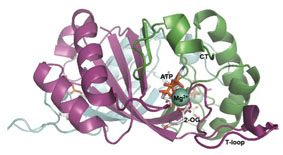
Karl Forchhammer is a full Professor at the University of Tübingen , chairing the Department of Microbiology/Organismic Interactions within the Interfaculty Institute of Microbiology and Infection Medicine Tübingen (IMIT) . He received his education at Ludwig-Maximilians-Universität München, earning a Doctorate in Microbiology with a thesis on selenocysteine biosynthesis in Escherichia coli , for which he received the VAAM Promotionspreis in 1992. His academic career includes a postdoctoral fellowship at the Institut Pasteur and associate professorship at the Justus-Liebig-Universität Giessen (1999-2007). Current Roles: Chair of Microbiology/Organismic Interactions, University of Tübingen Editor for FEBS Journal Scientific Advisory Board member, Max Planck Institute for Terrestrial Microbiology DFG panel member (Microbiology, Virology, Immunology) His research focuses on: PII Signal Transduction Proteins : Molecular mechanisms of 2-oxoglutarate sensing, ATP/ADP binding dynamics, and regulatory roles in carbon-nitrogen balance across bacteria, archaea, and chloroplasts. Nitrogen Starvation Response : Molecular basis of chlorosis in Synechocystis and Synechococcus species, including nblA gene regulation and sodium bioenergetics during dormancy. Metabolic Engineering Applications : Development of FRET sensors for metabolite detection and optimization of polyhydroxybutyrate (PHB) production in cyanobacteria. Carbon Regulation Systems : Structural analysis of SbtB redox-sensitive loops, c-di-AMP signaling in diurnal metabolism, and PirC-mediated phosphoglycerate mutase inhibition. Technological Innovations : Creation of SCAGE method for cyanobacterial transport and development of magnetic bead immunoassays for SARS-CoV-2 detection. Scientific contributions include: Discovery of plant kingdom's first glutamine sensory mechanism through PII evolution Elucidation of PII-NAGK functional conservation over 1.2 billion years Identification of 2-oxoglutarate binding site in PII proteins Demonstration of sodium bioenergetics' critical role in cyanobacterial developmental transitions Development of metabolite FRET sensors for real-time metabolic monitoring Establishment of PHB production platforms without nitrogen starvation His lab has trained 15+ PhD students and 3+ PostDocs, with collaborations spanning microbial biotechnology, structural biology, and environmental systems. Recent publications highlight: 2025 work on natural microbial community-enhanced bioplastic production 2024 structural studies of PII-regulated enzymes 2023-2024 investigations into glycogen metabolism and redox regulation 2022-2023 studies on c-di-AMP signaling and toxin-antitoxin systems
Karen S. Anderson is a Professor of Pharmacology and Molecular Biophysics and Biochemistry at Yale School of Medicine, with a primary appointment in the Department of Pharmacology. She serves as Co-Leader of Developmental Therapeutics at Yale Cancer Center and Co-Director of the Therapeutics/Chemotherapy Program. Dr. Anderson is also an undergraduate research mentor and fellow at Pierson College at Yale, where she advises freshman students. Dr. Anderson's research program focuses on mechanistic enzymology and structure-based drug design to develop novel therapeutics. Her work centers on understanding molecular mechanisms of enzymes that play critical roles in cancer and infectious diseases, including HIV/AIDS. She has made significant contributions to the understanding of HIV reverse transcriptase, anticancer targets like EGFR and HER-2, and enzymes involved in parasitic infections. Her laboratory employs a multidisciplinary approach combining biophysical techniques, structural studies, and computational methods to advance drug discovery. Analysis of her recent publications (2023-2025) reveals a strong research trajectory spanning three main areas: HIV drug resistance and novel inhibitors, cancer therapeutics focusing on resistance mechanisms and targeted therapies, and antiviral/antimicrobial drug development including work on SARS-CoV-2. Her research demonstrates consistent innovation in structure-based drug design approaches across multiple disease areas. Selected Awards and Honors: Enzymes, Coenzymes, & Metabolic Pathways Gordon Research Conference Chair (2001) Yale Cancer Breast Cancer Initiative Research Award (1996) Dean's Young Faculty Award from Yale University (1991) Multiple Monsanto Research Achievement Awards (1985-1989) YWCA Women's Leadership Award (1986-1987) Dr. Anderson has trained over 50 undergraduates, graduate students, M.D./Ph.D. students and postdoctoral fellows who have gone on to successful careers in academia and industry. Her laboratory, the Anderson Lab, focuses on translating mechanistic and structural studies into novel therapeutic approaches for viral infections and cancer. The lab utilizes a range of biophysical techniques to study clinically relevant proteins with the goal of developing more effective therapies for conditions including cancer, infectious diseases, and neurodegenerative disorders.