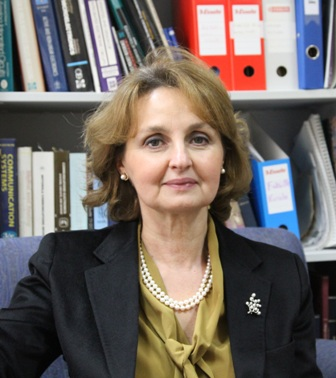
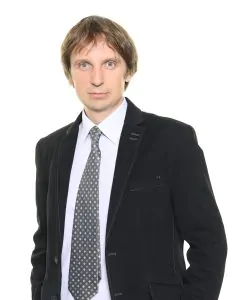
Yasushi Hino is a Professor at the School of Humanities and Social Sciences , Waseda University . His research focuses on Cognitive Psychology and Psycholinguistics , particularly the interplay between orthography, phonology, and semantics in Japanese and cross-linguistic contexts. Ph.D. in Psychology from The University of Western Ontario (Canada) Key research areas: Masked Priming , Orthographic-Phonological Consistency , Bilingual Word Recognition , and Phonological Units in Kanji . Hino’s work investigates how logographic scripts (Kanji, Katakana) and alphabetic scripts influence lexical decision-making, speech production, and semantic activation. His studies often employ masked priming paradigms and cross-modal tasks to explore phonological feedback, morphological decomposition, and bilingual integration of phonological representations. Recent publications (2025–2020) highlight his contributions to understanding orthographic-semantic consistency effects , phoneme-based Stroop effects , and backward priming in logographic scripts . Collaborations include researchers like Stephen J. Lupker , Debra Jared , and Mariko Nakayama . Hino is a member of the Japanese Psychological Association , American Psychological Association , and Psychonomic Society . He has presented extensively at international conferences, including the Psychonomic Society and Cognitive Neuropsychology Research Meeting , and contributed to key publications such as Cognitive Neuropsychology of Language and New Developments in Cognitive Psychology .
Teresa Garcia-Marques is a Full Professor at ISPA - Instituto Universitário in Lisbon, Portugal, where she serves as an Integrated Member of the Cognition Team. With over 130 publications and significant contributions to social and cognitive psychology, her academic career spans several decades of research excellence and scholarly impact. Dr. Garcia-Marques specializes in social cognition, with particular expertise in how feelings drive affective processes and influence cognitive monitoring systems. Her research examines familiarity and fluency effects on judgments, how social presence shapes monitoring processes using cognitive tasks (Stroop, memory, truth judgments, temporal judgments), and extends to person perception and persuasion. She has made groundbreaking contributions to understanding the relationship between processing fluency and truth judgments, the impact of social presence on cognitive performance, and the emotional dimensions of information processing. Her recent work demonstrates an evolving research program that maintains core interests while expanding into new territories. The 15 most recent publications reveal consistent themes in processing fluency, cognitive control, and social judgment, but also show diversification into clinical applications (grief interventions), consumer behavior, and sports psychology. This intellectual trajectory reflects both theoretical depth and methodological versatility, with studies ranging from controlled laboratory experiments to meta-analyses and clinical trials. As an academic leader, Garcia-Marques maintains an active research laboratory focused on cognitive and social processes. Her work has been cited over 38,000 times, reflecting significant impact in psychology. She continues to mentor emerging researchers while sustaining a robust publication record that bridges theoretical insights with practical applications across multiple domains of human cognition and social interaction.
Professor Markus Damian is a faculty member at the University of Bristol, holding the position of Professor of Psychology of Language within the School of Psychological Science. His research focuses on language production, bilingualism, and cognitive control mechanisms. Damian has expertise in experimental methods such as mouse tracking and ERP studies, and his work often explores phonological and semantic processes in language processing. He has collaborated with scholars like Jeffrey Bowers and Colin Davis, contributing to advancements in understanding lexical competition, bilingual lexicons, and the neural underpinnings of speech planning. Education: M.A. and Ph.D. from Rice University. Research interests include the interplay between orthography and phonology in language production, cognitive control in bilingual speakers, and developmental aspects of speech perception in children with hearing impairments. His publications span over two decades, demonstrating sustained contributions to psycholinguistics and cognitive psychology. Key methodological innovations include the use of mouse-tracking paradigms to study real-time cognitive processes and the development of adaptive tests for assessing vocabulary size. Damian’s work bridges theoretical linguistics with experimental psychology, emphasizing both behavioral and neurophysiological evidence.
Karen Arnell is a Professor of Psychology at Brock University, holding a Ph.D. from the University of Waterloo. Her research focuses on cognitive psychology, particularly attention mechanisms including multi-tasking, attentional distraction, emotion-attention interactions, and electrophysiological correlates of attentional processes. She leads a research lab investigating individual differences in cognitive control and attentional breadth. Her work employs methodologies such as EEG/ERP to explore how affective states, motivational factors, and self-control influence attentional processing. Representative topics include reward effects on Stroop performance, hyper-binding phenomena, and the neurophysiological underpinnings of attentional modulation across age groups. Publications span experimental paradigms like attentional blink, global-local processing, and rapid serial visual presentation, emphasizing individual variability in cognitive performance. While no specific awards are listed, her extensive research contributions reflect sustained engagement in cognitive and affective neuroscience domains.
Grzegorz Krynicki is a Senior Researcher at the Faculty of English , Adam Mickiewicz University, Poznań, Poland. He leads the Speech and Language Processing Laboratory , focusing on experimental phonetics, machine translation, and computer-assisted language learning. With a Ph.D. in English (2006) and MA in English (2000) from Adam Mickiewicz University, he has contributed extensively to articulatory phonetics and Polish-English corpus linguistics. Education MA in English, Poznań (2000) Ph.D. in English, Poznań (2006) His research interests bridge Articulatory Phonetics and Machine Learning , with applications in Computer Assisted Pronunciation Teaching , Automatic Speech Recognition , and Corpus Linguistics . He has developed tools like Wordbuilder for corpus-based exercises and IPA2Polglish for phonetic transcription conversion. The articles reflect his expertise in electropalatography (EPG) for L2 pronunciation teaching, phonetic error detection in Polish learners of English, and machine translation systems like POLENG. His work spans Multilingualism , Speech Technology , and Polish-English Contrastive Analysis . Scientific Awards University of Bielefeld scholarship (1999) Professional Activities include participation in the International Society of Phonetic Sciences and development of the Speech and Language Processing Laboratory . He has presented at conferences such as the International Congress of Phonetic Sciences (2019) and Societas Linguistica Europaea meetings, often collaborating with institutions like the University of Colorado and Linköping University.
Nadège Rochat is a Lecturer in the Faculty of Sports and Physical Education (UFR STAPS) at University Clermont Auvergne (UCA), France. She is affiliated with the Activity, Knowledge, Transmission, Education (ACTé) research group and the Center for the Study of Transformations in Physical and Sports Activities (CETAPS). Her research focuses on activity analysis, enaction theory, and learning processes in sports contexts. Dr. Rochat earned her Doctorate in STAPS (Sciences and Techniques of Physical and Sports Activities) in 2017 from University of Lausanne and University of Rouen Normandy, under the supervision of D. Hauw and L. Seifert. Her dissertation was titled "Enactive analysis of activity in trail and ultra-trail: a multi-sourcing approach." Prior to her current position, she completed several post-doctoral fellowships including: 2021-2022: Post-doctorate, ANR-RIN OptiCog project, CETAPS and CRFDP Laboratories, University of Rouen Normandy; 2020-2021: Post-doctorate, ANR-DFG SALAMMBO project, GIPSA-Lab, Grenoble INP, CNRS, University of Grenoble Alpes; 2017-2019: Post-doctorate, ANR DynACEV project, CETAPS Laboratory, University of Rouen Normandy. Dr. Rochat's research interests center on the enactive and phenomenological approaches to understanding sports activity, particularly in trail running, climbing, and officiating contexts. Her work integrates mixed methods to analyze both behavioral data and lived experience. She investigates how athletes, referees, and coaches make sense of their activities through embodied cognition and environmental interactions. Her research has important implications for sports training, equipment design, and professional development in sports contexts. Her work often focuses on the relationship between physical activity and cognitive processes, examining how movement and environment shape perception and decision-making. She has made significant contributions to understanding emotional dynamics in sports coaching, the appropriation of sports equipment, and the development of skills frameworks for sports officials. Analysis of Dr. Rochat's publications reveals a consistent focus on enactive approaches to sports activity across diverse contexts including trail running, climbing, refereeing, and coaching. Her work demonstrates an evolving trajectory from analyzing individual athlete experiences toward examining professional transitions and skill development in sports officiating. A significant portion of her research examines the interplay between phenomenological experience and behavioral data, using innovative methodological approaches to bridge these typically separate domains of inquiry. Her recent work shows increasing emphasis on practical applications of enactive theory for sports training, equipment design, and professional development. Dr. Rochat has been involved in several significant research projects including: Learning Dynamics: Behavior and Lived Experience. What Place for Exploration Strategies?; Supporting Referees' Professional Transitions: using a skills framework to co-construct tools and methods; Optimizing the understanding of cognitive control abilities through Stroop interference: behavioral, electrophysiological and fMRI study of its different components. Dr. Rochat is an active researcher with numerous publications in high-impact journals including Frontiers in Psychology, Cognitive Processing, and PLoS ONE. Her work demonstrates strong collaborative networks with researchers across France and internationally.
Tom Damen is an Assistant Professor in the Department of Social, Health and Organisational Psychology at Utrecht University's Faculty of Social and Behavioural Sciences. He holds a PhD from Radboud University (2015) and specializes in psychological mechanisms of agency and responsibility judgments. His research examines how agency and responsibility emerge in fundamental and applied contexts, particularly how they influence cognition and behavior. Research themes include: Neurocognitive foundations of agency and self-control Responsibility attribution in organizational settings Behavioral impacts of perceived agency Ethical decision-making frameworks Innovative learning methodologies His publications show consistent focus on experimental psychology of agency, with recent expansion into leadership impacts and human-robot interaction. Article keywords predominantly involve cognitive mechanisms (68%), social/organizational applications (22%), and methodological innovations (10%). Awards: ESCON Best Paper Award (2014) He has supervised over 125 theses and developed Utrecht's top-rated Psychology course (Power and Leadership, 2017). Pioneers educational podcasting and is affiliated with the Institutions for Open Societies (IOS) research group.
Professor Zeynep Yasemin Kahya is a distinguished academic in the Department of Electrical and Electronics Engineering at Boğaziçi University's Faculty of Engineering. With a career spanning over three decades at Boğaziçi University, she has progressed from Assistant Professor to her current position as Professor. She has held significant administrative roles including Department Chair (2012-2021) and Deputy General Secretary (2008-2012). Dr. Kahya's research focuses on biomedical signal processing, particularly lung acoustics and respiratory sound analysis. PhD in Biomedical Electronics, Boğaziçi University (1981-87) MS in Electrical Engineering, Yale University (1980-81) BS in Electrical Engineering & Physics, Boğaziçi University (1976-80) Professor Kahya's research interests center on biomedical signal processing with specific emphasis on lung acoustics, respiratory sound analysis, and digital stethoscope design. Her work combines advanced signal processing techniques like wavelet transforms with clinical applications for pulmonary disease diagnosis. She has pioneered methods for pulmonary sound classification, crackle and wheeze detection, and respiratory sound parameterization. Her laboratory, the Lung Acoustics Laboratory (LAL), develops "smart stethoscope" diagnostic systems based on respiratory sounds. Her publications demonstrate a consistent research trajectory in respiratory sound analysis, with recent work focusing on machine learning approaches for pulmonary disease diagnosis. Professor Kahya has successfully translated her research into practical applications, including patented technologies for auscultation data acquisition systems and founding Electrosalus Biyomedikal, a company commercializing smart stethoscope technology. TÜBİTAK high school, undergraduate, and doctoral scholarships (1973-84) Fellowships from MIT, Yale, Stanford, and Caltech for undergraduate studies (1976) Fellowships from Yale and Princeton for doctoral studies (1980) Multiple research grants from Boğaziçi University Research Fund TÜBİTAK TEYDEP grants for smart stethoscope development Professor Kahya has supervised numerous PhD and Master's students, many of whom have worked on projects related to respiratory sound analysis and biomedical instrumentation. She has led multiple research projects funded by Boğaziçi University and external agencies like TÜBİTAK. Her laboratory, the Lung Acoustics Laboratory (LAL), brings together students from various disciplines to work on hardware and software projects related to "smart stethoscope" diagnostic systems.
Imbir Kamil is a Professor and Dean of the Faculty of Psychology at the University of Warsaw. His academic career includes roles such as Chairman of the Scientific Council of Psychology (2022–2024) and previous Deanships (2020–2024). He holds a Ph.D. in Psychology from the University of Warsaw, specializing in dual-system models of emotion-cognition interactions. Education: Ph.D. in Psychology (2017), M.Sc. in Psychology (2008), B.Sc. in General Biology (2008). Research focuses on emotion origins (automatic vs. reflective), neurobiological correlates, and cognitive processes. He leads experimental studies using ERP, neuroimaging, and behavioral methods. Research interests span emotion-cognition connections, neural mechanisms, and applications in social judgment and pandemic psychology. Over 100+ peer-reviewed articles and books, including monographs on dual emotion systems. Supervised 42+ master’s theses and 3 licencjat works. Recent articles explore emotional ambiguity, cognitive load, and pandemic-related threat perception. Awards include the Złotego Psi (twice), Polityka Award, and Rector’s recognition for publishing output. Teaching includes courses on emotion psychology and experimental methods. Organizational roles include Experimental Psychology course coordination and Senate membership. Active in academic committees for ethics, research, and doctoral education.
Armin Taghipour is a Professor in Signal Processing and Acoustics at the Institute of Electrical Engineering, Lucerne School of Engineering and Architecture. He leads the Research Group Waves & Signal Processing and oversees Continuing and Executive Education in Innovation & Technology. His roles include MSE Advisor in the HSLU Master of Science program and President of the Swiss Acoustical Society SGA-SSA. Education: B.Sc. Microelectronics (University of Guilan, Iran), M.Sc. Telecommunications (University of Hanover, Germany), Dr. Eng. in Psychoacoustics (International Audio Laboratories Erlangen, Germany). Professional expertise spans audio signal processing, psychoacoustic modeling, noise annoyance evaluation, and acoustic comfort design. He has conducted research at Empa, Fraunhofer IIS, and the Hanover Medical School. Research focuses on urban acoustics, noise mitigation, room acoustics optimization, and psychoacoustic experiments. Recent work addresses soundscape quality in residential areas, cognitive impacts of noise, and AI-driven odor classification systems. Over 50 publications span environmental acoustics, audio engineering, and multidisciplinary applications. Lab leadership: Head of Research Group Waves & Signal Processing Key projects: Soundscape design, autonomous acoustic measurement systems, and green healthcare building acoustics Grants: IDN Performance Lab project leadership (2022) Labs/Teams: Active in the Institute of Electrical Engineering's Autonomous Systems & Robotics division, collaborating with DAGA, EAA, and SGA-SSA.
Dr Gizem Arabaci is a Senior Lecturer in Psychology within the Faculty of Science and Technology at Bournemouth University, UK. She holds a BSc in Psychology from Izmir University of Economics, an MSc in Clinical Child Psychology from Anglia Ruskin University, and a PhD in Psychology (2018) from Bournemouth University. She is also qualified with a PGCE in Therapeutic Play Skills and maintains memberships with Play Therapy UK & International and the British Psychological Society. Research Focus: Arabaci's research programme centres on the cognitive mechanisms underlying attentional control, trait-level inattention, and their interplay with mental health and technology use. Her doctoral work examined how failures in goal maintenance and mind wandering contribute to inattentive traits. Current lines of investigation extend to (1) the moderating roles of cognitive load and motivation in goal neglect, (2) associations between sub-clinical ADHD traits and internet or technology addictions, and (3) the impact of inattention on well-being indices such as anxiety and self-esteem. Methodologically, she integrates behavioural paradigms, psychophysiological measures, and non-invasive brain stimulation (high- and low-frequency rTMS) targeting the dorsolateral prefrontal and parietal cortices. Selected Scientific Contributions & Awards: Second Place, oral presentation, SciTech Postgraduate Research Conference (2018) Third Place, Young Psychologists Research Competition, Turkish Psychological Association (2010) Grants & Collaborations: Arabaci has been a key contributor to multiple cross-institutional projects, evidenced by her publications with collaborators from Bournemouth, Anglia Ruskin, and international partners. While explicit grant numbers are not listed, her consistent output in high-impact journals suggests sustained internal and external funding streams. Laboratory & Team Affiliations: She is based in Poole House (Room P115) on the Talbot Campus. Although no formal laboratory name is provided, her work utilises the university’s neurostimulation and psychophysiology facilities, and she mentors postgraduate researchers within the Department of Psychology.
Prof. Dr. Joke SPILDOOREN serves as a Senior Lecturer at Hasselt University's Faculty of Rehabilitation Sciences, Department of Rehabilitation Sciences and Physiotherapy. She maintains an active research profile while holding leadership positions including Chair of the Bachelor and Master Examination Committees for Rehabilitation Sciences and Physiotherapy. Her research interests focus on geriatric rehabilitation, with particular expertise in balance control, vertigo treatment in elderly populations, dementia rehabilitation through exercise and music interventions, and the impact of frailty syndrome in cardiovascular disease patients. Her work bridges clinical practice with scientific inquiry to improve rehabilitation outcomes for aging populations. Analysis of her publication record reveals a strong focus on neurological rehabilitation, particularly Parkinson's disease gait disorders and cognitive-motor interactions. Her research increasingly incorporates interdisciplinary approaches combining exercise physiology, neuroscience, and geriatric medicine to address complex rehabilitation challenges in aging populations. Scientific Awards: Young research award 2021 from Stichting Alzheimer onderzoek (Alzheimer Research Foundation) Prof. SPILDOOREN actively mentors six doctoral candidates across various aspects of rehabilitation science, with current projects examining vertigo treatment in elderly, music-based exercise interventions for dementia patients, and balance control mechanisms. Her research portfolio includes 15 active projects totaling over €1.2 million in funding, with significant grants from Alzheimer Research Foundation and external partnerships. She leads the Rehabilitation Sciences Research Group and contributes to the interdisciplinary 'Interdisciplinary Learning Workplace' project, focusing on community service learning within evolving rehabilitation contexts.
Dr. Michael Stevens serves as an Adjunct Professor of Psychiatry at Yale School of Medicine, where he directs the Clinical Neuroscience and Development Laboratory at the Olin Neuropsychiatry Research Center and leads Child & Adolescent Research at The Institute of Living. His academic journey includes a PhD in Clinical Psychology from the University of Connecticut (1999), followed by postdoctoral training at the University of Connecticut Healthcare Center (2001), and clinical internship at West Haven VA Connecticut Healthcare System (1999). Dr. Stevens' research focuses on the neurobiological basis of neuropsychiatric illnesses, with particular emphasis on developmental aspects of psychopathology from puberty through early adulthood. His work examines neural network connectivity in neurodevelopmental psychiatric illnesses and cognitive development, incorporating neuroimaging (fMRI, structural neuroimaging), EEG, genetics, and neuropsychological assessment. His research program broadly addresses neurobiological risk for psychiatric illness, differentiation of clinically similar psychiatric disorders on the neurobiological level, and the interaction of neurobiological abnormalities with maturation. Analysis of Dr. Stevens' recent publications reveals a strong focus on adolescent neuropsychiatric disorders, particularly ADHD and hoarding disorder. His work integrates advanced neuroimaging techniques with clinical interventions, showing increasing interest in non-pharmacological approaches like cognitive training, rTMS, and tDCS. The research demonstrates sophisticated methodological approaches including deep learning for biotype identification, international collaborative studies through the ENIGMA consortium, and multimodal assessment techniques. Dr. Stevens has maintained continuous NIH funding since shortly after receiving his PhD, including a K23 Career Development award from NIMH. He has served as Principal Investigator or co-investigator on dozens of R01-level NIH grants examining disorders including ADHD, conduct disorder, major depressive disorder, bipolar illness, autism, psychosis, TBI, and substance-related disorders. Dr. Stevens directs a clinical neuroscience research laboratory that employs multiple neurobiological research techniques to investigate cognitive and clinical neuroscience questions in childhood psychiatric disorders. His frequent collaborators include Godfrey Pearlson, David Tolin, Keith Hawkins, Alecia Dager, Joel Gelernter, and John Krystal, reflecting his strong position within Yale's psychiatric research community.
Dr. Leendert van Maanen is an Associate Professor at the Department of Experimental Psychology, Utrecht University, where he studies cognitive mechanisms underlying information processing and decision-making. His research focuses on developing and validating computational cognitive models, with applications in human-machine interaction and cognitive neuroscience data analysis. Research Themes: Cognitive Modeling, Decision-Making, Human-Centered Artificial Intelligence, Applied Data Science Labs: Leads the COBRA (Cognitive and Behavioral Research in Artificial Intelligence) lab His work spans three levels of cognitive integration in AI: model development, human-machine deployment, and neural data analysis. Recent projects include cognitive strategy detection, digital twin user modeling, and neural event detection using multivariate time series. For collaborations and publications, see leendertvanmaanen.com or Utrecht University Research Portal.
Céline Lemercier is Full Professor of Cognitive and Ergonomic Psychology at Université Toulouse – Jean Jaurès (UT2J) and member of the joint CNRS laboratory Cognition, Languages, Langage, Ergonomie (CLLE). Since 2020 she co-leads the “Cognition in Complex Situations” research team and the interdisciplinary TIMH-Lab (Toulouse Innovative Mobility Human-factors Lab), and since 2018 she heads the educational innovation programme Cog’Cap for Bachelor students in Psychology. Education Ph.D. in Cognitive Psychology, Université de Poitiers (1996–1999) Master in Psychology, University of Angers (1991–1996) Research Interests Her work is organised around four tightly linked axes: Attention & Automated Driving – studying how age, emotion and expertise influence takeover behaviour in Level 2–5 automated vehicles and designing human-machine interfaces that facilitate safe transitions of control. Illusion of Control & Gambling – investigating cognitive biases underlying persistent gambling, especially among older adults, in collaboration with Prof. Valérie Le Floch. Agriculture & Industry 4.0 – examining acceptability factors of smart HMIs for operators in viticulture and agri-food contexts. Fundamental Mechanisms of Attention – re-examining the Stroop effect and related cognitive control processes across development. Scientific Awards & Funding The research programmes she coordinates have received eight external grants, including funding from MILDECA (Inter-ministerial Mission for the Fight against Drugs and Addictive Behaviours) and the French National Research Agency (ANR). Two completed PhD theses and three ongoing PhD projects directly stem from these programmes. Doctoral Supervision & Teaching Prof. Lemercier currently supervises several PhD students whose topics range from takeover behaviour in automated vehicles (Sharon Ouddiz, Maxime Delmas, Robin Cazes) to flow and gamification in mobility applications (Célia Vancaemelbecke) and gambling in ageing populations (Maylis Fontaine). At the undergraduate level she is responsible for the compulsory module “Experimental Methodology” and the optional course “Attention & Technological Innovations”. Laboratories & Teams She leads the TIMH-Lab research group, a cross-disciplinary hub focusing on human factors in future mobility systems, and co-directs the “Cognition in Complex Situations” team within CLLE.