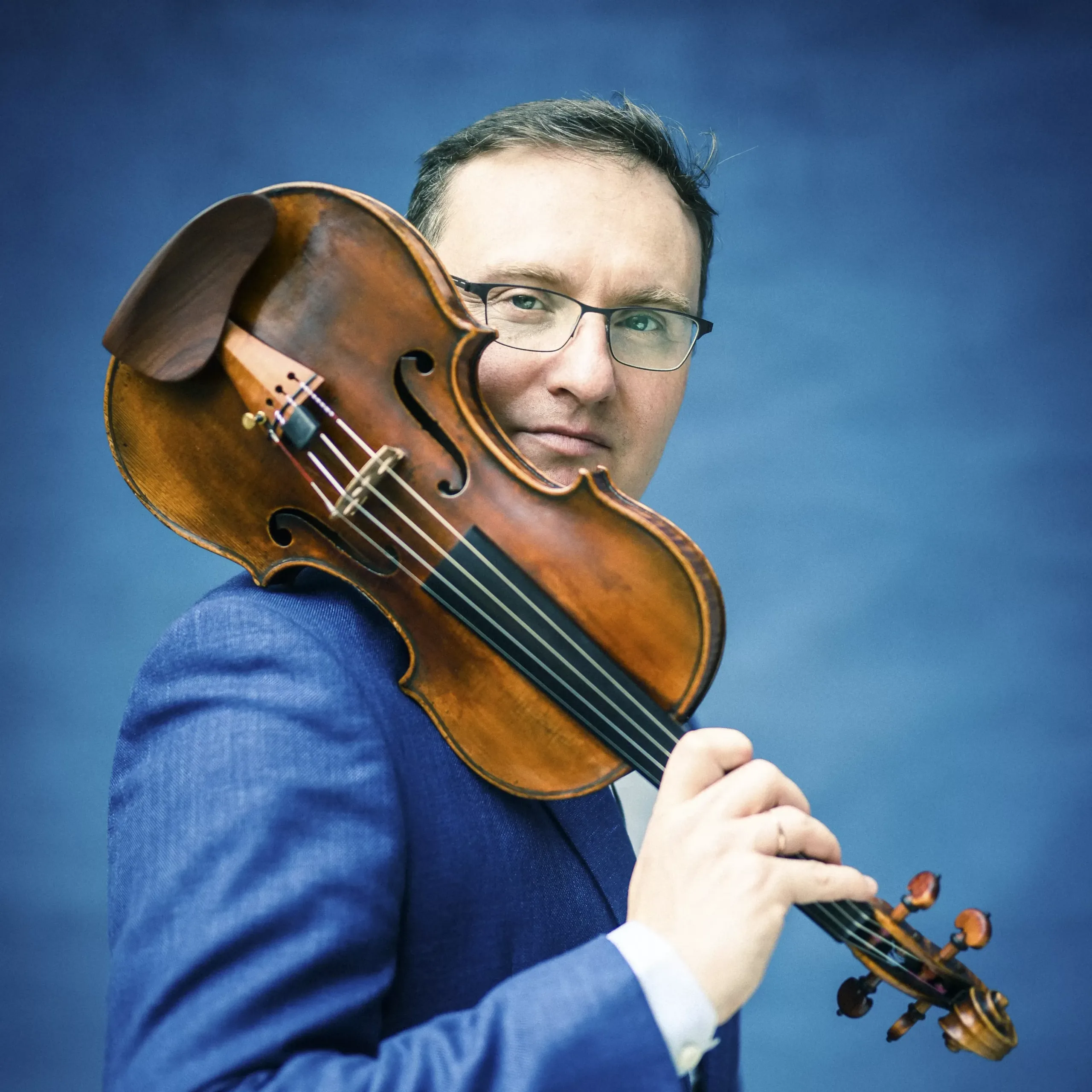
Dr David Milsom is a Senior Lecturer in Music at the University of Huddersfield , specializing in performance practice and historical violin techniques. He coordinates classical performance studies and teaches both performance and musicology. University of Sheffield: BMus (1st Class), MMus, PhD His research focuses on 19th-century violin performing practices , including acoustic recordings analysis and annotated score studies. Recent projects explore Brahms and Franck violin sonatas through historically informed approaches. David leads the Historical Performance Research Group and collaborates on digital performance projects via the MMT YouTube channel. He co-founded the professional Brigantes Orchestra and period instrument group Four's Company . Scientific Awards Edison Fellowship (British Library, 2003) AHRC Fellowship (2006) He serves as external examiner for Royal Birmingham Conservatoire and Leeds Conservatoire, and actively supervises PhD students while integrating research into undergraduate teaching.
Alexander Pavlovsky is a founding member and first violinist of the world-renowned Jerusalem Quartet , holding a professorship in string chamber music at the University of Music and Performing Arts Graz (KUG) since 2022. He studied at the Jerusalem Academy of Music and Dance under Professor Matvey Liberman and was influenced by the David Oistrakh violin school. Active globally as chamber musician, soloist, and pedagogue Artistic Director of the Zeist Music Days festival since 2008 Collaborated with artists like Daniel Barenboim and Mitsuko Uchida Plays on a 1696 Antonio Stradivarius violin and a Stefan-Peter Greiner violin (2009) His recordings with Harmonia Mundi include 3 BBC Music Magazine Awards and multiple Diapason D'Or Awards. The Jerusalem Quartet's repertoire spans classical to contemporary works, with a focus on Shostakovich, Bartók, and French string quartets.
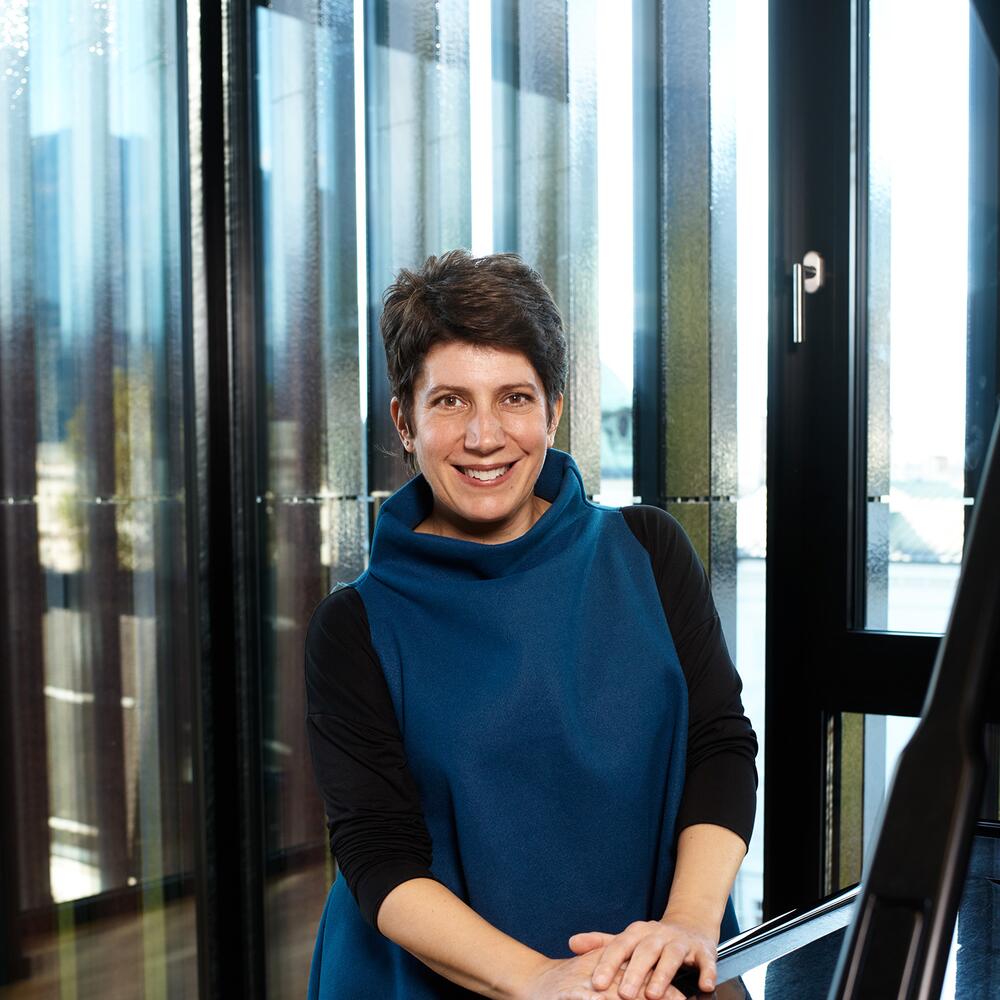
Isabel Gabbe , University Professor of Piano & Piano Didactics at Mozarteum University Salzburg's Innsbruck Department since 2016, is a German-French pianist and music educator with extensive international experience. She heads the Music Education Department and contributes to artistic higher education through her work with the European Piano Teachers Association (EPTA) and the Austrian Society for Music and Medicine (ÖGFMM). Studied with Hans Leygraf and Rainer Becker Certified music physiologist Founder of "Moments Musicaux" festival in France Active in teacher training across Europe and South America Her research focuses on music education , physiological piano teaching methods , and musicians' health . Isabel integrates creative approaches to piano instruction for children, emphasizing cross-cultural communication through music. Her recent work explores alternative keyboard techniques and inclusive pedagogy. Professor Gabbe's publications analyze piano didactics, including " Alles ist erlaubt, nur nicht Alles spielen! " on practical repertoire use and " Musizieren lernen? Ein Kinderspiel! " on playful learning approaches. She contributes to Schott Verlag's "Üben&Musizieren" series and Waxmann Verlag's music education publications. Scientific recognitions include: German Music Council Artist List (2000) EPTA Austria Vice Chair (2018–present) Deutsche Tonkünstlerverband Deputy Chair (2015–2023) Richard Wagner Association Stipend (2002) Aspen Music Festival Stipend (1995,1996) Isabel Gabbe actively mentors educators through workshops and masterclasses across Europe and South America, focusing on sustainable teaching practices and physiological approaches to piano instruction. She has participated in numerous festivals and serves on academic committees for music education curricula.
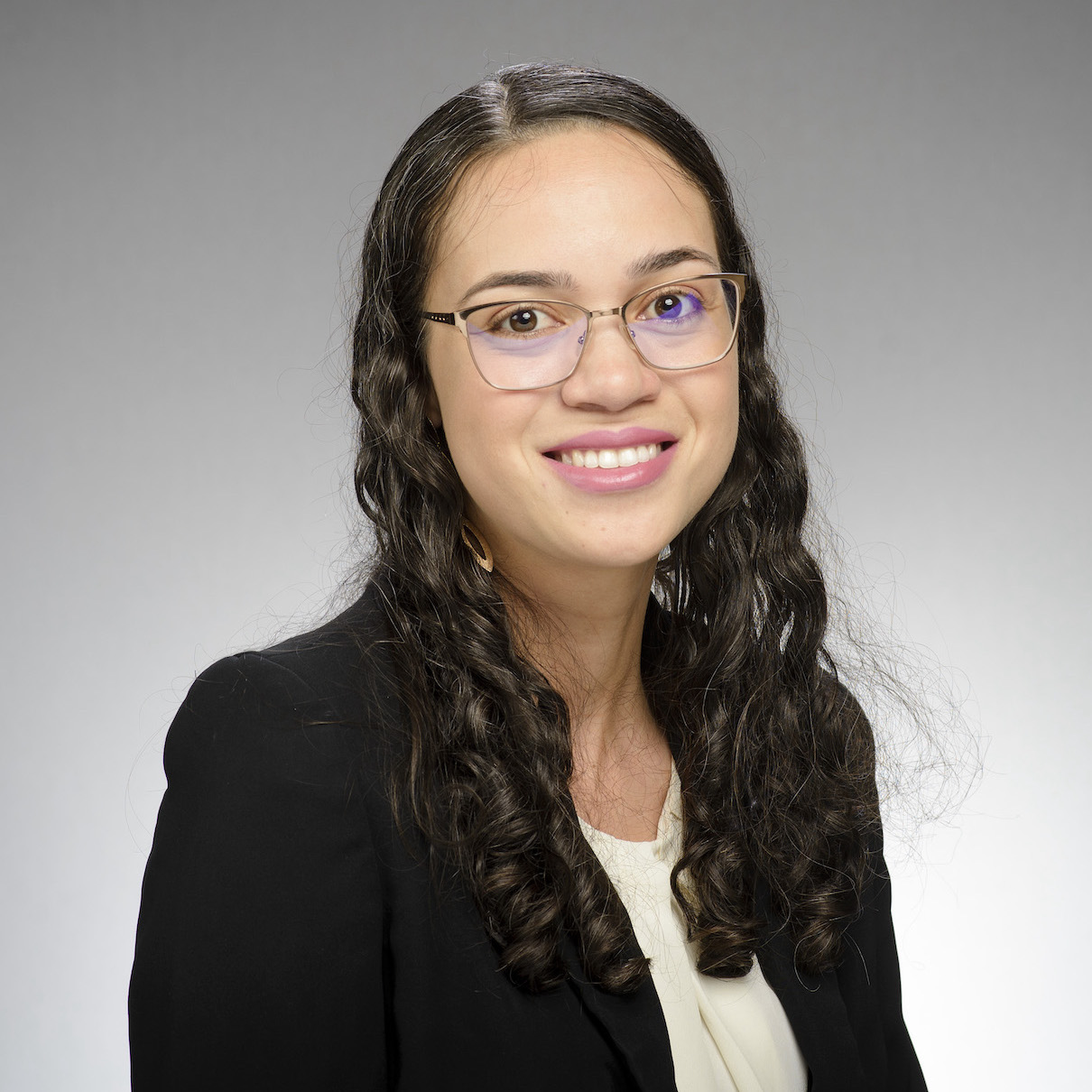
Jenine Brown is Associate Professor of Music Theory and Coordinator of Ear Training at The Peabody Conservatory of The Johns Hopkins University. She joined the faculty in 2015 and teaches the undergraduate ear training core curriculum and a graduate seminar on music cognition and analysis. Her work bridges empirical research and music-theoretical inquiry, with a strong focus on listener expectation and aural skills pedagogy. Ph.D. in Music Theory, Eastman School of Music Degrees from University of Michigan–Ann Arbor Executive Leadership Training, Johns Hopkins Carey Business School Her research takes an empirical approach to understanding how listeners perceive musical structure, especially in tonal and post-tonal contexts. She investigates pre-compositional structures and collaborates on projects exploring the pre-dominant function with Dr. Daphne Tan and others. Her pedagogical scholarship focuses on aural skills instruction, including reviews of digital tools and contributions to major publications such as The Routledge Companion to Aural Training in Music Education . She has published in Music Theory Spectrum , Music Perception , Frontiers in Psychology , and Journal of Music Theory Pedagogy . Her recent publications and presentations reflect a strong interdisciplinary trend, combining music theory, cognitive science, and educational research. Topics include listener expectation, aural pedagogy, Suzuki method applications, and empirical modeling of musical cognition. She frequently presents at major conferences such as the Society for Music Theory, Society for Music Perception and Cognition, and the International Conference on Music Perception and Cognition. Her scientific awards include: Johns Hopkins University Catalyst Award (2023) Peabody Conservatory CARES Award (2020) COVID-19 Research Accelerator Grant (2021) Brown is actively involved in academic service and mentoring. She has served as Associate Editor of Music Theory Online , President of the Music Theory Society of the Mid-Atlantic (2022–2024), and is a key contributor to the College Board’s AP Music Theory program, where she has served as Visiting Fellow and currently sits on the Test Development Committee. She mentors students through collaborative research, resulting in co-authored publications in Frontiers in Psychology and Research Studies in Music Education . Her leadership extends to hosting the 20th-anniversary MTSMA conference at Peabody in 2023. Brown leads initiatives in music cognition and aural skills development at Peabody, collaborating with colleagues across disciplines. She is central to curriculum development in ear training and integrates cognitive research into pedagogical practice. Her lab-like collaborative environment fosters student involvement in empirical research and conference presentations.
Professor Allan Rennie serves as Professor in Manufacturing Engineering at Lancaster University's School of Engineering and holds the administrative position of Associate Dean for Engagement within the Faculty of Science and Technology. With a career spanning over 30 years since initiating work in additive manufacturing during the mid-1990s, he has established himself as a leading figure in industrial applications of advanced manufacturing technologies across diverse sectors. His research expertise centers on Additive Manufacturing , Engineering Design , and Manufacturing Process Optimization , with current specializations including design for additive manufacturing (as co-leader of the UK's EPSRC DfAM Network), industrial digitalisation of manufacturing processes, and innovative tooling development using metallic and hybrid approaches. Rennie has significantly contributed to Engineering Education , particularly examining the integration of business and management principles into engineering curricula and analyzing the impacts of online/hybrid delivery modes on student engagement and graduate employability following the COVID-19 pandemic. Recent publication trends reveal Rennie's dual focus on practical manufacturing applications and scholarly analysis of technological evolution. His 2025 bibliometric study maps a decade of Design for Additive Manufacturing research, while his structural analysis of musical instruments demonstrates cross-disciplinary applications of manufacturing techniques. These works reflect his commitment to both advancing manufacturing technology and documenting its academic trajectory through rigorous analysis. Professor Rennie actively supervises PhD candidates including Jenny Roberts, Eunike Sembiring, and Joe Taylor while leading substantial research projects such as the EPSRC DfAM Network (2020-2023), Automating Design for Additive Manufacture with AI (2023-2024), and multiple Engineers in Business Competitions. His extensive grant portfolio spans industrial digitalization, sustainable manufacturing, and educational innovation, with notable projects including RENDER (powder recycling), TecHnology and EntrepreneUrship Education, and Production Capable Additive Manufacturing of Polymers. Rennie contributes to Lancaster's research ecosystem through affiliations with the Centre for Global Eco-innovation, Energy Lancaster initiative, and the Lancaster Product Development Unit. These platforms enable him to bridge academic research with industrial applications across multiple sectors, particularly supporting his work on sustainable manufacturing practices, technology commercialization, and industry engagement strategies that translate research into real-world impact.
Christopher D. Azzara is the Eisenhart Professor of Music Teaching & Learning at the Eastman School of Music, University of Rochester. He holds affiliate roles in Jazz Studies & Contemporary Media and Woodwinds, Brass & Percussion. His research focuses on creativity, improvisation, and music pedagogy. Azzara earned a B.M. from George Mason University (1981), M.M. (1988), and Ph.D. (1992) from Eastman. Previously, he taught at The Hartt School (1991–2002) before joining Eastman's faculty in 2002, later serving as Chair of Music Teaching & Learning (2010–2018). He has received prestigious awards, including the Edward Peck Curtis Award (2022) and the Eisenhart Professorship (2023). His academic work emphasizes the integration of listening, creating, improvising, and composing in music education. Key publications include Developing Musicianship through Improvisation and Jump Right In: The Instrumental Series . Azzara’s arrangements are published by GIA and Oxford University Press. He performs with the Chris Azzara Trio and collaborates with Eastman faculty and the Rochester Philharmonic Orchestra. Internationally recognized, Azzara has conducted workshops in over 20 countries, including TEDxRochester and Carnegie Hall. His engagements in 2024–2026 include teaching clinics in Germany, the U.S., and Australia, emphasizing creativity-driven music education. His research appears in journals such as the Journal of Research in Music Education and Oxford Handbooks Online . Azzara advocates for innovative teaching methods, blending academic rigor with practical performance experiences.
Joanna C. S. Santos is an Assistant Professor at the University of Notre Dame's Department of Computer Science and Engineering. She leads the Security and Software Engineering research lab (S²E) and focuses on Software Engineering, Security, and Program Analysis. Her work bridges empirical studies with practical tool development. PhD in Computing and Information Sciences (Rochester Institute of Technology) M.Sc. in Software Engineering (Rochester Institute of Technology) B.Sc. in Computer Engineering (Federal University of Sergipe) Her research spans Software Security (vulnerability detection, ReDoS), Code Generation (LLM evaluation, benchmarking), and Program Analysis (taint tracking, call graphs). Recent articles show a strong focus on LLM-generated code quality and quantum computing applications. Scientific Awards : 2023 - Distinguished Reviewer (ESEC/FSE) 2020 - Research Pitch Winner (JOBS @MICRO) 2017 - Best Paper (ICSA) 2014 - CAPES Scholarship 2013 - ERBASE 3rd Place She actively contributes to conference committees (OOPSLA, ICSE, SCAM) and collaborates across institutions. Her lab S²E drives research in secure software development and empirical cybersecurity validation.
Gina McCormack is a Professor of Violin at the Royal Northern College of Music (RNCM), renowned as one of Britain’s leading violinists. She leads a distinguished career in solo and chamber music performances, having been first violinist of the Sorrel Quartet (13 years) and later the Brodsky Quartet. She has recorded extensively, including Shostakovich quartets and works by Britten, Mendelssohn, and Elgar. Her duo partnership with pianist Nigel Clayton emphasizes recital work. Former Professorial roles: Trinity Laban Conservatoire (11 years), Royal Conservatoire of Scotland (7 years). Collaborations: Matthew Bourne’s New Adventures productions (including iconic “Swan Lake”), London Chamber Orchestra. Education: Studied with György Pauk at the Guildhall School of Music and Drama, attended masterclasses with Sandor Vegh, Dorothy DeLay, and others. Research interests focus on violin technique, chamber music interpretation, and pedagogy. Her recordings have earned critical acclaim, blending technical mastery with expressive artistry. Awards: Multiple competition prizes, notable discography recognitions, and patronage roles including Patron of Music in Peebles to support young musicians. Labs/Teams: Active with the Sorrel Quartet, Brodsky Quartet, and New Adventures orchestra. Current focus: Solo performances and teaching at RNCM.
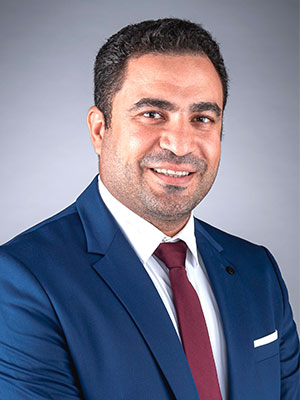
Dr. Mohamed Gharib is an Instructional Associate Professor in the Department of Engineering Technology and Industrial Distribution at Texas A&M University's College of Engineering. He also serves as Program Coordinator for Multidisciplinary Engineering Technology and holds affiliated faculty status in Multidisciplinary Engineering. His roles include teaching, research leadership, and academic program development. Educational Background: Ph.D., Mechanical Engineering, Southern Methodist University (2011) M.S., Aerospace Engineering, Cairo University (2007) B.S., Aerospace Engineering, Cairo University (2002) Research Interests: Dr. Gharib focuses on advanced engineering systems and education innovation. His technical work spans vibration control , robotics systems design , and impact mechanics , with notable contributions to drill string vibration suppression and novel damping technologies. In education, he pioneers STEM outreach programs and curriculum development, including initiatives like the Awesome STEM Lab and e-STEM programs . His COBOTICS Lab integrates robotics research, undergraduate training, and community engagement. Research Impact: Recent work addresses dexterous robotics (via NSF's HAND ERC), adaptive control algorithms for drilling systems, and advanced composite coatings for tribological applications. His publications emphasize real-world applications in oil well operations, structural acoustics, and educational technology. Awards: Francisco José de Caldas Award for Sustainable Excellence (2021) Excellence in STEM Implementation Award (ASME, 2020) Outstanding Graduate Student Awards (2010) Labs & Programs: Director of the COBOTICS Lab , which develops robotic systems, control technologies, and STEM education tools. Active in multidisciplinary projects like the NSF-funded Human Augmentation via Dexterity (HAND ERC) collaboration.
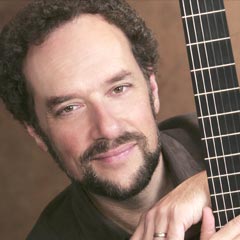
William Kanengiser serves as Interim Vice Dean for Classical Music and Composition and Professor of Practice at the USC Thornton School of Music, a position he has held since joining the guitar faculty in 1983. Recognized as one of America's finest classical guitarists, he has won major international competitions and Grammy awards, and is celebrated for his unique repertoire and dedication to music education and wellness. His academic background includes: Master of Music, USC School of Music, 1983 Bachelor of Music, USC School of Music, 1981 Mannes Conservatory Preparatory School, 1974-1977 Kanengiser's artistic focus encompasses classical guitar performance and repertoire expansion, ranging from Baroque and Classical arrangements to jazz-inspired compositions and world music. He is also a pioneer in musician wellness, developing and teaching a course on "Musician's Health and Wellness" at USC, and advocates for holistic education that integrates music with broader academic disciplines. His recent projects, including the Grammy-nominated "LAGQ: Latin" and Grammy-winning "LAGQ’s Guitar Heroes", as well as the 2023 album "British Invasion" with the Alexander String Quartet, demonstrate a consistent theme of innovative collaborations and narrative storytelling, bridging classical traditions with popular and global influences. His accolades include: First Prize, Concert Artists Guild International Competition (1987) First Prize, Toronto International Guitar Competition (1981) First Prize, Paris International Guitar Competition (1983) Solo Recitalist Fellowship Grant, National Endowment for the Arts (twice) INDIE Award for Best Classical Recording Grammy Nomination, Classical Crossover (2001) for "LAGQ: Latin" Grammy Award, Classical Crossover (2005) for "LAGQ’s Guitar Heroes" As an educator, Kanengiser has mentored generations of guitarists, including notable students such as Andras Csaki, Mak Grgic, and David Steinhardt. He directs the USC Guitar Orchestra and has organized tours for student ensembles like the Helios Guitar Quartet. His teaching philosophy emphasizes a supportive, family-like environment that nurtures individual potential without competition. He is a founding member of the internationally acclaimed Los Angeles Guitar Quartet (LAGQ), which has performed and recorded extensively for over three decades, and continues to be active in master classes and educational outreach programs worldwide.
Ramavarapu S Sreenivas is a Professor in the Industrial and Enterprise Systems Engineering department at the University of Illinois at Urbana-Champaign , with research appointments at the Coordinated Science Laboratory (CSL) and the Information Trust Institute (ITI ). He holds a joint affiliation with the Electrical and Computer Engineering department and serves as the Arthur Davis Faculty Scholar since 2016. Ph.D. , Electrical and Computer Engineering, Carnegie Mellon University (1990) M.S.E.E. , Carnegie Mellon University (1987) B.Tech , Electrical Engineering, Indian Institute of Technology Madras (1985) His research focuses on Discrete-Event/Discrete-State (DEDS) systems , applying Coding Theory, Machine Learning, and Information Theory to develop near-optimal supervisory policies for applications in wireless networks, automated manufacturing, and healthcare systems . He leads the Center for Autonomous Construction and Manufacturing at Scale (CACMS) , established in 2023. Recent publications highlight advancements in liveness enforcement in Petri nets , fault-tolerant control , and IoT-based load scheduling . His work bridges theoretical rigor with practical implementations in Distributed Control, Network Coding , and Reinforcement Learning . UIUC Campus Award for Excellence in Graduate and Professional Teaching (2023) Arthur Davis Faculty Scholar (2016) Senior Member, IEEE (2002) James Franklin Sharp Outstanding Teaching Award in Industrial Engineering (2017, 2012) Sreenivas has taught graduate and undergraduate courses in Control Systems, Integer Programming, and Financial Computing since 1992. He co-instructed courses in Health Technology and contributed to the Master of Science in Financial Engineering (MSFE) program, which ranks 4th nationally.
Nicholas Fuqua is an Assistant Professor of Musical Theatre at Catawba College, leading the musical theatre program and serving as Music Director for the Theatre Department. He teaches voice and string performance, and has extensive experience in arts education, including workshop leadership at International Thespian Festivals. Education: MFA in Theatre Directing and Pedagogy (thesis: fine arts & academic performance), MM in Musical Theatre/Opera (Arizona State University), MEd (University of Louisville), BA in Musical Theatre (Siena Heights University). Research interests focus on integrating arts education with academic achievement, vocal and instrumental performance techniques, and innovative theatre pedagogy. His work bridges performance artistry with educational theory, emphasizing practical application in classroom and stage settings. Performance highlights include semi-finalist placement in the National Musical Theatre Competition, leading roles in Halifax Opera's Canadian premieres (Thyrsis and Amaranth, The Harpies), and collaborations with Kentucky Opera. Notable stage credits include Hair!, Peter Pan!, 42nd Street, Shrek, Fiddler on the Roof, and Hello, Dolly!. Advising and professional service: No specific grants mentioned, but demonstrates leadership through roles as Fine Arts Facilitator, Performing Arts Department Chair, and arts advocate. Active member of the American Guild of Musical Artists. Contributions extend beyond academia through performance work, maintaining a dynamic balance between teaching, directing, and performing across theatre and opera disciplines.
Agostino Cortesi is a Full Professor at Ca' Foscari University of Venice , affiliated with the Department of Environmental Sciences, Informatics and Statistics. He serves as Rector's Delegate for Research Quality Assessment and Deputy Coordinator of the Scientific Committee for the Innovation Ecosystem Project. His academic career includes a PhD in Applied Mathematics and Informatics from the University of Padova (1992), a postdoctoral fellowship at Brown University, and visiting professor roles at institutions such as the University of Illinois and École Normale Supérieure Paris. Research interests focus on software engineering , static analysis , security applications , and abstract interpretation . He has pioneered techniques for formal verification of software systems and explored cybersecurity in e-Government and robotics. His work spans over 200 publications in top journals and conferences (e.g., ACM TOPLAS, IEEE TSE, POPL, PLDI). Key contributions include advancements in abstract domains for behavioral property verification and security-oriented analysis frameworks. He has held leadership roles including Vice-Rector at Ca' Foscari, Dean of Computer Science programs, and Chair of the Department of Computer Science. Cortesi coordinates EU Horizon 2020 projects (e.g., Families_Share €1.6M) and regional initiatives like CEVID (€360K). He founded Factors , a university spin-off focused on robotic systems verification, which won the 2020 Veneto SmartCup ICT Prize. Education: PhD in Applied Mathematics and Informatics (1992, University of Padova) Editorial Roles: Co-Editor-in-Chief of Springer’s 'Services and Business Process Reengineering', and member of editorial boards for 'Computer Languages' and others Grants: Over €3M in EU and regional funding for projects in cybersecurity, Industry 4.0, and digital innovation Teaching includes courses on Software Correctness , Data Programming , and Computer Networks across Computer Science and Management programs. His research lab actively engages in industrial partnerships with Cisco, Leonardo, and AGID (Italy’s Digital Agency).
Niklas Sivelöv is a Professor and Subject Group Leader in Piano at The Royal Danish Academy of Music (DKDM), a position he has held since 2008. He has significantly shaped DKDM’s educational programs, including pioneering the Master’s degree in piano and upcoming programs in chamber music. A renowned pianist and composer, his career blends performance, pedagogy, and innovation. He is celebrated for bridging classical traditions with modern improvisation, exemplified by collaborations with jazz pianist Carsten Dahl. Education: Trained at the Royal Academy of Music in Stockholm, with further studies in Helsinki, Bucharest, and London. His teaching philosophy emphasizes personal student development, focusing on tone, expression, and technical mastery for lifelong musical careers. He has led masterclasses globally, including at the Universität für Musik Wien, Yale School of Music, and Shanghai Conservatory. Research interests span classical piano repertoire (Bach to Nørgård), improvisation, and composition. His compositional works include six symphonies, five piano concertos, and chamber pieces. Key awards include the Knight of the Dannebrog (2017) and a People’s Choice Award at the Independent Music Awards (2009). He has recorded over 50 CDs, notable for 'Improvisational One' and Berwald’s symphonies on Naxos. Leadership roles include Artistic Director of Engelsbergs Festival (2007–2009) and jury memberships for international competitions. Upcoming projects include recordings of Skrjabin’s complete sonatas and a collaboration with Carsten Dahl. His work integrates pedagogy, performance, and composition, fostering both traditional and experimental musical practices.
Joanna Cecilia da Silva Santos is an Assistant Professor in the Department of Computer Science and Engineering at the University of Notre Dame , where she leads the Security and Software Engineering research lab (S 2 E) . She earned her Ph.D. and M.Sc. in Computing and Information Sciences from Rochester Institute of Technology (RIT) and a B.Sc. in Computer Engineering from Federal University of Sergipe (UFS) . Research Interests: Her work focuses on the intersection of Software Engineering and Software Security , with specific emphasis on Code Generation , Program Analysis , Software Architecture , and Quantum Software Engineering . Recent projects include evaluating large language models for code generation, detecting regular expression denial-of-service vulnerabilities, and creating taint-based analysis tools for Java security. 2025: Code generation benchmarks, LLM performance in programming assignments 2024: Frameworks for secure code generation, ReDoS analysis, static analysis of deserialization 2023: GitHub Copilot complexity prediction, vulnerability characterization 2022: Transformer-based code smell detection, security evaluation datasets Scientific Awards: 2017 Best Paper Award at ICSA 2020 JOBS Workshop Research Pitch Competition Winner 2023 Distinguished Reviewer at ESEC/FSE 2014 CAPES Scholarship for Masters at RIT 2013 3rd Place Paper at XIII ERBASE Her research group engages in empirical studies of code vulnerabilities, automated security tools, and educational applications of language models, with funding reflected in multiple peer-reviewed publications.