Prof. Ton Bisseling is a distinguished Professor at the Laboratory of Molecular Biology, Wageningen University & Research. His research focuses on plant-microbe symbiosis, particularly root nodule development in legumes, mycorrhizal interactions, and the genetic mechanisms underlying symbiotic relationships. He has supervised over 70 PhD candidates, including ongoing projects like 'The role of endodermis in mycorrhizal symbiotic interactions' and 'Recruiting microbial communities to combat soil salinization.' Key research interests include understanding symbiotic gene regulation, auxin biosynthesis in nodules, and the role of strigolactones in plant-microbe communication. His work bridges fundamental biology with agricultural applications, addressing sustainable crop production challenges. Bisseling has contributed to 431 research outputs spanning articles, datasets, and book chapters. Notable datasets include RNA sequencing studies on ectomycorrhizal roots and strigolactone biosynthesis. He actively engages in public discourse on topics like nitrogen fixation and Chinese PhD student recruitment in Dutch academia. Current projects involve microbial community analysis in saline agriculture and citrus pathogen mechanisms. His lab collaborates globally, with recent studies in China, the Netherlands, and Saudi Arabia.
Harro Bouwmeester is a Professor at the Faculty of Science, University of Amsterdam, and leads the Plant Hormone Biology group at the Swammerdam Institute for Life Sciences. His research focuses on plant interactions with beneficial and pathogenic organisms, including parasitic plants, nematodes, and microbiomes, with an emphasis on sustainable agricultural practices. Rhizosphere metabolic interactions Microbiome for plant stress resilience and human health Establishment of root-associated microbiota and host preference The group employs advanced technologies such as analytical chemistry, metabolomics, biochemistry, metabolic engineering, microbiology, molecular biology, and omics data integration to study these processes.
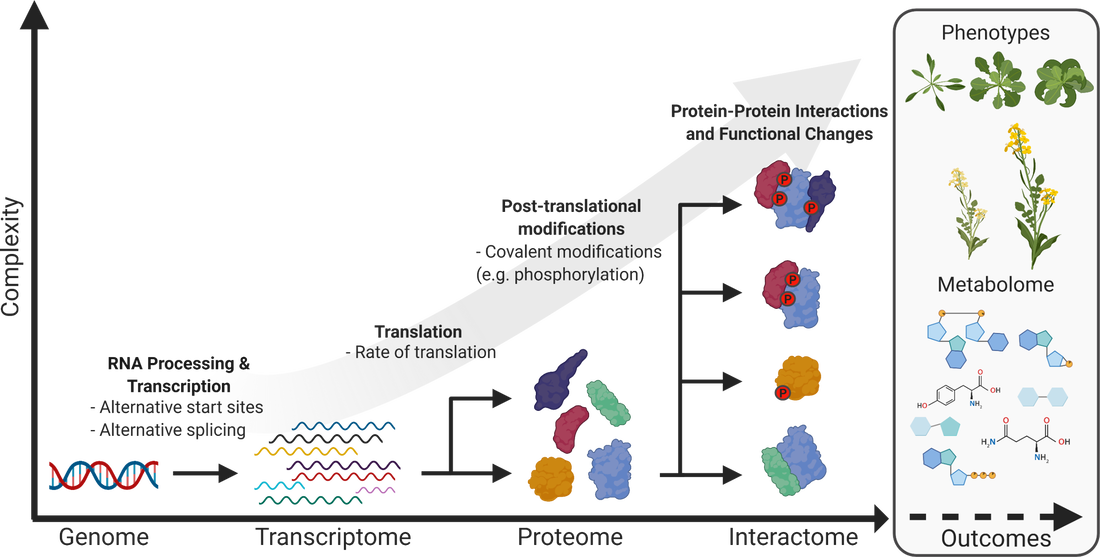
R. Glen Uhrig, PhD, is an Associate Professor of Plant Biology at the University of Alberta within the Department of Biological Sciences, Faculty of Science. His research focuses on plant functional genomics and proteomics, particularly examining diurnal regulation of cellular processes via quantitative proteomics in Arabidopsis thaliana and agriculturally relevant crops. The Uhrig Lab investigates post-translational modifications (PTMs) such as phosphorylation and acetylation to understand plant adaptation to environmental changes. Educationally, he holds a B.Sc.H. (2005) and M.Sc. (2008) from Queen’s University, followed by a Ph.D. from the University of Calgary (2013). His postdoctoral training at the Swiss Federal Institute of Technology (2017) furthered his expertise in plant systems biology. R. Glen Uhrig teaches courses including BIOL 343/543 (Macromolecular Characterization Techniques) and BOT 380 (Drug Plants), emphasizing hands-on proteomics and plant biotechnology. His awards include the ASTech Award (2022), NSERC Post-Doctoral Award (2015–2017), and the Marie Curie Plant Fellowship (2013–2015). His work bridges fundamental research with applications in agri-food production and crop resilience. Key research themes include: 1) Diurnal regulation of plant proteomes and PTMs, 2) Molecular mechanisms of plant immunity and stress responses, and 3) Leveraging proteomics to enhance crop productivity. The lab employs cutting-edge tools like quantitative mass spectrometry and multi-omics integration to address these questions.
SUNY College of Environmental Science and ForestryUnited States
Mohammad G. Mostofa is an Assistant Professor in the Department of Chemistry at the State University of New York College of Environmental Science and Forestry (SUNY ESF). He previously held positions as an Assistant Professor at Michigan State University and a Research Scientist at Texas Tech University. His research focuses on plant stress responses, particularly under climate change, with four main themes: isoprene emission in soybeans, strigolactone roles in tree physiology, G6P shunt regulation under abiotic stress, and enhancing chestnut resilience through isoprene. Education: Ph.D., Plant & Environmental Sciences, Ehime University, Japan (2015) MS, Applied Biological Sciences, Kagawa University, Japan (2012) MS & B.Sc., Biochemistry and Molecular Biology, University of Dhaka, Bangladesh (2003/2002) Research Interests: Plant stress tolerance mechanisms Climate instability impacts on crops and trees Role of isoprene in plant resilience Strigolactones and karrikins in tree adaptation Oxidative pentose phosphate pathway regulation Biotechnology applications for stress-resistant plants Teaching: Courses include FCH 630 (Plant Biochemistry) and FCH 431 (Biochemistry Lab). Lab Activities: The MOSTO Lab recruits undergraduates for summer 2025 projects in plant stress research. Current advisee: Imran Khan (Ph.D. candidate in Environmental & Forest Chemistry).
Professor Elizabeth Gillam is a Professor in the School of Chemistry and Molecular Biosciences at the University of Queensland (UQ). Her research focuses on cytochrome P450 enzymes, exploring their roles in drug metabolism, biocatalysis, and evolutionary adaptations. She investigates how these enzymes enable organisms to metabolize diverse chemicals, including drugs, pollutants, and natural products, with applications in drug discovery, bioremediation, and synthetic biology. Education: BSc(Hons) in Biochemistry from UQ, PhD from Oxford University, and postdoctoral training at Vanderbilt University. She joined UQ in 1993 and became a Professor of Biochemistry in 2009. Research Interests: Gillam’s work emphasizes directed evolution of P450 enzymes to enhance catalytic efficiency and specificity. Her lab studies P450 involvement in neurodegenerative diseases, plant defense mechanisms, and solar-powered biocatalysis. She employs ancestral sequence reconstruction to engineer thermostable enzymes, advancing their industrial and biomedical applications. Articles Overview: Her recent work highlights the evolutionary plasticity of P450s, their roles in plant signaling (e.g., strigolactones), and the development of biocatalysts for drug discovery. Studies also address P450-mediated detoxification pathways in vertebrates and photosynthesis-linked catalytic systems. These projects underscore her lab’s interdisciplinary approach, bridging biochemistry, evolution, and biotechnology.
Dr. Maria Harrison is the William H. Crocker Distinguished Professor at Cornell University's School of Integrative Plant Science and Adjunct Professor in Plant Pathology. Her research investigates arbuscular mycorrhizal symbioses, focusing on phosphate transfer mechanisms and plant defense biochemistry. Using model legumes and poplar trees, her lab studies fungal colonization, symbiotic gene regulation, and metabolic pathways for bioactive compounds. She was elected to the Royal Society in 2024, recognizing her contributions to plant-microbe interactions. Her publications reveal insights into lipid provisioning, kinase signaling in symbiosis, and development of plant biosensors. Research integrates molecular genetics, cell biology, and genomics to address nutrient acquisition challenges in agriculture.
Kurt Smemo is an Associate Professor and Director of the Environmental Studies and Sciences Program at Skidmore College since 2015. His research focuses on terrestrial ecosystem ecology and biogeochemistry, particularly microbial processes in forests and wetlands under global environmental change. Education: B.S. (University of Montana), M.S. (University of Illinois), Ph.D. (Cornell University) Research interests include: Below-ground microbial processes affecting productivity and nutrient cycling Greenhouse gas emissions from soils Plant-soil feedback mechanisms Impacts of atmospheric deposition on forest ecosystems Professional memberships include the American Geophysical Union, Ecological Society of America, and Soil Science Society of America.
Adjunct Professor Claudia Vickers is a leading synthetic biologist affiliated with the School of Biology & Environmental Science at Queensland University of Technology (QUT), within the Faculty of Science. Her research focuses on engineering microorganisms, particularly yeast, to produce sustainable alternatives to industrial chemicals and food ingredients. She specializes in isoprenoid pathway engineering and synthetic biology tools for metabolic control. Prof. Vickers holds a PhD from the University of Queensland. Her work bridges academia, industry, and policy, with roles in CSIRO’s synthetic biology program, Synthetic Biology Australia, and international initiatives like the Global Biofoundries Alliance. She advises Food Standards Australia New Zealand and serves on journal editorial boards. Her research emphasizes yeast metabolic engineering, microbial fermentation systems, and the application of synthetic biology to address environmental challenges. Recent publications highlight advancements in yeast strain optimization, biosensor development, and compartmentalized enzyme systems. Her work contributes to sustainable bioproduction processes and biotechnology policy frameworks. Prof. Vickers is actively involved in postgraduate supervision, mentoring students in Honours, Masters, and PhD programs. She collaborates with industry partners to translate research into real-world applications, including partnerships with biotech startups and multinational corporations.
Sampo Muranen is a Doctoral Researcher at the University of Helsinki , affiliated with the Faculty of Biological and Environmental Sciences and the Organismal and Evolutionary Biology Research Programme . His research spans plant biology, genetics, and physiology. Research Focus : Plant cell dynamics, cellulose structure, hormonal regulation in tree architecture, and genetic loci in birch trees. Projects : Involvement in Future Forests (2025-2029) and the Center of Excellence in Tree Biology (2024-2026). Publications : Recent work explores Arabidopsis root development, birch tension wood cellulose, strigolactone-auxin interactions, and birch proprioceptive genetics. Contact : sampo.muranen@helsinki.fi
Juan Alonso-Serra is a University Researcher at the Organismal and Evolutionary Biology Research Program within the Faculty of Biological and Environmental Sciences at the University of Helsinki. His work integrates molecular, cellular, and organismal approaches to investigate fundamental mechanisms in plant development and environmental adaptation. His research focuses on plant biomechanics, molecular signaling, and evolutionary biology, with specific expertise in turgor pressure dynamics, cell wall architecture, and hormonal regulation of growth. Key investigations include water flux patterns in meristems, callose deposition in woody tissues, auxin-strigolactone crosstalk in tree architecture, and carbon sequestration feedback mechanisms. This interdisciplinary work bridges biochemistry, biophysics, and systems biology to unravel how mechanical and biochemical pathways co-regulate plant morphogenesis. Analysis of his 2021-2024 publications reveals a dominant theme in plant mechanobiology, where turgor-driven processes interact with molecular signaling to shape organ development. His studies employ advanced techniques including nano-architecture imaging, mutant phenotyping, and computational modeling, with consistent emphasis on translating cellular-scale mechanisms to whole-plant architectural outcomes. Recurring subfields include meristem function, cell wall dynamics, and hormone gradient formation across diverse plant systems. Dr. Alonso-Serra currently participates in the Horizon Europe-funded project Uncovering turgor sensing in the Arabid (2024-2026), supporting his research on mechanical force transduction in plant cells. While no formal student advising is documented, his collaborative network spans 14+ international institutions as evidenced by multi-author publications in high-impact journals including Nature Communications and PNAS .
University of the Highlands and IslandsUnited Kingdom
Professor Richard Waites serves as Director for Students in the Department of Biology at the University of York, overseeing approximately 1,400 students across undergraduate, postgraduate, and research programs. A plant developmental biologist by training, he has held academic positions at the University of York since 2001, progressing from Lecturer to Professor in 2015. His research centers on plant leaf development, utilizing genetic and computational approaches to analyze shape and size variation across species. Key interests include evolutionary aspects of leaf morphology and strigolactone signaling pathways. His work integrates molecular genetics with computational phenotyping to understand developmental regulation. Professor Waites has received significant recognition for teaching excellence, including two Vice-Chancellor's Teaching Awards and multiple University of York Student Union Excellence Awards across four categories. His educational leadership extends to committee service across all university faculties and collaboration with other UK institutions. Vice-Chancellor's Teaching Award University of York Student Union Excellence Award (four categories) As principal investigator for BBSRC-funded projects like 'Petal Asymmetry' and 'A computational approach to identify meristematic genes', he supervises research students including Vera Matser. His departmental leadership in student support and curriculum development demonstrates commitment to academic excellence.
Professor Uta Paszkowski leads the Cereal Symbiosis Group at the University of Cambridge's Department of Plant Sciences. Her work focuses on arbuscular mycorrhizal (AM) symbiosis in rice and maize, aiming to optimize nutrient uptake and develop sustainable agricultural practices. She actively collaborates with the Crop Science Centre and participates in public engagement initiatives. EMBO Member (2024) National Academy of Sciences, USA, Member (2025) Her research explores rhizosphere communication and symbiotic phosphate acquisition , with recent studies highlighting 4D imaging techniques and spatial transcriptomics . Her lab's publications emphasize cross-kingdom RNA interference, membrane dynamics, and fungal structure-function relationships. Key projects include understanding signal exchange mechanisms and developing tools like the AMSlide for live imaging. Scientific accolades include: EMBO Membership US National Academy of Sciences Election
Dr Stephanie Kerr is a Researcher in the School of Biology & Environmental Science at Queensland University of Technology (QUT), specializing in plant biology, biochemistry, and horticultural production. She holds a PhD from the University of Queensland and currently leads projects on flowering and precocity in horticultural trees, aiming to advance agricultural productivity. Her work intersects with the National Tree Genomics Program and involves developing tools for improving tree crops globally. Education: Doctor of Philosophy (University of Queensland), with undergraduate and postgraduate studies focused on strigolactone’s role in shoot architecture in garden pea. Research Interests: Her studies center on hormonal regulation (e.g., strigolactone signaling), plant development, and genetic mechanisms controlling flowering. She employs genomic and molecular tools to enhance crop breeding efficiency. Projects include investigating epigenetics in alternate bearing in mango and leveraging nanotechnology for genetic manipulation in macadamia. Awards: Notable recognitions include the 2022 Science and Innovation Award, Minister for Agriculture Award, and Advance Queensland Women's Research Assistance Program funding. She also received the QUT Faculty of Science ECR/MCR Researcher of the Year 2022. Advising & Grants: Supervises multiple PhD projects on tree genomics and epigenetics, including investigations into citrus juvenility, mango cultivar defenses, and genomic approaches to accelerate breeding. Her grants include Future Leaders funding for projects on mango alternate bearing and macadamia genetic tools. Labs & Teams: Active in the Centre for Agriculture and the Bioeconomy at QUT, contributing to interdisciplinary efforts in agricultural innovation and sustainable agrifood systems.
Dr. Birgitta Ebert is a Professor and FaBA Future Academic Leader in Fermentation at the Australian Institute for Bioengineering and Nanotechnology (AIBN), University of Queensland. Her research focuses on developing eco-friendly biotechnological solutions for pollution, climate change, and resource sustainability through metabolic engineering, synthetic biology, and systems analysis. She holds a PhD in Systems Biotechnology from TU Dortmund University and led a research group at RWTH Aachen University (2012–2019) before joining UQ in 2019. Her work emphasizes microbial cell factory engineering for converting renewable resources into valuable products, collaborating with chemists and engineers to enhance process efficiency. Key research areas include systems metabolic engineering, synthetic biology applications, and bioeconomy strategies. Ebert’s projects span triterpenoid production, cyanobacterial bioproduction, and lignin valorization, with a focus on sustainable chemical manufacturing. Recent articles highlight advancements in precision fermentation for food production, microbial triterpenoid synthesis, and biofuel development. She actively supervises PhD students in projects like vaccine adjuvant production, lignin conversion, and carbon-efficient bioprocesses. Ebert leads grants from funders such as Queensland-Germany Bioeconomy, ARC, and the U.S. Army, addressing challenges like lignin valorization and CO2-derived bioproducts. Her lab integrates omics technologies, synthetic biology tools, and high-throughput experimentation to drive innovation in industrial biotechnology.
Leibniz Institute of Plant Genetics and Crop Plant ResearchGermany
Dr. Michael Melzer is Head of the Research Group Structural Cell Biology at the Leibniz Institute of Plant Genetics and Crop Plant Research (IPK) in Gatersleben, Germany, a position he has held since 1999. His research focuses on plant cell structure and function, particularly in barley and related cereal crops, with emphasis on cellular mechanisms underlying stress responses, photosynthesis, and developmental processes. Dr. Melzer earned his PhD from Julius-Maximilians-Universität Würzburg (1990-1995), following a Diploma degree from University of Konstanz (1987-1990) and an Intermediate diploma from University of Regensburg (1984-1986). After completing his doctoral studies, he conducted postdoctoral research at IPK Gatersleben from 1995 to 1998 before establishing his independent research group. His research program investigates fundamental cellular processes in plants, with particular focus on chloroplast biology, vascular development in cereal spikes, grain quality traits, and molecular mechanisms of drought tolerance. Recent work employs advanced techniques including single-nuclei sequencing, multi-omics approaches, and detailed anatomical analyses to understand cell-type specific functions in plant stress responses and development. His laboratory has made significant contributions to understanding strigolactone signaling in drought response, vitamin biosynthesis in chloroplasts, and the cellular basis of barley grain development. Analysis of Dr. Melzer's publication record reveals a consistent research trajectory focused on plant cell biology with increasing emphasis on stress responses and crop improvement applications. His most recent publications (2023-2025) demonstrate continued innovation in methodologies and expansion into data management infrastructure for plant research. The interdisciplinary nature of his work bridges molecular biology, biochemistry, anatomy, and physiology to address fundamental questions in plant science with potential applications for sustainable agriculture. Dr. Melzer maintains extensive collaborations with researchers across IPK Gatersleben and internationally, as evidenced by his co-author networks spanning multiple institutions. His contributions to the field are recognized through publications in high-impact journals including Plant and Cell Physiology, Journal of Experimental Botany, The Plant Cell, and BMC Plant Biology. As leader of the Structural Cell Biology research group, Dr. Melzer oversees investigations into cellular mechanisms that underpin plant growth, development, and environmental adaptation. His current research directions include elucidating the cellular basis of drought tolerance in cereals, investigating vitamin biosynthesis pathways, and understanding developmental programs in cereal endosperm, with implications for improving crop resilience and quality in changing climate conditions.