Professor Richard Wade-Martins is a leading academic in University of Oxford 's Department of Physiology, Anatomy and Genetics . He directs the Molecular Neurodegeneration Research Laboratory and the Oxford Parkinson’s Disease Centre (OPDC). With degrees from Cambridge (MA) and Oxford (DPhil), he has held prestigious fellowships including Wellcome Trust Research Career Development Fellowship and NIH reviewer roles. His research targets molecular mechanisms in Parkinson’s and Alzheimer’s diseases through iPSC models , transgenic mice , and lysosomal function studies . He pioneered work on SNCA , MAPT , and LRRK2 gene pathways. Current projects focus on gene therapy and mitochondrial dysfunction in neurodegeneration. Key publications (2019–2025) reveal trends in single-cell transcriptomics , calcium channel inhibition , and TFEB/TFE3 lysosome modulation . His awards include Wellcome Trust Fellowships and advisory roles for Parkinson's UK , Alzheimer's Research UK , and EU consortia like StemBANCC and EFACTS . He leads the UK Dementia Platform iPSC Initiative and serves on international boards in Luxembourg and Canada.
Dr. Jason Yi is an Assistant Professor of Neuroscience at Washington University School of Medicine (WashU Medicine). His research focuses on understanding the molecular pathways that shape nervous system development and function, with particular emphasis on autism spectrum disorders (ASD). He leads the Yi Lab, which investigates the role of the ubiquitin ligase UBE3A in the brain and its implications for neurodevelopmental disorders. Dr. Yi received his BS in Biochemistry and Molecular Biology from Dickinson College in 2001 and his PhD in Pharmacology from Duke University in 2009. His laboratory is broadly interested in the molecular pathways that shape nervous system development and function, with the ultimate goal of understanding how dysfunction in these pathways contributes to disease. The current focus is on autism spectrum disorders (ASD), using genetic information from human patients to guide in vitro and in vivo experiments employing biochemical, genetic manipulation, cell biological, and microscopy techniques. Dr. Yi's research has significant clinical implications, particularly in understanding how UBE3A dysfunction relates to both Angelman syndrome (caused by lack of UBE3A activity) and autism (caused by excessive UBE3A activity). His lab discovered that a single phosphorylation event in UBE3A turns off its ubiquitin ligase activity, and that mutations in this site are linked to autism. This work bridges disease genetics with a mechanistic understanding of ASD neurobiology and aims to define developmental timepoints for ASD onset. Dr. Yi's research has been recognized with numerous prestigious awards: Ruth K. Broad Biomedical Research Foundation Predoctoral Fellowship (2006) F32 Kirschstein National Research Service Award (2011) Christina Castellana Postdoctoral Fellowship (2011-2014) The University of North Carolina Postdoctoral Award for Research Excellence (2015) Bridge to Independence Award, The Simons Foundation (2017) NARSAD Young Investigator Award, Brain and Behavior Research Foundation (2018) Whitehall Foundation Research Grant (2018) Alfred P. Sloan Foundation Research Fellowship (2019) Dr. Yi's research program is supported by significant grant funding from organizations including The Simons Foundation, Brain and Behavior Research Foundation, and the Whitehall Foundation. His work bridges basic molecular neuroscience with clinical implications for neurodevelopmental disorders, particularly autism spectrum disorders. Through his research, Dr. Yi is contributing to a deeper understanding of the molecular mechanisms underlying ASD, which may ultimately lead to new therapeutic approaches and interventions. The Yi Lab maintains a collaborative research environment focused on cutting-edge neuroscience techniques. The lab combines molecular, cellular, and genetic approaches to study UBE3A function and its role in neurodevelopment. Their work utilizes patient-derived genetic information to guide experimental approaches, ensuring clinical relevance to autism spectrum disorders. Dr. Yi is also actively involved in mentoring graduate students and postdoctoral fellows, contributing to the training of the next generation of neuroscientists.
Bo Li is the Robert Lourie Professor of Neuroscience at Cold Spring Harbor Laboratory (CSHL) in the School of Biological Sciences. His research focuses on the neural circuits underlying cognitive function and dysfunction related to anxiety, depression, schizophrenia, and autism, with particular emphasis on synaptic mechanisms and rodent behavioral models. He earned his Ph.D. in Neuroscience from the University of British Columbia in 2003. Education: Ph.D., Neuroscience, University of British Columbia (2003) M.Sc., Psychology, Chinese Academy of Sciences (1997) B.Sc., Medicine, Jining Medical College (1992) Li's lab integrates in vitro and in vivo electrophysiology, imaging, molecular and genetic techniques, optogenetics, and chemogenetics to probe fear and reward circuits in rodent brains. His work examines how these circuits contribute to adaptive and maladaptive behaviors, with significant implications for understanding mental disorders. Recent publications highlight his exploration of the vitamin B6 pathway in cancer, opioid neuropeptide dynamics in motivation, and area postrema neurons in brain-body interactions. His research also addresses salience assignment through striatal-amygdala circuits and dietary choice regulation via neurotensin neurons in the extended amygdala. Scientific awards include: HFSP Research Grant awards 2015 NARSAD Independent Investigator grant WSBS Teaching Award 2015 Students in his lab include Sara Boyle, Mingzhe Liu, and Danielle van de Lisdonk. His work has been supported by NIH BRAIN Initiative grants and involves collaborations across multiple CSHL laboratories.
Sabine Krabbe is a researcher affiliated with the German Center for Neurodegenerative Diseases (DZNE) and a member of the Transdisciplinary Research Area (TRA) Life and Health at the University of Bonn. Her work focuses on neural circuit mechanisms underlying adaptive learning and state-dependent decision-making in health and disease. She employs advanced techniques such as in vivo calcium imaging, optogenetics, and electrophysiology to study how neuronal networks integrate internal states and environmental cues. Her research group investigates the functional diversity of defined cell types, from molecular profiles to population-level activity during behavioral tasks. Dr. Krabbe’s methodologies include anatomical tracing, histology, and pharmacogenetics, emphasizing a systems neuroscience approach. She collaborates with institutions like the University of Bonn and has contributed to studies on amygdala circuitry, VIP interneurons, and dopamine receptor dynamics. Her findings advance understanding of neurodegenerative diseases and adaptive neural processes.
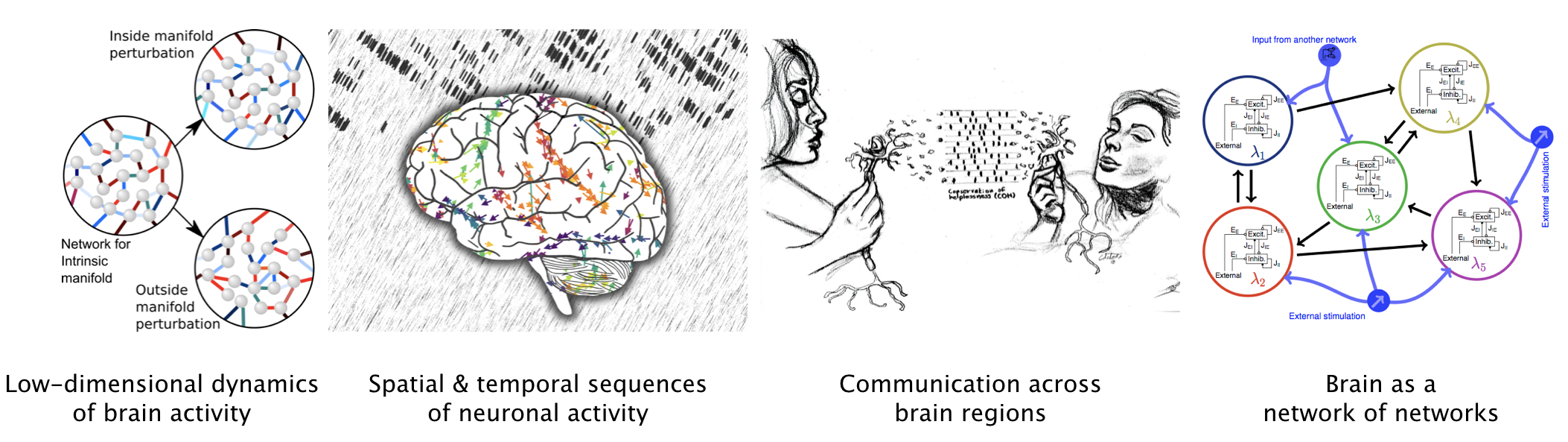
Arvind Kumar is an Associate Professor in the Division of Computational Science and Technology at KTH Royal Institute of Technology. His research focuses on computational neuroscience, particularly the dynamics and information processing in neuronal networks. He investigates how network connectivity, synaptic properties, and external stimulation influence brain activity, with applications to modeling diseases like Parkinson's and epilepsy. Previously, he held positions at the Bernstein Center Freiburg and the University of Freiburg, Germany, and completed postdoctoral training at Brown University. His educational background includes a PhD in computational neuroscience from the University of Freiburg. His research interests include neuronal network controllability, oscillations, and neuromodulation. He collaborates widely, involving projects on MEG data analysis in Parkinson’s, video analysis of animal behavior, and computational models of brain disease mechanisms. He teaches courses in computational neuroscience, philosophy of science, and mathematical modeling of biological systems. His group, NeuroLogic, actively seeks MSc thesis students for projects in neural data analysis, video tracking, and computational modeling.
Mario Padula is a Professor of Economic Policy at the Università della Svizzera italiana, having joined in 2015 after previous positions at the University of Salerno and Ca' Foscari University of Venice. He earned his PhD from University College London in 2001. His research spans household finance, pension economics, and consumer behavior analysis. His primary research interests include: Economics of consumer behavior Applied econometrics for household decision-making Financial literacy's impact on portfolio choices Pension system analysis and reform Intergenerational transmission of economic behaviors Dr. Padula maintains an active research program focusing on microeconomic analysis of household financial decisions with implications for policy development.
Dr. Charmaine Lang is a Research Fellow and Group Leader at the University of Oxford's Nuffield Department of Medicine (NDM) within the Department of Physiology, Anatomy and Genetics (DPAG). She serves as a Biomedical Sciences Tutor at St Catherine's College and is a Visiting Academic at the Kavli Institute for Nanoscience Discovery. Her work is supported by major funding bodies including Parkinson's UK, Rosetrees Trust, and the Michael J Fox Foundation. Dr. Lang completed her undergraduate degree (BSc Hons I) at the University of New South Wales in Sydney, Australia, followed by a PhD at the Garvan Institute of Medical Research focusing on alpha synuclein and mitochondrial dysfunction in Parkinson's disease. She joined Oxford in February 2015 for a postdoctoral fellowship in Richard Wade-Martins' lab. Her research focuses on understanding Parkinson's disease mechanisms using patient-derived induced pluripotent stem cells (iPSCs). She leads two major projects: investigating neuron-glial communication in neurodegeneration, and transcriptomics analysis of Parkinson's iPSC-derived neurons and glia for therapeutic target discovery. Her work examines how astrocytes support dopamine neurons and identifies molecular pathways affected in Parkinson's using advanced techniques like single-cell RNA sequencing. Analysis of Dr. Lang's publications reveals a consistent focus on Parkinson's disease mechanisms using iPSC models. Her work spans cellular modeling, transcriptomics, and molecular pathway analysis, with particular emphasis on GBA and LRRK2 mutations. The research demonstrates an evolution from foundational studies on α-synuclein and mitochondrial dysfunction toward more sophisticated models examining neuron-glial interactions and single-cell resolution of disease progression. Scientific Contributions: Developed innovative iPSC-based models of Parkinson's disease Identified molecular pathways involved in neuron-glial communication Discovered potential therapeutic targets through transcriptomic analysis Advanced understanding of cellular mechanisms in Parkinson's As an educator, Dr. Lang serves as a Senior Doctoral Training Advisor and is active on the DPAG Graduate Studies Committee and Training and Career Development Working Group. She supervises multiple DPhil students and postdoctoral researchers, and teaches in the MSc Neuroscience program and undergraduate Medicine courses. Her team includes researchers working on various aspects of Parkinson's disease modeling and therapeutic discovery. Dr. Lang's research group maintains strong collaborative ties with the Oxford Parkinson's Disease Centre (OPDC) and benefits from funding by major organizations including Parkinson's UK, Rosetrees Trust, Dementia Discovery Fund, and AstraZeneca. Her work bridges basic science and translational research, with a clear focus on identifying therapeutic targets for Parkinson's disease.
Brian DePasquale is an Assistant Professor in the Department of Biomedical Engineering at Boston University. He holds additional affiliations with the Neuroscience & Neuroengineering program as a Primary & Affiliated Faculty member. His research bridges computational neuroscience and machine learning, focusing on understanding neural computations through mathematical modeling of biological systems. Dr. DePasquale received his PhD from Columbia University followed by postdoctoral training at the Princeton Neuroscience Institute. His educational background has positioned him at the intersection of engineering, neuroscience, and computational methods, creating a unique approach to studying neural computation. DePasquale's research employs two complementary approaches: a data-driven method involving collaboration with experimental neuroscientists to develop machine learning models of neural activity, particularly for decision-making and movement behaviors; and a theoretical approach constructing artificial neural network models to understand how structure gives rise to functional features in biological circuits. Recent projects include applying graph neural networks to olfaction research, developing the StateSpaceDynamics.jl package for neuroscience time series analysis, and creating methods for training biophysically detailed spiking neural networks. His publication record reveals a consistent focus on neural dynamics across multiple scales, from single neuron properties to population-level computations underlying decision-making. The work spans theoretical models to practical applications, with growing emphasis on machine learning approaches to analyze complex neural datasets, particularly in understanding evidence accumulation processes and developing more biologically plausible artificial intelligence systems. Among his professional recognitions, DePasquale was awarded the prestigious NSF Graduate Research Fellowship (NSF-GRF). His research is supported by grants enabling his lab to pursue innovative projects at the intersection of neuroscience and machine learning. DePasquale leads the Artificial and Biological Intelligence Laboratory at Boston University, where his team develops open-source computational tools and fosters collaboration between computer scientists, neuroscientists, and engineers. The lab's emphasis on open science is exemplified by publicly available software implementations like StateSpaceDynamics.jl and full-FORCE demos on GitHub.
Philip Parker is an Assistant Professor in the Department of Psychology at Rutgers University. His research focuses on understanding how neural circuits in the brain contribute to natural visual behaviors by integrating action and sensory processes. He employs ethological paradigms, high-density neural recordings, and optogenetic techniques to study visual processing in freely moving animals, aiming to bridge gaps in models of neurological disorders. His research emphasizes the interplay between sensory input and motor output, particularly in contexts resembling real-world conditions. Key themes include neural basis of spatial navigation, sensorimotor integration, and synaptic development. The lab promotes inclusivity and supports underrepresented groups in scientific careers. Recent work highlights advancements in understanding visual cortex dynamics, thalamostriatal synapse remodeling in Parkinsonian models, and the role of molecular factors like nectin-3 in synaptic formation. Research spans behavioral neuroscience, systems neuroscience, and translational approaches for neurodegenerative therapies.
Ricardo Marquez Gomez is a Professor of Neuroscience at the Department of Pharmacology, University of Oxford, where he leads research on Parkinson's disease mechanisms and therapeutic development. He is affiliated with the Wade-Martins Group and St Cross College at Oxford, and his work spans multiple departments through interdisciplinary collaborations. Dr. Marquez Gomez studied Cellular and Molecular Neurobiology in Mexico, focusing on GPCRs heterodimers in the striatum using classical biochemical approaches. In 2019, he joined the University of Oxford as a Newton International Fellow funded by the Royal Society to study histamine regulation of cortico-striatal development. He became a member of the Department of Pharmacology in 2021, working with the Wade-Martins Group on a collaborative project with Astra Zeneca to test drug candidates for Parkinson's disease. His research focuses on developing human neuronal microcircuits on-a-dish using hiPSCs to model Parkinson's disease. His laboratory integrates 3D bioprinting and microfluidics technologies in collaboration with Chemistry and Engineering departments to recreate the cortical-striatal-dopamine circuit affected in Parkinson's. His work investigates G protein coupled receptors (GPCRs), which represent approximately 50% of current drug targets, and their role in modulating neuronal transmission in human contexts. His early career focused on histamine receptor biology, particularly H3 receptors in the striatum and basal ganglia. Analysis of his recent publications reveals a strong progression from basic receptor pharmacology to sophisticated Parkinson's disease modeling. His work increasingly focuses on the GBA-N370S mutation using patient-derived cells, examining early deficits in microcircuits, striatal hyperexcitability, and neurite outgrowth impairments. His research bridges molecular neuroscience, cellular modeling, and translational applications, with consistent emphasis on developing human-relevant models for neurodegenerative disease. Newton International Fellowship from the Royal Society Dr. Marquez Gomez's research is supported through collaborations with Astra Zeneca, resulting in drug candidates moving into pre-clinical trials. He leads an interdisciplinary team utilizing high-throughput screening, CRISPRi technology, and calcium release experiments in iPSC-derived dopaminergic neurons. His work has been referenced in Wikipedia, picked up by news outlets, and shared extensively on academic platforms. Dr. Marquez Gomez is part of the Wade-Martins Group at the Department of Pharmacology and collaborates extensively with researchers in Chemistry and Engineering departments at Oxford. His lab develops 3D bioprinting and microfluidics approaches for creating functional neuronal circuits that recapitulate disease-affected circuitry, representing a significant advancement in Parkinson's disease research beyond traditional cell culture and animal models.
Yun Li is an Associate Professor in the Department of Zoology and Physiology at the University of Wyoming's College of Agriculture, Life Sciences and Natural Resources. She holds a Ph.D. in Physiology from the University of Texas Health Science Center and completed postdoctoral training at Johns Hopkins University School of Medicine. Dr. Li's research investigates prefrontal cortex microcircuits involved in cognitive functions and their disruptions in disorders like dementia and autism. Her lab employs multidisciplinary approaches including miniscope in vivo calcium imaging in mouse models. Her teaching portfolio includes courses in Introduction to Neuroscience and Calcium Signaling. Her publications predominantly explore neural mechanisms of neurodegenerative diseases, substance use disorders, and emotional behavior using advanced imaging techniques. Recent work focuses on TDP-43 pathology, striatal motor learning pathways, and epigenetic factors in depression. Awards/Honors: None reported She is actively recruiting graduate students and postdoctoral fellows to study prefrontal cortex dysfunctions using cutting-edge neurotechnologies.
Alexander Kozlov is a Researcher at KTH Royal Institute of Technology's Division of Computational Science and Technology. His work focuses on computational neuroscience, particularly modeling neural networks and locomotor control systems. He has contributed to understanding spinal cord networks, striatal connectivity, and neuromodulation mechanisms through in silico studies. Kozlov teaches courses in machine learning, artificial neural networks, and mathematical modeling of biological systems. His research integrates AI frameworks with biological data, emphasizing GPU-accelerated simulations and large-scale microcircuit analysis. Key contributions include studies on Parkinson's disease impact on neural connectivity and the role of sensory feedback in locomotion. He collaborates with the Science for Life Laboratory in Stockholm and maintains active roles in both peer-reviewed and conference publications. Education background and affiliations are not explicitly detailed in the provided text, but his extensive publication record reflects a deep engagement with interdisciplinary neuroscience and computational biology. Awards or grants are not listed here.
Shreesh Mysore is an Associate Professor in the Department of Psychological and Brain Sciences at Johns Hopkins University, with secondary appointments in the Department of Neuroscience and the Kavli Neuroscience Discovery Institute. He leads an interdisciplinary research program focused on the neural basis of attention, decision-making, and cognitive function. His educational background includes a PhD in Control and Dynamical Systems from Caltech, an MA in Mathematics from Penn State, an MS in Industrial Engineering from Penn State, and a B.Tech in Mechanical Engineering from IIT Madras. He completed postdoctoral training in Neurobiology at Stanford University. Dr. Mysore's research explores how neural circuits implement competitive selection for attention, using tools such as electrophysiology, calcium imaging, optogenetics, chemogenetics, and computational modeling in freely behaving animals. His lab investigates fundamental principles of neural computation across species and aims to uncover mechanisms relevant to psychiatric disorders like ADHD, autism, and schizophrenia. He also explores bio-inspired artificial intelligence. His recent publications reveal a strong focus on inhibitory circuit motifs in the midbrain and brainstem, particularly how they enable categorical stimulus selection and attentional control. The work spans systems, computational, and behavioral neuroscience, with frequent appearances in high-impact journals such as Nature Communications , eLife , and Cell Reports . A recurring theme is the discovery of canonical circuit principles underlying cognitive functions. NSF CAREER Award NIH R01 (NEI) NIH R21 (NIMH) OneNeuro Discovery Award, JHU Trainee awards: NIH F32, NSF GRFP (honorable mention), Dean’s Dissertation Prize Dr. Mysore has advised numerous PhD and postdoctoral trainees, many of whom have gone on to academic and industry positions. His lab collaborates with PIs in neuroscience, computer science, and engineering. Current research includes theoretical modeling of learning rules, neural dynamics of decision-making, and cross-species comparisons of attentional circuits. The lab emphasizes training in an environment of kindness, curiosity, and integrity. The Mysore Lab is based at Johns Hopkins and includes postdocs, PhD students, research technicians, and undergraduates working on diverse projects ranging from neural circuit dissection to AI algorithm development.
Paul Walker is a Professor at Wayne State University School of Medicine, with academic appointments since 1990 and promotion to Professor in 2002. He holds formal education including a BS in Biology (Albright College, 1983), PhD in Anatomy (Temple University, 1987), and postdoctoral training in Neuroscience at Rutgers University (1987-1990). Current research focus: Medical education methodology Prior research focus: Basal ganglia neurochemistry Key projects: Medical Gross Anatomy curriculum development His scientific contributions span Dopamine receptor interactions in movement disorders and Neurochemical mapping of brain structures. Recent work explores neurotransmitter dynamics in sensory integration. Administrative Roles Director, Medical Gross Anatomy course (2015-present) Contributor, Medical Neuroscience curriculum Director, CME course in Surgical Anatomy of the Head & Neck
Prof. Dr. Simon Jacob is a leading researcher in translational neurotechnology at the Technische Universität München . As head of the Translational NeuroTechnology Laboratory and associate member of multiple neuroscience networks, he bridges rodent models with human neurosurgical research to unravel cognitive mechanisms. Board-certified neurologist Director of preclinical and clinical BCI research His research focuses on Neuronal basis of higher cognition Dopamine's role in executive function Neuromodulation of mental health using advanced methods like optogenetics , multi-scale neuroimaging , and computational modeling . Recent scientific publications reveal groundbreaking insights into Prefrontal cortex organization Striatal dopamine signaling Neuronal distraction filtering with implications for brain-computer interfaces and cognitive disorders. Recognized with a prestigious ERC Consolidator Grant , he mentors a diverse team of students spanning medicine, psychology, and AI. His teaching includes courses on neuroanatomy, cognitive neuroscience, and translational approaches to psychiatric disorders at TUM's elite programs.