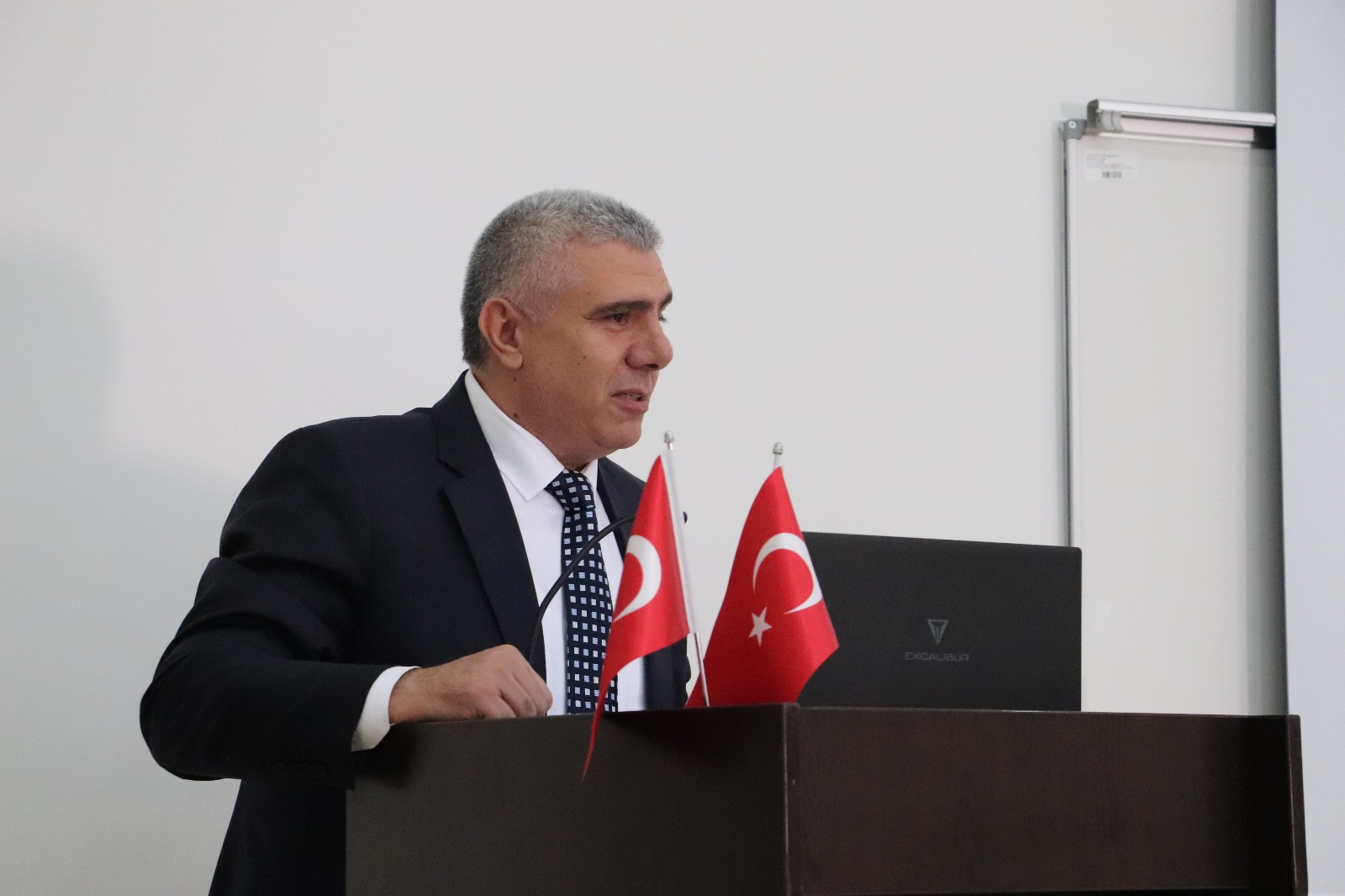
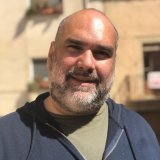
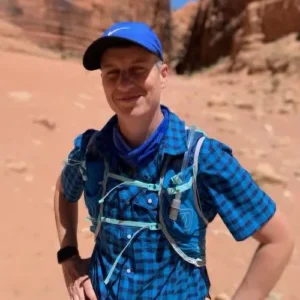
Mehmet İshak Yüce is a Professor in the Department of Hydraulics within the Faculty of Engineering at Gaziantep University. His career spans over 30 years, starting as a Research Assistant in 1993 and achieving professorship in 2021. He holds a PhD in Civil Engineering from the University of Manchester (2005), an MSc in Water Engineering from Istanbul Technical University (1995), and a BSc in Civil Engineering from Middle East Technical University (1992). Research Focus: Dr. Yüce specializes in hydrology, fluid mechanics, and climate impacts on water systems. His work integrates computational modeling, statistical hydrology, and sustainable resource management. Key themes include: Drought prediction using copula models and machine learning Hydrokinetic turbine design for renewable energy Hydraulic transients and pollutant transport Climate-driven hydrological variability in Mediterranean basins Awards & Recognition: Gaziantep University 2015 Second Best Doctoral Thesis Award Academic Leadership: He has supervised 6 doctoral and 32 master's students, focusing on hydrology, energy systems, and hydraulic infrastructure. His grants include projects on hydrokinetic turbines (2012-2022) and drought analysis (2015-2019), funded by national agencies. Administrative Roles: Former Dean of Engineering (2021), Institute Director (2020-2023), and multiple terms as Department Deputy Head.
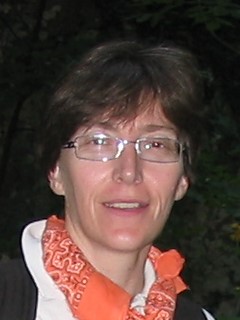
Prof. Dr. Bihrat Önöz serves as Head of the Civil Engineering Department and full-time faculty at Işık University's Faculty of Engineering and Natural Sciences. She specializes in water resources engineering with extensive contributions to hydrological modeling and drought analysis across Turkish river basins. Her academic credentials include: 1974-1977: B.Sc. in Civil Engineering, Ege University 1984-1986: M.Sc. in Hydraulics, Istanbul Technical University 1988-1992: Ph.D. in Water Engineering, Istanbul Technical University Research focuses on hydrological extremes, featuring pioneering work in statistical streamflow estimation for ungauged basins, multivariate drought indexing, and climate change impacts on water resources. Her methodologies integrate wavelet analysis, copula-based modeling, and machine learning to address water scarcity challenges in Mediterranean ecosystems. She actively supervises graduate research and leads hydrological projects, with recent work emphasizing seasonal drought prediction and reservoir management under changing climate conditions. Notable supervision includes 58 graduate students across doctoral and master's programs, with thesis topics spanning low-flow analysis, flood frequency modeling, and renewable energy-water nexus studies. Current projects include hydrostatistical flow estimation models for ungauged basins and drought characterization in Eastern Black Sea watersheds.
Vladislava Mihailović serves as an Associate Professor at the Faculty of Forestry, University of Belgrade, where she has been employed since 1997. Appointed to her current academic rank in 2018, she teaches Technical Mechanics for Wood Technologies and Ecological Engineering in Protection of Land and Water Resources programs. Her educational background includes a diploma from the University of Belgrade's Faculty of Civil Engineering in 1994, followed by a Master's degree in 2003 and a PhD in 2012 from the same institution. Dr. Mihailović's research focuses on the mechanics of deformable bodies, particularly linear elastic orthotropic materials, stochastic analysis of hydrological time series and extreme hydrological events, and the study of rainfall-runoff transformation processes using hydraulic-hydrological models. She is also a member of the Engineering Chamber of Serbia, demonstrating her professional standing in the engineering community. Analysis of her publication record from 1999-2021 reveals two primary research streams: wood material mechanics (particularly particleboard and furniture joint analysis) and hydrological modeling (with emphasis on flood frequency analysis and drought assessment). Her most recent work demonstrates sophisticated methodological approaches to handling missing data in flood frequency analysis using perception thresholds, showing her ability to address complex data challenges in hydrological studies. Her educational contributions include co-authoring a textbook collection for Technical Mechanics titled 'Zbirka zadataka iz Tehničke mehanike – statika i otpornost materijala.' While specific grant information isn't provided in the available materials, her research appears to be connected to water resource assessment projects, potentially including the 'Assessment of climate change impacts on water resources in Serbia' (MPNTR - 37005) project mentioned in one of her publications.
Matt Dannenberg is an Associate Professor at the University of Iowa, specializing in global change ecology, climate-ecosystem interactions, and terrestrial carbon/water cycle dynamics. His research integrates remote sensing, dendrochronology, and empirical modeling to understand ecological responses to climate variability across regional to global scales. Geographic focus on western U.S. drylands and southeastern U.S. forests Methods include satellite remote sensing, tree-ring analysis, and neural network modeling Key climate drivers: El Niño-Southern Oscillation (ENSO), vapor pressure deficit (VPD), precipitation patterns His work examines: Climate forecasting of ecological processes Land cover change impacts on carbon exchange Drought resilience in forest ecosystems Atmospheric teleconnection effects on phenology He leads the Ecoclimatology of Carbon and Water (ECH 2 O) lab, developing tools for monitoring ecosystem responses to environmental change through land-atmosphere flux modeling and multi-sensor remote sensing.
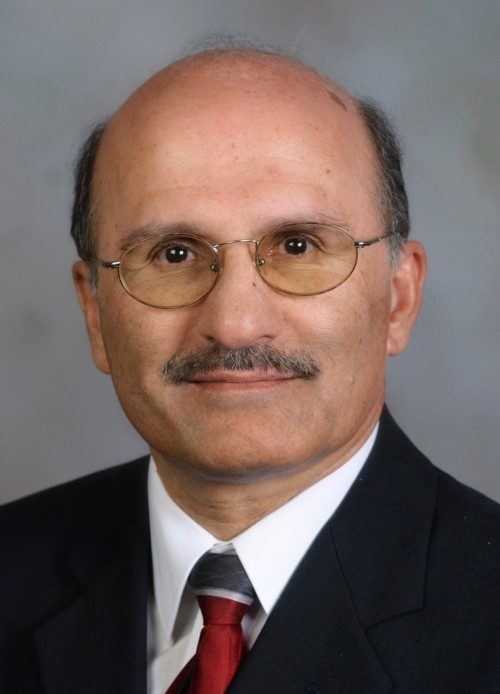
Saied Mostaghimi is the H.E. and Elizabeth F. Alphin Professor in the Department of Biological Systems Engineering at Virginia Tech. He serves as the Associate Dean for Research in the College of Agriculture and Life Sciences and directs the Biodesign and Bioprocessing Research Center (BBRC). His research spans nonpoint source pollution control, watershed management, and bioprocessing of agricultural wastes. Ph.D. in Agricultural Engineering, University of Illinois (1982) M.S. in Agricultural Engineering, University of Illinois (1979) B.S. in Irrigation Engineering, Pahlavi University, Iran (1976) His work focuses on nonpoint source pollution control , watershed-scale management practices , and simulation models for water quality assessment. BBRC, under his leadership, converts agricultural waste into value-added products, securing $3.2M in funding. He also led EU-US collaborations to enhance biosystems engineering education globally. Notable awards : Alumni Award for Excellence in Outreach (2009) Hancor Soil and Water Award (2008) Fellow of ASABE (2006) Recent grants include USDA-NIFA funding for BBRC and Department of Education support for international policy measures. He has advised numerous graduate students in water quality, pathogen transport, and watershed modeling.
A S M Mostaquimur Rahman is a Lecturer at the School of Civil, Aerospace and Design Engineering , University of Bristol , specializing in Water and Environmental Engineering . His research focuses on groundwater dynamics, surface water-groundwater interactions, and their influence on land-atmosphere processes. Hydrology Numerical Modeling Water Resources Sustainability Rahman employs numerical models to investigate groundwater flow, surface-groundwater connectivity, and subsurface water losses. Recent work includes the development of the DECIPHeR-GW v1 model and large-scale groundwater flow studies across England. Scientific Awards : UKRI Future Leaders Fellowship Rahman leads projects on extreme drought projections and contributes to datasets documenting groundwater depth dynamics across England.
Bong Chul Seo is an Assistant Professor at the Civil, Architectural and Environmental Engineering Department of Missouri University of Science and Technology , where he focuses on advanced hydrological research and data-driven methodologies. His work bridges engineering and environmental science to improve flood prediction and water management systems. Employing weather radar and satellite data for hydrological applications Developing AI-based rainfall nowcasting tools Advancing uncertainty quantification in streamflow simulations Contributing to national water model improvements Recent research highlights include: Optimizing sensor networks using graph theory (2025) Validating polarimetric precipitation estimates (2025) Quantifying wetland impacts on water quality (2024) Enhancing radar data assimilation systems (2024)
Dr. Monica Ionita-Scholz is a climate researcher at the Alfred Wegener Institute, Helmholtz Centre for Polar and Marine Research , specializing in paleoclimatology, climate dynamics, and extreme weather events. Her work bridges historical climate data analysis with modern machine learning techniques to understand European climate variability. Affiliation: Dynamics of the Paleoclimate Team, AWI Research Interests: Focuses on reconstructing climate indices using oxygen isotopes from tree rings and ice cores, analyzing drought and heatwave patterns, and modeling the impact of ocean-atmosphere interactions on European climate extremes. Key methodologies include statistical climate analysis, proxy data validation, and hybrid machine learning models. Scientific Contributions: Recent publications address Atlantic Meridional Overturning Circulation (AMOC) dynamics, drought risk in Eastern Europe, and extreme event attribution. She utilizes repositories like PANGAEA for data sharing and collaborates on Arctic climate projects. Infrastructure & Tools: Active in developing data workflows for climate modeling, including programmatic access to FAIR data and virtual environments like Jupyter Notebooks. Her work connects paleoclimate archives with contemporary climate risk management strategies.
Bertuğ Akıntuğ is a faculty member in the Department of Civil Engineering at Middle East Technical University, Northern Cyprus Campus. His research focuses on stochastic modeling in hydrology, particularly drought analysis and climate regime shifts. His work includes theoretical and applied studies on Markov-Switching (MS) models for hydrologic time series, comparing their performance with ARMA models in capturing multiyear drought patterns. He has developed innovative disaggregation methods for monthly streamflow simulation and quantified uncertainties in energy drought frequency analysis using Bayesian inference and MCMC techniques. Key publications highlight MS model applications in Manitoba Hydro's hydropower system, emphasizing the importance of reproducing natural flow cycles and addressing parameter/data uncertainties in extreme drought assessments. His research contributes to improving synthetic hydrology methods for water resource management.
Dushmantha Jayawickreme is an Associate Professor of Earth Science at Southern Connecticut State University (SCSU), where he specializes in geology, hydrology, geophysics, and environmental systems. His research integrates geophysical methods with ecological and hydrological studies to understand environmental change and water resource dynamics. Research Focus: His work spans geophysical subsurface imaging , soil moisture variability , land-use impacts on hydrology , and environmental degradation in wetlands and agricultural landscapes . He employs tools like electrical resistivity, ground-penetrating radar, and remote sensing to analyze subsurface processes and their interactions with vegetation and climate. Grants & Funding: He has secured multiple grants, including: National Geographic Society ($20,000) for water crisis research in Southeast Asia (2023–2024) CSU/SCSU grants totaling over $15,000 for watershed and urbanization studies (2020–2024) Funding for Amazonian ecological rehabilitation and Argentine dry woodland research. Publications: His 15+ peer-reviewed articles (2007–2014) emphasize hydrological modeling , salinization processes , and geophysical applications in ecology , with fieldwork in Argentina, Sri Lanka, and the Amazon. Teaching: He teaches courses like Soil Science , Hydrology , Engineering Geology , and Data Visualization in Geosciences , fostering interdisciplinary geoscience education.
Philipp Wanner is an Associate Professor (Docent) in Contaminant Hydrogeology at the Department of Earth Sciences, Faculty of Science, University of Gothenburg, Sweden. He leads the IsoGot Laboratory and serves as Principal Investigator of the North American Consortium for Field-Focused Groundwater Research. Additionally, he is a member of the steering group of the Centre for Future Chemical Risk Assessment and Management (FRAM). His work focuses on understanding how contaminants behave in groundwater systems to improve protection and management strategies for this vital resource, which provides drinking water for nearly half the global population and supports 40% of global food production. Dr. Wanner's research centers on contaminant hydrogeology, with particular emphasis on both legacy contaminants (chlorinated solvents, pesticides) and emerging contaminants (microplastics, PFAS). His work combines field studies, laboratory experiments, and advanced analytical techniques like stable isotope analysis to investigate contaminant transport mechanisms, degradation pathways, and risk assessment. This research is critical for developing effective groundwater protection strategies, as contamination often goes unnoticed until it's too late, despite groundwater being a cornerstone of human health, ecosystem stability, and climate change resilience. His recent publication record shows a strong focus on emerging contaminants, particularly PFAS and microplastics, while maintaining expertise in traditional contaminants. The research spans method development, field applications, and risk assessment, with increasing emphasis on interdisciplinary approaches connecting hydrogeology with microbiology, atmospheric science, and environmental policy. This trend reflects the growing complexity of groundwater contamination challenges in the 21st century. Dr. Wanner has secured significant research funding as Principal Investigator for multiple projects: Swedish Research Council (VR) Project Grant: Revolutionizing PFAS Source Identification in Drinking Water (2026-2030) Swedish Research Council (VR) Starting Grant: Plastic and pesticides in agricultural soils (2022-2026) FORMAS Early Career Research Project: Artificial groundwater recharge and PFAS (2022-2026) Carl Trygger Foundation Project: Chlorinated solvent biodegradation (2022-2024) He currently supervises PhD student Tabea Mumberg and postdoc Swagatam Chakraborty, focusing on critical issues at the intersection of agricultural practices, plastic pollution, and groundwater quality. As head of the IsoGot Laboratory, Dr. Wanner leads a research group applying innovative isotope techniques to solve complex groundwater contamination problems, collaborating with researchers across multiple institutions in Sweden, North America, and Europe.
Dr. Iqbal Hossain serves as a Lecturer at Swinburne University of Technology's School of Engineering in Melbourne, Australia, where he also acts as Course Director for the Graduate Certificate in Infrastructure Engineering Management. Additionally, he works as a Water Resources Consultant at KF Engineering Pty Ltd., Melbourne, bringing practical industry experience to his academic role. As a member of both The Institute of Engineers Australia and the Institute of Engineers Bangladesh, Dr. Hossain maintains strong professional connections across international engineering communities. Dr. Hossain's research spans water resources engineering with particular focus on climate change impacts, rainfall forecasting, water quality modeling, and sustainable water management. His work addresses critical challenges in urban stormwater management, including constructed wetland performance, heavy metal contamination assessment, and climate-resilient infrastructure design. He has developed innovative approaches for rainfall disaggregation, water footprint assessment, and arsenic removal techniques, demonstrating both theoretical rigor and practical application. His publication record shows a consistent trend toward integrating advanced modeling techniques with traditional hydrological approaches. Recent articles demonstrate increasing use of artificial neural networks alongside conventional models, reflecting a broader shift toward machine learning applications in water resources. His work consistently addresses climate change impacts across various water resource domains, from rainfall patterns to bushfire effects on water supply reliability. Dr. Hossain actively supervises HDR students across diverse topics including microplastics exposure, construction management with data science, building energy efficiency, and streamflow prediction. His supervision portfolio reflects his commitment to developing the next generation of water resources professionals who can address complex, interdisciplinary challenges. His research directly contributes to UN Sustainable Development Goals 13 (Climate Action) and 6 (Clean Water and Sanitation), demonstrating his commitment to addressing global water challenges through both academic research and practical consulting work. His dual academic-industry role provides valuable real-world context to his teaching and research activities.
Dr. Roger Clavera Gispert is a Researcher at the Department of Geophysics within the University Institute of Geophysics , affiliated with Ebro Observatory . He actively contributes to: Climate change adaptation in mountain communities (PYRENEES4CLIMA) Hydrological digital twin development (DTEHN) Co-creation of territorial adaptation strategies (eCOadapt) Research Focus: Specializing in Numerical Modeling of geological systems, his work bridges Tectonics with Sedimentary Basin analysis, particularly examining how structural features like Relay Ramps influence sediment dispersal. Recent publications highlight his expertise in Streamflow Trends and Low Flow Simulation across the Pyrenees region, integrating Satellite Data with Hydrological Models to address climate resilience. Collaboration Network: Maintains active partnerships with institutions across Europe and Africa , focusing on Water Management solutions. Current projects emphasize Digital Twin Earth applications and Multi-model Climate Projections for transboundary mountain communities.
Dr. Jeff Wesner serves as Professor and Faculty Associate Chair of Biology in the Department of Biology at the University of South Dakota. His research program focuses on the ecology and conservation of stream and terrestrial ecosystems, with particular expertise in freshwater ecology, fish ecology, and stream ecology. Dr. Wesner holds a PhD in Zoology from the University of Oklahoma (2010), an MS in Biology from Western Carolina University (2005), and a BS in Zoology from the University of Oklahoma (2002). Dr. Wesner's research examines how species loss, species introductions, and pollution affect food webs within and across ecological boundaries. His work integrates population, community, behavioral, and food web ecology approaches to guide conservation of freshwater species. Key research themes include stream community size structure, invasive species impacts on freshwater ecosystems, aquatic-terrestrial linkages, and contaminant bioaccumulation. His lab employs field studies, laboratory experiments, and statistical modeling to address these questions across spatial scales from local streams to continental patterns. Analysis of Dr. Wesner's recent publications (2022-2025) reveals a strong focus on size-structured ecology in freshwater systems, with particular attention to how temperature gradients influence community dynamics. His work demonstrates growing interest in invasive species impacts, particularly on bigheaded carp in Missouri River tributaries, and the development of novel methods for studying stream ecosystems. His publications appear in high-impact journals across ecology, fisheries science, and environmental toxicology. Richard and Sharon Cutler Faculty Award, 2023 Belbas Larson Award - Nominated, USD, 2016 Dr. Wesner maintains an active grant portfolio including multiple NSF-funded projects examining continental scaling of size spectra in freshwater streams and the influence of temperature on community dynamics. His lab has received funding from USFWS for invasive carp research and from South Dakota Game, Fish & Parks for Blue Sucker conservation. He has previously directed an NSF-funded REU Site: Sustainable RIVER (Remediating InVasives to Encourage Resilience), demonstrating commitment to undergraduate research training. The Wesner Lab provides students with opportunities to engage in field, laboratory, and modeling research on pressing freshwater conservation issues. The Wesner Lab, accessible at thewesnerlab.com, conducts integrated research examining freshwater ecosystem dynamics across multiple scales. The lab maintains strong connections with state and federal agencies, providing applied research that informs conservation and management decisions. Current projects focus on invasive species monitoring, stream community structure, and the effects of environmental stressors on freshwater food webs, with particular emphasis on size-structured ecological processes.
Tessa Harden serves as Assistant Professor of Earth and Environmental Science at Thomas College, maintaining active research collaborations with the U.S. Geological Survey and Bureau of Reclamation since 2008. Her work focuses on quantifying extreme riverine floods over the past 10,000 years and improving flood-frequency analyses for rare events through paleoflood hydrology. Her educational credentials include: Ph.D. in Environmental Science and Resources/Geology from Portland State University (Oregon) M.S. in Geosciences from the University of Arizona B.S. in Geology with Chemistry minor from University of Southern Indiana Dr. Harden's research integrates geological evidence with hydrological modeling to investigate climate-flood relationships, specializing in Environmental Science, Geology, Climate Science, Hydrology, Natural Hazards, Flood-Frequency Analysis, Soil Science, and Geomorphology . She emphasizes cross-disciplinary connections in teaching earth-science courses including geology, climate science, and environmental science. Analysis of her 13 publications (2010-2021) reveals consistent focus on paleoflood reconstruction in critical U.S. regions including the Black Hills, Tennessee River, and Colorado River Basin. Her work demonstrates methodological innovation in extracting flood histories from geological archives to improve hazard assessments under changing climate conditions. Her professional recognition includes: U.S. Department of Interior Valor Award (2019) At Thomas College, Dr. Harden advises the Environmental Science Club, mentoring students in environmental research. Her federal agency collaborations represent significant applied research partnerships addressing national flood hazard challenges. Current projects examine Medieval Climate Anomaly flood patterns and multi-millennial flood-frequency models using stratigraphic records from alcoves and caves. Her research operates at the intersection of field geology, hydrological modeling, and climate science through sustained partnerships with USGS and Bureau of Reclamation field teams across western and eastern United States.