
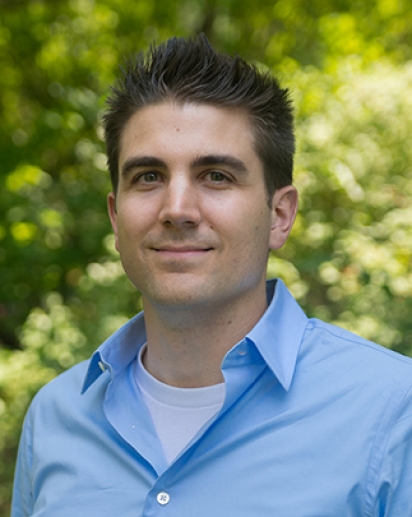
Jonathan M. Winter is an Associate Professor in the Department of Geography and an Adjunct Associate Professor in the Department of Earth Sciences at Dartmouth College . His research explores climate prediction and the impacts of climate variability and change on human health , water resources , and agriculture . He focuses on drivers of tickborne disease expansion, future water availability for irrigation, high-resolution climate projections, uncertainty in regional climate models, and the predictability of climate extremes in the Northeastern United States. Education : PhD and MS from Massachusetts Institute of Technology , BS from SUNY College of Environmental Science and Forestry . Research Interests : Climate impacts on agriculture and human health, bias correction of climate data, crop modeling, extreme precipitation analysis, and Lyme disease expansion. Teaching : Courses on Global Climate Change , Water Resources , and Climate Change Effects on Agriculture . Labs & Teams : Leads the Dartmouth Applied Hydroclimatology Group (AHCG) , mentoring graduate and undergraduate researchers. Publications : Recent work includes high-resolution climate projections , water scarcity implications , and climate-agriculture interactions , with a focus on the Northeastern U.S. and global croplands. Contact : Jonathan.M.Winter@dartmouth.edu | Phone : 603-646-6456
جستوجوی استاد و پژوهشگر
استاد راهنما، استاد دانشگاه یا پژوهشگر مناسب برای مسیر پژوهشیتان را پیدا کنید و با او ارتباط بگیرید.
نمایش ۴۶-۶۰ از ۶۱۶ استاد راهنما
اطلاعات این پروفایلها از صفحات عمومی دانشگاهها جمعآوری شده و ممکن است بهروز نباشد.

Philip Brunner is a Professor of Hydrogeology at the University of Neuchâtel's Faculty of Science since 2012. He is based at the Center for Hydrogeology and Geothermics (CHYN), leading the Laboratory of Hydrogeological Processes. His work centers on sustainable water resource management through quantitative tools. He earned his PhD from ETH Zurich, focusing on sustainable salt and water management in Western China's agricultural basins. Post-PhD, he conducted three years of postdoctoral research in Australia, developing new approaches for simulating river-aquifer interactions. Brunner's research spans surface water-groundwater interactions, numerical modeling, and remote sensing. He integrates methods from numerical modeling, remote sensing, scientific computing, and isotopic chemistry. His interdisciplinary collaborations with mathematicians, biologists, and physicists address challenges in agriculture, ecohydrology, engineering, and sustainable resource management. Recent publications highlight innovative tracer techniques (noble gases, microbes), low-cost monitoring systems, and advanced numerical models. His work tackles climate change impacts on ecosystems, groundwater in conflict zones, and sustainable practices in diverse environments including mountains and agricultural regions. He teaches courses such as Introduction to Hydrological Processes (Master), Numerical Modeling (Master), Remote Sensing (Master), and Introduction to Soil Physics (Bachelor, in French). His laboratory serves as a center for experimental and computational hydrogeological research.

Li Liمشاهده پروفایل
استاد
Li Li is a Professor in the Department of Civil and Environmental Engineering at Pennsylvania State University. She leads the Li Reactive Water research group, focusing on the Critical Zone and its response to climate change and human activities. Her work examines interactions between water, soils, rocks, roots, and microbes, with implications for water quality and sustainability. Research interests include reactive transport modeling, stream chemistry dynamics, and the impacts of climate extremes on hydrological systems. She has contributed to high-profile studies such as the discovery of ancient carbon release via rivers and the effects of extreme rainfall on nutrient loss in American soils. Recent recognitions include dual awards from the Earth and Space Association (2024) and being named an Institute of Energy and the Environment Fellow. Her lab actively collaborates on projects like the BioRT-HBV model and applications of deep learning in hydrological data analysis. Key projects: Facilitating environmental investigations with single-column models, maximizing CO₂ trapping in geological formations Leadership roles: IEE Fellow, Principal Investigator of NSF-funded research
Summer Rupper is a Professor at the School of Environment, Society & Sustainability at the University of Utah, where she has held her position since July 2019. Her research focuses on understanding the interactions between climate, glaciers, and water resources, with particular emphasis on high mountain regions including High Mountain Asia, the Himalayas, and polar regions. She leads multiple research projects examining glacier dynamics, hydrological processes, and climate change impacts on water security for downstream populations. BS in Geology from Brigham Young University (2001) MS in Geology from University of Washington (2004) PhD in Earth and Space Sciences from University of Washington (2007) Professor Rupper's research spans physical geography, environmental geoscience, and climate change science, with specific expertise in glaciology, hydrology, and atmospheric sciences. Her work integrates field measurements, remote sensing, and numerical modeling to understand glacier dynamics, snow processes, and water resource availability in mountainous regions. She has particular expertise in High Mountain Asia, where glaciers provide critical water resources for over a billion people. Her research addresses fundamental questions about glacier response to climate change, hydrological partitioning, and the implications for water security in vulnerable regions. Her recent publications demonstrate a consistent focus on understanding glacier dynamics, hydrological processes, and climate interactions in mountainous regions. The work spans multiple methodologies including remote sensing analysis, numerical modeling, statistical approaches, and field-based measurements. Key themes include glacier melt contributions to river systems, precipitation patterns in complex terrain, snow density modeling, and the impacts of climate change on water resources in High Mountain Asia and polar regions. Her research often integrates multiple data sources and approaches to address complex questions about cryospheric processes and their societal implications. Superior Research Award (2024, CSBS, University of Utah) G.K. Gilbert Award for Excellence in Geomorphic Research (2022) Outstanding Utah Higher Education Science Teacher (2021) Top Researcher Award, Celebrate U showcase (2017) Antarctic Service Medal (2010, USAF) Professor Rupper actively mentors graduate students through thesis research courses at both the PhD and Master's levels, as well as individual projects. She has secured significant research funding from multiple federal agencies including NSF, NASA, and USAID, with current projects examining climatic controls on Antarctic ice sheets, glacier dynamics in High Mountain Asia, and historical glacier changes. Her collaborative work extends across international boundaries, working with scientists in Pakistan, Bhutan, and other regions to address shared water security challenges. She also engages in community outreach through workshops with school districts and science teacher associations to communicate climate science to broader audiences. Professor Rupper participates in multiple collaborative research teams including the NASA High Mountain Asia Team (HiMAT), where she contributes expertise in glacier dynamics and hydrology. She serves on several scientific committees including the NSF Ice Core Facility Sample Allocation Committee and the American Geophysical Union Cryosphere Section Fellows Committee. Her research often involves interdisciplinary teams combining expertise in glaciology, hydrology, remote sensing, and climate modeling to address complex questions about mountain water systems under changing climate conditions.
Rabin Bhattarai is an Associate Professor in the Department of Agricultural and Biological Engineering at the University of Illinois Urbana-Champaign. His research focuses on understanding climate change impacts on agricultural systems, water quality management, and extreme weather event analysis. He has collaborated on projects involving crop yield optimization, nitrate loss reduction, and the development of novel biochar-based nutrient capture systems. His work integrates modeling tools such as SWAT and DRAINMOD to assess subsurface drainage systems and their environmental impacts. Key contributions include a globally recognized water quality database for lakes and studies on extreme precipitation regimes in Illinois. Bhattarai's publications emphasize interdisciplinary approaches, combining hydrology, climate science, and engineering to address agricultural sustainability challenges. Recent research highlights include analyzing socially vulnerable communities' exposure to compound extreme heat and precipitation events in the Upper Midwest and evaluating probabilistic approaches for extreme weather prediction. His datasets, such as the Framework of Simulating Structural Sediment Perimeter Barriers, demonstrate commitment to practical applications in erosion control and environmental engineering. Research Strengths: Climate-Driven Agricultural Systems, Hydrological Modeling, Sustainable Nutrient Management Notable Projects: Cover Crop Decision Support Tool, DIRECT4AG Project Series
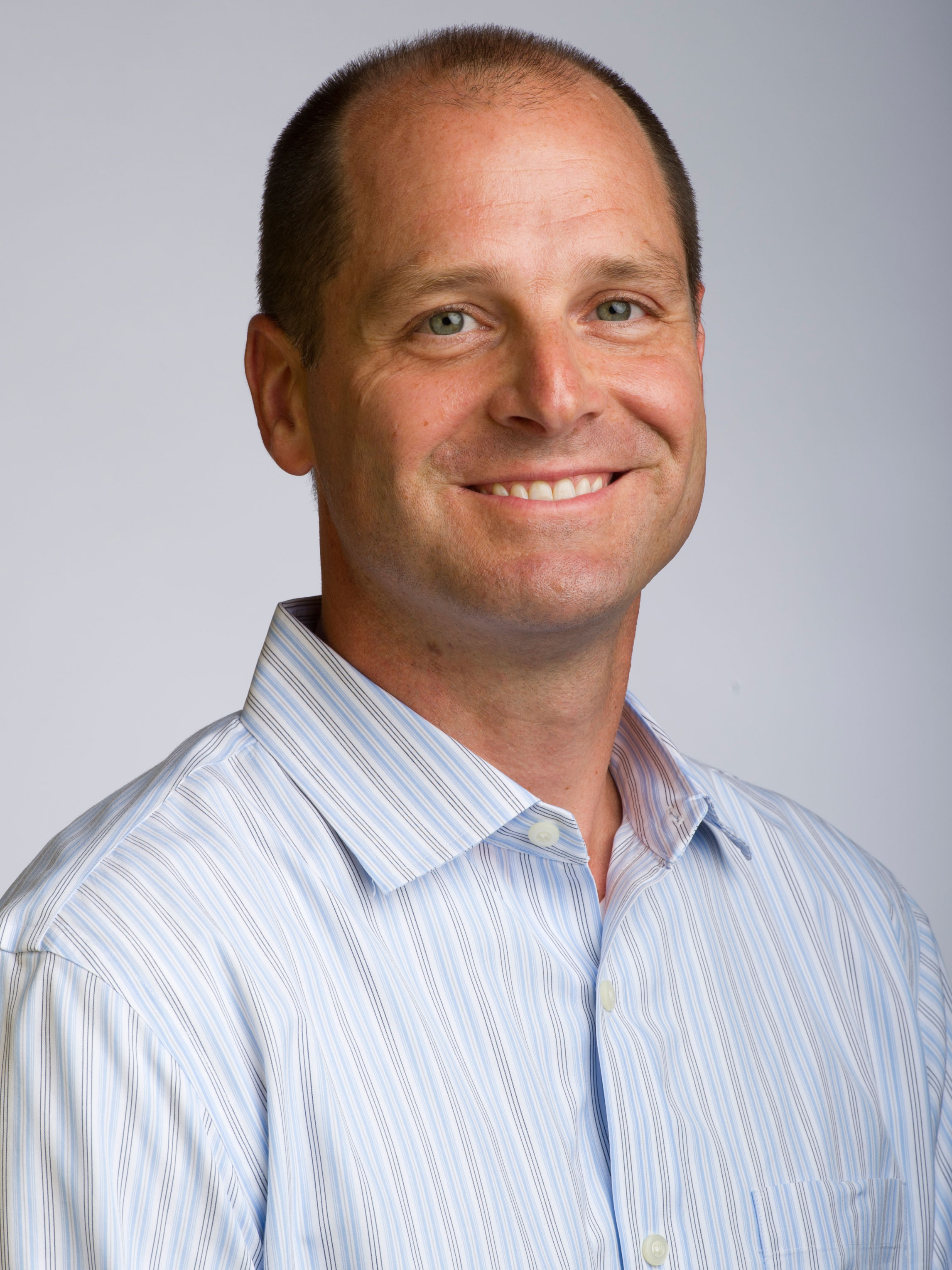
R. Edward Beighley is the COE Distinguished Professor and Interim Chair of Civil and Environmental Engineering at Northeastern University. He is also affiliated with the Marine and Environmental Sciences program. His research focuses on hydrologic and hydraulic modeling, remote sensing of the hydrologic cycle, and flood hazard assessment. He holds a Ph.D. from the University of Maryland (2001), an M.S. from Pennsylvania State University (1996), and a B.S. from the same institution (1995). Key honors include the 2024 Distinguished Faculty Award, 2019 Fostering Engineering Innovation Award, and leadership roles in NASA’s SWOT Satellite Mission. His work emphasizes sustainable water resource management through interdisciplinary approaches combining remote sensing, field data, and hydrologic models. Research projects include evaluating microplastic accumulation in floodplains, global river baseflow analysis via GRACE/GRACE-FO satellites, and improving SWOT discharge estimation algorithms. The Beighley Lab collaborates on flood risk assessment and climate change impacts at local to global scales. Grants: SWOT Science Team (NASA), NSF Microplastics Project, North Carolina Hurricane Relief Research. Students: Advises PhD student Max Rome on floating wetlands and urban water quality. Labs/Teams: Beighley Lab focuses on terrestrial water systems and satellite applications.

- Mountain Hydrology
- Snow Hydrology
- Ecohydrology
- +۴ مورد دیگر
Noah P. Molotch is a Professor in the Department of Geography at the University of Colorado Boulder, leading the Mountain Hydrology Group and affiliated with the Cryosphere and Surface Processes Lab and Niwot Ridge Long-Term Ecological Research program. His work integrates ground observations, remote sensing, and computational modeling to advance understanding of mountain hydrology, water resources, and ecohydrology in changing climates. His educational background includes: PhD in Hydrology and Water Resources from the University of Arizona (2004) MS in Environmental Science and Management from the University of California, Santa Barbara (2000) BA from the University of Colorado Boulder (1997) Molotch's research focuses on snow hydrology , ecohydrology , and remote sensing with emphasis on snowmelt distribution, soil moisture dynamics, and streamflow generation. He investigates how climate change alters snowpack characteristics and hydrological partitioning, affecting forest productivity and carbon cycling in montane ecosystems. His work spans from the Colorado Front Range to Chilean Andes, addressing critical water security challenges through field studies and satellite data integration. Recent publications (2024-2025) reveal three dominant research thrusts: (1) Advanced snow water equivalent estimation using machine learning and airborne remote sensing, (2) Climate impacts on snowmelt timing and hydrological partitioning across mountain systems, and (3) Ecohydrological feedbacks between snow dynamics and vegetation productivity. These studies increasingly incorporate drone-based multispectral imaging and cross-scale data fusion to resolve spatial heterogeneity in alpine environments. Molotch mentors PhD students Millie Spencer and Emma Tyrrell, with Spencer documenting glacier retreat in Chile through CUAHSI-funded research. His group has secured significant grants from the U.S. Bureau of Reclamation for developing operational snowpack datasets, while collaborating with NASA, NOAA, and water management agencies on real-time monitoring systems. Community engagement includes art-science collaborations like the Colorado Arts Science Environment Program to communicate climate impacts. The Mountain Hydrology Group operates cutting-edge facilities including the Cryosphere and Surface Processes Lab and contributes to the Niwot Ridge Long-Term Ecological Research site. They deploy airborne lidar, drone-based thermal imaging, and wireless sensor networks to map snow properties at unprecedented resolutions, directly informing water resource management during drought and flood events across the Western U.S.

- Hydrology
- Water Resources
- Hydroclimatology
- +۵ مورد دیگر
Ross A Woods is a Reader in Water & Environmental Engineering at the School of Civil, Aerospace and Design Engineering, University of Bristol , and an active member of the Cabot Institute for the Environment . His research focuses on large-sample hydrology, flood and drought risk, climate-water interactions, and catchment classification. Keywords : Hydrology, Water Resources, Hazards, Hydroclimatology Research Themes : Flood Estimation in Ungauged Catchments, Climate Change Impacts on Hydrology, Snow-Rain Transition Effects, Hydrological Modeling with Simple Models Scientific Trends His recent work emphasizes groundwater-surface water interactions (e.g., DECIPHeR-GW, 2025), snow hydrology under climate change (e.g., Northern Hemisphere SWE datasets, 2025), and catchment-scale water balance analysis (e.g., 2024 studies on soil drainage and streamflow seasonality). Key disciplines include hydrology, climate science, and environmental engineering. Scientific Awards 2022 STAHY Best Paper Award (awarded 2023) Adjunct Faculty Member (2006) Award for Outstanding Achievement (2010) He has contributed to hydrology through 671 catchment studies (CAMELS-GB dataset) and model development (e.g., TOSSH toolbox, 2021). His work bridges theoretical hydrology with applied water management in regions like New Zealand, Brazil, and the contiguous USA.
- Climate variability
- Palaeoclimatology
- Hydrology
- +۵ مورد دیگر
Dr. Danielle Verdon-Kidd is an Associate Professor in Earth Sciences at the University of Newcastle, specializing in climate variability and extreme event analysis. Her research integrates palaeoclimatology, hydrology, and climatology to understand and mitigate climate-driven risks. She has held roles in the School of Environmental and Life Sciences since 2003, after completing her PhD in Civil Surveying & Environmental Engineering and Bachelor of Engineering (Environmental Eng) at the University of Newcastle. Education: PhD (Civil Surveying & Environmental Engineering), University of Newcastle Bachelor of Engineering (Environmental Eng), University of Newcastle Research Interests: Her work focuses on climate extremes (droughts, bushfires, tropical cyclones), palaeoclimate reconstructions, and interdisciplinary approaches to risk assessment. She emphasizes leveraging long-term data (e.g., tree rings, coral records) to inform water management, infrastructure planning, and community resilience. Key projects include collaborations with governments and industries to develop tools like CoastAdapt for coastal risk management. Publications & Awards: Over 100+ publications, including peer-reviewed journal articles and conference contributions. Notable awards include the Women in Research Fellowship (2018) and Envisage Program mentorship (2019). Advising & Partnerships: Supervises undergraduate and graduate students, fostering the next generation of climate researchers. Collaborates with federal/state agencies (e.g., NSW Department of Planning), water authorities, and international partners (e.g., University of Melbourne, Hydro Tasmania) to bridge scientific research and practical applications. Labs & Teams: Leads projects in palaeoclimate reconstruction, stochastic modeling, and climate adaptation. Active in interdisciplinary teams addressing climate change impacts on agriculture, biodiversity, and urban planning.

Jonathan Frameمشاهده پروفایل
استادیار
Dr. Jonathan Frame is an Assistant Professor of Artificial Intelligence/Machine Learning in Geological Sciences at the University of Alabama (2024–present) and a Faculty Fellow at the Alabama Water Institute (2024–2027). He holds a PhD in Geological Sciences from the University of Alabama (2022), an MS in Civil Engineering from the University of California, Irvine (2011), and a BS in Earth Systems Science, Technology, and Policy from California State University, Monterey Bay (2010). His research focuses on advancing hydrologic modeling through machine learning, including deep learning for streamflow forecasting, geospatial modeling, and flood prediction systems. Notable projects include improving the National Water Model with LSTM networks and developing rapid inundation mapping techniques using satellite data. He has contributed to over 30 peer-reviewed publications and actively participates in conferences like AGU and NeurIPS. His engineering experience spans flood risk mitigation, groundwater analysis, and pipeline transient modeling across California, Texas, and Washington. Research Interests Machine learning integration in hydrological systems Operational flood forecasting and inundation mapping Data-driven approaches for ungauged basins Climate nonstationarity and model adaptability Hydraulic transient analysis in water infrastructure Recent Contributions Frame’s recent work emphasizes NextGen water modeling frameworks, combining physics-based models with AI to enhance predictive accuracy. His 2025 paper on heterogeneous water modeling frameworks and 2024 studies on rapid inundation mapping highlight innovations in integrating satellite observations with hydrologic models. He also explores topics like mass conservation constraints in rainfall-runoff models and evapotranspiration prediction using deep learning. Grants & Projects FEMA partnership for near-real-time flood damage prediction systems NOAA-funded research on AI in environmental sciences NASA snowpack analysis for water resources forecasting Development of the Tarsier environmental modeling framework Labs & Collaborations Frame collaborates with the Alabama Water Institute and contributes to interdisciplinary teams advancing hydrologic AI. His work intersects with climate science, environmental engineering, and computational hydrology to address global water challenges.
Martin Andersen is an Associate Professor with the Water Research Laboratory and School of Civil and Environmental Engineering at the University of New South Wales (UNSW). His research focuses on hydrogeology, groundwater dynamics, and surface water-groundwater interactions, with particular emphasis on coastal zone processes and reactive flow and transport modeling. Dr. Andersen's research interests span several critical areas in hydrogeology and environmental science. His work on reactive flow and transport modeling examines how chemical reactions affect water movement through geological formations. He investigates geochemical processes and groundwater dynamics in coastal zones, which is crucial for understanding saltwater intrusion and managing coastal aquifers. His research on surface water-groundwater interactions helps inform sustainable water resource management, particularly in Australia's diverse hydrological environments. Andersen has made significant contributions to understanding how climate variability affects groundwater recharge processes and the implications for water security in arid and semi-arid regions. Analysis of Dr. Andersen's recent publications reveals a strong focus on understanding complex hydrological systems through innovative methodologies. His work spans multiple disciplines including hydrogeology, climate science, biogeochemistry, and computational modeling. A key trend in his research is the investigation of groundwater dynamics in various environmental contexts - from arid zone aquifers to coastal wetlands and fractured rock systems. He employs diverse approaches including field monitoring networks, laboratory experiments, statistical modeling, and paleoclimate reconstructions to address pressing water resource challenges. His research has significant implications for sustainable groundwater management, climate adaptation strategies, and ecosystem conservation. Dr. Andersen is actively involved in several research teams and laboratories. As an Associate Director in the School of Civil and Environmental Engineering at UNSW, he contributes to the Water Research Laboratory's mission of advancing water science and engineering. His work often involves interdisciplinary collaborations across hydrology, geology, environmental science, and climate research. Through his leadership in establishing monitoring networks and conducting field experiments, he has helped build valuable infrastructure for ongoing water research in Australia.

John Rayburn is a Professor in the Department of Geological Sciences at SUNY New Paltz , where he has been affiliated since 2007 (promoted to Professor in 2020). He holds a PhD from Binghamton University , an MSc from the University of Manitoba , and BS and BA degrees from SUNY Plattsburgh and St. Lawrence University, respectively. Research Interests : Glacial Geomorphology – Investigating ice margin retreat, meltwater floods, and post-glacial landscape evolution. Paleoclimatology – Analyzing climate records from sediment cores , tree rings , and varve sequences . Geoarchaeology – Applying Ground Penetrating Radar (GPR) to locate historical and prehistoric structures. Article Trends (15 Most Recent): Spanning 2024–2014, his work focuses on glacial lake dynamics , tree-ring hydrology , and GPR applications . Recent projects include 3D sediment modeling , dendroclimatic drought analysis , and anthropogenic impact studies in New York watersheds. Scientific Awards : 2015 SUNY Chancellor's Award for Excellence in Teaching Advising & Grants : While specific students are not listed, he collaborates extensively with co-authors on NSF-funded projects and REU fieldwork . His grants emphasize Quaternary climate reconstruction and geoarchaeological mapping . Labs & Teams : Affiliated with SUNY New Paltz’s Quaternary Research Group , he works with the Geological Society of America and American Geophysical Union , integrating LiDAR , GPR , and dendrochronology in multidisciplinary studies.

Konstantinos Andreadis is an Associate Professor in the Department of Civil and Environmental Engineering at the University of Massachusetts Amherst. He leads the Computational Hydrology Research Group, focusing on water resources modeling, remote sensing, data assimilation, and climate change impacts. His research spans hydrologic modeling at multiple scales, satellite-based drought monitoring, and reservoir operations analysis. Education: Engineering Diploma in Environmental Engineering (2002), Technical University of Crete MScE in Civil & Environmental Engineering (2004), University of Washington PhD in Civil & Environmental Engineering (2009), University of Washington His work integrates satellite data (e.g., SWOT, SMAP) with numerical models to study freshwater dynamics, floodplain encroachment, and machine learning applications. Key projects include flood risk assessment in urbanizing regions, drought impact analysis in forested environments, and optimizing agricultural water management. Scientific Awards: NASA Early Career Achievement Medal (2015) Professor Andreadis has mentored PhD students like Xinchen He, who successfully defended his dissertation in 2025. His research group collaborates with institutions worldwide, emphasizing data-driven solutions for global hydrology.
Dr. Tom Gleeson is a Professor and President’s Chair in the Department of Civil Engineering at the University of Victoria, Canada. His research focuses on groundwater sustainability, mega-scale groundwater systems, groundwater-surface water interactions, and fluid dynamics in geologic structures. He integrates geocomputation, data science, numerical modeling, field hydrogeology, and sustainability science to address interdisciplinary challenges. Gleeson holds a PhD from Queen’s University and is a licensed Professional Engineer (P.Eng.). Education: PhD (Queen’s University), P.Eng. License Research Themes: Groundwater sustainability, climate change impacts, socio-ecological systems, and planetary boundaries His work emphasizes global groundwater governance, environmental flow management, and Indigenous reconciliation in water science. Recent research highlights include quantifying groundwater’s role in planetary boundaries, evaluating nitrate contamination risks, and developing open-access groundwater modeling tools (e.g., GroMoPo). He advocates for community-based and arts-informed approaches to hydrogeology. His team, the Groundwater Science and Sustainability (GSAS) group, collaborates internationally to advance sustainable water management. Publications focus on groundwater’s socio-ecological connections, climate adaptation strategies, and innovative modeling frameworks. He actively engages with policymakers, Indigenous communities, and the public through blogs, social media, and open-access platforms.
- Arctic Studies
- Hydrology
- Remote Sensing
- +۳ مورد دیگر
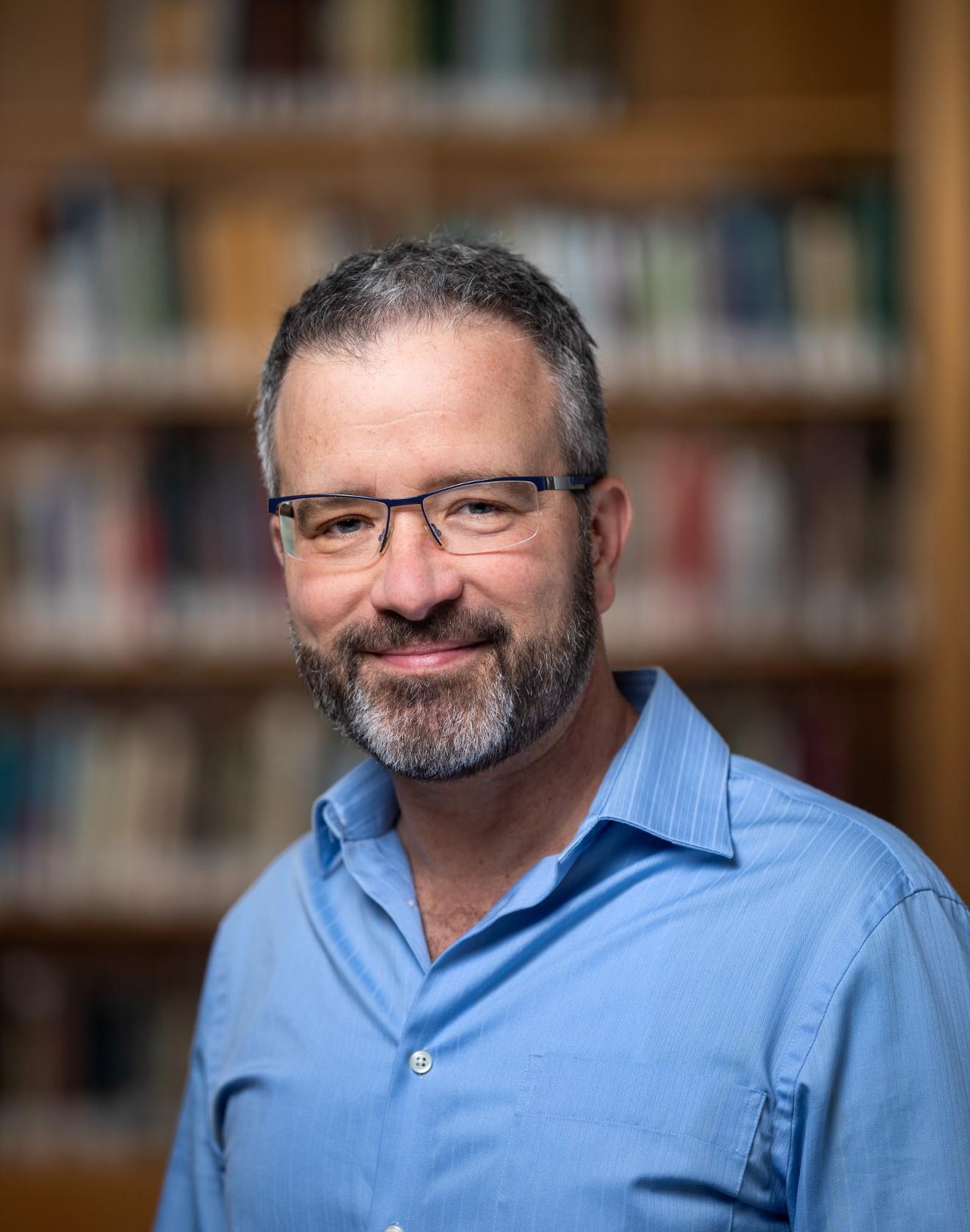
Laurence C. Smith is the John Atwater and Diana Nelson University Professor of Environmental Studies at Brown University, affiliated with the Institute at Brown for Environment & Society (IBES) and the Department of Earth, Environmental and Planetary Sciences (DEEPS). Previously, he served as UCLA's Geography Department Chair and Professor. His research focuses on Arctic environments, water resources, and remote sensing, with over 150 peer-reviewed publications and $16M in NSF/NASA grants. He has contributed to IPCC reports and leads NASA's SWOT mission for global water monitoring. Key awards include the Guggenheim Fellowship (2006-07), AGU Fellow (2015), and Walter P. Kistler Book Award (2012) for *The World in 2050*. Education: PhD, Cornell University (1996) MS, Indiana University (1991) BS, University of Illinois at Urbana-Champaign (1989) Research Interests: Arctic systems, hydrology, satellite remote sensing, and climate change impacts. His work bridges natural and social sciences, addressing topics like Greenland meltwater dynamics and northern resource development. Recent projects include methane emissions from Arctic lakes and river avulsion monitoring via SWOT. Awards: Phi Beta Kappa Visiting Scholar (2020-21) AGU Fellow (2015) Walter P. Kistler Book Award (2012) Guggenheim Fellowship (2006-07) Teaching & Grants: Teaches courses on water systems and scientific writing at Brown. Secured major grants from NASA and NSF, totaling over $16M. Advises graduate students in environmental studies and geosciences. Labs/Teams: Collaborates with IBES, DEEPS, and global institutions like the World Economic Forum on Arctic development and NASA's SWOT mission. Active in interdisciplinary research networks.