Randolph Cooper is a Professor in the Department of Decision and Information Sciences at the Bauer College of Business, University of Houston. He joined the faculty in 1990 after teaching at the University of Michigan, Ann Arbor. His research focuses on information systems' impact on decision-making, media richness theory, and technology diffusion. Education: Ph.D., MBA, and BA in Economics from UCLA Prior Experience: Programmer and Systems Analyst at Motel 6 and Computer Sciences Corporation Research Interests: Diffusion of Information Technology Innovations Management of Systems Design Creativity Impact of Information Systems on Effective Decision Making Effect of Information Systems on Bargaining Behavior His publications over the past two decades highlight a sustained focus on computer-mediated negotiations, media richness theory, and organizational technology adoption. Key themes include emotional dynamics in digital communication, power structures in bargaining, and creativity in systems design.
Rui Shi is an Assistant Professor in the Department of Chemical Engineering at Pennsylvania State University. Her research focuses on sustainability engineering at the intersection of natural and engineered systems, prioritizing sustainable pathways for transportation fuels, bioproducts, agricultural systems, and food-energy-water systems through integrated sustainability analyses. She develops frameworks for quantitative sustainable design (QSD) and system-level environmental impact assessments to navigate technical, economic, and environmental trade-offs. Her work has led to advancements in plastic recycling via cold sintering technology, biofuel lifecycle assessments, and frameworks for sustainable aviation fuels. Notable projects include assessments of renewable jet fuels in the U.S. Northern Great Plains, cold sintering of LLZO-based composites, and quantifying uncertainties in greenhouse gas abatement costs. Shi has secured grants such as the $3.4M contract for plastic waste solutions and IEE seed grants for interdisciplinary sustainability research. Shi collaborates on global low-carbon transition initiatives and integrates computational tools like BioSTEAM-LCA for agile biorefinery modeling. Her research spans from fundamental material science (e.g., repurposing polyolefin waste) to policy-relevant analyses of land use change and bioenergy systems. She contributes to the Integrated Energy Systems and Water Sustainability research themes at Penn State's Institutes of Energy and the Environment.
Briana Last is an Assistant Professor in the Department of Psychology at Stony Brook University, specializing in Clinical Psychology. She holds a PhD from the University of Pennsylvania (2022) and focuses on improving mental health service accessibility and quality through interdisciplinary research. Her research emphasizes three core domains: social determinants of mental health, implementation strategies for service improvement, and structural factors influencing clinician decision-making. She employs mixed methods and community-based participatory approaches, prioritizing marginalized populations affected by systemic inequities. Key interests include behavioral health workforce development, policy analysis, and dismantling barriers to equitable mental healthcare. Her lab, the Mental Healthcare for All Lab, collaborates with governments, agencies, and clinicians to translate research into actionable policies. Notable projects address clinician burnout interventions, public mental health system gaps, and anti-transgender policy impacts. Recent work critiques scientifically unfounded bans on gender-affirming care and evaluates federal loan repayment programs for mental health workforce retention. Publications span topics like AI chatbots in mental health, state policy effects on LGBTQ+ populations, and trauma therapy implementation. Her work highlights how clinician work conditions directly shape patient care quality, advocating for systemic changes to enhance both provider well-being and patient outcomes.
Kunhee (KC) Choi is a Professor in the Department of Construction Science at Texas A&M University, holding the History Maker Homes Endowed Professorship and serving as a Chancellor EDGES Fellow. His research focuses on enhancing transportation systems through cyber-enabled solutions, including digital twinning, artificial intelligence, and data-driven modeling. B.E. in Architectural Engineering, Korea University (1999) M.S. in Construction Science, Texas A&M University (2002) Ph.D. in Civil and Environmental Engineering, University of California, Berkeley (2008) Dr. Choi’s work addresses four key areas: (1) AI-powered mobility and safety solutions for highway projects, (2) cost-time-risk tradeoff analyses under alternative contracting methods, (3) infrastructure sustainability through life-cycle assessment, and (4) stochastic modeling for civil planning and management. His research has been funded by NSF, USDOT, NCHRP, and TxDOT. Recent publications highlight his emphasis on predictive analytics, flood resilience, pavement engineering, and AI-driven disaster recovery frameworks. The i²dEAS Lab, which he directs, has produced 130+ peer-reviewed publications and secured $500k+ in annual research funding. Chancellor EDGES Fellow (2022) NSF Grant Recipient for Road Safety Research Texas Sea Grant Program Award (NOAA Funding) for AI-based evacuation route modeling Dr. Choi’s teaching philosophy emphasizes integrative learning and interdisciplinary critical thinking in construction management. His lab collaborates with academia, government, and industry to optimize transportation infrastructure performance through safer, more efficient management strategies.
Michael Pratt is a Professor in the Division of Global Health at the Herbert Wertheim School of Public Health & Human Longevity Science School, UC San Diego. He specializes in physical activity and public health, with expertise in global health, chronic disease prevention, and evidence-based interventions. Previously, he served as a Visiting Professor at Emory University and held roles at the CDC, including Senior Advisor for Global Health and Chief of the Physical Activity and Health Branch. He founded the CDC-WHO Collaborating Center for Physical Activity and led initiatives like the International Physical Activity and Public Health Course. His education includes a Master's in Exercise Physiology and MD from the University of Washington, residency at the Mayo Clinic, and a Master's in Public Health from the University of Minnesota. He is a Fellow of the American College of Preventive Medicine and American College of Sports Medicine. Research interests focus on global research capacity building for physical activity, intervention strategies, and policy implementation. His work emphasizes the intersection of urban environments, health equity, and policy effectiveness. Recent publications highlight trends in physical activity surveillance, policy disconnects, and WHO guidelines. He leads the Global Observatory for Physical Activity (GoPA!), tracking global progress in physical activity initiatives. Scientific awards include Fellowships in preventive medicine and sports medicine. His grants and advising roles are not explicitly detailed but align with his research themes. He collaborates with institutions worldwide and co-authors studies on physical activity policy, environment impacts, and global health disparities.
Brian Zaboski, PhD, is an Assistant Professor of Psychiatry at the Yale School of Medicine. He holds dual expertise as a licensed Connecticut psychologist and Nationally Certified School Psychologist. His primary academic affiliation is with the Obsessive Compulsive Disorder Research Clinic within the Department of Psychiatry. Dr. Zaboski completed his PhD in School Psychology at the University of Florida, gaining clinical experience across school-based to acute inpatient settings. He specializes in cognitive-behavioral therapy (CBT) and exposure-based interventions for psychological disorders, with particular focus on OCD neurobiology and treatment innovation. His research integrates advanced quantitative methods and translational neuroscience to improve exposure therapy efficacy. Key areas include neurobiological network analysis, machine learning applications for OCD severity prediction, and neurofeedback treatment trials. He leads clinical trials investigating psilocybin therapy, pharmacotherapy combinations, and brain network changes in OCD patients. Dr. Zaboski's work has been funded by prestigious grants including the 2022 Brain & Behavior Research Foundation Young Investigator Award. Collaborations include prominent researchers like Christopher Pittenger, Terence Ching, and Michelle Hampson. His publications span peer-reviewed journals in psychiatry, neuroscience, and school psychology, with a focus on OCD mechanisms, treatment innovation, and school-based mental health interventions. Clinical trials he participates in explore novel treatments like troriluzole and psilocybin while investigating biomarkers for treatment response prediction.
Dr Justine Howard is an Associate Professor in Education and Childhood Studies at Swansea University's Faculty of Humanities and Social Sciences. She holds Chartered Psychologist status and is an Associate Fellow of the British Psychological Society. Her research focuses on developmental psychology, educational psychology, and the role of play in early childhood development. With over 15 years of experience in higher education, she teaches and supervises PhD students in education-related topics. Her work emphasizes play-based learning, therapeutic play, and inclusive education. Notable contributions include publications on play's developmental benefits, teacher perspectives, and the implementation of play curricula. She has presented globally on topics like play advocacy and child well-being in crisis contexts. Awards include recognition from the British Psychological Society. Current PhD supervision includes projects on social justice in Bangladesh, music education impacts, and therapeutic play in healthcare settings. Howard's research spans international collaborations and policy engagement, such as advising on Welsh educational initiatives.
Scott Stern is the David Sarnoff Professor of Management at the MIT Sloan School of Management, specializing in the economics of innovation and entrepreneurship. His research focuses on entrepreneurial strategy, innovation-driven ecosystems, and policy. Stern holds a BA from NYU and a PhD from Stanford. He is a leading scholar in regional innovation ecosystems, having co-founded MIT’s Regional Entrepreneurship Acceleration Program (REAP) and co-led the U.S. Cluster Mapping Project. Stern’s work bridges academia and practice, advising startups and governments on innovation strategies. He has been awarded the Kauffman Prize Medal (2005) and the Jamieson Prize (2024). Education: Bachelor of Arts in Economics, New York University Doctor of Philosophy in Economics, Stanford University Research Interests: Stern explores how innovation and entrepreneurship differ from traditional economic activities, emphasizing their strategic and policy implications. Key areas include entrepreneurial ecosystems, regional competitiveness, and the role of institutions in fostering innovation. His frameworks, such as Entrepreneurial Strategy, are taught in MIT Sloan’s curriculum and published in textbooks. Recent Work: Stern’s recent studies address the impact of clusters, the Startup Cartography Project, and the effects of policy on entrepreneurship. He co-authored Entrepreneurship: Choice and Strategy (2024), blending academic rigor with practical insights. Awards and Recognition: Kauffman Prize Medal for Distinguished Research in Entrepreneurship (2005) Jamieson Prize (2024) 2021 Innovation in Entrepreneurship Pedagogy Award Grants and Initiatives: Stern directs the National Bureau of Economic Research’s Innovation Policy Working Group and advises the Social Progress Index. His executive education courses, including Strategy for Startups , integrate theory and practice for leaders. Labs and Teams: Stern collaborates with institutions like the National Academy of Sciences and co-leads MIT’s innovation initiatives, fostering cross-sector partnerships to advance entrepreneurship and policy.
Dr Emily Hewson is a Cancer Institute NSW Early Career Fellow and member of the Sydney School of Health Sciences at the University of Sydney's Faculty of Medicine and Health. Her research focuses on advancing real-time radiation therapy techniques, particularly in managing intrafraction motion for prostate and other cancers. She leads projects involving multileaf collimator (MLC) tracking, dose optimization, and deep learning integration in radiation oncology. Research interests include adaptive radiotherapy systems, kilovoltage intrafraction monitoring (KIM), and clinical trial implementation (e.g., TROG 15.01 SPARK trial). Her work emphasizes improving treatment accuracy through real-time dose-guided approaches and multitarget tracking for tumors with complex motion patterns. Developed experimental validations for MRI-linac integration and MLC tracking systems Authored a textbook chapter on Adaptive Radiation Therapy (ART) Recipient of Cancer Institute NSW Early Career Fellowship (2023) Recent grants include an AI platform for targeted radiotherapy (2024) and national critical infrastructure funding for lung cancer applications (2023). Her lab collaborates on real-time dose calculation algorithms and clinical trial implementation across multiple institutions.
Dr. Amy Damashek serves as Professor in the Department of Psychology at Western Michigan University, teaching undergraduate and graduate courses while mentoring Clinical Psychology doctoral students. She chairs the department's Diversity, Equity, and Inclusion Committee and maintains an active research program focused on vulnerable populations. Education: Ph.D. in Psychology, University of Missouri-Columbia (2007) Postdoctoral Fellowship, University of Oklahoma Health Sciences Center (2009) Research Focus: Her work centers on preventing child maltreatment and unintentional injuries among at-risk youth, with specialized expertise in infant sleep-related deaths and health disparities . She develops culturally responsive parenting interventions for low-income and Spanish-speaking families, emphasizing community-based solutions through home visiting programs. Publication Trends: Recent work (2020-2023) demonstrates consistent focus on pandemic adaptation of family services, safe sleep practices in marginalized communities, and digital intervention strategies. Her mixed-methods approach bridges clinical psychology with public health, prioritizing implementation in real-world settings. Scientific Recognition: Fellow of the American Psychological Association Former President of APA Division 37 (Society for Child and Family Policy and Practice) Grants & Mentoring: Secured federal funding for child injury prevention in underserved communities. Mentors Clinical Psychology doctoral students with emphasis on culturally competent practice, accepting new graduate students for Fall 2025. Her federally funded work directly informs evidence-based home visiting protocols. Research Ecosystem: Collaborates extensively with community health workers, home visiting agencies, and pediatric care providers to implement and evaluate interventions addressing structural barriers in family support systems.
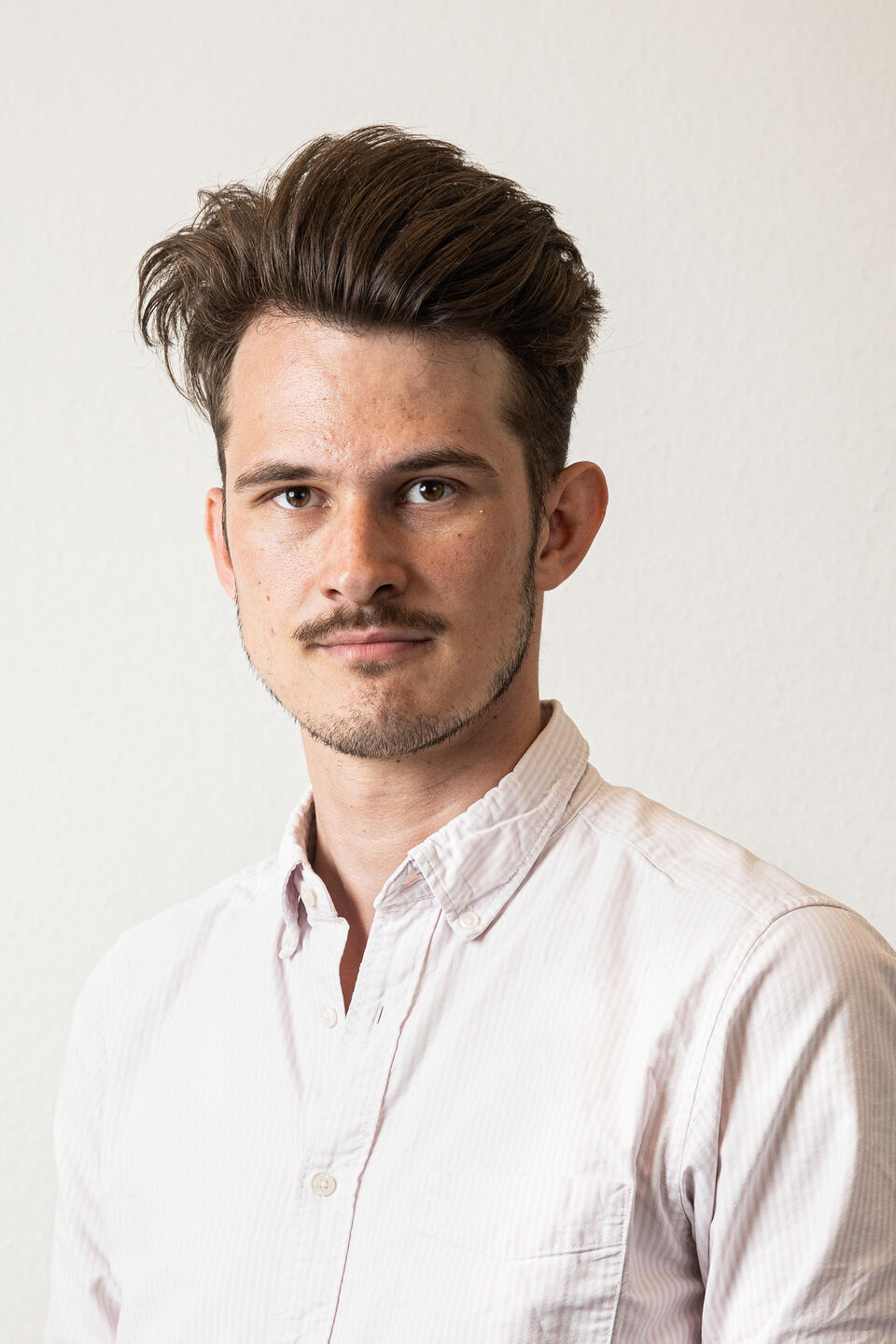
Konrad Kollnig is an Assistant Professor at Maastricht University’s Faculty of Law, specializing in the intersection of law and technology. He leads the RegTech4AI project, which combines legal and technical methods to address challenges in the AI and digital platforms sector. His academic background includes a PhD and MSc from the University of Oxford and a BSc from RWTH Aachen, with his PhD thesis winning the prestigious Stefano Rodotà Award 2024. Research focuses on market power analysis in digital platforms, ethical AI governance, and privacy-preserving technologies. He developed the TrackerControl app (200,000+ downloads) to expose app tracking practices. His work has influenced EU, OECD, US FTC, and other regulatory bodies, and been featured in Forbes, Wired, and New Scientist. Key achievements include winning the United Nations Privacy Competition 2022 and the Best Student Privacy Paper Award 2022. He holds a five-year RegTech4AI project grant (€2.1M) funding six researchers. Talks and collaborations span institutions like Georgetown University, CNIL, and the Council of Europe. His interdisciplinary approach bridges computer science, law, and policy to address systemic risks in digital ecosystems.
Colin King is a Professor at Sydney Law School, University of Sydney. He holds a LLB and PhD from the University of Limerick, Ireland, and a PGCert in Higher Education from the University of Sussex. His research focuses on financial crime, including money laundering, proceeds of crime, deferred prosecution agreements, criminal evidence, and miscarriages of justice. He has authored numerous books and articles on these topics, such as Civil Recovery of Criminal Property (OUP, 2023) and Negotiated Justice: The Legitimacy of Civil Recovery and Deferred Prosecution Agreements (Palgrave, 2018). King also serves as Editor-in-Chief of Current Issues in Criminal Justice . His teaching includes courses on Advanced Evidence, Money Laundering and Proceeds of Crime, and Foundations of Law. Recent research highlights include examining cryptocurrency-related financial crimes, EU asset recovery developments, and challenges in implementing anti-money laundering regulations. King’s work bridges legal theory and practice, addressing transnational crime, regulatory compliance, and the ethical dimensions of legal frameworks. His contributions span criminal law reform, evidence-based policy analysis, and the intersection of technology with financial crime prevention.
Dr. E. Keith Smith is a Lecturer at ETH Zürich's Department of Humanities, Social and Political Sciences, affiliated with the Center for Comparative and International Studies (CIS). His research focuses on sociopolitical dimensions of climate change, particularly climate change attitudes, behaviors, and social tipping processes. He holds PhD from Colorado State University and master’s degrees from KU Leuven and University of British Columbia. His work explores why individuals engage—or disengage—in climate action, emphasizing factors like political polarization, religious beliefs (especially evangelical Protestantism), and trust in institutions. Smith's research employs quantitative methodologies and addresses challenges in environmental policy implementation, such as equitable air quality monitoring and global supply chain regulations. He contributed to the DominoES project on social tipping dynamics and has published in journals like Global Environmental Change and Nature Scientific Reports . His recent studies analyze public support for climate policies across Europe and the U.S., emphasizing how procedural inclusiveness and transparency can build trust in environmental governance. He also explores mobility policies in Switzerland, including road pricing and public transport expansion, using experimental methods to gauge citizen preferences. Smith’s work bridges environmental science and social science, aiming to identify pathways for transformative societal shifts toward climate action. His current projects focus on social tipping mechanisms and the interplay between climate risk anticipation and policy demand.
Dr. Shirley Coleman is a distinguished Professor at Newcastle University Business School, specializing in the application of statistical methods to business and industrial problems. With over two decades of academic contributions, she has established herself as a leading expert in statistics, data science, and quality management within industrial contexts. Her research interests span several interconnected domains: Statistics, Data Science, Business Analytics, Quality Management, Six Sigma methodologies, Kansei Engineering (which integrates emotional design with product development), Industrial Statistics, Design of Experiments, Predictive Maintenance, and Customer Lifetime Value analysis. Coleman's work consistently bridges theoretical statistical concepts with practical business applications across diverse sectors including healthcare, manufacturing, facilities management, and digital marketing. Analysis of her recent publications reveals a strong focus on the evolving role of statistics in the digital age, particularly examining how statistical expertise contributes to AI development, Industry 4.0 initiatives, and data-driven business transformation. Her work demonstrates increasing emphasis on customer analytics, predictive maintenance modeling, and the strategic implementation of data science in small and medium enterprises. Coleman's publications frequently address methodological challenges while maintaining strong practical relevance for industry practitioners. Throughout her career, Coleman has been actively involved with the European Network for Business and Industrial Statistics (ENBIS), contributing to the development and dissemination of statistical methods in business contexts. Her collaborative approach is evident in numerous co-authored publications across disciplines, demonstrating her ability to work effectively with researchers from diverse fields including engineering, healthcare, and business management. Her advisory work appears focused on helping organizations implement statistical thinking in business processes, with particular attention to small and medium enterprises seeking to leverage data analytics for competitive advantage. Though specific grant information isn't detailed in the available publications, her extensive industry-focused research suggests significant engagement with practical business problems and industry partnerships. Dr. Coleman has made substantial contributions to the field through her leadership in professional organizations, particularly ENBIS, where she has helped shape the discourse around industrial statistics and their business applications. Her work on Kansei Engineering demonstrates innovative approaches to integrating human factors with statistical methods for product development.
Jessica Jewell is a Professor in Technology and Society at Chalmers University's Department of Space, Earth and Environment. She holds additional roles including Professor at the Centre for Climate and Energy Transformation (University of Bergen), Guest Research Scholar at IIASA, and Senior Fellow at the Breakthrough Institute. Her research focuses on climate action feasibility, energy transitions, and the political economy of decarbonization. She leads projects funded by the European Research Council (ERC), Norwegian Research Council, and EU initiatives like CINTRAN. Key achievements include an ERC Starting Grant and membership in the Swedish Young Academy. Her work spans interdisciplinary approaches to quantify energy transition dynamics, assess coal phase-out strategies, and analyze carbon capture deployment. She serves on editorial boards for journals like Energy Research and Social Science and Oxford Open Energy . Jewell’s recent articles highlight themes like climate justice in energy transitions, feasibility of rapid decarbonization, and global coal reduction pathways. Her research bridges technical, socio-economic, and political dimensions to inform actionable climate policies.