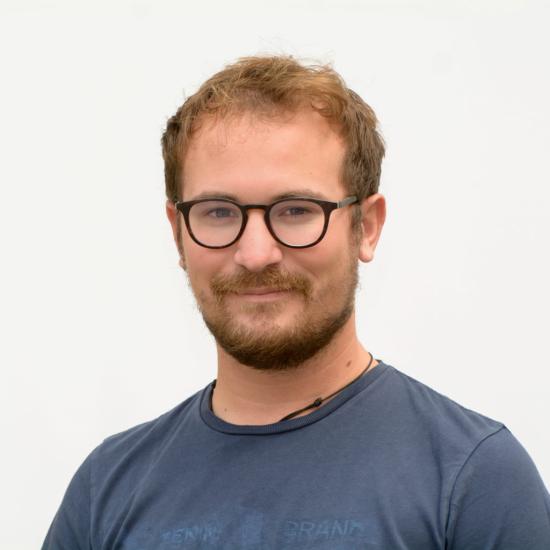
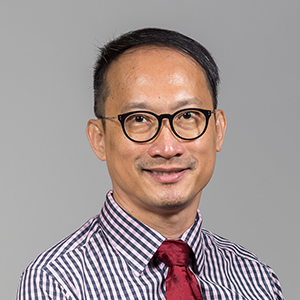
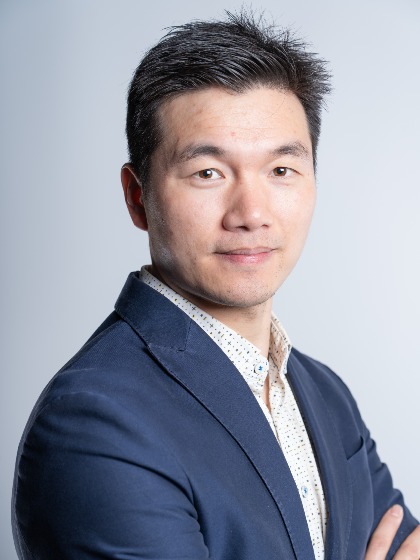
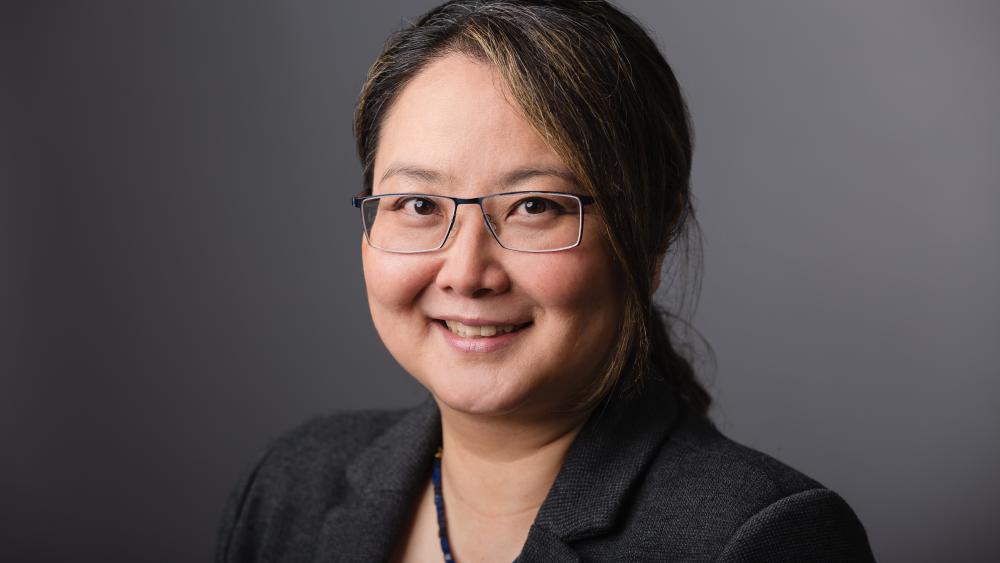
Justin Jansen is a Professor of Corporate Entrepreneurship at Rotterdam School of Management (RSM) within Erasmus University Rotterdam. Affiliated since 2001, his academic career spans over two decades. He holds a PhD in Management (2005) from Erasmus University. His research focuses on organizational growth, strategic renewal, and leadership dynamics in fast-growing firms. He co-founded the Erasmus Centre for Entrepreneurship (ECE) and pioneered the European ScaleUp Institute, fostering scale-up ecosystems across Europe. His work bridges academia and practice, addressing how organizations navigate paradoxes between exploration and exploitation. He has advised companies and governments on innovation strategies and entrepreneurial ecosystems. Editorships include Journal of Management Studies , and he’s an editorial board member of leading journals like Academy of Management Journal . Notable awards include the ERIM Best Paper Award and being named one of the world’s top entrepreneurship scholars. Research highlights include frameworks for scale-up DNA, leadership roles in ambidextrous organizations, and the role of social networks in corporate-startup collaborations. He co-developed BuildtoGrow, a venture applying research-based game-based learning tools for scaling organizations. Key collaborations include work with the European ScaleUp Institute and advisory roles for governmental agencies on entrepreneurial climate improvement. His 50+ publications span topics like absorptive capacity, strategic agility, and middle management roles in strategy implementation.
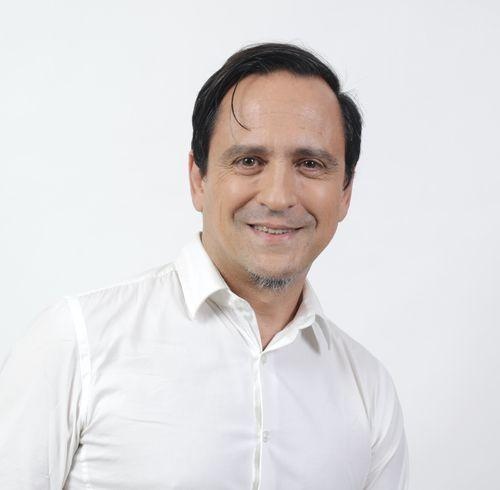
Ezequiel Reficco is an Associate Professor at ESCP Business School's Madrid campus, specializing in Management. Previously, he served as Associate Professor at EGADE Business School (Tecnológico de Monterrey) and Chair of the Strategy Department at Universidad de Los Andes School of Management (Bogotá, Colombia). His academic journey includes a post-doctoral fellowship and Senior Researcher role at Harvard Business School (2001–2008). He co-authored books with Harvard University Press and published extensively in journals like the Journal of Business Ethics and Harvard Business Review . He is recognized globally for his research output, ranking among the top 10% of SSRN authors and #108 in Colombia's most cited researchers (2015). His research focuses on responsible management education, corporate social responsibility (CSR), inclusive business models, and strategic cross-sector partnerships. Key areas include leveraging business strategies to address poverty (BoP markets), fostering sustainability through innovation, and redesigning educational curricula for ethical leadership. His work bridges theory and practice, with consulting engagements for multilateral organizations and corporations like Inditex (owner of Zara). Notable achievements include awards from Universidad de Los Andes and Tecnológico de Monterrey for research excellence. He actively contributes to policy debates on social entrepreneurship and global development, emphasizing Latin American contexts. His recent articles highlight trends toward integrating CSR into core business operations and rethinking educational frameworks to address global challenges. Professional roles beyond academia include membership in Inditex's Social Council, advising on ethical practices and sustainability initiatives. His career reflects a commitment to aligning business strategies with societal impact, particularly in underserved markets and developing regions.
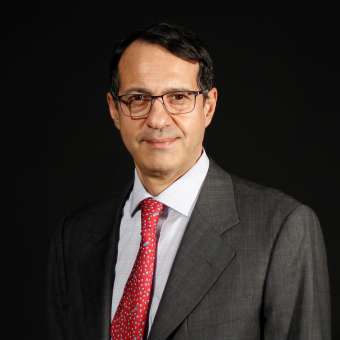
Steven W. Popper is a Professor of Policy Analysis at the RAND School of Public Policy and an Adjunct Senior Economist at the RAND Corporation. He also serves as Distinguished Professor of Decision Sciences at Tecnológico de Monterrey’s School of Government and Public Transformation, reflecting his international academic engagement. His work bridges economics, science and technology policy, and strategic decision-making under uncertainty. Research Interests: Popper's expertise lies in decision-making under deep uncertainty (DMDU), robust decision making (RDM), assumption-based planning, and science, technology, and innovation policy. He has made seminal contributions to long-term policy analysis, particularly through his co-authorship of Shaping the Next One Hundred Years (2003). His research addresses complex systems in economic development, international relations, and environmental planning. Publication Trends: His recent work applies RDM methodologies to diverse domains such as U.S.-China economic competition, Israeli defense and energy policy, transportation planning, and future technologies. His publications often involve scenario analysis, foresight, and adaptive strategies for policy resilience in uncertain futures. Scientific Awards and Leadership: Founding officer and current Finance Chair, Society for Decision Making under Deep Uncertainty Past Chair, Industrial Science and Technology Section, American Association for the Advancement of Science Consultant to the World Bank, OECD, and multiple national governments Advising and Grants: While specific advisees are not listed, Popper has led numerous high-impact research projects funded by U.S. federal agencies and international bodies. His role as Associate Director of the Science and Technology Policy Institute (1996–2001) involved providing analytic support to the White House Office of Science and Technology Policy, indicating extensive grant-funded research leadership. Labs and Teams: Popper is affiliated with RAND’s research teams focused on policy analysis, innovation, and strategic foresight. He collaborates with interdisciplinary teams applying modeling and simulation tools to public policy challenges, particularly through the Robust Decision Making framework.
Professor Tolga Akçura is a distinguished faculty member at Özyeğin University's Faculty of Business, Department of Business Administration. With over 25 years of academic experience, he has developed and taught courses on marketing strategy, marketing analytics, and marketing research at prestigious institutions including Carnegie Mellon University, Purdue University, and Long Island University. At Özyeğin University, he teaches Marketing Strategy, Integrated Marketing Communication Strategies, Innovation, Business Model Development, and Advanced Topics in Marketing for undergraduate, graduate, and executive students. Professor Akçura holds a B.Sc. in Industrial Engineering from Boğaziçi University (1990), an MA in Business Administration from Boğaziçi University (1996), an MBA from Carnegie Mellon University (1998), and a Ph.D. in Quantitative Marketing from Carnegie Mellon University (2000). Before joining academia, he worked for Procter & Gamble across multiple European locations including Brussels, London, Manchester, and Istanbul. His research focuses on the intersection of Information Technology and Marketing, Brand Valuation, Consumer Learning Behavior, Structural Choice Models, Brand Equity dynamics, and Competitive Pricing Strategies. Professor Akçura has made significant contributions to marketing science through his extensive publication record in top-tier journals. His recent scholarly work demonstrates a strong trend toward digital marketing, AI applications in marketing analytics, healthcare marketing, and the strategic implications of data-driven decision making. His publications span from foundational work on brand equity to cutting-edge research on patient-generated health data and deep learning applications in campaign participation prediction. William W. Cooper Award (awarded twice for publications in Management Science and Marketing Science) Professor Akçura has successfully bridged academic research with practical business applications through his role as founder of eBrandValue A.Ş. and as a Y-Combinator alum (YCW15). He is an active member of professional organizations including the Institute for Operations Research and Management Science, American Marketing Association, and Direct Marketing Institute. His industry experience complements his academic work, providing students with valuable real-world insights into marketing strategy and implementation.
Stephen Brown is a Full Professor at the School of Political Studies , part of the Faculty of Social Sciences at the University of Ottawa . His research focuses on democracy, democratization, conflict, foreign aid, and LGBT rights, particularly in Sub-Saharan Africa and Mongolia. He also analyzes Canadian foreign aid policies under recent governments. Email: brown@uottawa.ca Office: 613-562-5800 (1896) Languages: English, French, Spanish, Portuguese His work bridges international development, political science, and human rights, examining how foreign aid intersects with democratic ownership, gender equality, and conflict resolution. Recent publications highlight tensions between donor priorities and local contexts, as well as Canada's evolving role in global development. Key trends in his 15 most recent articles (2025–2020) include: Canadian foreign aid policy under Harper and Trudeau governments LGBTQI+ rights advocacy in Africa and Asia Impact of global crises (e.g., COVID-19) on development cooperation Political economy of extractive industries in developing economies Debates on aid effectiveness, policy coherence, and donor alignment Transitional justice and electoral conflict management in post-crisis states
Maxime Menuet is a Professor of Economics at Université Côte d'Azur (GREDEG) and a Research Associate at IPAG Business School in Paris. His academic credentials include a PhD in Economics and dual M.Sc. degrees in Macroeconomics/Finance and Mathematics from the University of Orléans, complemented by a 2023 HDR (Habilitation à Diriger des Recherches) from Paris VIII. 2023: HDR in Economics, Paris VIII 2018: PhD in Economics, University of Orléans 2015: M.Sc in Macroeconomics and Finance, University of Orléans 2015: M.Sc in Mathematics (Theoretical Probability), University of Orléans His research focuses on Economic Theory and Political Economy , with specialized expertise in public debt , macroeconomic stability , conflict dynamics , and interdisciplinary intersections with theology and history . Recent work explores environmental sustainability through fiscal policy, ideological clashes in macroeconomic governance, and historical economic thought from Jansenist perspectives. Maxime's publications since 2023 show strong interdisciplinary trends, blending theological analysis with economic modeling (e.g., New Testament debt language), refining game-theoretic conflict models , and advancing ecological macroeconomic frameworks for sustainable debt management. ANR Young Researcher Grant Best Paper Award, TIMTED Conference Visiting Scholarships: Duke University, Osaka University, UCAM Montreal As Deputy Director of EUR ELMI and co-director of the European Research Group on Money, Banking, and Finance, he leads major interdisciplinary initiatives. His teaching portfolio mirrors his research, covering economic theory, political economy, and debt/conflict dynamics.
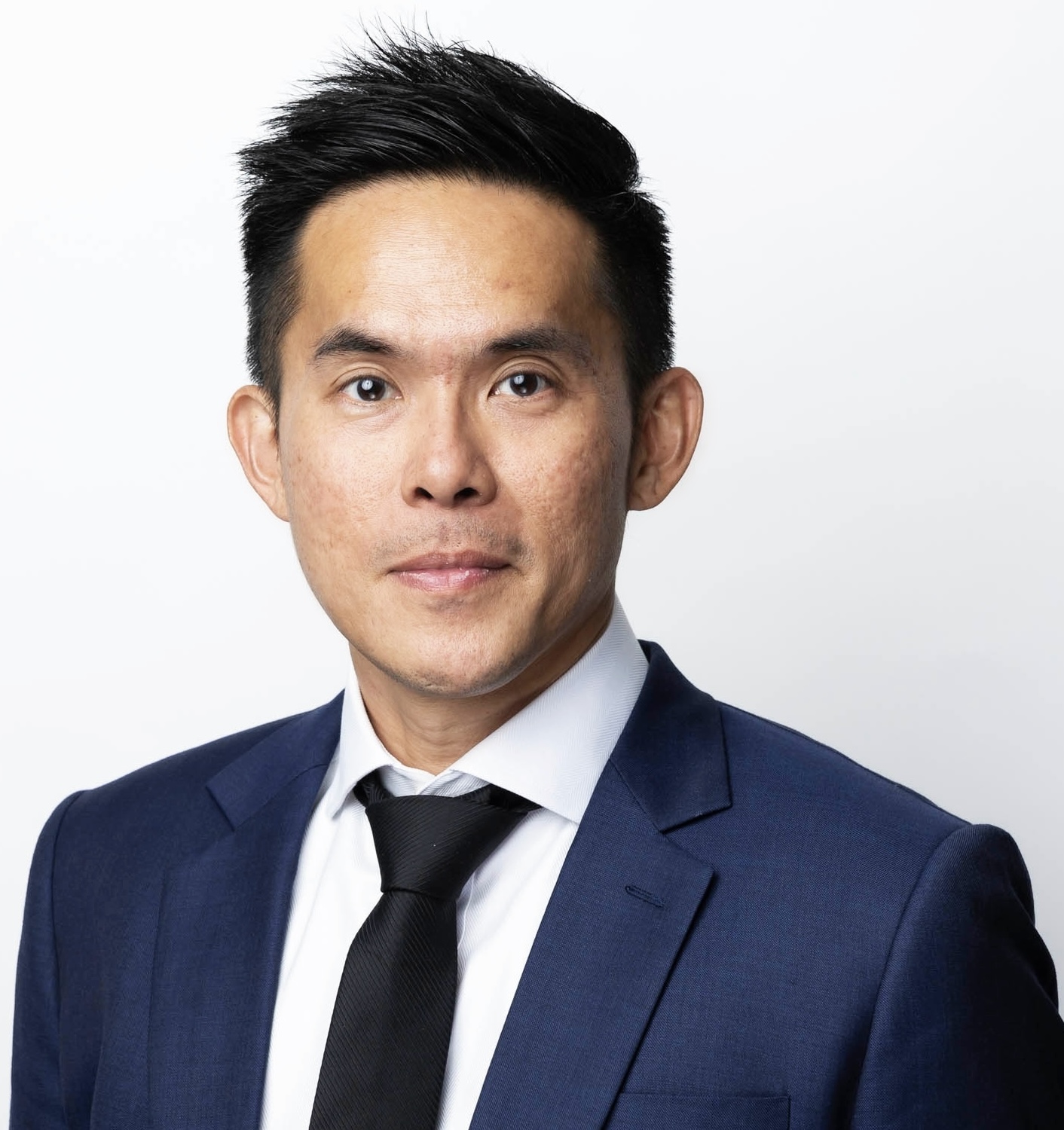
Professor Barney Tan serves as Professor of Information Systems and Senior Deputy Dean (Impact and Partnerships) at UNSW Business School. Previously, he held the position of Head of School (Information Systems and Technology Management) and was formerly Professor of Strategic Information Systems at The University of Sydney. Professor Tan completed his PhD in Information Systems at the National University of Singapore in 2012, following a Bachelor of Computing (Honors) in Information Systems from the same institution in 2004. His research focuses on strategic information systems, AI management and implementation, digital platforms and ecosystems, fintech, and information systems for sustainable development with particular emphasis on IT trends in the Asia-Pacific region including China and ASEAN countries. As an engaged researcher, Professor Tan is deeply passionate about translational research that contributes toward sustainable development and frequently provides advisory support to organizations he has studied, including national governments through his work with the United Nations International Think Tank for Landlocked Developing Countries. His research has been published in top-tier journals including MIS Quarterly, Information Systems Research, Journal of Association of Information Systems, Information Systems Journal, and The Journal of Strategic Information Systems. Senior Editor, Information Systems Journal (2022-Present) Senior Editor, Information Technology and People (2019-Present) Associate Editor, Internet Research (2020-Present) Associate Editor, Information and Management (2016-Present) Editorial Board Member, Information Systems Research (2022-Present) Editorial Board Member, IEEE Transactions on Engineering Management (2017-Present) Professor Tan has received numerous prestigious teaching and research awards throughout his distinguished career: 22 awards in 11 years at The University of Sydney SUPRA Teacher of the Year award for 2019 and 2020 SUPRA Supervisor of the Year award for 2019, 2020 and 2021 The University of Sydney Business School Dean's Award for Teaching in 2019 Multiple Dean's Citations for Teaching across various courses and semesters Professor Tan has successfully secured multiple competitive research grants: Hong Kong University Grants Committee General Research Fund (2020-2022): 'The Impact of Social Media on Digital Guanxi Formation in the Chinese Workplace', Co-Investigator, HKD$475,617 (A$88,286) The University of Sydney Business School Industry Partnership Grant (2017): 'International Think Tank for Landlocked Developing Countries Research Development Project', Chief Investigator, A$27,238 Zhejiang Gongshang University Strategic Research Grant (2016-2019): 'Emerging Digital Commerce Platforms: Development Patterns and Usage Behavior', Principal Investigator, CNY$300,000 (A$60,535) Multiple University of Sydney Bridging Support Grants (2015-2016) focused on digital commerce and Australian-China trade Professor Tan is frequently featured in mainstream media outlets including ABC News, Business Insider, Sydney Morning Herald, The Australian, News.com.au, The Australian Financial Review, CIO, and Bloomberg Businessweek, where he provides expert commentary on technology-related topics such as cryptocurrency, digital platforms, and China's tech landscape.
Susan Helper is the Frank Tracy Carlton Professor of Economics at the Weatherhead School of Management , Case Western Reserve University . She also holds the title of Professor in the Department of Economics at the same institution. Beyond academia, she served as Chief Economist of the U.S. Department of Commerce (2013–2015) and as Senior Economist on the White House Council of Economic Advisers (2012–2013). She is a Research Associate at the National Bureau of Economic Research, Non-resident Senior Fellow at the Brookings Institution, and Co-Chair of the National Academy of Sciences. Education: PhD in Economics, Harvard University (1987) BA in Economics, Government, and Spanish, Oberlin College (1979) Research Focus: Susan Helper's research centers on the globalization of supply chains , manufacturing revitalization , and the interplay between technology, work systems, and policy . She explores how organizational structures, relational contracts, and digital transformation influence innovation, productivity, and job quality. Her work spans both theoretical and empirical studies, with a strong emphasis on policy implications for U.S. manufacturing competitiveness. Scientific Awards & Honors: Becker Friedman Fellow , University of Chicago (2018) Women of Achievement Award , Flora Stone Mather Center for Women, CWRU (2009) Professional Service & Impact: Helper has held influential roles such as Program Organizer for the Canadian Institute for Advanced Research (2019–2024), Editorial Review Board Member for the Strategic Management Journal (2008–present), and Member of the Bureau of Labor Statistics Technical Advisory Committee. Her advisory work bridges academic research and federal policy, shaping strategies for industrial innovation and workforce development.
Maureen Meadows is a Professor of Strategic Management at Coventry University's Research Centre for Business in Society. Her work focuses on strategic decision-making, big data applications, privacy in business models, and M&A dynamics. She previously held leadership roles at the Open University and Warwick Business School, where she contributed to strategic management education and research. Education: PhD in Open University (2016) MSc in Management Science from University of Warwick (1987) Bachelor of Arts in Mathematics (Oxford University, 1986) Research Interests: Strategic management tools (e.g., scenario planning), customer data analytics, privacy implications of data sharing, and post-merger integration. She has co-led projects on surveillance society blurring and privacy in the digital economy, funded by Leverhulme and EPSRC. Key Projects: Leverhulme-funded 'Taking Liberties?' (surveillance society) EPSRC-funded 'Monetize Me?' (privacy and quantified self) Co-designing digital strategies for museums and education sectors Grants & Collaborations: Multiple internally-funded projects on board assurance frameworks, creative accounting, and hybrid business models in museums. Active in international conferences and professional bodies like BAM Council. Awards: While no specific prizes are listed, her h-index of 24 and 1,891 citations reflect significant scholarly impact.
See Kiong Ng serves as Professor of Practice in the Department of Computer Science at the School of Computing, National University of Singapore (NUS), while concurrently holding leadership roles as Director of AI Technology at AI Singapore and Deputy Director of NUS's Institute of Data Science (IDS). His work focuses on translational data science research and developing integrated capabilities for Singapore's Smart Nation initiative through industry and public agency collaborations. His academic credentials include a B.S. in Applied Mathematics (Computer Science Track) from Carnegie Mellon University (1989), an M.S.E. in Computer & Information Science (Artificial Intelligence) from the University of Pennsylvania (1990), and a Ph.D. in Computer Science from Carnegie Mellon University (1998), supported by Singapore's National Computer Board overseas scholarship. Professor Ng's research bridges artificial intelligence with real-world applications across diverse domains. His primary interests span Data Mining, Machine Learning, Natural Language Processing, Smart Cities, and Computational Biology, with emphasis on extracting value from big data through interdisciplinary approaches. He actively pioneers applications in urban systems and bioinformatics, demonstrating data science's transformative potential beyond traditional boundaries. His publication record reveals consistent innovation in algorithm development for complex data challenges, with recent work focusing on taxonomy construction, single-cell genomics analysis, urban transportation systems, and imbalanced time series classification. These contributions demonstrate his commitment to solving practical problems through cutting-edge data science techniques. His major recognitions include: MTI Borderless Award (2014) as Green Growth Working Group project member Minister for National Development's R&D Award 2017 (Distinguished Award) for city-level analytics platform innovation A*STAR Borderless Award (2014) as Urban Systems Initiative team leader MTI Innovation Award (2013) for Strategic Technology Translation in Business Analytics Professor Ng has established significant research infrastructure including founding A*STAR's Data Analytics Department and leading the Urban Systems Initiative. His translational research model emphasizes industry partnerships and practical implementation, particularly in smart city development where he connects data science with urban planning challenges across Singapore's government agencies.
C. (Chengyong) Xiao is an Associate Professor of Sustainable Supply Chain Management at the University of Groningen's Faculty of Economics and Business. He holds a BSc in Management Science from the University of Science and Technology of China (2010) and a PhD in Operations Management from the University of Groningen (2019). His research focuses on sustainable supply chains, particularly the extension of sustainability standards in global supply chains, corporate social responsibility, and social enterprises. Education: Bachelor's Degree: Management Science, University of Science and Technology of China (2010) PhD: Operations Management, University of Groningen (2019) Research Interests: Global supply chain sustainability Supplier sustainability capability development Corporate social responsibility and stakeholder engagement Case study and mixed-method research methodologies Awards: Chan Hahn Best Paper Award (2020 AOM Conference) Teaching and Editorial Roles: Teaches courses including Global Supply Chain Management & Sustainability, Management Science, and Operations & Logistics Management Editorial board member of the Journal of Supply Chain Management and Journal of Operations Management Collaborations: Partnerships with multinational companies like Philips and Signify to study supply chain sustainability practices
Susanne Iwarsson is a Professor in Gerontology and Care for Older People at Lund University's Faculty of Medicine, holding the Mary and Seved Ribbing Professorship since 2005. She also serves as Director of the Centre for Ageing and Supportive Environments (CASE) and Coordinator of the Swedish National Graduate School for Competitive Science on Ageing and Health (SWEAH). Her academic journey includes a PhD in Medical Science (1997) and promotions to Associate Professor (1999) and Professor (2003). She has held leadership roles such as Pro-dean of the Faculty of Medicine (2006-2011) and Coordinator of the strategic research area MultiPark (2012-2014). Her research focuses on environmental gerontology, housing accessibility, and proactive ageing strategies. Key contributions include the Housing Enabler assessment tool and studies on ageing populations' participation in society. She has supervised 18 PhD students and 6 licentiates, with ongoing supervision of 4 current PhD candidates. Major projects include the Home, Health and Disability longitudinal study (2002-present) and the UserAge program exploring user participation in ageing research. Awards include the Excellent Teaching Practitioner title (2010) and Doctor Honoris Causa. Her work addresses UN Sustainable Development Goals related to health, sustainable cities, and reduced inequalities. Collaborations span universities in Sweden, Finland, Latvia, and the U.S., with partnerships in healthcare and municipal sectors.
Jukka Rintamäki is an Assistant Professor in the Department of Management Studies at Aalto University's School of Business. His work focuses on organizational behavior, corporate social responsibility (CSR), collective memory, and sustainability. He holds a doctoral degree from Aalto University (2016), with earlier master's (2010) and bachelor's (2007) degrees in business administration from Helsinki School of Economics and Aalto's business school. Research interests include the interplay between memory and organizational ethics, institutional dynamics, power struggles in academic and corporate settings, and CSR in emerging sectors like esports. His 2024 work on 'Institutional Parasites' explores organizational dependency relationships, while 2023 studies investigate CSR's role in sport development and memory work across organizations. He has contributed to top journals like Academy of Management Review and Annals . Rintamäki's work addresses UN SDGs related to responsible consumption and partnerships. He has been active in peer-review roles for major management journals since 2015. Media engagements include commentaries on corporate responsibility and economic policy in 2023-2024.
Yuka Kobayashi is a Senior Lecturer (Associate Professor) in China and International Politics at SOAS University of London. Currently on leave as a British Academy Global Innovation Fellow at the German Council on Foreign Relations (DGAP), she specializes in China's global governance strategies, economic diplomacy, and international law. Her research integrates fieldwork-based analysis of trade (Belt and Road Initiative/WTO), climate change, human rights, and technology. Education: LLB (Kyoto University, Public International Law specialization), MPhil & DPhil (Oxford University, International Relations). Research focuses on China's economic activities in Central Asia, Europe, Southeast Asia, and Pacific Islands, alongside UK-Japan collaborative projects on geopolitical partnerships. Key advisory roles include specialist advisor to the UK government (2021) and advisory board member for Stiftung Asienhaus (2019-2021). Publications span over two decades, addressing China's compliance with international trade norms, climate diplomacy, and evolving global governance frameworks. Supervises PhD students examining China's Pacific Island strategies and EU-China tech competition dynamics.
Prof. Jack van der Vorst is the Personal Professor of AgriFood Supply Chain Logistics at Wageningen University's Operations Research and Logistics Group. Previously serving as a member of the Board of Directors of Wageningen University & Research (until 2024) and General Director of the Social Sciences Group, he leads over 1000 personnel across three institutes. His advisory roles include the Topteam AgriFood (Science Captain), Top consortium for Knowledge and Innovation (TKI), The Sustainability Consortium (TSC), and Florensis BV's Supervisory Board. With 20+ PhD supervisions and 200+ publications, his research focuses on innovative logistics concepts in AgriFood systems, including supply chain resilience, sustainability, and system innovation. His work integrates modeling frameworks with practical industry applications, emphasizing perishable products, horizontal collaboration, and environmental efficiency. Research interests span AgriFood System Design, Supply Chain Strategy, and Performance Management. His recent studies address challenges like postharvest loss reduction in developing countries, CO2 emission minimization in cold chains, and circular economy implementation in mushroom supply chains. Methodologically, he employs multi-criteria decision models, optimization techniques, and simulation to address complex logistics problems. Publications highlight themes such as horizontal collaboration success factors, vulnerability assessment frameworks, and green supply chain design. His work bridges academic rigor with industry needs, often collaborating with policymakers and international organizations to promote sustainable agri-food systems.