

Mirella Lapata is a Professor of Computer Science at the University of Edinburgh , affiliated with the School of Informatics and the EdinburghNLP group. Her research focuses on developing AI systems that reason, generalize, and handle long contexts, with specific interests in compositional generalization, cross-lingual transfer, and verifiable generation. She leads projects funded by UKRI and ERC , including the UKRI AI Centre for Doctoral Training in Responsible NLP and Turing AI Fellowship for human-like reasoning in models. Research Emphasis : Coarse-to-fine decoding in semantic parsing, parameter-efficient LLMs, collaborative writing frameworks, and multimodal summarization. Advising : Supervises current PhD students and has mentored 23 PhD graduates since 2007, including notable alumni like Li Dong and Siva Reddy. Labs & Teams : Co-leads the Generative AI Laboratory (GAIL) and contributes to the Edinburgh Laboratory for Integrated Artificial Intelligence (ELIAI). Her recent work addresses hallucinations in generative models, cross-lingual semantic parsing, and structured reasoning in text-to-SQL tasks. She has co-authored 15+ publications in 2024 alone, spanning journals like TACL , NeurIPS , and ACL .
جستجوی استاد راهنمای دانشگاهی
برای مسیر پژوهشیتان، استاد راهنما، استاد دانشگاه و پژوهشگر مناسب را پیدا کنید و با آنها ارتباط بگیرید.
نمایش ۱۶-۳۰ از ۱۹۱ استاد راهنما
اطلاعات پروفایلها از صفحات عمومی دانشگاهها گرفته شده و ممکن است بهروز نباشد.

Yoshiko Matsumoto is the Yamato Ichihashi Professor in Japanese History and Civilization and Professor of East Asian Languages and Cultures at Stanford University, with a courtesy appointment in Linguistics. She has been a faculty member at Stanford since 1992, progressing from Assistant Professor to her current distinguished position. Matsumoto also serves as coordinator of the Japanese Language Program and has held significant administrative roles including Chair of the Department of Asian Languages (2003-2005) and Interim Chair of the Department of East Asian Languages and Cultures (2016). Matsumoto earned her Ph.D. in Linguistics from the University of California, Berkeley (1989), following M.A. degrees in Linguistics from UC Berkeley and General and Applied Linguistics from the University of Tsukuba, an M.I.A. in American Studies from the University of Tsukuba, and a B.A. in English Language & Literature from Japan Women's University. Professor Matsumoto's research focuses on linguistic pragmatics from cross-linguistic perspectives, with particular expertise in Japanese language. Her work spans structural and sociocultural aspects of language in use, including noun-modifying clause constructions, honorifics, discourse markers, and the intersection of language with gender and aging. She has pioneered research on conversational narratives of older adults, examining how ordinary framing strategies help individuals navigate difficult experiences. Her current projects explore intergenerational communication through haiku, communicative abilities of people with dementia, and noun-modifying constructions across Eurasian languages. Matsumoto's scholarship consistently bridges theoretical linguistics with practical applications for understanding human communication in diverse social contexts. Matsumoto's recent publications reveal a growing focus on practical applications of linguistic research for social benefit, particularly in intergenerational communication and dementia care. Her work increasingly integrates arts-based approaches, especially haiku poetry, to bridge generational divides and enhance communication with elderly populations. The research shows a consistent trajectory from theoretical linguistic frameworks toward applied, human-centered language studies that address real-world challenges in aging societies, with particular attention to how ordinary language practices help individuals navigate life transitions and difficult experiences. Dean's Award for Distinguished Teaching, School of Humanities and Sciences, Stanford University (2000) Richard E. Guggenhime Faculty Scholar, Stanford University (2000-2003) Violet Andrews Whittier Fellow, Stanford Humanities Center (2019-2020) Faculty Research Fellow, Michelle R. Clayman Institute for Gender Research (2014-2015) Research Fellow, Japan Foundation (2002) Internal Fellow, Stanford Humanities Center (2005-2006) Presidential Fund for Innovation in the Humanities, Stanford University (2009-2011) Professor Matsumoto has mentored numerous students through her teaching in Japanese language and linguistics courses, including specialized offerings on language and aging, points in Japanese grammar, and haiku-based communication. Her research has been supported by prestigious grants from the National Endowment for the Humanities, the Japan Foundation, and Stanford's Presidential Fund for Innovation in the Humanities. She has served on multiple editorial boards including the Journal of Pragmatics since 1992, demonstrating long-standing leadership in her field. Matsumoto has also advised students through individual studies and thesis projects in East Asian Languages and Cultures. Matsumoto leads several collaborative research initiatives including the 'Sharing Conversations' project which examines intergenerational communication through haiku, and research on communicative abilities of people with dementia. Her work often involves interdisciplinary teams spanning linguistics, gerontology, and creative arts, with fieldwork conducted in both Japan and the United States. The 'Noun-Modifying Constructions in Languages of Eurasia' project represents a major international collaboration examining linguistic structures across cultural boundaries. She also directs the 'Language, Old Age and Gender in Japan' project supported by the Stanford University/Japan Foundation, and the 'Difficult Conversations Continue: Memories of the 3.11 Disaster and Bereavement Narratives' project focused on post-disaster communication.
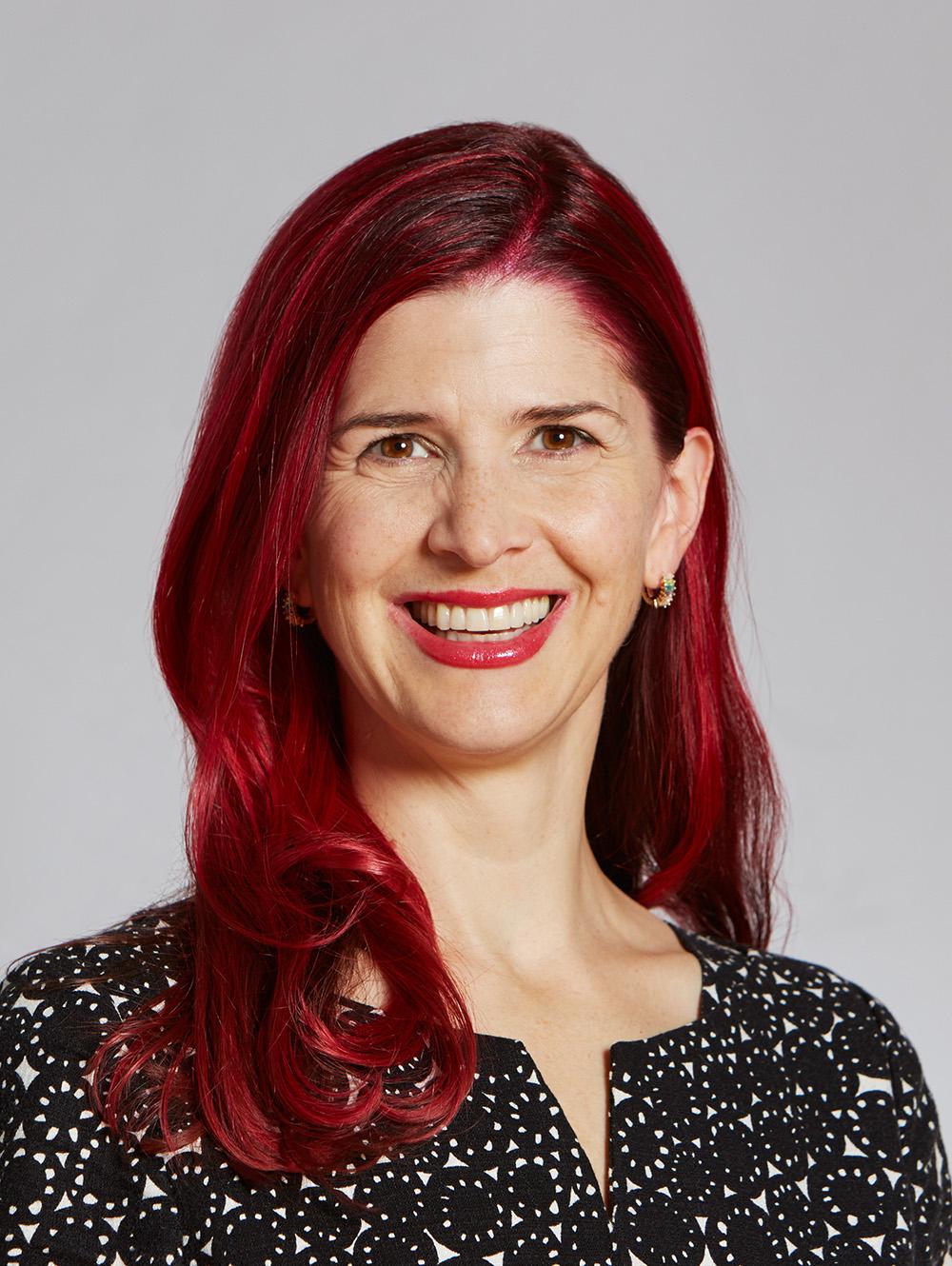
Emily Cross is a Full Professor at the Department of Humanities, Social and Political Sciences at ETH Zurich, leading the Social Brain Sciences Professorship since spring 2023. She previously held professorships at Bangor University (Wales), University of Glasgow (Scotland), Macquarie University (Australia), and Western Sydney University's MARCS Institute (Australia). Her research centers on how embodied experience shapes social learning and perception across diverse contexts. Key contributions include identifying neural signatures of embodied expertise using dancers, developing embodied neuroaesthetics theory, uncovering neurocognitive foundations of visual learning across lifespans, and pioneering paradigms for human-robot social engagement. Her interdisciplinary approach bridges technology, performing/visual arts, and social sciences to explore experience-dependent plasticity at brain and behavioral levels. Recent publications (2024-2025) demonstrate intense focus on human-robot interaction dynamics, aesthetic movement perception, and context-dependent social cognition. Work increasingly examines self-disclosure mechanisms to robots, cultural influences on robot acceptance, and neural correlates of movement synchrony, reflecting her expanding influence at the neuroscience-robotics intersection. Scientific awards include: Philip Leverhulme Prize for Psychology Jacob Bronowski Award from British Science Foundation Young Talent Award from Dutch Neuroscience Society RoboHub and Insight Analytics top women in robotics listings Australia’s Superstars of STEM (2022) Cross passionately trains next-generation scientists with emphasis on research ethics. Her work attracts major funding from ERC, NIH, Fulbright Commission, ESRC, EPSRC, and UK Ministry of Defence. She serves on UNESCO’s International Bioethics Committee (co-rapporteur for neurotechnology ethics report) and as Associate Editor for International Journal of Social Robotics. She leads ETH Zurich's dynamic Social Brain Sciences group, which embraces interdisciplinarity through research paradigms bridging technology, performing/visual arts, and biological/social sciences, while maintaining active roles in editorial boards and conference committees including Intelligent Virtual Agents and Affective Computing meetings.
Christian Wolff is a University Professor and Chair of Media Informatics at the Institute for Information and Media, Language and Culture at the University of Regensburg. Since April 2022, he has served as the founding Dean of the Faculty of Computer Science and Data Science, while maintaining secondary membership in the Faculty of Languages, Literature and Cultural Studies (SLK). His academic career spans over three decades with significant contributions to multiple disciplines at the intersection of computer science and humanities. Wolff's research interests center around multimedia and multimodal information systems, electronic publishing, and text technology, particularly text mining. His work bridges computer science with digital humanities, legal informatics, and social media analysis. Recent publications demonstrate a strong focus on large language models, sentiment analysis applications across various domains, legal technology innovations, and virtual reality research for cognitive studies. His interdisciplinary approach has produced significant contributions in both technical and humanities domains. His recent publication trends reveal a strategic shift toward applied AI research, particularly in legal technology (LegalTech), social media analysis, and sentiment analysis using large language models. The publications show increasing collaboration across disciplines, connecting computer science with law, political science, literature, and psychology. His work on the digital basis document for legal proceedings represents a major practical application of his research in the German justice system. East Bavarian Cultural Prize Doctoral Award of the University of Regensburg Wolff has led numerous interdisciplinary research projects connecting computer science with humanities and legal studies. His leadership extends to institutional roles including Dean of Research, Vice Dean, and Dean of Faculty positions. He has been instrumental in establishing the new Faculty of Computer Science and Data Science at the University of Regensburg, demonstrating significant impact on institutional development and research infrastructure. Wolff directs research initiatives focused on text technology, digital humanities, and legal informatics. His work with the INDIGO - Internet and Digitization Eastern Bavaria initiative and the TRIO project demonstrates commitment to regional technology transfer and innovation. The interdisciplinary nature of his research groups connects computer scientists with legal scholars, linguists, and social scientists to address complex digital transformation challenges.

Snigdha Chaturvedi is an Associate Professor in the Department of Computer Science at the University of North Carolina at Chapel Hill. She previously held faculty positions at the University of California, Santa Cruz, and has conducted postdoctoral research at the University of Pennsylvania and University of Illinois, Urbana-Champaign. PhD in Computer Science from University of Maryland, College Park Bachelor's degree in Computer Science and Engineering from Indian Institute of Technology (IIT) Kanpur Her research spans Natural Language Processing with emphasis on Narrative Understanding , Text Summarization , and Socially Aware Language Generation . She advances Fairness in AI through ethical NLP applications in Mental Health and Educational Technology . Recent work focuses on 2025 publications in ACL and NAACL journals, alongside 2024 contributions to EMNLP Findings and ICLR . Earlier projects include the NarraSum dataset (2022) and MOOC forum analysis (2020). Scientific recognitions include: ACM Student Research Competition First Place (2014) IBM PhD Fellowship (2014-2015, renewed in 2015) Kulkarni Summer Research Fellowship (2015) WPI STEM Faculty Launch Program Participant (2015) Her team has advised 13 PhD and Master's students with notable placements at Bloomberg, AI2, and University of Southern California. Research integrates Accessibility challenges through collaborations with Google and IBM labs.

Dr. Yuko Sugita serves as Lecturer for Japanese language at the Institute of East Asian Studies, University of Duisburg-Essen, where she has been teaching since the winter semester of 2014/15. Holding a Dr. phil. from the University of Duisburg-Essen and an MA in General Linguistics from the University of Tokyo, she maintains an active academic presence with courses scheduled through summer semester 2025. Her academic profile encompasses: Japanese language instruction across multiple proficiency levels Research in conversation analysis with specialized focus on prosody and multimodality Documentation and revitalization efforts for endangered Ryukyuan languages Sociolinguistic studies of Okinawan youth communication Dr. Sugita's scholarly work demonstrates a consistent integration of theoretical linguistics with practical language teaching applications. Her research trajectory shows particular expertise in analyzing communication patterns among Okinawan youth and developing strategies for language preservation. She has made significant contributions to understanding how prosodic features function in conversational contexts and how local media can support language revitalization efforts. Her publication record spans diverse venues including the Journal of Pragmatics, Language and Society, and specialized conference proceedings. She has co-edited the volume "Japanese as Foreign Language in the Age of Globalization" (2008) with Patrick Heinrich, reflecting her engagement with global perspectives on Japanese language education. As an educator, Dr. Sugita emphasizes developing students' autonomous thinking and assertive communication skills. Her current teaching responsibilities include Japanese 4 and Intensive Japanese 2/II for summer semester 2025, continuing her long-standing commitment to Japanese language education in the German academic context.

Professor David Millard is a Professor of Computer Science at the University of Southampton's Electronics and Computer Science department. He serves as Head of the ECS Education Group, leading a team of 15 Teaching Fellows and Senior Fellows to improve teaching and learning across the department. Previously, he was Director of Admissions for ECS from 2012 to 2022. David is a founding member of the Web and Internet Science research group and has been active in the international hypermedia community for over twenty-five years. His professional affiliations include: Chair of the ACM Hypertext steering committee SIGWEB Liaison for ACM Web Science Former vice-chair of ACM SIGWEB (2015-2019) Editorial board member of the New Review of Hypermedia David Millard's research focuses on the intersection of hypertext, digital narratives, and mixed reality games, with particular emphasis on locative literature. His work has helped define 'Sculptural Hypertext' - hypertext governed by rules and constraints rather than navigational links - which is highly suitable for designing narrative structures within digital games. He has been a pioneer in locative narratives, interactive digital narrative games experienced on location-aware smart devices, with work dating back to 2002 at Chawton House. His recent research focuses on understanding the locative narrative design space and proposing the 'Balance of Attention' as the primary poetic of locative narrative. His research has been recognized with multiple awards including the Engelbart Award in 2013 and 2016 for his work on location-based storytelling and sculptural hypertext. His interdisciplinary StoryPlaces project explores the poetics of location-based narratives through digital storytelling deployments in Southampton, Bournemouth, and Crystal Palace. David has authored more than 230 peer-reviewed articles across Technology Enhanced Learning, Web Science, and Hypertext and Narrative, with over 4800 citations and an h-index of 35. His work has been published in prestigious journals including Springer Multimedia Tools and Applications, Elsevier Computers in Education, IEEE Intelligent Systems, PloS one, ACM Transactions on Information Systems, and ACM Transactions on Learning Technologies. He leads a team of PhD students focused on Interactive Narratives and Mixed Reality Spaces and has graduated 34 postgraduate students. His students have pursued careers in academia at institutions like Oxford, Winchester, Bournemouth, and East Anglia, as well as in industry at major technology firms including IBM and Google. David has been instrumental in Open Educational Resources development, creating EdShare in 2010 - an OER platform based on EPrints that now hosts over 20,000 learning items. He has also developed innovative teaching approaches, including modules on Multimedia Systems (which won the Vice-Chancellor's Teaching award), Programming 1, Social Media and Network Science, and Games Design and Development.
Stephany Cuevasمشاهده پروفایل
استادیار
Dr. Stephany Cuevas is an Assistant Professor of Education at the Attallah College of Educational Studies, Chapman University. She holds a Doctor of Education from Harvard University, a Master of Education from Harvard University, and a Bachelor of Arts from the University of California, Berkeley. Education: Ed.D., Harvard University; M.Ed., Harvard University; B.A., UC Berkeley Institution: Chapman University College: Attallah College of Educational Studies Rank: Assistant Professor Dr. Cuevas’ research centers on Latinx family engagement in higher education, particularly among first-generation and undocumented students. Her interdisciplinary work explores how familial support, cultural values like familismo , and structural inequities shape students’ postsecondary trajectories. She investigates the emotional, academic, and social tensions experienced by Latinx undergraduates as they navigate college while maintaining deep family responsibilities and connections. Her recent scholarly output includes over a dozen publications, with a focus on familial support systems, immigrant parent engagement, and college access. Key themes across her work include the impact of political climate on undocumented families, the role of emotional protection in student-parent relationships, and the necessity of institutional support for student-parents and caretakers. Her 2024 article "I Tell Them Generics, but Not the Specifics" exemplifies her nuanced understanding of communication tensions in Latinx families. Family-School-Community Partnerships SIG, AERA American Association for Hispanics in Higher Education Association for the Study of Higher Education Dr. Cuevas is also an active contributor to policy and practice, authoring the book Apoyo Sacrificial, Sacrificing Support and co-authoring Everyone Wins! The Evidence for Family-School Partnerships . She conducts professional development, evaluations, and trainings for schools and nonprofits nationwide, focusing on equity, immigrant family support, and postsecondary success. Her methodological approach integrates qualitative phenomenology with Chicana feminist epistemology, reflecting her commitment to positionality and social justice in research. She leads community-engaged research initiatives and collaborates with school districts and nonprofit organizations to develop research-based curricula and support systems for underrepresented students and their families.

Prof. Dr. Markus Appel is a Professor and Chair holder at the Human-Computer-Media Institute at the University of Würzburg, specializing in Communication Psychology and New Media. His office is located in Room 02.004 at Campus Hubland Nord, Oswald-Külpe-Weg 82, Würzburg, Germany. Appel's research focuses on communication psychology, narrative transportation theory, social media effects, digital communication, and the psychological aspects of human-computer interaction. His work explores how media narratives influence self-concept, how digital environments shape autobiographical memory, and the psychological responses to emerging technologies like artificial intelligence. He has made significant contributions to understanding stereotype threat, media effects on cognitive processes, and the psychological mechanisms underlying narrative persuasion. His recent publications reveal a strong trend toward examining the psychological implications of artificial intelligence, particularly how people perceive and interact with AI systems. His work spans multiple disciplines including cognitive psychology, social psychology, media psychology, and human-computer interaction. Appel's research often employs experimental methodologies to investigate how digital media shapes human cognition, emotion, and behavior in the 21st century. Appel leads a research team that includes several doctoral researchers and postdoctoral fellows, including Dr. Fabian Hutmacher, Dr. Christoph Mengelkamp, and Dr. Tanja Messingschlager, among others. His work has been published in top-tier journals across multiple disciplines, demonstrating the interdisciplinary nature of his research program.

- Artificial Intelligence
- Machine Learning
- Game AI
- +۱۰ مورد دیگر
Santiago Ontañón is an Associate Professor in the Department of Computer Science at Drexel University's College of Computing and Informatics. He is also a Senior Research Scientist at Google DeepMind, reflecting a strong dual affiliation in both academic and industrial AI research. His work bridges theoretical AI with practical applications in gaming and machine learning. PhD in Computer Science (Artificial Intelligence), cum laude, Autonomous University of Barcelona Postdoctoral Researcher, Georgia Institute of Technology Researcher, Artificial Intelligence Research Institute (IIIA), Barcelona, Spain Dr. Ontañón's research focuses on artificial intelligence, machine learning, and robotics, with a particular emphasis on game AI. His interests span case-based reasoning, reinforcement learning, Monte Carlo tree search, player modeling, and procedural content generation. He has made significant contributions to AI in real-time strategy games and explainable AI systems. His recent publications reflect a consistent trend in AI for games, hierarchical planning, and learning from demonstration. The articles span topics such as reproducible deep reinforcement learning, adaptive player modeling, and integrating domain knowledge into search algorithms, indicating a mature and impactful research trajectory in AI and game technologies. Senior Research Scientist, Google DeepMind Organizer, microRTS AI Competition Advising multiple PhD students in AI and game-related topics He has advised numerous PhD students, many of whom have completed their theses on advanced AI topics in games and reasoning. His research is supported by access to substantial computational resources and collaborative networks in both academia and industry. He actively promotes open science by releasing software, data, and teaching materials. He leads research efforts in AI for games and maintains an active lab focused on game AI, with projects like microRTS, FTL, and Darmok. His team develops systems for reinforcement learning, planning, and natural language understanding in game environments.
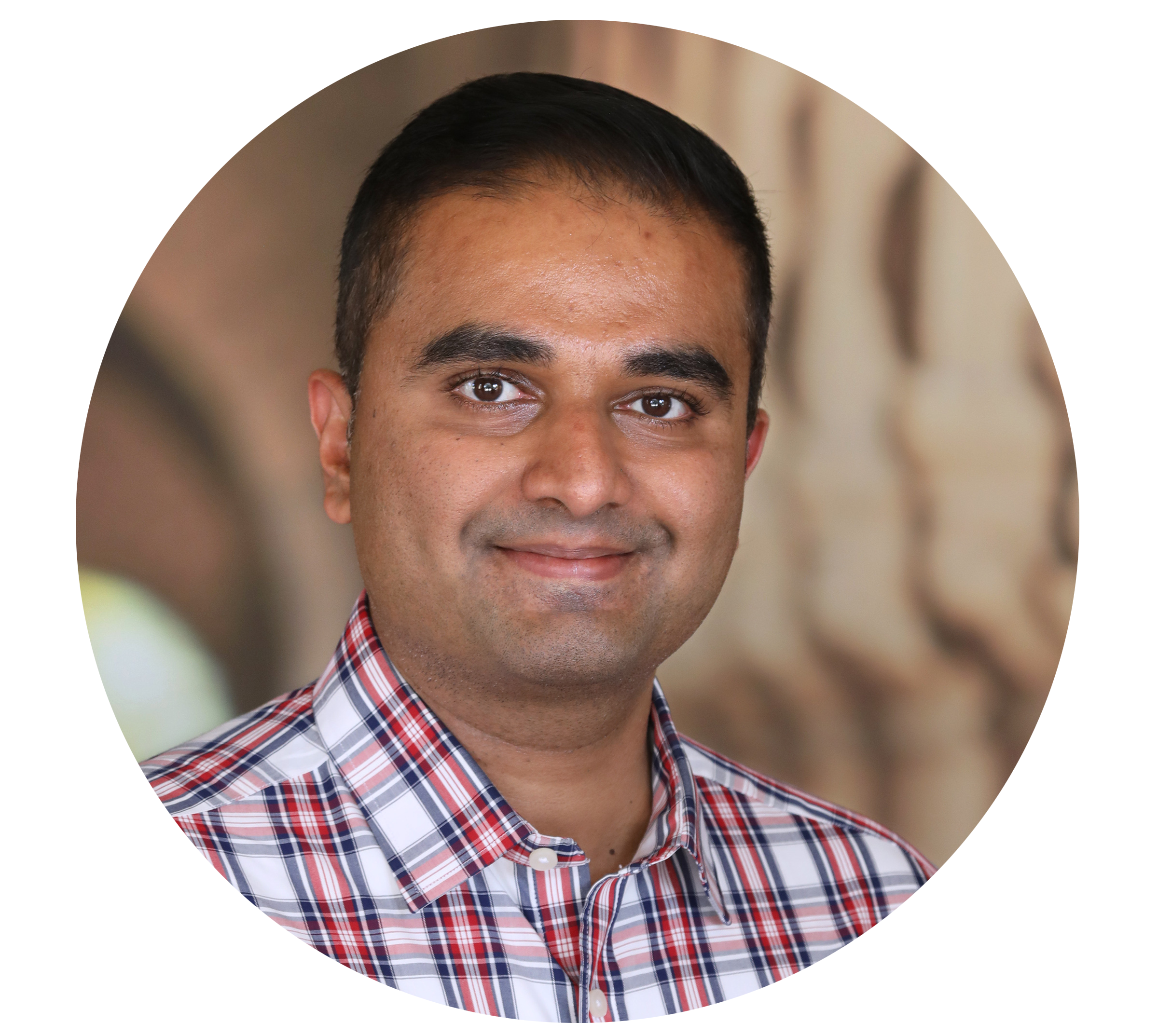
Hari Subramonyamمشاهده پروفایل
استادیار
Hari Subramonyam is an Assistant Professor (Research) at Stanford University's Graduate School of Education with a courtesy appointment in Computer Science. He serves as the Ram and Vijay Shriram Faculty Fellow at Stanford's Institute for Human-Centered AI (HAI) and is a core faculty member of Stanford HCI. Subramonyam earned his PhD in Information from the University of Michigan under advisor Eytan Adar. His research focuses on the intersection of Human-Computer Interaction (HCI) and Learning Sciences, specifically developing AI systems to augment human learning through cognitively informed design, co-design with educators, and transformative learning experiences. His work prioritizes ethical AI, responsible design practices, and human values in technology creation. Research spans generative AI for education, human-AI interaction paradigms, and accessible learning technologies. Subramonyam's publications demonstrate strong focus on human-centered AI systems for education, visualization, and creative applications. His recent work (2023-2025) concentrates on generative AI interfaces for writing assistance, educational tools, and collaborative systems, while maintaining consistent exploration of visualization techniques and AI transparency frameworks. Awards & Honors: Best Paper Award at CHI (2025, 2020, 2019) Honorable Mention Award at CHI (2025) Best Paper Award at IUI (2021) Ram and Vijay Shriram Faculty Fellow HAI Hoffman Yee Grant (2024) Cover Story in Interactions Magazine (2024) Advising & Grants: Leads 27 students including PhD advisee Neha Rajagopalan (co-advised) and diverse MS/BS researchers. Received HAI Hoffman Yee Grant (2024) for "Integrating Intelligence: Building Shared Conceptual Grounding for Interacting with Generative AI" as co-investigator. Teaches courses on data visualization (CS 448B) and educational technology design (EDUC 432). Labs & Leadership: Core faculty at Stanford HCI group, directing research on human-centered AI systems. Organizes workshops including "Tools for Thought" (CHI 2025) and "Human–AI Coevolution" (ICLR 2025). Maintains collaborations with National University of Singapore and University of Michigan.
James Murphy serves as Professor of Geography and Director of the Geography Department at Clark University, where he has been a faculty member since 2005. His research examines economic geographies of development in the Global South (particularly Africa) and sustainability transitions, contributing significantly to the field as Editor-in-Chief of Economic Geography since 2014. His educational background includes: Ph.D. in Geography (minor in Political Economy), University of Florida, 2001 M.A. in Environmental Policy, Tufts University, 1997 B.S. in Chemical Engineering, Rutgers University, 1987 Murphy's research spans three interconnected domains: relational economic geographies of industrial change; geographies of socio-technical systems in sustainability transitions; and innovative conceptual frameworks advancing socio-spatial understanding. His interdisciplinary approach integrates economic geography , development studies , science and technology studies , and urban geography to address justice and resilience in the Global South. Recent publications (2020-2025) reveal a concentrated focus on African economic development and sustainability transitions, with recurring themes of place-based transitions, green economies in the Global South, and urban geographies beyond production. His work demonstrates strong interdisciplinary integration, frequently bridging economic geography with development studies and STS to analyze real-world challenges. No scientific awards or fellowships are documented in the source material. Dr. Murphy has secured two major National Science Foundation grants: Doctoral Dissertation Research Improvement Grant (2023-2024): Investigating medium-scale farming systems and agricultural entrepreneurship Governing Sustainability through Place-Making (2020-2022): Analyzing ecodistricts in the Pittsburgh Metro Region While specific advisees aren't listed, his leadership roles and research profile indicate active mentorship in geography and development studies.

- Artificial Intelligence
- Machine Learning
- Game AI
- +۳ مورد دیگر
Stephen Lee-Urban is a Teaching Associate Professor in the Department of Computer Science & Engineering at Lehigh University, affiliated with the Rossin College of Engineering. He holds a Ph.D., M.S., and B.S. in Computer Science and Engineering from Lehigh University, all completed with summa cum laude distinction. His research focuses on fundamental and applied artificial intelligence, machine learning, game AI, cognitive systems, and automated planning. He has contributed to innovative projects such as HuManIC (human-machine interpretive control), CORA (cognitive systems framework), and crowdsourced narrative generation systems. His academic career includes significant work in cybersecurity through intelligent agent modeling of malware, as well as contributions to game AI for strategy games and military training simulations. Notable awards include summa cum laude honors for all three of his university degrees. Lee-Urban's scholarly output spans over 20 publications since 2000, with recent emphasis on AI applications in collaborative storytelling, adaptive planning systems, and human-computer interaction. His research integrates machine learning techniques with sociocultural analysis, crowd-powered content creation, and hierarchical task networks. Current work explores autonomous systems capable of leveraging crowd intelligence for generating interactive narratives and optimizing military training scenarios. While no specific grants or advising roles are listed, his interdisciplinary approach bridges computer science with game design, cybersecurity, and cognitive modeling.
Jane Qian Liuمشاهده پروفایل
دانشیار
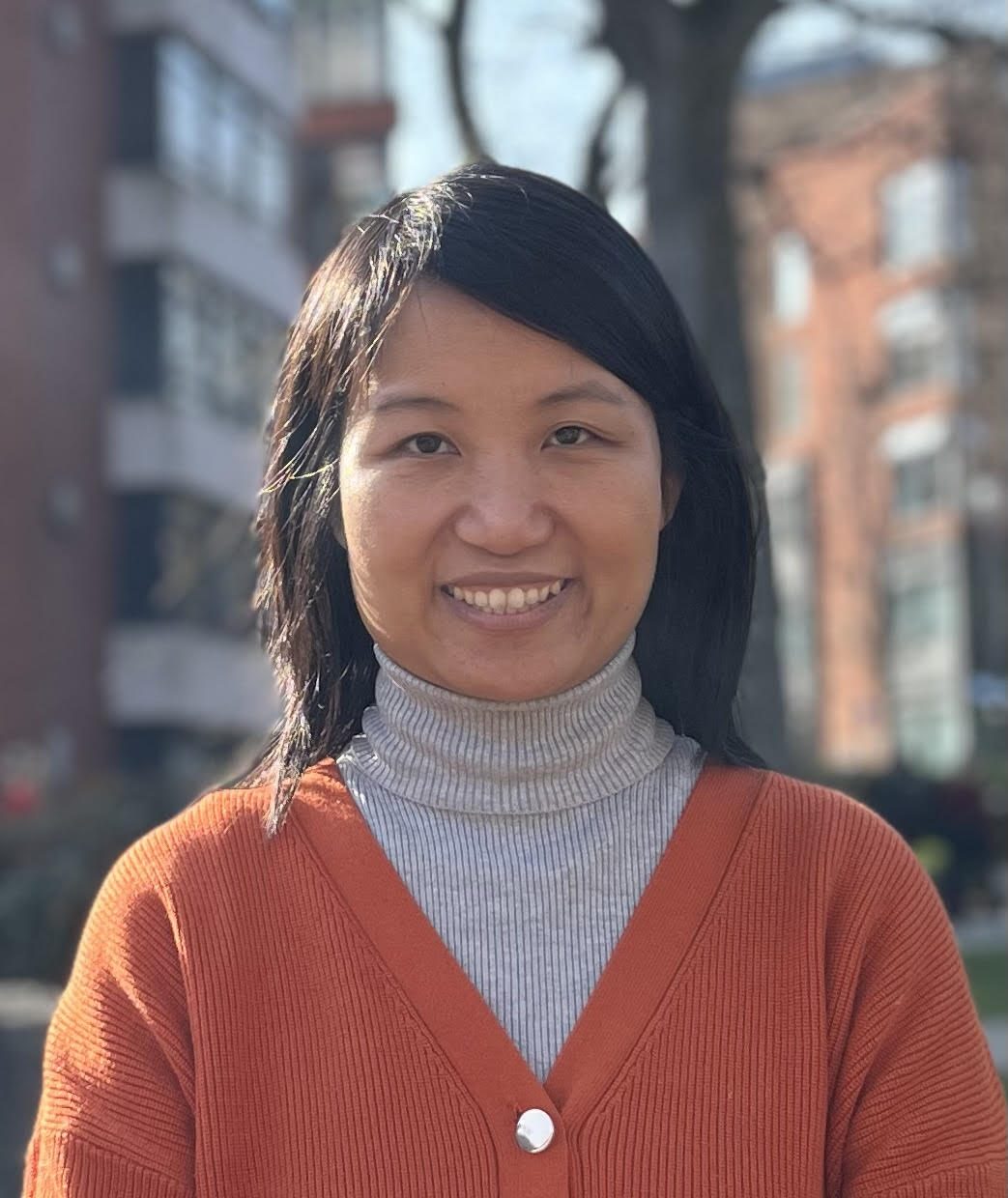
Jane Qian Liu is Associate Professor of Translation and Chinese Studies at the University of Warwick, where she also serves as Head of Translation and Transcultural Studies and Director of Research for Translation and Transcultural Studies (both since 2024). She earned her DPhil in Oriental Studies from the University of Oxford in 2014, following an MA in Comparative Literature and World Literature from Beijing Normal University (2010) and dual BA degrees in Chinese Language and Literature and English Language and Literature from the same institution (2007). Dr. Liu's research centers on cross-cultural literary exchanges between China and the West, particularly examining translation practices, intertextuality, and reader reception in early twentieth-century China. Her work investigates how Chinese translators creatively adapted Western literary works through processes like pseudotranslation, and how these adaptations shaped modern Chinese literary forms. She has made significant contributions to understanding the role of emotion, lyricism, and transcultural dynamics in literary transmission. Dr. Liu's scholarly output reveals a consistent trajectory toward examining the complex interplay between translated texts and reader experiences. Her research shows increasing sophistication in conceptual frameworks, moving from textual analysis to incorporate reader response theory and metaphysical considerations of literary reception. Key themes across her publications include the adaptation of European literature in China, the creation of alternative romantic spaces through translation, and the cultural significance of reading practices. Among her accolades, Dr. Liu received the 'Good Book Review of the Year' award from China Book Review in 2021. She serves as associate editor of Comparative Literature & World Literature and has conducted interviews with prominent scholars including Henrietta Harrison, Douglas Robinson, and Rebecca L. Walkowitz, which have been published in the same journal. Dr. Liu actively supervises PhD students working on East-West cultural and literary exchanges, with current advisees including Shaoyu Yang, Yuqing Zhang, Xinyao Zhang, Ambra Minoli, and Yaqi Xi. She convenes several postgraduate courses including 'Translation and Transcultural Encounters between China and the West' and 'Dissertation in Translation Studies,' reflecting her commitment to training the next generation of translation scholars. As a practicing translator, Dr. Liu has translated Bob Eckstein's Footnotes from the World's Greatest Bookstores into Chinese (Commercial Press, 2021), which received an 8.0 rating on Douban, as well as scholarly works by Stephen Owen and Andrew Jones for Theories of World Literature, a Reader (Peking University Press, 2013).

Simone Kreher is a Professor of Sociology of Health at the Faculty of Health Sciences, Hochschule Fulda, where she has been serving since September 2005. Her academic career spans several institutions, including Hochschule Neubrandenburg and Humboldt-Universität zu Berlin. She is actively involved in teaching and research, focusing on qualitative methods and health-related sociological inquiry. Research Interests: Her work centers on health and medical sociology, biographical research, and poverty studies. She leads a research project on families receiving basic security benefits (www.faleha.de), exploring lived experiences of social inequality. Her methodological expertise lies in qualitative empirical social research, particularly narrative and biographical analysis. Publication Trends: Over the past two decades, her publications reflect a consistent focus on understanding health, illness, and social disadvantage through narrative and qualitative lenses. Themes include doctor-patient relationships, childhood in institutional care, intergenerational family dynamics, and rural health behaviors. Her work bridges sociology and healthcare practice, especially in nursing and primary care contexts. Scientific Memberships: Member of the Section on Professional Sociology, German Sociological Association (DGS) Member of the Section on Knowledge Sociology, German Sociological Association (DGS) Administrative and Academic Roles: She is a member of the Senate of Hochschule Fulda, contributing to university governance. Her teaching includes modules on Sociology of Health and Qualitative Research Methods. While no formal students are listed, she has collaborated extensively with researchers such as S. Brockmann, M. Sielk, and A. Wollny. Laboratories and Research Groups: She leads or contributes to research initiatives in health sociology, particularly through the research project Faleha (families in basic security), which employs qualitative methods to explore social and health challenges in vulnerable populations.