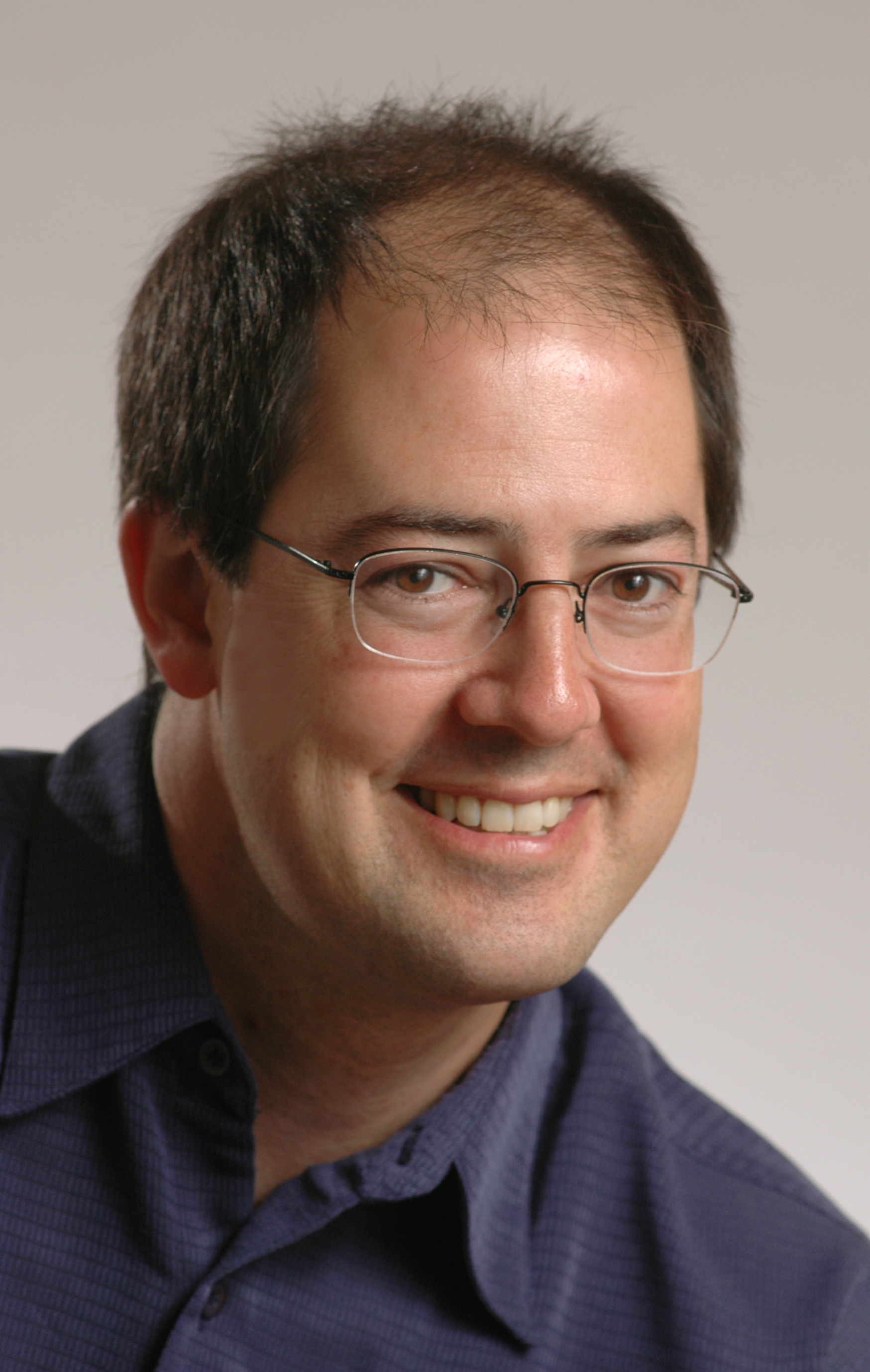
Kristofer Pister is a Professor in the Department of Electrical Engineering and Computer Sciences at the University of California, Berkeley. He co-directs the Berkeley Sensor and Actuator Center (BSAC) and the Ubiquitous Swarm Lab. His career spans groundbreaking innovations in Micro/Nano Electro Mechanical Systems (MEMS), Control Systems, and Low-Power Circuits, with a focus on Smart Dust and synthetic insects. Education: Ph.D. and M.S. in EECS from UC Berkeley (1992, 1989); B.A. in Applied Physics from UC San Diego (1986). His research areas include MEMS , Control Systems , Robotics , and Integrated Circuits , with recent work on self-powered micro-sensors, crystal-free radios, and interplanetary swarm networks. Key awards include the ISA Albert F. Sperry Founder Award (2009) , Alexander Schwarzkopf Prize (2006) , and the NSF CAREER Award (1996) . He has authored numerous influential publications in wireless sensor networks and microrobotics. His lab, Ubiquitous Swarm Lab , explores distributed robotics and swarm intelligence. Pister emphasizes open collaboration in research, ethical conduct in academia, and efficient resource utilization for graduate students.
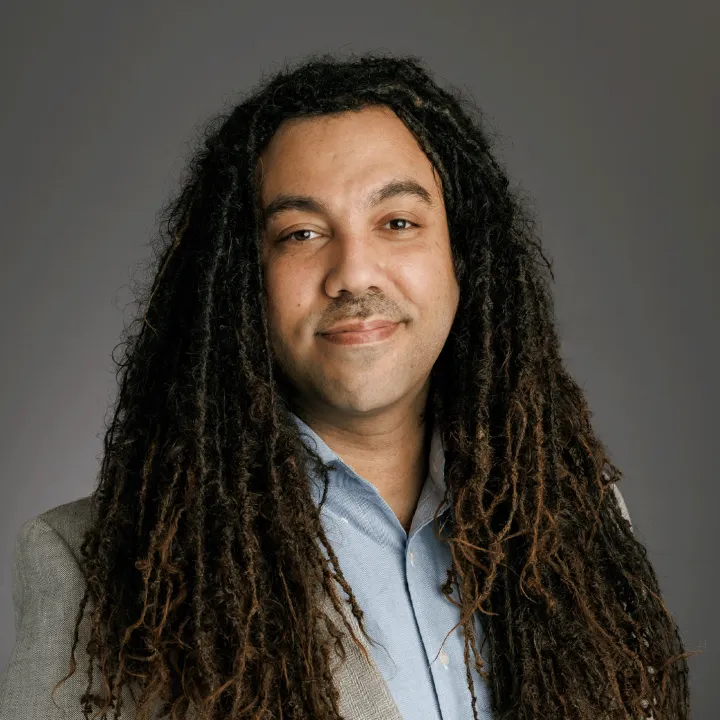
Michael Murrell is an Associate Professor of Biomedical Engineering at Yale University, with additional appointments in the Physics Department and the Molecular, Cellular and Developmental Biology Track. He holds a B.S. from Johns Hopkins University and a Ph.D. from MIT. His research focuses on understanding cellular mechanics through biomimetic systems and soft matter physics, aiming to bridge biological principles with technological innovation. Key interests include the mechanical basis of cell division, migration, and energy dynamics in cytoskeletal networks. Selected honors include the Postdoctoral Fellowship from the Institute for Complex Adaptive Matter (2010–2012), an NIH Biotechnology Training Grant (2005–2008), and the MIT Presidential Fellowship (2004). His lab, the Laboratory of Living Matter, investigates how physical properties of cells drive life processes, using tools from synthetic biology and computational modeling. Recent work explores energy localization in cytoskeletal networks and mechanical memory in actin systems. Publications highlight advancements in actomyosin contractility, cortical flows, and biophysical energy conversion. The lab actively seeks PhD students and postdocs to join interdisciplinary projects at the Yale Systems Biology Institute and the Physical Engineering and Biology Program.
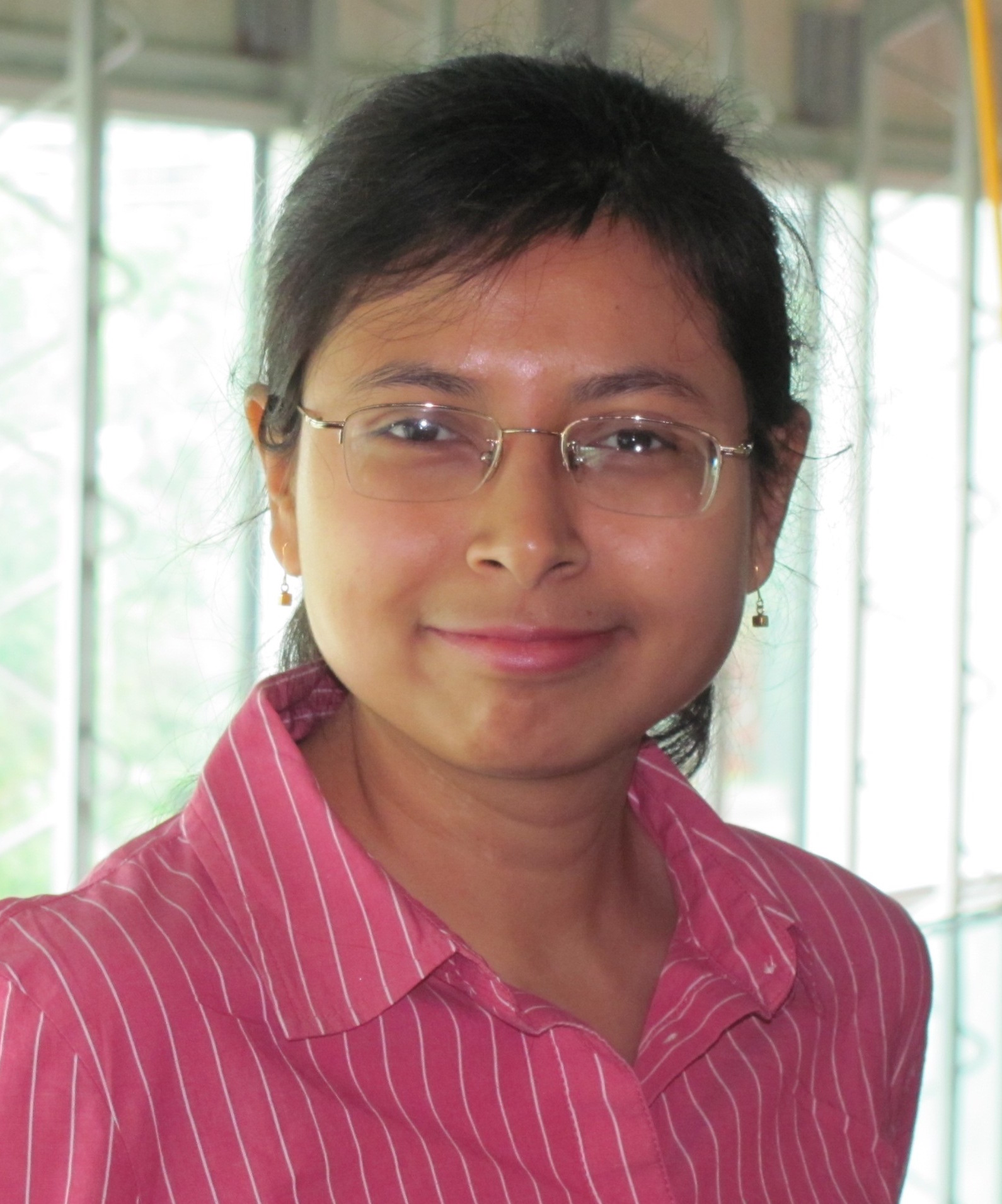
Sushmita Ruj is an Associate Professor in the School of Computer Science and Engineering at the University of New South Wales (UNSW), Sydney. She serves as the Faculty of Engineering Lead for the UNSW Institute for Cybersecurity (IfCyber) and as the Taste of Research (ToR) Coordinator within the School of Computer Science and Engineering. Her academic journey includes previous positions as a Senior Research Scientist at CSIRO's Data61 (2019-2022), Associate Professor at the Indian Statistical Institute, Kolkata, and Assistant Professor at the Indian Institute of Technology (IIT), Indore. Dr. Ruj's primary research interests focus on applied cryptography, post-quantum cryptography, cybersecurity, blockchains, and data privacy. She designs practical, efficient, and provably secure protocols for real-life applications, with particular emphasis on critical infrastructure including smart grids, cloud computing, ad hoc networks, and data sharing frameworks. As quantum technology advances, her work increasingly focuses on developing quantum-safe algorithms to ensure a more secure Internet infrastructure. Her research spans multiple domains including cryptographic key management, proofs of storage, verifiable computation, vector commitments, and privacy-enhancing technologies for cloud and IoT environments. Her recent publications demonstrate a strong trend toward post-quantum cryptography solutions, with particular emphasis on blockchain applications, DNS security, and privacy-preserving protocols for industrial IoT. The research shows increasing focus on practical implementations of theoretical cryptographic concepts, with applications across multiple sectors including finance, healthcare, and critical infrastructure. Her work bridges the gap between theoretical cryptography and real-world security challenges, with growing emphasis on the transition from classical to quantum-resistant systems. Best Paper Award at ACISP 2024 JNCA Best Survey Award (2023) NSW Innovation Award (iAward) Merit Winner (2022) Women in Science Award from CSIRO (2020) ACM Senior Member (2016) IEEE Senior Member (2015) Samsung GRO award (2014) Dr. Ruj has successfully mentored numerous PhD and Master's students, with many of her former students now holding academic positions at institutions like IIT Indore, TU Wien, and CISPA Helmholtz Center. She has secured significant competitive funding including multiple Australian Research Council (ARC) grants, Samsung GRO Award, NetApp Faculty Fellowship, Cisco Academic Grant, and IBM Research grant. Her current research portfolio includes projects on blockchain-based quantum-safe digital medical passports, embedding trust in digital IDs, and resilience of supply chain unstructured data. As Faculty of Engineering Lead for IfCyber, Dr. Ruj plays a key role in UNSW's cybersecurity research initiatives. She has served on editorial boards for prestigious journals including IEEE Transactions on Information Forensics and Security and has held leadership positions in major conferences such as ACISP 2021 and Indocrypt 2020. She was also a member of the working group on "Blockchain For Cybersecurity" for the National Blockchain Roadmap of Australia and the first Blockchain Working group set up by the Reserve Bank of India.
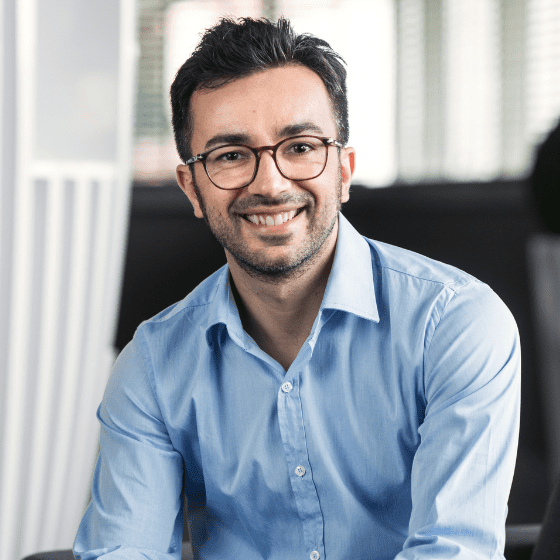
Dr. Matthew Brookhouse is a Senior Lecturer at the Fenner School of Environment & Society, part of the Australian National University's Institute for Climate, Energy & Disaster Solutions. With a PhD in Dendroclimatology from ANU, he specializes in using forest structural complexity and tree-ring analysis to understand climate interactions and ecological responses in Australian subalpine environments. Research Focus: Sub-alpine ecology, Dendrochronology, CO2 responsiveness in eucalypt species Teaching: First-year research methods with emphasis on statistical application, advanced modeling and field botany Projects: Leading collaborative snow-gum dieback research and dendrochronological monitoring initiatives His publications span 2006-2025 with recent emphasis on machine learning applications for forest monitoring, tropical tree-ring chronologies for climate change, and climate sensitivity in Australian alpine ecosystems. Key collaborations include institutions like Australian Nuclear Science and Technology Organisation and University of Canberra researchers. Current projects focus on snow-gum woodland dieback mechanisms, high-resolution dendrometric monitoring, and integrating dendrochronology with environmental policy frameworks. He maintains active supervision of research students and contributes to both undergraduate and postgraduate curriculum development.
Stefano Galelli is a tenured Associate Professor in the School of Civil and Environmental Engineering at Cornell University, where he leads the Critical Infrastructure Systems Lab. He also holds an adjunct position as a Research Scientist at the Lamont-Doherty Earth Observatory, Columbia University. His career spans roles in Singapore, including a Postdoctoral Research Fellow at NUS (2011–2013) and faculty at the Singapore University of Technology and Design (2013–2023). Dr. Galelli earned his B.Sc. (2004), M.Sc. (2007), and Ph.D. (2011) in Environmental and Land Planning Engineering and Information Technology from Politecnico di Milano, Italy. His research focuses on the interactions between critical infrastructure systems and natural environments, emphasizing adaptive management solutions for water-energy systems. Techniques include process-based modeling, climatology, statistical learning, control theory, and optimization. He explores topics like hydro-climatic variability impacts, dam re-operation for environmental flows, and cyber-physical security in infrastructure. His contributions to journals such as Nature Sustainability, Earth’s Future, and Environmental Modelling & Software have earned him multiple awards, including the Early Career Research Excellence Award (2014) and SUTD Excellence in Research Award (2017). He has served as an editor for several journals and is recognized for advancing interdisciplinary approaches to water-energy nexus challenges. Teaching highlights include foundational mathematics courses and advanced topics in data analytics, optimization, and water-energy management. He is developing new courses on data-driven control of coupled human-natural systems and risk management for interconnected systems.
Suyash Gupta is a Tenure-Track Assistant Professor in the Department of Computer Science at the University of Oregon, where he leads the Distopia Laboratory and co-leads the Oregon Networking Research Group. His expertise lies in distributed systems, databases, blockchain technologies, fault tolerance, and federated learning. Education: Ph.D. in Computer Science, University of California, Davis (2022) M.S. in Computer Science, Purdue University (2017) M.S. (Research) in Computer Science, Indian Institute of Technology Madras Research Focus: Dr. Gupta’s research is centered on designing efficient distributed, decentralized, and blockchain systems that are resilient to arbitrary failures and can scale across wide-area networks. His work spans consensus protocols, Byzantine fault tolerance, secure transaction processing, and federated learning systems. He has contributed foundational work in permissioned blockchain architectures and fault-tolerant distributed databases. Scientific Contributions & Awards: Best Paper Award, EuroSys 2023 Distinguished Reviewer Award, SIGMOD 2025 Best Graduate Researcher Award, UC Davis Author of Fault-Tolerant Distributed Transactions on Blockchain , Morgan & Claypool Teaching & Mentorship: He currently teaches advanced courses like CS 607: Hot Topics in Systems and CS 451/551: Database Processing . He actively mentors a diverse group of PhD and MS students, including Nihal Balivada, Shistata Subedi, Neil Sharma, and others from institutions like UC Davis and BITS Pilani. Labs & Teams: Dr. Gupta leads the Distopia Laboratory at UO and co-leads the Oregon Networking Research Group , both focused on cutting-edge research in distributed systems and secure networked architectures.
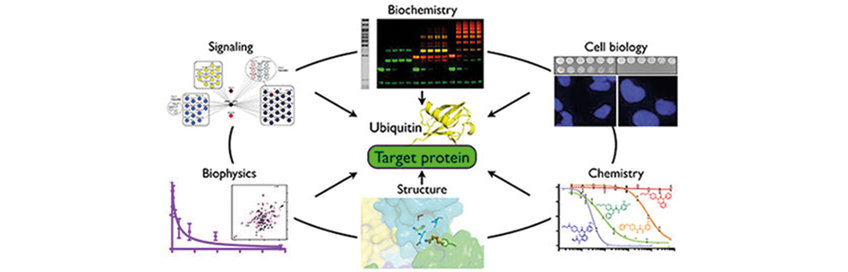
Brenda Schulman is a Professor and Director of the Molecular Machines and Signaling Pathways department at the Max Planck Institute of Biochemistry in Martinsried, Germany. She also holds an honorary professorship at the Technical University of Munich's Department of Chemistry and serves as Adjunct Faculty at St. Jude Children's Research Hospital in Memphis, TN, USA. Her research focuses on understanding how ubiquitin and ubiquitin-like proteins regulate cellular processes through protein modification. Dr. Schulman's research interests center on structural biology of the ubiquitin-proteasome system and ubiquitin-like proteins. Her work has shown that hundreds of dynamic multiprotein complexes are transiently converted into different conformations by specialized regulatory factors that control ubiquitin and ubiquitin-like proteins, thereby monitoring virtually all processes in cell biology. She combines biochemical reconstitution, structural analysis, enzymology, protein design, cell biology, and genetics to understand how these molecular machines function. Her research has significant implications for understanding diseases such as cancer, neurodegenerative disorders, and viral infections where defects in ubiquitin pathways are implicated. Her extensive publication record demonstrates expertise in ubiquitin signaling, protein degradation mechanisms, structural biology of E3 ligases, and molecular machines. Her work spans from fundamental mechanisms of ubiquitin chain formation to therapeutic applications in targeted protein degradation. Among her numerous scientific accolades are the Feldberg Prize for Anglo-German Scientific Exchange (2025), ERC Advanced Grant (2023), Louis-Jeantet Prize for Medicine (2023), Gottfried Wilhelm Leibniz Prize (2019), and election to the National Academy of Sciences (2014). She has also received the Dorothy Crowfoot Hodgkin Award from The Protein Society and has been an Investigator of the Howard Hughes Medical Institute. Dr. Schulman leads an active research group that has produced numerous high-impact publications in top journals including Nature, Cell, and Nature Structural & Molecular Biology. Her team has made significant contributions to understanding the structural mechanisms of ubiquitin transfer, E3 ligase specificity, and the role of ubiquitin in cellular quality control pathways. Current research in her lab focuses on deciphering the ubiquitin code and developing novel approaches for targeted protein degradation.
Ying Wu is a Professor of Physics at Duke University within the Trinity College of Arts & Sciences . His research focuses on the nonlinear dynamics of charged particle beams , coherent radiation sources , and the development of novel accelerators and light sources using advanced mathematical frameworks like Lie Algebra, Differential Algebra, and Frequency Analysis. His work has significantly enhanced understanding of nonlinear phenomena in light source storage rings and collider rings, with applications in Gamma-ray source development Free-electron laser (FEL) technology Beam stability and diagnostics VUV mirror protection systems Polarization-controlled radiation sources High-reflectivity cavity design Recent publications highlight experimental and theoretical advances in Orbital angular momentum beam generation Photonuclear cross-section measurements Storage ring lattice optimization Multi-color FEL operation Longitudinal beam instability control Differential algebra for particle dynamics Current research programs include collaborations with the High Intensity Gamma-ray Source (HIγS) facility and the Triangle Universities Nuclear Laboratory , with active grants from the Department of Energy (1997–2027), National Institutes of Health (2024–2026), and Ian's Friends Foundation (2024–2025). Ying Wu's laboratory specializes in Free-electron laser cavity design Gamma-ray beam characterization Storage ring diagnostics systems High-current electron beam control Polarization-sensitive detection Next-generation light source development
Tiina Salmi is an Academy Research Fellow specializing in superconductivity and high-field magnet systems. She holds a Doctor of Science (Technology) in Electrical Engineering (2015) and a Master of Science in the same field (2009). Her research focuses on quench protection systems, superconducting magnet design for particle accelerators (e.g., Future Circular Collider, Muon Collider, and LHC upgrades), and material behavior under extreme conditions. Affiliations: Academy of Finland, collaborating with institutions like CERN and LARP. Key Projects: FCC dipole development, Muon Collider storage ring magnets, and HTS tape mechanical analysis. Editorial Roles: Editorial board member for IEEE Transactions on Applied Superconductivity (2020–present). Research Interests Her work addresses critical challenges in superconducting magnet technology, including quench dynamics, thermal management, and high-field stability. She employs computational models (e.g., FEM simulations) and AI-driven approaches to optimize magnet performance and safety. Recent focus areas include: Superconducting materials (Nb 3 Sn, ReBCO, HTS) under mechanical/thermal stress CLIQ protection systems for FCC-hh dipoles Surrogate models for predicting heater delays Mechanical behavior of 2G HTS tapes Grants & Activities Active in international collaborations like the Muon Collider Project and the LARP (LHC Accelerator Research Program). Conducted over 80 peer-reviewed publications (2011–2025) and presented at conferences since 2013. Her work aligns with SDGs 9 (Industry, Innovation) and 12 (Sustainable Consumption). Future Work Ongoing projects include optimizing superconducting magnets for next-gen colliders and advancing AI applications in magnet design. Exploring sustainable materials and cost-effective high-field magnet solutions for future accelerators.
Navid Bayati is an Associate Professor at the University of Southern Denmark, affiliated with the Institute of Mechanical and Electrical Engineering and the Centre for Industrial Electronics. He leads the Control and Protection of Smart Grids (CAP-SG) group and focuses on renewable/hybrid power systems, microgrid protection, and grid code compliance. Education: Ph.D. in Power Systems & Microgrid Protection (2020, Aalborg University); M.Sc. in Power Systems (2017, Amirkabir University of Technology) His research spans renewable energy integration , transient analysis , grid interconnection , and digital twin applications . Recent work includes machine learning for carbon emission prediction, fault localization in DC microgrids, and supercapacitor resilience in hybrid systems. Collaborations include projects like IEA Wind Task 50 and RePoSys , addressing grid renovation, life cycle assessment, and digital twin resilience. His teaching portfolio covers power electronics , energy management , and microgrid control .
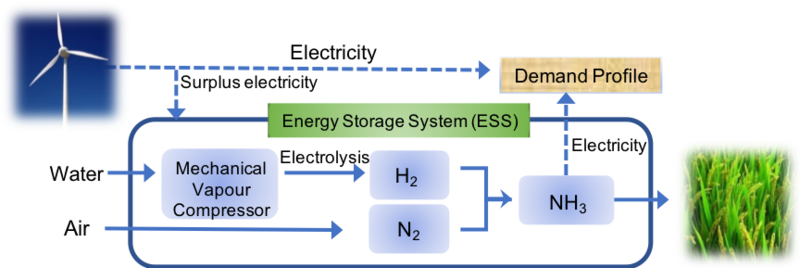
Professor Edman Tsang leads the Wolfson Catalysis Centre at the University of Oxford, focusing on catalysis and sustainable energy systems. His work includes developing novel catalysts for green ammonia production, renewable energy storage, and CO₂ conversion. He collaborates with Siemens on a £1.5M Innovate UK project for a wind-powered green ammonia plant at Rutherford Appleton Laboratory. Research spans photocatalytic solar cells, biofuel production from biomass, and hydrogen storage solutions. His team pioneered the e-Haber-Bosch process, reducing energy demands through renewable integration. Key innovations include patented catalysts for ammonia synthesis and advanced electrochemical systems. The group also explores plastic upcycling via mild heterogeneous catalysis and carbon capture technologies.
Professor Rob Dwyer-Joyce is a leading academic in Tribology and Lubrication Engineering at the University of Sheffield , School of Mechanical, Aerospace and Civil Engineering. He serves as Director of the Centre for Doctoral Training in Integrated Tribology and manages the Leonardo Centre for Tribology. A Fellow of both the Royal Academy of Engineering and the Institution of Mechanical Engineers, his work focuses on developing ultrasonic sensors for real-time lubrication and wear monitoring in industrial systems. Academic Affiliation: University of Sheffield (since 1994) Education: BEng Mechanical Engineering (Imperial College), PhD Tribology Industry Experience: Former British Gas engineer (Rough gas field) His research interests center on industrial wear problems , lubrication metrology , and acoustic sensor development . Key applications include wind turbine bearings, marine diesel engines, and automotive systems. His team’s innovations in tribo-acoustic sensors have enabled non-invasive oil film thickness and viscosity measurements in challenging environments. Recent scientific contributions span lithium-ion battery monitoring, wind turbine bearing dynamics, and marine engine lubrication, with over 30 publications since 2020. Awards include the EPSRC Advanced Career Fellowship in Tribo-Acoustic Sensors and recognition as a Royal Academy of Engineering Fellow . Contact: r.dwyer-joyce@sheffield.ac.uk
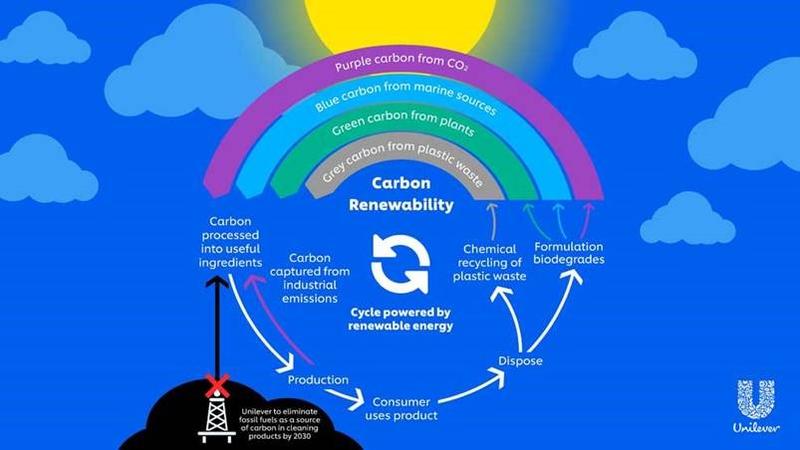
Professor Charlotte Williams is a leading academic in sustainable materials science at the University of Oxford. Her research focuses on developing catalysts to transform renewable resources and CO₂ into polymers, aiming to replace petrochemicals in scalable materials production. She collaborates with Unilever on the Clean Future initiative, pioneering recyclable and biodegradable polymers for consumer products. Her work was recognized with the 2021 Unilever Clean Future Supplier Brilliance Award, jointly awarded with Professors Rosseinsky and Cooper. Williams’ research spans heterodinuclear catalyst design, ring-opening copolymerization, and chemical recycling of polymers. She leads a multidisciplinary team including scientists, engineers, and policy experts to decarbonize chemical supply chains, contributing to the UK’s net-zero goals. Key collaborations include the EPSRC Prosperity Partnership with the Universities of Liverpool and Oxford, focusing on low-carbon laundry detergent materials. Education: Not explicitly detailed in text. Grants: EPSRC Prosperity Partnership (2021–2026), Unilever-funded projects. Labs/Teams: Collaborations with Liverpool University and industry partners like Unilever. Future Work: Expanding applications of CO₂-derived polymers in consumer goods and advancing recyclable materials. Her publications emphasize catalyst innovation, sustainable polymer synthesis, and materials lifecycle analysis, reflecting her commitment to bridging academic research with industrial sustainability challenges.
Herb Winful is a Professor of Optics at the University of Michigan's College of Engineering, Department of Electrical and Computer Engineering. He specializes in nonlinear optics, laser physics, quantum tunneling , and photonics , with a focus on phenomena like superluminal group velocities, frequency comb generation, and light storage via stimulated Brillouin scattering. Research areas span quantum tunneling times , nonlinear photonic materials , and coherent beam combining in fiber laser arrays. His work includes frequency comb spectroscopy using quantum-well diode lasers, ultrafast erbium fiber lasers , and negative group delay engineering in birefringent waveguides. The article list reveals expertise in supercontinuum generation , evanescent wave dynamics , photonic crystals , and nonlinear pulse manipulation . Key subfields include stimulated Brillouin/Raman scattering , parabolic similaritons , and time-domain modeling of optical systems. Award-winning scientific contributions include resolving the Hartman effect paradox and optimizing fiber laser arrays for high-power applications. His research bridges theoretical insights with practical innovations in optical engineering and quantum optics .
James Kwan is an Associate Professor in the Department of Engineering Science at the University of Oxford and a Tutorial Fellow at Balliol College. His research focuses on sonochemistry, catalytic processes, and biomedical applications of cavitation, particularly in energy conversion, environmental engineering, and material science. He holds a BSc from Rensselaer Polytechnic Institute and advanced degrees from Columbia University. Key research interests include ultrasound-driven chemical reactions, design of catalytic cavitation agents, and development of sonochemical reactors for hydrogen production and CO2 conversion. He has pioneered work on cavitation-enhanced drug delivery and immunotherapy using nanostructured materials. Notable achievements include a Junior Research Fellowship at New College and contributions to breakthroughs in sonochemical reactor design and biomedical applications. His group actively explores synergies between ultrasound technology and sustainable energy, with recent studies addressing seawater splitting and CO2 utilization. Current research also involves cavitation noise characterization using machine learning and optimizing pulsed acoustic waves for enhanced sonochemical efficiency. Collaborations span engineering, chemistry, and biomedical fields, with a focus on translating lab innovations into industrial and clinical applications.