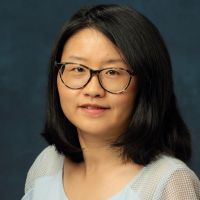
Ning Zhang is an Assistant Professor in the Biology Department at James Madison University (JMU), joining in 2024. Her research focuses on enhancing crop resilience through molecular and biochemical studies of plant defense mechanisms against bacterial pathogens, alongside developing genome editing technologies for trait improvement. She holds a PhD in Horticulture and Crop Science from The Ohio State University (2016), an MS in Silviculture from Zhejiang Agriculture and Forestry University (2011), and a BS in Landscape Architecture from Shandong Agricultural University (2008). Research Interests: Dr. Zhang's lab investigates plant immunity pathways, CRISPR/Cas9 genome editing applications, and engineering crops for disease resistance. Her work integrates molecular biology, genetics, and biochemistry to tackle challenges posed by climate change and biotic/abiotic stresses. Recent Trends in Publications: Her articles concentrate on MAPK signaling pathways, NLR protein interactions, PP2C phosphatase regulation, and bacterial effector mechanisms in tomato and other crops. Key themes include immune system activation, pathogen recognition diversity, and transgenic plant development. Lab Information: The Zhang Lab at JMU is part of the Department of Biology, focusing on plant biotechnology solutions for agricultural sustainability. They collaborate on projects involving CRISPR-based gene editing and stress tolerance research.
Simone D. Castellarin is a Professor in the Department of Applied Biology at the University of British Columbia's Faculty of Land and Food Systems, and holds the Canada Research Chair Tier 2 in Viticulture. His research focuses on the molecular and physiological mechanisms governing berry ripening and composition in grapes, blueberries, and raspberries, with emphasis on genomic regulation under environmental stressors like heatwaves and drought. PhD in Plant Biology from the University of Udine (2007) Postdoctoral training at Hochschule Geisenheim University and University of California Davis Research areas include terpene biosynthesis, jasmonate signaling, cuticular wax dynamics, and agronomic strategies for climate change mitigation. Key projects involve remote sensing for vineyard zoning , hormone application effects , and genetic studies of berry quality traits . His work spans collaborations with industry bodies like the BC Wine and Grape Council and academic partners including the Cantu Lab at UC Davis. Recent publications highlight genomic analyses of terpene synthases, water deficit impacts on metabolites, and postharvest quality assessments. Awards include the 2009 Rudolf Hermanns Prize for viticultural research. He supervises numerous PhD and Master's students, and leads the Castellarin Lab at UBC's Wine Research Centre.
Chiu Ping Cheng is a Professor in the Department of Biology at the University of Minnesota, USA, specializing in Molecular Biology and Plant-Microbe Interactions . With over two decades of research on Ralstonia solanacearum and its interactions with solanaceous crops, Dr. Cheng has pioneered studies on plant defense mechanisms against bacterial wilt, regulatory gene functions, and biocontrol agent applications. Current research: Plant-pathogen interactions Special techniques: Genomic screening, bacteriophage-derived proteins Key pathogens: Ralstonia solanacearum, Pectobacterium carotovorum His recent publications (2024) explore tomato cultivar resistance variation , NADPH oxidase-effector interactions , and phenylpropanoid metabolism in wild mungbean . Though no formal scientific awards are listed, his work has been featured in leading journals like Plant Cell & Environment and New Phytologist . Dr. Cheng operates from the Life Science Building R942 laboratory.
Christian Messier is a Professor at the University of Quebec in Outaouais (UQO) in the Department of Natural Sciences and at the University of Quebec in Montreal (UQAM) in the Department of Biological Sciences. He serves as Scientific Director of the Institute of Temperate Forest Sciences (ISFORT) and holds two prestigious research chairs: the Canada Research Chair on Tree Resilience to Global Changes and the NSERC/Hydro-Québec Chair on Tree Growth Control. His academic career spans over three decades since completing his Ph.D. in forest sciences from the University of British Columbia in 1991. Dr. Messier's research focuses on two primary areas: the complex functioning of managed natural forest systems to develop management approaches that promote resilience in the face of global changes, and the study of trees and urban forests to reconcile the needs of minimizing negative impacts of trees on human infrastructure while maximizing ecosystem services. His work integrates field studies, simulation modeling, and network theory to address pressing challenges in forest ecology and management. His recent publications demonstrate a strong emphasis on urban forest resilience, functional diversity in forest ecosystems, and nature-based solutions for climate adaptation. The research shows a clear trajectory toward more applied, solution-oriented approaches that bridge fundamental ecological understanding with practical forest management applications across diverse spatial scales from individual trees to entire landscapes. Francqui Foundation Chair (Belgium) - 2020 Member of The Royal Society of Canada - 2019 Personality of the Year 'Radio-Canada/Le Droit' - 2017 Humboldt Research Award - 2016 Prix Acfas – Michel-Jurdant - 2010 Canadian Forestry Scientific Achievement Award - 2006 Dr. Messier has supervised over 40 graduate students throughout his career and currently leads multiple major research projects including the Canada Research Chair on Forest Resilience, the NSERC/Hydro-Québec Chair on Tree Growth Control, and the SylvCIT project for urban forest immunization against global change. His research has been supported by significant grants from NSERC, Canada Research Chairs program, Hydro-Québec, and other major funding agencies. He directs the Messier lab with research assistants Kim Bannon and Fanny Maure, and collaborates with numerous researchers across Canada and internationally. His team studies diverse aspects of forest ecology including soil dynamics, functional composition of tree communities, nature-based solutions for climate adaptation, and ecophysiology of maple water flow. The lab maintains strong connections with the International Diversity Experiment Network with Trees (IDENT) and other major forest research initiatives.
Gary W. Felton is a Professor and Department Head of Entomology at the Pennsylvania State University's College of Agricultural Sciences. His research focuses on chemical ecology, insect-plant interactions, and induced plant defenses against herbivores. Key Affiliations: Pennsylvania State University, College of Agricultural Sciences, Department of Entomology Research Interests: Dr. Felton investigates how plants perceive and respond to herbivore attacks, with particular emphasis on biochemical mechanisms like flavonoid-mediated defenses, microbial interactions in Lepidoptera, and stomatal regulation of volatile signaling. His work bridges agricultural sustainability and ecological theory. Recent Publications: His 2025 studies explore salinity stress impacts on tomato defenses, microbiome roles in herbivore digestion, and volatile-mediated host plant specialization. Earlier works (2023-2024) examine water stress effects, flavonoid toxicity, and microbial influences on plant-herbivore dynamics. Scientific Awards: Huck Chair of Chemical Ecology (2022) Laboratory Focus: The Felton Lab studies herbivore-induced plant defenses, microbial symbiosis in pest species, and integrated pest management strategies across crops like maize, tomatoes, and sorghum.
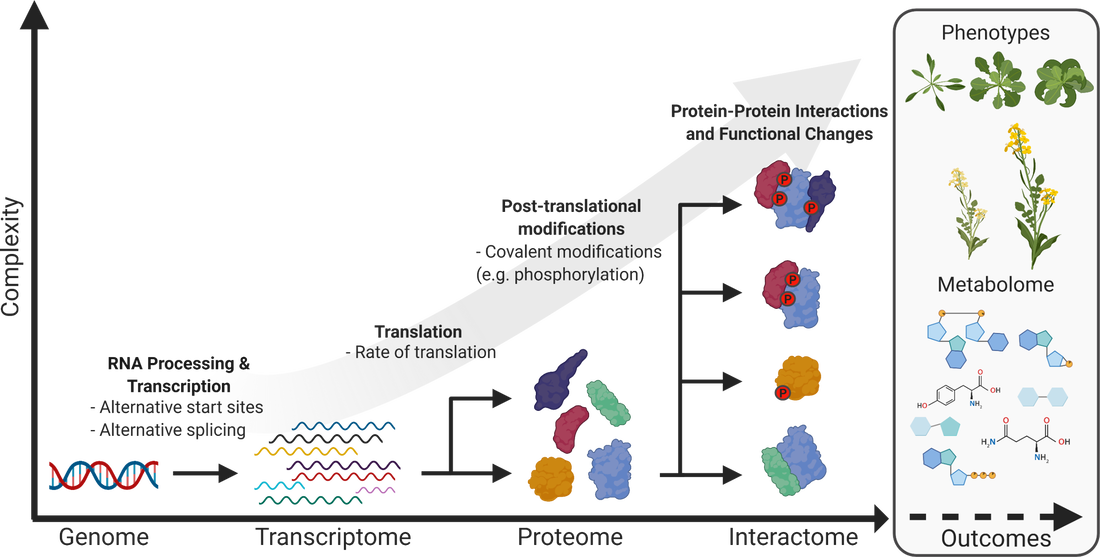
R. Glen Uhrig, PhD, is an Associate Professor of Plant Biology at the University of Alberta within the Department of Biological Sciences, Faculty of Science. His research focuses on plant functional genomics and proteomics, particularly examining diurnal regulation of cellular processes via quantitative proteomics in Arabidopsis thaliana and agriculturally relevant crops. The Uhrig Lab investigates post-translational modifications (PTMs) such as phosphorylation and acetylation to understand plant adaptation to environmental changes. Educationally, he holds a B.Sc.H. (2005) and M.Sc. (2008) from Queen’s University, followed by a Ph.D. from the University of Calgary (2013). His postdoctoral training at the Swiss Federal Institute of Technology (2017) furthered his expertise in plant systems biology. R. Glen Uhrig teaches courses including BIOL 343/543 (Macromolecular Characterization Techniques) and BOT 380 (Drug Plants), emphasizing hands-on proteomics and plant biotechnology. His awards include the ASTech Award (2022), NSERC Post-Doctoral Award (2015–2017), and the Marie Curie Plant Fellowship (2013–2015). His work bridges fundamental research with applications in agri-food production and crop resilience. Key research themes include: 1) Diurnal regulation of plant proteomes and PTMs, 2) Molecular mechanisms of plant immunity and stress responses, and 3) Leveraging proteomics to enhance crop productivity. The lab employs cutting-edge tools like quantitative mass spectrometry and multi-omics integration to address these questions.
Jeri Barak is a Professor and Associate Dean for Academic Affairs at the University of Wisconsin-Madison's College of Agricultural and Life Sciences. She leads the Barak Lab, focusing on bacterial-plant interactions with implications for food safety. Education : BS in Marine Biology and English (San Jose State University, 1993); PhD in Plant Pathology (UC Davis, 2000) Research Interests center on how plant pathogens like Xanthomonas gardneri and Pseudomonas syringae pv. tomato alter host physiology to create niches for secondary microbes, particularly Salmonella enterica . Her work examines: Pathogen-induced apoplast modifications Bacterial community dynamics in infected plants Vector-mediated pathogen transmission (e.g., leafhoppers, thrips) Environmental factors affecting colonization Foodborne pathogen persistence Publication Trends reveal a focus on Salmonella and Xanthomonas interactions in tomato and lettuce systems. Keywords include microbial ecology, plant-pathogen dynamics, and agricultural safety. Student Mentorship highlights include advising Sofia Weinstein , who spearheaded the UW Organic Collaborative and Electric Food Truck initiative. Outreach & Education involves teaching Global Food Security (PP311) and leading initiatives like the Food Recovery Network. Her lab bridges plant pathology and public health through applied research.
Professor Jeremy Bagg is Professor of Clinical Microbiology and Head of Glasgow Dental School at the University of Glasgow since January 2005. He also serves as Deputy Head of the School of Medicine, Dentistry & Nursing. With a distinguished career spanning over four decades, Professor Bagg has made significant contributions to oral microbiology, infection control, and public health dentistry. Professor Bagg qualified BDS (Hons) from the University of Edinburgh in 1979 and was awarded a PhD in 1982 for research on bacterial adhesion mechanisms. He served as Lecturer in Oral Medicine & Oral Pathology at Cardiff Dental School from 1983-1991, gaining the FDS diploma and MRCPath in oral microbiology in 1987. Joining the University of Glasgow in 1991 as Lecturer in Oral Microbiology, he was awarded a Personal Professorship in Clinical Microbiology in 1999. His research focuses on the role of oral micro-organisms in systemic disease, oral infections in medically compromised patients, infection control in dental surgery, and public health microbiology. As a member of the Infection & Immunity Research Group, Professor Bagg has co-authored two textbooks and published over 160 papers. His work spans dental microbiology, infection control practices, oral-systemic health connections, and global oral health policy development, with particular expertise in denture microbiology, blood-borne virus management, and the oral health of medically compromised patients. Professor Bagg holds significant leadership positions including Chairman of the National Dental Advisory Committee at the Scottish Government Health Department and Chair of the Steering Group of the Scottish Dental Clinical Effectiveness Programme. He is also a member of the UK Advisory Panel for Health Care Workers Infected with Blood-borne Viruses. In 2004, he was awarded the Fellowship of the Faculty of Public Health for his contribution to public health microbiology. His recent work demonstrates continued excellence across multiple domains including dental infection control, global oral health policy, dental education innovation, and the microbiology of oral diseases. Professor Bagg's research has particular relevance to denture care, blood-borne virus management in dental settings, and the connection between oral health and systemic conditions. Professor Bagg has contributed to major initiatives including the Scottish Oral Health Research Strategy and serves as one of two Scottish representatives on the Oral & Dental Specialty Group of the UK Clinical Research Network. His work has influenced dental practice guidelines and public health policy in Scotland and beyond.
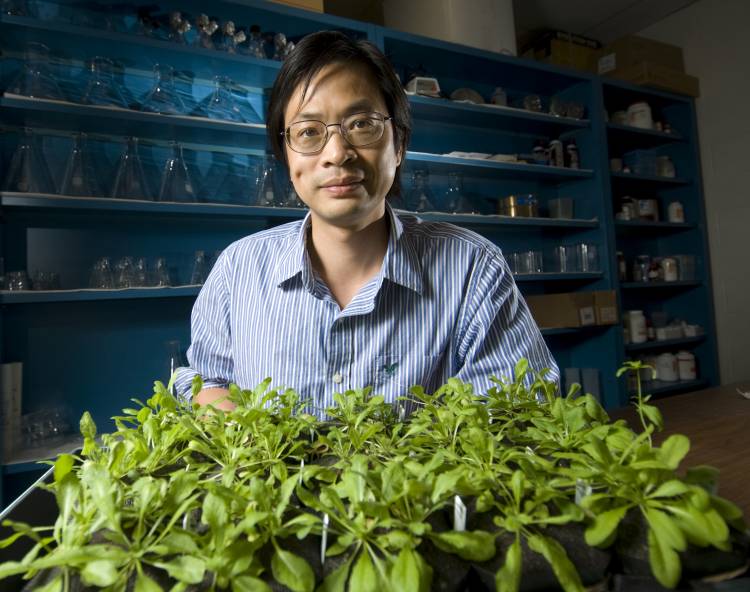
Sheng Yang He is the Benjamin E. Powell Distinguished Professor of Biology at Duke University, with joint appointments in Cell Biology. He leads the He Lab, focusing on molecular mechanisms of plant immunity against microbial pathogens, particularly the interplay between host-microbe interactions and environmental factors like climate change. His research bridges plant pathology, microbiology, and systems biology. Education: PhD in Plant Pathology from Cornell University (1991), followed by faculty roles at the University of Kentucky and Michigan State University (1995–2020) before joining Duke in 2020. He is a Howard Hughes Medical Institute Investigator (2011–2024) and a member of the U.S. National Academy of Sciences (2015). Research Interests: Host defense mechanisms, bacterial effector proteins, stomatal immunity, microbiome dynamics, and climate resilience in crops. Recent work addresses how temperature and humidity influence plant-pathogen interactions and microbiome composition. Grants & Awards: Received HHMI funding renewal (2024–2031), Clarivate Highly Cited Researcher (2021–2024), and recognition for pioneering studies on Pseudomonas syringae pathogenesis and Arabidopsis immunity. His lab has produced over 200 peer-reviewed articles. Advising & Mentoring: Guided over 20 PhD students and postdocs, many of whom now lead academic or industrial research groups. Notable advisees include Brad Paasch (Sandia National Labs), Jonghum Kim (POSTECH), and Li Zhang (Soochow University). Labs & Teams: The He Lab at Duke collaborates with institutions globally, focusing on interdisciplinary approaches to combat crop diseases. Current projects include engineering climate-resilient plant immunity and microbiome-based disease prevention strategies.
Charles T. Anderson is a Professor in the Department of Biology at Penn State University and a member of the Institute of Energy and the Environment (IEE). With an h-index of 37 and over 4,580 citations from 112 research outputs, his work has made significant contributions to plant cell biology and related fields. Dr. Anderson's educational background is not explicitly detailed in the provided information, but his extensive publication record spanning from 2003 to present demonstrates deep expertise in plant cell wall biology and related areas. Dr. Anderson's research focuses on plant cell wall structure and function, with particular emphasis on cellulose, pectin, and other polysaccharides in model systems like Arabidopsis thaliana. His work bridges molecular biology, biomechanics, and plant physiology to understand how cell walls contribute to plant growth, development, and environmental responses. Key research areas include stomatal dynamics, cell wall integrity responses, and the biomechanical properties of plant cells. His research has important implications for understanding plant responses to environmental stress and for applications in bioenergy and sustainable agriculture. Cell wall structure and function in plants Biomechanics of plant cell growth Stomatal guard cell physiology Cellulose and polysaccharide biosynthesis Plant responses to environmental stress Mechanisms of cell wall integrity maintenance Analysis of Dr. Anderson's recent publications reveals a strong focus on plant cell wall architecture, with particular attention to mechanical properties, structural components like cellulose and pectin, and the dynamics of stomatal guard cells. His work spans fundamental molecular mechanisms to broader applications in agriculture and climate resilience, with increasing emphasis on grass species and crop plants in recent years. Scientific Recognition With 112 research outputs and significant citation impact (h-index of 37), Dr. Anderson's work is widely recognized in the plant science community. His research has been featured in numerous high-impact journals and has attracted attention from news outlets, social media, and scholarly platforms. His work has been picked up by 38 news outlets, blogged about 8 times, referenced in Wikipedia pages, and discussed across various social media platforms including X (formerly Twitter) and Bluesky. Dr. Anderson serves as Principal Investigator on multiple active NSF-funded research projects, demonstrating leadership in plant cell biology research. He has also contributed to community resources through the acquisition of advanced microscopy equipment shared across the Penn State research community. Research Infrastructure Dr. Anderson plays a key role in maintaining and developing research infrastructure at Penn State, particularly in advanced microscopy capabilities. His successful acquisition of a Nikon SIM & STORM capable super-resolution fluorescent microscope has enhanced imaging capabilities for the broader research community.
Dr. Mike Wilton is an Associate Teaching Professor and Associate Dean of the Division of Undergraduate Education at the University of California, Santa Barbara (UCSB), within the Department of Molecular, Cellular, and Developmental Biology. He holds a BS in Biology from Queen's University and a PhD in Cell and Systems Biology from the University of Toronto. His postdoctoral work at the University of Calgary focused on bacterial virulence strategies in Pseudomonas aeruginosa. His research spans two key areas: microbiology (bacterial pathogenesis and host immune interactions) and biology education, emphasizing peer mentorship and active learning. He investigates how educational interventions like structured curricula and peer mentorship impact student success, retention, and identity formation in STEM fields. Notably, his work has shown that peer-mentored programs improve academic performance and persistence, particularly for underrepresented groups. Dr. Wilton’s microbiology publications explore mechanisms by which bacteria evade immune responses, including studies on Pseudomonas aeruginosa’s defense against neutrophil extracellular traps and type VI secretion systems. His educational research has informed scalable interventions to enhance inclusivity and diversity in undergraduate STEM education. His advising and grants focus on implementing evidence-based practices to foster student engagement and equity. Collaborations extend to interdisciplinary teams in both microbiology and education research, though specific grant details are not detailed here.
Dr. Joachim Kopka is a Research Group Leader at the Max Planck Institute of Molecular Plant Physiology in Potsdam, Germany, where he heads the Applied Metabolome Analysis group. His research focuses on developing cutting-edge technologies for metabolome and fluxome analysis, particularly GC-EI-TOF-MS-based metabolite profiling and stable isotope labeling techniques. He investigates plant physiological responses to environmental stimuli, with emphasis on root metabolism and stress adaptation mechanisms. Kopka completed his Staatsexamen (1988) and PhD (1992) at Wilhelms University of Münster, followed by postdoctoral research in the USA and Germany. He co-founded Metanomics GmbH before joining MPI-MP in 1996, where he established his research group in 2001. He received his Habilitation from the University of Potsdam in 2009. His research integrates metabolomics, isotope labeling, and computational biology to study: Metabolic plasticity in response to environmental changes Development of GC-MS and data analysis pipelines (e.g., TagFinder software) In vivo stable isotope labeling for flux phenotyping Plant-microbe interactions and stress physiology Kopka's recent publications demonstrate strong emphasis on metabolic adaptations to abiotic stresses (drought, cold), plant-microbiome interactions, and advanced analytical methodologies. His work frequently combines metabolomics with proteomics and transcriptomics to unravel complex plant physiological processes. He leads infrastructure development for metabolome analysis and maintains collaborative projects across plant science disciplines. His group contributes to public resources like the Golm Metabolome Database (GMD), facilitating metabolite identification and data sharing in the scientific community.
Prof. Tanju Kadir is a distinguished academic at Marmara University, Faculty of Dentistry , where he has served as Professor since 2007. He holds the Head of Department position in the Department of Basic Medical Sciences and contributes to infection control as Chair of the Infection Control Committee. His career spans roles from Research Assistant (1988–1995) to Lecturer (1995–1996) and Assistant/Associate Professor (1996–2007). His research focuses on oral microbiology , particularly Candida albicans virulence, antimicrobial agents , and periodontal therapy . He has extensively studied Er:YAG laser applications , probiotics , and denture-associated biofilms . His recent work explores IoT-based infection control in dental clinics and sub-therapeutic antiseptics in microbial resistance. Prof. Kadir has supervised 7 theses and co-authored over 93 WoS-indexed publications , including 2025 studies on hexetidine-induced virulence gene expression and 2023 trials on probiotic adjuncts. He contributes to academic governance as a Senate Member (2021–2024) and participates in peer review for journals like BMC Oral Health and Probiotics and Antimicrobial Proteins . His editorial roles and book chapters solidify his influence in oral immunology and microbiome research .
Richard G. Vile, Ph.D., is a Professor of Immunology at Mayo Clinic in Rochester, Minnesota, with primary appointments as Consultant in the Department of Molecular Medicine and joint appointment in the Department of Immunology. He is also the Richard M. Schulze Family Foundation Professor, an honor awarded in 2008. His research is centered on developing innovative cancer immunotherapies, particularly through oncolytic virotherapy, CAR T-cell therapy, and combination strategies with radiotherapy. Dr. Vile’s research focuses on stimulating antitumor immune responses using murine immune-competent models and syngeneic tumors. His work spans multiple cancer types, including melanoma, prostate cancer, glioma, brain metastases, and hepatocellular carcinoma. A major innovation from his lab is engineering vesicular stomatitis virus (VSV) to express tumor antigen libraries, enhancing immune recognition and destruction of tumors. His recent publications reveal a strong emphasis on enhancing CAR T-cell efficacy, overcoming immune evasion, and combining oncolytic viruses with checkpoint inhibitors. These studies highlight his leadership in advancing immunovirotherapeutic strategies for solid tumors, particularly through genetic engineering of viral vectors and immune cell therapies. The Richard M. Schulze Family Foundation Professor (2008) Dr. Vile has secured substantial research funding from the National Cancer Institute and the National Institute of Allergy and Infectious Diseases, supporting active projects into 2026. He is directly involved in clinical translation, including an ongoing trial for hepatocellular carcinoma using a VSV-based therapy. He mentors a research team and collaborates internationally, particularly with researchers in the UK. His lab is part of the Mayo Clinic Comprehensive Cancer Center and the David F. and Margaret T. Grohne Cancer Immunology and Immunotherapeutics Program.
Dr. Li Yang is an Associate Professor in the Department of Plant Pathology at the University of Georgia's College of Agricultural & Environmental Sciences. Their research focuses on molecular mechanisms of plant immunity, plant growth-defense crosstalk, and plant disease management tools. Education : PhD in Genetics (University of Pennsylvania, 2011), MPhil in Plant Biology (Shanghai Jiao Tong University, 2005), BA in Biotechnology (Shanghai Jiao Tong University, 2002) Research interests span plant immunity regulation, stress-induced developmental changes, and microbial interactions. Key projects include salicylic acid signaling in regeneration suppression, calcite-dissolving bacteria for soil calcium mobilization, and age-dependent resistance mechanisms. Current work explores proteomic aspects of pattern-triggered immunity and spatial regulation of defense responses. The Yang Lab recently published 7 articles in 2024-2025 covering topics from evaporative cooling signals to wound healing and proteomic landscapes of immunity. Their 2023 publications focused on developmental-immunity tradeoffs, while 2022 work included novel cultivation systems for peanut pod studies. Scientific Awards Graduate School Summer Research Grant (awarded to Carter) 2nd place in Cleantech Symposium poster competition (Alan Peper) 2nd/3rd places at Plant Center Spring Symposium (Joseph Balem, Mariah Lee Arnold) Dr. Yang supervises an active research group with notable advisees including Alan Peper (published on bacterial communities), Sorrel Tran (root regeneration research), Lanxi Hu (age-related resistance), and postdoc Feng Kong (plant development-defense interplay).