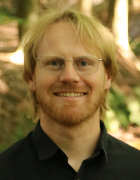
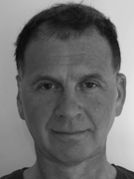
Prof. Richard L. Peters is a Professor and Head of the Chair of Tree Growth and Wood Physiology at the Technische Universität München (TUM) since 2024. His research focuses on tree physiology, wood formation, and climate-forest interactions. He holds a doctorate summa cum laude from the University of Basel (2018) and has conducted postdoctoral research at the Swiss Federal Institute for Forest Science (WSL) and Ghent University. His work integrates forest ecology, dendrochronology, and ecophysiology to address climate change impacts on forests. Education: B.Sc./M.Sc. in Biology at Utrecht University, Ph.D. from University of Basel (2018). Key career steps include a Swiss National Science Foundation (SNSF) fellowship at Ghent University and coordination of the Swiss Canopy Crane II project (2021). Research Interests: Tree water-use strategies, drought tolerance mechanisms, carbon allocation dynamics, and the physiological basis of tree growth. He leads interdisciplinary projects to monitor forest responses to environmental stress using tools like the TreeNet network. Awards: Early Postdoc Mobility Fellowship (SNSF, 2019), Doctorate summa cum laude (2018). Contributions: Authored >180 publications, co-developed the datacleanr R package for ecological data processing, and pioneered methods linking tree-ring data with climate models. His work emphasizes the need for better observational data to improve vegetation models.
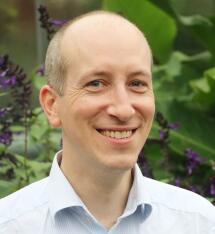
Prof. Dr. Markus Schwarzländer leads the Arbeitsgruppe for Plant Energy Biology at the Institute for Plant Biology and Biotechnology (WWU Münster) . His research focuses on mitochondrial physiology, redox signaling, and biosensor development in Arabidopsis thaliana and other plant species, integrating molecular biology with systems-level analyses to understand energy regulation. Key Research Areas: Mitochondrial-NAD(P)H dynamics Redox-regulated signaling networks Organelle communication Stress-adaptive metabolism Recent work highlights Golgi-localized mitochondrial uncoupling proteins , chloroplast-mitochondria redox coupling , and mitochondrial calcium uniporter function . His group employs cutting-edge fluorescent biosensors and proteomic approaches to dissect energy physiology. Students benefit from hands-on training in bioimaging , metabolic modeling , and organelle biology through iMoPLANT and Life Sciences programs. Scientific Awards: DAAD Fellowship (2019) As an active member of the Faculty of Biology , he collaborates with international institutions including University of São Paulo , CEA France , and Siberian Institute of Plant Physiology , while maintaining a robust publication record in top journals like Plant Cell and Nature . His teaching emphasizes integrative plant sciences and advanced biosensing techniques for B.Sc. and M.Sc. students.
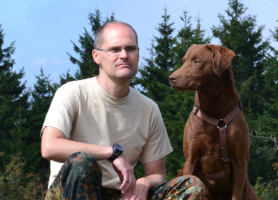
Prof. Dr. Jörg Schultz serves as a Professor for Bioinformatics at the Faculty of Biology, University of Würzburg, a position he has held since 2003. He is also a Group Leader at the Center for Computational and Theoretical Biology (CCTB) and was a member of the CCTB Managing Board from 2015-2019. His academic journey includes significant roles as Group Leader at the Max Planck Institute for Molecular Genetics in Berlin (2002-2003) and at cellzome in Heidelberg (2000-2002). He completed his PhD studies at EMBL Heidelberg (1996-2000) after conducting his diploma thesis there in 1995-1996, following biology studies at the University of Konstanz (1991-1996). Prof. Schultz's research spans bioinformatics, computational biology, and evolutionary genomics, with notable contributions to protein domain analysis, phylogenetics, and structural bioinformatics. His recent work has focused extensively on plant genomics, particularly studying carnivorous plants like the Venus flytrap to uncover the evolutionary roots of plant carnivory. His research integrates computational methods with biological questions to address fundamental evolutionary patterns and molecular mechanisms across diverse organisms. Prof. Schultz has maintained a prolific publication record since the late 1990s, with his most recent work demonstrating continued innovation in computational approaches to biological questions. His publications reveal a consistent trajectory from foundational work on protein domain evolution (including the development of the SMART database) to current research on plant genomics, molecular evolution, and bioinformatics tool development. His work shows particular strength in bridging computational methodology with biological insight across multiple domains. Among his significant contributions is the development of the ITS2 Database, a widely used resource for phylogenetic analyses, along with various computational tools including ALVIS for sequence alignment visualization, reper for repetitive element analysis, and BCdatabaser for DNA barcoding. These resources have advanced methodological capabilities in the bioinformatics community. As an academic mentor, Prof. Schultz has guided numerous students and researchers through his laboratory at the University of Würzburg, contributing significantly to the education and training of the next generation of bioinformaticians. His leadership roles demonstrate his commitment to advancing computational and theoretical biology as academic disciplines while maintaining strong connections between computational approaches and biological discovery.
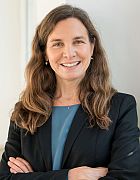
Prof. Anja Rammig is a Professor at the Technical University of Munich (TUM), holding the Chair of Land Surface-Atmosphere Interactions within the TUM School of Life Sciences. Her research focuses on understanding how terrestrial ecosystems respond to environmental changes such as climate and land-use shifts. She employs integrated model-based and observational approaches to study processes like plant responses to drought, aiming to inform climate change mitigation strategies. Education: B.Sc./M.Sc. in Biology (Friedrich-Alexander University Erlangen-Nuremberg) and Ph.D. in Environmental Sciences (ETH Zurich, 2006). Professional Journey: Postdoctoral roles at the SLF Davos, Lund University, and PIK, before joining TUM as Assistant Professor in 2015 and advancing to full Professor. Her research emphasizes modeling ecosystem dynamics under climate extremes, with particular attention to the Amazon rainforest, European forests, and boreal landscapes. Key themes include CO2 fertilization effects, phosphorus cycling limitations, and the interplay between vegetation and atmospheric processes. She leads interdisciplinary projects like AmazonFACE, a large-scale CO2 enrichment experiment. Publications span topics from drought impacts to model development, with a focus on global carbon cycle projections and ecosystem resilience. Her work bridges ecology, climatology, and policy, contributing to climate-smart forestry strategies and biodiversity conservation frameworks.
Dr. Joachim Kopka is a Research Group Leader at the Max Planck Institute of Molecular Plant Physiology in Potsdam, Germany, where he heads the Applied Metabolome Analysis group. His research focuses on developing cutting-edge technologies for metabolome and fluxome analysis, particularly GC-EI-TOF-MS-based metabolite profiling and stable isotope labeling techniques. He investigates plant physiological responses to environmental stimuli, with emphasis on root metabolism and stress adaptation mechanisms. Kopka completed his Staatsexamen (1988) and PhD (1992) at Wilhelms University of Münster, followed by postdoctoral research in the USA and Germany. He co-founded Metanomics GmbH before joining MPI-MP in 1996, where he established his research group in 2001. He received his Habilitation from the University of Potsdam in 2009. His research integrates metabolomics, isotope labeling, and computational biology to study: Metabolic plasticity in response to environmental changes Development of GC-MS and data analysis pipelines (e.g., TagFinder software) In vivo stable isotope labeling for flux phenotyping Plant-microbe interactions and stress physiology Kopka's recent publications demonstrate strong emphasis on metabolic adaptations to abiotic stresses (drought, cold), plant-microbiome interactions, and advanced analytical methodologies. His work frequently combines metabolomics with proteomics and transcriptomics to unravel complex plant physiological processes. He leads infrastructure development for metabolome analysis and maintains collaborative projects across plant science disciplines. His group contributes to public resources like the Golm Metabolome Database (GMD), facilitating metabolite identification and data sharing in the scientific community.
Prof. Chris-Carolin Schön is a full Professor of Plant Breeding at the Technical University of Munich (TUM), holding her position since 2007. She is affiliated with the TUM School of Life Sciences and leads research on molecular biology integration in agricultural processes, focusing on molecular markers in crop breeding, biodiversity characterization, and optimized breeding strategies for complex traits. Her academic journey includes studies in agricultural sciences at Hohenheim University and Oregon State University, followed by postdoctoral work at Hohenheim University and a leadership role at the State Plant Breeding Institute there. Prof. Schön’s research emphasizes enhancing crop resilience through genomic tools, particularly in maize, with studies on drought tolerance, cold adaptation, and genetic diversity utilization. She pioneered Synbreed, an interdisciplinary network for genome-based breeding research in plants and animals. Her awards include the Bavarian State Medal (2024), an Honorary Doctorate from Heinrich-Heine-University (2024), and the Bavarian Order of Merit (2018). Her work spans genomic prediction models, haplotype analysis, and improving imputation quality in genomic data. Key projects include exploiting European maize landraces for resistance traits and developing libraries of doubled-haploid lines to safeguard genetic resources. She collaborates on initiatives like AgroClustEr for synergistic plant and animal breeding, and her lab focuses on traits like photosynthetic efficiency, root system adaptation, and protein networks in crops.
Saté Ahmad is a Senior Research Fellow in Ecohydrology at Trinity College Dublin, jointly appointed in the Department of Botany and the Department of Civil, Structural & Environmental Engineering. His research focuses on quantifying ecosystem processes and understanding how human activities affect them, with particular emphasis on peatlands and their hydrological functions. Ahmad coordinates the Earth System Change research programme within the SFI Research Centre in Applied Geosciences (iCRAG) and has extensive experience in fen peatland restoration research. Doctoral Degree in Peat Hydrology (University of Rostock, 2021) Master's in Applied Ecology (Université de Poitiers & University of Coimbra) Master's in Natural Resource and Environmental Management (North South University) BSc in Environmental Science (North South University) Ahmad's primary research investigates the impact of elevated CO 2 and past vegetation changes on evapotranspiration and streamflow in Irish catchments. His work examines how fen peatland restoration and management measures (rewetting, mowing, tree removal) impact soil properties, vegetation development, and hydrological functioning. He has also developed expertise in mapping nutrient export risks from coastal catchments to the Baltic Sea. His interdisciplinary approach bridges natural and social sciences , with significant contributions to understanding human-nature interactions, particularly climate change impacts on ecosystem services and wellbeing in vulnerable deltaic regions. Ahmad's publication record demonstrates a clear trajectory from fundamental peatland hydrology research to broader applications in climate change adaptation and human wellbeing. His recent work shows increasing integration of social science perspectives with traditional ecohydrological research, reflecting a growing recognition of the interconnectedness of environmental and social systems. The consistent focus on peatlands and wetland ecosystems across his career highlights his specialized expertise in these critical carbon-storing ecosystems. Magna cum laude (Doctoral Degree, 2021) DAAD Prize (STIBET I, 2020) Summa cum laude (Masters in Resource and Environmental Management, 2014) Erasmus Mundus Masters Scholarship (2014) As coordinator of the Earth System Change research programme within iCRAG, Ahmad manages significant research funding and leads interdisciplinary teams investigating climate-ecosystem interactions. His collaborative work spans multiple institutions across Europe and Bangladesh, reflecting his commitment to addressing environmental challenges through international partnerships. Ahmad serves on the Editorial Board of Scientific Reports and as Guest Editor for Frontiers in Climate, demonstrating his growing influence in the scientific community. Ahmad is affiliated with Jennifer C McElwain's Lab at Trinity College Dublin, where he contributes to research on plant responses to environmental change. His involvement in the WETSCAPES project has established him as a key researcher in peatland restoration science, with particular expertise in the hydrological and ecological consequences of rewetting degraded peatlands. His current work integrates field measurements, remote sensing, and modeling approaches to understand ecosystem responses at multiple spatial scales.
Rob Roelfsema , apl. Professor at the Chair of Molecular Plant Physiology and Biophysics - Botany I at the University of Würzburg , investigates ion transport mechanisms in plant cells. His work focuses on guard cell signaling, stomatal regulation, and stress responses, with implications for water-use efficiency in crops. University of Würzburg Julius von Sachs Institute of Biosciences Chair of Molecular Plant Physiology and Biophysics Research Interests : Stomatal dynamics and CO2/water regulation Calcium signaling in plant stress responses Ion channel function and membrane potential Optogenetics in plant physiology Evolution of guard cell signaling pathways Publication Trends : Analysis of 15 recent articles reveals a focus on plant electrophysiology , calcium signaling , and anion channel regulation across disciplines like plant stress biology , optogenetics , and ion transport systems . Advising : Supervises doctoral students Pallegama (Krishani) Tennakoon and Namrah Ahmad , advancing research in plant signaling mechanisms. Labs & Teams : Collaborates with the Julius von Sachs Institute team, integrating expertise in plant biophysics , ion channel analysis , and stress adaptation .
Professor Andreas P.M. Weber is a leading researcher at the Institute of Plant Biochemistry at Heinrich Heine University Düsseldorf, Germany. His work focuses on unraveling the genetic design principles underlying photosynthetic carbon assimilation pathways in land plants, with particular emphasis on the evolution of C4 photosynthesis via C3-C4 intermediate photosynthesis and the ecological role of these intermediates. Dr. Weber's research spans multiple interdisciplinary areas: Evolutionary and comparative transcriptomics and genomics of photosynthetic pathways Systems biology approaches to understanding plant metabolism Biochemical and physiological mechanisms of C3, C4, and C3-C4 intermediate photosynthesis Synthetic biology applications for improving photosynthetic efficiency Plant adaptation to environmental conditions through metabolic regulation Analysis of Professor Weber's publication record (2013-2024) reveals a consistent research trajectory focused on the molecular mechanisms of photosynthesis. His work demonstrates increasing integration of genomic, evolutionary, and synthetic biology approaches to address fundamental questions in plant metabolism while developing practical applications for improving crop productivity. The research shows particular strength in C4 photosynthesis evolution, photorespiratory pathways, and metabolic engineering. Professor Weber leads research within the Plant Metabolism and Metabolomics Facility and is actively involved with the CEPLAS (Cluster of Excellence on Plant Sciences) initiative at Heinrich Heine University. His laboratory employs a multidisciplinary approach integrating evolutionary biology, systems biology, biochemistry, and plant physiology to address questions at the interface of plant development and metabolism.
Dr. Martin Beck is a Research Professor and Director at the Max Planck Institute of Biophysics, focusing on the structural and functional analysis of large macromolecular complexes such as nuclear pore complexes (NPCs). His research employs advanced techniques including cryo-electron tomography, live-cell imaging, and computational modeling to study NPC dynamics, HIV capsid transport, and cellular membrane integrity. Beck has received three prestigious ERC grants (Starting, Consolidator, and Advanced) for his groundbreaking work. His interdisciplinary approach bridges structural biology, cell biology, and biophysics, with applications in virology and drug discovery. Education highlights include a PhD from Technical University of Munich (2006) and postdoctoral research at ETH Zurich and EMBL Heidelberg. He leads a lab investigating nuclear transport mechanisms, membrane interactions, and the mechanical properties of cellular organelles. Key achievements include uncovering NPC dilation dynamics and elucidating HIV capsid-nuclear pore interactions. Scientific awards include ERC grants and contributions to structural biology methodologies. Ongoing projects explore nuclear pore safeguarding mechanisms, drug action at the cellular level, and AI-driven structural analysis. Beck collaborates extensively with institutes worldwide, advancing both fundamental science and translational applications.
Prof. Christian Zörb serves as Professor of Quality of Plant Products and Viticulture at the University of Hohenheim's Faculty of Agricultural Sciences. As Head of the Quality of Plant Products Department and Deputy Director of the Institute of Crop Sciences, his work bridges plant physiology, agricultural chemistry, and sustainable farming practices. His educational background includes a PhD (1998) and Habilitation (2007) from Justus Liebig University Giessen, followed by postdoctoral research across Europe and the US. He has held academic positions at the University of Leipzig (2012–2014) and the University of Sussex (2012–2013), before assuming his current role in 2014. Research interests focus on Crop stress physiology under climate change Nutrient management in viticulture and cereal crops Quality aspects of wheat and onion storage Phytoremediation strategies using legumes Guard cell signaling mechanisms in drought tolerance His work emphasizes translational research between lab-scale studies and field applications, with over 100 peer-reviewed articles exploring topics like nitrogen fertilization effects on wheat quality, microbiome dynamics in agroforestry systems, and cryo-FIB-SEM imaging of plant ultrastructure. Collaborations span institutions in Germany, the UK, and the US. Current projects include investigating salt stress responses in crops, optimizing grapevine training systems for metabolomic signatures, and evaluating heirloom onion varieties for organic agriculture. His lab integrates near-infrared spectroscopy for real-time quality analysis and develops predictive models for climate-smart agricultural practices.
Dr. Michael Bitterlich is a scientific collaborator at the Albrecht Daniel Thaer Institute of Agricultural and Horticultural Sciences, part of the Faculty of Life Sciences at Humboldt University. His work focuses on plant-soil interactions mediated by arbuscular mycorrhizal fungi. Location: Lentzeallee 55-57, Room 17 Contact: Phone 030 2093-46433 Research Interests Dr. Bitterlich investigates how arbuscular mycorrhizal fungi enhance plant nutrition and drought tolerance through hyphal networks , soil hydraulic modifications , and nutrient-water coupling . His studies explore: Soil texture-dependent mycorrhizal effects Brassinosteroid-sucrose transporter interactions Hyphal water transport under drought Root-hyphal redundancy in resource uptake Publication Trends His 15 most recent publications highlight mycorrhizal fungi's role in: Modulating soil hydraulic properties Enhancing phosphorus/nitrogen uptake Improving drought resilience Engineering sustainable soil-crop systems Interpreting symbiotic biomarkers like blumenols Modeling root-hyphal water dynamics Contact Email: michael.bitterlich@hu-berlin.de
Roland Hoffmann-Bahnsen serves as Professor of Field and Plant Production in Organic Farming at Eberswalde University of Sustainable Development since 2009, where he also directs the Research and Experimental Station for this field. Previously, he held professorships at Martin-Luther-University Halle (2006-2008) and Humboldt-Universität zu Berlin (1998-2004), and served as Vice Dean of the Faculty of Landscape Utilization and Nature Conservation (2011-2013). He earned his PhD magna cum laude from Humboldt-Universität zu Berlin in 1995 with research on water stress sensitivity in tropical grain legumes, later initiating habilitation work on forgotten genetic resources like proso millet. His academic journey includes leadership of the Master's program in Organic Agricultural Management (2010-2020) and practical environmental consulting in Berlin's waste composting sector during the 1990s. Hoffmann-Bahnsen's research centers on drought stress physiology in organic farming systems, pioneering the "water-saver" and "water-spender" framework for understanding crop adaptation strategies. His work extensively explores proso millet's potential as a climate-resilient summer crop and investigates nitrogen dynamics in organic cereal production, with significant contributions to grain legume physiology and genetic resource utilization. His 15 most recent publications (2000-2006) reveal consistent focus on drought adaptation mechanisms, particularly in millets and legumes, with increasing emphasis on practical organic farming applications. International collaborations with Cuba, Russia, and Turkey feature prominently, addressing urban agriculture, saline soil reclamation, and comparative variety trials for forgotten crops. As Program Director for the Master's in Organic Agricultural Management, he supervised numerous students and developed strong industry connections through the "Studienpartner Ökobetrieb" network of practical farm partners. His research receives support from German state agricultural agencies including Landesforschungsanstalt Mecklenburg-Vorpommern and Landesamt für Ländliche Entwicklung Brandenburg. He leads the Research and Experimental Station for Field and Plant Production in Organic Farming while maintaining active roles in international networks such as the Global Grain Legumes Drought Research Network and European Association for Grain Legume Research, facilitating knowledge exchange across Europe, the Americas, and Asia.
Evgenii Churiulin is a Scientific Programmer at the Max Planck Institute for Biogeochemistry (2022–present). He holds a Ph.D. (2019) and M.Sc./B.Sc. (2016/2014) in hydrology from Lomonosov Moscow State University and Russian State Hydrometeorological University. His research focuses on hydrometeorology, improving numerical parameterization schemes for snow cover, vegetation, and fires in climate models, and developing scripts for data analysis from models like COSMO and OCN. He has held roles including Postdoctoral Fellow at the University of Kassel (2020–2022), Researcher at the Hydrometcenter of Russia (2017–2020), and Junior Researcher at the Arctic and Antarctic Research Institute (2014–2017). He lectured at Lomonosov Moscow State University (2017–2019) on hydrology and snow hydrology. His work emphasizes climate modeling innovations, snow dynamics, and interdisciplinary collaborations. Education: Ph.D. in Geographical Science (Hydrology), Lomonosov Moscow State University (2016–2019) M.Sc. in Hydrometeorology, Russian State Hydrometeorological University (2014–2016) B.Sc. in Hydrometeorology, Russian State Hydrometeorological University (2010–2014) Research Interests: Climate modeling, snow cover parameterization, vegetation-fire interactions, numerical weather prediction, and data analysis frameworks for climate models. His work bridges hydrometeorological processes with computational tools like COSMO-CLM and SnoWE models to enhance predictive accuracy in regional climate systems. Publications & Contributions: Over 15 peer-reviewed articles and technical reports, including key contributions to COSMO-Ru and SnoWE models. His work on snow water equivalent estimation and flood modeling has advanced hydrological forecasting. He also co-authored a comprehensive Arctic atlas and holds software certificates for SnoWE model development. Awards & Recognition: None explicitly listed, though his contributions to climate modeling are recognized through active participation in workshops like COST HarmoSnow. Grants & Labs: Part of the SnoWE model development team and collaborates with institutions like the Hydrometcentre of Russia. His work is supported by projects in numerical weather prediction and climate model refinement.
Dr. Christoph Reisdorff is a Research Group Leader in Applied Plant Ecology at the University of Hamburg's Department of Biology. He leads the Applied Plant Ecology research group within the Institute of Plant Sciences and Microbiology. His research focuses on ecophysiological processes, plant stress responses, and stable isotope applications in ecology, particularly in crop and urban forestry contexts. Reisdorff earned his PhD in 2003 from Hamburg University, studying agroforestry systems in the Central Amazon. He has held research positions since 2000, coordinating interdisciplinary projects on tropical ecosystems and sustainable land use. His current roles include Section Editor for the Journal of Applied Botany and Food Quality (since 2015) and academic leadership in curriculum reform for the Biology bachelor's program. His research spans tropical crop diversification, urban tree resilience, and ecological stability in degraded areas. Recent work includes isotopic datasets for Madagascar (2024), urban tree water dynamics (2019), and climate change impacts on agroforestry systems. He has co-authored over 40 peer-reviewed publications and edited volumes on Neotropical ecosystems and sustainable agriculture. Education: PhD in Biology (2003), University of Hamburg; Diploma in Biology (1993), University of Bonn Key Roles: Research Group Leader (2013–present), Editor (2015–present), Academic Committee Member (since 2009) Research Themes: Ecophysiology, stable isotopes, crop biology, urban forestry, tropical agroecology Grants: Coordinated German-Brazilian projects on Amazon restoration and Atlantic rainforest management His lab collaborates internationally, with projects in Madagascar, Brazil, and St. Lucia. Current studies address plant stress under urbanization and climate change, leveraging stable isotope techniques for ecological tracing.