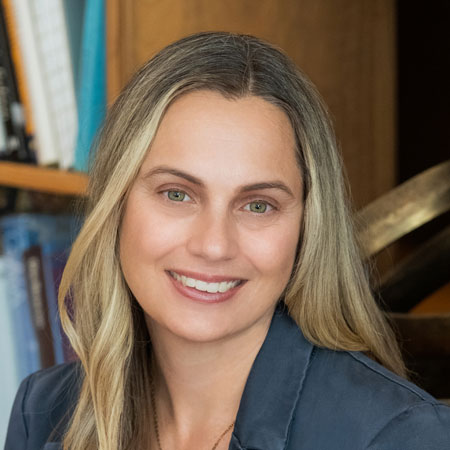
Margo Rivera, Ph.D., C.Psych., is an Associate Professor and Director of Psychotherapy in Queen’s University’s Department of Psychiatry. She also serves as Clinical Leader of the Personality Disorders Service at Providence Care-Mental Health Services. With 45 years of experience, she specializes in trauma therapy, post-traumatic dissociation, personality disorders, and child sexual abuse. Her work includes feminist treatment approaches and mental health advocacy in corrections. Education: Ph.D. (credentials unspecified in text). Professional affiliations include Queen’s University and Providence Care. She has lectured globally on trauma-related topics and authored two seminal books: *More Alike Than Different* (1996) and *Fragment by Fragment* (1999). Research focuses on integrating therapeutic modalities for personality disorders, mental health in prison systems, and LGBTQ+ trauma survivors. Notable projects include the Chrysalis community-based program challenging stigmatized personality disorder diagnoses. Publications span academic journals (e.g., *Journal of Trauma and Dissociation*) and reports analyzing systemic issues in corrections. Her work emphasizes interdisciplinary approaches and marginalized populations.
Dr. Chrystie Myketiak is a Principal Lecturer and Subject Lead for Politics and Philosophy at the School of Humanities and Social Science, University of Brighton. She is also the Athena SWAN Lead, demonstrating strong commitment to equity, diversity, and inclusion. Her research centers on political discourse analysis, with a focus on language, power, and structural inequalities. She is affiliated with the Centre for Transforming Sexuality and Gender and the Centre for Applied Philosophy, Politics and Ethics. Education: PhD in Linguistics, Queen Mary University of London MA in Sociology, Dalhousie University BA Hons in Sociology and Gender Studies, University of Regina Courses at First Nations University of Canada Certified Yoga Teacher Her research interests include gender and sexualities, desire, intersectionality, violence, and discourse in medical and political contexts. She employs methodologies such as critical discourse analysis, queer linguistics, and narrative analysis. Her work explores how language in online communities, mass shooter manifestos, and clinical reports reflects and reinforces social structures. The 15 most recent publications reflect a consistent focus on discourse, power, and identity. They span topics from mediated desire and fragile masculinity to clinical reporting and domestic violence policy. Keywords such as 'discourse', 'narrative', 'gender', 'violence', and 'accountability' dominate, indicating a cohesive research trajectory centered on language as a social and political force. Scientific Awards and Recognition: Sabbatical Award from the University of Brighton for monograph writing External recognition through invited talks and peer-review roles at journals like Distinktion and publishers like Routledge Adjunct Associate Professor at the University of the Sunshine Coast (2024–2027) Chrystie supervises six PhD students with three completions to date, focusing on discourse, politics, and gender. She has led multiple interdisciplinary academic units during their formation, demonstrating strong academic leadership. Her grant history includes postdoctoral roles on EPSRC-funded cognitive science projects. She is active in research dissemination through conferences, peer review, and public engagement, particularly in domestic violence preparedness in healthcare. She is involved in several research groups, including the Centre for Transforming Sexuality and Gender and the Centre for Applied Philosophy, Politics and Ethics. She has chaired international conferences such as Lavender Languages and Linguistics and participated in roundtable discussions on language, gender, and sexuality book series, indicating leadership in her scholarly community.
PJ Henry is an Associate Professor of Psychology and Global Network Associate Professor of Psychology at New York University Abu Dhabi (NYUAD), where he conducts research and teaches courses in social psychology. His academic affiliations include NYUAD, DePaul University (former), and the American University of Beirut (former). He holds a PhD from the University of California, Los Angeles and a BA from the University of Wisconsin. Research Interests: PJ Henry's research centers on gender roles, masculinity/femininity, sexuality, and social justice, particularly how beliefs about gender function as a guiding ideological system shaping political and social attitudes. He also investigates symbolic racism, authoritarianism, intergroup relations, and system justification. His work spans multiple levels of analysis—from individual psychology to national-level trends—using survey methodology and archival data analysis. Recent Research Trends: His recent publications reveal a strong focus on gender equality, social attitudes toward LGBTQ+ populations, the psychological effects of income change on social trust, and the role of stigma and status in authoritarianism and job satisfaction. His work often applies a cross-national lens, highlighting cultural and structural influences on psychological processes. Scientific Awards: No scientific awards or fellowships were mentioned in the provided texts. Advising and Grants: While specific advisees are not listed, PJ Henry has served as a mentor in the Capstone Project in Psychology at NYUAD. He is co-Principal Investigator on the WeAreNYUAD Survey, a longitudinal study tracking student beliefs and attitudes, funded by the LSE Middle East Center. This project examines how global university experiences shape cosmopolitan identities and socio-political attitudes. Labs and Research Teams: PJ Henry is involved in the Global Identity in an Uncertain World research initiative, focusing on student development at NYUAD. He collaborates with researchers from the London School of Economics and UAEU. The WeAreNYUAD Survey is a key component of this work, utilizing Qualtrics for data collection and longitudinal tracking.
Joseph Doyle Hankins is an Assistant Professor in the Department of Anthropology at the University of California, San Diego (UCSD), with faculty affiliations in Ethnic Studies, Critical Gender Studies, Human Rights Program, Japanese Studies Program, and the Center for New Racial Studies. His research investigates the forms and effects of human labor, especially in relation to social divisions such as race, caste, and class, with a regional focus on Japan and its transnational connections. Ph.D. in Anthropology, University of Chicago (2009) M.A. in Anthropology, University of Chicago (2004) B.A. in Asian Studies, English, and Mathematics, Rice University (1999) His research interests include political economy, globalization, neoliberal labor, multiculturalism, social movements, human rights, semiotics, materiality, and the anthropology of work. He employs ethnographic and theoretical approaches from linguistic anthropology, practice theory, and post-structural thought to examine how labor shapes meaning, identity, and social relations. Hankins' recent and forthcoming publications center on the politics of stigmatized labor, sensory experience, and transnational solidarity, particularly in relation to the Buraku people of Japan. His book manuscript, The Labor of Multiculturalism: Making Leather, Making a Multicultural Japan , explores the paradox of multicultural recognition in the absence of the labor that historically defined marginalization. His other projects examine affect, ecology of sensation, and the ethical residues of pollution and disaster. Hellman Junior Faculty Research Fellowship (2011, 2012) UCSD Faculty Career Development Program Award (2011) Richard Saller Prize, University of Chicago (2010) SSRC Dissertation Writing Fellowship (2007) National Science Foundation Ph.D. Fellowship (2002) Hankins has advised numerous Ph.D. candidates in Anthropology and History at UCSD and teaches courses on race, labor, publics, liberalism, and semiotics. He is also co-editor of Sound, Space, and Sociality in Modern Japan , contributing to interdisciplinary dialogues on sensory culture and public life. His work bridges ethnographic depth with theoretical innovation, contributing significantly to critical anthropology and social theory. His current research includes Residues and Contamination , an ethnographic inquiry into the social aftermath of industrial, nuclear, and environmental disasters in Japan, which will form the basis of a future book and online archive.
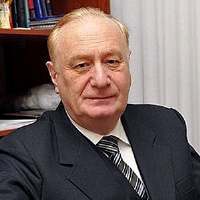
Kekelidze Zurab Ilyich is a distinguished Professor and Doctor of Medical Sciences, currently serving as the President of the V.P. Serbsky Scientific Medical Center for Pedagogical Sciences under the Russian Ministry of Health. He is a leading figure in forensic psychiatry and mental health policy in the Russian Federation, based in Moscow. His research interests span Forensic Psychiatry , Addiction Psychiatry , Psychology and Law , and the stigmatization of mental illness . His work emphasizes the intersection of clinical psychiatry with legal and societal frameworks, particularly in emergency contexts and behavioral disorders. The available publications reflect a strong focus on practical and methodological guidance in psychiatry, with recurring themes in trauma-related mental disorders, gambling addiction, and psychological support for emergency personnel. His scholarly output demonstrates a commitment to improving clinical practices and public understanding of mental health issues. Honored Doctor of the Russian Federation Kekelidze has played a central editorial role in the journal Psychology and Law , indicating leadership in interdisciplinary research. While specific grants and student advisement are not mentioned, his position as President of a major national center suggests extensive involvement in research funding, institutional leadership, and mentorship. He has contributed significantly to national methodological guidelines in mental health. He is affiliated with one of Russia’s foremost institutions in forensic psychiatry, where he leads scientific and medical initiatives. His work continues to influence policy, clinical standards, and public attitudes toward mental health through publications, institutional leadership, and national service.
Obadia Venance Nyongole, MD, is an International Scholar and Instructor of Medicine in the Division of Infectious Disease at the Perelman School of Medicine, University of Pennsylvania. He is based in Tanzania, where he serves as Acting Director of Quality Assurance at his home university. His work bridges clinical medicine, health systems research, and medical education across East Africa. His research interests include: Genitourinary Oncology Health Systems Strengthening Medical Education Reform Infectious Diseases Surgical and Urological Care in Low-Resource Settings Dr. Nyongole's scholarly work focuses on improving healthcare quality and delivery in Tanzania, particularly through evidence-based guidelines, curriculum development, and clinical research. His recent publications analyze trends in surgical training, antibiotic use, and prostate cancer management, reflecting a strong commitment to strengthening clinical practice and health systems in sub-Saharan Africa. The articles demonstrate a consistent focus on: Chronic disease management (especially prostate cancer) Health workforce development Clinical guideline implementation Medical education reform Antibiotic stewardship Health system challenges in Tanzania He has played key roles in significant initiatives such as the Higher Education for Economic Transformation (HEET) Project, where he contributed to tracer studies and curriculum revisions. He also leads the STAMP Study on stigmatization and quality of life in men on androgen deprivation therapy. Dr. Nyongole has led teams in developing clinical teaching guidelines and has provided technical leadership in multiple health programs in Tanzania. His work emphasizes evidence generation, policy translation, and capacity building in medical education and health service delivery. He is affiliated with: Center for Global Health, University of Pennsylvania Muhimbili National Hospital, Dar es Salaam Kilimanjaro Christian Medical Center, Moshi University in Tanzania (institution not named, where he is Acting Director of Quality Assurance)
Laila Moubayidin is an Associate Professor at the Department of Chemical, Life, and Environmental Sustainability Sciences, University of Parma. She teaches courses in Molecular Plant Physiology and Plant-based Sustainable Materials within Second Cycle Degree programs (A.Y. 2024/2025 and 2025/2026). Her research focuses on plant developmental biology, particularly the molecular mechanisms governing floral organ symmetry and style development in Arabidopsis thaliana. Her work explores: Transcription factor regulation (e.g., SPATULA) Auxin and hormone signaling pathways O-glycosylation in protein function Feed-forward gene networks Cell elongation in plant morphology Sustainable materials from plant-based systems Recent publications analyze Arabidopsis style development through genetic, biochemical, and systems biology approaches, emphasizing transcriptional and post-translational regulatory mechanisms. While no scientific awards are listed in the provided data, her collaborative research involves international institutions and interdisciplinary methodologies.
Jonas R. Kunst is a Professor of Psychology at the University of Oslo (UiO) and holds a part-time professorship in Psychology II at UiO, with an upcoming full professorship in Communication at BI Norwegian Business School in 2025. He is affiliated with the Department of Psychology within the Faculty of Social Sciences, specializing in methodology, work, culture, and social psychology. His research is interdisciplinary, spanning social, cultural, and political psychology. His primary research interests include acculturation (particularly majority-group acculturation), prejudice and discrimination, violent extremism, misinformation and conspiracy theories, environmental and food psychology, and the integration of artificial intelligence in psychological research. His work often adopts a cross-cultural perspective, involving large-scale international collaborations across dozens of countries. The trends in his recent publications reveal a strong focus on understanding the psychological underpinnings of societal challenges such as extremism, misinformation, climate change, and intergroup conflict. He frequently employs meta-analytic, experimental, and computational methods, including machine learning and AI, to analyze complex social phenomena. His work appears in leading journals like Nature Communications , PNAS , Psychological Science , and Journal of Personality and Social Psychology . Editor-in-Chief: Advances in Psychology Editor of Special Issue on Majority-Group Acculturation in International Journal of Intercultural Relations Editorial Board Member: Journal of Personality and Social Psychology (incoming), Personality and Social Psychology Review , International Journal of Intercultural Relations Grant Reviewer: European Commission Horizon 2020, U.S.-Israel Binational Science Foundation Ad-hoc Reviewer: American Psychologist , Psychological Science , Nature Communications , and over 30 other journals Jonas R. Kunst leads and contributes to several research projects such as NAVIGATE (on ethnic minorities and discrimination), VegProt (on food habits), APVIOLEXT (on pathways to extremism), and Webimmunization (on online misinformation resilience). He is a core member of the Culture, Society & Behavior Lab (CSB Lab) and the Social Psychology Research Group at UiO, where he mentors students and collaborates on cutting-edge interdisciplinary research.
Michelle Teti is a Professor in the Department of Public Health at the University of Missouri and serves as the Associate Dean of the Honors College. She is also a program affiliate in the Black Studies Program. With over 20 years of experience, her work focuses on HIV/AIDS, health disparities, and sexual health, emphasizing participatory research and qualitative methods. Education: Master of Public Health (MPH) and Doctorate in Community Health and Prevention (DrPH) from Drexel University; completed Visiting Professorships at the University of California, San Francisco (2010–2012, 2015). Dr. Teti’s research prioritizes the integration of input from individuals with stigmatized illnesses, particularly HIV, to address social-structural vulnerabilities such as poverty, racism, and homophobia. Her work has been disseminated in over 100 peer-reviewed publications and funded by the National Institutes of Health, Centers for Disease Control and Prevention, Department of Defense, Health Forward Foundation, and Boone County Health Department. As a Fulbright Scholar, she has contributed to global public health initiatives. She also serves as the North America editor for the International Journal of Qualitative Methods , advocating for patient-centered solutions to reduce health disparities in vulnerable communities.
Malin Joleby is a Postdoctoral Researcher and Project Coordinator at Karolinska Institutet's Department of Clinical Neuroscience in Stockholm, co-leading the Perpetration Prevention research group focused on preventing sexual violence against children. She manages personnel, work environment, and finances for the group while coordinating the Swedish implementation of the Prevent It program and leading victim-focused interventions. Her work bridges clinical psychology, psychiatry, and digital forensics through EU-funded collaborations. Education Doctoral degree from the University of Gothenburg with thesis on psychological consequences for victims of technology-assisted child sexual abuse Research Focus Joleby specializes in dual-path prevention: developing anonymous online therapies for potential offenders (e.g., Prevent It on the Darknet) and trauma treatment for victims. Her work examines delayed disclosure mechanisms, offender risk reduction via pharmacological interventions like degarelix, and implementation of evidence-based programs in correctional settings. International projects like PRIORITY and Bridge emphasize cross-cultural adaptation of cognitive behavioral therapy across nine languages. Publication Analysis Her 15 most recent publications (2018-2025) demonstrate a cohesive focus on technology-mediated sexual violence, with 70% addressing victim psychology and 30% offender interventions. Key trends include Darknet offender profiling, preschooler testimony reliability, and sexting coercion dynamics, primarily using mixed-methods approaches within EU collaborative frameworks. Pharmacological studies on degarelix show rapid efficacy in reducing offending risk. Grants and Leadership Principal Investigator for Anonymous Psychotherapy for Victims of Sexual Violence (Brottsofferfonden, Fredrik och Ingrid Thurings Foundation) Project Coordinator for Prevent It Swedish version (PRIORITY: EU funding; Oak Foundation; World Childhood Foundation) Strategic contributor to DARE PREVENTION Repository and PRISM Cohort Study Team Structure Joleby operates within Karolinska's Centre for Psychiatry Research, collaborating with international partners including Johns Hopkins University, Universidade do Porto, and the Royal Ottawa Institute. Her group includes neuropsychiatry teams (brain imaging of pedophilia), pharmacological units (degarelix trials), and victim intervention specialists. She oversees administrative operations while directly leading the victim psychotherapy project with Gerhard Andersson (Linköping University) and Timothy Luke (Gothenburg University).
Richard Bränström is a Principal Researcher and Docent at the Department of Clinical Neuroscience, Karolinska Institutet. His research focuses on health inequalities and minority stress, particularly examining biopsychosocial determinants of health in stigmatized populations. He integrates clinical psychology and epidemiology to address mental health disparities among LGBTQ+ individuals. 2012: Associate Professor, Karolinska Institutet 2003: PhD in Clinical Epidemiology, Karolinska Institutet 1998: Clinical Psychologist License 1998: Master of Science in Psychology, Uppsala University His work employs social epidemiological, psychological, and socioecological models to analyze stigma and discrimination impacts on health. Recent studies explore internet-based interventions for resilience-building in sexual minority adolescents and neuro-inflammatory mechanisms in depression disparities. Research grants include funding from the Swedish Research Council, Forte, and US National Institute of Mental Health. Key themes: structural stigma, minority stress, mental health equity, and scalable digital treatments. Structural Stigma: Cross-national analysis (28+ countries) linking laws/attitudes to mental health Interventions: Interactive non-stigmatizing programs for youth Biomarkers: Inflammation and stress response in depression He supervises research on transgender healthcare access, mental health trends, and policy impacts on life satisfaction. Collaborations include Yale School of Public Health and US NIH.
Marian Peacock is a Research Fellow at the Usher Institute within the University of Edinburgh's College of Medicine and Veterinary Medicine, and an active member of the Edinburgh Qualitative Health Research Group (EQual). Her work bridges sociology, public health, and clinical practice through innovative qualitative methodologies. Her educational background includes: PhD in Public Health from the University of Sheffield MA by Research from Manchester Metropolitan University Peacock specializes in the sociology of public health with particular expertise in how structural inequalities manifest physiologically. Her research employs narrative approaches to explore sensitive health topics including end-of-life care for marginalized populations (prisoners, substance users), functional seizures, trauma narratives, and food practices. She investigates how medicalization processes affect legitimacy-seeking in conditions like Non-Epileptic Attack Disorder. Analysis of her recent publications reveals consistent focus on qualitative exploration of health disparities through narrative methodologies. Her work spans neurological conditions, carceral health, perinatal substance use, and palliative care for stigmatized populations, demonstrating interdisciplinary integration of sociology, neurology, and public health frameworks. Her research is conducted through the Edinburgh Qualitative Health Research Group (EQual), where she applies narrative interviewing techniques to generate psychosocial insights into contested health conditions. Current projects examine trauma narratives in functional neurological disorders and health equity in end-of-life contexts.
Monika Grønli Rosten is a Research Professor at the Department of Youth Research within NOVA, Oslo Metropolitan University. She holds a PhD in Social Anthropology from the University of Oslo (2015), where her doctoral research focused on place and belonging among youth through ethnographic fieldwork in Groruddalen, Oslo. Her office is located at Stensberggata 26, Oslo, with contact information including phone numbers (+47 412 94 172 mobile, +47 672 37 851 office) and email (monika.rosten@oslomet.no). Her research explores critical social issues including youth culture, minority experiences, and urban dynamics. Primary interests include: Youth crime prevention and rehabilitation Domestic violence patterns and interventions Minority stigmatization in urban settings Cross-cultural relationship dynamics Youth participation methodologies Welfare state interactions with marginalized groups Recent publications (2021-2024) demonstrate a strong focus on identity negotiation, structural stigma, and minority experiences in Scandinavian contexts. Her work frequently employs ethnographic methods to examine how marginalized youth navigate social boundaries, representation politics, and intergroup tensions. Research consistently engages with themes of belonging, power asymmetry, and community-based solutions. She leads multiple research initiatives including: A Boost for Youth Clubs initiative developing quality standards for youth services Ungtillit project examining trust between youth and public services UngPuls testing youth participation in service design The Domestic Violence Research Programme analyzing institutional responses QUEST international study on Muslim experiences in Europe Affiliated with research groups including Center for Urban Equality Research (CURE Oslo), Childlife, and Transform Youth Research, coordinating interdisciplinary approaches to youth welfare and urban equity.
Gunda Wössner is a Professor of General and Clinical Psychology at the Freiburg University of Education . She specializes in research on perpetrators and victims of crime, with a focus on sexual and violent offenses, victim support, and the impact of hegemonic masculinity structures on criminal behavior. Her work bridges clinical psychology and forensic science, emphasizing holistic analysis of criminal psychology and victim experiences. Wössner serves as a German representative in the European Committee for the Prevention of Torture (CPT) , investigating conditions in detention centers. She integrates her fieldwork and expertise into teaching, particularly in the social work program, where she addresses discrimination in offender assistance and stigmatization of crime-affected individuals. Her research critiques punitive systems and advocates for systemic reform in reintegration and victim protection. Previously, she led projects at the Max Planck Institute and collaborated on alternative sanctions like electronic ankle monitoring. She also co-developed Germany’s first interreligious training program for prison pastoral care , blending her clinical and criminological expertise.
Daniel M. Wegner was the John Lindsley Professor of Psychology at Harvard University. His research focused on mental control, thought suppression, transactive memory, and mind perception. He contributed extensively to understanding how attempts at self-control paradoxically increase preoccupation with suppressed thoughts, famously demonstrating the "white bear problem" through experiments on ironic mental processes. Harvard University (2000-present) University of Virginia (1990-2000) Trinity University (1974-1990) Wegner's work revealed that mental control efforts in domains like mood regulation, anxiety management, and stereotype suppression often backfire under cognitive load. His lab's research on mind perception explored how humans attribute consciousness to non-human entities like robots, while studies on transactive memory demonstrated how groups develop collective memory systems. His recent publications analyzed digital memory dependence ("Google effects") and the paradoxical consequences of premeditation. The Mental Control Lab produced foundational insights into cognitive processes across 20+ years of research. Scientific Awards William James Fellow Award (Association for Psychological Science) Distinguished Scientific Contribution Award (APA) Distinguished Scientist Award (Society of Experimental Social Psychology) Fellow, American Association for the Advancement of Science Fellow, American Academy of Arts and Sciences As a Fellow of the Center for Advanced Study in the Behavioral Sciences (1996-1997), he advanced theories connecting mental control to psychopathology. His experiments showed suppression increases thought accessibility, with applications in trauma, OCD, and emotional disorders.