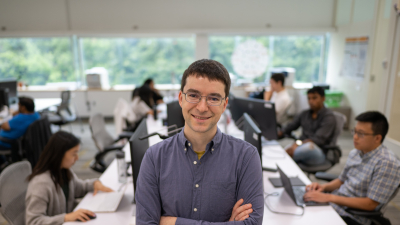
Dr. Lin Su is a Lecturer in Engineering Biology at Queen Mary University of London, leading the Biohybrids group. His research focuses on biohybrid systems in synthetic biology, particularly electron transfer mechanisms between microorganisms and materials, with applications in bioelectrical systems and artificial photosynthesis. Dr. Su holds a PhD in Biomedical Engineering from Southeast University (2021), with postdoctoral research at the University of Cambridge (2021–present). His work includes collaborations with Lawrence Berkeley National Lab and Rice University (2016–2021). He is a Leverhulme Early Career Fellow (2022–2025) and an Isaac Newton Trust Grant recipient. He also serves as a Fellow at Lucy Cavendish College, Cambridge. Research interests span synthetic biology, microbial-material interfaces, and energy-related bioengineering. His lab develops novel platforms integrating living and non-living components for sustainable technologies. Awards: Leverhulme Early Career Fellowship Isaac Newton Trust Grant Fellow of Lucy Cavendish College Grants: Collaborative funding via Leverhulme Trust and Isaac Newton Trust. Labs/Teams: Director of the Biohybrids Group (https://biohybrids.group/), focusing on interdisciplinary engineering-biology research.
David Suter is an Associate Professor at École Polytechnique Fédérale de Lausanne (EPFL), affiliated with the School of Life Sciences (SV) and the Institute of Bioengineering (IBI-SV), leading the UPSUTER research unit focused on Gene Regulation & Cell Identity. He is based in the AI building at Station 19, Lausanne, and holds active teaching and leadership roles across multiple departments, including Life Sciences Engineering. He serves as Director of the Doctoral Program in Molecular Life Sciences (EDMS), and is a member of the Doctoral School Committee and the PhD Program Committee for Computational and Quantitative Biology. His research centers on the quantitative analysis of gene expression dynamics and cell identity, employing cutting-edge techniques such as ultrasensitive bioluminescence imaging, fluorescent protein timers, genome editing, and high-throughput genomics (ChIP-seq, ATAC-seq, CUT&RUN). His lab investigates transcriptional memory, proteostasis, transcription factor search dynamics, and cell fate decisions using embryonic stem cells and cancer cells as model systems. These approaches enable real-time, single-cell resolution studies of transcription factor behavior, mRNA production, and protein turnover across cell divisions. The publication trends in his work emphasize live-cell imaging, quantitative molecular biology, and systems-level understanding of gene regulation. His articles reflect a strong focus on visualizing and quantifying biological processes in living cells, particularly around transcription factors like Sox2 and their role in pluripotency and differentiation. The integration of biophysical tools with molecular biology allows his team to decode the mechanisms underlying cell identity maintenance and fate transitions. He actively supervises PhD students, both current and past, contributing significantly to doctoral education at EPFL. His leadership in the EDMS program underscores his commitment to training the next generation of scientists in molecular and quantitative life sciences. While no specific grants are mentioned in the text, his lab's advanced technological development (e.g., bioluminescence imaging tools) suggests strong funding support. David Suter leads the Suter Lab, a multidisciplinary research group combining molecular and cell biology with computational and biophysical methods. The lab fosters close collaborations and maintains a strong technical core in imaging and genomics, enabling innovative research on the fundamental principles of gene regulation during development and disease.
Fabian Spill is a Professor of Applied Mathematics, specializing in interdisciplinary research that bridges mathematical modeling with biomedical applications. His work spans cancer biology, metabolic pathways, and data-driven optimization for sustainable systems. Research Focus: Mathematical modeling of cancer spheroids, immune-inflammatory dynamics, and epigenetic age regression. Collaborations: Engages in cross-disciplinary projects with institutions like the Medical Research Council and Innovate UK. Projects: Leads initiatives in systems-mechanobiology, stem cell behavior prediction, and energy-efficient building design. Recent publications highlight his contributions to hybrid computational models for collagen stiffening in tumors, lactate signaling in inflammation, and interpretable machine learning frameworks for age estimation. His research aligns with UN Sustainable Development Goals, particularly those addressing health and sustainable cities.
Yuri Pritykin is an Assistant Professor at Princeton University, affiliated with the Lewis-Sigler Institute for Integrative Genomics and the Department of Computer Science. He also holds cross-appointments in Molecular Biology, the Omenn-Darling Bioengineering Institute, and the Center for Statistics and Machine Learning. Pritykin earned his Ph.D. in Computer Science from Princeton University (2014), alongside MSc and Ph.D. in Mathematics from Lomonosov Moscow State University. His research lies at the intersection of applied statistics, machine learning, and functional genomics, focusing on integrative analysis of multi-dimensional biological data. Research Interests: Decoding regulatory genomics in immune cells, CRISPR tool development (GuideScan2), single-cell and spatial multi-omics for immunology and cancer, post-transcriptional regulation, and cell-cell interaction profiling (uLIPSTIC technology). Awards: NSF CAREER Award (2023) NIH New Innovator Award (2022) Recognized by Princeton Ludwig Institute, Rutgers Cancer Institute, and AACR Teaching: Courses in computational biology, genomics, and machine learning applications in life sciences. His lab actively collaborates with immunologists and genomicists, seeking interdisciplinary scientists at all career stages.
Christina Tringides is a tenure-track Assistant Professor in Materials Science and NanoEngineering at Rice University, affiliated with the Neuroengineering Initiative (NEI). She holds the CPRIT Scholar in Cancer Research title and leads the Tringides Lab, which develops soft materials and neurotechnologies for neural system interfaces. Her interdisciplinary work spans from cellular to organ levels, addressing both in vivo and in vitro applications. Education: B.S. in Materials Science & Engineering and Physics from MIT (2015); Ph.D. in Biophysics from Harvard University (2022) under David Mooney. Postdoctoral research at ETH Zürich with Janos Vörös as an ETH Fellow. Recognized with awards including the WIMA laureate (2023), NSF GRFP (2017), and Fulbright Scholar (2015). Research focuses on hydrogels, bioelectronics, and implantable electrode arrays. Key projects include biomimetic in vitro platforms for neural studies and viscoelastic biohybrid interfaces for neuromodulation. Her lab’s innovations aim to advance neurological disorder treatments and diagnostics. Scientific contributions include over 20 peer-reviewed articles, with recent work emphasizing conductive hydrogels, synaptic stimulation systems, and immunotherapy biomaterials. Active in professional organizations like the Materials Research Society and American Chemical Society.
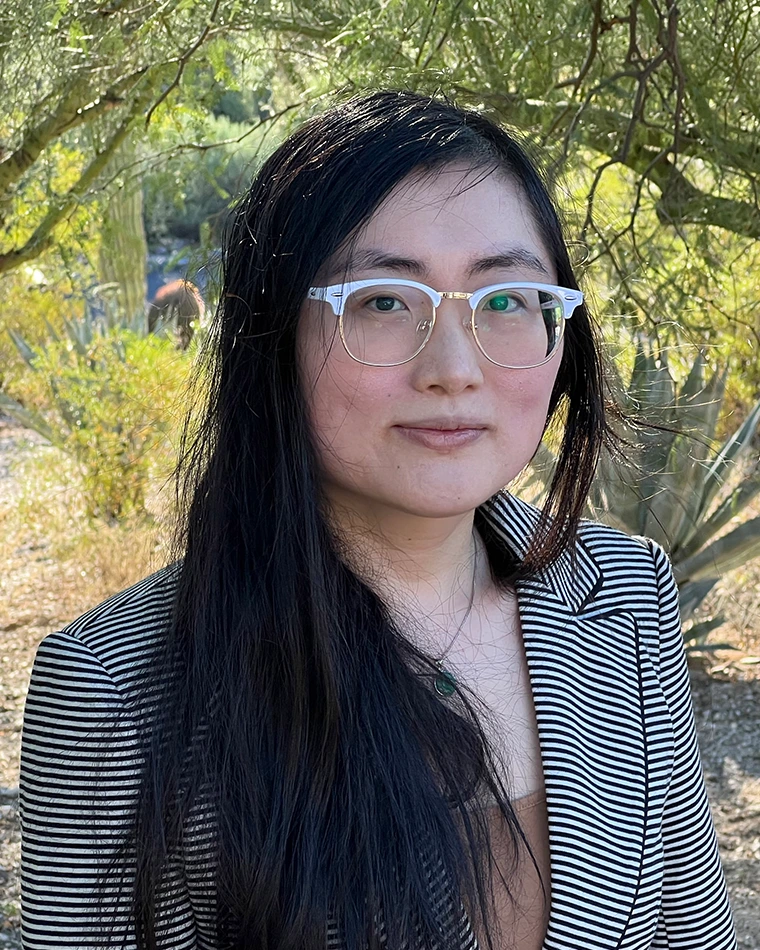
Shang Song is an Assistant Professor of Biomedical Engineering and Materials Science and Engineering at the University of Arizona , where she leads the Integrated BioDesign Lab. Her work bridges advanced engineering methods with cell therapies to develop microphysiological platforms and regenerative treatments. Education: PhD in Bioengineering from University of California Berkeley and University of California San Francisco BS in Biomedical Engineering (Honors) from Brown University Dr. Song's research focuses on manipulating cellular microenvironments to create novel therapeutics. Key areas include conductive biomaterials for stem cell therapy, organ-on-chip systems , and neural repair through electrical stimulation. Her work spans molecular, cellular, and organ-level biological scales to address translational challenges in human health. Recent publications highlight trends in conductive hydrogels , electrical modulation of stem cells , and microfluidic blood-brain barrier modeling . These align with her lab's emphasis on multi-scale engineering solutions for regenerative medicine. Scientific Awards: George H. Davis Fellowship (2025) ORAU Ralph E. Powe Junior Faculty Enhancement Award (2024) American Heart Association Career Development Award (2024) Arizona Biomedical Research Centre New Investigator Award (2024) NIH F32 Fellowship (2019) Forbes 30 Under 30 (2016) NSF Graduate Research Fellowship (2010) Gates Millennium Scholar (2006) Her lab integrates advanced engineering design with disease-mimicking models to create organs-on-chips platforms and regenerative strategies that address clinical needs through cross-disciplinary innovation.
Dario Carugo is an Associate Professor of Biostimulation and Immunological Engineering at University College London (UCL), School of Pharmacy, Department of Pharmaceutics. Previously, he held positions at the University of Oxford (Botnar Research Centre) and University of Southampton. His academic foundation includes a BSc and MSc in Biomedical Engineering from Politecnico di Milano (specializing in Biological Fluid Dynamics & Bio-Machines), and a PhD in Bioengineering Sciences from the University of Southampton. His research spans acoustofluidics , microfluidic drug delivery systems , and biofilm eradication technologies . Key interests include ultrasound-activated drug carriers, mechanistic models for therapeutic physical stimuli, and nano/micro-scale systems for chronic wound treatment, implant infections, and musculoskeletal disorders. His work integrates computational fluid dynamics with experimental models to optimize interventional treatments. Recent publications (2023-2025) reveal a strong trend toward biofilm-targeted therapies using ultrasound-responsive carriers (microbubbles/nanodroplets), oxygen delivery systems for bone healing, and 3D-printed devices for precision drug delivery. Interdisciplinary collaborations span microbiology, urology, and tissue engineering, with emphasis on translating lab innovations to clinical applications for chronic wounds and implant-associated infections. Awards: Italian National Bioengineering Group award IMechE Biomedical Engineering Division award EPSRC Doctoral Prize award FP7 European project funding BBSRC award Junior Research Fellowship at Jesus College, Oxford Carugo teaches Biofluids (Engineering Science) and Micro- & nano-technologies for personalised medicine (MSc Pharmacology), alongside supervising MSc Musculoskeletal Sciences laboratory activities. His Botnar Research Centre lab pioneers vortical flow devices for ultrasound-activated drug delivery and high-speed imaging systems (>1 million fps) to quantify cellular responses to mechanical stimuli.
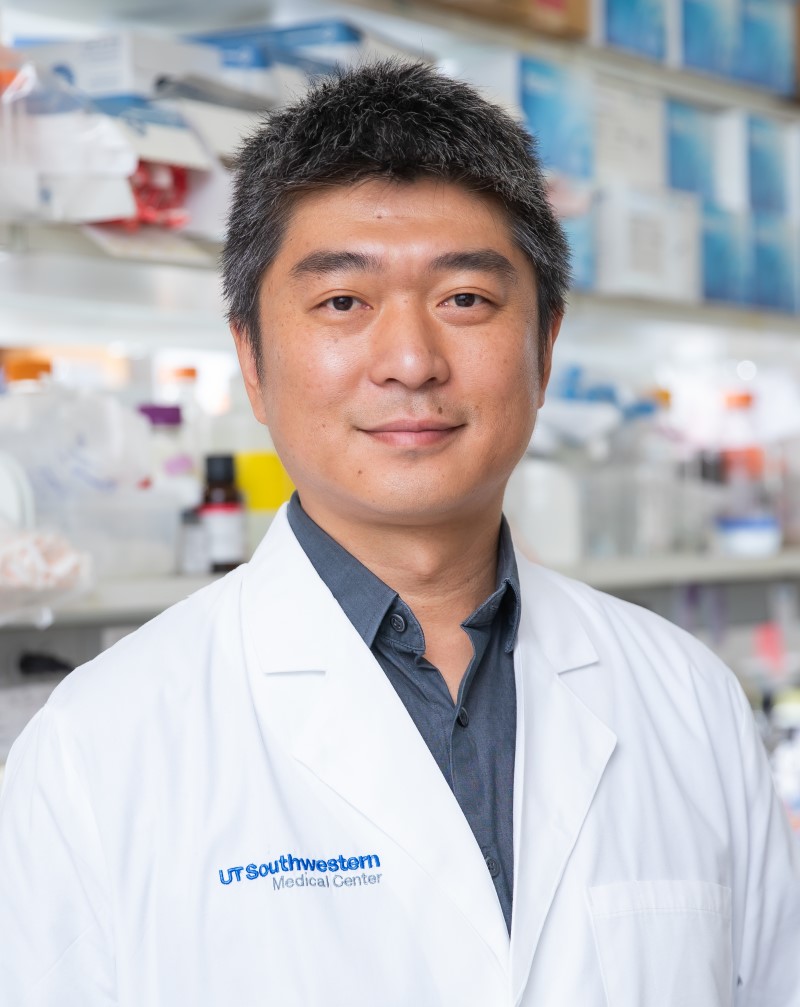
Dr. Jun Wu is an Assistant Professor in the Department of Molecular Biology at UT Southwestern Medical Center. He holds a PhD in Life Science from the University of Tennessee and completed postdoctoral training at the University of Southern California and the Salk Institute. His research focuses on stem cell biology, genome editing, and interspecies chimeras to advance regenerative medicine and developmental biology. Education: Bachelor of Medicine, Shandong University School of Medicine (China) PhD in Life Science, University of Tennessee (2013) Postdoctoral Fellowships: USC (2013-2015) and Salk Institute (2015-2017) Research Interests: Generation of pluripotent stem cells with distinct molecular/phenotypic features Development of interspecies blastocyst complementation systems Modeling peri-implantation human development using stem cell embryo models Study of species-specific developmental barriers and evolutionary biology Application of chimeras to study cancer resistance and organ size determination Lab Activities: The Wu Lab develops stem cell models to study mammalian development and create regenerative therapies. Key projects include: Creation of interspecies chimeras (human-monkey, rat-mouse) Development of blastoids and peri-gastruloids Analysis of species-specific cell competition mechanisms Engineering cross-species organogenesis systems Grant Activities: Focuses on NIH-funded projects related to stem cell biology, interspecies chimerism, and regenerative medicine applications. Collaborates with institutions like Salk Institute and University of California campuses. Lab Team: Includes postdoctoral researchers like Dr. Yi Ding and a multidisciplinary team of molecular biologists, bioengineers, and computational biologists.
Dr. Chang Lei is an ARC Discovery Early Career Researcher Award (DECRA) Fellow at the Department of Medical Sciences within the Faculty of Medicine and Health at The University of Sydney. She is also a member of The University of Sydney Nano Institute and the Charles Perkins Centre. With expertise in nanotechnology-based bioanalysis, mass spectrometry, lateral flow immunoassay, and tissue regeneration, Dr. Lei leads several innovative research projects focused on advancing healthcare through nanotechnology. Dr. Lei completed her PhD at the Australian Institute for Bioengineering and Nanotechnology (AIBN) at The University of Queensland (UQ). Her academic journey includes receiving the Queensland Government Advance Queensland Research Fellowship, the UQ Amplify Fellowship in 2021, and the prestigious ARC DECRA in 2024. Her research interests span across nanotechnology applications in healthcare, with particular focus on: Developing novel nanomaterials for single-cell metabolomics analysis Creating affordable and ultra-sensitive biomarker detection platforms Engineering silica bio-nanomaterials for stem cell differentiation and bone repair Advancing lateral flow immunoassay technologies using nanomaterials Applying nanotechnology to dental and craniofacial regeneration Dr. Lei's publication record demonstrates a strong focus on nanotechnology applications across multiple disciplines. Her recent work shows increasing emphasis on medical applications of nanomaterials, particularly in diagnostics, cancer therapy, and tissue regeneration. She has published in high-impact journals including Nature Science Review, Small, Biosensors and Bioelectronics, Angewandte Chemie, and Advanced Materials. Dr. Lei has received several notable awards and honors: 2024 ARC DECRA Fellow 2021 The University of Queensland Amplify Fellow 2020 GC Minimum Intervention Dentistry Research Award 2017 Advanced Queensland Research Fellow As a reviewer for scientific journals such as Science Advances, Journal of Nanobiotechnology, and Journal of Materials Chemistry B, and for ARC and NHMRC grants, Dr. Lei actively contributes to the scientific community. She also serves as an editor for Frontiers in Bioengineering and Biotechnology and Nano TransMed. Her current research projects are supported by grants including the ARC DECRA and the FMH Start-up Scheme. Dr. Lei is actively involved in several research groups and initiatives: Member of The University of Sydney Nano Institute Member of the Charles Perkins Centre Member of Australian and New Zealand Society for Mass Spectrometry Member of The Australian Materials Research Society Member of the Australian Nanotechnology Network
Nathalia Peixoto is an Associate Professor in the Department of Electrical and Computer Engineering and Affiliate Faculty in Bioengineering at George Mason University. Her work bridges neural engineering, biomedical applications, and assistive technology development with international collaborations across Israel, Ireland, Peru, and Korea. Educational background: PhD in Electrical Engineering, Universidade de Sao Paulo MS, University of Campinas Research Interests: Dr. Peixoto specializes in neural engineering with focus on brain-computer interfaces using wearable devices. Her lab develops: Neural prosthetics and implantable systems Bioimpedance-based medical sensors Low-cost electrophysiological recording platforms Community-centered engineering design solutions Publication Trends: Her 2022-2025 publications demonstrate strong interdisciplinary convergence between neuroscience, biomedical engineering, and AI. Key trends include machine learning for seizure detection in zebrafish models, electrochemical optimization of neural interfaces, and community-engaged design projects addressing societal challenges through transdisciplinary graduate training. Grants and Projects: Principal investigator for multiple NSF-funded initiatives: NRT-HDR: Transdisciplinary Graduate Training (2019-2024) Smart and Connected Communities: Networked Devices (2017-2019) Bioimpedance for retinal implants (2015-2017) C2MW: Classroom to Makers Week (2015-2016) Additional funding from VA STEM CoNNECT and Longwood University. Laboratory: The Neural Engineering Lab integrates chemistry, physics, and engineering disciplines through team-based projects involving high school to graduate students. Current work includes sustainable food-waste solutions, tremor-capturing robots for low-resource areas, and neural implants with international academic partnerships.
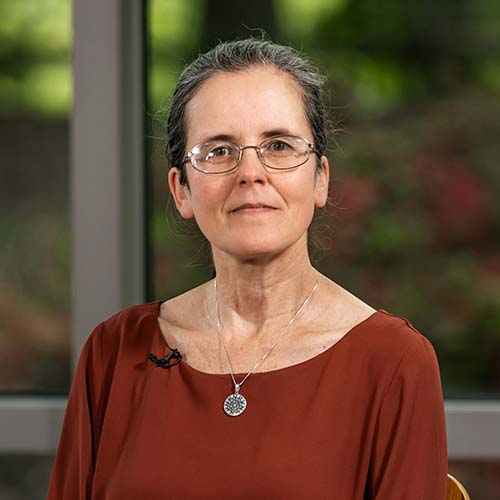
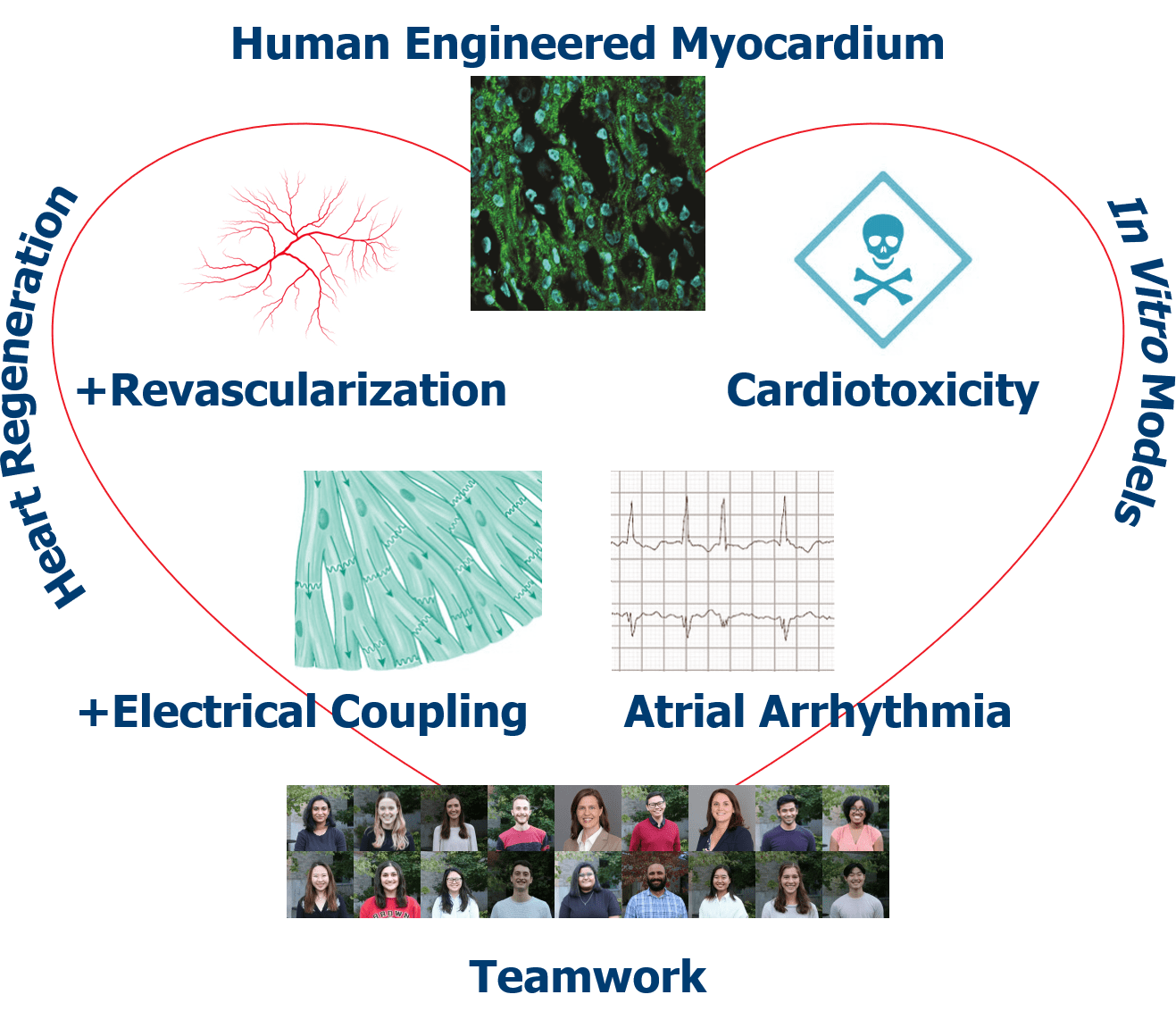
Kareen L.K. Coulombe is an Associate Professor of Engineering at Brown University, affiliated with the Institute for Biology, Engineering and Medicine . She collaborates with researchers from the Department of Medicine and institutions like the University of Edinburgh and ScitoVation, Inc . Education: B.S. in Biomedical Engineering, Summa Cum Laude (University of Rochester, 2001) Ph.D. in Bioengineering (University of Washington, 2007) Her research focuses on cardiovascular regenerative engineering , including: Developing human iPSC-derived cardiac tissues for heart attack therapy Creating anisotropic biomaterial scaffolds to enhance tissue integration Designing in vitro cardiotoxicity testing platforms for pharmaceuticals and environmental chemicals Optimizing electrical coupling between engineered and native heart tissue Recent publications highlight advancements in: Predictive 3D cardiac microtissue models for arrhythmic risk assessment Custom polycaprolactone scaffolds for tailored mechanical properties Immunomodulatory biomaterials that reshape cardiac repair processes Computational strain continuum modeling of cardiac tissue mechanics Scientific Awards: 2023 - Brown University Innovation of the Year 2021 - NSF CAREER Award & Young Innovator Award (BMES) 2019 - Dean’s Award for Excellence in Mentoring 2017-2012 - Rising Star Award & NIH Pathway to Independence K99/R00 Dr. Coulombe mentors students through programs like: Brown Leadership Alliance (undergraduate research) Tougaloo College Partnership (student development) NIH-IMSD Programs (graduate mentoring)
Andrew Godwin is a Professor at the University of Kansas Medical Center , where he serves as the Chancellor’s Distinguished Chair in Biomedical Sciences and Director of Molecular Oncology in the Department of Pathology and Laboratory Medicine. He is also the Deputy Director of the NCI-designated University of Kansas Cancer Center and the Founding Director of the Kansas Institute for Precision Medicine and Biospecimen Shared Resource . Dr. Godwin is a leader in translational research and precision medicine , with a focus on molecular oncology , biomarker discovery , and genomic diagnostics . His work bridges basic and clinical science to improve cancer patient care, particularly in ovarian cancer , Ewing sarcoma , and breast cancer . He has contributed over 230 ovarian cancer-related publications and pioneered studies linking the PI3K/AKT pathway to cancer treatment targets. His research program encompasses liquid biopsies using extracellular vesicles , molecular therapeutics , companion diagnostics , and clinical trial validation . He leads the Biomarker Discovery Laboratory and has secured over $250M in extramural funding , including a $11.4M NIH grant for precision medicine initiatives. His team has developed CELLSEARCH® , the first FDA-cleared test for circulating tumor cells. Notable awards include the Dolph C. Simons, Sr. Higuchi Award (2020), Outstanding Mentorship in Pathology Award (2024), and multiple mentoring accolades from KU. He has mentored over 150 trainees across career stages and leads a multidisciplinary lab with expertise in genomics , proteomics , and bioengineering . Academic Roles: Chancellor’s Distinguished Chair in Biomedical Sciences Director, Molecular Oncology, Pathology and Laboratory Medicine Deputy Director, KU Cancer Center Founding Director, Kansas Institute for Precision Medicine Adjunct Professor, Bioengineering Program, University of Kansas Scientific Awards: KUMC Achievement Award for mentoring postdocs (2014) Chancellor’s Club Award for Research (2018) Dolph C. Simons, Sr. Higuchi Award (2020) KU Excellence in Mentoring Award (2021) Outstanding Mentorship in Pathology (2024) Key Research Themes: Extracellular vesicles as liquid biopsy tools Molecular mechanisms of sarcoma and breast cancer Genomic diagnostics and precision oncology Clinical trial biomarker validation Biospecimen repository leadership
Michael Levin is a Distinguished Professor at Tufts University in the Department of Biology within the School of Arts and Sciences. He serves as Director of both the Allen Discovery Center at Tufts University and the Tufts Center for Regenerative and Developmental Biology. His laboratory investigates the intersection of developmental biology, artificial life, bioengineering, synthetic morphology, and cognitive science. Allen Discovery Center at Tufts Tufts Center for Regenerative and Developmental Biology Tufts/UVM: ICDO Harvard Wyss Institute Stibel Dennett Consortium for Brain and Cognitive Science The Proteus Institute MIT Science and Technology Center EBICS Levin's research focuses on understanding diverse intelligence in evolved, designed, and hybrid complex systems. His lab combines developmental biophysics, computer science, and behavioral science to study how cognition scales up from cellular competencies to organism-level behaviors. A key specialty is developmental bioelectricity—the study of how somatic electrical networks store, process, and act on information to control large-scale body structure. His team creates tools to read and edit the bioelectric code guiding proto-cognitive computations in the body. Levin's publications reveal a strong focus on bioelectricity, morphogenesis, and non-neural cognition across multiple model systems including Xenopus, planarians, and synthetic living constructs. His recent work explores collective intelligence as a unifying concept across biological scales, the development of microfluidic devices for measuring electrical connectivity, and optical estimation of bioelectric patterns in living embryos. His research spans fundamental developmental mechanisms to potential biomedical applications in regeneration and disease treatment. As an editor, Levin serves as Co-Editor-in-Chief of Bioelectricity and Founding Associate Editor of Collective Intelligence. He has mentored numerous post-doctoral fellows and graduate students who have gone on to establish their own research programs. His lab has received significant attention for creating novel biological machines (xenobots) and demonstrating that cells can store and transmit behavioral memory outside the brain. The Levin Lab maintains several significant research initiatives including the Allen Discovery Center at Tufts, the Tufts Center for Regenerative and Developmental Biology, and collaborations with the Wyss Institute at Harvard. The lab employs a multidisciplinary approach combining wet lab experiments with computational modeling to investigate how living systems achieve goal-directed behavior and pattern formation.
Dr. Axel Sandvig is an Adjunct Associate Professor at the Department of Community Medicine and Rehabilitation , Umeå University , with a focus on neurodegenerative diseases and neural network engineering. He also serves as a physician at the Department of Clinical Sciences , Umeå University , specializing in neurosciences. His work intersects clinical practice with cutting-edge research in neuroengineering and neurodegeneration. Adjunct Associate Professor, Department of Community Medicine and Rehabilitation, Umeå University Physician, Department of Clinical Sciences, Umeå University Dr. Sandvig’s research spans multiple domains of neuroscience , neuroengineering , and biomedical applications . He investigates Alzheimer’s disease using engineered human neural networks with mutations like LRRK2 G2019S and P301L tau, analyzing structural, functional, and connectomic changes. His work also explores neuroplasticity in stroke recovery , nanotechnology for neuroimaging , and lab-on-chip platforms for neuromodulation. Recent studies highlight synaptic connectivity and autophagy pathways as therapeutic targets. The 15 most recent publications reveal a trend toward neurodegenerative disease modeling , neural network dynamics , and biomedical nanotechnology . Key subfields include LRRK2/tau mutations , small-world network topology , neuroregeneration after ischemia , and gold nanostructure design . His work often involves in vitro models , neuroimaging , and stem cell applications . Dr. Sandvig collaborates extensively on neuroregenerative therapies , including nanoparticle delivery systems and manganese-enhanced MRI for axonal tracing. His affiliations bridge clinical practice at Norrland University Hospital with academic research at Umeå University.
Professor Kristopher Kilian is Director of the Laboratory for Advanced Biomaterials & Matrix Engineering (LAB&ME) with a joint position across the School of Chemistry and the School of Materials Science & Engineering in the Faculty of Science at UNSW Sydney. He serves as co-Director of the Australian Centre for NanoMedicine (ACN) and is a member of the Adult Cancer Program in the Prince of Wales Clinical School. His interdisciplinary research focuses on unraveling 'matrix structure-cell function' relationships through innovative biomaterial design. After completing his PhD at the University of New South Wales, Kilian pursued NIH postdoctoral training at the University of Chicago before faculty positions at the University of Illinois at Urbana-Champaign (2011-2018). He returned to UNSW in 2018 as a Scientia Fellow, establishing his current leadership roles. Research Focus: Design of model extracellular matrices and dynamic hydrogels for cell and tissue engineering Fundamental studies in cell plasticity and matrix-directed cell fate Development of synthetic tumor microenvironments for drug testing iPSC-derived organoid bioengineering 4D biofabrication techniques Tissue engineering approaches for lab-grown meat applications His extensive publication record demonstrates consistent focus on hydrogel mechanics, dynamic biomaterials, and the role of physical cues in directing cell behavior. Recent work emphasizes mechanochemistry, spatial control of cell differentiation, and the development of sophisticated tumor models that replicate the complexity of cancer microenvironments. Scientific Recognition: Cornforth Medal (2008) NIH Ruth L. Kirchstein Award (2008) Kavli Fellow (2014) NSF CAREER Award (2015) Australian Research Council Future Fellowship (2018) Eureka Prize finalist (2023) Kilian's research program bridges fundamental cell biology with translational applications, particularly in cancer modeling and regenerative medicine. His laboratory develops innovative biomaterial platforms that enable precise control over cellular microenvironments, facilitating discoveries in cell plasticity and tissue engineering. The group's work on dynamic hydrogels and mechanochemical systems represents a significant contribution to the field of biomaterials science. As Director of LAB&ME, Kilian leads a multidisciplinary team that integrates nano- and micro-fabrication techniques with synthetic chemistry to create biomimetic materials. The laboratory's approach centers on the concept that cell state and fate are governed by inherent cell plasticity within specific multivariate signaling contexts.