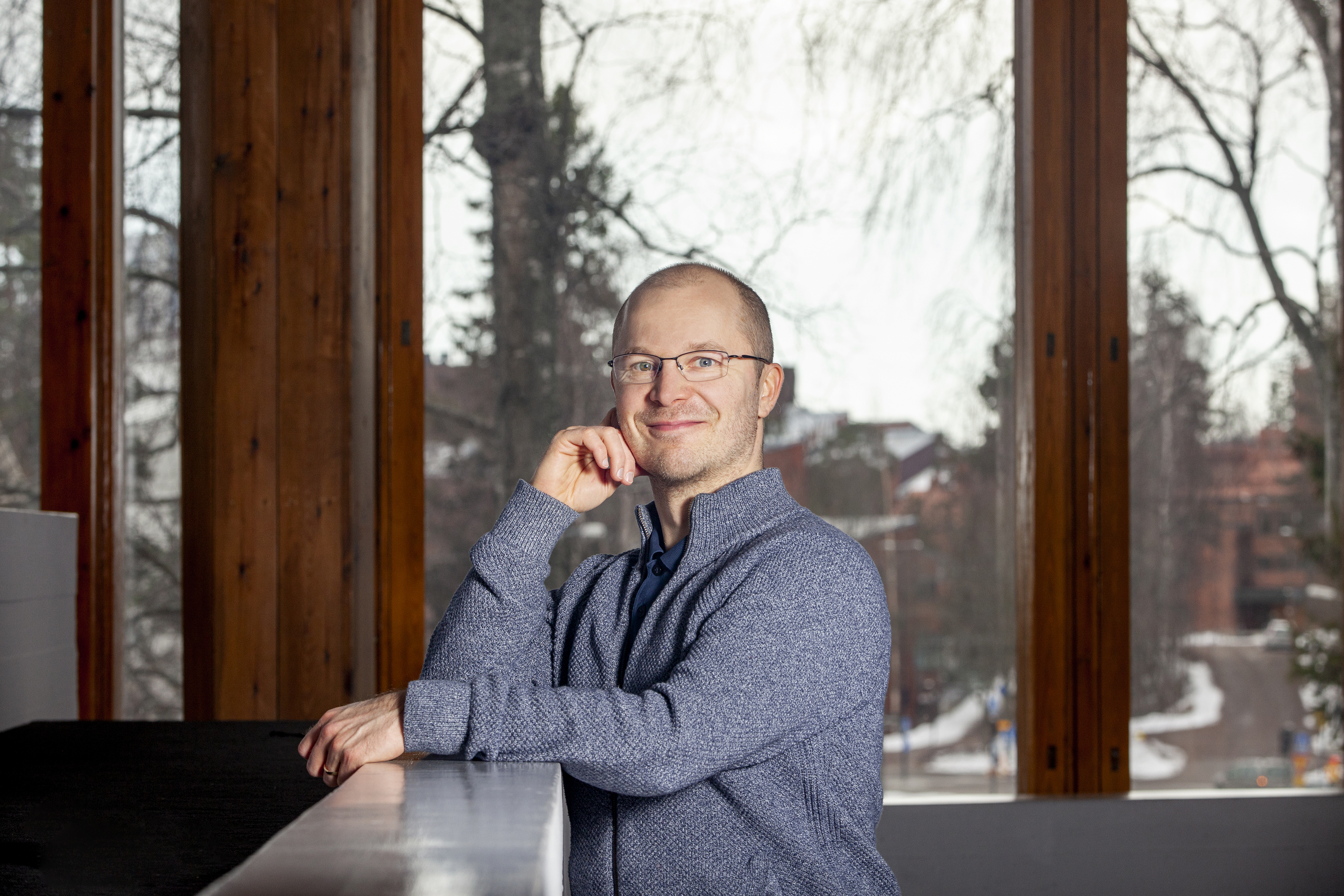
Yo Jackson is a Professor at Tulane University’s School of Science & Engineering and holds the Lila L. and Douglas J. Hertz Endowed Chair in Psychology. A board-certified clinical child psychologist, her research focuses on resilience models for trauma-exposed youth, particularly those affected by child maltreatment and intergenerational trauma transmission. Education: Ph.D. in Psychology from the University of Alabama (1995) Her work integrates observational, physiological, and survey-based methodologies within longitudinal and prospective frameworks to assess emotion regulation and cognitive functioning in high-risk populations. Recent publications emphasize trauma measurement innovation and developmental trauma analysis. Scientific awards include leadership roles in the American Psychological Association, such as Past President of the Society of Clinical Child and Adolescent Psychology and President-Elect of the Society of Child and Family Policy and Practice. Her federally funded research has produced significant contributions to child trauma assessment and policy development.
Jana Schaich Borg is an Assistant Research Professor at the Social Science Research Institute at Duke University. She specializes in integrating neuroscience, computational modeling, and emerging technologies to study social decision-making processes and their interactions with internal value representations. As a data scientist, she collaborates with interdisciplinary teams to develop novel statistical approaches for analyzing high-dimensional, multi-modal data. Research interests include Moral psychology and computational ethics Human-AI interaction in decision-making Automated social behavior analysis Neuroscience of social cognition Interdisciplinary data science education Recent publications highlight her focus on ethical AI development, moral preference modeling, and automated behavioral analysis. She teaches IDS 707: Data Visualization at Duke University.
Prof. Dr. Rudi Zagst is a Professor of Mathematical Finance at the Technical University of Munich (TUM), where he serves as Head of the Department of Mathematical Finance within the TUM School of Computation, Information and Technology. He has held this position since 2001 and is actively involved in teaching, research, and academic leadership. In 2003, he was appointed as a second member of the Faculty of Economics, and since 2004, he has served as Deputy Chairman of the joint elite degree program 'Finance & Information Management' of the University of Augsburg and TUM. Prof. Zagst earned his doctorate in business mathematics from the University of Ulm, where he later completed his habilitation in 2000. His academic journey began with a professional career at HypoVereinsbank AG, where he served as Head of Product Development in Institutional Investment Management before becoming Managing Director of RiskLab GmbH in 1997. His research focuses primarily on financial engineering, risk management, and asset management, with particular emphasis on portfolio optimization, mathematical finance, and quantitative risk management. His work bridges theoretical finance with practical applications, often incorporating advanced mathematical techniques to solve complex financial problems. Recent publications demonstrate his continued interest in GARCH models, portfolio optimization under various constraints, and the application of machine learning techniques to financial problems. Analysis of his recent publications (2024-2025) reveals a strong focus on portfolio optimization under complex market conditions, particularly using GARCH models to capture volatility dynamics. His work increasingly incorporates machine learning techniques (as seen in the credit spread analysis paper) while maintaining rigorous mathematical foundations. Many papers explore the intersection of theoretical finance with practical investment strategies, reflecting his commitment to bridging academic research with real-world financial applications. Professor of the Year 2007 (awarded by Unicum Profession magazine) Prof. Zagst has supervised numerous bachelor's, master's, and doctoral theses through TUM's Finance and Actuarial Science research group. His collaborative work with industry partners through the TUM CAIR Labs and RiskFactory demonstrates strong connections between academic research and practical financial applications. He has received research funding through various industry partnerships with major financial institutions including Allianz, Munich Re, and ERGO Group AG. Prof. Zagst leads the Research Group Finance and Actuarial Science at TUM, which includes Professors Matthias Scherer, Aleksey Min, and Christoph Knochenhauer. The group maintains strong industry connections through the TUM CAIR Labs initiative, collaborating with over 25 financial institutions including Allianz, Munich Re, Deloitte, PwC, and KPMG. Their RiskFactory laboratory serves as a bridge between academic research and practical financial risk management applications in the industry.
Dr. Jonathan Lenoir is a CNRS Researcher at the Ecology and Dynamics of Anthropized Systems (EDYSAN) laboratory, University of Picardie Jules Verne , France. His work bridges Ecology and Biostatistics , focusing on ecological dynamics under spatial and temporal global changes, particularly biotic responses to climate change. His research spans broad-scale biodiversity patterns, species distribution modeling, and microclimate ecology, with special attention to forest systems. Dr. Lenoir leads and contributes to multiple research projects including MaCCMic (Impact of forest Management and Climate Change on understory Microclimate) and IMPRINT (Impacts of Microclimatic Processes on forest Biodiversity redistribution under macroclimaTe warming). These projects utilize advanced technologies like LiDAR and microclimate sensors to model understory temperature dynamics and predict biodiversity responses to climate change. His recent publications analyze microclimate buffering in forests ( 2024 ), species thermophilization ( 2024 ), and the application of deep learning to habitat identification ( 2024 ). His work also explores interdisciplinary connections like eco-oncology , comparing invasion dynamics in ecology and medicine. Dr. Lenoir actively mentors researchers and supervises fieldwork campaigns, emphasizing rigorous data collection ( 180 monitoring plots across French forests ) and advanced statistical analyses in R . He collaborates with European institutions and participates in large-scale initiatives like ReSurveyEurope , a database of resurveyed vegetation plots.
Prof. Dr. Raphael Sznitman serves as Director of the ARTORG Center for Biomedical Engineering Research and Head of the Artificial Intelligence in Medical Imaging group at the University of Bern, Switzerland, holding a Full Professor position in AI for Medical Imaging since 2015. Education: PhD in Computer Science, Johns Hopkins University (2011) MSc in Computer Science, Johns Hopkins University (2009) BSc in Cognitive Systems, University of British Columbia (2007) Research Interests: Sznitman's work centers on computational vision , probabilistic methods , and statistical learning applied to medical imaging challenges. His group develops AI algorithms for ophthalmic diagnostics, surgical robotics, and medical image analysis, with emphasis on OCT, surgical phase recognition, and domain adaptation techniques. Key application areas include retinal disease detection and cataract surgery automation. Publication Trends: His 2021-2025 publications reveal concentrated efforts in deep learning for medical imaging , particularly in ophthalmology (OCT analysis) and surgical video understanding. Emerging themes include LLM applications for clinical monitoring, unsupervised out-of-distribution detection for surgical safety, and physics-informed AI for multimodal medical data fusion. Research Leadership: As ARTORG Center Director, Sznitman oversees interdisciplinary research bridging computer science and clinical medicine. His group collaborates extensively with Bern University Hospital clinicians on translational projects, securing funding for AI-driven diagnostic tools and surgical assistance systems. Current initiatives focus on real-time intraoperative guidance and spaceflight ophthalmology applications. Laboratory: The Artificial Intelligence in Medical Imaging group operates within ARTORG's dedicated facilities, maintaining partnerships with surgical robotics labs and ophthalmology departments for clinical validation of AI systems. Their work integrates multimodal data streams including OCT, VR perimetry, and surgical video feeds.
Marcia C. Linn is the Evelyn Lois Corey Professor of Instructional Science in the Berkeley School of Education at the University of California, Berkeley. She serves as Chair of the Graduate Group in Science and Mathematics Education (SESAME) and has made significant contributions to the field of science education for over five decades. Dr. Linn is a member of the National Academy of Education and a Fellow of multiple prestigious organizations including the American Association for the Advancement of Science (AAAS), the American Psychological Association (APA), the Association for Psychological Science (APS), the American Educational Research Association (AERA), and the International Society of the Learning Sciences (ISLS). Dr. Linn earned her B.A. in Psychology and Statistics (1965), M.A. in Educational Psychology (1967), and Ph.D. in Educational Psychology (1970) from Stanford University, where she worked under Lee Cronbach. Her early career included working with Jean Piaget at the Institute Jean Jacques Rousseau in Geneva, Switzerland (1967-68), serving as a Fulbright Professor at the Weizmann Institute of Science in Israel (1983), and conducting research at University College in London. She has been a fellow at the Center for Advanced Study in Behavioral Sciences three times and a Writing Resident at the Rockefeller Foundation Bellagio Center twice. Dr. Linn's research focuses on how students learn science and how technology can be used to improve science education. She developed the Knowledge Integration framework, which has become widely used in science education. Her work explores the intersection of cognitive science and educational practice, with particular attention to how students develop understanding of complex scientific concepts. She has pioneered the use of technology in science education, developing the Web-based Inquiry Science Environment (WISE) and directing the NSF-funded Technology-Enhanced Learning in Science (TELS) center. Dr. Linn's recent publications demonstrate a clear trajectory toward integrating artificial intelligence with science education. Her work increasingly focuses on how AI can support knowledge integration, facilitate science learning opportunities, and promote equitable educational experiences. She examines how technology can help students develop deeper understandings of scientific concepts through inquiry-based learning while addressing issues of social justice in science education. Scientific Awards and Honors National Association for Research in Science Teaching Award for Lifelong Distinguished Contributions to Science Education American Educational Research Association Willystine Goodsell Award Council of Scientific Society Presidents first award for Excellence in Educational Research Fulbright Professor (1983) Apple Wheels for the Mind grant (1985) National Institute of Education grant (1983) Throughout her career, Dr. Linn has secured significant funding for educational research, including multiple National Science Foundation grants. She directed the NSF-funded Technology-Enhanced Learning in Science (TELS) center and has led numerous projects investigating the cognitive consequences of computer environments for learning. She has advised countless students and researchers in the field of science education, shaping the next generation of educational researchers and practitioners. Dr. Linn directs the Web-based Inquiry Science Environment (WISE) project and has been instrumental in developing technology-enhanced learning environments for science education. Her laboratory has been at the forefront of creating and testing innovative learning technologies that support students in developing deep understanding of scientific concepts through inquiry-based approaches.
Peter W. Klein is an Emmy Award-winning full professor at the University of British Columbia's School of Journalism, Writing, and Media within the Faculty of Arts. He founded the UBC Global Reporting Centre and served as director of the school from 2011 to 2015. Klein also holds an affiliation as a faculty associate at the UBC School of Public Policy and Global Affairs. He runs the Global Reporting Program, a year-long course that works with master's journalism students from UBC and other universities worldwide. Klein's research focuses on Global Journalism, Innovation in Journalism, Documentary Production, and Investigative Reporting. His work emphasizes collaborative international reporting frameworks, solutions-focused empowerment journalism, and the ethical dimensions of global reporting practices. He has developed long-term investigative projects like Hidden Costs, which examines the hidden costs of global commerce through data, field reporting, academic research, and artistic exhibits. His scholarly output demonstrates consistent focus on international reporting practices, fixer-journalist relationships, data journalism, and environmental investigations. The articles reveal a career-long commitment to investigative methodologies with emphasis on cross-border collaboration, ethical reporting frameworks, and innovative storytelling approaches that bridge journalism with academic research. Emmy Award for Best Investigation (National Academy of Television Arts & Sciences) Sigma Delta Chi award Edward R. Murrow award Rosalynn Carter Mental Health Journalism fellowship Ochberg Fellow at Columbia University's Dart Center 2011 UBC President's Award for Public Education through Media Klein has supervised numerous student-led investigative projects through the International Reporting Program and Global Reporting Program, working with news organizations including The New York Times, Toronto Star, The Guardian, PBS Frontline, Vice News and Al Jazeera. His research projects have received funding from SSHRC and CIHR, including the Hidden Costs initiative and Million Dollar Meds project. He has also collaborated with the Peter Wall Institute for Advanced Studies on solutions-focused empowerment journalism projects.
Benjamin Landon is an Assistant Professor in the Department of Mathematics at the University of Toronto, where he has been faculty since 2021. His office is located in the Bahen Centre for Information Technology, Room 6264. Prior to joining the University of Toronto, he was a CLE Moore Instructor at the Massachusetts Institute of Technology from 2018-2021. Education: PhD in Mathematics, Harvard University (2018). Advisor: Horng-Tzer Yau M.Sc. in Mathematics, McGill University (2013). Advisors: Vojkan Jaksic and Robert Seiringer B.Sc., McGill University (2012) Dr. Landon's research focuses on Probability and Mathematical Physics, with particular expertise in Random Matrix Theory. His work spans various aspects of spectral statistics, eigenvalue distributions, and universality phenomena in random matrix ensembles. He has made significant contributions to understanding the behavior of extremal eigenvalues, linear spectral statistics, and connections to other areas of mathematical physics such as spin glasses and the KPZ universality class. His research often involves developing novel analytical techniques to establish precise asymptotic behavior in complex random systems. Analysis of Dr. Landon's publication record reveals a strong focus on the intersection of probability theory and mathematical physics. His work consistently explores universality phenomena across different random matrix ensembles and related stochastic systems. A notable trend is his investigation of connections between random matrix theory and other areas of mathematical physics, particularly spin glass models and the KPZ equation. His research demonstrates both technical depth in establishing rigorous asymptotic results and breadth in connecting seemingly disparate areas of mathematical physics.
Francis Bach is a Professor and researcher at INRIA, leading the SIERRA project-team since 2011, which is part of the Computer Science Department at Ecole Normale Supérieure (ENS) within PSL Research University. His work bridges CNRS, ENS, and INRIA as a joint research effort. Elected to the French Academy of Sciences in 2020, he currently runs the ERC project SEQUOIA following his previous ERC project SIERRA (2009-2014). His research spans statistical machine learning with focus on optimization, sparse methods, kernel-based learning, neural networks, graphical models, and signal processing. Bach completed his Ph.D. in Computer Science at U.C. Berkeley under Professor Michael Jordan, followed by work at Ecole des Mines de Paris and the WILLOW project-team at INRIA/ENS/CNRS (2007-2010). His recent book "Learning Theory from First Principles" was published by MIT Press in December 2024. Bach's publication record shows consistent high-impact contributions across machine learning theory and applications, with recent work focusing on conformal prediction, diffusion models, optimization theory, and learning theory foundations. His research demonstrates strong connections between theoretical guarantees and practical algorithms, with applications spanning generative modeling, robust optimization, and statistical inference. Elected to French Academy of Sciences (2020) ERC project SIERRA (2009-2014) ERC project SEQUOIA (current) Author of "Learning Theory from First Principles" (MIT Press, 2024) Bach actively mentors numerous PhD students and postdocs, with many alumni now holding faculty positions at institutions like EPFL, Ecole Polytechnique, University of Washington, and University of Montreal. His teaching includes advanced courses on learning theory at ENS's Master's programs. He regularly presents tutorials at major conferences including COLT, NeurIPS, and ICML, demonstrating his leadership in the theoretical machine learning community.
Harold D. Chiang is an Assistant Professor in the Department of Economics at the University of Wisconsin-Madison. His research focuses on econometric theory and methods, particularly robust inference techniques for clustered and network data, machine learning applications, and causal inference frameworks like regression discontinuity/kink designs. He employs computational statistics and asymptotic theory to address methodological challenges in high-dimensional and complex datasets.
Prof. Dr.-Ing. Ahmad Osman is a Professor at the Saarland University of Applied Sciences (htw saar), specializing in Test Technologies and Test Methods within the Faculty of Engineering. He also holds an Adjunct Professor position at Laval University in Quebec, Canada, in the Department of Electrical Engineering and Computer Science. His research focuses on Artificial Intelligence applications in Signal and Image Processing for Non-destructive Testing (NDT) , with extensive work on Deep Learning , 3D Ultrasound Tomography , and Sensor Data Fusion in industrial contexts. Engineering Artificial Intelligence Signal Processing Image Processing Non-destructive Testing Quality Control Augmented Reality Osman leads the AutomaTiQ research group and serves as Head of the Algorithms/Signal and Data Processing Department at Fraunhofer IZFP . His recent publications (2017–2022) emphasize Deep Learning for defect detection in CFRP , Terahertz Imaging for artwork diagnostics, and Acoustic Sensors for agricultural quality control. He has organized international conferences on Structural Health Monitoring and contributed to Springer books on NDT technologies. His projects include ComforTex-AI (2024) and development of 3D positioners for ultrasound measurements. Collaborations span institutions in Germany, Canada, Italy, and Brazil, with advisory roles in the German Society for NDT and technical committees for conferences in Montreal and Egypt.
Pekka Marttinen is a tenured Associate Professor of Machine Learning at Aalto University, Department of Computer Science, and leads the Machine Learning for Health (Aalto-ML4H) group within the Helsinki Institute for Information Technology HIIT. Education: M.Sc. in Applied Mathematics, University of Helsinki (2004) Ph.D. in Statistics, University of Helsinki (2008) Title of Docent in Information and Computer Science, Aalto University (2015) Research Focus: His methodological work spans large language models, reinforcement learning, deep learning, probabilistic machine learning, and causal inference . These techniques are applied to critical domains of healthcare, bioinformatics, statistical genetics, epidemiology, and personalized medicine . The group develops novel algorithms, theoretical guarantees, and open-source software that enable data-driven discovery and decision-making in medicine and biology. Publication Trends: Across 2022-2024 the lab has concentrated on (i) rigorous causal reasoning over temporal clinical data, (ii) principled uncertainty quantification in LLMs, (iii) representation learning for neural network comparison, and (iv) translational projects that turn raw EHRs into actionable clinical insights. Earlier work integrated high-dimensional genomics with metabolomics and mapped evolutionary forces in bacterial pathogens. Scientific Awards & Recognition: While no specific awards are listed, his sustained publication record in top-tier venues (NeurIPS, ICML, AISTATS, Nature Genetics, PLOS CB) and his role as responsible professor of the Machine-Learning, Data-Science and AI major signify significant peer recognition. Advising & Grants: Prof. Marttinen currently mentors 8 PhD students as primary supervisor and an additional 7 PhD students as co-supervisor. He has already graduated 8 PhDs since 2014. The group is supported through competitive funding including the Finnish Center for Artificial Intelligence (FCAI) doctoral program. Labs & Teams: He directs the Machine Learning for Health (Aalto-ML4H) research group, comprising postdocs Hans Moen, Ti John, Alexander Nikitin, Negar Safinianaini, Linli Zhang, Zhiyuan Li, and the above-mentioned PhD cohort.
Natasha Zhang Foutz is a Research Associate Professor of Commerce at the McIntire School of Commerce, University of Virginia . Her work bridges Artificial Intelligence , Marketing Analytics , and Consumer Behavior , with a focus on Digital Content and Location-Based Services . She teaches Marketing Analytics , Entertainment Marketing , and Marketing Models across undergraduate to PhD programs. Ph.D. in Marketing, Cornell University M.S. in Statistics & Marketing, Cornell University B.S. in Economics, Fudan University Her research investigates: AI-Powered Entertainment Marketing : Using machine learning to analyze consumer behavior in digital content. Privacy and Ethical Data Use : Studying consumer trade-offs between privacy and public good, especially during crises like the COVID-19 pandemic . Location Analytics : Leveraging mobile data for urban economics, real estate, and emergency response modeling (e.g., MobiRescue for disaster logistics). Prosocial Consumer Behavior : Exploring how social capital and diversity drive innovation and policy compliance. Recent publications highlight trends in Reinforcement Learning for crisis management, Privacy-Preserving AI , and Freemium Pricing Models in digital markets. Her awards include the 2025 UVA Outstanding Researcher Award and the 2018 Mallen Award for motion picture studies. Natasha serves as an Area Editor for multiple journals, emphasizing Data Science in marketing. She has advised numerous PhD students and collaborated on projects analyzing Big Data in consumer mobility and platform economics.
Stephen Bach is an Assistant Professor in the Computer Science Department at Brown University, where he leads the BATS (Bach's Awesome Team of Students) research group. His research focuses on improving how humans teach computers through programmatic weak supervision and methods for learning from fewer examples like zero-shot and few-shot learning. His primary research interests include weak supervision, data programming, probabilistic soft logic (PSL), statistical relational learning (SRL), information extraction, zero-shot learning, and few-shot learning. Bach's work often focuses on exploiting high-level, symbolic or semantically meaningful domain knowledge, with applications in information extraction, image understanding, scientific discovery, and data science. Bach's recent publications show a strong focus on language models, weak supervision techniques, and multimodal learning, particularly examining the capabilities and limitations of models like CLIP. His research has increasingly emphasized practical applications in low-resource settings and cross-lingual scenarios. Best Paper Award at NeurIPS Workshop on Socially Responsible Language Modelling Research (SoLaR) 2023 Larry S. Davis Doctoral Dissertation Award Selected for oral presentation at ICLR 2024 Best of VLDB 2018 paper selection Bach advises numerous Ph.D., Master's, and undergraduate students, many of whom have gone on to positions at leading tech companies, research institutions, and graduate programs. His research group has developed several influential frameworks including Snorkel (for weak supervision), PSL (Probabilistic Soft Logic), T0 (for zero-shot task generalization), ZSL-KG (for zero-shot learning with knowledge graphs), TAGLETS (for semi-supervised learning with auxiliary data), and WISER (for programmatic weak supervision in sequence tagging).
Dr. H.V. Jagadish is a Professor in the Computer Science and Engineering department, focusing on database systems, data science, and ethical AI. He emphasizes mentorship and independence in research, guiding students to become colleagues through collaborative growth. Research Focus His work spans Data integration and fairness in machine learning Query processing and knowledge graph analysis Reproducibility and ethical data management Advising and Research Dr. Jagadish encourages open communication, frequent feedback, and proactive student-driven research. He supports internships and conference attendance, prioritizing SIGMOD and VLDB for presentations.