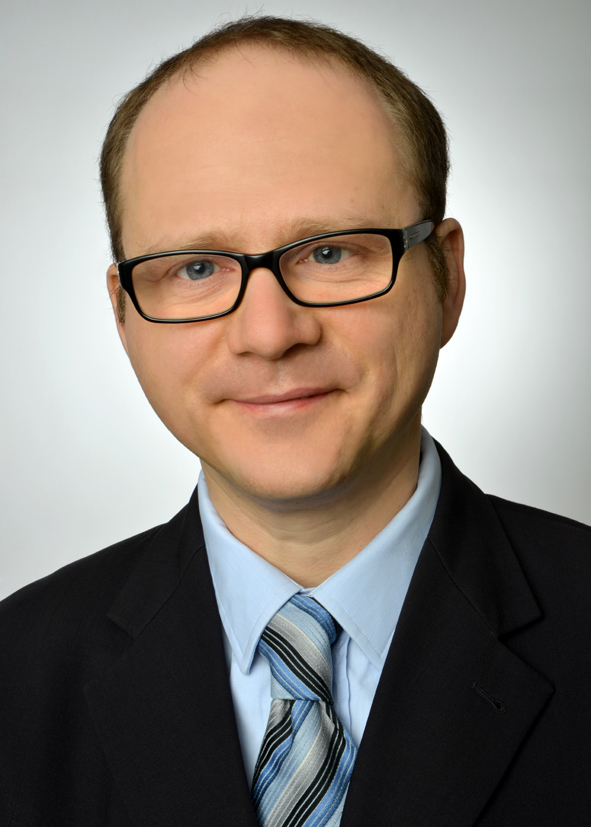
Daniel Kasperمشاهده پروفایل
پژوهشگر
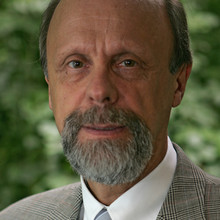
Daniel Kasper is a researcher at the University of Hamburg's Faculty of Education, specializing in Educational Science with a focus on International Educational Monitoring and Reporting. He currently serves as the National Project Manager for TIMSS 2027, continuing his leadership role from previous TIMSS cycles (2023, 2019). His work centers on large-scale educational assessments, statistical methodology, and primary education research. Dr. Kasper completed his Habilitation in Educational Science with special consideration of empirical educational research at TU Dortmund (2012-2020), followed by his PhD in Educational Science at the same institution (2010-2012). He earned his Diploma in Educational Science from the University of Münster (2001-2007). His research interests span evaluation of education systems, primary school research, educational disparities, and advanced statistical methods in education. He has developed significant expertise in TIMSS methodology, multilevel modeling, and analysis of large-scale assessment data, with numerous publications addressing methodological challenges in international comparative studies. Analysis of his 15 most recent publications reveals a strong focus on TIMSS methodology and results, particularly regarding mathematics and science competencies in primary education. His work demonstrates expertise in statistical methodology for educational assessment, with several publications developing and refining analytical techniques for large-scale data. A recurring theme is examining educational disparities related to student composition, socioeconomic factors, and gender differences. Dr. Kasper has served as National Project Manager for multiple TIMSS cycles (2019, 2023, 2027) and has been involved in PIRLS studies, demonstrating sustained leadership in major international educational assessments. His work bridges methodological innovation with practical application in educational monitoring. He teaches courses across all academic levels, including 'Introduction to Empirical Research Methods' for Bachelor students, 'Methods of Empirical Educational Research' for Master students, and advanced workshops on longitudinal scaling and the Rasch model for doctoral candidates. His teaching reflects his dual expertise in educational research methodology and statistical analysis.