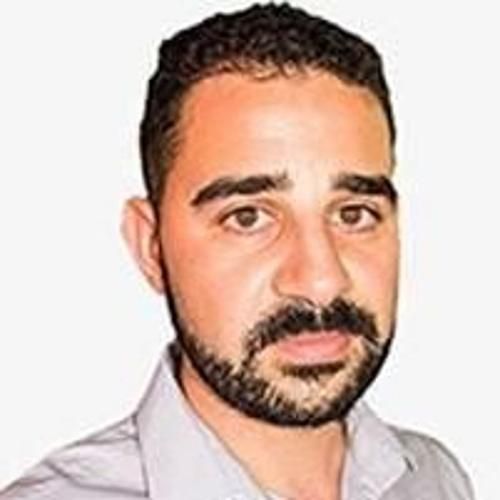
Giuseppe Giorgi is a fixed-term researcher at the Department of Mechanical and Aerospace Engineering (DIMEAS), Politecnico di Torino. He serves as Scientific Coordinator for multiple EU-funded projects including MERMAIDS, BLUE-X, and AIMS, and leads commercial research contracts for offshore wind microclimate studies. Research focuses on hybrid offshore platforms integrating Floating Offshore Wind Turbines (FOWTs) with Wave Energy Converters (WECs) Expertise in nonlinear hydrodynamics , fluid-structure interaction , and experimental validation through lab tests and sea trials Research Interests : Marine Renewable Energy Systems Nonlinear Dynamic Modeling Mechanical and Techno-Economic Optimization Hybrid Wind-Wave Energy Platforms Parametric Resonance Energy Harvesters Scientific Achievements : 2022: IFAC CAMS Best Paper Award 2022: Institution of Civil Engineers - Baker Medal 2022: AIMETA Junior Mechanics of Machines Award 2023: IFToMM Bronze Best Student Paper Award Academic Leadership includes supervising 6 PhD students and teaching Numerical Modeling of Marine Energy Converters (PhD level). His 15 most recent publications focus on wave energy converter optimization, floating wind turbine dynamics, and hybrid offshore energy systems with applications in the Mediterranean Sea and North Sea.
Jie Ding is an Associate Professor at the University of Minnesota's School of Statistics with graduate faculty appointments in Electrical Engineering, Computer Science, and the Data Science Program. He serves as a core faculty member of the Data Science and AI Hub and holds an Amazon Scholar position with the Amazon AGI Team focusing on foundation model training. His educational background includes a Ph.D. in Engineering Sciences from Harvard University (2017), postdoctoral work at Duke University (2018), and a B.S. from Tsinghua University where he participated in both the Math & Physics Academic Talent Program and Electrical Engineering program. Ding's research sits at the intersection of artificial intelligence, statistics, and scientific computing, with focus areas including Agentic AI for autonomous data science workflows, AI Foundations for interpretability and trustworthiness, Scalable Modeling for broader AI accessibility, Decentralized and Collaborative AI systems, and AI Safety addressing privacy and security concerns. He developed the STAT 8931 Generative AI course with open-source materials available at genai-course.jding.org . His recent publications demonstrate strong activity across multiple AI subfields, particularly in value alignment (MAP framework), AI safety mechanisms, federated learning innovations, and statistical foundations for modern AI systems. The breadth of venues (ICML, ICLR, NeurIPS) indicates significant impact across the AI research community. NSF CAREER Award (2024) Army Early Career Program (Young Investigator) Award (2023) Cisco Research Award (2022-25) AWS Cloud Credits for Research (2021-22) Meta/Facebook Faculty Research Award (2021-22) UMN Thank-A-Teacher Teaching Award (2019-20) Ding leads the Agentic AI for Data Science Benchmark initiative, collaborating with University of Minnesota colleagues and Minnesota industry partners to evaluate AI agent capabilities across healthcare, insurance, retail, energy and other sectors. His research group actively recruits PhD students interested in AI/Statistics intersections, with focus on developing theoretically grounded yet practically impactful AI systems.
Konstantinos Christakos is a researcher at the Norwegian Meteorological Institute and an adjunct researcher at the Department of Marine Technology, Norwegian University of Science and Technology (NTNU). His work focuses on metocean statistics, numerical wave modeling, and marine renewable energy applications. Doctoral dissertation: Wind-Generated Waves in Fjords and Coastal Areas (University of Bergen, 2021) Master’s thesis: Characterization of the coastal marine atmospheric boundary layer (MABL) for wind energy applications (University of Bergen, 2013) Christakos specializes in wave modeling for coastal and fjord environments, with a focus on wind-wave interactions, inhomogeneous wave dynamics, and open-source software development. He has contributed to tools like metocean-api , DNORA , and metocean-stats for metocean data analysis and visualization. His recent publications and conference presentations address Arctic wave energy resource assessment, downscaled wave hydrodynamics, and fjord-specific modeling challenges. He actively collaborates with institutions like SFI BLUES, SINTEF, and NOAA, and lectures on marine dynamics and stochastic methods at NTNU. Konstantinos participates in interdisciplinary teams and workshops, emphasizing computational modeling, machine learning integration, and environmental engineering for marine structures.
Prof. Dr. Hanna Meyer is a Professor of Remote Sensing and Spatial Modeling at the Institute of Landscape Ecology, University of Münster (WWU). She leads the Remote Sensing and Spatial Modeling Group and is actively involved in teaching and research in geospatial data science, machine learning, and environmental monitoring. Her work is supported by multiple national and international funding bodies including the DFG, EU Horizon Europe, and internal university grants. B.Sc. Geography, Philipps University Marburg (2007–2010) M.Sc. Environmental Geography, Philipps University Marburg (2010–2013) Ph.D., Philipps University Marburg (2014–2018) Her research focuses on machine learning methods for spatial data, optical remote sensing, environmental monitoring, and spatio-temporal modeling. She develops and applies advanced statistical and machine learning techniques to satellite and drone-based data for mapping ecological variables, land cover, and environmental change. Her work emphasizes methodological rigor, model transferability, and uncertainty quantification in spatial predictions. The recent publications reflect a strong trend in developing and validating machine learning models for environmental mapping, with applications in soil science, peatland hydrology, forest ecology, and polar climatology. She contributes both to theoretical advancements in spatial model validation and to practical software tools in R for geospatial analysis. She has secured competitive research funding for projects such as PRISM, Carbon4D, Uebersat, and BEyond, focusing on spatial pattern recognition, carbon modeling, AI model transferability, and biodiversity prediction. She teaches courses on remote sensing, spatial data analysis with R, and environmental modeling, and supervises students and early-career researchers. She collaborates widely with researchers across institutions and leads a dynamic research group including postdoctoral researchers and students. Her open-source contributions, particularly R packages like CAST and uavRst, support reproducible research in geospatial machine learning.
Dr. Marwa Keshk is a Lecturer in Cyber Security at the School of Professional Studies, University of New South Wales (UNSW) Canberra. Her academic career focuses on the intersection of cybersecurity and artificial intelligence, with particular expertise in privacy preservation, anomaly detection, and threat intelligence. Her educational background includes: PhD in Cyber Security and Privacy Preservation (2021) from UNSW Master's degree in Evolutionary Computation (2017) from UNSW Bachelor's degree in Computer Science (2012) from the Faculty of Computers and Information at Helwan University, Egypt Dr. Keshk's research interests primarily center around the application of artificial intelligence and machine learning techniques to enhance cybersecurity measures. Her work explores how computational intelligence, statistical methods, and emerging technologies can be leveraged for privacy preservation, anomaly detection, and threat intelligence. She has made significant contributions to the security of Internet of Things (IoT) networks, cyber-physical systems, and critical infrastructure protection. Her research often combines theoretical advancements with practical applications, addressing real-world security challenges in increasingly connected digital environments. Analysis of Dr. Keshk's publication history reveals a strong focus on applying AI and machine learning to cybersecurity challenges, particularly in IoT environments. Her work demonstrates a progression from foundational research in evolutionary computation to specialized applications in cybersecurity. Recent publications show increasing emphasis on explainable AI for security applications, reflecting the growing need for transparency in security decision-making processes. Her research spans multiple domains including smart cities, industrial control systems, and power networks, demonstrating the versatility and wide applicability of her security frameworks. Dr. Keshk has received notable recognition for her academic work: UNSW Tuition Fee Scholarship for PhD Research (2018-2021) Data61/CSIRO Scholarship (2019-2021) During her PhD studies, Dr. Keshk was a research candidate at Data61-CSIRO in Australia, providing her with valuable industry experience alongside her academic pursuits. Her collaborative approach to research is evident in her extensive co-authorship with colleagues across various institutions, particularly with researchers from UNSW and other Australian universities. Dr. Keshk's work contributes significantly to several research teams and initiatives focused on cybersecurity and AI at UNSW Canberra. Her expertise complements broader efforts in secure systems development, particularly in the context of increasingly connected environments where traditional security boundaries are challenged by new technologies.
Professor John Close is a Professor and Head of the Department of Quantum Science within the Research School of Physics and Engineering at the Australian National University (ANU). He has held this professorship since 2008 and previously served as Deputy Director of the School from 2012 to 2016. His leadership roles include Chair of the ANU Defence Working Group and Deputy Chair of ANU Academic Board (2015-2017), alongside being a Senior Fellow of the Higher Education Academy. His educational background includes: PhD in Physics from the University of California, Berkeley (1991) Postdoctoral Fellowship at the University of Washington, Seattle (1991-1994) Alexander von Humboldt Fellowship and Max Planck Research Fellowship at the Max Planck Institut für Strömungsforschung, Göttingen (1994-1998) Close's research centers on harnessing quantum fields to develop advanced quantum sensors for fundamental physics and interdisciplinary applications. His experimental and theoretical work spans quantum gravimetry, magnetometry, and Bose-Einstein condensate systems, with direct applications in mapping archaeological sites, volcanoes, aquifers, and mineral deposits. He actively explores quantum wavelet representations, higher-dimensional information processing, motion simulation, and biological quantum sensing through extensive collaborations with Earth Science, Biology, and Industry partners. Analysis of his recent publications reveals a dominant focus on compact mobile quantum sensing platforms, atom interferometry innovations, and sensor fusion techniques. His work bridges quantum physics with practical navigation, geophysical surveying, and environmental monitoring solutions, emphasizing real-world deployment of quantum technologies for precision measurements in gravimetry and inertial navigation. His scientific recognition includes: Alexander von Humboldt Fellowship (1994-1998) Queen Elizabeth II Fellowship (2000) National Teaching Award for Research Led Education (2006) As a former member of the Australian Research Council College of Experts (2015-2018), Close has significantly influenced national research funding while securing grants for interdisciplinary quantum projects. His educational leadership as Deputy Director of the Research School of Physics and Engineering (2012-2016) demonstrates commitment to research-led teaching, recognized by his national teaching award. Close leads the Atom Laser Research Group, driving experimental work in quantum sensor development and Bose-Einstein condensate applications. His team focuses on translating quantum phenomena into deployable technologies for defense, resource exploration, and environmental monitoring through industry and international academic partnerships.
Scott Goddard serves as Assistant Professor of Statistics at the University of Alaska Fairbanks since 2015, holding a PhD from Texas A&M University (2015). His office is located in CH 201E with contact via sdgoddard@alaska.edu. His research spans Bayesian Statistics , focusing on theoretical development and practical applications. Key interests include hypothesis testing , variable selection , and Bayesian philosophy , with methodologies applied to engineering, ecological, and petroleum systems. Recent work demonstrates interdisciplinary collaboration through reservoir characterization algorithms and wildlife movement modeling. Publications reveal a trend toward real-world Bayesian implementations, particularly in energy extraction and ecological monitoring, often co-authored with graduate researchers. His advising includes UAF students Yuhun and J. M. Eisaguirre, whose thesis work contributed to peer-reviewed publications in SPE Reservoir Evaluation & Engineering and Methods in Ecology and Evolution.
Dr. Neil Bezodis is Associate Professor of Biomechanics and Technology in the School of Sport and Exercise Sciences at Swansea University, where he leads the Elite and Professional Sports (EPS) Research Group. His work bridges biomechanical research with practical applications in professional sports, collaborating with organizations including British Athletics, the English Institute of Sport, and various rugby institutions. Neil's research focuses on understanding the biomechanics of sports techniques, with particular emphasis on sprint acceleration and Rugby Union. His work employs both empirical and simulation methods to analyze athletic performance, contributing significantly to our understanding of how technical factors influence outcomes in competitive sports. He has developed expertise in analyzing sprint starts, acceleration phases, and place-kicking techniques across various athletic disciplines. His recent publications reveal a strong trend toward interdisciplinary research combining biomechanics with technology development. A significant portion of his work examines sprint acceleration mechanics, particularly the initial phases of sprinting in both track athletes and rugby players. Another major focus is rugby place-kicking biomechanics, analyzing factors that contribute to successful kicking performance. His research increasingly incorporates wearable technology and sensor applications for performance monitoring and enhancement. Dr. Bezodis has received several notable honors: Fellow of the Higher Education Academy (HEA) since 2012 Elected director of the International Society for Biomechanics in Sport (ISBS) since 2014 ISBS Fellow (2017) Elected Vice President (Awards) of ISBS (2019) As a supervisor, Dr. Bezodis guides multiple postgraduate research projects focusing on performance enhancement in Olympic sports, swimming starts, sports wheelchair design, and football readiness assessment. He collaborates with industrial partners including the English Institute of Sport and the Welsh Government on projects developing printed smart devices for Olympic athletes. His EPS Research Group serves as a hub for biomechanics research with direct applications to professional sports performance. Dr. Bezodis leads the Elite and Professional Sports Research Group at Swansea University, which collaborates with international institutions including Auckland University of Technology, Fukuoka University, and the National Institute of Fitness and Sport in Kanoya. The group works closely with sporting organizations such as British Athletics, the English Institute of Sport, and various rugby unions to translate biomechanical research into practical performance enhancements for elite athletes.
Judy S. LaKind, PhD is an Adjunct Associate Professor in the Department of Epidemiology and Public Health at the University of Maryland School of Medicine and President of LaKind Associates, LLC. She also holds a courtesy fellowship with the Department of Applied Mathematics and Statistics at Johns Hopkins University. With expertise spanning exposure science, biomonitoring, and risk assessment, Dr. LaKind has established herself as a leading figure in environmental health research and practice. Dr. LaKind earned her PhD in Geography and Environmental Engineering from Johns Hopkins University (1988), an MS in Geology from the University of Wisconsin, Madison (1984), and a BA in Earth and Planetary Sciences from Johns Hopkins University (1982). Her educational background provides a strong foundation for her interdisciplinary work at the intersection of environmental science and public health. Her research focuses on exposure science, biomonitoring, systematic reviews, and risk assessment, with particular emphasis on children's exposures to environmental chemicals, uncertainty in risk assessment processes, chemical use risk-benefit analyses, environmental chemicals in human milk, and time-dependence of exposure. She has pioneered methods for translating exposure data into meaningful risk assessments and has developed frameworks like the Matrix for bridging epidemiology and risk assessment gaps. Dr. LaKind's recent publications reveal a strong focus on PFAS contamination in breast milk and infant formula, biomonitoring methodologies, NHANES data interpretation, and the evolving relationship between epidemiological findings and regulatory risk assessment. Her work consistently addresses critical gaps in understanding how environmental chemicals affect vulnerable populations, particularly infants and children. Among her notable recognitions, Dr. LaKind served as President of the International Society of Exposure Science. She currently serves on the editorial boards of the Journal of Toxicology and Environmental Health, the Journal of Environmental Exposure Assessment, and Environment International, where she also serves as a Special Issues editor. Dr. LaKind has advised numerous research projects through her leadership roles and editorial positions. She has developed and managed scientific workshops, contributed to systematic review methodologies, and provided expert guidance on exposure science applications in regulatory contexts. Her work with LaKind Associates, LLC focuses on assessment of exposure data in epidemiology studies, critical evaluation of environmental chemical science, and evaluation of biomonitoring data databases like NHANES. As President of LaKind Associates, LLC, she leads a human health risk science firm specializing in exposure science and evaluation of scientific data for regulatory decision-making. Her firm has developed innovative approaches including the Biomarker Reliability Assessment Tool (BRAT) and contributed to the development of the HB2GV Dashboard for interpreting biomonitoring data.
Don Chen is a Professor in the Department of Engineering Technology and Construction Management at the William States Lee College of Engineering, University of North Carolina at Charlotte, specializing in civil engineering technology and construction management. His research integrates advanced computational methods with infrastructure engineering to address critical challenges in transportation and construction systems. His educational background includes: Ph.D. in Civil Engineering, Iowa State University, Ames, IA, August 2006 M.S. in Civil Engineering, Iowa State University, Ames, IA, December 2002 B.S. in Civil Engineering, Tongji University, Shanghai, China, July 1992 Professor Chen's research focuses on Pavement Management Systems, Building Information Modeling (BIM), Parametric Modeling and Visualization, Accelerated Bridge Construction, and Deep Learning in Construction. His work develops innovative models for pavement performance prediction, BIM-based energy optimization, and construction process visualization, significantly advancing infrastructure management and sustainable construction practices through data-driven approaches and computational intelligence. His scientific recognition includes: LEED AP (Leadership in Energy and Environmental Design Accredited Professional) since June 2009 Autodesk Certified Professional: Revit Architecture (2018 to present) Professor Chen has secured substantial research funding as Principal Investigator (PI) and Co-PI on multiple grants, primarily from the North Carolina Department of Transportation (NCDOT) and buildingSMART International. His projects include "Development of Performance Curves for Composite Pavements in PMS" (NCDOT, 2015-2017), "Setting Appropriate Benefit/Condition Jumps for Pavement Treatments in PMS" (NCDOT, 2015-2017), "Evaluation of Benefit Weight Factors and Decision Trees for Automated Distress Data Models" (NCDOT, 2014-2016), and "Generating Construction Schedules Using OPEN BIM" (buildingSMART International, 2013). His scholarship of teaching and learning grant developed the Project-Based Integrated Work/Review Cycle (PBIWR) for accelerated construction education. He actively integrates BIM and deep learning technologies into construction engineering curricula and industry practices, developing frameworks for fenestration systems and energy-efficient building design while advancing pavement management methodologies through sophisticated performance modeling.
Professor Eigil Kaas is affiliated with the Niels Bohr Institute at the University of Copenhagen . His work spans climate dynamics , numerical weather prediction (NWP) , and atmospheric modeling . As former Section Head of Climate and Computational Geophysics , he leads research on climate-chemistry coupling and sea ice impacts. Education : MSc (1987) and PhD (1993) in Meteorology from University of Copenhagen Research Focus : Climate dynamics and physics Numerical methods in atmospheric models Machine learning for weather prediction Arctic sea ice-climate interactions Thunderstorm electricity and radiation Coupled atmosphere-ocean modeling Article Trends : Recent work combines neural networks with radiative transfer optimization Focus on storm dynamics and gamma-ray flashes Extreme precipitation modeling under climate change Pioneering tidal flow studies in Faroe Island fjords Teaching Legacy : Instructor of Atmospheric Physics and Dynamical Meteorology courses Developed zonally averaged climate model for educational use Mentored 12 PhD/MSc students with DMI/ECMWF collaborations Professional Roles : Chairman of BFI Group 28 (Geosciences & Climate) Scientific Advisory Committee member at ECMWF Project lead in EU ENSEMBLES and PEGASOS initiatives
Jean-Marc Mwenge Kahinda is an Associate Professor of Water Engineering at the University of the Witwatersrand's School of Civil and Environmental Engineering in Johannesburg, South Africa. With over 20 years of experience in the water sector, he has established himself as a leading expert in water resources engineering and management, particularly in the Southern African Development Community (SADC) region. His educational background includes: PhD from University of the Witwatersrand MSc (Eng) in Water Resources Engineering and Management from University of Zimbabwe BSc (Eng) in Mining Engineering from University of Lubumbashi (DRC) Professor Mwenge Kahinda's research focuses on the critical intersection of land and water management, with particular emphasis on sustainable practices that address land degradation in semi-arid regions. His work integrates hydrological processes, ecosystem management, and climate change adaptation strategies to develop practical solutions for water security challenges. He has pioneered research on rainwater harvesting systems, developing GIS-based decision support tools that have contributed to nationwide implementation of these practices in South Africa. Analysis of his recent publications reveals a strong focus on land degradation assessment in the Greater Sekhukhune District Municipality, utilizing advanced geospatial techniques and social-ecological systems approaches. His research increasingly incorporates remote sensing technologies (particularly Sentinel-2 satellite imagery) and multi-criteria analysis to understand the complex interactions between human activities, climate change, and land degradation processes in semi-arid environments. As an active academic, he serves as guest editor for the Elsevier Journal of Physics and Chemistry of the Earth and as an academic editor for PLOS Water. He regularly reviews for accredited journals and research reports in his field. Professor Mwenge Kahinda supervises PhD and MSc students across multiple universities and has extensive experience lecturing on water-related subjects throughout the SADC region. He organizes and conducts specialized training and short courses on water management topics. His leadership in multidisciplinary research projects focuses on securing and managing water resources through integrated approaches that consider both technical and social dimensions of water management challenges.
F. Donelson (Don) Smith is a Research Professor in the Department of Computer Science at the University of North Carolina at Chapel Hill . He holds a Ph.D. in Computer Science (1978) from UNC-Chapel Hill, with prior degrees in Chemistry (1962) and Industrial Management (1964) from the University of Tennessee. Key research areas: Computer networking, multimedia systems, distributed systems Collaboration with: Kevin Jeffay , Jasleen Kaur , and the DiRT Lab Notable contributions include: Co-inventor of U.S. Patents 7,444,720 (2008) and 5,892,754 (1999) Key roles at IBM (1965-1997) in network architecture , protocol development , and multimedia networking Active in professional service: Program Chair, TriComm '91 Co-chair, ACM CSCW '94
Manuel Jesus Espinosa Gavira is a researcher at the Department of Automation, Electronics, Architecture and Computer Networks Engineering at the University of Cádiz, Spain. He is affiliated with the TIC168 Computational Instrumentation and Industrial Electronics research group under the Information and Communication Technologies PAIDI area. Research Focus: His work centers on power quality analysis, wireless sensor networks, and smart grid technologies. Key contributions include developing instrumentation systems for voltage supply characterization, cloud-induced photovoltaic transient analysis, and synchronized sensor networks for industrial applications. His PhD thesis (2023) explored sensor networks for short-term solar prediction in microgrids and smart cities. Publications Trends: Recent work focuses on higher-order statistics (HOS) for power quality monitoring, photovoltaic plant optimization using weather forecasts, and frequency domain analysis for grid stability. These publications reflect expertise in computational instrumentation, renewable energy integration, and real-time monitoring systems.
Ko, Jonghyeon is a researcher affiliated with the Ulsan National Institute of Science and Technology (UNIST) , specifically the Department of Materials Science and Engineering within the College of Natural Science and Engineering. His work spans multiple disciplines including process mining, anomaly detection, blockchain technology, AI computing, and environmental engineering. His research interests include: Anomaly detection in business process event logs Blockchain-based systems for nuclear/radioactive waste management AI computing using neuromorphic devices Statistical leverage and information-theoretic approaches to process mining Optimization of autonomous vehicle safety systems Recent publications demonstrate expertise in developing formal languages for data quality simulation, probabilistic trace alignment methods, and practical tools for anomaly detection like AIR-BAGEL. While no explicit scientific awards are mentioned in the text, his work has been published in venues such as Information Systems , npj Unconventional Computing , and Expert Systems with Applications .