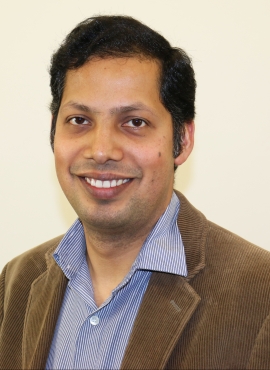
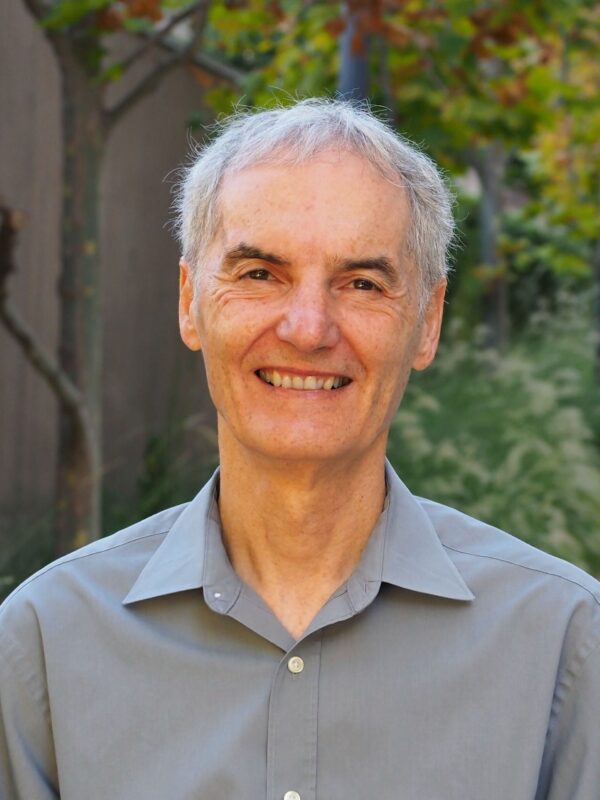
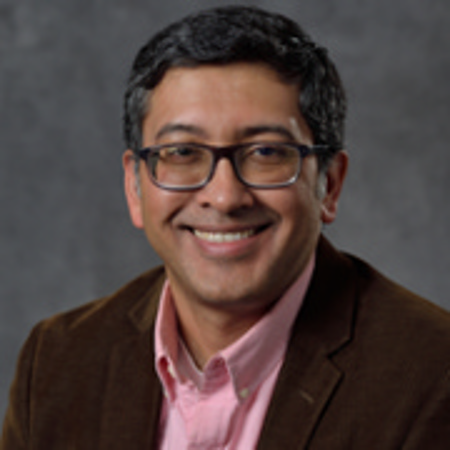
Paul Boersma is a Professor of Phonetic Sciences at the University of Amsterdam within the Faculty of Humanities. His research explores how phonetic, phonological, and morphological phenomena emerge through computational modeling using artificial neural networks and Optimality Theory, with a focus on multi-level constraint interactions and distributional learning. University of Amsterdam Faculty of Humanities Phonetic Sciences Key research areas include: Computational Modeling : Simulations of phonological category emergence from phonetic data Optimality Theory : Gradual Learning Algorithm applications BiPhon Framework : Parallel bidirectional phonology/phonetics models Statistical Learning : Cross-situational and distributional learning mechanisms Recent publications emphasize: 2025: Inclusive speech recognition systems using Whisper model 2025: F0 ratio analysis for creaky voice diagnostics 2024: Prosodic clitics in child speech and checked tones in Shanghai Chinese 2023: Distributional learning in developmental language disorder contexts 2022: Substance-free phonological features and ghost segment phenomena He has also contributed extensively to the Praat software for phonetic analysis, with continuous updates since 1993.
Esa Ollila serves as Associate Professor in the Department of Signal Processing and Acoustics at Aalto University, Finland, and holds an adjunct professorship in Statistics at the University of Oulu. His academic appointments include Academy of Finland Research Fellow (2010-2015) and prior senior research/lecturing roles at both institutions. His educational background features: M.Sc. in Mathematics, University of Oulu (1998) Ph.D. in Statistics (with honors), University of Jyväskylä (2002) D.Sc.(Tech) in Signal Processing (with honors), Aalto University (2010) Professor Ollila's research centers on statistical signal processing and robust statistical methodologies , with significant contributions to array processing, high-dimensional data analysis, and covariance matrix estimation. His work bridges theoretical statistics with practical applications in radar systems, wireless communications, and big data analytics, emphasizing robustness against outliers and computational efficiency in modern data-intensive environments. Current focus areas include compressed sensing, sparse approximation, and blind source separation techniques. Analysis of his 15 most recent publications (2024-2025) reveals three dominant trends: (1) robust covariance learning for massive random access systems, (2) integrated sensing and communications (ISAC) for 6G networks using advanced beamforming, and (3) geometric approaches to elliptical distributions in statistical inference. His work increasingly incorporates deep learning (GANs, graph neural networks) while maintaining strong foundations in classical signal processing theory. Key recognitions include: Academy of Finland Postdoctoral Fellowship (2004-2007) Academy of Finland Research Fellowship (2010-2015) His research has been supported through prestigious Academy of Finland grants totaling over a decade of continuous funding. Professor Ollila currently leads an active research group at Aalto University, supervising doctoral candidates and collaborating internationally with institutions including Princeton University (where he served as Visiting Post-doctoral Research Associate during 2010-2011). He maintains strong ties with the University of Oulu through his adjunct professorship and has contributed to EURASIP's Special Area Team on Theoretical and Methodological Trends in Signal Processing. The Esa Ollila Research Group focuses on cutting-edge challenges in statistical signal processing, with current projects spanning robust DOA estimation under non-Gaussian noise, covariance matrix learning for massive MIMO systems, and machine learning-enhanced radar-communication integration. The group actively develops open-source tools like the fitHeavyTail R package for heavy-tailed distribution modeling and maintains collaborations with industry partners in wireless communications.
Gary M. Shaw is the Rosemarie Hess Professor and Professor (Research) at Stanford University , with courtesy appointments in the Department of Epidemiology and Population Health and Department of Obstetrics & Gynecology - Maternal Fetal Medicine . He serves as Co-PI of the March of Dimes Prematurity Research Center at Stanford and PI of the California Center for Finding Causes and Preventives of Birth Defects . His research focuses on the Epidemiology of birth defects Gene-environment interactions in perinatal outcomes Nutritional factors in reproductive health . He has developed machine learning approaches for precision parenteral nutrition and predictive models for preterm birth, while investigating persistent metabolomic signatures following hypertensive pregnancy disorders. Shaw's recent work explores Climate change impacts on reproductive health Maternal-fetal immune interactions Epigenetic mechanisms in perinatal disease with applications of multiomics to neonatal intensive care units. As a member of Bio-X and the Maternal & Child Health Research Institute , he contributes to translational research networks while serving as Associate Editor for Birth Defects Research and American Journal of Medical Genetics . He supervises Med Scholar Project student Richard Liang Doctoral co-advisor for Saskia Comess and Richard Liang Master's advisor for Lenae Joe while leading the Division of Neonatology as Associate Chair for Clinical Research (2012-2025). His laboratory work integrates Metabolomic profiling Proteomic analysis Computational modeling Machine learning for biomedical data to advance neonatal care through precision medicine approaches.
Joel Zylberberg is an Adjunct Assistant Professor at the University of California, Los Angeles (UCLA), affiliated with the Department of Ophthalmology within the School of Medicine . His research bridges Computational Neuroscience , Neural Networks , and Machine Learning , focusing on how neural activity and biological mechanisms inform artificial intelligence and visual cortex dynamics . Joel's work explores retinal computation , population coding , and neural adaptation , often analyzing mouse visual cortex and neurophysiological data . His recent publications highlight trends in dynamic retinal processes , stimulus-driven network topology , and brain-inspired machine learning , emphasizing the interplay between biophysics and computational modeling . Collaborators include Greg Field (UCLA), Richard Born (Harvard), and Michael DeWeese (UC Berkeley), with affiliations spanning institutions like University of Washington and University of California, San Diego (UCSD). His work appears in journals such as Nature Neuroscience , Neuron , and PLOS Computational Biology .
Rachel Heath is the Alberta C. Corkery Professor of Economics at the University of Washington, where she has been a faculty member since 2011. She was promoted to Associate Professor in 2018 and to her current named professorship in 2024. Her research focuses on development and labor economics, with particular emphasis on women's economic empowerment in developing countries. Dr. Heath received her PhD in Economics from Yale University in 2011, following an M.Phil (2008) and M.A. (2007) from the same institution. She earned her B.S. in Economics, magna cum laude, from Duke University in 2005, where she was also awarded the Robertson Scholarship and elected to Phi Beta Kappa. Her research interests span several interconnected areas within development economics. Much of her work examines labor market opportunities for women in developing countries, particularly in the garment industry in Bangladesh. She investigates how these new job opportunities affect women's lives, the factors influencing women's decisions to join the labor force, and how to improve working conditions in export manufacturing. Her research also explores intra-household resource allocation, social networks, and the relationship between female labor force participation and domestic violence. She has conducted extensive fieldwork in Africa (particularly Ghana) and South Asia (particularly Bangladesh). Her recent publications show a consistent focus on women's economic empowerment across multiple dimensions. She has examined the effects of graduation programs targeting women in the Democratic Republic of Congo, the impact of international scrutiny on manufacturing workers following the Rana Plaza collapse in Bangladesh, and labor supply responses to health shocks in urban Ghana. Her work often employs rigorous experimental and quasi-experimental methods to establish causal relationships. Dr. Heath has received numerous honors and awards for her scholarly contributions: Milliman Distinguished Scholar (2018-2024) World Bank Economic Review Excellence in Refereeing Award (2018, 2022, 2023) Corkery Distinguished Scholar (2017-2018) American Institute of Bangladesh Studies Program Support Award (2016) As an advisor, Dr. Heath has chaired or served on committees for numerous PhD students, many of whom have gone on to academic positions at institutions including UCLA, Rhodes University, Central Bank of Colombia, and Bryant University. Her research has been supported by substantial grants from organizations including the International Growth Centre, Weiss Foundation, Women's Economic Empowerment and Digital Connectivity initiative, and the Social Science Research Council. Dr. Heath is actively engaged with several research centers and initiatives, including the Abdul Latif Jameel Poverty Action Lab (J-PAL), Henry Bridges Center for Labor Studies, Bureau for Research and Economic Analysis of Development (BREAD), Center for Effective Global Action (CEGA), and Center for Statistics in the Social Sciences (CSSS) at the University of Washington.
Mohit Singh is the Coca-Cola Foundation Professor at the H. Milton Stewart School of Industrial and Systems Engineering, Georgia Institute of Technology. He previously held positions at Microsoft Research (2011-2016) and as an Assistant Professor at McGill University (2010-2012). PhD in Algorithms, Combinatorics, and Optimization (ACO) at Carnegie Mellon University His research focuses on discrete optimization , approximation algorithms , and convex optimization , with applications to combinatorial optimization, submodular functions, and network design. He has contributed to topics like Sticky Brownian Rounding, integrality gaps, and online adaptive algorithms. His recent work includes theoretical advancements in matroid constraints, dimensionality reduction, and submodular maximization. He has published extensively in top conferences such as FOCS, SODA, ICML, and NeurIPS. He has been recognized with the Coca-Cola Foundation Professorship and served as Director of the Algorithms and Randomness Center at Georgia Tech (2019-2023). He has also held editorial roles and organized key academic workshops like the Bellairs Workshop on Approximation Algorithms (2011). His teaching includes advanced courses on approximation algorithms, combinatorial optimization, and linear inequalities. He has collaborated with institutions such as Microsoft Research and McGill University.
Mark S. Handcock is a Distinguished Professor in the Department of Statistics and Data Science at the University of California, Los Angeles (UCLA), where he leads research at the intersection of statistical methodology and applied problems in social sciences, epidemiology, and environmental science. His work bridges theoretical statistics with real-world challenges through innovative methodological development. His primary research interests encompass statistical models for social networks, network inference, methodology for hard-to-reach population surveys, spatial processes, demography, and environmetrics. Handcock has pioneered advances in exponential-family random graph models (ERGMs) and developed foundational R packages like ergm and tergm within the statnet suite, enabling sophisticated network analysis across disciplines. Analysis of his recent publications (2023-2025) reveals three dominant research thrusts: (1) Antarctic sea ice modeling using Bayesian reconstruction and temporal variability analysis, (2) epidemiological modeling of infectious disease transmission dynamics (particularly COVID-19), and (3) methodological innovations in network inference and causal analysis over stochastic networks. His work consistently integrates advanced computational statistics with domain-specific applications in climate science, public health, and social systems.
Sudin Bhattacharya is an Associate Professor at the BioMolecular Science Gateway, Michigan State University, with affiliations in the Genetics & Genome Sciences Program and Cell & Molecular Biology Program. His research bridges computational biology and toxicology to understand complex biological systems. Email: sbhattac@msu.edu Research Interests Dr. Bhattacharya specializes in systems toxicology, focusing on computational modeling of gene regulatory networks, single-cell transcriptomics, and molecular dynamics in response to environmental toxicants. His work examines how chemical exposures disrupt cellular pathways and contribute to disease mechanisms. Article Trends His recent publications emphasize: Single-cell and single-nucleus RNA sequencing for toxicological profiling Computational models of circadian rhythms and intercellular communication Dose-dependent responses to environmental chemicals like TCDD and heavy metals Mechanistic studies of adipose tissue remodeling and hypertension Applications of machine learning in chemical risk assessment Integrative approaches to liver metabolism and disease modeling Scientific Contributions Dr. Bhattacharya has pioneered multiscale modeling of biological systems, particularly in hepatic and vascular contexts. His work on the aryl hydrocarbon receptor and PPARα signaling networks has advanced predictive toxicology frameworks.
Cécile Mailler is a Reader in Probability at the University of Bath, where she is a member of the probability group Prob-L@B. She has held significant research positions including an EPSRC postdoctoral fellowship (2018-2021) titled "Random trees: analysis and applications" and previously worked as a postdoc at Prob-L@B (2013-2016) as part of Peter Mörters' EPSRC project "Emergence of Condensation in Stochastic Networks". She earned her PhD under the supervision of Brigitte Chauvin and Danièle Gardy at the Laboratoire de Mathématiques de Versailles. Her research focuses on probability theory with emphasis on branching processes, random trees, reinforcement mechanisms, Pólya urns, stochastic approximation, random networks, and statistical physics. She has made significant contributions to understanding preferential attachment models, zero-range processes, and random Boolean trees. Her work bridges theoretical probability with applications in statistical physics and combinatorics. Analysis of her recent publications shows a strong focus on random tree structures, branching processes, and reinforcement learning algorithms, with applications spanning from network theory to statistical mechanics. Her research demonstrates sophisticated mathematical techniques applied to complex stochastic systems, particularly those with reinforcement mechanisms and memory effects. Associate Editor of the Applied Probability Trust (since October 2020) Associate Editor of Stochastic Processes and Their Applications (since March 2022) Author of a general introduction to Pólya urns for the LMS Newsletter (November 2020) Co-organizer of the "Random Walks: Applications and Interactions" conference at CIRM (January 2026) She actively supervises PhD students working on topics including the multi-city ants process, Pólya urns with growing initial composition, large deviations for the Monkey walk, and competing growth processes. She has secured research funding through EPSRC fellowships and has been involved in multiple collaborative projects with prominent researchers in probability theory. Mailler regularly teaches mini-courses on advanced probability topics at international summer schools and workshops, demonstrating her commitment to knowledge dissemination in the field.
Alexander Russell is a Professor of Computer Science and Mathematics at the University of Connecticut, serving as Director of Graduate Affairs in the School of Computing and Director of the UConn Voting Technology Research Lab. He holds a Ph.D. in Mathematics and an S.M. in Computer Science from MIT, alongside dual B.A. degrees in Mathematics and Computer Science from Cornell University. His research focuses on cryptographic protocols, blockchain security, quantum computing, algorithms, and election auditing. Key areas include consensus algorithms, complexity-theoretic cryptography, and applied cryptography in voting systems. Recent work emphasizes low-variance risk-limiting audits and adaptive security mechanisms for blockchains. Notable contributions span provably secure blockchain protocols (e.g., Ouroboros), election integrity methods, and smartphone-based depression prediction models. His articles address topics like settlement bounds in longest-chain consensus, Byzantine-resilient gossip protocols, and energy-efficient neighbor discovery in mobile networks. Russell advises on interdisciplinary projects at the Voting Technology Research Center and collaborates on grants involving quantum-resistant cryptography and healthcare analytics. His work bridges theoretical computer science with practical applications in secure systems and public infrastructure.
Rebecca Long is a Professor of Management at Mississippi State University's College of Business, Department of Management & Information Systems. Her academic career spans over three decades with expertise in family business dynamics, organizational theory, and complexity sciences. She earned a Ph.D. in Organization Theory from Louisiana State University (1992), an MBA in Human Resource Management from the University of Southern Mississippi (1987), and a BBA in Human Resource Management from the same institution (1986). Her research focuses on family firm succession, social exchange theory, and strategic management. She explores how familial relationships influence innovation, HR practices, and ethical cohesion in family enterprises. Notable works include studies on bifurcation bias in family firms and the role of absorptive capacity in innovation outcomes. Her work bridges complexity science methodologies with traditional management research, emphasizing dynamic capabilities. Recent presentations address entrepreneurial teams in funding dynamics, family CEO impact on innovation, and social capital in family business networks. While no formal awards are listed, her extensive publication record reflects sustained academic contribution. She has advised numerous graduate students (not explicitly listed here) and contributed to research productivity studies in academia. Her research spans quantitative and qualitative methods, with notable methodological contributions in OLS assumptions and logistic regression applications. Current work continues to explore family social capital, succession planning, and ethical frameworks in family enterprises.
Jennifer Dy is a Distinguished Professor at Northeastern University with joint appointments in Electrical and Computer Engineering and Khoury College of Computer Sciences. As Director of AI Faculty at the Institute for Experiential AI, she leads research in machine learning, computer vision, and explainable AI. Her work spans biomedical applications (COPD phenotyping, neuroimaging) and fundamental algorithms (active learning, continual learning). She holds a PhD from Purdue University and is an AAAI Fellow. Research Focus: Dy develops methodologies for robust and interpretable machine learning, including techniques for model stability in continual learning, dependency-aware active learning, and axiomatic explanation frameworks. Her applied research advances diagnostic tools using Raman spectroscopy, CT imaging, and multi-omics biomarker discovery. Awards: Recognized with the NSF CAREER Award, Faculty Research Team Award, and AAAI Fellowship for contributions to unsupervised learning and medical AI. Publication Trends: Recent articles demonstrate strong cross-disciplinary integration, combining theoretical advances in explainability/robustness with applications in healthcare, wireless systems, and particle physics. Methodological themes include optimal transport theory, probabilistic modeling, and transformer architectures.
Richard B. Sowers is a Professor at the University of Illinois at Urbana-Champaign, holding joint appointments in the Department of Industrial and Enterprise Systems Engineering, Mathematics, and Statistics (courtesy). He has held faculty positions since 1996, starting as an Assistant Professor in Mathematics and advancing to Professor across multiple departments. His research spans stochastic processes, financial engineering, and data analytics. He also serves as a Research Principal at the Office of Financial Research since 2012. Education: B.S. in Electrical Engineering (Drexel University, 1986), M.S. and Ph.D. in Applied Mathematics (University of Maryland, 1988 and 1991). Research Interests: Financial networks, stochastic systems, and applications in decision-making and control. His work bridges theoretical probability with practical domains like finance and healthcare. Recent articles focus on machine learning applications in gait analysis for neurological disorders and stochastic modeling in financial systems. Professional Contributions: Taught courses in stochastic calculus, deep learning, and financial mathematics. His research often involves interdisciplinary collaboration, including projects on credit risk, algorithmic trading, and wearable technology for health monitoring. Labs/Teams: Active in the Institute for Predictive and Computational Science, focusing on data-driven solutions for complex systems.
Charless Fowlkes is a Professor in the Department of Computer Science at the University of California, Irvine (UCI). His research focuses on computational vision, spanning human visual system understanding, machine vision systems, and applications in biomedical informatics and forensic science. He holds a Ph.D. from UC Berkeley (2005). His work integrates techniques from computer vision, AI, and applied mathematics to address challenges in automated biological data analysis, morphology, and spatial gene expression. Key research areas include forensic science (e.g., shoeprint matching via 3D reconstruction), biomedical applications (e.g., heart function mapping and pollen classification), and AI-driven systems for scene understanding. Recent projects include a $20M forensic science center funded by the National Institute of Justice. His publications emphasize geometric reasoning, 3D reconstruction, and adaptive learning algorithms. Notable contributions include developing algorithms for 3D human pose estimation with scene constraints, automated pollen identification via CNNs, and frameworks for cross-domain forensic analysis. His work bridges theoretical computer vision with real-world applications in forensics, healthcare, and environmental science.
Zsofia Zavecz is a Research Associate at the University of Cambridge Department of Psychology. Her work focuses on the neurophysiological mechanisms underlying sleep and memory consolidation, with particular emphasis on electrophysiological correlates of lucid dreaming and sleep-dependent learning. Research highlights include: Investigation of EEG functional connectivity during statistical learning Study of transcranial stimulation effects on probabilistic learning Analysis of sleep restriction impacts on hormonal regulation Exploration of cognitive reserve mechanisms in sleep disorders Her neuroscientific investigations span procedural memory systems, neural oscillations, and cross-population studies in both healthy individuals and pediatric sleep-disordered breathing patients.