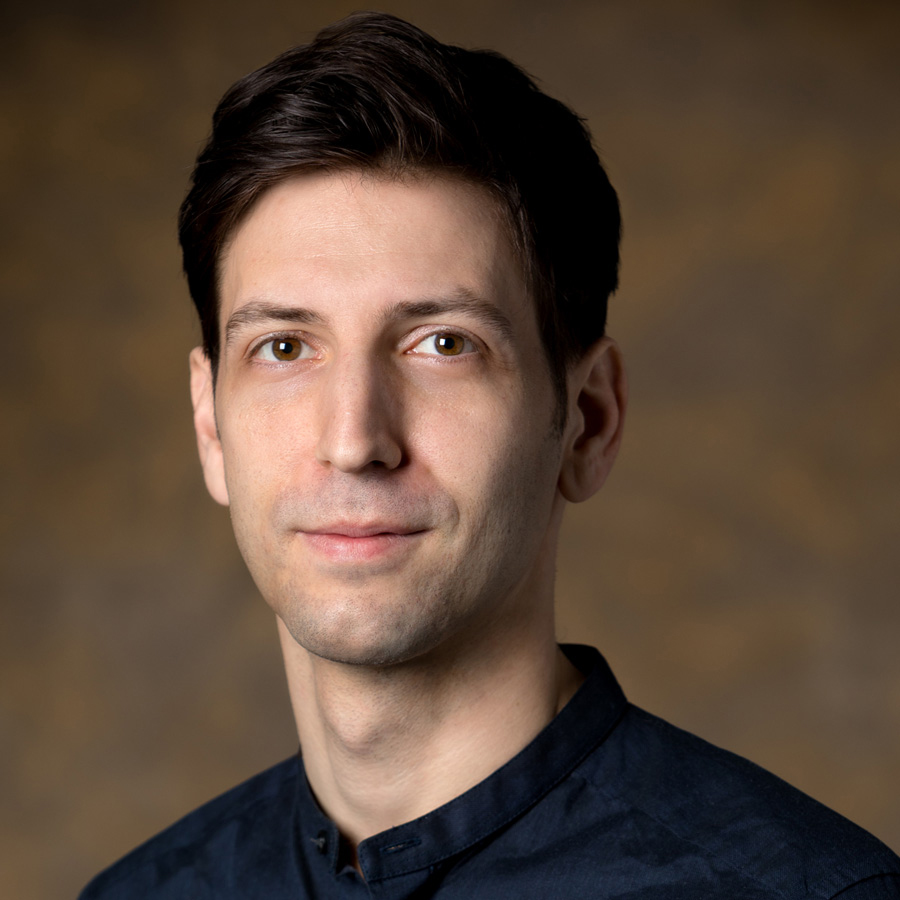
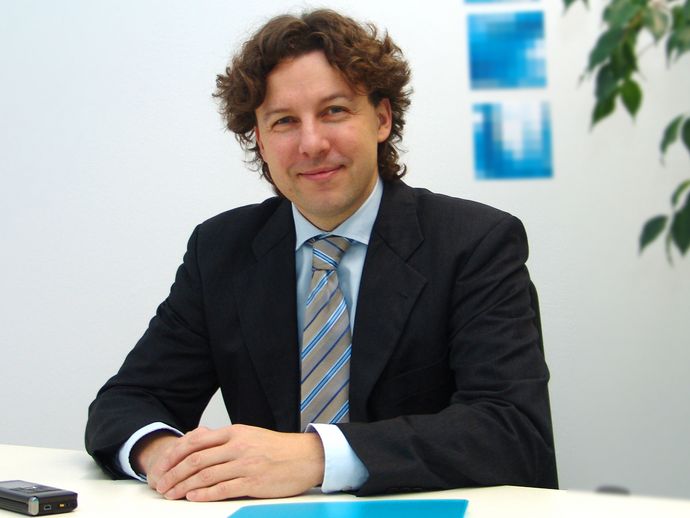
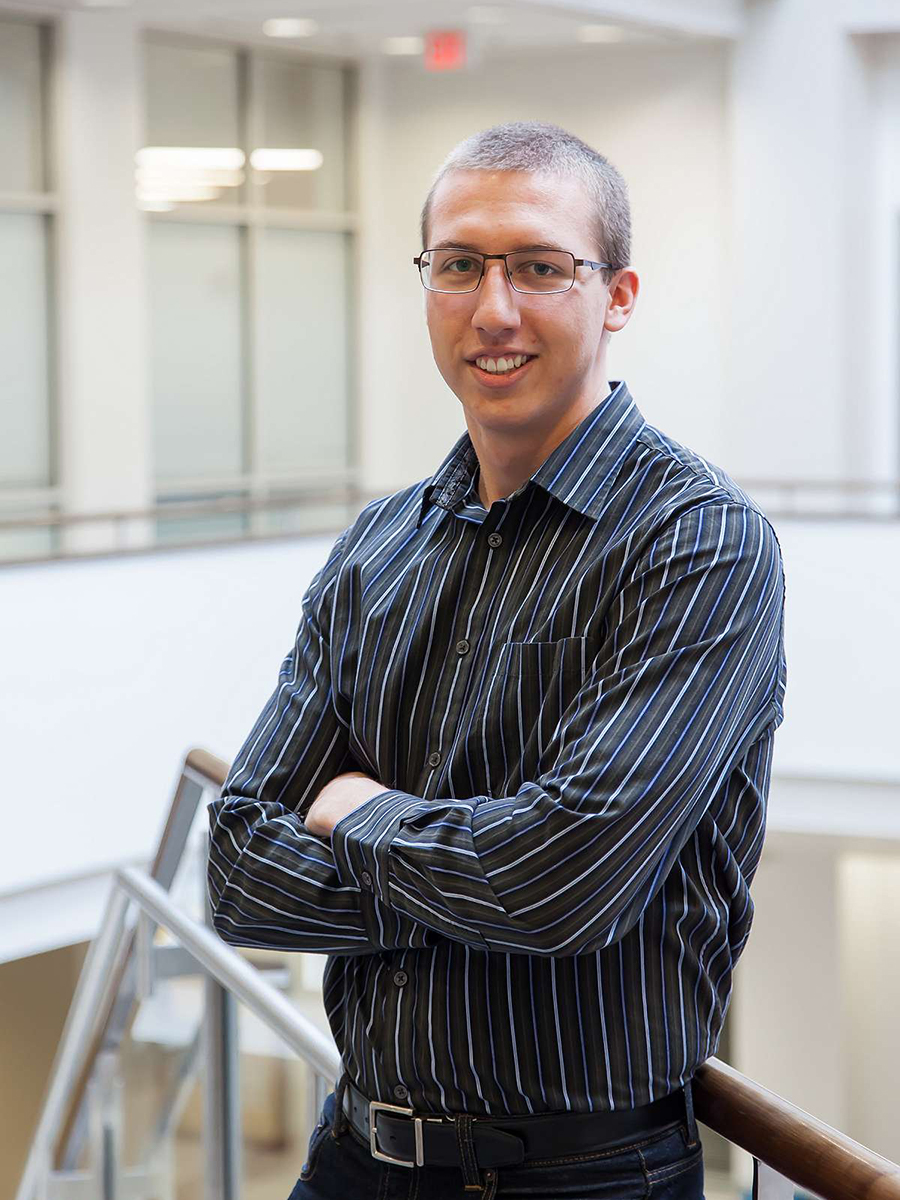
Paolo Ghisletta is a Full Professor of Psychology at the University of Geneva's Faculty of Psychology and Educational Sciences. With a distinguished career spanning over two decades at the university, he has progressed from Assistant Professor to his current position as Full Professor since 2015. His academic journey includes significant research contributions in cognitive aging, methodological approaches to longitudinal data analysis, and the study of individual differences in cognitive development across the lifespan. Ph.D. in Quantitative Psychology and Methodology, University of Virginia (1999) MA in Quantitative Psychology and Methodology, University of Virginia (1996) BA Mathematics and BA Psychology, Clarion University, Pennsylvania (1994) Ghisletta specializes in methodologies for analyzing multivariate data in lifespan development research, with particular expertise in Structural Equation Models and Multilevel Models. His work examines cognitive aging in relation to health, activities, and sensory functioning, as well as the management of psychological resources in adults and the elderly. He has made significant contributions to understanding inter- and intra-individual variability over the lifespan, exploring how these variations relate to cognitive performance, health outcomes, and aging trajectories. An analysis of Ghisletta's recent publications (2022-2025) reveals a strong focus on cognitive aging, particularly examining memory systems, longitudinal changes, and the relationship between cognitive performance and health outcomes. His methodological expertise is evident in numerous papers on statistical approaches for analyzing longitudinal data. A recurring theme is the investigation of individual differences in cognitive aging trajectories and their predictors, including cognitive reserve, social factors, and genetic influences. His research often employs sophisticated statistical techniques to disentangle complex relationships between cognitive variables across time. Ghisletta maintains an active research program with numerous collaborations across international institutions, particularly within European aging research consortia. His work has significant implications for understanding normal cognitive aging processes and identifying factors that may contribute to healthy cognitive aging or vulnerability to decline.