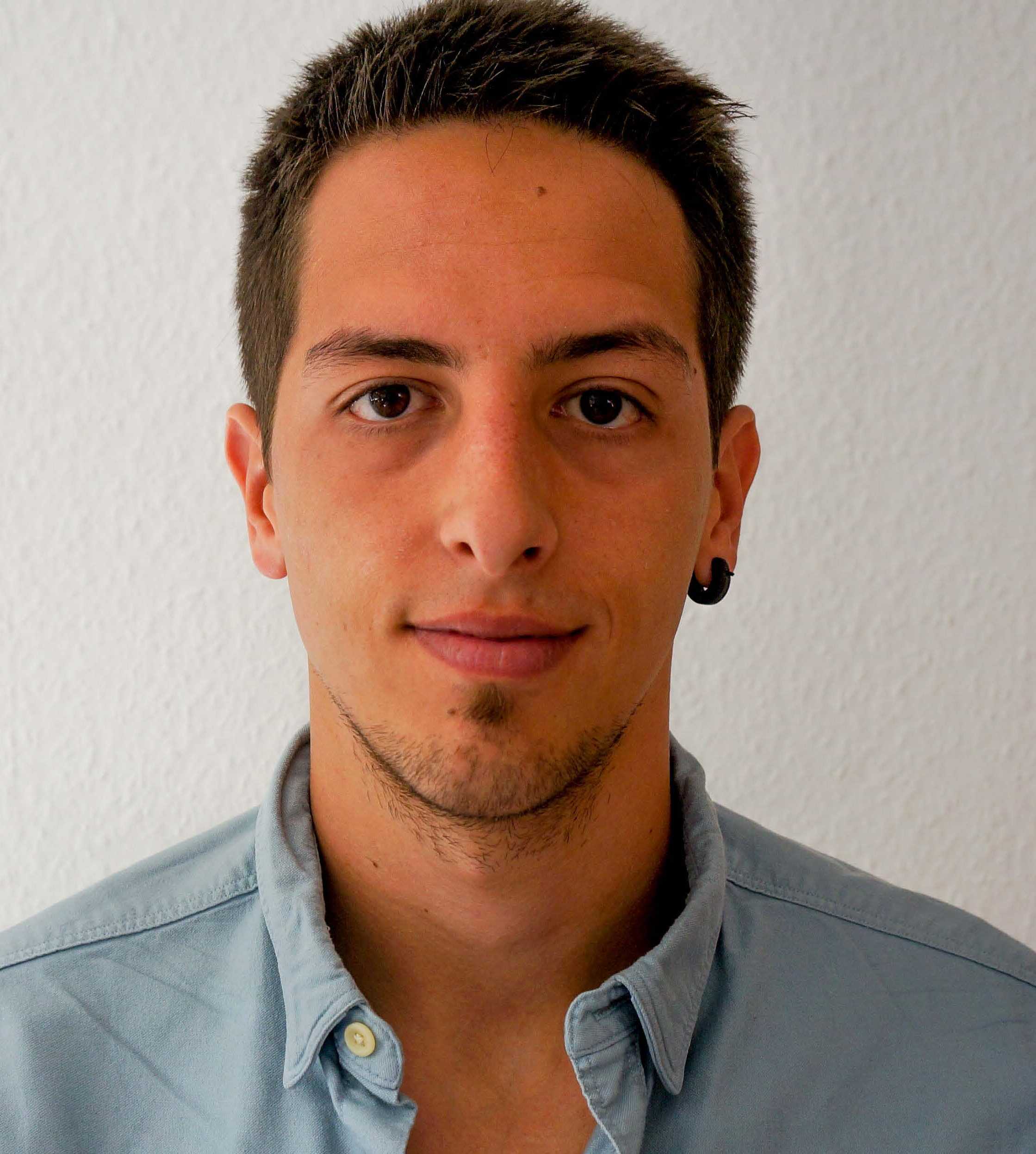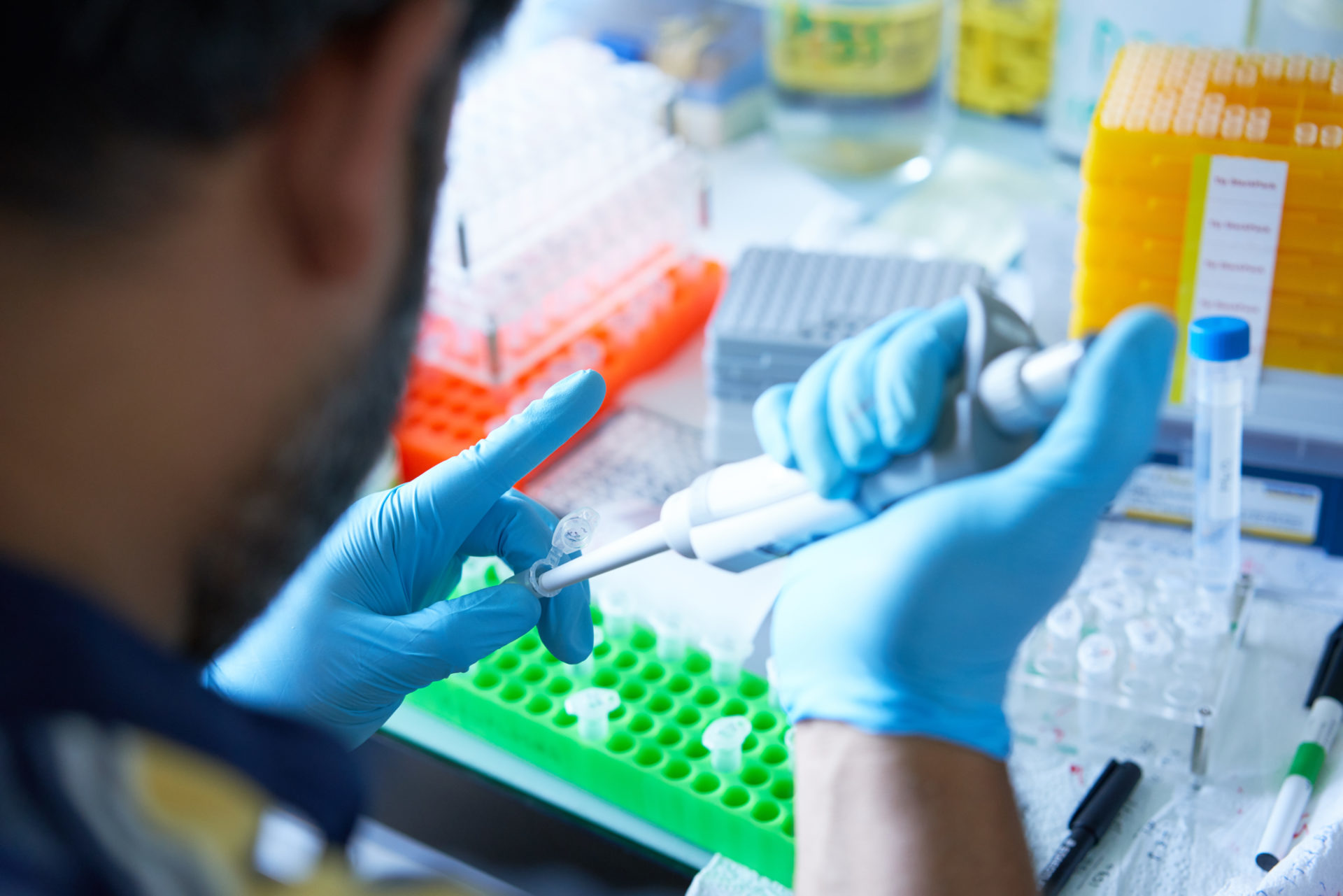
Lucas Pelkmans is a Full Professor at the Department of Molecular Life Sciences at the University of Zurich. He leads the Pelkmans Lab, a multi-disciplinary research group focused on understanding how biological scales are crossed from single molecules to tissues. His lab develops quantitative and scalable experimental approaches combined with computational and statistical methods to study fundamental biological questions. His research interests center on quantitative cell biology, systems biology, and the study of membrane-less organelles through phase separation. Pelkmans' work explores how cells process information across different scales, with particular focus on single-cell heterogeneity, cellular decision-making, and the principles governing biological organization. His lab actively encourages researchers to develop both wet-lab and dry-lab skills to tackle complex biological problems. The Pelkmans Lab has produced numerous high-impact publications, particularly in the areas of single-cell analysis, membrane-less organelles, quantitative imaging, and systems biology. Recent work demonstrates strong trends toward multimodal data integration, advanced computational approaches for analyzing cellular states, and understanding phase separation phenomena across biological scales. The lab's publications frequently appear in top-tier journals including Nature, Science, and Cell. Scientific Awards: ERC Advanced Grant (2020) EMBO member (2015) ERC Consolidator (2015) Ernst Hadorn Foundation-endowed Chair (2010) European Young Investigator Award (2005) ETH Medal (2003) Pelkmans actively mentors PhD students and postdoctoral fellows, with his lab comprising researchers from diverse backgrounds including physics, chemistry, computer science, and biology. His teaching includes courses on quantitative and molecular systems biology, and systems dynamics in cell and developmental biology. The lab has received significant grant support, including multiple ERC grants, enabling their innovative research on cellular organization and scale-crossing phenomena. The Pelkmans Lab maintains a highly collaborative environment that emphasizes both individual brilliance and team support. They have developed innovative technologies such as iterative indirect immunofluorescence imaging (4i) for multiplexed protein mapping, which has applications in precision medicine. The lab's work bridges fundamental biological questions with technological innovation, creating new approaches for studying cellular organization across multiple scales.