Robert Rohling is a Professor at the University of British Columbia's Faculty of Applied Science, affiliated with the Department of Mechanical Engineering and holding a joint appointment with the Department of Electrical and Computer Engineering. As Director of the Institute of Computing, Information and Cognitive Systems (ICICS), his research focuses on biomedical engineering, medical imaging, robotics, and computational methods. B.A.Sc. (UBC) M.Eng. (McGill) Ph.D. (Cambridge) Rohling's work spans three primary research areas: medical imaging (3D ultrasound, spatial compounding, elasticity reconstruction), medical information systems (radiologist navigation tools for large image datasets), and robotic calibration for surgical applications. His multidisciplinary approach integrates mechanical and electrical engineering principles with clinical needs. Rohling's publications (2020-2022) reveal trends in advanced ultrasound techniques (e.g., shear wave vibro-elastography), AI-driven image processing (cycleGAN translation), and computational optimization for diagnostic accuracy. Keywords across his work include Medical Imaging, Biomedical Engineering, Robotics, and Computational Modeling. As director of the Robotics and Control Laboratory , Rohling leads interdisciplinary collaborations with industry and clinical partners to address practical challenges in medical diagnostics and surgical robotics. His research emphasizes translating engineering innovations into clinical practice.
Mikhail (Misha) Belkin is a Professor at the Halicioglu Data Science Institute (HDSI) at the University of California San Diego , with an affiliated appointment in the Department of Computer Science and Engineering . He is also an Amazon Scholar , reflecting his impactful industry collaboration. Since January 2024, he has served as the Editor-in-Chief of the SIAM Journal on Mathematics of Data Science (SIMODS) . Research Interests: Belkin's research centers on the theoretical foundations of machine learning, particularly the mathematical understanding of modern deep learning. His work investigates interpolation , over-parameterization , and feature learning in neural networks. He is renowned for introducing the double descent risk curve, which reconciles classical bias-variance trade-offs with the success of overfitted models. His recent work identifies the Average Gradient Outer Product (AGOP) as a fundamental mechanism of feature learning, applicable across architectures like CNNs and transformers. Scientific Contributions and Trends: His recent publications, appearing in Science , PNAS , and NeurIPS , demonstrate a strong trend toward unifying theories of generalization and optimization in over-parameterized systems. He explores how interpolating models can be statistically optimal, how gradient descent converges in non-convex landscapes via the PL* condition, and how kernel methods can be enhanced to perform feature learning. ACM Fellow (2023) Editor-in-Chief, SIAM Journal on Mathematics of Data Science (2024–present) Advising and Grants: Belkin actively mentors students and collaborators such as Adityanarayanan Radhakrishnan , Daniel Beaglehole , and Chaoyue Liu , who are frequent co-authors. He is a Principal Investigator (PI) in the Collaboration on the Theoretical Foundations of Deep Learning , funded by the NSF and Simons Foundation. He is also an external collaborator with the Eric and Wendy Schmidt Center at the Broad Institute and part of the NSF-funded TILOS AI Institute . Laboratories and Teams: While not explicitly named, his research group at UCSD is deeply involved in theoretical machine learning, focusing on the intersection of statistics, optimization, and deep learning. His work often involves large-scale collaborations and is closely tied to initiatives like SIMODS and TILOS.
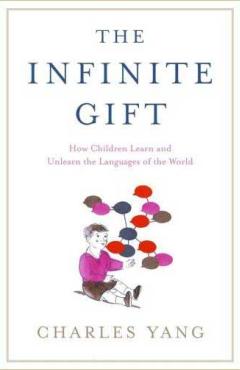
Charles Yang is a Professor of Linguistics and Computer Science at the University of Pennsylvania , where he also directs the Cognitive Science Program. His research integrates computational models with studies of language acquisition, processing, and evolution. Education: Ph.D. in Computer Science, MIT, 2000 Yang's work spans language acquisition , computational linguistics, and the evolution of cognition. He has authored The Price of Linguistic Productivity (2016), which received the Leonard Bloomfield Award from the LSA. Recent publications focus on large language models as cognitive models, the Chinese aspectual system , and statistical approaches to linguistic patterns. His 15 most recent articles (2025-2021) demonstrate a trajectory from computational models of language change to machine translation and multiword expression analysis . Yang has received significant funding from the National Science Foundation and the Guggenheim Foundation . He co-directs the Integrated Language Science and Technology group with John Trueswell and mentors students in linguistics, computer science, and psychology.
Bilal Farooq is an Associate Professor and Program Director for the Master of Engineering in Interdisciplinary Engineering (MEIE) at Toronto Metropolitan University, holding the Canada Research Chair in Disruptive Transportation Technologies and Services within the Department of Civil Engineering. His educational background includes a PhD from the University of Toronto (2011), MASc from Lahore University of Management Sciences (2004), and BSc from the University of Engineering and Technology (2001). Dr. Farooq's research pioneers disruptive transportation solutions through cyber-physical systems, AI/machine learning applications, behavioral modeling, and optimization techniques. His work specifically targets on-demand multimodal systems, sustainable urban transportation, urban air mobility, automated vehicles, and extended reality applications, addressing critical urban mobility challenges with human-centered approaches. Analysis of his recent publications reveals a strong trend toward quantum-enhanced computational methods, privacy-preserving federated learning frameworks, and sustainability-focused decarbonization strategies across transportation domains, with increasing emphasis on human factors and real-world implementation. Notable scientific awards include: Ontario Early Researcher Award (2018) Canada Research Chair (2017) MassMotion Academic Pedestrian Modelling Project of the Year (2016) Québec Early Researcher Award (2014) Dr. Farooq actively supervises graduate students and secures significant research funding through his Canada Research Chair position and Early Researcher Awards. He directs the Laboratory of Innovations in Transportation (LiTrans), which develops interdisciplinary solutions integrating mathematics, engineering, computer science, and economics to address emerging transportation challenges. LiTrans focuses on disruptive transportation technologies, complete streets design, cyber-physical systems, pedestrian dynamics, resilience, and climate change impacts, collaborating with industry and government partners to translate research into practical urban mobility innovations for smart cities worldwide.
Anoop Sarkar is a Professor in the School of Computing Science at Simon Fraser University (SFU), leading the Natural Language Lab. His research focuses on multilingual natural language processing, machine learning applications in NLP, and machine reading with visualization techniques. He has held significant grants including NSERC Discovery Accelerator Supplements (2012–2023) and multiple Google/IBM Faculty Awards. His teaching includes advanced NLP courses and compiler design. Over 38 students have graduated under his supervision, with a strong emphasis on computational linguistics and machine translation. His research explores areas such as statistical machine translation, decipherment of ancient scripts, and semi-supervised learning. Key software contributions include the TroFi toolkit and metaphor dataset. He has served as area chair for EMNLP (2023) and co-chair of NAACL (2015). The Natural Language Lab hosts weekly meetings open to collaboration. His work bridges theory and application, addressing challenges in low-resource language processing. Recent publications (2023–2024) highlight advancements in entity linking, cognate alignment, and structured prediction. Grants span foundational and applied NLP research, supported by NSERC and industry partnerships. His advising spans 12 PhD and 26 MSc graduates, reflecting a sustained impact on the next generation of NLP researchers.
Dr. Karim El-Basyouny is a Killam Laureate Professor and City of Edmonton Urban Traffic Safety Research Chair at the University of Alberta's Faculty of Engineering, where he serves as Associate Dean (Research Infrastructure and Innovation) in the Civil and Environmental Engineering Department. A licensed Professional Engineer in Alberta, he holds advanced degrees in Transportation Engineering from the University of British Columbia and has dedicated his career to advancing road safety through data-driven management frameworks. His academic credentials include: Doctor of Philosophy, Civil Engineering, University of British Columbia, 2011 Engineering Management Sub-specialization, Civil Engineering, University of British Columbia, 2010 Master of Applied Science, Civil Engineering, University of British Columbia, 2006 Bachelor's degree (ABET Equivalent), Civil & Environmental Engineering, United Arab Emirates University, 2003 El-Basyouny's research pioneers the integration of remote sensing, machine learning, and statistical modeling to enhance transportation safety. His work develops automated tools for infrastructure digitization, collision prediction, and speed management, treating safety as a systemic product requiring management frameworks. Key contributions include LiDAR-based road feature extraction, network-level safety evaluations, and frameworks for vision-zero outcomes that address both human-driven and autonomous vehicle contexts. His recent publications demonstrate a cohesive research trajectory centered on leveraging point cloud data and computational intelligence for safety management. Over 15 major publications since 2021 focus on automated infrastructure assessment (light pole detection, clear zone mapping, vertical clearance evaluation), weather-impact modeling, and enforcement resource optimization. This body of work bridges transportation engineering with computer vision and operations research to create scalable safety solutions. His scientific contributions have been recognized with prestigious honors including: 2024 Killam Annual Professorship Award 2024 Road Safety Achievement Award from TAC 2023 Donald Stanley Award for environmental engineering 2022 Faculty of Engineering Graduate Teaching Award 2021 Daniel B. Fambro Student Paper Award As an academic leader, El-Basyouny actively mentors graduate students and secures significant research funding through his endowed chair position. He currently recruits fully-funded PhD and postdoctoral candidates specializing in remote sensing applications, machine learning, and geomatics for road digitization projects. His research group collaborates with national safety committees and municipal agencies to translate findings into policy, while he serves on editorial boards for Transportation Research Record and Analytic Methods in Accident Research. The research group operates at the intersection of transportation engineering and computational science, developing automated frameworks that merge sensor technologies with data processing tools. Current projects focus on semantic segmentation of 3D point clouds, safety implications of infrastructure digitization, and machine learning applications for road feature extraction in both urban and rural environments.
Gabriela V. Cohen Freue is an Associate Professor in the Department of Statistics at the University of British Columbia (UBC), Vancouver Campus, and holds a Canada Research Chair (CRC Tier 2). She leads an interdisciplinary research program focusing on developing robust statistical methodologies for analyzing high-dimensional data in genomics and proteomics, with applications in medical sciences. Her work addresses challenges such as outliers, collinearity, and measurement errors, with applications in biomarker discovery for diseases like multiple sclerosis, cardiovascular disorders, and asthma. Her academic journey includes collaborations across disciplines, including with the BC Cancer Agency, PROOF Centre of Excellence, and iCAPTURE. She has pioneered methods like the Penalized Elastic Net S-Estimator (PENSE) and contributed to proteomic data analysis tools such as the Protein Group Code Algorithm (PGCA). She also co-developed the MDQC quality control method for microarrays. Research interests include robust regression, biomarker development, and statistical methods for big data. Her team includes postdocs, PhD, and MSc students, with a focus on training in both statistical rigor and interdisciplinary collaboration. Notable grants include a CANSSI Collaborative Research Team Project (CRT) award for robust causal inference and prediction modeling. Teaching responsibilities span statistical consulting, high-dimensional biological data analysis, and generalized linear models. She emphasizes active learning and real-world problem-solving in her courses. Her lab’s work is supported by grants from the Data Science Institute (DSI) and collaborations with institutions like the PROOF Centre. Alumni of her group hold positions in academia (e.g., George Mason University) and industry (e.g., Merck, BC Cancer Research Centre).
Rachel Pottinger is a Professor in the Department of Computer Science at the University of British Columbia within the Faculty of Science. She has been at UBC since 2004, progressing from Assistant Professor to Associate Professor in 2012 and to full Professor in 2021. She is affiliated with research centers including CAIDA (Centre for Artificial Intelligence Decision-making and Action) and DFP (Designing for People), and is part of ICICS (Institute for Computing, Information and Cognitive Systems). Her research focuses on data management, particularly semantic data integration, metadata management, and making data more accessible and understandable to users. She leads the Data Management and Mining Lab and has supervised numerous doctoral and master's students. Her work addresses three main areas: helping people understand and explore their data, managing data not well supported by databases, and coordinating data across multiple databases. Her recent publications demonstrate strong trends in database usability, data provenance visualization, query recommendation systems, and building information modeling integration. Her work bridges theoretical database concepts with practical human-centered applications, particularly in making complex data systems more accessible to non-expert users. UBC Computer Science Department Faculty Teaching Award 2013 Computer Science Department Teaching Award 2010 CS Department Teaching Award Denice Denton Emerging Leader Award 2007 Pottinger has supervised numerous PhD and Master's students, with research focusing on data provenance, database usability, and data coordination. She has been involved in significant research projects related to data lakes, open data navigation, and query recommendation systems. Her current research explores table annotation and discovery in data lakes, query refinement for aggregation queries, and query prediction based on past user behavior. She is actively involved in the academic community, serving as Secretary-Treasurer for SIGMOD, on the VLDB Journal editorial board, and as a member of the Computing Research Association's Board of Directors. She previously served as General Co-Chair of SIGMOD 2020 and as Associate Head for the Undergraduate Program of the Department of Computer Science from 2018-2020.
Ismail Ben Ayed is an Associate Professor at École de technologie supérieure (ETS) in Montreal, Canada, holding the ETS Research Chair on Artificial Intelligence in Medical Imaging. His research bridges computer vision, optimization, and medical image analysis to develop advanced algorithms for clinical applications, with particular focus on cardiac and neurological imaging. His research program centers on medical image segmentation using novel optimization techniques, graph-based methods, and deep learning models. He pioneers approaches for handling volumetric bias, shape compactness, and distribution matching in MRI and cardiac imaging, directly addressing clinical challenges in spine labeling, ventricle segmentation, and tumor detection. His work emphasizes mathematical rigor combined with practical medical relevance. Analysis of his 15 most recent publications (2014-2017) reveals dominant themes in medical image segmentation (80% of works), particularly for cardiac MRI (35%) and neurological applications (25%). Key methodological contributions include distributed optimization frameworks (20%), advanced graph cut techniques (30%), and deep learning architectures (25%), published consistently in top-tier venues including CVPR, MICCAI, and TPAMI. His scientific recognition includes: MICCAI travel award (2017) Outstanding Reviewer Award at CVPR (2015) GE innovation award (2010) He actively mentors researchers as evidenced by his recruitment of PhD students and postdocs, with research supported by the ETS Research Chair and multiple patents. His service includes chairing MICCAI 2017/2015 and IPTA 2017, plus continuous program committee roles at CVPR, ICCV, and MICCAI since 2011. Leading the ETS Research Chair on AI in Medical Imaging, he directs a collaborative team working on clinical translation of computer vision techniques. Current projects focus on cardiac motion analysis, brain tumor segmentation, and spine labeling systems with direct applications in radiology workflows.
Nick Koudas is a Professor in the Department of Computer Science at the University of Toronto. His research focuses on large-scale data management, integrating machine learning into data systems, and developing efficient query processing techniques for unstructured and streaming data. He holds a PhD from the University of Toronto, an MSc from the University of Maryland at College Park, and a Bachelor's from the University of Patras in Greece. Research interests include data systems, big data analysis, video query processing, and natural language interfaces for databases. He leads projects like ReDD (Relational Deep Dive), SVQ (Streaming Video Queries), and Reliable Text-to-SQL, aiming to bridge human-readable queries with database execution. His work emphasizes scalability, intelligence, and real-world applicability. Recipient of the University of Toronto's Inventor of the Year Award (2011), he translates research into startups like Sysomos, Aislelabs, and Workorb. His contributions span over 200 publications in top venues such as SIGMOD, VLDB, and ICDE. Courses taught include advanced data systems, database design, and system internals. Current projects explore schema extraction from unstructured data, video query optimization, and cost-effective machine learning pipelines. Collaborations with industry and academic partners drive innovations in both theory and practical applications.
Louis Collins is a Professor in the Department of Biomedical Engineering and Department of Neurology and Neurosurgery at McGill University, with associate membership at the Center for Intelligent Machines. His work focuses on advanced medical imaging techniques for neurological applications. Key Expertise: Non-linear image registration, model-based segmentation, neuroimaging, MRI analysis Applications: Alzheimer's disease, Parkinson's disease, multiple sclerosis, epilepsy, schizophrenia Methodology: Development of computer vision algorithms for image-guided neurosurgery (IGNS), automated atlasing, and biomarker quantification Collins' research combines computational neuroanatomy with clinical translation, particularly in: Quantifying brain atrophy and anatomical variability across populations Optimizing MRI templates for improved diagnostic accuracy Developing tools like SEEGAtlas for surgical electrode classification Exploring neurophysiological fingerprints of neurodegenerative diseases His lab (NIST-Lab) actively pursues CIHR-funded projects on ultrasound-based image-guided neurosurgery and machine learning applications in clinical trials.
Alton Russell is an Assistant Professor at the Department of Epidemiology, Biostatistics and Occupational Health, Faculty of Medicine and Health Sciences, McGill University. He serves as an Affiliate Investigator at the Research Institute of the McGill University Health Centre (RI-MUHC) and is affiliated with the Quantitative Life Sciences program. His research focuses on data-driven decision modeling to optimize healthcare resource allocation through methods in decision analysis, simulation, health economics, and machine learning. PhD in Management Science and Engineering (2021), Stanford University MSc in Management Science and Engineering (2018), Stanford University BSc in Industrial Engineering (Health Systems concentration) and Interdisciplinary Studies (Global Health and Sustainability concentration) (2014), North Carolina State University Russell's research program develops advanced models for blood safety, pediatric kidney disease management, opioid crisis interventions, and infectious disease surveillance. His lab (D3Mod) integrates individual-level data with machine learning and Bayesian statistics to address heterogeneity in patient populations and policy impacts. His work emphasizes open science practices, with publications and code archived via DOIs. Current research themes include personalized donor risk assessment, emergency service optimization, and harmonization of serosurveillance data. Russell teaches advanced decision modeling (EPIB 676) and economic evaluation of health programs (PPHS 528) at McGill.
Dr. Eric S. Kim is an Assistant Professor of Psychology at the University of British Columbia (UBC) and a Visiting Scientist with the Lee Kum Sheung Center for Health and Happiness (Harvard T.H. Chan School of Public Health) and the Human Flourishing Program (Harvard University’s Institute for Quantitative Social Science). With a Ph.D. from the University of Michigan (2015) and postdoctoral training at Harvard (2017), he focuses on psychological well-being and social connection’s role in reducing age-related chronic conditions. His work spans health psychology, social epidemiology, gerontology, and translational science. Education: B.A. (2009), Ph.D. (2015) from University of Michigan; Postdoctoral Fellowship at Harvard (2017) Dr. Kim’s research examines biobehavioral pathways linking psychological well-being to physical health through health behaviors , biological mechanisms , and stress-buffering . He leverages population-based cohort studies , causal inference methods , and machine learning to assess psychosocial factors via social media footprints. His work addresses social adversities like racial disparities , neighborhood cohesion , and economic shocks . His 15 most recent publications reveal trends in using longitudinal designs to study adolescent well-being’s long-term health impacts , epigenetic aging , and social cohesion interventions . Key journals include PNAS , JAMA Psychiatry , and Health Psychology , with media coverage in New York Times , BBC , and Washington Post . Scientific Awards MSFHR Scholar (2020) APA Division 20 Early Career Award (2020) AJE Article of the Year (2020) NIH K99/R00 (2018) Forbes 30 Under 30 in Healthcare (2016) IPPA Early Career Researcher Award Dr. Kim provides pro bono statistical consulting to nonprofits and collaborates with AARP , UnitedHealth Group , and Chan Zuckerberg Initiative . His lab at UBC, the Psychosocial Flourishing and Health Lab , trains graduate and undergraduate researchers in healthy aging and population-level interventions .
Skyler Wang is an Assistant Professor of Sociology at McGill University, specializing in AI, technology, and human-computer interaction. He holds a Ph.D. from UC Berkeley and previously served as a Sociologist at Meta’s FAIR lab. His research critically examines sociotechnical systems' epistemic cultures and social impacts, focusing on AI-driven human-machine interactions in health, relational contexts, and digital platforms. His research interests include AI ethics, platform societies, digital intimacy, and multilingual systems. Notable works include the book project Sharing Bodies in the Sharing Economy , exploring Couchsurfing’s sociosexual dynamics, and applied AI projects like No Language Left Behind (doubling machine translation languages) and SeamlessM4T (awarded TIME’s 2023 Best Inventions). Teaching focuses on Technology & Society, Artificial Intelligence & Society, and Digital Intimacy. Advising roles include Major/Minor and Honours Sociology students. Active in interdisciplinary collaborations through McGill’s Quebec Inter-University Centre for Social Statistics and global AI ethics initiatives. Education: Ph.D. Sociology, UC Berkeley (2023) Key Affiliations: Meta FAIR Lab (prior), McGill Department of Sociology Publications in Nature , CSCW , Big Data & Society , and media features in WIRED, CNN, and NPR
Yasser Iturria Medina is an Assistant Professor at the Montreal Neurological Institute (MNI) , McGill University, within the Department of Neurology and Neurosurgery . He is an associate member of the Ludmer Centre for Neuroinformatics and Mental Health and the McConnell Brain Imaging Centre . Academic Rank: Assistant Professor Key Affiliations: MNI, Ludmer Centre, McConnell Brain Imaging Centre His educational background includes: Undergraduate: Nuclear Engineering (2004), Higher Institute for Nuclear Sciences and Technology, Cuba MSc: Neurophysics and Neuroengineering (2006), Cuban Neuroscience Center PhD: Neuroimaging and Neuroinformatics (2013), National Center for Scientific Research and Havana’s University of Medical Science His research focuses on neuroinformatics for precision medicine , particularly in neurodegenerative diseases like Alzheimer's and Parkinson's. His lab develops multiscale brain models integrating molecular, imaging, and cognitive data to characterize pathogenic mechanisms and identify personalized interventions. Key research areas include: Neurodegeneration modeling Neurovascular interactions in Alzheimer's Multi-omics integration for disease subtyping Neuroimaging biomarkers across neurodegenerative spectra Computational modeling of amyloid-beta and tau propagation The article analysis reveals his emphasis on: Alzheimer's disease mechanisms (45% of recent works) Multi-omics and transcriptomic modeling (30%) Neurovascular and white matter pathology (20%) Machine learning applications in neuroimaging (15%) Development of tools like NeuroPM-box and MVComp toolbox His lab has been instrumental in creating NeuroPM-box , a software platform for integrating molecular, neuroimaging, and clinical data to characterize neurodegenerative progression and heterogeneity. He has also contributed to CAPTURE ALS , a comprehensive analysis platform for amyotrophic lateral sclerosis.