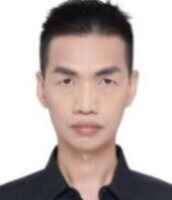
Jia Liang is a researcher at Henan Polytechnic University's School of Electrical Engineering and Automation, with a focus on Machine Learning , Compressed Sensing , and Privacy-Preserving Techniques . His work bridges Computer Science and Signal Processing , particularly in Radar Imaging and Medical Image Analysis . Key Collaborations: Di Xiao, Ying Luo, Qun Zhang, Hui Huang Technical Expertise: Federated Learning, SAR Imaging, Compressive Sensing, Adversarial Learning His research emphasizes secure data processing in IoT and cloud environments, with recent innovations in cross-disciplinary applications like biosignal analysis for cysticercosis diagnosis . Publications span top venues including IEEE Transactions on Aerospace Systems and Remote Sensing . Notable trends include privacy-preserving machine learning for federated systems and 3D radar imaging of rotating targets, alongside medical imaging solutions for chest radiographs and optical coherence tomography .
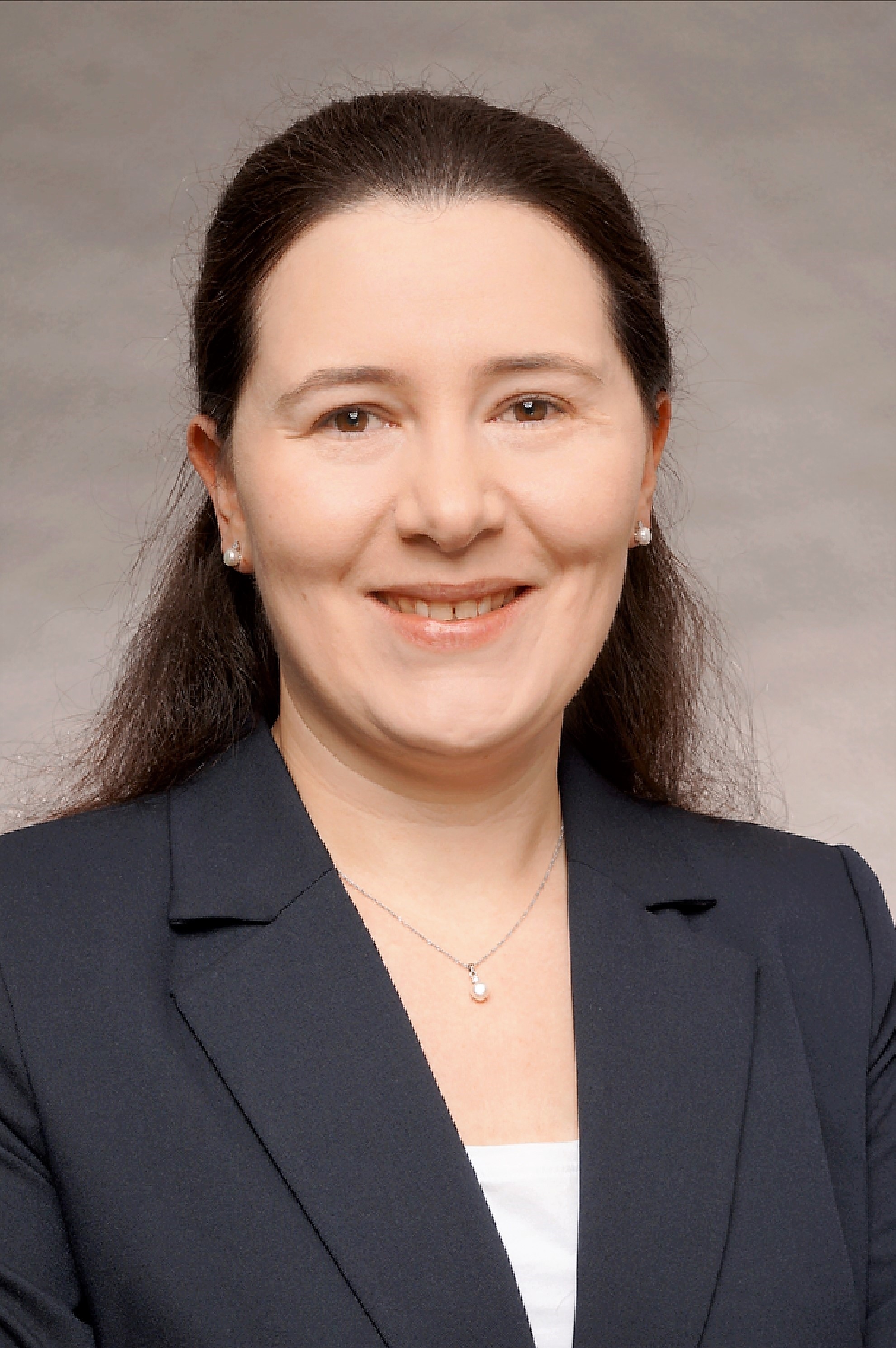
Prof. Wolfgang A. Wall is a Professor of Numerical Mechanics at the Technical University of Munich (TUM), affiliated with the TUM School of Engineering and Design. He leads the Chair of Computational Mechanics, established in 2003, and serves as Rector of CISM (International Centre for Mechanical Sciences) in Udine, Italy. His research focuses on computational mechanics, including fluid-structure interaction, multi-field and multi-scale problems, and applications in biophysics and biomedicine. He has pioneered numerical methods for complex simulations, integrating modeling, algorithm development, and high-performance computing. Key achievements include ERC Advanced Grants, EUROMECH Fellow status, and membership in the Bavarian and Austrian Academies of Sciences. Educational background: Studied at the University of Innsbruck, earned his doctorate from the University of Stuttgart after a research stay at Princeton University. His work spans engineering disciplines, emphasizing uncertainty quantification and machine learning in computational frameworks. He has contributed to lung mechanics modeling, cardiovascular simulations, and tumor growth analysis, with over 300 publications. Current projects address additive manufacturing, solid-state batteries, and patient-specific medical modeling. Awards: ERC Advanced Grant (2021), Prandtl Medal (2016), Bavarian Academy Membership (2017) Grants: Extensive funding for computational mechanics and biomedical engineering projects Labs: Chair of Computational Mechanics lab at TUM, collaborating with CISM and international partners
Ana Djurdjevac is an Assistant Professor in the Department of Numerical Analysis and Stochastics at the Freie Universität Berlin , within the Department of Mathematics and Computer Science. Her research focuses on numerical analysis, stochastic processes, and partial differential equations, with particular emphasis on uncertainty quantification and mathematical modeling in evolving domains. She teaches advanced courses such as Numerical Methods for Stochastic Differential Equations and Stochastik I , reflecting her expertise in computational methods and probabilistic frameworks. Her work integrates theoretical analysis with practical numerical techniques, addressing challenges in domains such as fluid dynamics, quantum systems, and biological surface fluctuations. Recent contributions include studies on hybrid algorithms for particle systems, rough homogenization in stochastic dynamics, and synchronization mechanisms in conservation laws. Djurdjevac actively participates in academic events, including the 2025 SIAM Conference on Computational Science and Engineering, and collaborates on projects involving quasi-Monte Carlo methods for Bayesian inversion and domain decomposition techniques. Professional activities highlight her role in shaping emerging fields like stochastic PDEs on evolving domains and feedback loops in agent-based models. While no specific awards are listed, her prolific publication record and teaching roles underscore her contributions to computational science and applied mathematics.
Patricio Farrell is a Senior Lecturer and Research Group Leader in Applied Mathematics at the Weierstrass Institute Berlin (WIAS). His work bridges mathematical theory and engineering applications, focusing on numerical methods for semiconductor devices, perovskite solar cells, and neuromorphic materials. He leads the 'Methods for Innovative Semiconductor Devices' group at WIAS and serves as Vice Chair of the Committee for Mathematical Modeling, Simulation, and Optimization (KOMSO). Affiliations: WIAS Berlin, Freie Universität Berlin (Privatdozent), Berlin Mathematical School (Mentor) Educations: PhD in Applied Mathematics (University of Oxford), Diplom (University of Hamburg/University of Bath) His research emphasizes structure-preserving numerical methods for drift-diffusion systems, with applications ranging from next-generation semiconductors to photonic crystal lasers. He develops simulation tools like ChargeTransport.jl and contributes to open-source numerical libraries such as VoronoiFVM.jl. Key projects include the ARISE initiative for semiconductor solvers (€1M), Excellence in Photonic Crystal Surface Emitting Lasers (PCSELence), and MATH+ projects on perovskite devices and semiconductor mechanics. Farrell is a scientific ambassador for Brain City Berlin and actively publishes in top journals, emphasizing computational methods for energy transition and material science challenges.
Dr. Stephan Simonis is a Research Fellow at the Karlsruhe Institute of Technology (KIT), working within the Department of Mathematics and specifically with the Institute for Applied and Numerical Mathematics (IANM2). He leads the LBRG Mathematical Modeling and Numerics Lab since 2023 and serves as an associate editor for the Elsevier journal Examples and Counterexamples since 2024. He is also a member of the steering committee for the EU-funded FALCON project (doi: 10.3030/101138305). Dr. Simonis completed his education as follows: BSc and MSc in Mathematics at KIT, Germany and KTH, Sweden (2011-2018) PhD in Mathematics at KIT (2023), with research visits at UFRGS, Brazil and ETH Zürich, Switzerland Dr. Simonis's research focuses on Applied and Computational Mathematics, particularly in developing and analyzing numerical methods for partial differential equations. His work centers on lattice Boltzmann methods for multi-physics simulations, including applications to fluid flow, blood flow, and solid mechanics. He integrates robust numerical schemes with uncertainty quantification and machine learning, leveraging high-performance computing to explore complex parameter spaces. His research has significant applications in engineering and scientific computing. His publication record demonstrates a strong focus on numerical analysis of lattice Boltzmann methods, with recent work expanding into uncertainty quantification, machine learning integration, and applications to complex fluid dynamics problems. The breadth of his work spans theoretical analysis, algorithm development, and practical implementation in the OpenLB library, with publications in top journals across mathematics, physics, and engineering disciplines. Dr. Simonis has received numerous accolades for his work: ERASMUS+ EQF7 scholarship (2016-2017) DAAD PPP mobility funding (2019) KIT Faculty Teaching Award (2021) KHYS Networking Grant (2022) KHYS ConYS Grant (2024) Oberwolfach Leibniz Graduate Student (2024) NHR Starter project (2024) DAAD PRIME fellowship (2025) Dr. Simonis actively mentors students through various thesis projects in mathematics, fluid dynamics, and high-performance computing. His current open thesis topics focus on lattice Boltzmann methods, relaxation schemes, and stability analysis. He has secured significant research funding including the DAAD PRIME fellowship and NHR Starter project, demonstrating strong support for his research program. His teaching portfolio includes Computational Fluid Dynamics and Simulation Lab, Parallel Computing, and Project-centered Software Lab across multiple semesters. As leader of the LBRG Mathematical Modeling and Numerics Lab since 2023, Dr. Simonis oversees a research group focused on developing advanced numerical methods. His involvement in the EU-funded FALCON project and as associate editor for Examples and Counterexamples further demonstrates his growing leadership in the computational mathematics community.
Prof. Dr. Timo Betz is a Professor of Biophysics at the Third Institute of Physics, Georg August University Göttingen, leading the Betz-Lab located at Friedrich-Hund-Platz 1, Room F.03.123, 37077 Göttingen, Germany. His research focuses on deciphering the fundamental physical processes that confer stability and robustness to living systems despite their complexity, non-equilibrium nature, and non-linear dynamics. The Betz-Lab investigates how mechanics influences biological function across multiple scales, from intracellular processes to tissue-level phenomena. Their work spans cell mechanics, tissue mechanics, and the development of novel biophysical measurement techniques. A central theme is understanding the intricate dependencies between biochemical signaling, mechanical forces, and viscoelastic properties in living systems. The lab develops advanced instrumentation including optical tweezers-based microrheology systems and custom microscopy approaches to quantify forces and tension in 3D biological environments. Analysis of Dr. Betz's recent publications (2023-2025) reveals a strong emphasis on intracellular mechanics, particularly through the development of the 'Mean Back Relaxation' (MBR) method for characterizing active processes from spontaneous fluctuations. His research spans diverse biological systems including zebrafish embryogenesis, cancer cell migration, and skeletal muscle mechanics, consistently bridging fundamental physics with biological applications. Notable methodological contributions include BeadBuddy software for analyzing elastic stress sensors and advanced traction force microscopy techniques for nonlinear materials. Dr. Betz leads a vibrant research team comprising multiple PhD students, postdoctoral researchers, and technical staff. His laboratory has developed significant software tools including BeadBuddy for analyzing fluorescent force sensors in biological tissue and collagen deformation analysis tools. The lab receives funding from multiple sources as indicated by their acknowledgments of support. The Betz-Lab maintains several active research projects: Intracellular passive and active microrheology to study organelle distribution and intracellular forces Collective cell migration in development, using zebrafish epiboly as an in vivo model Collective cancer cell migration in structured 3D environments Investigating mechanical niche cues in skeletal muscle stem cell activation Developing specialized tissue chambers for high-resolution imaging of living muscle and connective tissue Designing new instrumentation and analysis software for biophysical measurements
Dr. Artur Yakimovich leads the Machine Learning for Infection and Disease group at the Helmholtz Center Dresden-Rossendorf (HZDR) and is affiliated with the CASUS Center for Advanced Systems Understanding. His research focuses on applying artificial intelligence to infection biology and biomedical imaging, with a particular emphasis on virus-host interactions and microscopy image analysis. Research areas include deep learning , computational virology , biomedical image processing , and AI-driven diagnostics . Developed open-source tools like PyPlaque for viral plaque analysis. Active in high-content screening and physics-informed neural networks for imaging applications. Current work spans urinary tract infection diagnostics , super-resolution microscopy , and computational modeling of virus transmission .
Gabriele Baroni is a Postdoctoral Researcher in the Department of Computational Hydrosystems at the Helmholtz Centre for Environmental Research - UFZ in Leipzig, Germany, with guest affiliation at the University of Potsdam. His research focuses on hydrological modeling, soil moisture dynamics, and innovative measurement techniques using cosmic-ray neutron sensing. His research interests include: Hydrological models and scaling effects Soil moisture and local controls Cosmic-Ray neutron sensing Sensitivity analysis Data assimilation Agricultural water management and irrigation systems Dr. Baroni's publication record demonstrates expertise in applying cosmic-ray neutron sensing to hydrological problems, with focus on soil moisture monitoring, snowpack dynamics, and agricultural water management. His work often involves sophisticated sensitivity and uncertainty analysis approaches to improve hydrological modeling across different spatial scales. He has advised numerous Master's and Bachelor's students on topics related to soil moisture monitoring, irrigation systems, and hydrological modeling. His teaching experience includes courses on agricultural hydrology, uncertainty analysis, and water transport in porous media at both the University of Potsdam and the University of Milan.
Nicolai Bissantz is a Senior Lecturer in the Department of Stochastics at Ruhr University Bochum's Faculty of Mathematics. His research focuses on statistical inverse problems, applied statistics in science and technology, and medical imaging reconstruction. He contributes to interdisciplinary projects in cybersecurity, astrophysics, and biophotonics. PhD supervision: Advises on statistical methods in interdisciplinary applications. Grants: Collaborates on BMBF-funded projects improving diagnostic precision in medical imaging. Recent work includes a 2024 Distinguished Paper Award for advancing software fuzzing evaluation methodologies. His statistical methods address challenges in internet security, medical imaging, and astrophysical modeling.
Prof. Dr. Frank Haußer is a Professor at Beuth University of Applied Sciences Berlin in the Department II Mathematics - Physics - Chemistry. He serves as the academic advisor for the Applied Mathematics program and teaches courses including Numerical Mathematics, Mathematical Methods of Digital Image Processing, and Computational Engineering. His consultation hours are held during semesters and by appointment, with availability both in-person and online. Haußer's research focuses on: Numerical mathematics and scientific computing Mathematical modeling with applications in MATLAB/Octave Machine learning for medical imaging and insect monitoring Digital image processing techniques for biomedical applications Partial differential equations and computational engineering methods He has authored a textbook on mathematical modeling with MATLAB/Octave and leads interdisciplinary projects at the intersection of mathematics and technology. Analysis of his 15 most recent publications shows strong emphasis on: Medical imaging algorithms (especially retinal OCT analysis) Nanostructure dynamics and material science Computational physics and finite element methods Machine learning applications in biology and medicine Advanced mathematical modeling techniques His work consistently bridges theoretical mathematics with practical engineering applications. Haußer actively supervises student research, including: Machine learning for insect classification and localization Medical image processing algorithms Computational methods in engineering Finite element analysis applications Optimization and simulation techniques He has guided over 30 bachelor's and master's theses since 2009. His research projects include: KInsekt (2020-2023): AI-based insect monitoring funded by BMUV BeCRF (2015-2017): Medical image quality validation funded by BMWi QM ROCT (2013-2015): Automated OCT quality management funded by IFAF These interdisciplinary collaborations involve institutions across Germany.
Dehan Chen is an Associate Professor at the School of Mathematics & Statistics, Central China Normal University, and currently a Researcher at the University of Duisburg-Essen. His research lies at the intersection of applied analysis and inverse problems, with a strong focus on partial differential equations and regularization theory. His research interests include: Inverse Problems in PDEs Regularization Theory Evolution Equations Ill-Posed Problems Mathematical Modeling Nonlinear Dynamics The analysis of his recent publications reveals a consistent and deep engagement with variational source conditions, Tikhonov regularization in Banach spaces, and inverse problems in both elliptic and parabolic systems. His work often bridges theoretical analysis with applications in physics and biology, such as electromagnetic modeling and population dynamics. A strong emphasis is placed on convergence rates and stability in ill-posed settings. His notable scientific recognition includes the prestigious Alexander von Humboldt Fellowship. This award highlights his international research impact and collaborative work in Germany. While no formal students are listed, his frequent collaborations with prominent mathematicians such as Jun Zou, Bernd Hofmann, and Irwin Yousept suggest active participation in research teams and potential advisory roles. He has not received mention of external grants, but his sustained publication record in top-tier journals indicates strong research productivity. He is affiliated with research groups focusing on optimal control and inverse problems at the University of Duisburg-Essen, particularly within the AG Optimal Control of Partial Differential Equations, contributing to a vibrant mathematical research environment.
Sarah Eberle-Blick is a Senior Lecturer at the Institute of Mathematics , Goethe University Frankfurt, Department of Computer Science and Mathematics. Her work bridges numerical methods, inverse problems, and wave propagation in elasticity. Research Focus : Numerical analysis of PDEs, monotonicity methods for inclusion detection, FEM-BEM coupling, multiscale seismic data processing. Key Contributions : DFG-funded projects on elastic wave reconstruction; development of stable integral formulations for acoustic and thermoelastic wave equations; implementation of 3D wave simulations. Article Trends : Recent papers emphasize inverse problems in linear elasticity, time-harmonic wave equations, and multiscale analysis using wavelets. Collaborative work spans geophysics, computational mechanics, and mathematical modeling. Projects : Includes monotonicity-based regularization, Lipschitz stability estimation, and FEM-BEM coupling with convolution quadrature. Contact: eberle@math.uni-frankfurt.de | Room 103, Institute of Mathematics, Frankfurt am Main, Germany.
Benjamin Recht is a Professor at the California Institute of Technology , affiliated with the Center for the Mathematics of Information . His work spans Machine Learning , Control Systems , Reinforcement Learning , and Optimization , with a focus on theoretical guarantees, adaptive algorithms, and real-world applications. His research includes: Control Systems : Certainty equivalence, adaptive control, LQR, and robustness in dynamic environments. Machine Learning : Generalization bounds, interpolation in classifiers, test set overuse, and ethical frameworks for systemic harm detection. Neural Rendering : K-Planes for explicit radiance fields in space-time-appearance modeling. Recent publications (2025-2018) highlight trends in automating adaptive control , ethical machine learning , distributed computing , and 3D reconstruction . No student lists, awards, or lab details are explicitly mentioned.
Giovanni Covi is a Senior Lecturer in the Department of Mathematics and Statistics at the University of Jyväskylä, Finland, with a concurrent Visiting Researcher position at the University of Helsinki. Previously, he held teaching roles at the University of Bonn. His affiliations include leadership of the Inverse Problems Young Academy (IPYA) and memberships in FIPS and IPIA. His research specializes in: Inverse problems for PDEs and the fractional Calderòn problem Mathematical nonlocality and unique continuation Geometric inverse problems on manifolds/graphs Quantum computing applications for inverse problems He has been honored with the Humboldt Research Fellowship for his scholarly contributions. His teaching portfolio includes advanced mathematics courses and seminars, with upcoming instruction in Hilbert/Banach spaces scheduled for 2026.
Michael Haider is an Associate Professor at the Technical University of Munich within the TUM School of Computation, Information and Technology , specifically affiliated with the Chair of Computational Photonics (Prof. Christian Jirauschek). His work bridges quantum device modeling, stochastic electromagnetic field analysis, and advanced optoelectronic simulations. Research interests include: Quantum Cascade Lasers and Detectors Josephson Traveling-Wave Parametric Amplifiers Stochastic and Cyclostationary Electromagnetic Field Propagation Terahertz Technology and Frequency Comb Generation Computational Photonics and Microwave Modeling Principal Component Analysis for Electromagnetic Systems His recent publications focus on quantum amplification mechanisms, THz laser dynamics, and stochastic field modeling using Maxwell-Bloch frameworks. Collaborations with Prof. Jirauschek, Prof. Russer, and researchers at ETH Zürich and SPIE conferences highlight his interdisciplinary approach.