- Programming Languages
- Systems
- Security
- +۴ مورد دیگر
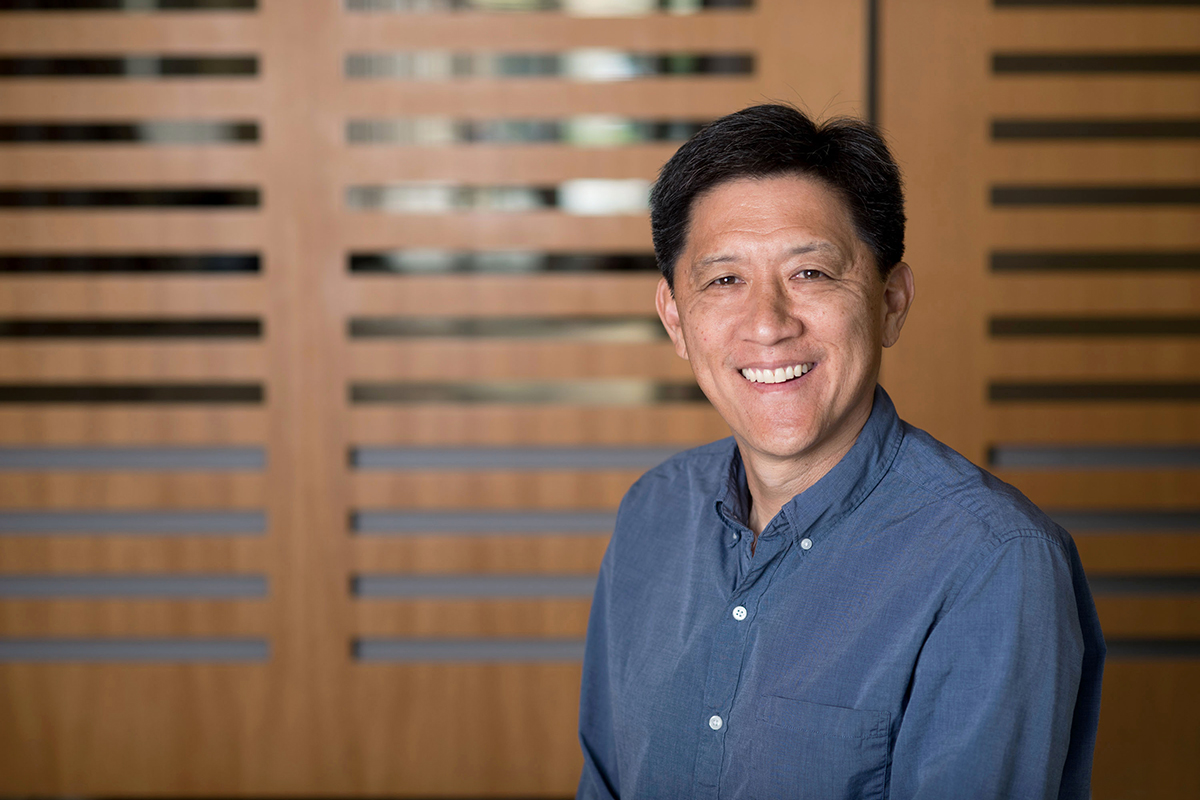
Michael D. Bond is a Professor in the Department of Computer Science and Engineering at Ohio State University, where he leads the Programming Languages and Software Systems (PLaSS) Research Group. His work focuses on designing program analyses and software and hardware systems that enhance computing reliability, scalability, and security. As an active member of the programming languages and systems research community, he serves in leadership roles including General Chair for PLDI 2027 and ISMM 2024. Professor Bond's research interests span programming languages, systems, and security with a particular focus on information flow control, concurrency, memory management, and Rust programming language systems. His group has made significant contributions to data race detection, predictive analysis, information flow control in Rust, and memory-disaggregated systems. Recent work includes Carapace (static-dynamic information flow control in Rust), Cocoon (static information flow control in Rust), and IsoPredict (predictive analysis for weakly isolated data applications). His research group has secured substantial funding, including multiple NSF grants such as SaTC-2348754 (2024-2027) on information flow control in Rust, CyberCorps-2336531 (2024-2029), and CSR-2106117 (2021-2025). Professor Bond has advised numerous PhD and MS students, many of whom have gone on to prestigious positions at Google, Amazon, Huawei, and academic institutions. Scientific Awards: Outstanding Teaching Award, Department of Computer Science and Engineering, Ohio State University (2018) Lumley Research Award, College of Engineering, Ohio State University (2016) OOPSLA 2015 Distinguished Paper and Artifact Awards NSF CAREER Award ACM SIGPLAN Outstanding Doctoral Dissertation Award Professor Bond actively contributes to the research community through service as program committee member for top conferences including PLDI, ASPLOS, and OOPSLA. He is currently the General Chair for PLDI 2027 and served as General Chair for ISMM 2024. His group's open-source implementations accompany many publications, demonstrating commitment to reproducibility and practical impact.