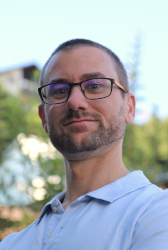
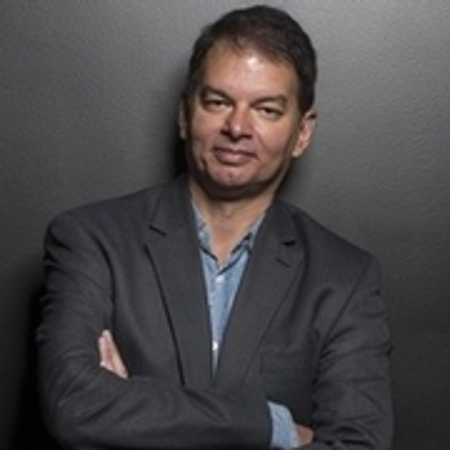
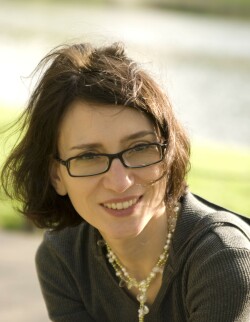
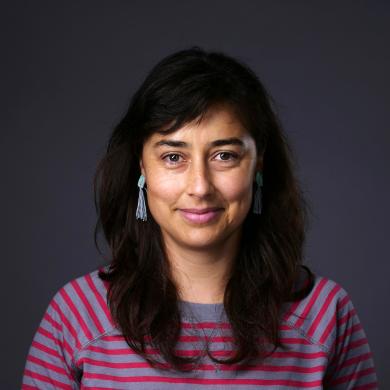
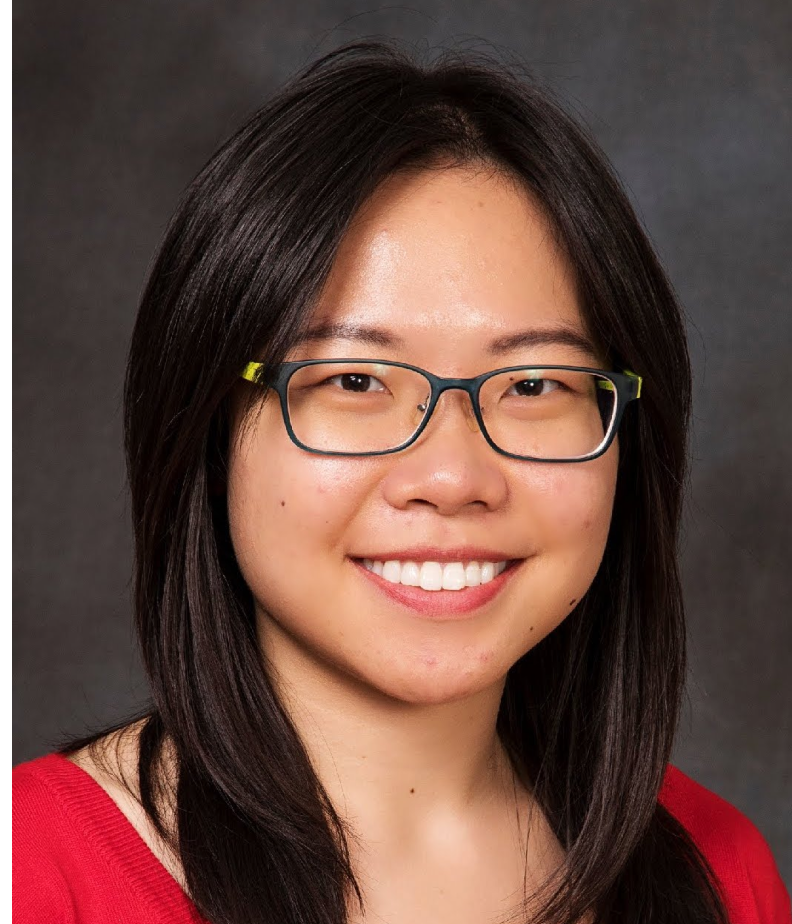
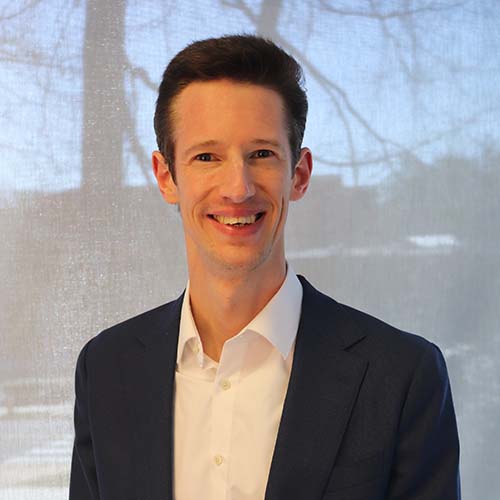
Tiwalayo Eisape is a Researcher at the Massachusetts Institute of Technology (MIT), affiliated with the Department of Brain and Cognitive Sciences. Their work bridges cognitive science and artificial intelligence, focusing on topics such as language model behavior, human-machine interaction, and statistical learning mechanisms. Current research emphasizes understanding how neural language models process syntax and semantics, as well as replicating foundational studies in cognitive psychology to validate computational models. Key research themes include probing LLMs for human-like reasoning capabilities, analyzing incremental parsing in autoregressive models, and exploring cross-linguistic syntactic transfer in second language learning. Eisape’s contributions span reproducibility efforts in cognitive science and investigations into typing behavior dynamics through online platforms. No academic awards or grants are explicitly documented in available materials. As part of MIT’s BCS community, Eisape likely collaborates within interdisciplinary teams focused on computational neuroscience and AI ethics, though specific lab affiliations remain unspecified. Advising activity appears limited to non-disclosed projects, and formal educational background details are not provided in the profile.
Reto Achermann is an Assistant Professor in the Department of Computer Science at the University of British Columbia (UBC), affiliated with the Systopia Lab. His research focuses on resilient and efficient systems at the intersection of operating systems, applied formal methods, and hardware models. He holds a PhD from ETH Zurich and previously served as a Postdoctoral Research Fellow at UBC under Prof. Margo Seltzer. Education: PhD in Computer Science from ETH Zurich (advised by Prof. Timothy Roscoe), MSc in Computer Science from ETH Zurich. Research interests include memory and storage systems, formal verification, device drivers, and software synthesis. He contributed to the Barrelfish OS project, particularly in memory management and hardware abstractions. Key achievements: Won distinguished artifact awards at ASPLOS'25 and SOSP'24 for 'Velosiraptor' and 'Verus'. Received UBC's Faculty of Science Excellence in Service Award for educational contributions. Served on program committees for ASPLOS, PLDI, EuroSys, and USENIX ATC. Current roles: Actively supervises graduate students in thesis-based MSc/PhD programs. Engages in interdisciplinary research and collaborates on grants. Previously advised undergraduate research projects and directed studies.
Francis X. Diebold is Paul F. Miller and Warren S. Miller Professor of Economics, Professor of Finance, and Professor of Statistics and Data Science at the University of Pennsylvania, and a current Janeway Institute visitor at the Faculty of Economics, University of Cambridge (15–18 August 2024). Education & Appointments: Paul F. Miller and Warren S. Miller Professor of Economics, University of Pennsylvania Professor of Finance, University of Pennsylvania Professor of Statistics and Data Science, University of Pennsylvania Janeway Institute Visitor, Faculty of Economics, University of Cambridge (Aug 2024) Research Focus: His research centers on dynamic predictive modeling of financial markets, macroeconomic aggregates, and the intersection with climate change—particularly the forecasting of Arctic sea-ice evolution. Methodologically, he integrates econometric theory, high-frequency finance, machine-learning techniques, and climate data analytics. Recent Publication Trends: Between 2021 and 2025, Diebold has published extensively on Arctic sea-ice forecasting , financial-network connectedness , yield-curve machine-learning models , and forecast-combination theory . These works appear in flagship journals such as Journal of Econometrics , Energy Economics , The Econometrics Journal , and the Bulletin of the American Meteorological Society , reflecting a cross-disciplinary reach from econometrics to climate science. Scientific Awards: No specific awards are listed in the provided text. Research Teams & Resources: Diebold maintains an active web repository of replication files, open course materials, and a long-running blog No Hesitations , underscoring his commitment to open science and scholarly communication.
Julian Walterskirchen is a PhD student in the Department of Political Science at the University of Gothenburg, focusing on empirical conflict studies, quantitative methods, and natural language processing (NLP). He holds an M.Sc. in International Relations from the University of Essex and a B.A. in Political Science from the University of Innsbruck. Prior to his PhD, he was a Research Associate at the Center for Crisis Early Warning (CCEW) at the University of the Bundeswehr in Munich (2021–2024), exploring text-as-data approaches for conflict prediction. Earlier roles include Research Assistant at the University of Innsbruck (2019–2021) and UN consultant on Preventing Violent Extremism (2017–2019). His research interests span international and intrastate conflict dynamics, crisis early warning systems, and computational methods in political science. He has contributed to projects funded by Germany’s Ministry of Defence and focuses on enhancing conflict prediction through NLP and quantitative frameworks. His academic work emphasizes reproducibility in research and methodological innovation, with publications addressing coup risk analysis, UN peacekeeping, and counterinsurgency strategies.
Christoph C Adami is a Professor at Michigan State University (MSU), holding joint appointments in the Department of Microbiology, Genetics, & Immunology, the Department of Physics & Astronomy, the Ecology, Evolution & Behavior Program, and the BioMolecular Science Gateway within the College of Natural Sciences. He is also affiliated with the Adami Lab, which focuses on computational biology, digital evolution, and information theory. His research integrates evolutionary biology, quantum mechanics, and artificial life, with notable contributions including the Avida platform for studying digital evolution and pioneering work on applying information theory to evolutionary processes. His education includes a BS in physics and mathematics, a Diplom in theoretical physics from the University of Bonn, and MA/PhD in physics from SUNY Stony Brook. He has held roles such as Principal Scientist at the Jet Propulsion Laboratory (NASA) and authored the textbook *Introduction to Artificial Life* (1998). Adami’s research interests span Darwinian evolution at molecular to cognitive levels, quantum information theory, and the origins of life. His work on digital life explores evolutionary dynamics using computational models, while his quantum studies address foundational questions in physics. He has developed influential frameworks like Markov Brains for studying cognitive evolution and neural network dynamics. His 150+ publications (e.g., 2023’s *Evolution of Biological Information*) reflect expertise in evolutionary systems, artificial intelligence, and interdisciplinary applications. Awards include NASA’s Exceptional Achievement Medal (2011 AAAS Fellow, 2017 APS Fellow, and 2019 ISAL Lifetime Achievement Award). Adami advises students in computational biology and AI, leading interdisciplinary teams in the Adami Lab. Key projects include ealib software for evolutionary algorithms, studies on integrated information in animats, and collaborations on quantum measurement theory. His work bridges theoretical insights with experimental validation, advancing our understanding of life’s complexity and information processing across scales.
Mohammad Sadoghi is a Professor in the Department of Computer Science at University of California, Davis, where he leads the Exploratory Systems Lab. His research spans database systems, distributed computing, and blockchain technologies with over 54 publications from 2007-2025 and more than 900 citations. His primary research domains include: Distributed database transactions Byzantine fault tolerance Consensus protocols Event processing systems Blockchain applications Database indexing techniques Prof. Sadoghi's publication trajectory shows evolution from foundational work on boolean expression indexing and event processing to cutting-edge research on blockchain consensus mechanisms. His recent work (2023-2025) demonstrates significant contributions to understanding BFT protocols, with publications in top venues like VLDB, EuroSys, and IEEE TKDE. His research bridges theoretical analysis with practical implementations, particularly focusing on performance optimization and security in distributed environments. His notable recognition includes: ACM Senior Member (2020) Prof. Sadoghi has advised multiple doctoral students who have become active researchers in distributed systems, including Suyash Gupta and Thamir M. Qadah. His lab has secured research funding for projects spanning database engines, consensus protocols, and blockchain infrastructure. The Exploratory Systems Lab maintains strong industry and academic collaborations worldwide, with recent work focusing on edge-cloud consensus applications and high-performance data management systems.
Carlo Curino is a researcher at Microsoft Research , focusing on database systems, cloud computing, and machine learning integration. He has collaborated extensively with institutions including MIT, Microsoft, and the University of Wisconsin-Madison. His research spans Geo-distributed data analytics Automated configuration tuning Tensor-based database systems Data lake optimization Spark performance engineering Recent publications highlight his work on AI-driven systems like MotherNet and Rockhopper , alongside contributions to query processing over compressed data and log-structured tables. Collaborators include prominent figures such as Raghu Ramakrishnan and Jesús Camacho-Rodríguez . Key projects involve LST-Bench (cloud storage benchmarking), AutoComp (data compaction), and PyFroid (commodity workstation analytics). His work bridges database optimization with modern machine learning demands in enterprise environments.
Professor Konstanze F. Winklhofer is a full Professor of Molecular Cell Biology at the Institute of Biochemistry and Pathobiochemistry, Faculty of Medicine, Ruhr University Bochum, Germany. She additionally serves as Vice-Speaker of the Research Department of Neuroscience and heads the Winklhofer Lab, which is equipped with state-of-the-art imaging core facilities including super-resolution microscopy, lattice-SIM, holotomography, and high-content screening platforms. Education & Career: Current: Professor (W3) at Ruhr University Bochum, Faculty of Medicine, Institute of Biochemistry and Pathobiochemistry. Role: Vice-Speaker, Research Department of Neuroscience. Research Focus: The Winklhofer laboratory investigates molecular, cellular, and systems-level mechanisms underlying neurodegenerative diseases. Central themes include: Ubiquitin system & proteostasis: understanding how linear ubiquitination and E3 ligases such as Parkin and LUBAC control neuronal integrity. Mitochondrial biology: deciphering mitochondria-centric stress response pathways, inter-organellar communication, and innate immune signaling (NF-κB axis). Phase separation & condensate biology: studying how proteins such as NEMO, α-synuclein, and prion protein undergo liquid-liquid phase separation and how this impacts aggregation and clearance by autophagy. Advanced imaging: exploiting super-resolution microscopy (SIM, PALM/dSTORM), live-cell lattice-SIM, FRAP/FRET, and holotomography to visualize dynamic cellular processes in real time. Publications & Trends: Across more than 150 peer-reviewed articles since 2000, the group has progressively shifted from elucidating basic ubiquitin biochemistry to integrating these insights with emerging concepts of phase separation and mitochondrial signaling hubs. Recent high-impact works (2023-2025) in Nature Communications , EMBO Journal , Cell , and Life Science Alliance highlight novel roles for NEMO, PACRG, and LUBAC in aggregate clearance and neuroinflammation. Scientific Awards: No specific awards detailed in the provided text. Funding & Collaborations: The lab is funded by the German Research Foundation (DFG) through major consortia including: RESOLV Cluster of Excellence (EXC 2033) SPP2453 “Integration of mitochondria into the cellular proteostasis network” FOR2848 “Nanoscale Architecture and Heterogeneity of the Mitochondrial Inner Membrane” RTG2862 “Monoaminergic Neuronal Networks and Disease” IMPRS for Living Matter Lab & Imaging Core: The Winklhofer group operates an open-access Imaging Facility housing Zeiss Elyra PS.1, Elyra7 Lattice-SIM, Nanolive CX-A holotomography, Cytation 5 MPW multimode reader, and Sapphire Biomolecular Imager. Custom pipelines in Imaris and CellProfiler enable advanced segmentation, particle tracking, and machine-learning-assisted analysis.
Eugenia Chiappe is a Principal Investigator at the Champalimaud Center for the Unknown , leading the Chiappe Lab . Her research focuses on the neural circuits involved in self-movement estimation and sensorimotor integration in Drosophila melanogaster , combining behavioral paradigms , neural activity recording , and genetic tools to uncover mechanistic explanations for brain function in adaptive behaviors. Research highlights : Investigation of HS and VS cells in flies as self-motion estimators . Development of head-fixed walking paradigms for reversible neural perturbation. Identification of nonvisual signals modulating visual responses during locomotion. Exploration of neural dynamics encoding combined visual and motor inputs. Scientific contributions : Marie Curie Career Integration Grant PCIG13-GA-2013-618854 Bial Foundation grant 191/12 Collaborative projects on state-dependent sensory processing (Journal of Neuroscience, 2017) Advising and Collaborations : Mentored Daniel Tendero (External PhD Student) and Miguel Paço (INDP PhD Student). Collaborations with teams at Yale University , MIT , and University College London .
Chujun Lin is a researcher at the University of California, San Diego (UCSD) within the College of Letters and Science. Their work focuses on understanding how humans form impressions of others through social perception mechanisms. Key Affiliation: Department of Psychology, UCSD Methodologies: Computational modeling, cross-cultural studies, neuroimaging Research Interests center on spontaneous impression formation from limited cues like facial appearances. They investigate how stereotypes and biases influence social judgments, and how these perceptions affect real-world outcomes including: Voting behavior Courtroom sentencing Misinformation spread Science communication Climate action decisions Their publication trends reveal expertise in facial perception analysis, algorithmic bias detection, and neuroimaging of social cognition. Current work examines trait inference dimensions and develops computational frameworks for understanding bias formation.
Dr. John Pezacki is a Professor in the Department of Chemistry and Biomolecular Sciences at the University of Ottawa, cross-appointed to the Faculty of Medicine. His research focuses on developing chemical and biophysical tools to study host-pathogen interactions, with a particular emphasis on human viruses like hepatitis viruses, Dengue, and SARS-CoV-2. BSc, University of Toronto PhD, McMaster University His work integrates activity-based profiling , bioorthogonal chemistry , non-coding RNA screening , and expanded genetic code technologies to explore new therapeutic targets and vaccine strategies. He operates state-of-the-art labs for chemistry, microbiology, and cell biology, collaborating with the university’s core facilities. Recent publications highlight his contributions to understanding microRNA regulation in viral infections, machine learning applications in chemical reactions, and bioorthogonal methodologies for molecular labeling. His research has been recognized with awards such as the Armand-Frappier Outstanding Student Award and the Canadian Society of Microbiologists’ Armand-Frappier Gold Medal . john.Pezacki@uOttawa.ca The Pezacki Lab fosters a multidisciplinary environment for students and postdoctoral fellows, emphasizing innovation in chemical biology and virology.
Holger Dannenberg is an Assistant Professor in the Department of Bioengineering at George Mason University , affiliated with the College of Engineering and Computing and the Interdisciplinary Program in Neuroscience . His research focuses on understanding the neural mechanisms underlying memory formation and spatial navigation, particularly within the septohippocampal system. Education PhD in Neuroscience (2015), Friedrich-Wilhelms-Universität Bonn MS in Molecular Biomedicine (2009), Friedrich-Wilhelms-Universität Bonn BS in Molecular Biomedicine (2007), Friedrich-Wilhelms-Universität Bonn Research Interests The Spatial Cognition Lab , led by Dr. Dannenberg, investigates how spatial memory and navigation are encoded in freely behaving mice using advanced techniques like single-unit recordings , optogenetics , and fiber photometry . His work bridges experimental and computational neuroscience to decode the role of cholinergic systems in memory. Key research areas include grid cell dynamics , neural ensembles , cholinergic modulation , and neurodegenerative disease mechanisms (particularly Alzheimer’s disease). Recent studies explore spatial novelty detection, experience-dependent neural adaptations, and machine learning applications in behavioral-neural correlation analysis. Publications Dr. Dannenberg’s publications reflect a focus on spatial memory coding , cholinergic pathways , and computational modeling of neural circuits. His work spans experimental studies in mice, anatomical investigations, and theoretical frameworks for understanding geometric patterns in neural coding.
Prof. Dr. med. Anton G. Henssen is the Head of Preclinical Research and an Attending Physician in the Department of Pediatric Oncology and Hematology at Charité - University Medicine Berlin. His work focuses on the role of extrachromosomal DNA (ecDNA) in pediatric cancers, particularly neuroblastoma and rhabdomyosarcoma. Research Interests: Extrachromosomal DNA in oncogenesis, genomic instability, molecular targeted therapy, tumor heterogeneity, and therapy resistance mechanisms. Publications: 15 most recent studies highlight ecDNA dynamics, MYCN-amplified cancers, and advanced sequencing methodologies (e.g., scEC&T-seq, Decoil, ec3D).
Ganggang Xu is an Associate Professor (with tenure) in the Department of Management Science at the Miami Herbert Business School , University of Miami . He specializes in advanced statistical methodologies, particularly in nonparametric and semiparametric modeling, spatial statistics, and point process theory. Education: Ph.D. in Statistics, Texas A&M University (2011) B.S. in Statistics, Zhejiang University (2006) Research Interests: His research spans several key areas in modern statistics and data science. He has made significant contributions to nonparametric and semiparametric regression , particularly in the context of functional data analysis and spatial-temporal modeling . His work on point processes includes marked, multivariate, and clustered point processes, with applications ranging from neuroscience to social media behavior. He also explores Bayesian hierarchical models and model selection techniques, often integrating computational efficiency with theoretical rigor. Publications Overview: His recent publications (2023–2025) reflect a strong focus on machine learning-enhanced statistical modeling , including tree-based estimation of intensity functions, network autoregressive models, and quantized inference. He has also contributed to applied domains such as medical imaging and inventory control , demonstrating the broad applicability of his methodological work. Grants & Collaborations: While specific grants are not listed in the provided text, his extensive publication record with multiple co-authors across institutions suggests active collaboration and possible funding from NSF or NIH-equivalent bodies in statistics and data science. Labs & Teams: Though no specific lab is mentioned, his affiliations and co-authorships imply involvement in interdisciplinary research teams at the University of Miami, especially within the business analytics and statistical modeling domains.
Maurice Herlihy serves as the An Wang Professor of Computer Science at Brown University, where he leads research in distributed systems and blockchain technology. His academic career spans decades with continuous contributions to concurrency theory and practical distributed system design. Education: PhD in Computer Science from Massachusetts Institute of Technology (1984) MS in Computer Science from Massachusetts Institute of Technology (1980) BA from Harvard University (1975) His research focuses on fundamental problems in distributed computing, particularly transactional memory systems and blockchain scalability. Recent work centers on overcoming concurrency limitations in blockchain execution through sharding techniques, optimized transaction scheduling, and cross-chain protocols. He investigates how hardware features like trusted monotonic counters can enhance Byzantine fault tolerance in asynchronous networks. Analysis of his 2020-2025 publications reveals a dominant focus on blockchain systems, with 85% of recent work addressing scalability, concurrency, and security challenges. Key trends include sharded permissioned ledgers for enterprise applications, concurrent execution models for Ethereum, and formal verification of cross-chain protocols. His work bridges theoretical distributed computing with practical cryptocurrency system design. He has secured significant research funding including NSF SHF grants for run-time support in concurrent programming. While specific advisees aren't listed in source materials, his teaching of advanced courses like CSCI 1760 (Multiprocessor Synchronization) indicates active graduate mentorship in distributed systems.