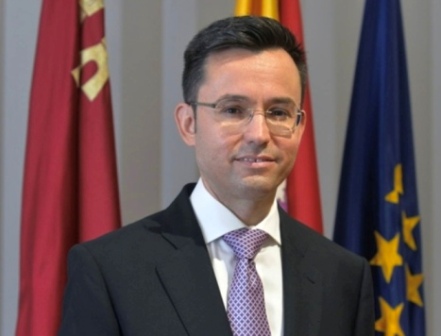
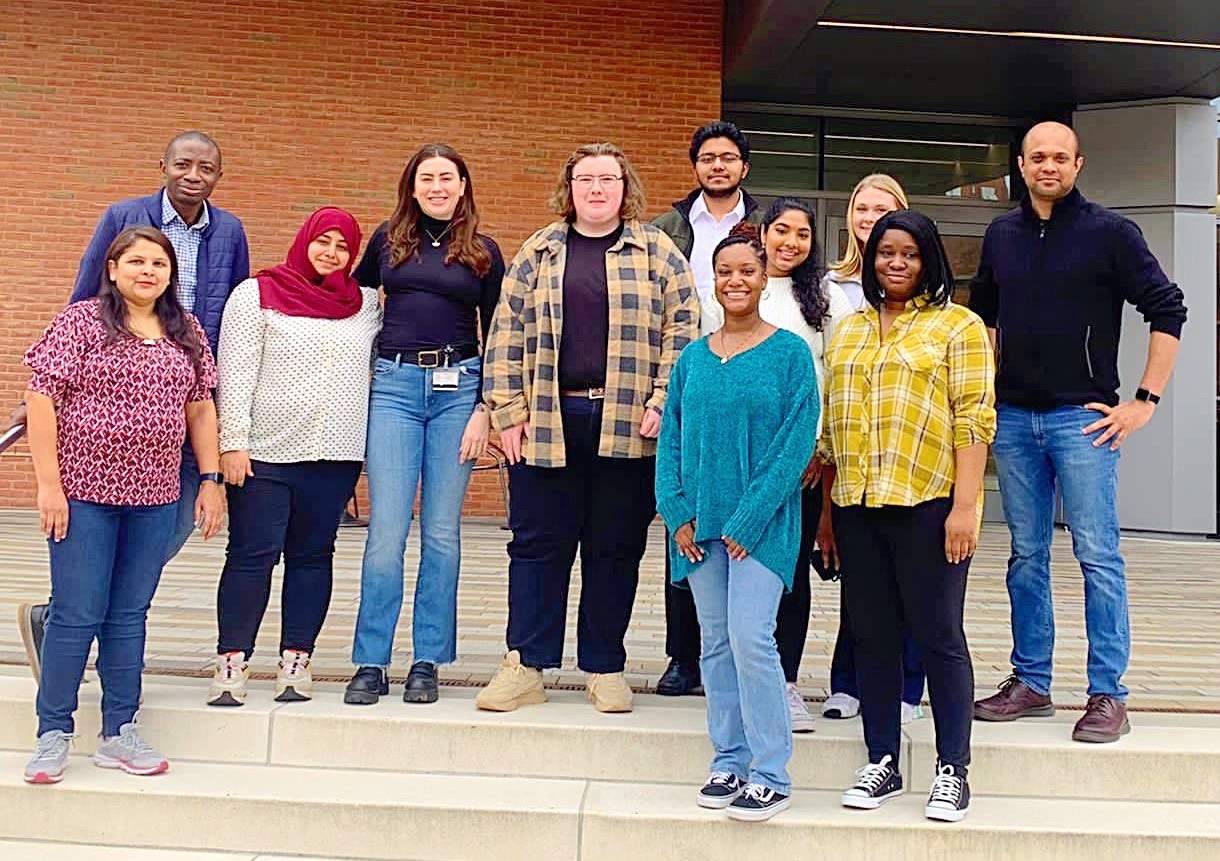
Professor Jody Mason is a faculty member in the Department of Life Sciences within the Institute of Sustainability and Climate Change at the University of Bath. With a PhD in Biochemistry from the University of Bristol (awarded January 1, 2001), Mason leads a research group focused on peptide-based therapeutics and protein-protein interactions. Mason's educational background includes a Doctor of Philosophy in Biochemistry from the University of Bristol (awarded January 1, 2001) and a Bachelor of Science in Biochemistry from the same institution (awarded July 1, 1997). Research interests center on the screening, design, synthesis and characterization of peptide-based antagonists that inhibit disease-relevant protein-protein interactions with high affinity and specificity. The research group employs Protein-fragment Complementation Assay (PCA) and Transcription Block Survival (TBS) screening platforms, along with the Competitive and Negative Design Initiative (CANDI) technique to increase target-specificity. Applications span signaling proteins, transcription factors, and amyloidogenic proteins implicated in Alzheimer's and Parkinson's diseases. The work utilizes molecular biology, chemical biology, and molecular biophysics approaches. Analysis of recent publications shows a strong focus on transcription factor inhibition, peptide library development, and biomaterial applications, with significant contributions to understanding protein misfolding diseases and developing novel therapeutic approaches. Scientific Awards: Royal Society of Chemistry Emerging Technologies Competition (July 2, 2025) Cancer Research Horizons - New Startup of the Year Award (July 10, 2025) N-terminal Alpha-Synuclein Fragment Modulates Lipid Induced Aggregation (November 21, 2023) Mason actively supervises doctoral students and supports postdoctoral fellowship applications. Current research is funded by major organizations including BBSRC, MRC, EPSRC, CRUK, The Wellcome Trust, Royal Society, Alzheimer's Society, Parkinson's UK and Alzheimer's Research UK. External roles include serving on the Alzheimer's Research UK Grant Review Board (2016-2023), as a BBSRC Core Member for Panel D (2016-2024), and on editorial boards for Future Medicinal Chemistry and PLOS One. The research group maintains active collaborations with industry partners including Revolver Therapeutics and Cancer Research Horizons, focusing on translating peptide screening technologies into therapeutic applications.