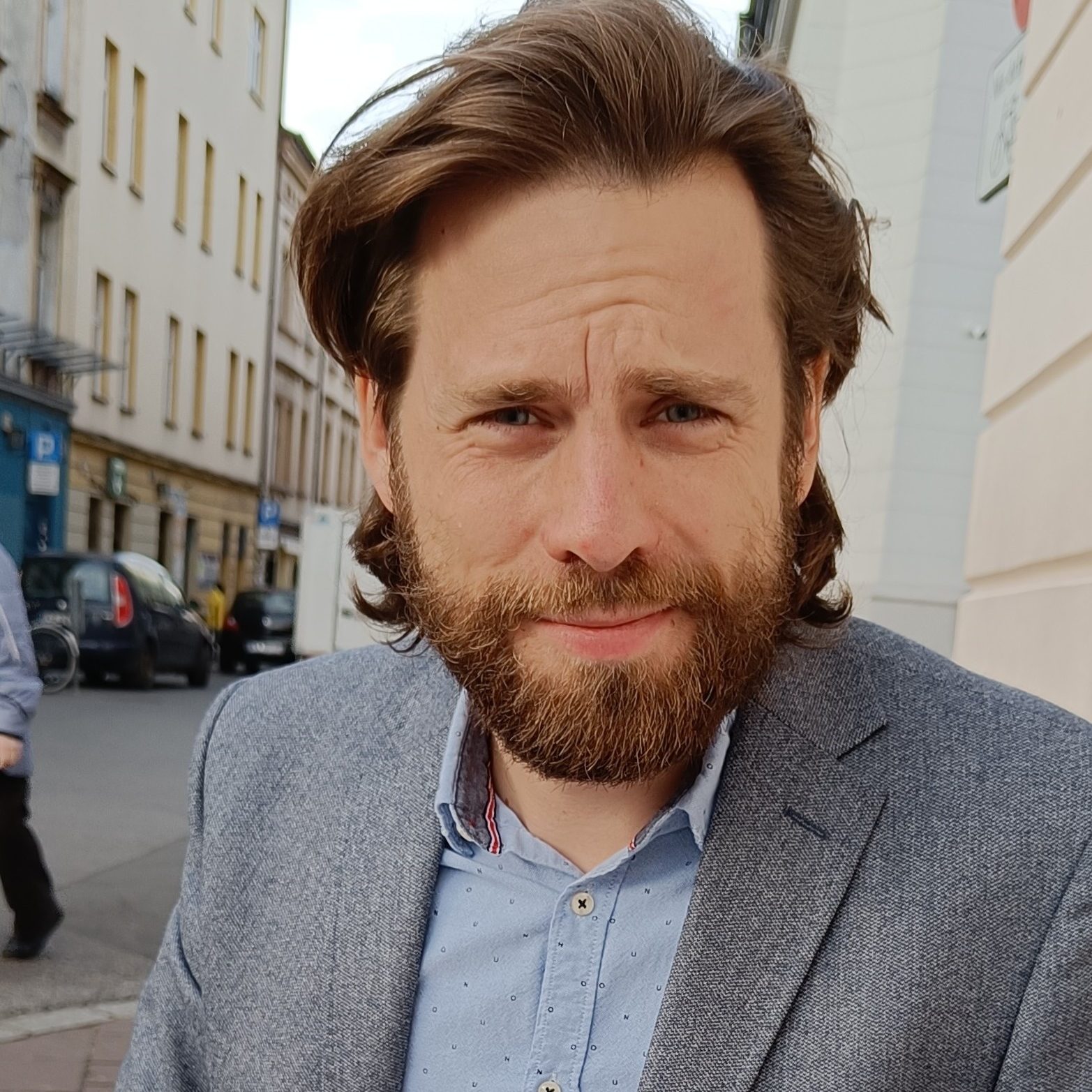
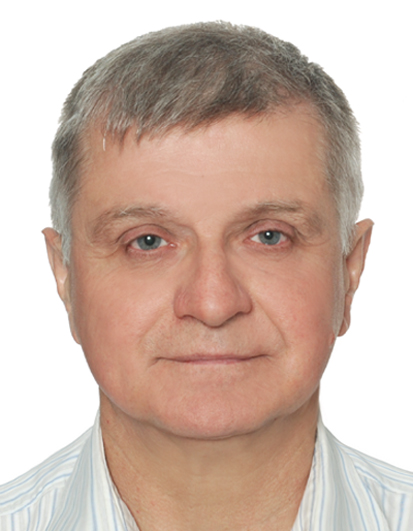
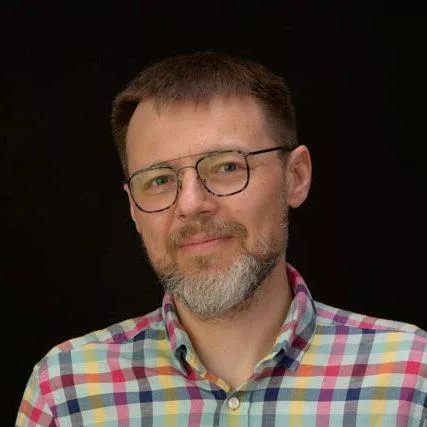
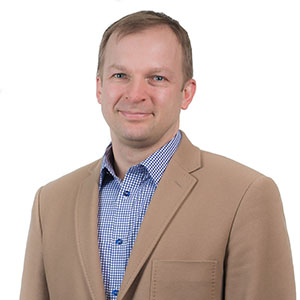
Dr. Patrycja Marzec-Braun is an Adjunct Professor at the Faculty of Economics, Maria Curie-Skłodowska University. She specializes in startup development, social capital, leadership, and innovative business models. Her work focuses on entrepreneurship and modern management techniques. Current affiliations: Faculty of Economics, Maria Curie-Skłodowska University Research areas: Startups, social capital, innovation, business management She teaches courses on change management, startup leadership, and entrepreneurship projects. Her research is centered on Polish market dynamics, particularly in the Lublin region, with emphasis on AI integration in organizational structures.
Dr. Joanna Macalik is a Lecturer in the Department of Marketing Management at Wrocław University of Economics. Her academic work focuses on the intersection of marketing theory and practical applications across multiple domains including personal branding, museum marketing, and regional branding. Dr. Macalik's research interests span several interconnected domains of modern marketing. She has made significant contributions to understanding personal branding, particularly among startup leaders and young professionals. Her work examines how individuals construct and leverage their personal brands to enhance business performance and career advancement. Additionally, she has conducted extensive research on museum marketing, investigating how cultural institutions communicate with their audiences and contribute to regional branding efforts. Her studies on influencer marketing, particularly during the COVID-19 pandemic, demonstrate her ability to address timely and relevant marketing challenges. Analysis of Dr. Macalik's publication record reveals a clear trajectory of research focused on branding across different contexts. Her work consistently bridges theoretical marketing concepts with practical applications, often using empirical research methods. The publications show a progression from traditional marketing communication topics toward more contemporary digital and social media applications. Notably, her research frequently employs case study methodologies, with a particular focus on the Wroclaw region in Poland, suggesting strong local engagement alongside broader theoretical contributions. Dr. Macalik has advised numerous students and contributed to various research projects, though specific details about her mentoring activities are not widely publicized. Her work has likely contributed to curriculum development in marketing communication, personal branding, and digital marketing within her department.
Dr. Konrad Kulikowski serves as Assistant Professor and Vice-Dean for Education at the Faculty of Organization and Management, Łódź University of Technology. He is affiliated with the Institute of Management where his research focuses on human resource analytics, compensation systems, and occupational psychology. His work examines pay transparency, work engagement, burnout mechanisms, and evidence-based management practices in organizational contexts. Research interests span: Psychometric analysis of intellectual capital HR analytics implementation challenges Pay fairness perception modeling Higher education evaluation systems Work engagement predictors Recent publications (2023-2024) demonstrate strong emphasis on compensation psychology, research evaluation methodologies, and occupational health in specialized populations. Key thematic clusters include academic assessment systems, pay transparency frameworks, and neurodiverse workforce management. Outside academia, Dr. Kulikowski promotes evidence-based HR practices through industry collaborations and contributes analytical content to professional platforms including Wynagrodzenia.pl and RynekPracy.pl.
Dr. Kamil Gemra is an Assistant Professor at the Department of Digital Finance FINTECH within Warsaw School of Economics. His academic work focuses on contemporary financial systems with specialization in capital markets, alternative finance mechanisms, and sustainable investing frameworks. Research Focus: Gemra investigates behavioral patterns in equity markets, ESG integration challenges, corporate bond market dynamics, and fintech innovations like crowdfunding. His work frequently examines Polish financial markets as case studies for emerging economy trends. Research spans four key domains: Investor psychology in crisis scenarios (e.g., COVID-19 impacts) ESG maturity modeling for businesses and financial institutions Crowdfunding mechanisms and market forces Corporate bond market development Publication Analysis: Recent articles (2021-2025) demonstrate consistent focus on market behavior during disruptions, with 60% analyzing crisis impacts (pandemics, climate). ESG/sustainable finance represents 33% of recent output, while crowdfunding and IPO studies comprise 40%. Methodologically, works emphasize empirical evidence from Polish financial data.
Dr. Ahmed Abdeen Hamed is a former Assistant Professor of Data Science and Artificial Intelligence at Norwich University and a former Research Team Leader in Clinical Data Science. He holds a Ph.D. from the University of Vermont (2014) and has extensive industry experience in pharmaceutical research. His work focuses on computational methods for drug discovery, network analysis, and AI-driven healthcare solutions, particularly in drug repurposing for diseases like COVID-19. He has developed algorithms such as MolecRank and NeoNet, and holds a patent for specificity-based molecule ranking systems. Education: PhD in Data Science (University of Vermont, 2014). Research Interests: Network-based drug discovery, biomedical informatics, AI in healthcare, clinical data science, and combating misinformation using machine learning. His recent work emphasizes leveraging clinical trials and biomedical literature to predict treatment efficacies through computational frameworks. Key Contributions: First inventor on a molecule ranking patent (2021), co-developer of the CovidX algorithm for drug repurposing, and supervisor of PhD students/postdoctoral fellows. Collaborates with Sano teams to advance clinical research through AI. Awards: FastCompany Most Creative (2016) Industry Impact: Contributed to a multi-million dollar grant for a recommendation engine startup. Labs/Teams: Currently part of Sano's research teams, focusing on computational clinical research and interdisciplinary collaborations.
Professor Anna Rakowska leads the Department of Intellectual Capital and Quality at Maria Curie-Skłodowska University's Faculty of Economics. With over 200 publications, her research spans human resource management, organizational diversity, and managerial competencies, while pioneering studies at the intersection of artificial intelligence in management and Human-Robot Interactions (HRI). She also investigates individual competencies within Circular Economy frameworks. Department Head of Intellectual Capital and Quality Deputy Editor in Human Management Systems Active in American Academy of Management and Polish Academy of Sciences (Lublin section) Focus on organizational justice, employee well-being, and diversity management Her scholarly work reveals trends in cross-cultural management studies, legal-comparative analyses of judicial systems, and evolving competencies for sustainable economies. Notably, she explores AI ethics in workplaces and migration-induced diversity challenges. Recipient of editorial board roles in international journals Research grant leadership in employee development and innovation Keynote speaker at conferences on organizational effectiveness Current projects examine robotic integration in business environments and diversity-driven innovation strategies, while maintaining active collaborations with industry leaders and policy experts.
Prof. Dr. hab. Marek Pawlak is a tenured Professor at the Department of Business Management , Institute of Journalism and Management , Faculty of Social Sciences , John Paul II Catholic University of Lublin . He holds academic degrees including MBA, Technical University of Lublin (1980) PhD, Technical University of Gdańsk (1987) Hab. PhD, Institute of Organization and Management in Industry, Warsaw (1997) Professor, Institute of Organization and Management in Industry, Warsaw (2009) His research focuses on Corporate Governance Computer Sciences Application in Management Business Ethics Strategic Management Project Management . His recent publications analyze generational changes in family business leadership, tax haven usage by multinational corporations, and moral development indices of future leaders. He has coordinated international projects like TEMPUS JEP 04214 and received grants from the Polish Ministry of Science and Higher Education on topics including genetic algorithms for production scheduling and CSR impact on consumer behavior. He has served as a Vice-Dean at both Technical University of Lublin and John Paul II Catholic University of Lublin. Professional activities include multiple Erasmus+ teaching assignments at Spanish institutions (Universidad Francisco de Vitoria, University of Seville) and industry consultancy roles. His scientific work spans 40+ years with over 140 publications, including books like Zarządzanie projektami (PWN, 2006) and Zarządzanie grupą przedsiębiorstw (KUL, 2015).
Patrycja Rudnicka , PhD in Humanities and occupational/organizational psychologist, serves as an Assistant Professor at the Academy of Fine Arts in Katowice (ASP Katowice) in the Department of Art Theory and History. Combining academic and business expertise, she teaches courses in product psychology, interpersonal communication, and design for implementation (English-language track) while collaborating with global brands and institutions through Mobee Dick agency. Graduated from University of Silesia in Katowice Expert in technology readiness and UX measurement Focus on ethical challenges in artificial intelligence Specializes in Human Centered Design and Value Sensitive Design Her research examines intersections between psychology, technology, and design, with emphasis on e-learning systems, digital therapeutics, and urban information systems. She leads large-scale projects like EDIDesk (Erasmus+ KA220-HED) and Clinpro platform development for digital therapy monitoring, while mentoring women in IT through the DareIT program .
SWPS University of Social Sciences and HumanitiesPoland
Radosław Kaczan, Ph.D., Assistant Professor at SWPS University's Faculty of Psychology in Warsaw, specializes in developmental psychology with a focus on creating diagnostic tools for children and adolescents. His work addresses peer violence in schools through research and implementation of prevention programs like RESQL. He contributes to standardizing learning outcomes and collaborates with academic and professional organizations. Education: Ph.D. in Psychology His research spans developmental psychology, educational psychology, and inclusion studies. Key projects include the RESQL bullying prevention system and analyses of vocational education pathways. Awards highlight his innovative impact, particularly with RESQL's recognition as social innovation and Mazovia's Innovator. Recent publications reflect his expertise in early childhood assessment, working memory's role in learning, and identity formation challenges. He actively participates in academic conferences and collaborates with institutions like the Bullying Research Center (BRC). Teaching responsibilities include human development psychology courses. Scientific Awards: Genius Universitatis 2025 competition success Best Social Innovation (RESQL System) Innovator of Masovia (RESQL System) Positive Impact Startup 2022 by Leon Kozminski Academy Warsaw Booster'21 winner (RESQL System) Polish Science Gala 2022 award (RESQL System) PRom Association awards Dr. Kaczan's work integrates research on cognitive development, bullying prevention, and inclusive education policies. His lab collaborations, particularly with the Bullying Research Center, drive practical implementations nationwide. He remains engaged in advancing educational frameworks through both academic and applied research.
Dr. hab. Anna Golejewska is a **Professor** at the **Department of International Economics and Economic Development**, part of the **Faculty of Economics** at the **University of Gdańsk**. Her work focuses on regional innovation systems, economic development, and the impact of EU policies on entrepreneurship and firm performance. Her research interests include analyzing innovation drivers in regions, tax policy effects on firms, and the role of metropolitan locations in fostering innovation. She has extensively studied Poland’s regional economies, Special Economic Zones, and the application of EU structural funds in supporting small and medium enterprises (SMEs). Key themes in her work include the efficiency of regional innovation systems, the influence of urbanization on innovation, and the interplay between foreign direct investment and productivity spillovers. She has also explored competitiveness dynamics in the Visegrad Group countries and Eastern European regions. Her publications highlight empirical analyses of policy effectiveness, such as tax incentives and local government support for entrepreneurship. Recent work emphasizes the transformation of transportation infrastructure and the classification of regional innovation typologies in Poland. While no specific awards are mentioned, her prolific output demonstrates significant contributions to regional economic policy analysis and innovation studies.
Professor Jerzy Węcławski of Maria Curie-Skłodowska University's Faculty of Economics specializes in banking, family business finance, and financial market dynamics. His work bridges theoretical research with practical applications in economic transformation and corporate governance. Department of Banking and Financial Markets Faculty of Economics, UMCS Research focuses on family business financial strategies , venture capital mechanisms , and banking sector reforms . Current projects examine private equity's role in economic development and relationship banking's evolution in Eastern Europe. Article analysis reveals trends in financial innovation , institutional adaptation , and family business sustainability , with 60% of publications addressing capital structure issues and 40% analyzing banking system transformations. Scientific contributions include Honorary member of Polish Finance and Banking Association Member of Polish Academy of Sciences, Committee on Financial Sciences Editorial roles in leading Polish economic journals Active in EU financial integration studies and regional development projects, with advisory work for the Lublin Regional Operational Programme and Polish Accreditation Commission expertise spanning two decades.
Dr. Eng. Letycja Sołoducho-Pelc is a researcher at the Department of Strategic Management at Wrocław University of Economics . She serves as the Manager of the Management program , Manager of the Legal and Economic Consulting program , and Erasmus+ Program Coordinator . Her research focuses on strategic management, sustainable development, green management, business ecosystems, and artificial intelligence in business contexts. Department: Strategic Management University: Wrocław University of Economics Key Research Areas: Sustainable Strategic Management, Green Skills, Circular Economy Email: letycja.soloducho-pelc@ue.wroc.pl Her recent publications analyze the integration of environmental strategy with green management styles, business intelligent systems in sustainable contexts, and green skills gaps through labor market intelligence. She explores strategic management's role in business ecosystems and the European Green Deal's impact on energy sectors. Scientific contributions include: Strategic management frameworks for sustainable development Green skills assessment methodologies Business ecosystem dynamics AI applications in sustainable operations Circular economy models Energy sector strategy evolution
Ewa Wszendybył-Skulska is a Professor at the Jagiellonian University , affiliated with the Faculty of Management and Social Communication and specifically the Institute of Entrepreneurship . She teaches subjects including Strategic Human Resource Management, Gastronomy Management, Hospitality Management, and Tourism Marketing. Current Faculty Member Focus on Tourism, Entrepreneurship, and Sustainable Development Active in ResearchGate with 32 publications Her research interests center on entrepreneurship, competitiveness, innovation, value creation, and sustainable development in tourism. She explores quality in services, particularly within hotel and gastronomy management, emphasizing social and environmental responsibility in business practices. Recent publications examine digital transformation in energy procurement , resilience in the hotel industry during crises , and the impact of social capital on tourism competitiveness . Her work often bridges theoretical frameworks with practical applications in hospitality and regional tourism development. She leads postgraduate studies in Procurement Management and contributes to tourism policy analysis in the European Union. Her collaborations span institutions like the National Tourism Development Authority and researchers such as Aleksander Panasiuk and Sebastian Kopera .
Maria Aluchna serves as Professor and Head of the Department of Management Theory at the Warsaw School of Economics, while also chairing the scientific council of management and quality science discipline. Her institutional leadership extends to shaping academic standards across Polish higher education. Her research expertise spans: Corporate Governance Structures and Board Dynamics EU Non-financial Reporting Directive Implementation ESG Disclosure Authenticity and Decoupling Phenomena Gender Diversity in Corporate Leadership Institutional Investor Influence on Sustainability Practices Regulatory Compliance in Emerging Economies Analysis of her 2023-2025 publications reveals dominant focus on EU sustainability regulations' real-world impact. She systematically investigates whether mandatory reporting triggers genuine corporate transformation or symbolic compliance, using Germany-Poland comparisons to demonstrate how national institutional contexts shape corporate responses. Her work exposes how companies navigate paradoxical tensions in sustainable supply chains while examining gender pay gap reporting as a decoupling mechanism. No information regarding scientific awards, student advising, or research grants appears in available materials.
Adam Wyszkowski is a Professor at the Department of Finance (Division of Public Finance) within the Faculty of Economics and Finance at the University of Białystok. His research focuses on public finance, tax policy, and regional development, with particular emphasis on local government finances in Poland. He holds a habilitation degree and is recognized as a leading expert on EU fund utilization, tax expenditures, and fiscal governance in municipalities. His work explores the interplay between demographic trends, fiscal sustainability, and economic policy, often analyzing spatial disparities in green economy adoption and municipal financial autonomy. Notable contributions include studies on tax expenditures as hidden public spending mechanisms, the impact of Poland's 'Polish Deal' on local finances, and the consequences of depopulation on regional fiscal health. Publications span over two decades, with recent works addressing green economy metrics, EU fund allocation effectiveness, and the political economy of tax reliefs. His research frequently employs spatial econometrics to evaluate regional disparities and policy impacts in Poland's voivodeships and municipalities.