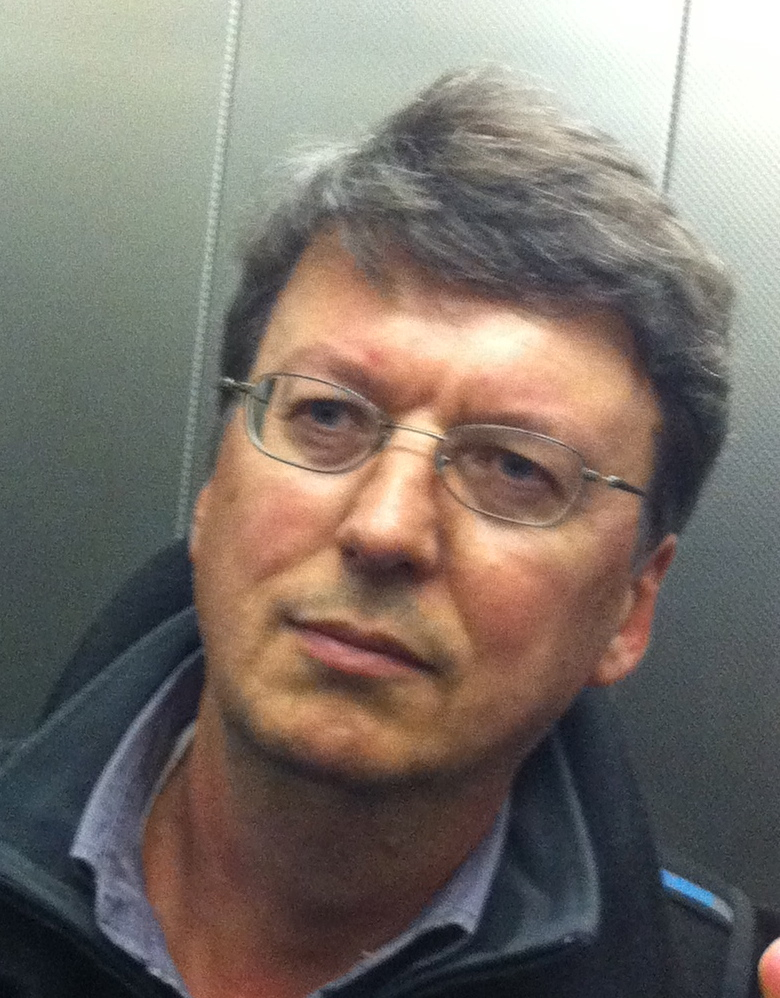
Professor Ann Parry Owen holds a Personal Chair at the Centre for Advanced Welsh and Celtic Studies (CAWCS) within the University of Wales, where she has worked since 1985. She leads the University of Wales Dictionary as Senior Editor and previously directed major research projects including the Poets of the Nobility series and the Guto’r Glyn AHRC-funded digital edition. Specializes in Medieval Welsh poetry (12th–15th century) Focuses on Welsh lexicography through historical manuscripts Co-investigator in Sacred Landscapes and Medieval Monasteries projects Her research combines Welsh language and grammar with digital edition creation , manuscript transcription, and place-name standardization . Notable contributions include editing the works of Cynddelw Brydydd Mawr and Guto’r Glyn, and leading the Guto’r Glyn website project. Scientific contributions include: AHRC grant recipient ( £900K , 2007) Fellow of the Learned Society of Wales Welsh Language Commissioner’s Place-Names Standardisation Panel member As Chief Editor of Studia Celtica and Modern Humanities Research Association (MHRA) Library board member, she bridges traditional scholarship with digital humanities , ensuring open access to Welsh cultural heritage through initiatives like Geiriadura.cymru .
Associate Professor Ben Sparrow is affiliated with the University of Adelaide's School of Biological Sciences within the Faculty of Sciences, Engineering and Technology. He leads the TERN Ecosystem Surveillance program, focusing on environmental monitoring methodologies and data standardization. His work emphasizes integrating remote sensing technologies with ecological data to improve biodiversity tracking and policy development. Ben has extensive experience in grant-funded research, including leadership roles in TERN's AusPlots and Eco-informatics initiatives, and has contributed to projects like the Global Drylands Assessment with the UN FAO. He collaborates with stakeholders to address socio-ecological challenges in environmental management and has advised Honours students on topics related to natural resource management and ecological data analysis. Research Interests : Ben's research centers on environmental surveillance, ecological monitoring standardization, remote sensing applications, citizen science integration, and understanding climate change impacts on Australian flora. He advocates for adaptable protocols that balance national data consistency with regional autonomy, ensuring ecological data supports both science and policy. His work includes developing open-access datasets (e.g., deadtrees.earth) and advancing tools like the ausplotsR package for vegetation analysis. Grants & Funding : Recent grants include $2.1M from NCRIS/TERN (2018), a $484,770 Citizen Science Grant for the Wild Orchid Watch project, and UN FAO funding ($20,000 USD) for global drylands research. He has also secured funding for LiDAR and photogrammetry initiatives, vegetation mapping projects, and cross-disciplinary research efforts. Professional Activities : Ben actively participates in committees such as the Enabling ecosystem surveillance working group (Ecosystem Science Council) and the Drylands Working Group (UN FAO). He co-chaired the 15th Australasian Remote Sensing and Photogrammetry Conference and contributes to global initiatives like the sPlot dataset project. His work bridges ecological science with practical policy applications, emphasizing reflexivity and communication in socio-ecological systems. Labs/Teams : Ben is part of the Terrestrial Ecosystem Research Network (TERN) team at the University of Adelaide's Waite campus, leading the Ecosystem Surveillance unit. He collaborates with the AusPlots Rangelands program and the Eco-informatics group to develop continental-scale ecological monitoring infrastructure.
Rachel Tanner is an Associate Professor and Lecturer in Human Sciences at Wadham College, University of Oxford, with additional appointments as Research Fellow at Wolfson College and Access Officer for the Institute of Human Sciences. Her research focuses on tuberculosis vaccine development through analysis of immune correlates, particularly the humoral response to BCG vaccination and development of functional in vitro assays. Education MA in Biological Sciences, University of Oxford DPhil in Clinical Medicine, University of Oxford Her work addresses critical gaps in TB vaccine development by: Identifying humoral immune correlates of protection Developing in vitro mycobacterial growth inhibition assays (MGIA) to reduce animal use Investigating controlled human infection models Exploring non-specific effects of BCG vaccination Advancing bovine TB vaccine research She leads initiatives aligning with the 3Rs principles for animal research. Notable scientific awards include: TBVI Young Scientist Award (2017) CTVD Early Career Scientist Award (2018) 'Women of the Future' Award for Science (2019) Current research projects involve: Comparative analysis of BCG and MTBVAC vaccines Route-specific antibody functionality Development of novel TB vaccine candidates Standardisation of functional immune assays She contributes to scientific governance through roles on: British Society for Immunology Vaccine Affinity Group Acid Fast Club committee Oxford University Animal Care and Ethical Review 3Rs subcommittee Scientific Reports Editorial Board
Pia Marit Johanne Lane is Professor of Multilingualism at the Department of Linguistics and Nordic Studies, Faculty of Humanities, University of Oslo, and serves as Academic Chair for the Circle U. Multilingualism, Interculturality and Language Lab. She gained national prominence as a member of the Norwegian Truth and Reconciliation Commission, which investigated historical Norwegianization policies against Sami, Kven/Norwegian Finns, and Forest Finns, submitting its report to the Storting in June 2023. Professor Lane's research focuses on language revitalization, language policy, and the standardization of minority languages, with particular expertise in Kven and Sami communities in Northern Norway. Her scholarly approach integrates nexus analysis with indigenous, decolonial, and southern theoretical perspectives, examining language as part of a larger semiotic system. She has extensively documented how material objects function as identity markers during language shift, as evidenced in her influential works including 'Identities in action: A nexus analysis of identity construction and language shift' (2009) and 'We did what we thought was best for our children' (2010). Analysis of Lane's recent publications reveals a strong trajectory toward decolonial frameworks and the application of southern theory to northern contexts. Her work increasingly examines the psychological dimensions of linguistic colonization and the pathways to mental decolonization. The recurring themes across her scholarship include the tension between language standardization and community participation, the role of new speakers in language revitalization movements, and the complex relationship between historical trauma and contemporary language identity. Project leader for 'Standardising Minority Languages,' funded by Norges Forskningsråd Co-editor of 'Standardizing Minority Languages. Competing Ideologies of Authority and Authenticity in the Global Periphery' (Routledge, 2017) Member of the EU-funded COST Action IS1306 'New Speakers in a Multilingual Europe' Co-leader of the work group 'Indigenous minority languages' and current leader of 'New speakers: Subjectivities, trajectories, spaces' Member of AILA-network 'Home Language Maintenance and Development' Lane's fieldwork extends beyond traditional academic boundaries, including collaboration with Lightsource Productions on the documentary film 'Det hemmelige språket' (The Secret Language), which explores contemporary Kven language users. Her personal connection to the subject matter is profound—growing up in Bugøynes, Finnmark, she was the first generation in her family to be spoken to exclusively in Norwegian, only reclaiming her heritage Kven language as an adult researcher returning to her community.
Madhukar Pai, MD, PhD is a Senior Scientist at the Research Institute of the McGill University Health Centre (RI-MUHC) , based at the Montreal General Hospital site, and a Professor in the Department of Epidemiology, Biostatistics and Occupational Health at McGill University’s Faculty of Medicine and Health Sciences . He also holds an appointment in the Division of Respiratory Medicine, Department of Medicine, MUHC . He leads research within the Infectious Diseases and Immunity in Global Health Program and the Centre for Outcomes Research and Evaluation (CORE) . Education: MD – Medical degree (institution and year not specified in text) PhD – Doctoral degree (field and institution not specified in text) Research Interests: Professor Pai’s research revolves around tuberculosis (TB) , a disease causing 10 million new cases and 1.4 million deaths annually. His work integrates epidemiology , diagnostics evaluation , implementation science , and global health policy to accelerate TB control. A major strand involves rigorous evaluation of novel rapid molecular diagnostics compared to conventional tests, assessing accuracy, cost-effectiveness, and readiness for national policy adoption. He employs standardised (mystery) patients to measure quality of TB care in private and public sectors across India , South Africa , Indonesia , and Nigeria . The COVID-19 pandemic has added a new dimension, examining disruptions to TB services and leveraging lessons for resilient health systems. His overarching goal is translational epidemiology —ensuring that scientific advances rapidly translate into policies and practices that save lives. Publication Trends: Between 2022 and 2025, Professor Pai has published prolifically on TB diagnostics , care cascades , COVID-19 impacts , private sector engagement , antimicrobial resistance , and decolonizing global health . His articles frequently appear in The Lancet , BMJ Global Health , PLoS Medicine , and Nature Reviews Disease Primers , reflecting a commitment to high-impact, policy-relevant science. Methodological contributions include systematic reviews, meta-analyses, standardised patient studies, and qualitative policy analyses. Scientific Awards & Recognition: (No specific named awards detailed in the provided text) Funding & Grants: Professor Pai’s research is supported by competitive international grants focused on TB diagnostics implementation, health systems strengthening, and pandemic preparedness. While exact grant titles and amounts are not listed, his extensive publication record attests to sustained funding from agencies invested in global health research. Labs & Teams: He leads a multidisciplinary team within the Centre for Outcomes Research and Evaluation (CORE) and the Infectious Diseases and Immunity in Global Health Program at RI-MUHC. Collaborations span McGill University, the McGill International TB Centre, and numerous partners in high-burden countries.
Salman Nazir is Professor at the University of South-Eastern Norway (USN) , Faculty of Technology, Natural Sciences and Maritime Sciences, Department of Maritime Operations. He heads the Training and Assessment Research Group (TARG) and is Scientific Leader of the national Centre of Excellence in Maritime Simulator Training and Assessment (COAST). Since 2019 he has held the rank of Professor, after serving as Associate Professor from 2015 and earlier post-doctoral and lecturer roles in Norway, Italy, South Korea and Pakistan. Education PhD in Industrial Chemistry and Chemical Engineering ( cum laude ), Politecnico di Milano, Italy, 2011–2013 MSc in Chemical Engineering (Process System Engineering), Hanyang University, South Korea, 2007–2009 BSc in Chemical Engineering, Bahauddin Zakariya University, Pakistan, 2002–2006 Research Interests Prof. Nazir’s work sits at the intersection of Human Factors, Safety and Simulation Technology . He investigates how immersive virtual- and augmented-reality simulators, novel training syllabi and evidence-based performance indices can enhance operator competence and safety in complex maritime and process-industry systems. Concepts such as Distributed Situation Awareness , multi-criteria decision making , accident analysis and learning process optimisation are central to his multidisciplinary agenda, which actively involves cognitive scientists, computer scientists, maritime practitioners and industrial stakeholders. Research Trends & Article Overview Across more than 80 peer-reviewed outputs, a clear trajectory emerges: early focus on process-industry training simulators and KPI development evolved into maritime-centric studies on simulator fidelity, VR-based education, and human-automation interaction in autonomous shipping. Recent work (2019–2021) emphasises systematic reviews and comparative European studies, validating VR-headset efficacy, performance-assessment frameworks, and sociotechnical implications of increased automation. Honours & Awards COAST designated one of 12 national Centres of Excellence in Education (SFU) by DIKU, Norway Coordinator/Leader, EU Horizon 2020 project ENHANCE (multi-million NOK) 400 000 NOK MARKOM 2020 Workshop grant PhD cum laude , Politecnico di Milano Young-researcher grants, Politecnico di Milano (2011 & 2013) Merit scholarships, Hanyang University & Korean Government Advising & Grant Portfolio Prof. Nazir currently supervises 6 master students and 1 PhD candidate in “Automated Performance Assessment in Maritime Operations”, while co-supervising additional PhD students at Liverpool John Moores University. He has successfully graduated 3 master and 6 bachelor students . External funding includes EU Horizon 2020, Norwegian SFU scheme, MARKOM 2020, Maritime Technology and Innovation (MTDI) and multiple Italian national grants. Labs & Collaborative Networks He leads TARG at USN, acts as Scientific Leader of COAST , and collaborates with leading international scholars such as Prof. Zaili Yang (Liverpool John Moores), Prof. Annette Kluge (University of Duisburg-Essen), Prof. Davide Manca (Politecnico di Milano) and Prof. Paulo Carvalho (UFRJ, Brazil). These partnerships span computer science, cognitive psychology, maritime logistics and safety engineering, ensuring a truly interdisciplinary research ecosystem.
Anton Tantner is a historian and Privatdozent (senior lecturer with habilitation) at the Institute of History, University of Vienna. His research deciphers the cultural and political dimensions of everyday ordering technologies—house numbers, street addresses, census lists, urban fortifications and the Danube Canal—linking micro-historical detail to macro-historical change in Europe from the 16th century to the present. An energetic public scholar, he curates thematic city walks, lectures widely in adult education, and publishes across academic and popular media. Education & Academic Status: Mag. phil., University of Vienna Dr. phil., University of Vienna Privatdozent (habilitated lecturer), Institute of History, University of Vienna Research Interests: Tantner explores how seemingly banal tools—numbers on doors, address registers, early statistical tables—became instruments of statecraft, surveillance and social discipline. His regional focus on Vienna and the Marchfeld reveals global patterns: the spread of house-numbering from Habsburg military recruitment to European colonies, or the transformation of the Danube Canal from workers’ “lido” to contested investment frontier. Recent Publications & Trends: Between 2020-2024 he produced a steady stream of articles and books on numbering, urban micro-history and environmental storytelling. Recurring themes include the egalitarian yet controlling impulse of serial numbers, the memorial afterlives of revolutionary dead, and the hidden histories of Viennese wastelands and sand-dunes. Public Engagement & Awards: Organiser of the 2021 conference “250 Years of House Numbering in the Habsburg Monarchy” Frequent contributor to Wiener Zeitung , Tagebuch , Versorgerin , Jacobin and public radio Designer of numbered T-shirts merging scholarly research with wearable urban stories Teaching & Grants: He currently teaches courses on historical methodology, source criticism, and thematic seminars on Maria-Theresian Vienna and the ordering practices of numbers, cabinets and tables. Details of specific grants are not disclosed in the sources. Labs & Networks: Tantner co-operates with the Labor Alltagskultur (Laboratory of Everyday Culture) for public walks and digital excursions, and is an active member of Vienna’s adult-education and museum networks.
Whitney Gill is an Associate Professor in the Department of Computer Science at Middlesex University. She teaches courses including IT Infrastructure, Introduction to Computer Forensics, Professional Project Development and Management, and Postgraduate Project MSc Digital Inclusion. Her research focuses on Design and Accessibility, Benchmarking Education, Standardisation, and Human-Computer Interaction. She is based at the Hendon Campus in the Town Hall Building, Office T108. Her research interests emphasize improving educational standards through benchmarking, advancing human-computer interaction principles, and ensuring accessibility in design. Though no specific publications or awards are listed, her work likely contributes to digital inclusion and technology management. For academic inquiries, contact details are provided via her email and the department address. Collaborations and program inquiries should be directed to specified faculty leads as noted on the CS@MDX portal.
Prof. Knut Blind is a Professor of Innovation Economics at the Technical University Berlin and Coordinator of the Business Unit Innovation and Regulation at Fraunhofer ISI. His research focuses on the interplay between regulation, innovation, and standardization, with particular emphasis on their economic impacts. He holds additional affiliations, including former roles at Rotterdam School of Management and the Fraunhofer Institute for Open Communication Systems. Education: Bachelor of Arts, Brock University (Canada) German Diploma in Economics, University of Freiburg PhD in Economics, University of Freiburg (funded by Daimler and Benz Foundation) Habilitation in Economics, Kassel University Research Interests: Regulatory frameworks and innovation behavior Standardization as a self-regulatory mechanism Intellectual property rights (patents to open-source) Innovation policy instruments (public procurement, cluster promotion) Professional Roles: Member of German Academy of Science and Engineering (acatech) Advisor to international organizations (World Bank, OECD, EU Commission) Founder of Berlin Innovation Panel and German Standardization Panel Grants & Projects: RISERS - Industrial Symbiosis Standardisation Blockchain/DLT Standardisation Support QI Impact Study on Quality Infrastructure Labs/Teams: Leading Fraunhofer ISI's Business Unit on Regulation and Innovation Co-Director of Berlin Innovation Panel
Associate Professor Michelle Smith is a Titled Sports and Exercise Physiotherapist at The University of Queensland ( UQ ), affiliated with the School of Health and Rehabilitation Sciences and the Centre for Innovation in Pain and Health Research (CIPHeR) . She co-directs the International Ankle Consortium and the Sports Injury Rehabilitation and Prevention for Health (SIRPH) research unit, and serves as Associate Editor for Physical Therapy and Sport . Program Director for UQ's Masters of Sports Physiotherapy and Masters of Musculoskeletal Physiotherapy Chair of the School's External Engagement Committee Deputy Chair of the Australian Physiotherapy Association's Sports and Exercise Physiotherapy Group Her research focuses on lower limb joint health , spanning three key areas: (1) understanding ankle osteoarthritis and sprains across the lifespan, (2) evaluating injury prevention strategies in adolescent athletes, and (3) implementing osteoarthritis interventions in clinical settings. Recent studies explore radiographic joint alignment , pelvic floor morphometry , and workplace adaptations for OA patients . Michelle's publication trends (2023–2025) emphasize osteoarthritis management , injury prevention in sports , and clinical implementation science . She has secured grants from Arthritis Foundation of Australia and Metro North Hospital and Health Service for feasibility trials and program implementation. She has received Teaching Excellence Awards and supervises PhD projects in ankle injury rehabilitation, OA intervention implementation, and sports injury prevention, collaborating with institutions like Metro North Hospital and OMERACT Foot and Ankle Working Group .
Anita Auer is a full Professor in the English Department at the University of Lausanne (UNIL), where she holds the Chair of English Linguistics. She joined the Faculty of Arts in February 2014. Prior to her appointment at UNIL, she held academic positions in the Netherlands at Leiden University and Utrecht University, including roles as a postdoctoral researcher, lecturer, and associate professor. Her research is centered on historical sociolinguistics and corpus linguistics, with a particular focus on language standardization and prescription in the 18th century. She has conducted significant work on the use of the subjunctive in English and Austrian German, as demonstrated in her cum laude doctoral thesis from the University of Manchester. Her methodological approach emphasizes interdisciplinary collaboration and the use of large linguistic datasets. Anita Auer has been a visiting scholar at Cornell University (2007) and the University of Wisconsin–Madison (2012), reflecting her strong international academic network. She has extensive experience in teacher training and is actively engaged in advancing pedagogical innovation in higher education. She has not received any scientific awards mentioned in the text, and no recent publications are listed beyond her thesis. There is no information available about her advisees or research grants.
Jan Peleska is a Professor at the Department of Computer Science, Faculty of Mathematics and Computer Science, University of Bremen. He is a member of the Bremen Institute of Safe Systems (BISS) and co-editor of the BISS Monographs series. His research focuses on the application of formal methods and model-based testing to safety-critical embedded systems in domains such as avionics, railways, and automotive engineering. Affiliation: University of Bremen, TZI (Center for Computing Technology), BISS (Bremen Institute of Safe Systems) Academic Role: Professor of Computer Science Research Interests Peleska’s work emphasizes formal methods for dependable systems, particularly distributed and reactive real-time systems. Key areas include: Formal methods (safety, reliability, availability, security) Development of fault-tolerant systems Test automation for reactive systems Tools development for formal methods Integration with software development standards His research is applied to industrial projects involving safety-critical embedded systems, such as avionic systems and railway control systems. A comprehensive overview is provided in his Habilitation Thesis: Formal Methods and the Development of Dependable Systems . Publication Trends Peleska’s recent publications (2012–2022) focus on model-based testing (e.g., symbolic finite state machines, CSP refinement), standardisation of autonomous train control, and tools for automated testing. His work addresses challenges in railway interlocking systems, avionic software verification, and hybrid system validation, often combining formal methods with practical industrial applications. Scientific Awards Best Paper Award at FORMS/FORMAT 2014 Best Paper Award at QA+Test 2007 Other Responsibilities Peleska co-manages the Post Graduate Programme Embedded Systems GESy and serves as a shareholder/consultant for Verified Systems International GmbH. He has delivered invited lectures on industrial verification, model-based testing, and formal methods at institutions like the University of Tunghai (2016) and workshops including CyPhyAssure Spring School (2019).
Sebastian Brüggemann is a German legal scholar specialising in Internet, data-protection and IT law. Since 2013 he has been a part-time lecturer (Lehrbeauftragter) at the Faculty of Law of Eberhard Karls University of Tübingen, and he holds parallel teaching appointments in data-protection and IT law at the Universities of Applied Sciences in Kehl and Ludwigsburg as well as at ZHAW School of Management and Law in Winterthur, Switzerland. In private practice he works as in-house counsel (Syndikusrechtsanwalt) for a large international IT company, focusing on data-protection and technology law. Education: 2003-2011: Studies of Law and General Rhetoric, Eberhard Karls University of Tübingen 2009: First State Law Examination, Tübingen 2011: Magister Artium in General Rhetoric, Tübingen 2010-2012: Legal clerkship (Referendariat), including stages at the German University of Administrative Sciences Speyer and eco – Verband der Internetwirtschaft 2012: Doctorate in Law (Dr. iur.), Tübingen – dissertation on third-party disclosure claims against Internet providers in copyright enforcement 2013: Admission as attorney (Rechtsanwalt) 2013-2015: Part-time LL.M. in Information Technology Law, Carl von Ossietzky University of Oldenburg Research interests span the intersection of law and digital technology: data-protection compliance under the GDPR, cybersecurity regulation, copyright in digital media, network neutrality, M2M/IoT legal issues, and the legal framework of behavioural advertising. His work frequently analyses German, European and comparative US developments. He has authored a monograph, numerous commentaries to GDPR/BDSG provisions, model IT contracts, and more than two dozen peer-reviewed articles and case notes since 2013, identifying recurring themes such as data portability, ISP liability, streaming and copyright, and the challenges of Industrie 4.0. Professional memberships & science communication: editorial board of Privacy in Germany , core team member of the Telemedicus IT-law portal, member of IAPP, DGRI and GRUR, and co-author of sector guidelines issued by Bitkom and eco association. There is no indication of supervised doctoral or master’s students in the supplied material; his teaching activities concentrate on specialised continuing-education courses and part-time lectures.
Dr. David Waddington is an NHMRC Emerging Leadership Fellow at the Image X Institute within the Faculty of Medicine and Health at the University of Sydney. He is a member of the University of Sydney Nano Institute and collaborates internationally with institutions like the Martinos Center for Biomedical Imaging at Massachusetts General Hospital. His work focuses on advancing MRI-based imaging technologies for cancer treatment guidance and developing nanoparticle probes for targeted drug delivery. Education: David holds a PhD in Science from the University of Sydney (2018) and earned a University Medal in Physics from UNSW (2010). He was a recipient of a prestigious Postgraduate Fulbright Scholarship (2013–2014) at Harvard University. Research Interests: His projects include the Australian MRI-Linac initiative to improve radiation therapy accuracy through real-time tumor tracking and distortion correction, as well as innovations in low-cost MRI systems and AI-driven image reconstruction. He explores hyperpolarized nanodiamonds for enhanced MRI contrast and synthesizes nanoparticles to improve diagnostic imaging precision in cancer treatment. Key projects: Australian MRI-Linac, MANGO Study, Low-Cost MRI Development International collaborations: Martinos Center (Massachusetts General Hospital) Awards : His achievements include two Best in Physics awards at AAPM (2020, 2022), Summa Cum Laude awards at ISMRM (2016, 2020), and grants such as the FMH Rewarding Research Success (2022) and SEMCAN Viral Bytes Prize (2020). Grants & Students : Leads grants like the 'AI Platform for Targeted Radiotherapy' and 'Advancing Dynamic MRI'. Advises James on developing deep learning techniques for adaptive MRI-guided radiotherapy. His work has produced two patent applications and TEDx talks on medical innovation. Labs/Teams : Affiliated with the ACRF Image X Institute and collaborates with interdisciplinary teams in radiation oncology and biomedical engineering.
Dr Amy Harwood is a Reader in Clinical Exercise Physiology at Manchester Metropolitan University (MMU), affiliated with the Institute of Sport and Department of Sport and Exercise Science. She serves as Deputy Research Lead and Theme Lead for Health, Wellbeing, and Communities, and chairs the Clinical Exercise Physiology UK practitioner working group. Her research focuses on exercise interventions for clinical populations, particularly peripheral artery disease (PAD), emphasizing prehabilitation and rehabilitation. She holds grants from the National Institute for Health and Care Research (NIHR) and collaborates with NHS partners and industry leaders. Education: BSc (Hons) Sport and Exercise Science, University of Portsmouth (2010–2013) MSc Human and Applied Physiology, King’s College London (2013–2014) PhD Medical Sciences, Hull York Medical School (2014–2017) Research Interests: Dr. Harwood’s work bridges clinical and applied settings, with emphasis on: Exercise and therapeutic interventions (heat therapy, electrical stimulation) Cardiovascular physiology and chronic disease management Health inequalities and community-based rehabilitation NIHR-funded trials, including the reHabilitation for individuals with chrOnic limb threatening ischemia Post rEvascularisation (HOPE) trial Grants & Partnerships: British Heart Foundation-funded PhD studentships (e.g., evaluating heat therapy for PAD) National Institute for Health Research grants (e.g., MAXIMISE trial on exercise prescription) Collaborations with Greater Manchester Integrated Care Partnership and MCR Active Awards: Coventry University Exceptional Performance Award (2022) Teaching: Leads the MSc Clinical Exercise Physiology program and teaches modules like Exercise Testing and Interpretation. Supervises BSc projects and doctoral students across multiple universities. Labs & Teams: Active in MMU’s Institute of Sport, contributing to translational research and clinical partnerships.