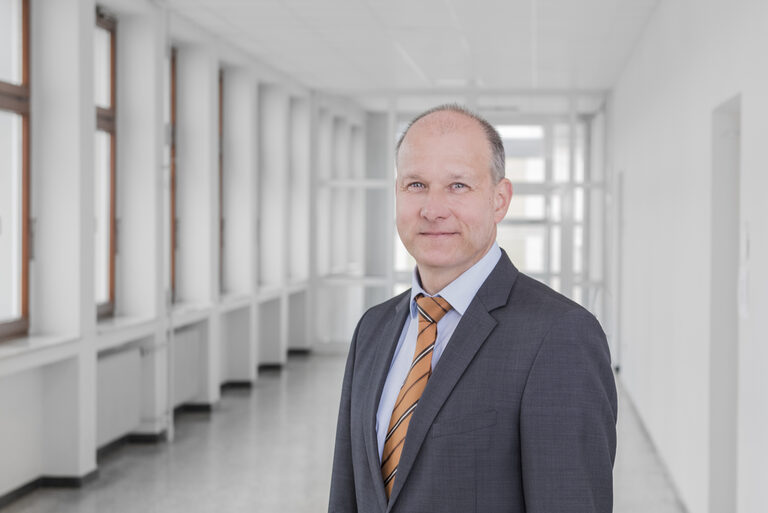
Christof Röhrig is a Professor at the FH Dortmund - University of Applied Sciences and Arts , conducting research at the Institute for the Digitalization of Work and Living Environments (IDiAL). He leads the Intelligent Mobile Systems Lab , focusing on robotics, wireless sensor networks, and kinematic modeling. His research spans mobile robotics , indoor localization , and industrial automation , with a strong emphasis on IoT , 5G networks , and rescue robotics . Key trends in his recent work include LoRaWAN localization , modular robot design , and digital twin architecture . He collaborates extensively on motion control , sensor fusion , and energy-efficient systems , though no specific students, awards, or grants are listed in the provided data. The lab at IDiAL explores robotics in emergency response and industrial IoT applications , with a focus on precision localization and collaborative automation .
Professor Li Tian (b. 1982) is a full professor and PhD supervisor at the Department of Civil Engineering, School of Civil Engineering, Shandong University. He serves as Director of the Shandong Green Building Intelligent Construction Center and was selected into Shandong University's Youth Scholar Future Plan (2017-2022). His research focuses on seismic and wind resistance of civil infrastructure, with 38 SCI publications and 56 patents (26 inventions). Research Interests Structural Earthquake and Wind Resilience Vibration Control Systems Smart Material Applications Multi-hazard Structural Analysis Long-span Transmission Tower Dynamics Publications Overview His 15 most recent works (2018-2019) demonstrate expertise in seismic/wind vulnerability of power infrastructure, vibration control devices (particularly SMA-TMD systems), and multi-hazard structural analysis. Key contributions include probabilistic seismic demand modeling, bidirectional damping mechanisms, and collapse failure simulations. Scientific Awards Multiple Shandong Electric Power Science and Technology Progress Prizes (2018, 2015) Shandong University Teaching Awards (2017, 2012, 2014) National and Regional Academic Paper Prizes Academic Engagement He actively participates in structural engineering societies, serves on NSFC review panels, and acts as reviewer for over 30 journals including Engineering Structures and Earthquake Engineering and Engineering Vibration .
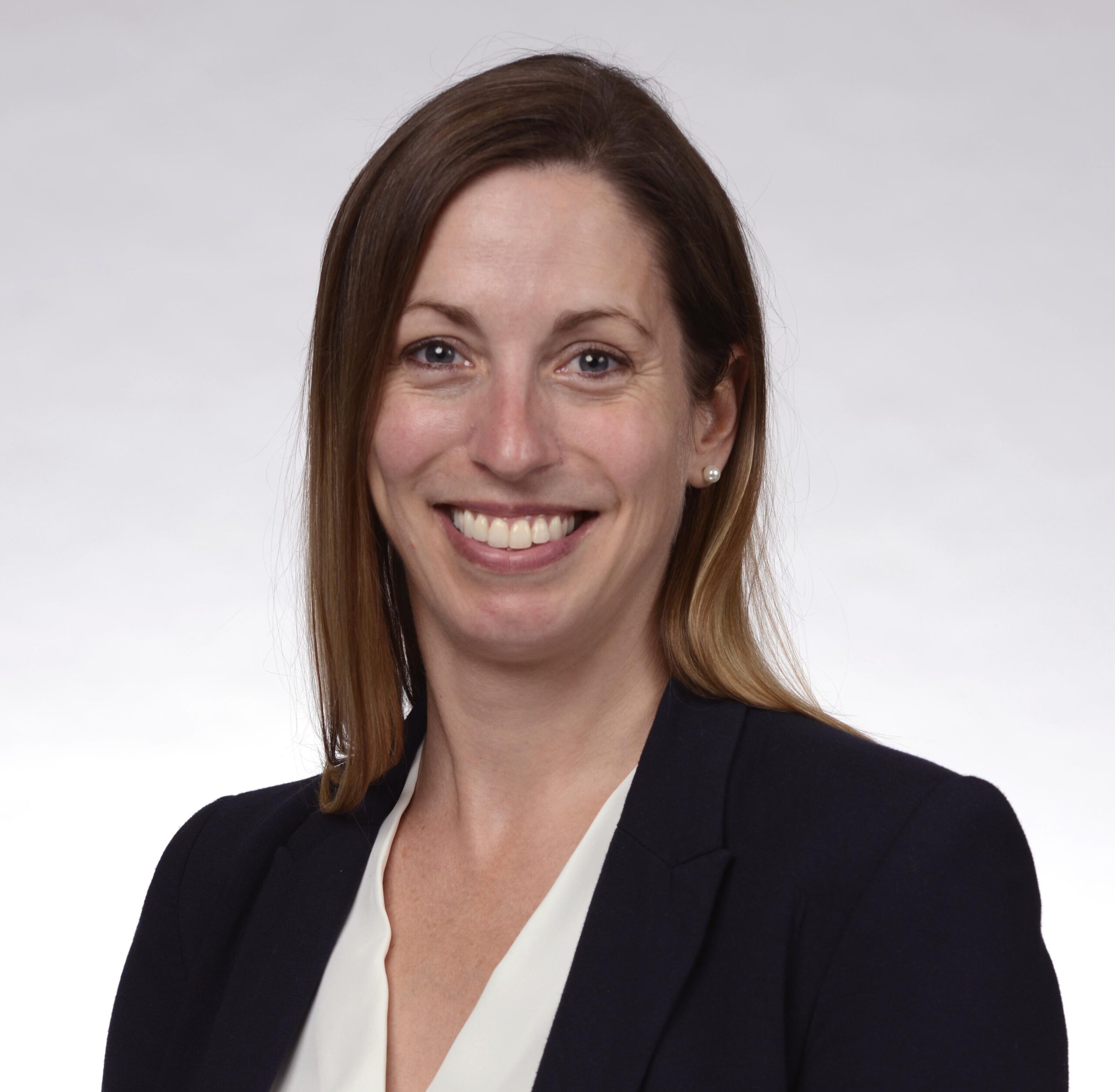
Dr. Marianne Touchie is an Associate Professor jointly appointed in the Departments of Civil & Mineral Engineering and Mechanical & Industrial Engineering at the University of Toronto. She serves as Director of the Building Energy and Indoor Environment Lab and holds the Canada Research Chair in Sustainable Urban Housing. Dr. Touchie earned her BASc (2009) and PhD (2014) in Civil Engineering from the University of Toronto, with postdoctoral work at Toronto Atmospheric Fund. Research Focus: Her interdisciplinary program centers on optimizing building performance through energy-efficient retrofits that enhance indoor environmental quality. Key areas include: HVAC system optimization and ventilation efficacy in high-rises Thermal/acoustic comfort and occupant well-being metrics Lifecycle analysis of sustainable housing forms Climate-resilient building codes and policy frameworks Publications: Her recent work (2023-2025) demonstrates strong emphasis on field-based validation of retrofit strategies, climate adaptation in building codes, and holistic assessment of housing sustainability. Dominant themes include multi-unit residential building (MURB) performance, co-benefits quantification of retrofits, and occupant-centered design. Awards & Honors: McCharles Prize for Early Career Research Distinction (2022) Early Career Teaching Award (2022) ASHRAE New Investigator Award (2018) OBEC Rising Star Award (2021) Clean 50 – Canada (2020) Leadership: She leads 15+ projects with industry/government partners (e.g., Toronto Community Housing), supervises 40+ graduate students, and serves as President of the Building Science Specialist Board of Canada. Her lab develops novel assessment tools like Photovoice and CONTAM simulations for retrofit validation.
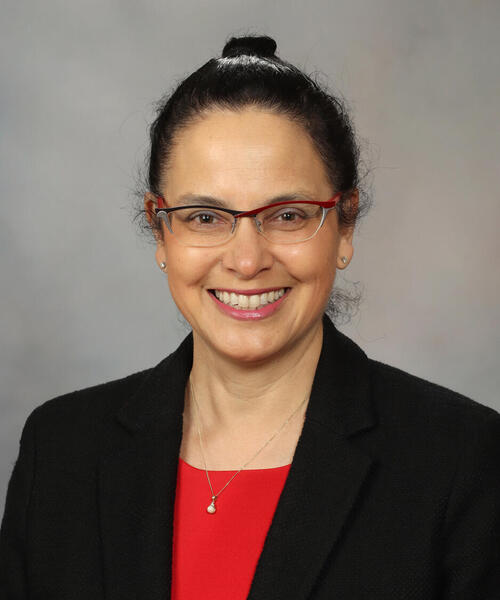
Robin Patel, M.D., is a Professor of Medicine and Microbiology at Mayo Clinic in Rochester, Minnesota. She serves as Director of the Infectious Diseases Research Laboratory, Chair of the Division of Clinical Microbiology, and Director of the Bacteriology Laboratory within the Department of Laboratory Medicine and Pathology. Her work bridges clinical microbiology, infectious diseases, and translational research, with a focus on improving patient care through innovation in diagnostics and therapeutics. Her research interests center on biofilm-mediated infections , including prosthetic joint infections, endocarditis, and catheter-associated infections. She investigates mechanisms of biofilm formation and resistance, develops novel diagnostic assays, and evaluates new antimicrobial agents using in vitro and animal models (e.g., rabbit endocarditis, mouse pneumonia). Her lab is also deeply involved in combating antimicrobial resistance through innovative strategies such as electrochemical bandages and catheters. Dr. Patel's recent publications highlight trends in novel antimicrobial devices , phage therapy , proteomic analysis of biofilms , and advanced molecular diagnostics . Her work increasingly integrates engineering solutions with microbiology to create non-antibiotic interventions for persistent infections. Fellow, American Association for the Advancement of Science (2024) Distinguished Mayo Clinic Investigator (2022) Distinguished Educator Award (2021) Elizabeth P. and Robert E. Allen Professor of Individualized Medicine (2017) Fellow, American Academy of Microbiology (2012) Dr. Patel has led multiple NIH-funded grants, including projects on electrochemical catheters for bloodstream infection prevention and novel bandages for wound infections. She mentors a large research team and contributes significantly to national standards through leadership roles in the American Board of Pathology and Clinical and Laboratory Standards Institute. Her lab collaborates extensively across disciplines and institutions, driving innovation in clinical microbiology and infectious diseases. She is affiliated with key research centers at Mayo Clinic, including the Center for Individualized Medicine, the Infectious Diseases Research Center, and the Center for Clinical and Translational Science (CCaTS). Her laboratory is a hub for translational research, developing assays that are directly implemented in patient care at Mayo Clinic.
Sherrilyn Roush is a Professor in the Department of Philosophy at University of California, Los Angeles (UCLA) , with a PhD in Philosophy from Harvard University (1999). She holds dual B.S. and B.A. degrees with highest distinction from Pennsylvania State University (1988). Her work spans Epistemology , Formal Epistemology , Scientific Method , and Bayesian Reasoning . Harvard University, PhD in Philosophy (1999) University of California, Los Angeles, Department of Philosophy Research interests include the epistemic value of knowledge, probabilistic reasoning in legal contexts, and the distinction between knowledge and understanding. She has extensively analyzed the role of statistical evidence in judicial verdicts, simulation methods in science, and epistemic self-doubt through a Bayesian framework. Her publications cover topics like the epistemic superiority of experiments over simulations, epistemic injustice in testimonial contexts, and evolutionary stable strategies for knowledge. While she has not been explicitly linked to scientific awards or formal student mentoring in the provided texts, her work intersects with medical epistemology through collaborations on self-knowledge in illness .
Jason Raymond, Ph.D., is a Research Assistant Professor at the Fralin Biomedical Research Institute (FBRI) at Virginia Tech-Carilion, where he also serves as the Focused Ultrasound Core Manager. He leads advanced research in therapeutic ultrasound and manages state-of-the-art facilities including MRI-guided focused ultrasound systems and a 9.4T small-bore MR-imaging platform. His work supports both preclinical and clinical trials in focused ultrasound applications. Ph.D. in Biomedical Engineering, University of Cincinnati Postdoctoral Research Fellow, University of Oxford Lecturer and Senior Research Associate, Department of Engineering Science, University of Oxford Junior Research Fellow, Kellogg College, Oxford B.S. and M.S. in Engineering Acoustics and Mechanical Engineering, Boston University Dr. Raymond’s research focuses on biomedical therapeutic ultrasound, with applications in drug delivery, blood-brain barrier opening, high-intensity focused ultrasound (HIFU) ablation, and acoustic cavitation. His expertise also extends to ultrasound contrast agents, photoacoustic imaging, and the physical interactions of sound and light in biological tissues. He has pioneered work in sonochemistry, microbubble dynamics, and non-invasive neuromodulation. His recent publications reveal a strong trend in leveraging ultrasound for chemical and biological applications, including sonochemical degradation, hydroxyl radical monitoring, and genetic engineering of biofilms. His work integrates acoustics, chemistry, and biomedical engineering to develop novel therapeutic and diagnostic tools. 38th F.V. Hunt Postdoctoral Research Fellowship, Acoustical Society of America Whitaker International Fellowship, Thoraxcenter–Erasmus Medical Center Junior Research Fellowship, Kellogg College, Oxford Dr. Raymond has been instrumental in establishing physical acoustics laboratories and has contributed to major advancements in focused ultrasound technology. He actively mentors researchers, supports collaborative projects across Virginia Tech, and provides technical guidance for industry and academic partners. His leadership in core facilities enables broad access to cutting-edge ultrasound technologies. He manages the Focused Ultrasound Technical Facilities at FBRI, which include a clinical transcranial MRI-guided focused ultrasound system (InSightec and Siemens) and a Bruker 9.4T MR system for small animal studies. These labs support research in non-invasive surgery, hyperthermia, ablation, and blood-brain barrier modulation.
Jason Chami is a Clinical Associate Lecturer at the Central Clinical School within the Faculty of Medicine and Health at the University of Sydney. His academic appointment focuses on clinical teaching and research in cardiology and medical informatics, with affiliations spanning the Sydney Medical School and Central Clinical School. His research interests center on cardiology, particularly congenital heart disease complexity stratification, registry systems, and medical coding accuracy. He also investigates ophthalmology (glaucoma devices), metabolism (cardiometabolic biomarkers), and neuroscience (pain pathways). His work integrates clinical data analysis with informatics approaches to improve diagnostic precision and patient outcomes. Analysis of his 2020-2025 publications reveals dominant themes in congenital heart disease research, including algorithmic risk stratification, registry optimization, and coding error reduction. Secondary streams include ophthalmology (PreserFlo MicroShunt safety studies), metabolism (Slc16a13 gene impacts), and neuroscience (neuroreceptor changes in pain models), demonstrating cross-disciplinary clinical research methodology.
Cameron Murray is an Associate Professor in the Department of Civil Engineering at the University of Arkansas. He specializes in concrete research with a focus on alternative cement technologies, particularly belitic calcium sulfoaluminate (BCSA) cement, and prestressed concrete structures. Dr. Murray directs a research group that investigates rapid-setting concrete materials for infrastructure repair and bridge engineering applications. His work bridges fundamental material science with practical engineering solutions for transportation infrastructure. Dr. Murray's educational background includes: Ph.D. in Civil Engineering from the University of Oklahoma (2017) M.S. in Civil Engineering from the University of Arkansas (2014) B.S. in Civil Engineering from the University of Arkansas (2012) Dr. Murray's research focuses on innovative concrete technologies with particular emphasis on alternative cementitious materials that offer environmental benefits and rapid-setting properties. His work explores the structural applications of belitic calcium sulfoaluminate (BCSA) cement for infrastructure repair, prestressed concrete systems, and bridge engineering. He investigates material properties, durability mechanisms, and structural performance to develop practical solutions for transportation infrastructure challenges. His research addresses critical issues such as early-age concrete behavior, corrosion resistance, and sustainable construction practices that reduce carbon emissions in the concrete industry. Analysis of Dr. Murray's recent publications reveals a strong focus on alternative cement technologies, particularly belitic calcium sulfoaluminate (BCSA) cement and its structural applications. His work spans material characterization, structural performance testing, and practical implementation in transportation infrastructure. Key research themes include rapid-setting concrete for infrastructure repair, prestressed concrete behavior, and sustainable concrete technologies with reduced carbon footprints. His publications demonstrate a progression from fundamental material studies to applied research addressing real-world infrastructure challenges, particularly in bridge engineering and rapid repair applications. Dr. Murray has received significant recognition for his teaching and research contributions: Department's outstanding teacher award (three times) College of Engineering Rising Teacher Award (2022-23) ACI Walter P Moore, Jr. Faculty Achievement Award (2022) Dr. Murray has successfully mentored numerous graduate students through their research projects, with a particular focus on concrete technology and structural engineering applications. His research group has secured substantial external funding totaling $6.2 million as PI or Co-PI, with additional $650,000 in equipment donations. Current funding sources include state DOTs, concrete industry groups, private industry, and federal agencies such as the US Army Corps of Engineers. His projects address critical infrastructure needs including rapid bridge deployment systems, alternative cement technologies, and concrete durability solutions. Dr. Murray directs the Concrete Research Laboratory at the University of Arkansas, located at the Grady Harvell Civil Engineering Research and Education Center (CEREC). The laboratory features a 20,000 sq. ft. high-bay testing area with a 100 ft. by 40 ft. strong floor, capable of handling large-scale structural testing. The facility includes specialized equipment for concrete material characterization, structural testing of reinforced and prestressed concrete members, and environmental monitoring systems. His research team collaborates with industry partners including Coreslab Structures and government agencies to address practical infrastructure challenges.
Daniel Brandell is a Professor in Materials Chemistry at Uppsala University, working within the Department of Chemistry - Ångström Laboratory, specifically in the Structural Chemistry division. He serves as the responsible professor for the Structural Chemistry programme and is a key researcher within the Ångström Advanced Battery Centre. Professor Brandell's research focuses on advanced battery technologies, with particular emphasis on: Lithium-ion and solid-state battery systems Polymer and ceramic electrolytes Thermal management and safety of battery systems Computational modeling of ion transport mechanisms Next-generation battery materials for electromobility applications His recent publication record demonstrates a strong trend toward understanding fundamental mechanisms in battery operation, with significant focus on thermal runaway phenomena, ion transport in novel electrolyte systems, and the development of safer, more efficient solid-state battery technologies. Much of his work combines experimental approaches with computational modeling to gain deeper insights into battery chemistry and physics at the molecular level. His research spans from fundamental materials science to practical safety testing methodologies. Professor Brandell actively collaborates with researchers across multiple institutions and contributes to advancing battery technology for sustainable energy applications. His work has significant implications for the development of safer, higher-capacity batteries for electric vehicles and grid storage solutions, addressing critical challenges in energy storage technology. His research group appears to collaborate extensively with other researchers at Uppsala University and internationally, as evidenced by the co-authorship patterns in his publications.
Dominic Edelmann is a researcher at Heidelberg University, Germany, specializing in mathematical statistics and its applications in biostatistics and high-dimensional molecular data. His work bridges theoretical statistics and biomedical research, particularly in developing and applying distance-based dependence measures. Research Interests: His research centers on distance correlation , survival analysis for high-dimensional data , epigenetic data analysis , and machine learning . He investigates nonlinear relationships in complex datasets, with applications in oncology and molecular biology. The recent publications show a strong trend in extending distance correlation methods to survival and competing risks data, as well as time series and high-dimensional settings. His work combines rigorous mathematical foundations with practical applications in biomedicine. Scientific Funding: DFG Grant "dCortools: Distanzkorrelationsverfahren zur Erkennung Nichtlinearer Zusammenhänge in Hochdimensionalen Molekularen Daten" (2019–present) Academic Supervision: He has co-supervised Master’s theses on bias correction in distance correlation and regression models for bounded responses in DNA methylation studies, indicating active involvement in training the next generation of statisticians. He holds a Dr. rer. nat. in Mathematics from Heidelberg University (2015) and was a research assistant there during his doctoral studies. His work continues to be centered at Heidelberg University, contributing to both theoretical and applied statistical science.
Prof. Dr. Tuba Esatbeyoglu is a full Professor of Molecular Food Chemistry and Development and serves as the Executive Director of the Institute of Food Science and Human Nutrition at Leibniz University Hannover, within the Faculty of Natural Sciences. She leads research in food chemistry, quality, and safety, with a focus on bioactive compounds and sustainable food innovation. Research Interests: Her work centers on secondary plant metabolites, food by-product utilization, HPLC method development, proanthocyanidin chemistry, food stability, authenticity markers, and in vitro biological activity and toxicity. She investigates the bioaccessibility and sensory properties of functional foods, contributing significantly to food quality and safety science. Publication Trends: Her recent publications reflect a strong focus on polyphenols, encapsulation technologies, food waste valorization, and analytical method development. She frequently explores the health impacts of plant extracts, liver protection, and sustainable food systems, often employing in vitro and animal models. Scientific Awards: Georg Forster Research Award (Alexander von Humboldt Foundation, 2022) Poster Prize, Brunel University (2014) Danone Nutrition for Health Institute Scholarships (2013, 2014) Rochow Family Trust Scholarship (2012) DGQ Young Scientist Award (2011) Award for Outstanding Academic Achievements in Food Chemistry (2006) Advising and Grants: While specific students are not listed, she supervises research in food science and has served on examination boards. She has led projects including a genetic engineering S1 facility and holds permissions under the Infection Protection Act. She has been involved in reviewing for major funding bodies including DFG, DAAD, and the Alexander von Humboldt Foundation. Labs and Teams: She heads the Molecular Food Chemistry and Development research group at the Institute of Food Science and Human Nutrition. She is active in national and international scientific networks, including DECHEMA, GDCh, DGE, IFT, and FEI’s Scientific Advisory Board, and contributes to standardization efforts via DIN.
Olga Ristić is an Associate Professor at the Department of Information Technologies, Faculty of Technical Sciences Čačak, University of Kragujevac, Serbia. Her office is located at Svetog Save 65, Čačak (Office No. 237), and she can be contacted via phone (+381 32 302-714) or email. She holds a Diploma in Technics and Informatics (1997), a Master's in Technical Sciences (2006), and a PhD in Information Technologies and Systems (2016), all from the University of Kragujevac. Her research focuses on: Software testing methodologies and quality assurance Modeling and simulation of complex systems Optimization algorithms for industrial applications Educational technology and IT pedagogy Mobile applications and information systems reliability Her recent publications emphasize interdisciplinary approaches, with strong trends in machine learning applications for cybersecurity, optimization in Industry 4.0 systems, educational technology innovations, and sustainable energy management. She frequently employs simulation techniques and algorithm development across diverse domains. She has led or contributed to eight Ministry of Science-funded projects: Curriculum development for IT education programs Software quality assurance frameworks Industrial system reliability modeling Food supply chain optimization Deregulated energy distribution systems At the Faculty of Technical Sciences, she coordinates courses across all academic levels, including Data Structures, Software Testing, Mobile Applications, and Quality of Software. She also conducts professional development seminars on database design and ISTQB certification.
Paolo Surico is a Professor of Economics at London Business School, University of London, with affiliations at the Centre for Economic Policy Research (CEPR), the London School of Economics Centre for Macroeconomics, and former roles at the Bank of England, IMF, and European Central Bank. His research focuses on macroeconomics, finance, and policy analysis, particularly the impacts of monetary and fiscal policies on household and corporate debt. BA, Economics – University of Bari Master in Economics – Universitat Pompeu Fabra PhD, Economics – Bocconi University Surico’s work spans heterogeneous behavior in macroeconomic models, monetary-fiscal interactions, climate change economics, and pandemic policy responses. His recent articles examine government spending dynamics, mortgage market disruptions, and income inequality mechanisms. He contributes to Think at London Business School, analyzing global trends like Brexit, secular stagnation, and demographic shifts in macroeconomic contexts. Surico also engages in keynote speaking for major firms and emphasizes applied econometrics in teaching. His research has been cited in media outlets including The Economist, Financial Times, and Italian publications like Corriere della Sera. Surico actively explores the macroeconomic implications of artificial intelligence, automation, and demographic changes.
Frode Eika Sandnes is a Professor at the Department of Information Technology , Faculty of Technology, Art and Design , Oslo Metropolitan University , focusing on Human-Computer Interaction and Universal Design of ICT . His research spans innovative interaction techniques, skill reuse, pattern recognition, image analysis, and intelligent systems. Current research trends include accessibility in digital education, lightweight deep learning models, and physical interface usability Recent publications analyze color picker efficiency, 3D-printed prosthetics, and authentication technologies His work integrates interdisciplinary approaches to enhance usability and inclusivity in technology. Notable projects involve automated readability assessments and AI applications in diverse domains like aquaculture and medical diagnostics.
Adam Hecht is a Professor in the Department of Nuclear Engineering at the University of New Mexico since 2008. He holds a Ph.D. in Physics (Yale University, 2004) and has led multidisciplinary research in radiation detection, nuclear nonproliferation, and detector development. His educational background includes Ph.D., M.Phil., and M.S. in Physics from Yale University (2001-2004) and a B.S. in Physics from the University of California, Irvine (1997). Ph.D. in Physics (Yale, 2004) M.Phil. in Physics (Yale, 2001) M.S. in Physics (Yale, 1999) B.S. in Physics (UC Irvine, 1997) His research focuses on Radiation Detection for nuclear nonproliferation, Fission Fragment Measurement via spectrometers at LANSCE, Muon Imaging for spent fuel casks, and Novel Detector Development (perovskites, AlSb semiconductors). He directs the Radiation Research and Detector Development (R2D2) Laboratory , collaborates with LANL/INL, and advises UNM's Institute of Nuclear Materials Management (INMM) student group. Key article trends show expertise in Muon Tomography (2025), Neuromorphic Computing for radiation detection (2024), AlSb Semiconductor Detectors (2016), and Fission Data Analysis (2015-2022). His work spans Physics of Atomic Nuclei , Nuclear Instruments and Methods , and Environmental Geochemistry . Awards include the J.W. Gibbs Fellowship (Yale, 1997-1998). Students advised include Daniel Poulson (Muon Imaging), Richard Blakeley (Fission Spectrometer), Erin Vaughan (AlSb Detectors), and Joseph Morris (Refractive Index Analysis). Collaborations with electrical engineering, Portland State University, and LANL/INL are frequent.