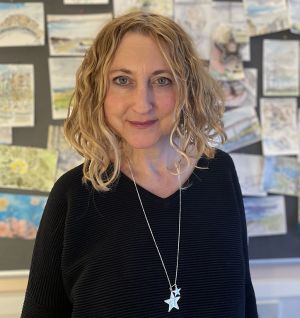
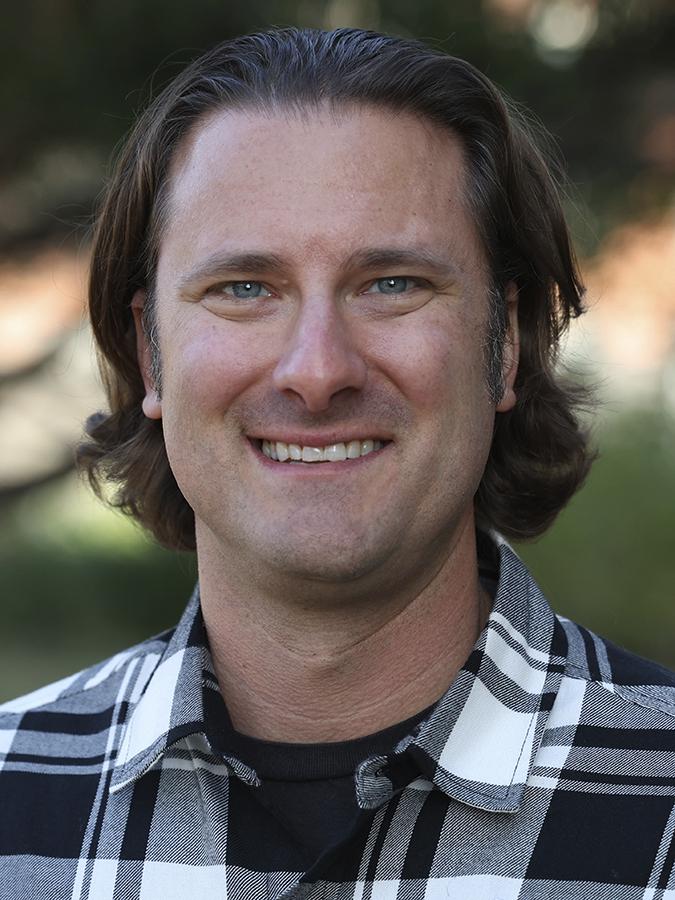
Prof. Dr. Sakibe Nalan BÜYÜKKANTARCIOĞLU is a Professor at Çankaya University, Faculty of Arts and Sciences, Department of Translation and Interpreting Studies (English). She previously served as Professor (2007–2019), Associate Professor (2000–2007), and Assistant Professor (1997–2000) at Hacettepe University, Department of English Linguistics. PhD in English Linguistics (Hacettepe University, 1991) MA in English Language Teaching (Middle East Technical University, 1985) BA in English Teaching (Istanbul University, 1978) Her research spans Linguistics, Cognitive Linguistics, Discourse Analysis, Psycholinguistics, Sociolinguistics, Translation Studies , with a focus on figurative language, interjections, political discourse, and endangered languages. She received the European Language Award (2011) and has supervised numerous PhD and MA theses, including work on Turkish idioms, gender representation, and language awareness. A prolific editor and conference participant, she has contributed to interdisciplinary projects and publications on Turkish sociolinguistics.
Professor Siân Bayne is a leading academic in digital education at the University of Edinburgh , where she serves as Assistant Principal for Education Futures and directs the Centre for Research in Digital Education . Her work bridges critical theory and practical innovation in higher education. Interdisciplinary research on digital education and futures studies Leadership in the Edinburgh Futures Institute and Moray House School of Education and Sport Global impact through UNESCO collaborations and UKRI GCRF projects Bayne’s research explores higher education futures , utopian theory , and digital enhancement , with a focus on: AI’s role in teaching and learning Ethical implications of educational technologies Anonymous social media in academic spaces Speculative scenarios for educational systems Global South digital education models Augmented reality applications in assessment Her 15 most recent publications span 2017-2025 , covering critical perspectives on: Generative AI and educational innovation Utopian design in universities Data governance in learning analytics Augmented reality pedagogy Digital cultural heritage Scientific recognition includes: IASH Sabbatical Fellowship (2023) Bayne leads Higher Education Futures initiatives and partners with institutions worldwide, including: UNESCO Global Education and Technology Report World Bank collaborations European university leadership programs She also drives major research centers like: Centre for Research in Digital Education UKRI GCRF Urban Disaster Risk Hub
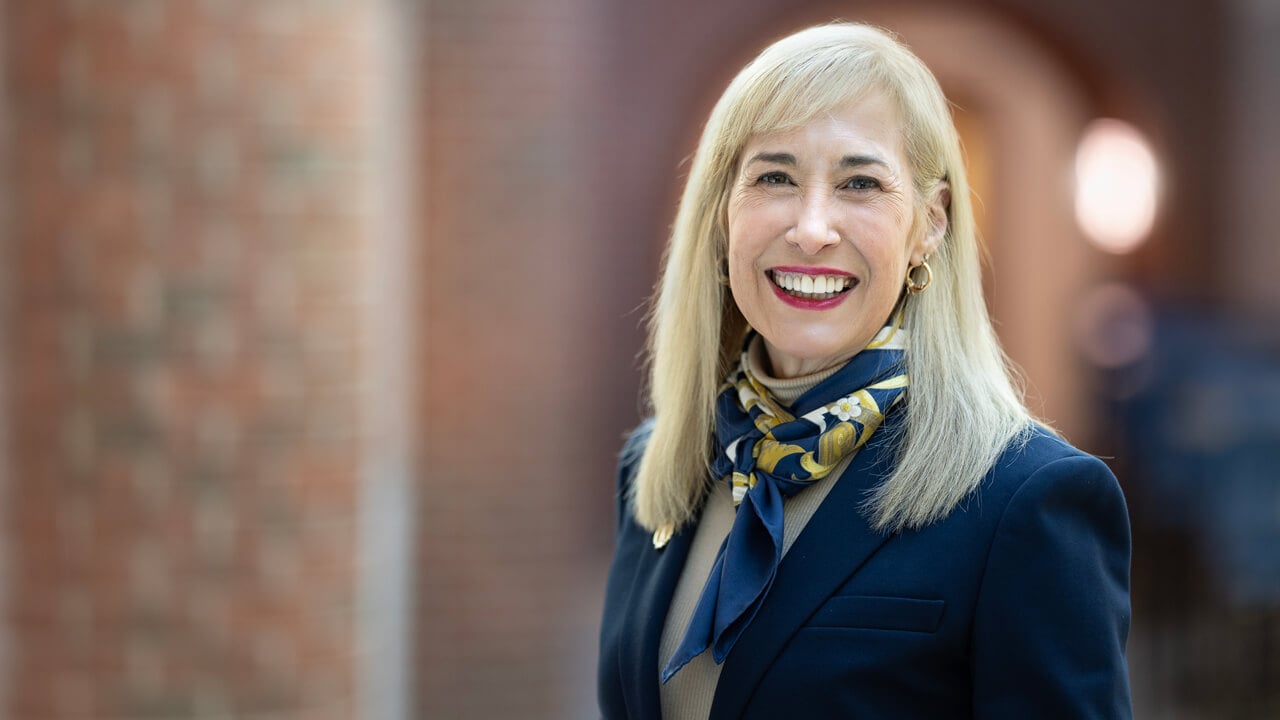
Marie Hardin, Ph.D. serves as the 10th president of Quinnipiac University, assuming office on July 1, 2025. Previously, she was dean of the Donald P. Bellisario College of Communications at Penn State University since 2014, where she also held a professorship. As president, she oversees all academic units including the Frank H. Netter MD School of Medicine, School of Law, and College of Arts and Sciences. Dr. Hardin earned her Ph.D. in mass communication from the University of Georgia, an M.A. in communication from Georgia State University, and a B.A. in theology from Ambassador College. As a first-generation college graduate, she brings personal understanding of educational access challenges. Her research focuses span sports media representation, gender studies in communication, and journalism education. She has significantly influenced communication pedagogy through leadership roles in national accreditation bodies and professional organizations. Dr. Hardin's scholarly impact is reflected in her editorial leadership as co-editor of the Sage journal "Communication & Sport" and two book series in her field. Her administrative approach emphasizes student media development, having created The News Lab at Penn State and championed student media consortiums. George W. Atherton Award for Excellence in Teaching (2009) University of Georgia Grady College Distinguished Alumni Scholar (2013) 2024 Scripps Howard Administrator of the Year AEJMC President (2019) President Hardin actively mentors emerging scholars while leading university-wide strategic initiatives. She chairs the national committee for the Accrediting Council on Education in Journalism and Mass Communication and the Hearst Foundations Journalism Awards Steering Committee. Her leadership extends to community engagement through partnerships with media organizations and professional development programs for journalism educators. As an avid runner who has completed over 30 marathons, she models resilience and dedication to the Quinnipiac community. Her administrative philosophy emphasizes innovation in career-ready education within an inclusive learning environment that values lifelong learning.
Armin Falk is a Professor of Economics at the University of Bonn, leading the BonnEconLab since 2004 and co-founding the briq Institute on Behavior & Inequality. He holds affiliations with the IZA, DIW, CEPR, and Max-Planck-Institut. His research focuses on behavioral economics, exploring how social preferences like fairness and trust influence decision-making, and investigates early childhood development's role in inequality. Falk has received prestigious awards, including the Leibniz Prize and Yrjö Jahnsson Award. His work combines lab experiments, field studies, and representative data analysis. Education includes a PhD in Economics from the University of Zurich after studies in Economics, Philosophy, and History at the University of Cologne. Key research highlights include global climate action support studies (Nature Climate Change, 2024), socioeconomic disparities in child development (JPE, 2021), and global economic preferences surveys (QJE, 2018). He co-authored the book *Warum es so schwer ist, ein guter Mensch zu sein* to popularize behavioral economics. Awards include recognition for contributions to behavioral and development economics. Mentoring programs like *Balu und Du* aim to reduce educational inequality. His work bridges academic research with public discourse through media contributions and policy engagement.
Andrew R. Meyer is an Associate Professor in the Department of Health, Human Performance, and Recreation at Baylor University, where he teaches courses in Sport Psychology and Religion and Sport. His academic work bridges the fields of sport sociology, cultural studies, and theology, with a particular focus on the enduring influence of muscular Christianity in American sports. His research interests include: Contemporary American Sport Culture and Religion Muscular Christianity and its modern manifestations Hero-celebrity athletes in popular culture Character development through sport and education Traditional and contemporary Indigenous sport cultures Sport's cultural impact on communities The themes across his publications reveal a consistent exploration of the moral, spiritual, and cultural dimensions of sport. His work analyzes how religious values, particularly those rooted in Christian traditions, shape athlete identity, media narratives, and public perception of sports figures. He has developed the Contemporary Muscular Christian Instrument (2017, 2020) to measure these values across global sport contexts. His articles appear in interdisciplinary journals spanning religion, sociology, public health, and cultural studies, reflecting the broad relevance of his research. Scientific awards and recognitions include: Baylor Teaching Fellow (2017) Dr. Meyer has been active in academic and public discourse, serving as a keynote speaker at international conferences on sport and Christianity and being featured on media outlets such as NPR and the Sport, Faith, Life podcast. His teaching emphasizes character formation in the classroom, aligning with his research on moral development through sport. While specific grant funding is not mentioned, his extensive publication record in peer-reviewed journals and edited volumes indicates sustained scholarly productivity. He has contributed to discussions on mega-sport events, cycling culture, and the redemption narratives of fallen athletes like Lance Armstrong. He is affiliated with the College of Health, Human Performance, and Recreation at Baylor University, contributing to both graduate and undergraduate education in sport studies.
Dr. Andrea R. English is a Senior Lecturer in Philosophy of Education at the Moray House School of Education and Sport, University of Edinburgh. She holds significant academic leadership roles, including President-Elect of the John Dewey Society and Editor-in-Chief of IMPACT: Philosophical Perspectives on Education Policy . Her research focuses on productive struggle in learning, dialogic pedagogy, and decolonizing education. She earned her doctorate from Humboldt University Berlin and has taught globally, including at Mount Saint Vincent University and Humboldt University Berlin. Dr. English leads the Productive Struggle Lab and the Listening Study Group, emphasizing anti-oppressive and democratic educational approaches. She coordinates teacher education initiatives and supervises PhD students exploring critical thinking, inclusive education, and decolonization. Her work bridges philosophy and practice, addressing how teachers foster student resilience through pedagogical listening, particularly in STEM education. She actively contributes to Scotland’s anti-racist curriculum project and collaborates internationally on transformative learning and ethical teaching practices. Dr. English’s teaching spans undergraduate and postgraduate programs, including courses on critical thinking, inclusive pedagogy, and John Dewey’s educational philosophy. Her funded research explores AI tools for identifying student struggle and the role of negativity in transformative learning. She frequently presents at global conferences, advocating for dialogic teaching and moral education reform.
Shigeru Uesugi is Professor in the School of Creative Science and Engineering, Faculty of Science and Engineering, Waseda University. He directs interdisciplinary research that fuses mechanical engineering, human–robot interaction, and philosophy of technology to create co-creative interfaces, sports-assist devices, and mediated communication systems. Education: Ph.D. in Engineering, Waseda University Research Interests: Uesugi’s work centres on Human Interface & Interaction Design , Mediated Communication , and Being Design . He explores how technology can extend human bodily perception and foster co-creative relationships between users and machines, merging insights from robotics, sports science, and philosophy. Recent articles analyse embodied interaction in shared virtual spaces, remote collaboration via tangible interfaces such as networked “Lazy Susan” tables, and full-body rocking systems that create a sense of togetherness over distance. His publications reveal a steady focus on designing hardware–software hybrids that make remote partners feel co-present. Scientific Awards: 14th Okawa Thesis Award, Honorable Mention (2004) Human Interface Society Paper Award (2004) Grants & Projects: JSPS KAKENHI (A) “Comprehensive research on the relationship between scientific/technological innovation and human society” (2023-2026) JSPS KAKENHI Challenging Research “Transformations of intentionality and responsibility via artifacts” (2022-2025) JSPS KAKENHI “Fascia tension-propagation suit for motor-function enhancement” (2020-2023) Labs & Teams: He leads the Human-being Design Engineering Laboratory whose members develop co-creative interfaces, sports-training devices, and rehabilitation tools. The group maintains the website www.wesugi.mech.waseda.ac.jp and collaborates with the Waseda Research Institute for Science and Engineering.
Mark de Rond is Professor of Organisational Ethnography at Cambridge Judge Business School and Fellow of Darwin College, University of Cambridge. His work focuses on immersive ethnographic studies of human behavior in extreme contexts including war zones, high-stakes sports, and controversial social movements, revealing how individuals navigate challenging circumstances through compromise and sensemaking. His educational background includes a DPhil from the University of Oxford alongside advanced degrees in management and economics, photojournalism, documentary photography, biography, creative nonfiction, and prose fiction. This multidisciplinary training informs his unconventional methodological approach. De Rond's research centers on extreme context ethnography, examining how pressure-cooker environments expose fundamental organizational dynamics. His work spans military medicine (Camp Bastion fieldwork), elite sports (Cambridge Boat Race), Amazon river expeditions, and controversial practices like paedophile hunting. Key contributions explore negotiation, conflict resolution, serendipity, institutional persistence, and the emotional toll of fieldwork, often employing innovative methods like enactive ethnography and linguistic analysis of digital communities. His recent publications reveal a growing focus on digital vigilantism and the societal implications of extreme practices, with increasing interdisciplinary reach across organizational studies, criminology, medical anthropology, and sociology. The work demonstrates methodological creativity through linguistic analysis of Facebook groups, embodiment studies in extreme environments, and dream-based reflexive techniques. Scientific recognition includes: BEST ARTICLE AWARD FOR 2016 Favorite MBA Professor honors from Poets & Quants (2021, 2022) Guinness World Record for first unsupported Amazon row De Rond advises MBA students and delivers executive education to top law firms (Slaughter and May, Allen & Overy), professional services (McKinsey, KPMG), corporations (Sky, BT, Diageo), and NGOs (UNICEF, NHS). His negotiation training from Harvard Law School informs both academic work and university mediation practice. Current research involves collaborative teams studying paedophile hunting (featured in Sundance-nominated documentary Predators ) and high-performance sports organizations, with fieldwork requiring deep immersion in challenging environments. His research methodology involves embedded collaboration with diverse teams including medical personnel in conflict zones, elite rowers, and controversial activist groups, often pushing methodological boundaries through photojournalism and creative nonfiction approaches.
Professor Guy Williams is a leading academic at the University of Cambridge with a focus on imaging science and clinical neurosciences, affiliated with Downing College and the Wolfson Brain Imaging Centre . Holding a PhD in Physics from his initial Natural Sciences degree, he specializes in nuclear magnetic resonance (NMR) and MRI techniques for brain imaging. Education: BA, PhD in Physics His research centers on non-invasive imaging of brain structure and function, particularly in traumatic brain injury (TBI) and dementia. His work involves developing novel MRI pulse sequences and advanced data analysis algorithms, including AI-based diagnostic tools. He leads studies on white matter integrity post-trauma, longitudinal dementia assessment, and applications of MRI in disorders of consciousness and addiction. Recent publications highlight collaborations in traumatic brain injury outcomes, AI-guided dementia prediction, and neuroimaging of post-COVID cognitive deficits. His team's work on ultra-high field laminar fMRI and distortion correction methods has advanced clinical neuroscience applications. Key techniques include diffusion tensor imaging (DTI), 7 Tesla MRI, and positron emission tomography (PET/MR). His research spans from basic NMR physics to clinical translation, with a strong emphasis on multi-site studies and real-world diagnostic implementation.
Dr. Iro Armeni is Assistant Professor of Civil and Environmental Engineering at Stanford University, leading the Gradient Spaces research group. Her interdisciplinary research bridges architecture, civil engineering, and computer vision to develop data-driven methods for sustainable and adaptive built environments. Professor Armeni's work focuses on creating gradient environments that blend physical and digital realities through mixed reality technologies. She develops computational methods for 3D scene understanding, generative design, and adaptive spaces that respond to human needs. Her research integrates AI with architectural design to improve sustainability, inclusivity, and reusability of built spaces. Current projects include 3D scene graph representations, automated BIM modeling from visual data, and neuro-symbolic approaches for design optimization. She has developed tools like HoloLabel (AR semantic labeling) and SemSpray (VR annotation) for construction information management. Professor Armeni holds a PhD from Stanford University, supported by a Google PhD Fellowship, and completed postdoctoral research at ETH Zurich with an ETH Fellowship. She teaches courses on Computer Vision for the Built Environment and Mixed Reality applications.
Daniel Redwood serves as Director of the MS in Nutrition & Functional Medicine at the University of Western States (UWS), a leading institution in integrated health care. With 25 years of clinical chiropractic experience emphasizing nutrition and acupuncture, he previously held a professorship at Cleveland Chiropractic College - Kansas City where he supervised student interns and taught clinical nutrition. His educational background includes: BA in English, State University of New York at Buffalo Doctor of Chiropractic, Palmer College of Chiropractic Dr. Redwood's research focuses on the integration of nutrition and functional medicine within chiropractic practice, advocating for evidence-based holistic models that prioritize prevention and self-care. His work bridges conventional and complementary medicine through clinical applications in pain management, chronic disease prevention, and lifestyle interventions. His scholarly output demonstrates a clear evolution from foundational chiropractic principles toward integrative approaches, with increasing emphasis on evidence-based nutrition protocols and interdisciplinary collaboration in health care delivery systems. Key recognitions include: Educator of the Year (Missouri State Chiropractic Association) Six-time Virginia Chiropractic Association Literary Award winner As an educator and academic leader, he has shaped curriculum development through editorial roles including founding editor of The Journal of Alternative and Complementary Medicine and current associate editor of Topics in Integrative Healthcare. His consulting work with WebMD and Integrative Medicine Consult extends his influence into digital health platforms. Dr. Redwood actively builds bridges between medical disciplines through his leadership at UWS and participation in the Research Agenda Conference (RAC), positioning functional medicine as central to the future of integrated health care systems.
Professor Lee Wallace is a distinguished academic at the University of Sydney, serving as Director of the Sydney Social Sciences and Humanities Advanced Research Centre (SSSHARC) and Professor in the Discipline of Film Studies within the Faculty of Arts and Social Sciences. She joined the university in 2011 from the University of Auckland, where she earned her PhD in postcolonial literary studies in 1997. Her research focuses on queer theory, lesbian/gay studies, feminist theory, colonial/postcolonial discourse, and cinema studies. Wallace’s work explores intersections of sexuality, space, and cultural representation, with notable projects analyzing queer architectures and cinematic narratives. Education: PhD in Postcolonial Literary Studies from the University of Auckland (1997). Roles: Director of Research Development (Humanities), Research Coordinator, and member of the Sydney Centre for Healthy Societies and Sydney Policy Lab. Research interests include queer theory’s engagement with cultural space, colonial discourse analysis, and interdisciplinary studies of film and literature. Her recent articles analyze topics like midlife lesbian identity, queer science communication, and cinematic representations of commitment. Notable publications include Lesbianism, Cinema, Space (2009) and Reattachment Theory: Queer Cinema of Remarriage (2020). Awards: 2024 Eureka Prize finalist, Marsden Fund Grants (2007 and 1997). Her work has been featured in The Conversation and media outlets. Current grants include projects on queer community-building and sexual violence prevention in schools. Supervision: Guides PhD/Master’s students in queer theory, feminist theory, and interdisciplinary cultural studies. Her research team collaborates across disciplines to address societal challenges through humanities research.
Professor Keita Takayama is a prominent academic in education studies at the University of South Australia’s UniSA Education Futures. His work focuses on global education policy, comparative education, and teacher education methodology. He actively engages with transnational policy processes, decolonial research frameworks, and critical analyses of international assessments like PISA. As editor of the Asia-Pacific Journal of Teacher Education (APJTE), he emphasizes rethinking teacher subjectivity and pedagogical practices. His research critiques the politics of knowledge production and advocates for methodological innovations like 'Asia as Method.' Recent work addresses contradictions in education export policies, linguistic imperialism in scholarship, and the role of education in resisting authoritarianism. Education Background: Doctorate in Education (focus on comparative policy studies) Advanced training in decolonial methodologies and policy analysis Research Interests: Professor Takayama’s work bridges global and local educational contexts. Key themes include: Policy mobilities & transnational education governance Reimagining comparative education through 'negative' comparative frameworks Ethics of academic publishing and knowledge dissemination Teacher education’s role in shaping democratic societies Labs/Teams: Leads the APJTE editorial collective and co-founded the iTKNe transnational knowledge exchange platform for teacher educators. Active in global academic networks addressing East Asian education stereotypes and postcolonial educational research.
Dr James Lamb is a Lecturer in Digital Education at the Moray House School of Education and Sport, University of Edinburgh, where he is affiliated with the Institute for Education, Community and Society (IECS) and Edinburgh Futures Institute. He teaches on the MSc in Digital Education and MSc in Education Futures programs, and serves as course organiser for several key courses including 'Learning Spaces and Digital Technologies', 'The Future of Learning Organisations', and 'Education and Digital Cultures'. As an active researcher, he contributes to the Centre for Research in Digital Education and leads the Hybrid Pioneers research group. Dr Lamb's educational background includes a PhD from the University of Edinburgh (funded by ESRC), an MSc with distinction from the University of Edinburgh, and a BA degree with distinction from Edinburgh Napier University. His doctoral research focused on 'Space, Sociomateriality, Sound: the Learning Spaces of Higher Education,' reflecting his longstanding interest in the relationship between physical environments and educational experiences. Dr Lamb's research primarily investigates the relationship between learning spaces and digital technologies, with particular attention to how sound features within educational contexts and how multimodal approaches can enhance teaching and assessment. His work bridges theoretical frameworks from postdigital studies, sociomaterial theory, and spatial analysis to examine how digital technologies transform physical and conceptual learning environments. He has developed innovative methodologies for studying learning spaces, including the use of 'digital multimodal postcards' that capture both visual and auditory dimensions of educational experiences. His research is characterized by a strong commitment to practical applications that can inform educational design and improve student learning experiences in both physical and digital settings. Dr Lamb's extensive publication record demonstrates a clear evolution toward increasingly sophisticated explorations of postdigital learning spaces. His recent work integrates concepts from architecture, music, and mobility studies to create a more holistic understanding of how learners inhabit and transform educational environments. A notable trend is his growing focus on sustainability, equity, and well-being within learning space design, reflecting broader shifts in educational priorities toward more humane and socially responsible approaches to technology integration. Dr Lamb actively supervises PhD students Edward Martin and Nick Hood, and is open to supervising projects related to learning spaces, sound in education, and multimodal teaching and assessment in higher education. His supervision approach emphasizes connecting theoretical frameworks with practical educational applications, encouraging students to develop innovative methodologies for investigating complex educational phenomena. Dr Lamb leads the Elektronisches Lernen Muzik project, which explores the relationship between music and learning, and is a co-author of the influential Manifesto for Teaching Online. He is also a key member of the Hybrid Pioneers research group, which investigates the challenges and opportunities of hybrid teaching and learning environments. These initiatives reflect his commitment to exploring the intersections between traditional educational practices and emerging digital possibilities.
Laura Robinson is a Senior Lecturer at the School of Psychology , University of Wollongong. She holds a Doctor of Philosophy in Psychology and extensive teaching experience in behavioral sciences, statistics, and applied psychology. Education : PhD in Psychology (2017), Postgraduate Diploma in Psychology (2010), Bachelor of Psychology (2009), and Bachelor of Aviation (2004) Her research focuses on vulnerable populations, particularly women and youth, with expertise in substance use disorders, eating disorders, mental health comorbidity, and health equity. She has published extensively on residential treatment outcomes, continuing care interventions, and stigma reduction in mental healthcare. Recent publications highlight longitudinal analyses of psychological distress, weight stigma, and integrated approaches to substance use and physical health. She supervises PhD students on topics like veterans' mental health, methamphetamine use, and suicide prevention. Laura has received funding from internal and external sources, including grants for stimulant use interventions and health literacy studies. She serves on committees like the Australasian Professional Society for Alcohol and Drugs and contributes to peer-reviewed journals as a reviewer.